Winterthur
Winterthur, Switzerland
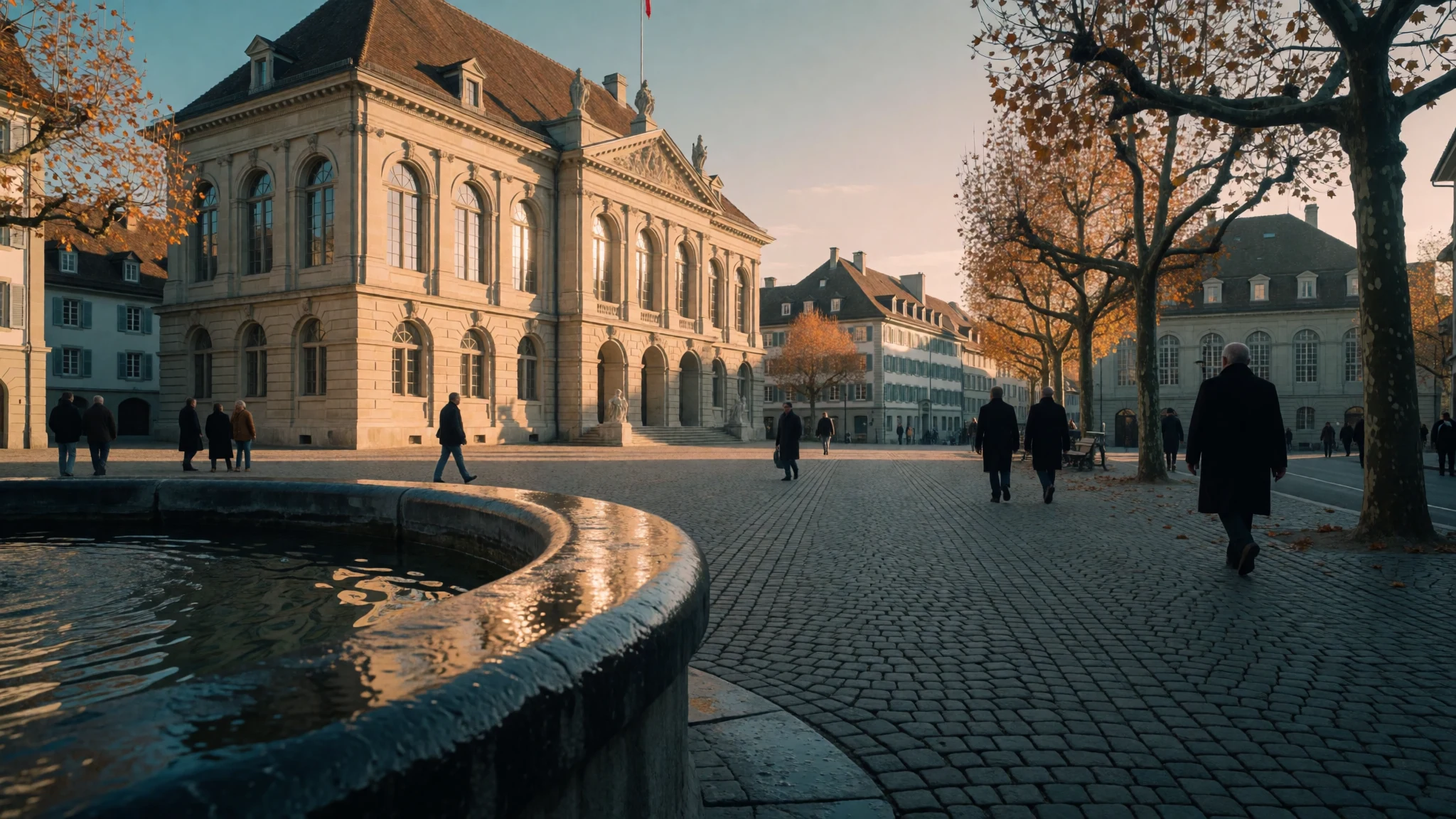
Winterthur is a calm, walkable Swiss city of art collections, hands-on science and handsome streets, just a short train ride from Zurich.
The place
Winterthur sits in the canton of Zürich in northern Switzerland, about 20 km from Zürich itself, and locals simply call it Winti. With around 120,000 residents it is a proper city rather than a suburb, though it works as a high-tech and service satellite within the Zürich metropolitan area. The centre lies in a basin at 439 m above sea level, where the small Eulach river runs through town before joining the Töss on the western side.
The feel is quieter and more lived-in than Zürich's. Pedestrian lanes in the old town are lined with shops, cafés and fountains, and the surrounding districts hold converted industrial buildings, museums and housing for a young, student-heavy population. The city made its living from engineering and textiles for generations; much of that heavy industry has gone, and its sites have been reused for culture and education.
Its railway station is among the busiest in the country, which says something about how people use the place: as a base, a commuter hub and a pleasant stop in itself. Direct trains link it to Zürich, the airport, Bern, Geneva, Basel, St. Gallen and onwards to Germany. Expect tidy streets, punctual transport and a pace that suits a slow day on foot rather than a checklist of famous sights.
Its story
Winterthur's story begins with the Romans, who ran a settlement called Vitudurum in what is now the Oberwinterthur district. Late in the third century it was turned into a fortified camp, probably as a response to Alamannic groups pushing in from the north. The Alamanni then settled the area themselves, and a village of some kind carried on through the early medieval centuries.
The town proper dates from the later Middle Ages. The counts of Kyburg, whose castle still stands on a hill nearby, ruled it through the twelfth and thirteenth centuries. When their male line ended, it passed to the Habsburgs, who granted it city rights in the 1260s. For a short stretch in the fifteenth century it answered only to the Holy Roman Emperor, an unusual independence for a town of its size.
Long afterwards, the nineteenth century made Winterthur's modern character. Locomotive builders, machine makers and textile firms brought wealth, and the family of Sulzer became one of the best-known industrial names. Rich industrial patrons also funded music and painting, which is why a mid-sized town holds collections that look out of scale. When heavy industry faded, the old works were reused rather than flattened, and the city won a national prize in the late twentieth century for caring for its architecture.
What to see
- Old town and Stadthaus — Old town
The pedestrian old town is the best place to start, with its lanes, fountains and façades. Nearby stands the Stadthaus, a civic building by the architect Gottfried Semper, also used for concerts. Allow an unhurried morning to wander, stop for coffee and look up at the rooflines.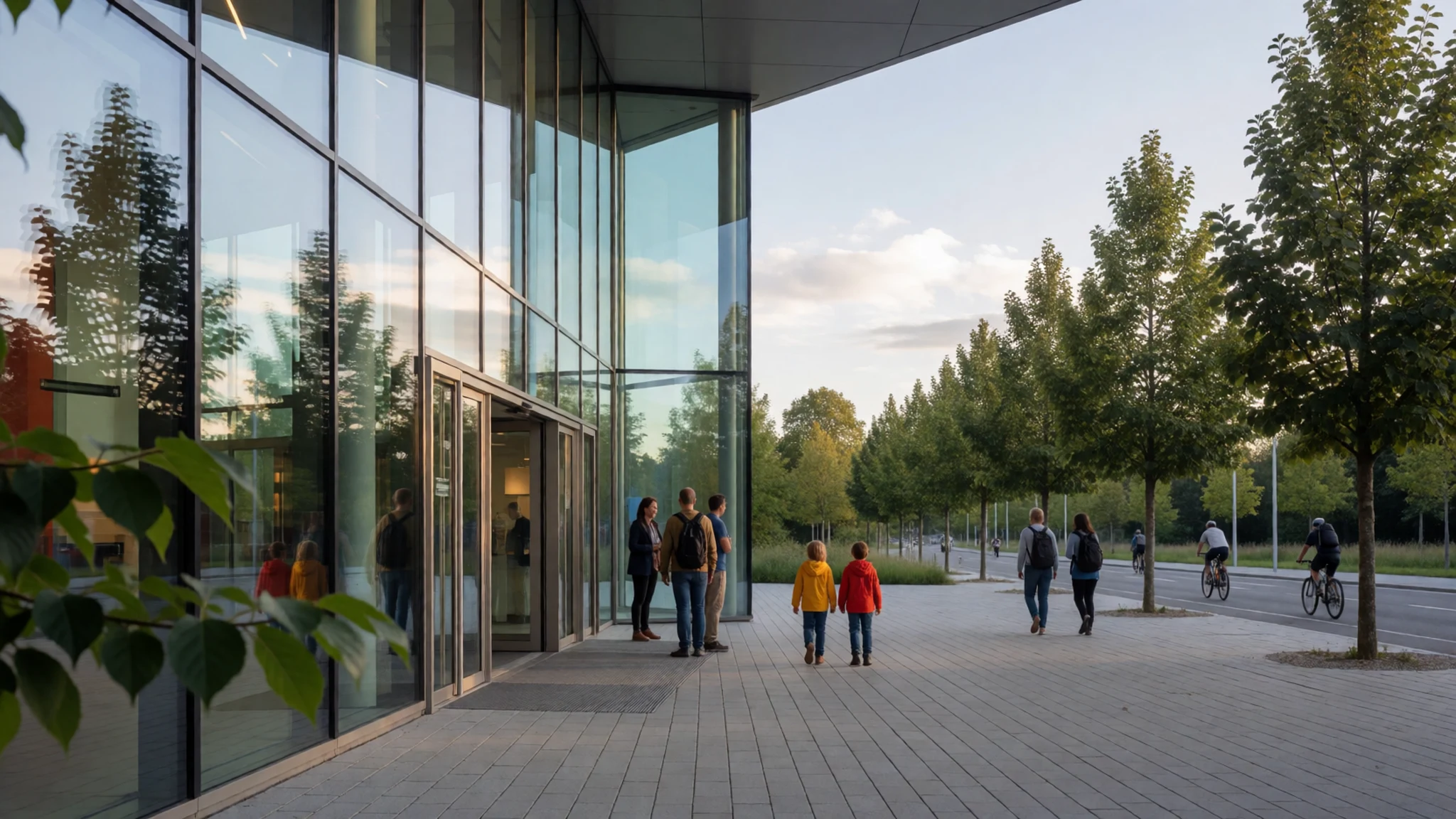
- Oskar Reinhart Collection — Central Winterthur
A private art collection of European painting, running from the late Gothic period to the edge of modern art, with a particular strength in nineteenth-century French work. It is the sort of gallery where a small number of rooms rewards close looking rather than a rushed circuit. Check the official site for opening times.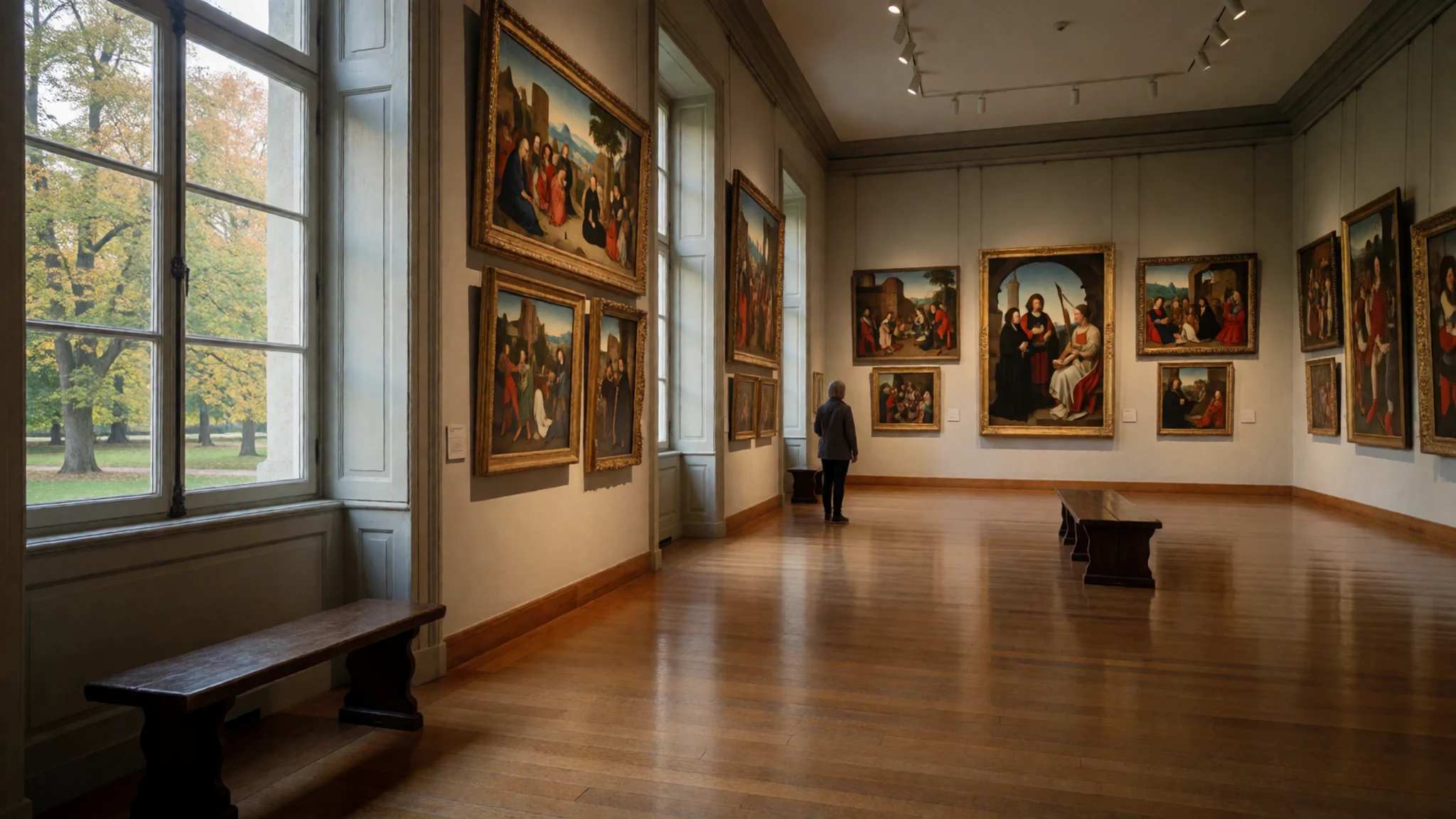
- Technorama — Edge of town
Switzerland's science centre is built around hands-on experiments, designed so visitors can test natural phenomena themselves at their own pace. It works well on a rainy day and suits families, though school groups can make weekday mornings busy. Plan a good half-day and check the website for current details.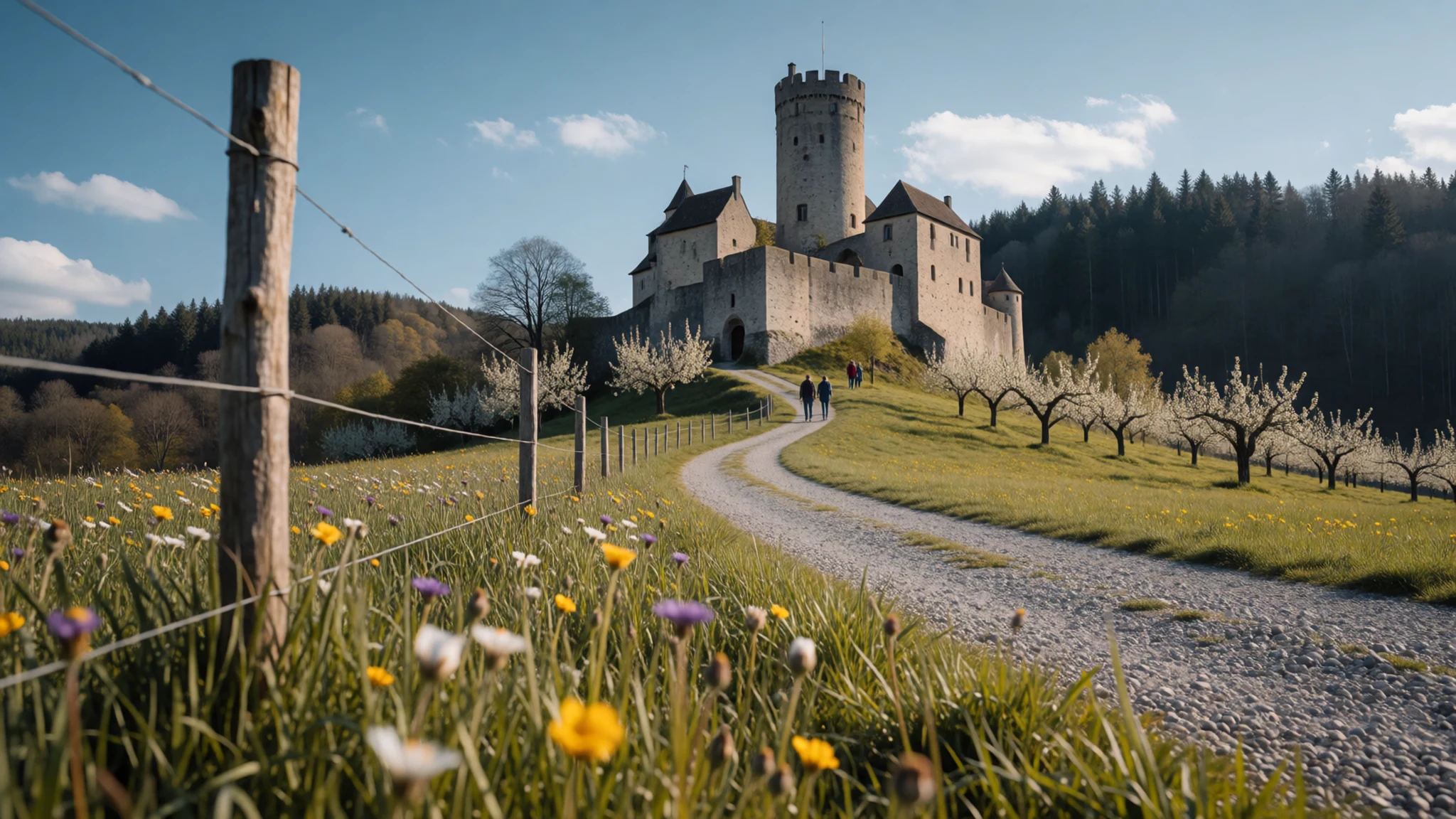
- Kyburg Castle — Kyburg, south-east of Winterthur
The castle on its hill outside town was first recorded in the eleventh century and now shows how people lived there in the medieval period. The setting over the Töss valley is as much the draw as the rooms. Treat it as a half-day trip with some walking.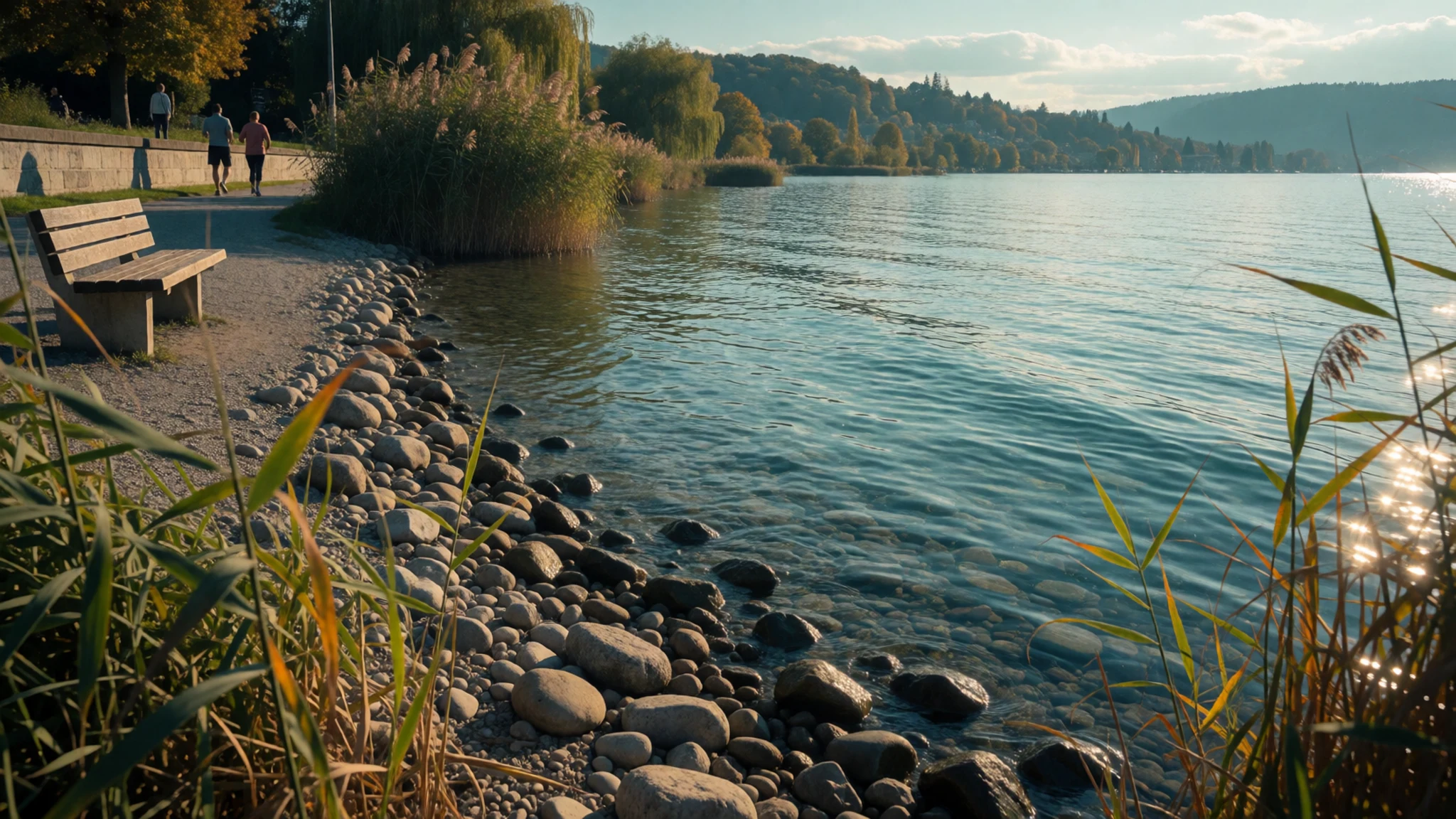
- Judd fountains — Steinberggasse, old town
Three fountains by the American artist Donald Judd stand in the old town, and the water surfaces reflect the lanes around them. They are easy to miss and quietly rewarding, a good example of how the city folds modern art into its everyday streets.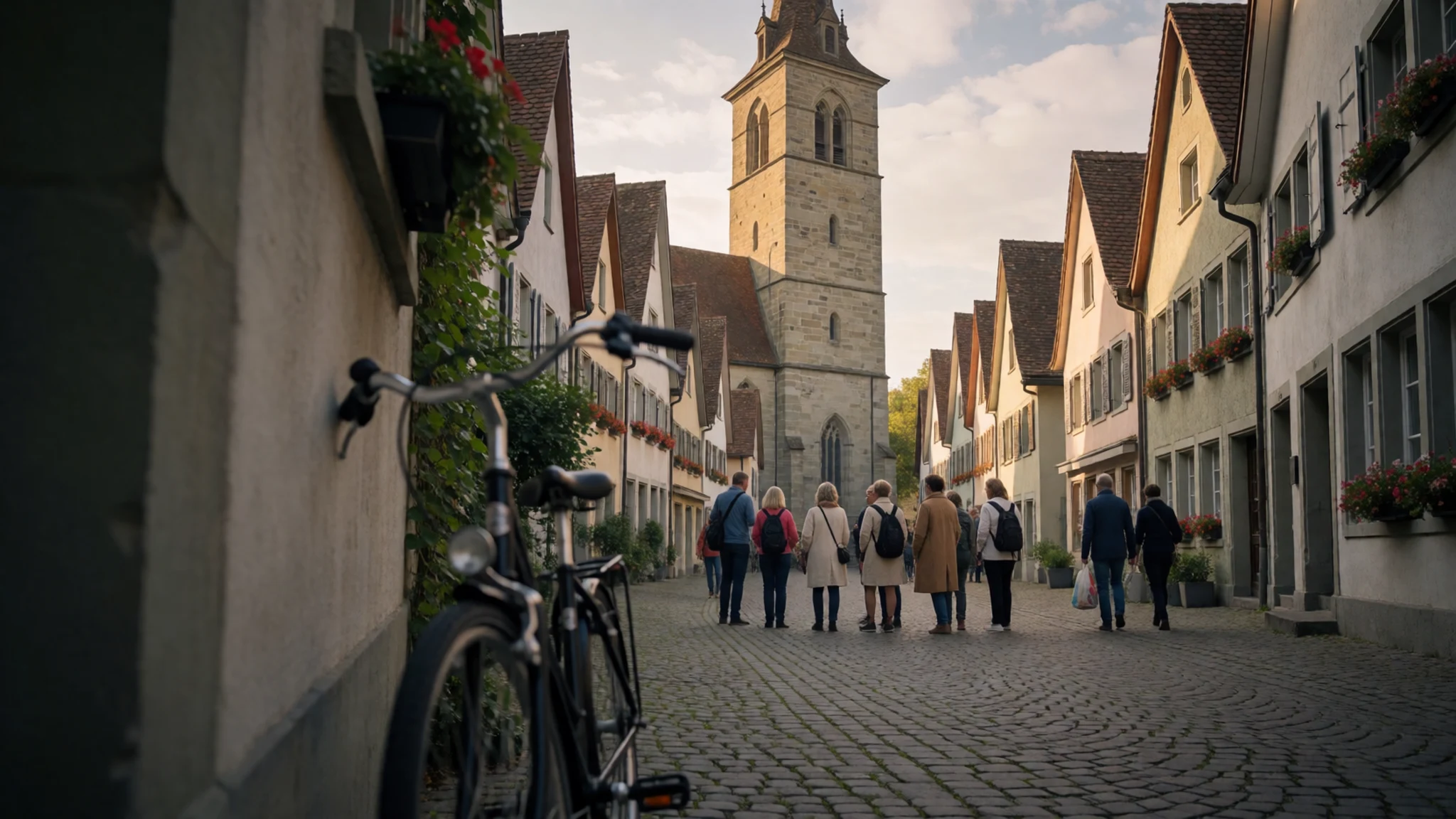
Culture
Winterthur is proud of its civic and musical life. The Stadthaus, designed by Gottfried Semper, is the home of concerts by the Musikkollegium, the city's chamber orchestra, which has a long tradition in Swiss musical life. In the first half of the twentieth century a local patron and a pioneering conductor made the town a place for new music, and that taste for contemporary work still lingers.
The calendar adds to this. Musikfestwochen, held in late August and early September, fills the old town with live music in streets, bars and concert halls. Albanifest, named after one of the city's saints, takes over the old town for three days in late June and is billed as the largest festival of its kind in a historic Swiss town. Both are lively and crowded, so book rooms early.
Architecture is a point of pride too. The town church of St. Laurenz, the town hall and the assembly hall mark different centuries, and the city was honoured with the Wakker Prize for protecting its built heritage. Residents are practical, understated and punctual, and dialect is Swiss German, though most people will switch to English or standard German happily.
In shops, trams and quiet residential streets, keep your voice low, queue patiently and stay off the cycle lanes.
What to wear
Winterthur has no distinctive local costume worn on ordinary days. Swiss regional dress, with embroidered bodices, aprons and linen or wool for women and waistcoats for men, appears at folk festivals, parades and some choir or yodelling events, and the tradition belongs to the wider canton rather than to the city alone.
In everyday life people dress in a practical, understated way: dark jackets, good trainers or leather shoes, and layers for changeable weather. Students and cyclists give the streets a casual, outdoorsy look, while concert nights at the Stadthaus bring out smarter clothes without anything formal being required. Brand-heavy or flashy outfits are rare.
For visitors, comfort matters more than style. The old town is cobbled in places and best explored on foot, so wear sturdy, broken-in shoes. Winters are cold and can be damp, so bring a warm coat, hat and gloves; summers are mild to warm, with the odd shower, so carry a light rain jacket. Churches and museums have no strict dress code, but covered shoulders and knees are courteous if you step into a service. A small day bag, a scarf and a compact umbrella cover most days.
What to eat
- Wähe — Bakeries and supermarket take-away counters near the station
A flat Swiss tart, sweet, salty or spicy, with fillings such as cheese, onion, bacon or fruit. It is a staple of bakery counters and supermarket take-away sections, and makes a cheap, filling lunch on the move.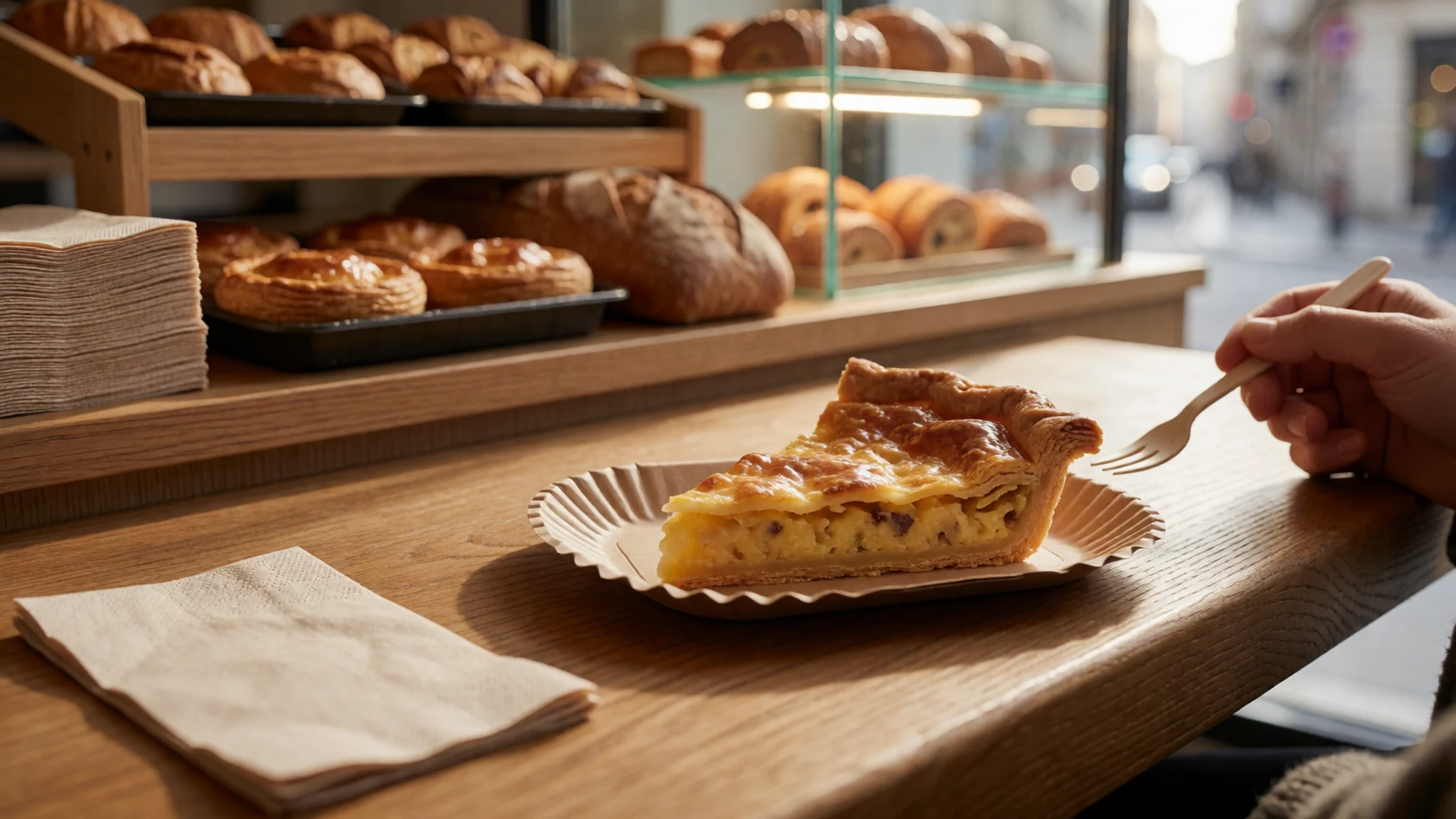
- Rösti — Traditional restaurants in the old town
Grated potato fried into a golden cake, often served with a fried egg, cheese or sausage. It is a classic Swiss comfort dish and appears on the menus of traditional restaurants and inns across the old town.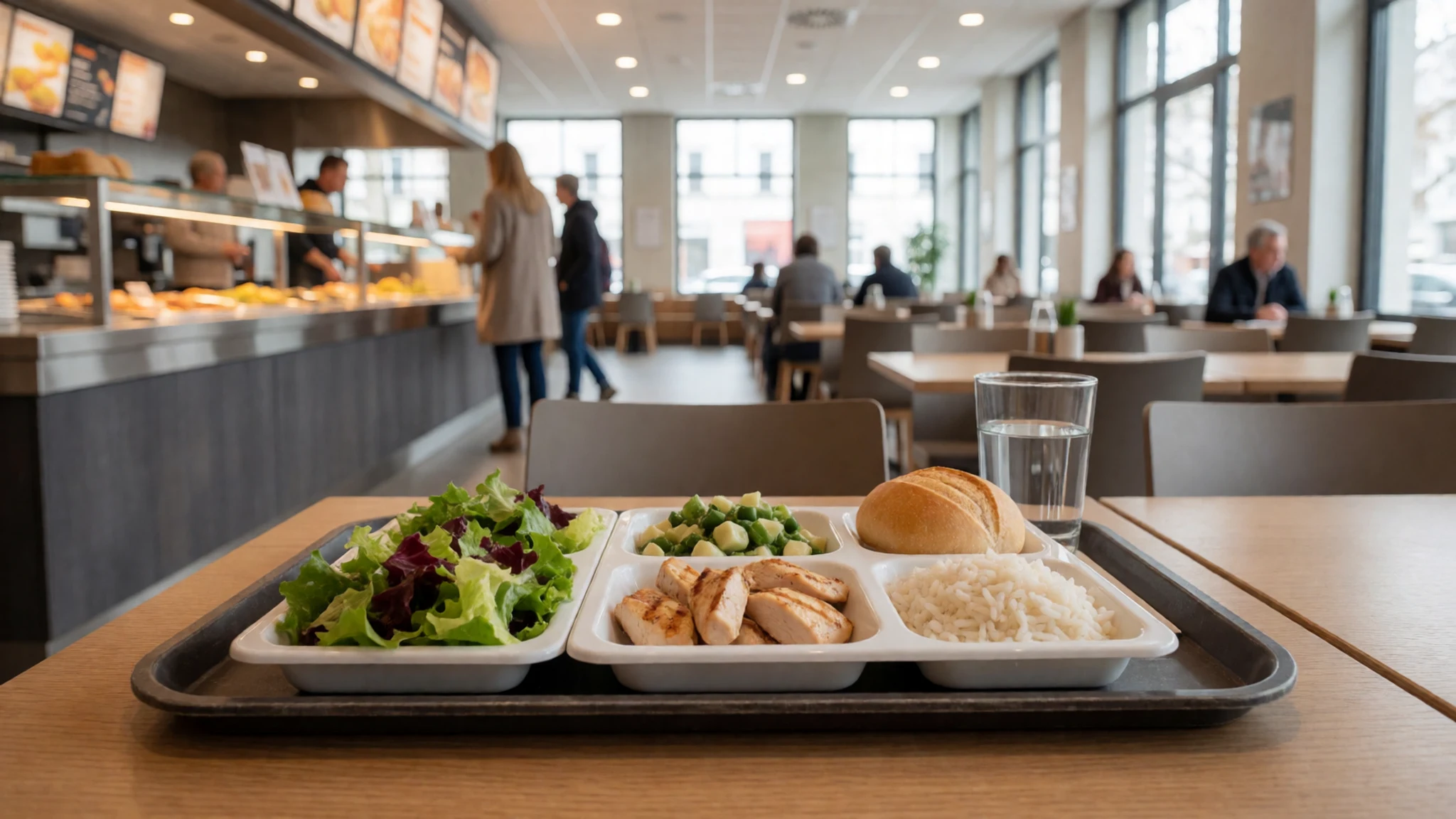
- Self-service lunch — Store restaurants near the railway station
Department-store restaurants offer a salad bar, hot daily dishes and noodles at fair prices, which suits anyone watching the budget in an expensive country. They are plain but dependable, and busy at midday. - Tandoori and curries — Indian restaurants around the centre
Winterthur has a solid Indian restaurant scene, and tandoori chicken and curries are a familiar order. This is a comforting choice for visitors from India missing home flavours, as vegetarian options are plentiful. - Vegetarian lunch plates — Cafés and bars in the old town
Several cafés and bars serve good vegetarian meals at lunchtime, often with a salad, a hot dish and a pot of tea. Weekends fill up quickly, so arrive early for a table, especially at the popular central spots.
Plan it
Best time. May–June and September–October bring mild, comfortable weather for walking; late June adds Albanifest and late August–early September the Musikfestwochen. Winters are cold and grey, and summers can be warm.
How long. 1–2
Getting there. Fly to Zürich Airport, then take a direct train to Winterthur, which takes a short ride and needs no change. From Zürich city the train takes about 20 minutes, and the station sits in the middle of town, so the last leg is a walk.
Budget. high
Tips
- Book rooms early for Albanifest and Musikfestwochen
- Check official sites for museum and castle opening times
- Self-service restaurants and supermarkets keep lunch costs down
- Use Winterthur as a base for day trips to Zürich, Schaffhausen and Konstanz
- Carry a card, though some small places still prefer cash
Etiquette
- Queue patiently and keep voices low on trains and trams
- Stay off cycle lanes on pavements and streets
- Greet shopkeepers when you enter and leave
Nearby
Sources
- Wikidata Q9125 (CC0)
- Wikipedia: Winterthur (rev 1374980969) (CC BY-SA 4.0)
- Wikivoyage: Winterthur (rev 5422668) (CC BY-SA 4.0)
- View of Winterthur (Simon Aughton) (CC BY-SA 2.0)
- View of Winterthur's old town (JoachimKohlerBremen) (CC BY-SA 4.0)
- Stadthaus portal (JoachimKohlerBremen) (CC BY-SA 4.0)
- Stadthausbrunnen und Altstadtschulhaus (JoachimKohlerBremen) (CC BY-SA 4.0)
- Judd-Brunnen (Andi Gentsch) (CC BY-SA 2.0)
- Merian, Winterthur 1642 (Public domain)
- Aerial view of Winterthur (Hansueli Krapf) (CC BY 3.0)
- Winterthur Stadthaus (Ikiwaner) (CC BY 3.0)


