Vulci
Vulci, Italy
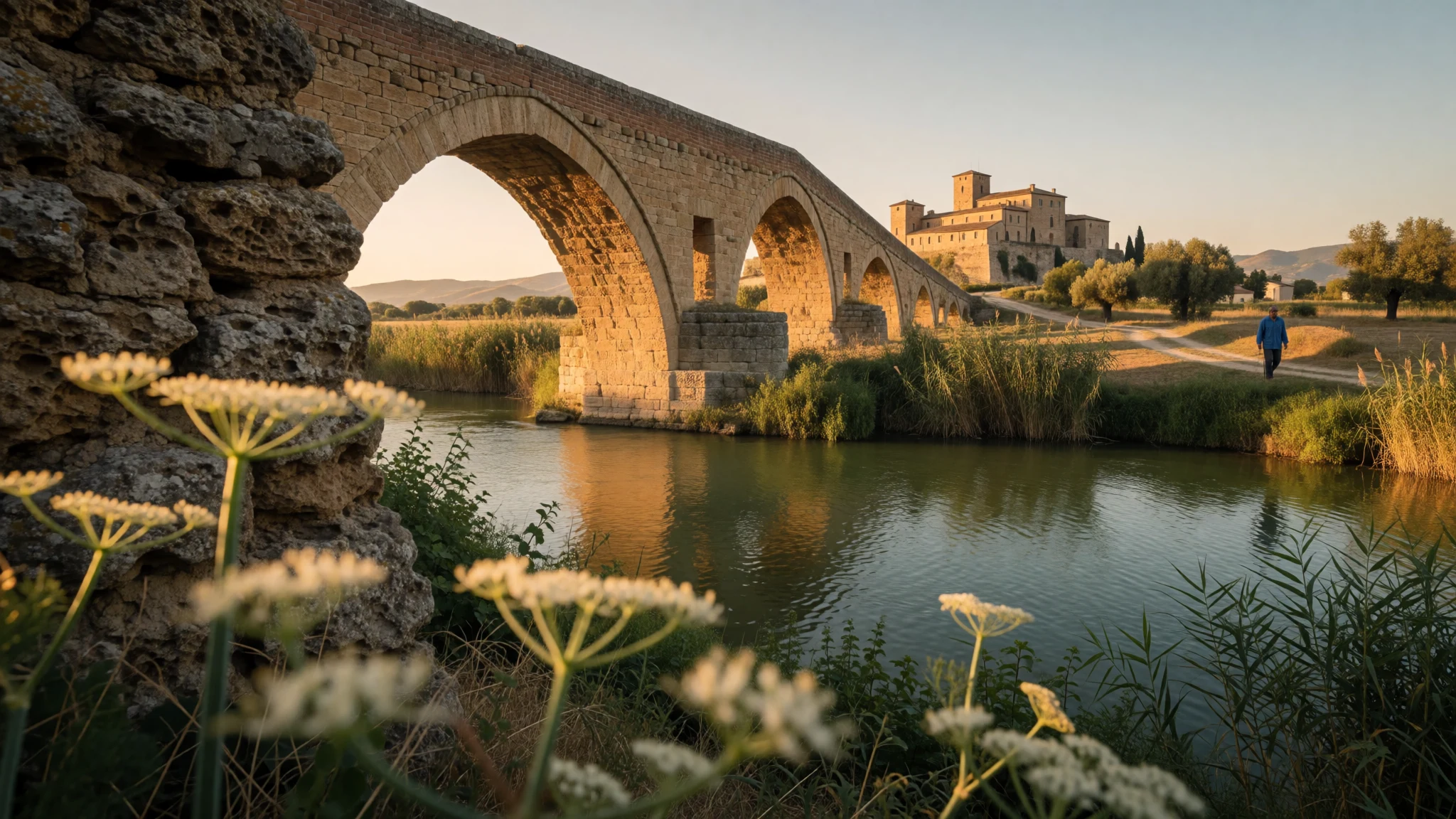
Vulci is a vast Etruscan city in the Lazio countryside, where tombs, walls and a Roman villa sit among fields near the Fiora.
The place
Once a prosperous Etruscan settlement, Vulci stood in the area that today forms the north of Lazio, in central Italy. It stood close to the Tyrrhenian coast, roughly 80 km north-west of Rome, beside the Fiora River and between the modern towns of Montalto di Castro and Canino. Today it is an archaeological site set in open farmland rather than a living town, so the experience is one of walking, looking at stone and imagining what has gone.
The Etruscans of Vulci were known to ancient writers as fine workers of bronze. Few large bronzes survive, but objects such as the Chimera of Arezzo and the Monteleone chariot are thought possibly to have been made here. Greek craftsmen also lived in the city, and the ceramics, sculpture and metalwork of the period show it.
Much of what made Vulci famous was found underground. In the 19th century thousands of tombs were opened, and some, like the Tomb of the Sun and Moon, were so celebrated that they became part of the Grand Tour of Europe. By the 1850s, more painted vases from Athens had been dug up at Vulci's tombs than at any other ancient site. Many of those pieces now sit in major museums abroad, which is why a visit here feels like seeing the empty frame of a very full picture.
The official site, vulci.it, is the place to check what is open and how visits are organised. Expect exposed ground, little shade and long distances between sights.
Its story
Vulci took its name from the people who founded it, one of the twelve Etruscan peoples said to have joined in a league, the dodecapolis, to protect their shared interests. Ancient writers mention the city only rarely, or their texts for some periods are lost, so its history has largely been rebuilt from archaeology.
In the early Villanovan period, the metal-rich hills inland helped Vulci trade, especially with Sardinia. The Tomb of the Sardinian Bronzes, found in 1958 in the Cavalupo necropolis, held the burial of a high-ranking Sardinian woman from the ninth century BC, along with a bronze warrior statue now in the National Etruscan Museum at Villa Giulia in Rome.
In the 8th century BC, during the Orientalising period, Vulci began making bronze goods such as covered urns shaped like houses or cones, and some of these reached Greece before the century ended. The 7th century is marked by the tomb of the Bronze Wagon, and by imports of fine goods from across the Mediterranean. Greeks settled in the city, adding to local skill in bucchero pottery, bronze and gold.
The 6th century BC was Vulci's golden age. It ruled over Orbetello, Saturnia, Sovana, Castro, Pitigliano and Marsiliana, and its rich citizens bought Attic pottery, oriental balm and unusual jewellery. The long struggle to stay independent of Rome ended in 280 BC, when Vulci gave up most of its land. The city then declined and vanished quickly, and many of its tombs were later forgotten until the 19th century.
What to see
- The Etruscan city and its setting — Archaeological area, Vulci
The main archaeological area spreads across open ground above the Fiora. It is a place for slow walking among low ruins, with the scale of the old city becoming clear only as the paths link one area to the next. Bring water, as shade is limited.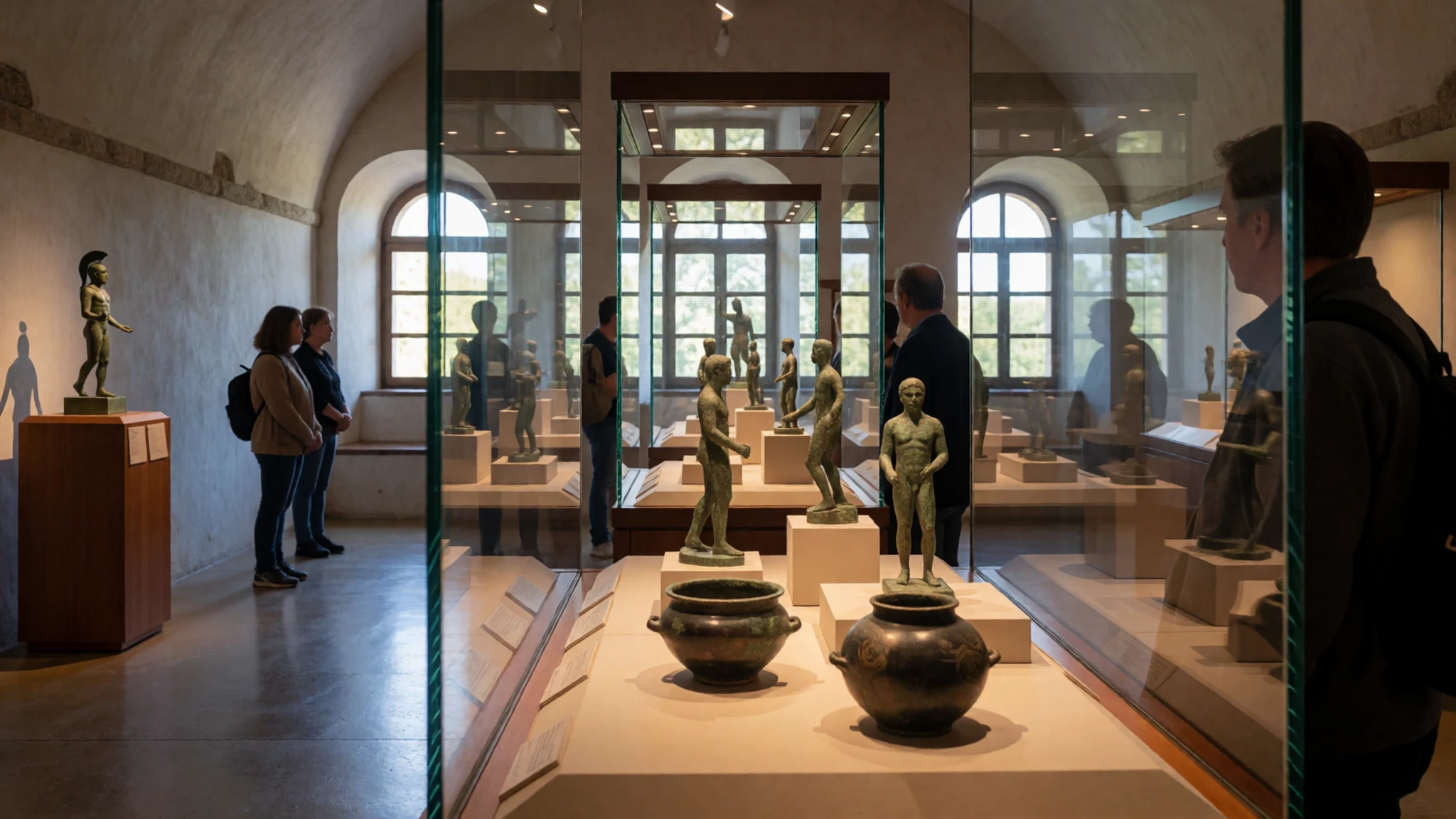
- Etruscan National Museum in the Badia Castle — La Badia Castle, by the Fiora
The museum occupies the La Badia Castle, close to the river. It holds finds from the area's tombs and settlement. Guided tours can be arranged, so ask ahead. Check the official site for opening and ticket details before travelling, because they change.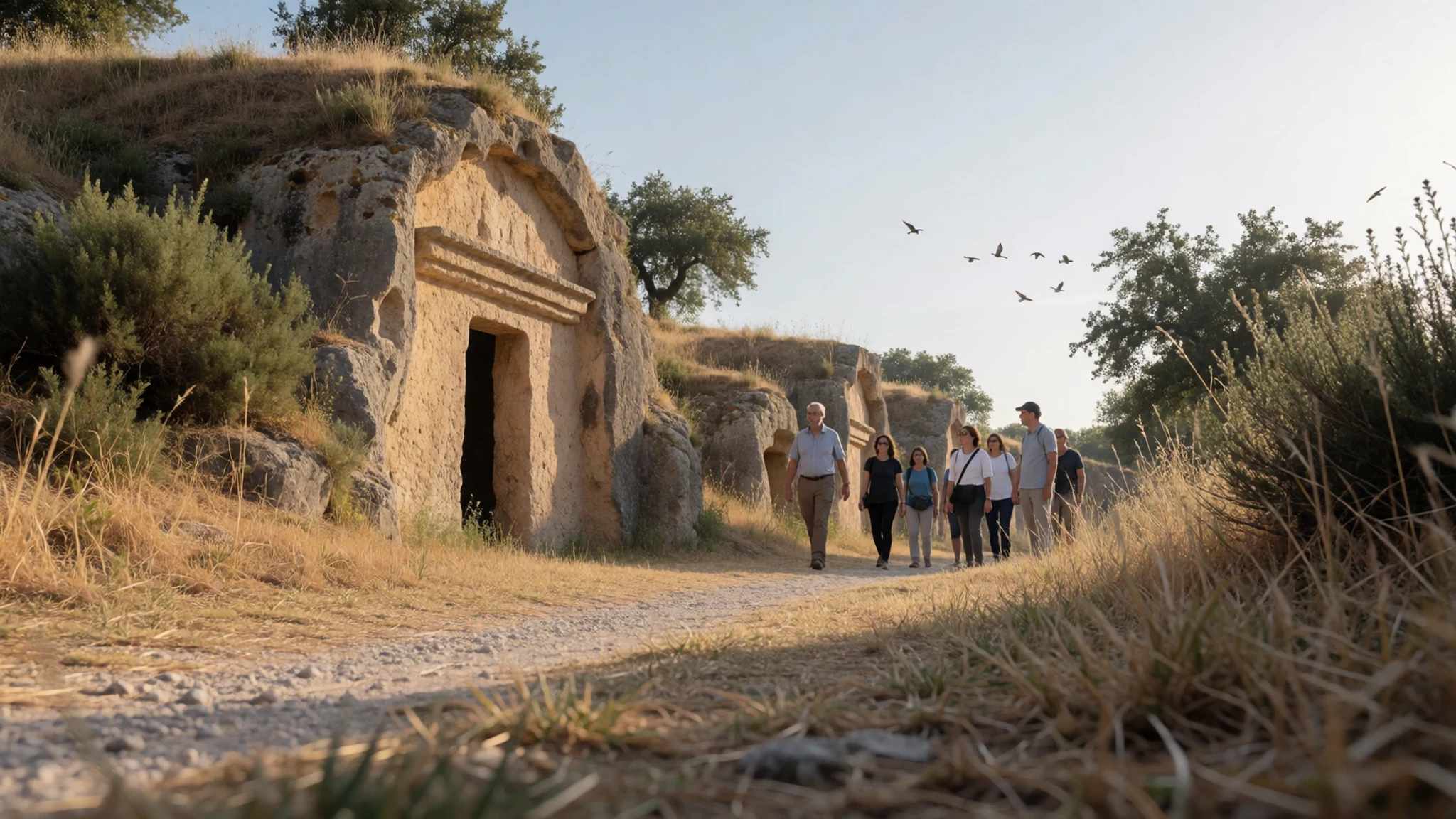
- Ponte della Badia — Next to the Badia Castle
A Roman bridge stands next to the castle and crosses the Fiora gorge. It is an easy stop that shows the long human use of this crossing, and it is a good place to pause before or after the museum, with views along the river valley.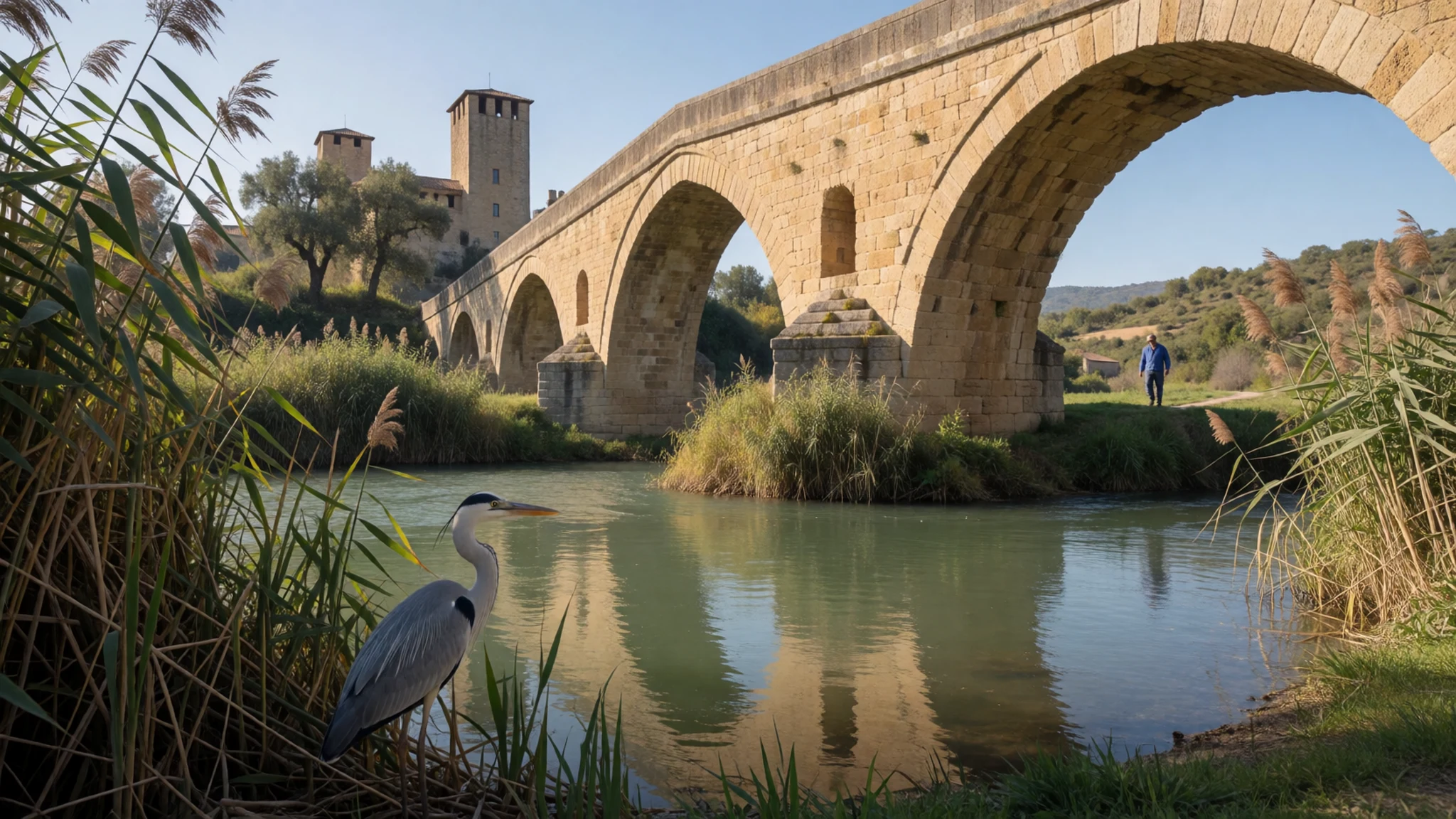
- Tomb of François and Tomb of Inscriptions — Necropolis, Vulci
These necropolis tombs are the best known underground sights. The Tomb of Inscriptions keeps remains of original Etruscan writing. Wikivoyage notes that groups of twenty or more can arrange visits, so individual travellers should ask the site staff what is possible.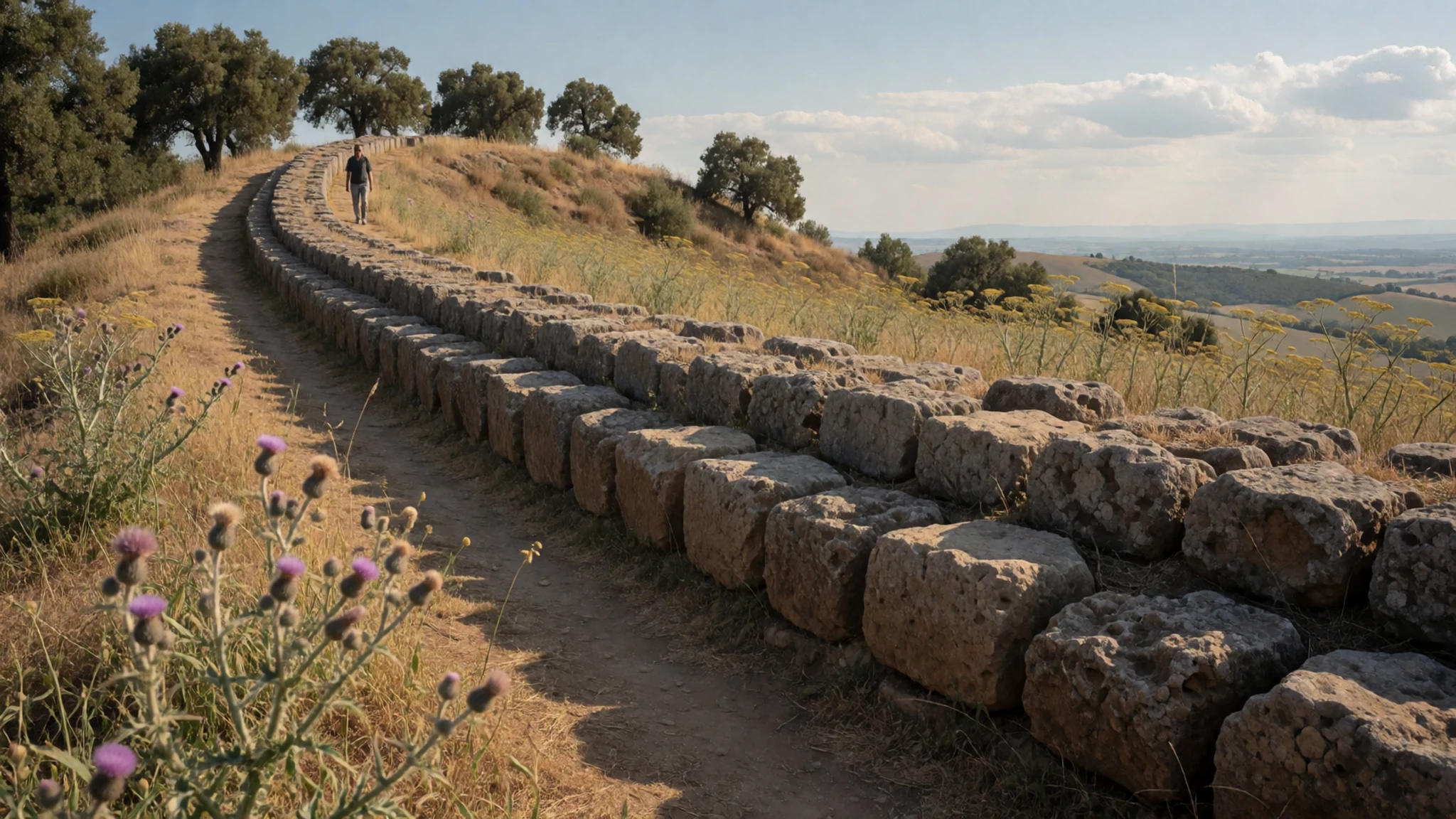
- Etruscan city walls — Edge of the ancient city
Stretches of the ancient defensive walls survive on the site. They show how the city marked its edge and protected itself in the centuries when it rivalled its neighbours. Walk along them to understand the scale of the settlement, and take photographs in the low morning light.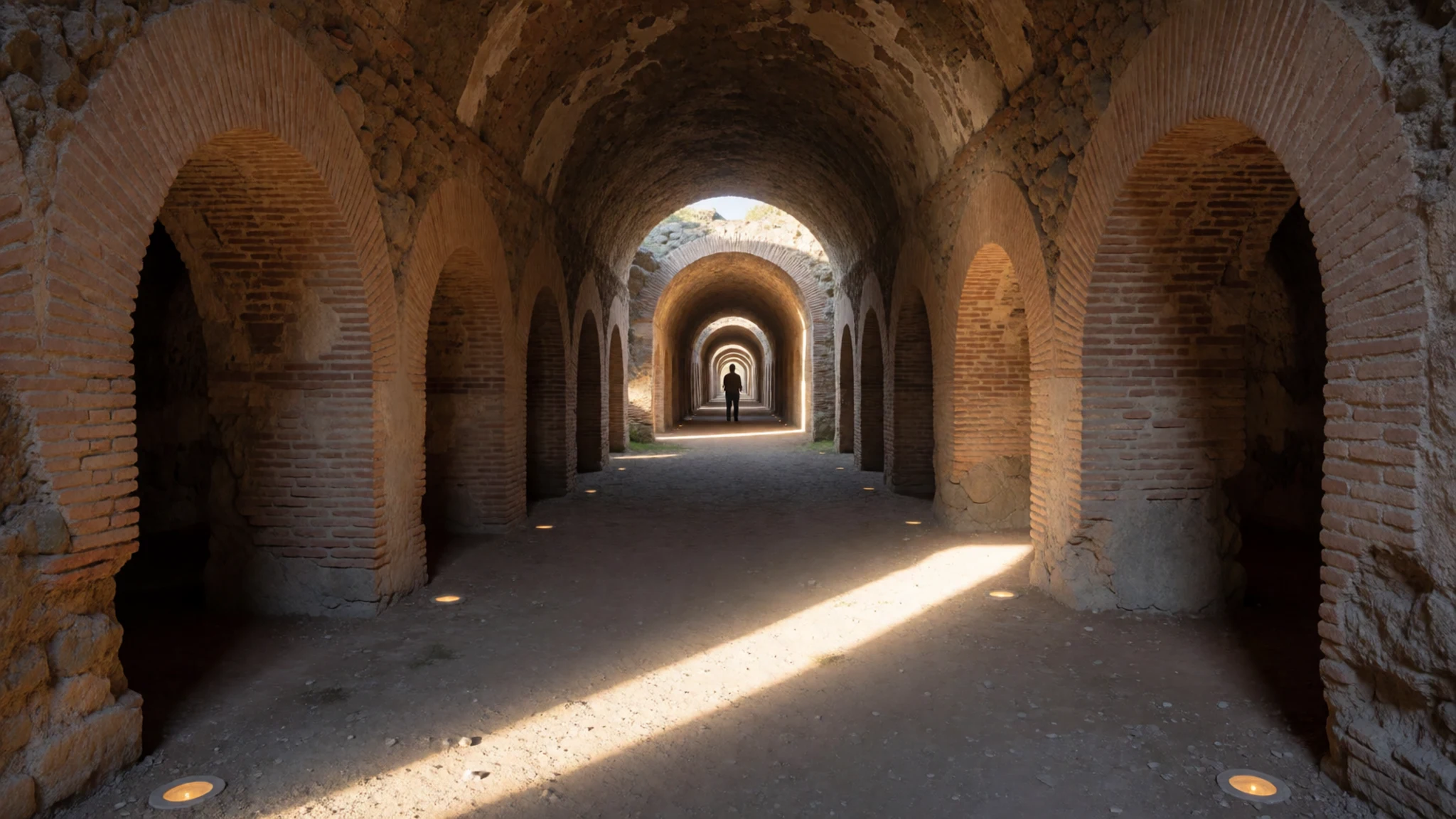
- Roman Villa of the Cryptoporticus — Roman villa area, Vulci
This later Roman house, built after the Etruscan city faded, has a cryptoporticus, a covered semi-underground corridor used to keep rooms cool and carry traffic. It shows how the place was reused in Roman times. Look for the vaulted passage and the layout of the surrounding rooms.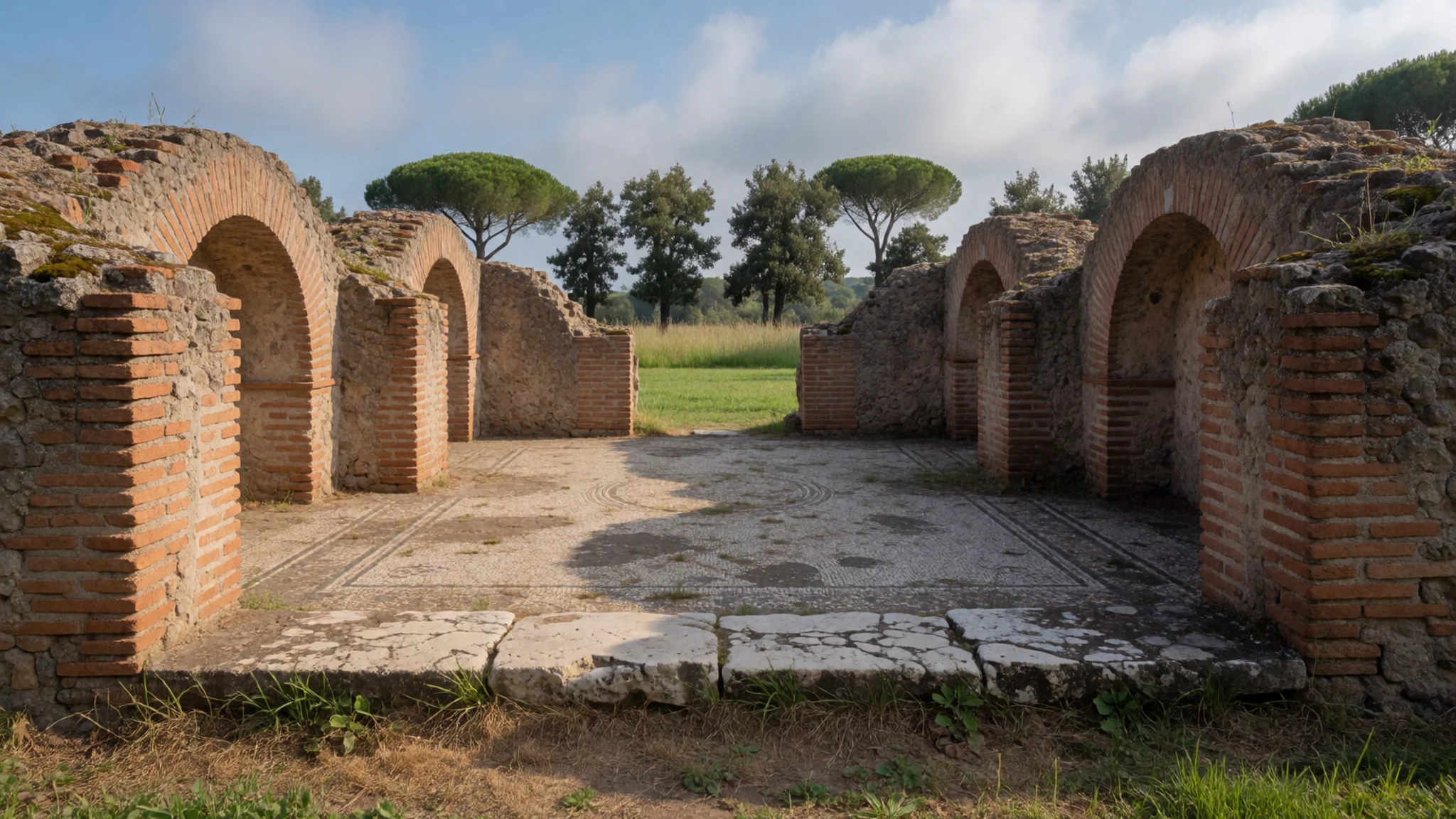
Culture
Vulci's culture is mostly read from what was buried with its people. The Etruscans placed rich goods in tombs: painted Greek vases, bronze vessels, gold jewellery and urns shaped like houses. These objects show a society that valued display, trade and a careful care of the dead. Gold fibulas and granulated lions, now in museums, suggest high skill in metalwork.
The city also shows how mixed ancient Italy was. Greek craftsmen worked here, Sardinian contacts appear in the tombs, and Vulci traded across the Mediterranean. Its identity was not isolated. Later, Rome absorbed the territory, and a Roman villa and bridge were added to the landscape.
In modern times the story changed again. Nineteenth-century excavators emptied many tombs, and treasures went to collections across Europe, including the British Museum in London. Many travellers from the UK will find Vulci objects already familiar from museum cases at home. Locally the site is cared for as shared heritage, and visits are usually part of a day in the Lazio countryside rather than a crowded pilgrimage.
When you walk the site, remember that tombs and walls are fragile and that the ground itself is the archive, so stay on marked paths and do not climb on ancient stonework or take anything away.
What to wear
Vulci has no surviving traditional costume in the modern sense, because the Etruscan city vanished long ago. What we know of dress comes from tomb finds and art. Etruscans wore tunics and cloaks, probably of wool and linen, and wealthy people displayed jewellery. Gold fibulas, the brooches that fastened clothing, and fine earrings from tombs show how ornament mattered, with granulation work of great delicacy.
Today the people of this part of Lazio dress as in much of rural central Italy: practical, casual and neat. Farmers and site staff wear work clothes, and in nearby towns people dress a little smarter for evenings and church. There is nothing like a regional costume in daily use.
For a visitor, the main issue is terrain and weather. The site is open and exposed, with grass, dust and uneven stone. Wear sturdy closed shoes or trainers with grip, a hat, sunglasses and sunscreen in the warm months, and carry a light layer for cooler mornings or autumn wind. Lightweight long trousers help with brambles and insects. There is no strict dress code at the ruins, but if you add a visit to a church in a nearby town, cover shoulders and knees. In wet weather clay paths can turn slippery, so waterproof footwear is useful.
What to eat
- Acquacotta — Trattorie in Canino and Montalto di Castro
A humble Maremma soup built from vegetables, bread and often an egg, once a farm and shepherd meal. It is filling, simple and best on a cool day. Look for it in family-run trattorie in the villages around the site.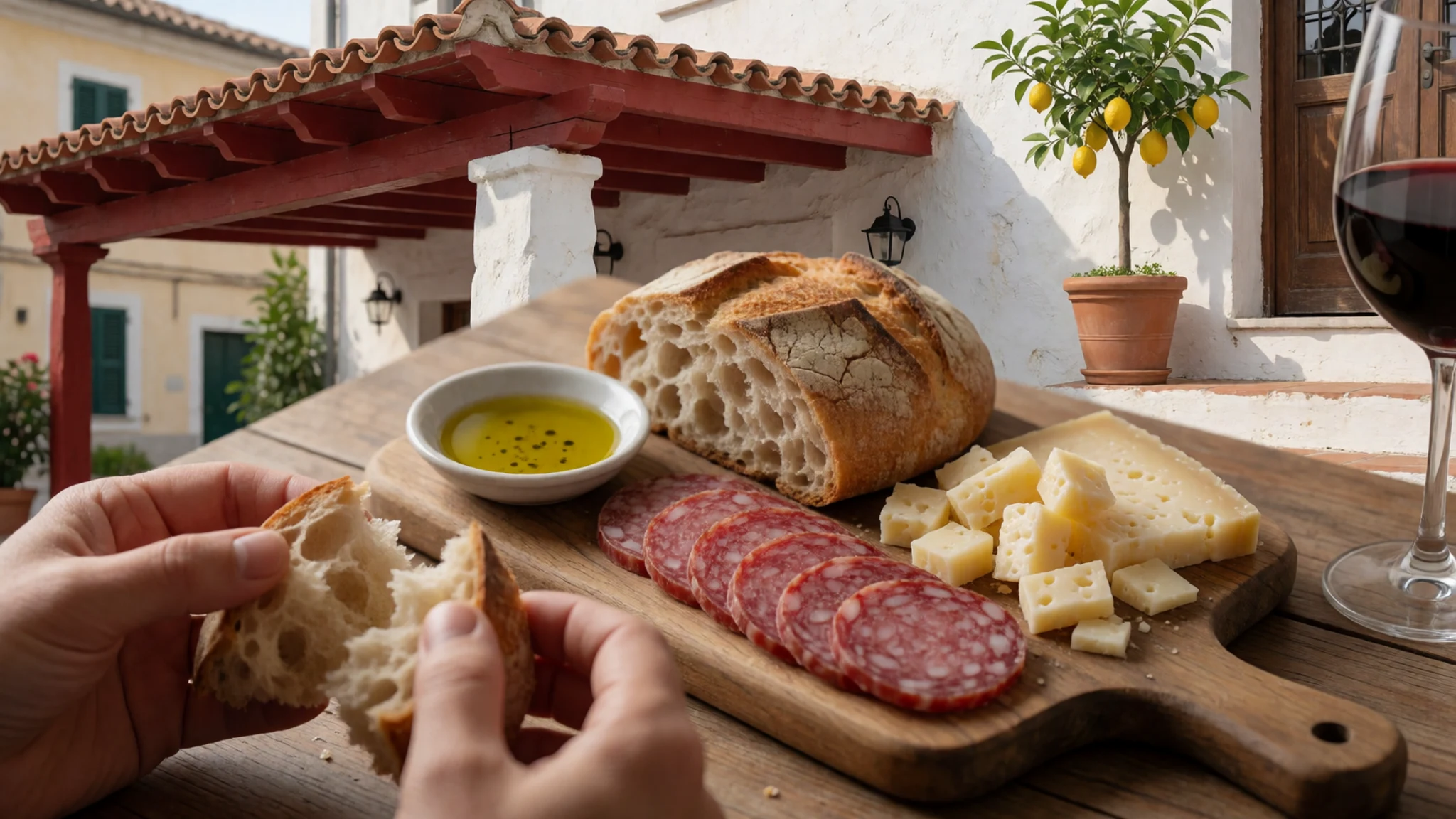
- Pici with ragù or wild boar — Village restaurants and agriturismi
Thick, hand-rolled pasta served with a slow meat sauce, sometimes made with wild boar (cinghiale). It is a rustic dish of the central Italian countryside. Ask for it at village restaurants and farm eateries nearby.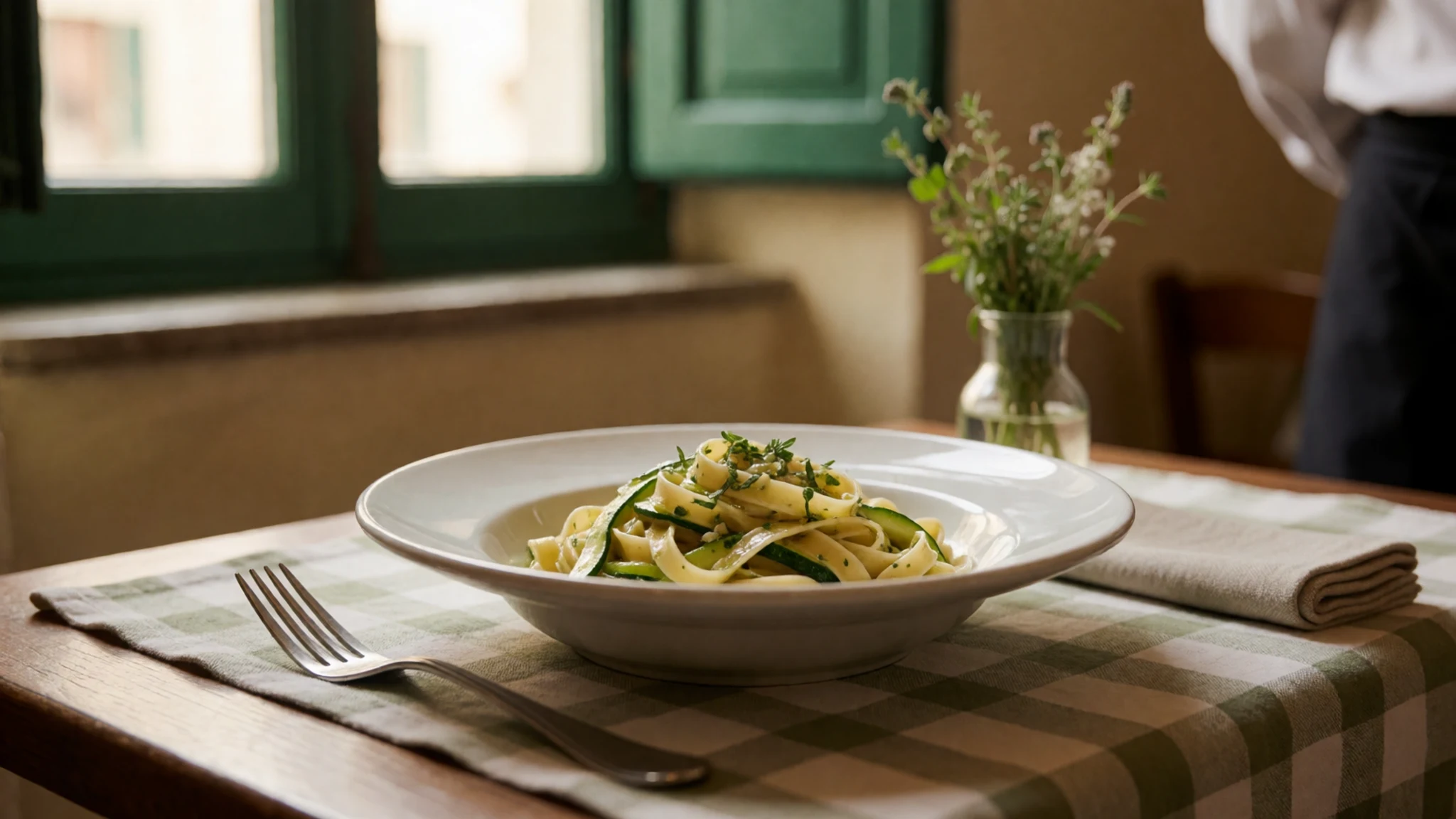
- Extra virgin olive oil — Oil mills and shops in Canino
The Canino area is known for olive groves, and the local oil is green and peppery. Taste it simply on bread with salt. Producers and shops in the town often sell small bottles, which travel easily if wrapped well. - Local pecorino and cured meats — Delicatessens and weekly markets in nearby towns
Sheep's-milk cheese and salami or prosciutto are staples of a countryside lunch, often served as a mixed board with bread. They suit a picnic after the site. Buy from delicatessens or market stalls in nearby towns. - Maremma wines — Wine shops and trattorie around Canino
The coastal hills of Lazio and southern Tuscany produce easy reds and whites that suit grilled meat and pasta. Ask the restaurant for the local house wine by the carafe, and pace yourself if you are driving afterwards.
Plan it
Best time. April–June and September–October, when the weather is warm enough for walking but not harsh. Summer is hot and shade on the site is scarce; winter can be damp and quiet.
How long. 1
Getting there. Fly to Rome (Fiumicino) and continue by car; the site is about 80 km north-west of the capital. Take the A12 Autostrada to Civitavecchia, continue on the E80 (Via Aurelia) past Tarquinia, leave at Montalto di Castro and follow the signs. Public transport is limited, so a car is the practical choice.
Budget. low
Tips
- Check opening and visit arrangements on the official site, vulci.it, before you go
- Go early, as the site is open and exposed with little shade
- Carry water and snacks, since facilities on the ground are limited
- Wear sturdy shoes for uneven ground
- Pair Vulci with Tarquinia or the coast for a full day out
Etiquette
- Stay on marked paths and do not climb on ruins or tombs
- Do not remove stones, pottery fragments or other finds
- Ask staff before photographing inside tombs or restricted areas
Nearby
Sources
- Wikidata Q931172 (CC0)
- Wikipedia: Vulci (rev 1367544977) (CC BY-SA 4.0)
- Wikivoyage: Vulci (rev 5093109) (CC BY-SA 4.0)
- Photo: The Etruscan city of Vulci, Robin Iversen Rönnlund (CC BY 3.0)
- Photo: Etruscan antiquities, Geneva, Sailko (CC BY 3.0)
- Photo: Gold fibula from Vulci, Jononmac46 (CC0 1.0)
- Photo: Isis Tomb bronze statue, Jononmac46 (CC BY 3.0)
- Photo: Gold earrings from a tomb, Rjdeadly (CC BY-SA 4.0)
- Photo: Etruscan city walls, Rjdeadly (CC BY-SA 4.0)
- Photo: Cryptoporticus of the Villa, Rjdeadly (CC BY-SA 4.0)
- Photo: Roman Villa of the Cryptoporticus, Rjdeadly (CC BY-SA 4.0)


