Ancona
Ancona, Italy
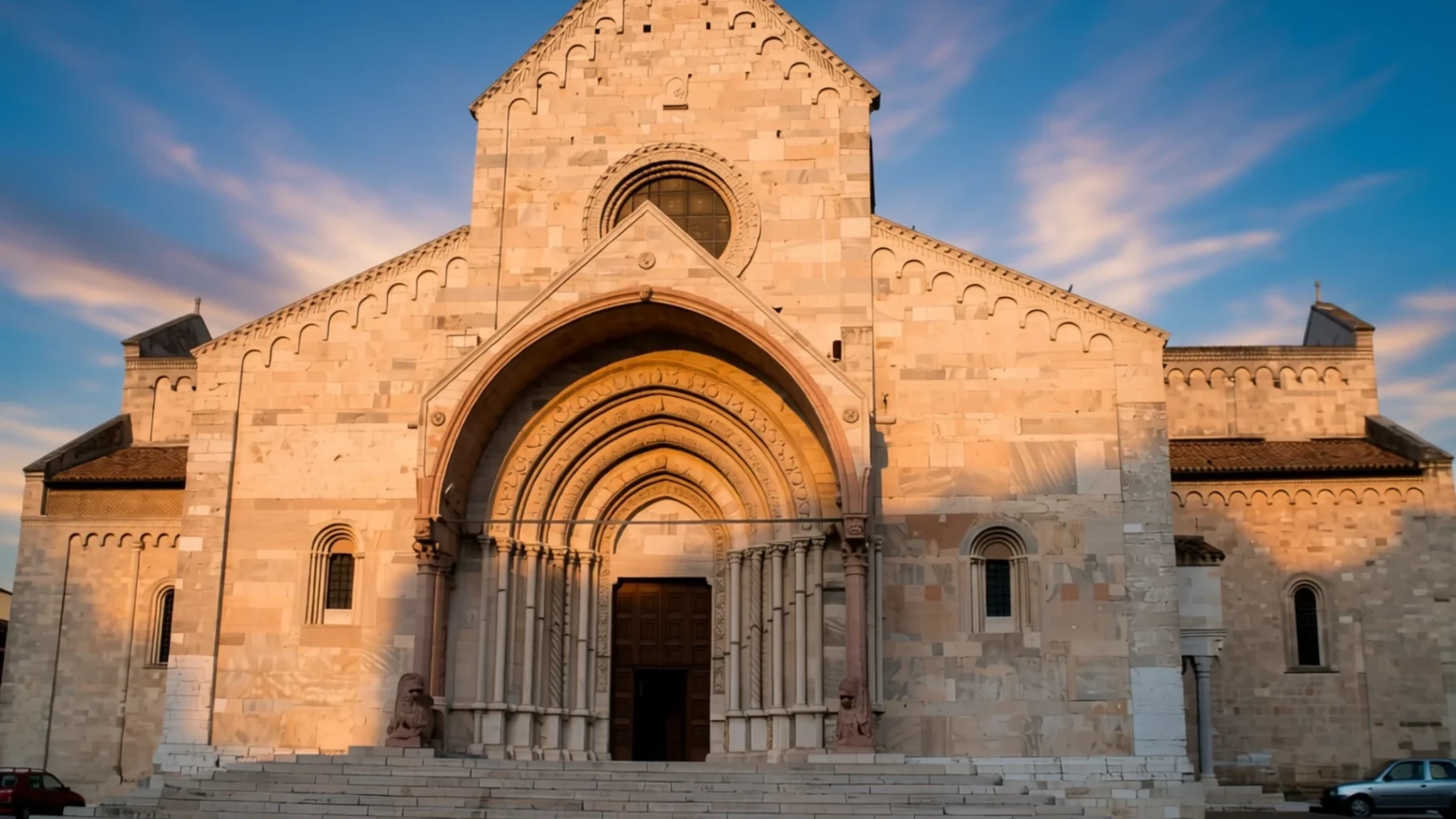
Ancona is a working Adriatic port with Greek roots, a hilltop cathedral and sea views at both sunrise and sunset, far from the Italian crowds.
The place
Ancona sits on the Adriatic coast of central Italy, the capital of the Marche region and home to about 98,000 people. The city is built on steep ground where the coastline bends sharply, with the promontory of Monte Conero to the south and the hills of Astagno and Guasco folding around the harbour. That bend is the whole point of the place: its name comes from the Greek word for elbow. The geography also gives Ancona an unusual trick. Because the coast turns, it is possible to watch the sun rise over the sea and set over it too, something local people are proud of and which is said to be unique in Italy.
This is a working port first and a tourist stop second. Ferries leave for Croatia, Greece, Albania and beyond, so the waterfront is a mix of lorries, cranes, passengers with rucksacks and old stone buildings. Many visitors pass through on the way elsewhere, which keeps the centre unpolished and fairly quiet, even in summer. Rome is roughly 280 km to the south-west, and the city is a sensible base for the Marche's hill towns and beaches.
The climate is humid subtropical, sitting between Mediterranean and more continental influences. Winters are cool and often foggy, with a January mean around 5 °C and occasional snow. Summers are warm and humid, with July averaging about 22.5 °C. Rain falls through the year, so a light waterproof is never wasted. Ancona is elevated only about 16 m at the harbour, but the old town climbs fast, and most sights involve stairs or a steady uphill walk.
Its story
Ancona was founded around 387 BCE by Greek settlers from Syracuse, who named it Ankón after the crook of land that sheltered their harbour. The colonists were merchants, and they set up a dye works producing Tyrian purple, the costly colour of ancient robes. On the Guasco hill they built an acropolis with a temple to Aphrodite, goddess of safe voyages, on the very spot where the cathedral now stands. Their coins showed a bent arm holding a myrtle sprig, a pun on the city's name, alongside the twin stars of the Dioscuri, protectors of sailors.
Before the Greeks arrived, the land belonged to Picene communities living in scattered settlements. The newcomers gave the place a more urban shape and a lasting identity: Ancona is still nicknamed the Doric city, and its people Dorici, because Syracuse itself descended from Dorian Corinth.
Under Rome the town kept speaking Greek and minting its own coins for about a century, and the exact moment it became a Roman town is unclear. It served as a naval station during the Illyrian War of 178 BCE. From then on the port's fortunes followed the sea: its harbour was its livelihood, and the traces of that long maritime life, from Roman ruins to merchants' loggias and a pentagonal quarantine island, are still easy to find on foot.
What to see
- Ancona Cathedral (San Ciriaco) — Guasco hill
The cathedral crowns Guasco hill on the site of the Greek acropolis, looking over the port and the curve of the coast. The climb is steady and rewarded by one of the best viewpoints in the city. Go in the morning for softer light on the water and fewer people.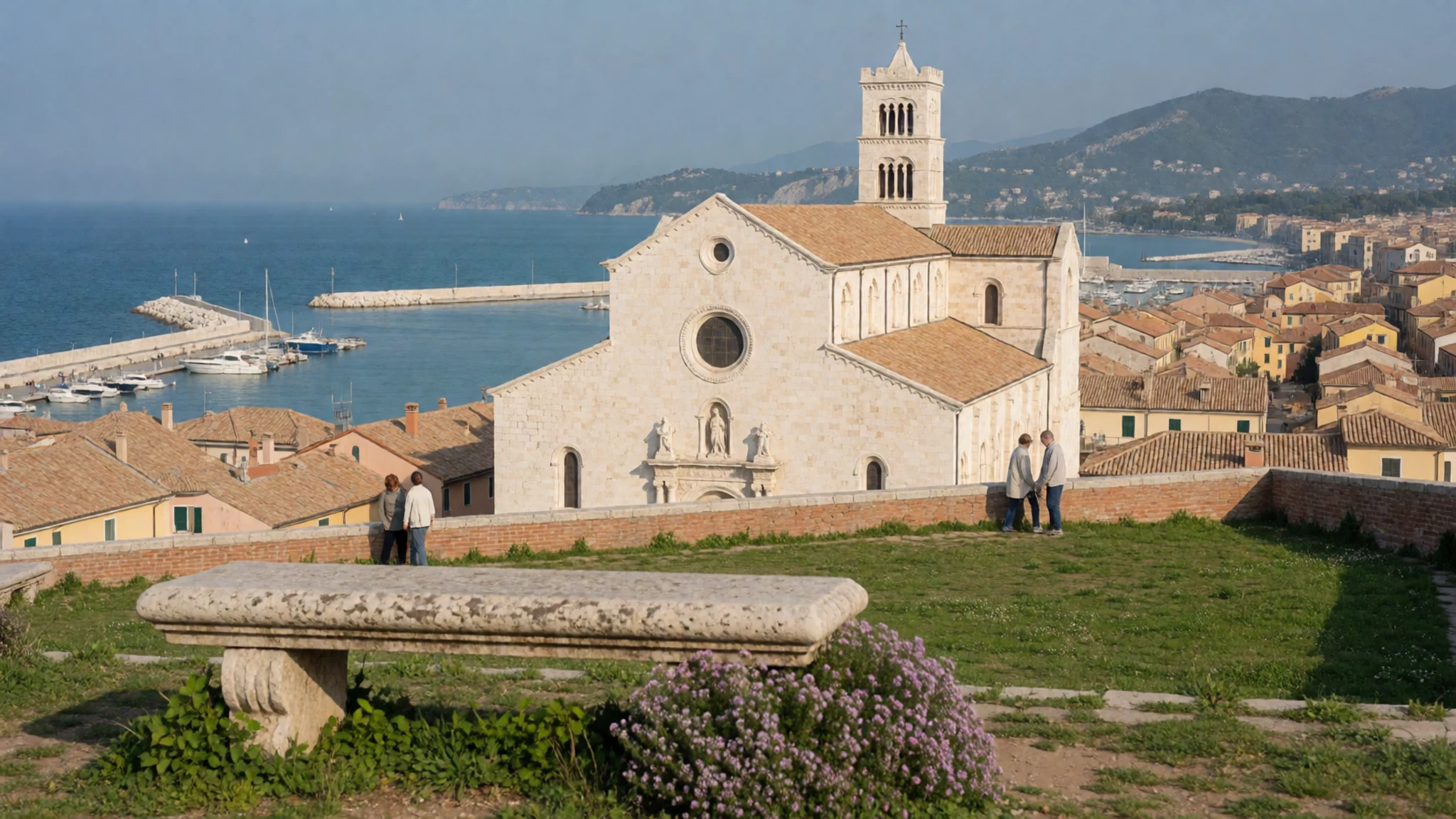
- Roman Amphitheatre — Old town, near the lighthouse park
The ruins of the Roman amphitheatre lie close to the old town, and can also be seen from the neighbouring park around the former lighthouse. It is a modest site rather than a grand one, best treated as a short stop on the walk between the cathedral and the centre.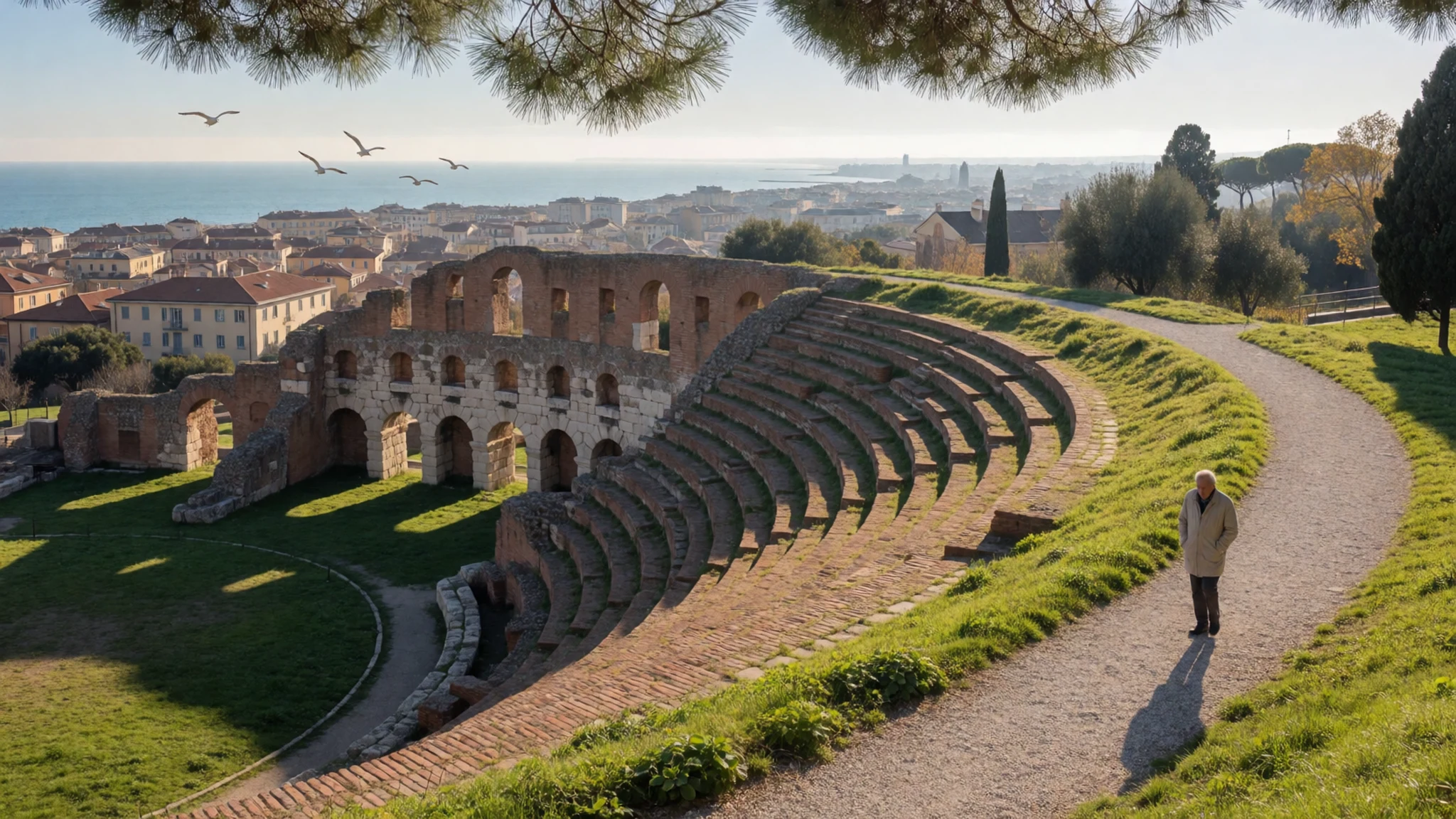
- Museo archeologico nazionale delle Marche — Old town
This national museum holds finds from prehistory through to the Classical age, a good way to meet the Picene peoples and the Greek and Roman city that followed. It sits within easy walking distance of the cathedral, so the two pair well on a slow morning.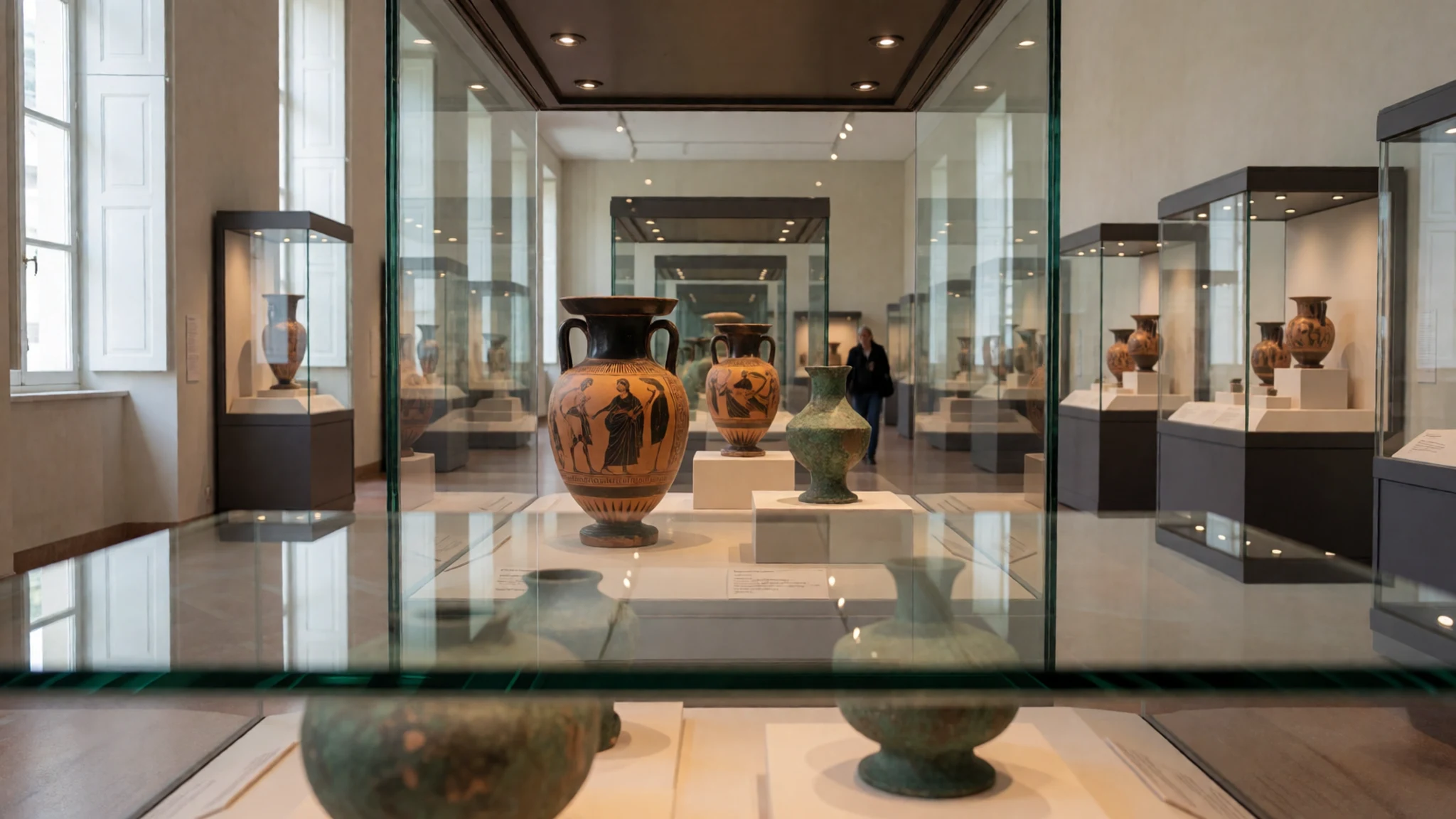
- Mole Vanvitelliana — Harbour waterfront
A pentagonal building on its own artificial island in the harbour, it has served as a quarantine station and a citadel, and today houses a tactile museum. Its odd geometry makes it one of the most distinctive structures on the Adriatic waterfront, and it is pleasant to walk around at dusk.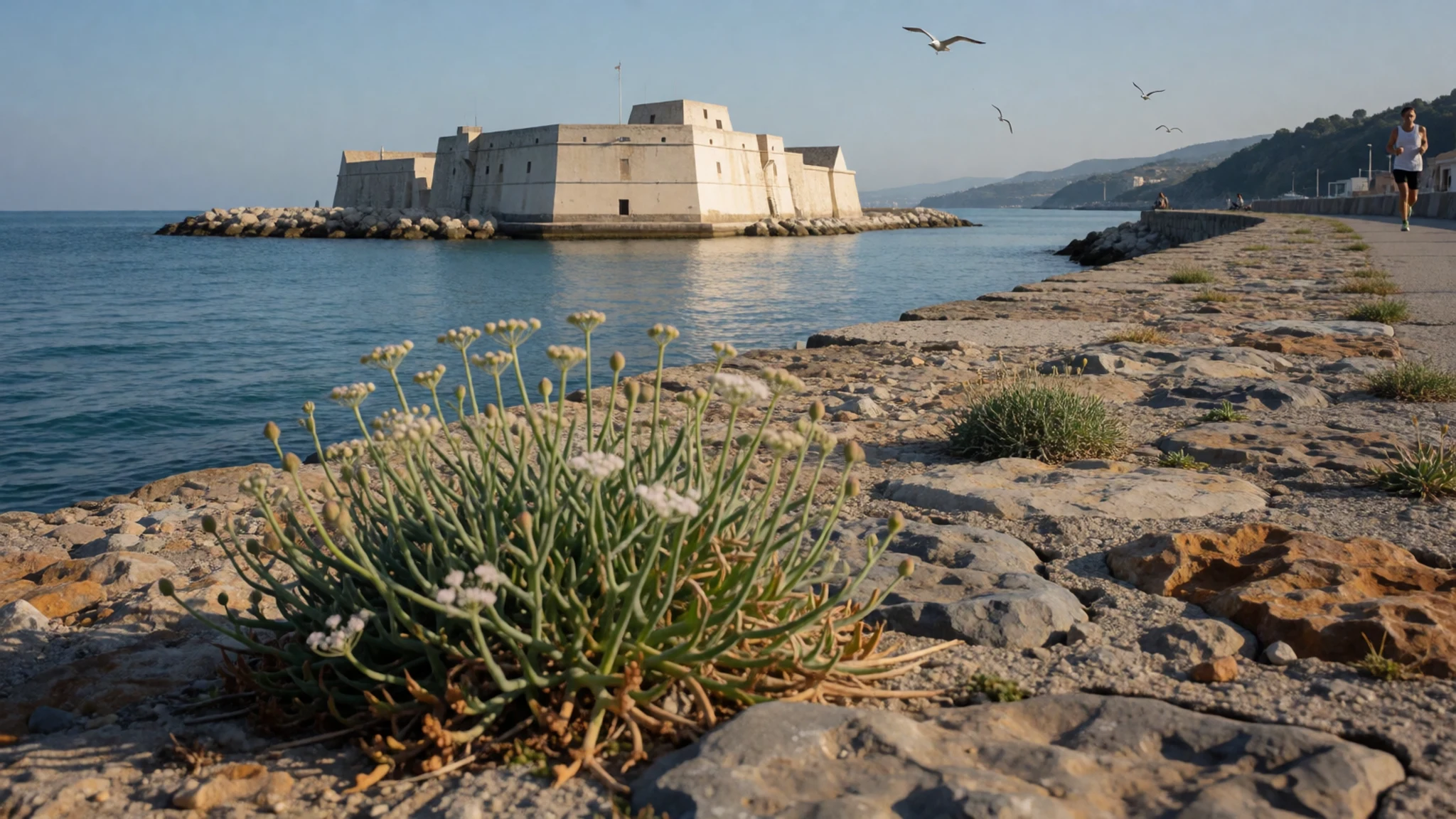
- Parco del Cardeto — Hills above the city
A hillside park close to the centre, with wide views over the city, the harbour and the long Adriatic coastline. It is a calm place to sit after the stairs and one of the best spots to watch the evening light settle over the water.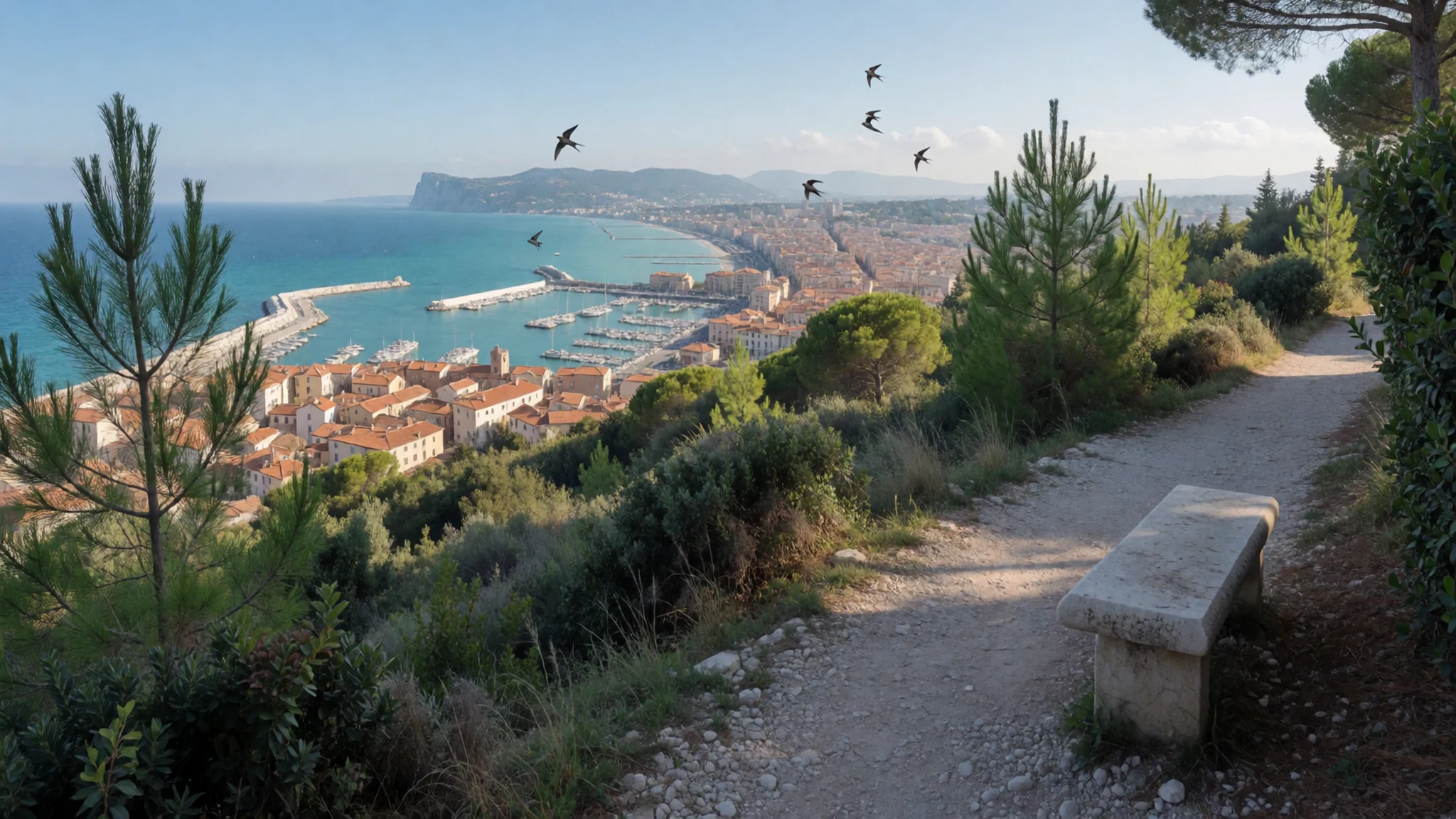
- Loggia dei Mercanti — Old harbour front
The merchants' loggia, dated 1442 and designed by Giorgio Orsini da Sebenico, is a reminder of the trading wealth that built the city. Its carved Gothic façade stands on the street running along the old harbour, and it takes only minutes to appreciate.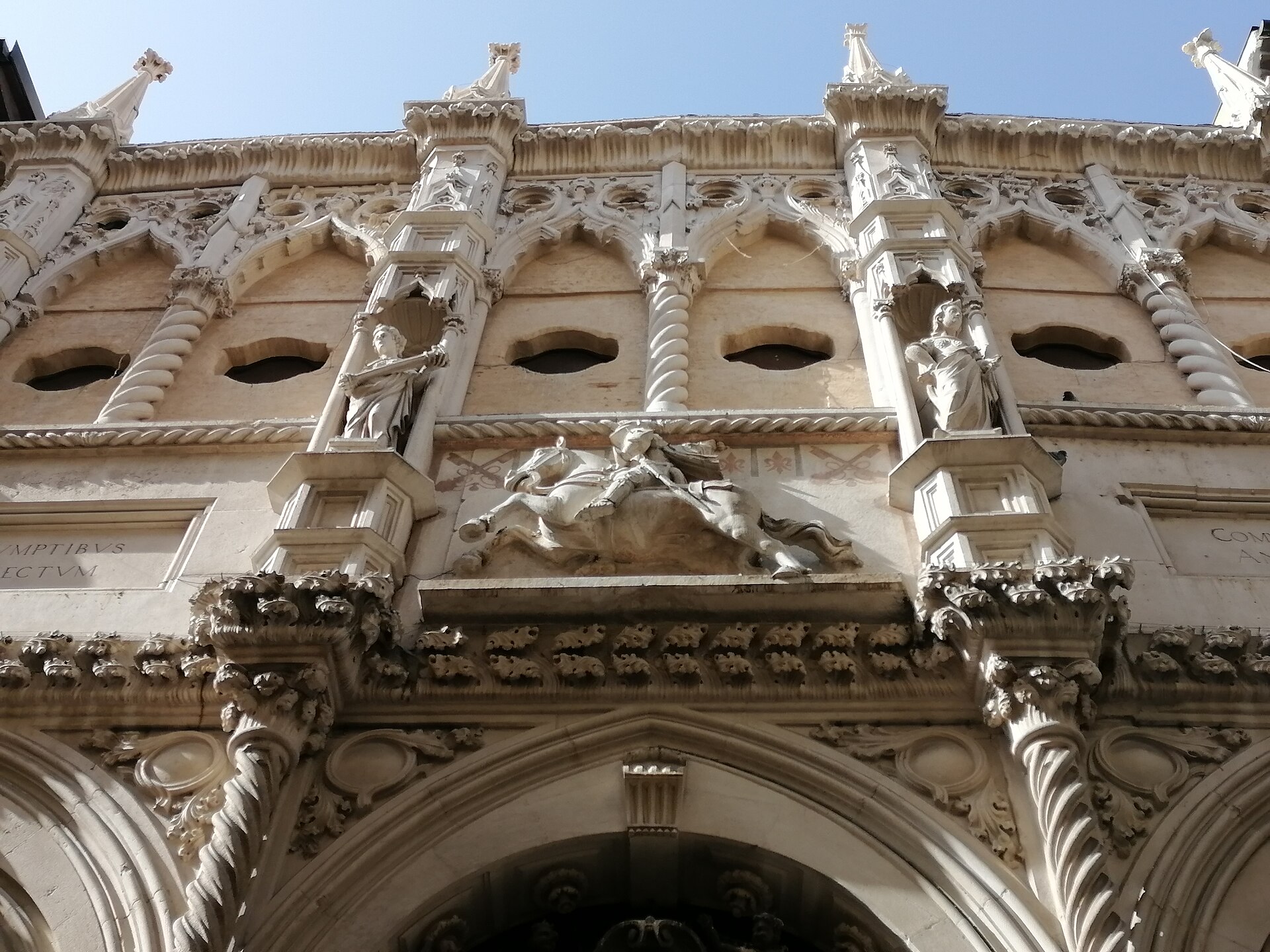
Culture
Ancona's culture is that of a port city that has always looked outward. Greek, Roman, papal and Adriatic influences have all left layers, and the people still describe themselves, half-jokingly, as Dorici. Daily life is practical and unshowy: dockworkers, ferry passengers, students and office workers share the same cafés, and there is little of the performance that tourism creates in better-known Italian cities.
The Marche region is known for its modest, home-style way of doing things, and Ancona is no exception. Mornings start at the bar with a coffee taken standing up, and the evening passeggiata, the slow stroll along the main streets such as corso Garibaldi and corso Mazzini, is still a real social habit rather than a show. Aperitivo hour brings people out to the cafés and squares, especially around Piazza del Plebiscito, where residents meet and talk.
Religion remains visible. The cathedral on Guasco hill is an active place of worship as well as a landmark, and churches around the old town keep regular services. Sea and weather shape conversation as much as anything else, and the arrival and departure of ferries is part of the background rhythm.
Meals tend to be long and unhurried, and shops often close for a midday break, so plan around it. Locals are polite and generally welcoming to visitors who make an effort with a few words of Italian.
When you go into the cathedral or any church, cover bare shoulders and knees, keep your voice low and do not take photographs during a service.
What to wear
Ancona has no single famous regional costume that visitors will see on the street. Historically the Marche's rural dress used hemp and linen woven at home, and the coast's fishing and port families wore sturdy wool and cotton suited to weather and work. Such clothing now belongs to museums, folk festivals and local fairs rather than daily life, so do not expect to see it as a visitor.
What people wear now is straightforward Italian smart-casual. Locals dress neatly even for ordinary errands: fitted trousers or jeans, shirts, light jackets and clean leather shoes or trainers. Shorts are common on summer afternoons but less so in town in the evening, and beachwear stays near the beach. In winter, wool coats and scarves appear, since the weather is cool, damp and sometimes foggy.
For a visitor, comfort matters more than style, though a neat appearance fits in well. Summers are warm and humid, so pack breathable cotton or linen, sunglasses and a hat. Streets in the old town are steep and sometimes uneven, so wear shoes with grip rather than flat sandals or heels. A light waterproof is useful in any season, because rain falls regularly through the year, and a warmer layer is wise from late autumn to early spring.
For churches, carry a light scarf or shawl to cover shoulders, and wear knee-length shorts or skirts. This applies to the cathedral and most other places of worship in the city.
What to eat
- Brodetto all'anconetana — Waterfront trattorias near the port
A fish stew made with the day's catch from the Adriatic, cooked with tomato and vinegar in the local style. It is the dish most associated with the city's harbour tradition, and is best eaten somewhere that serves fresh fish daily.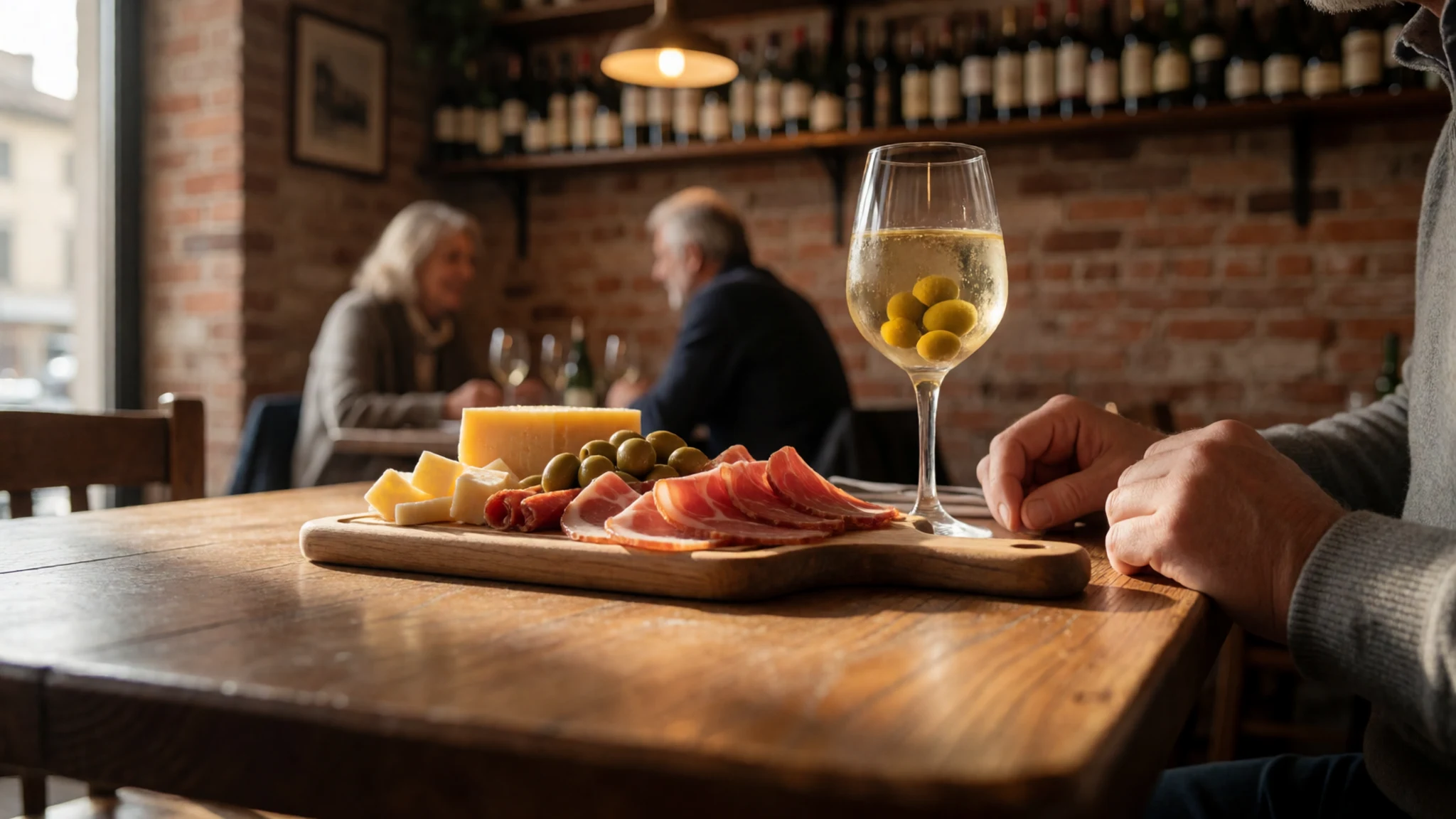
- Stoccafisso all'anconetana — Traditional trattorias in the old town
Dried cod slowly cooked with potatoes, tomatoes and olive oil, a longstanding Ancona speciality that reflects centuries of trade in preserved fish. It is rich and hearty, and best in cooler months.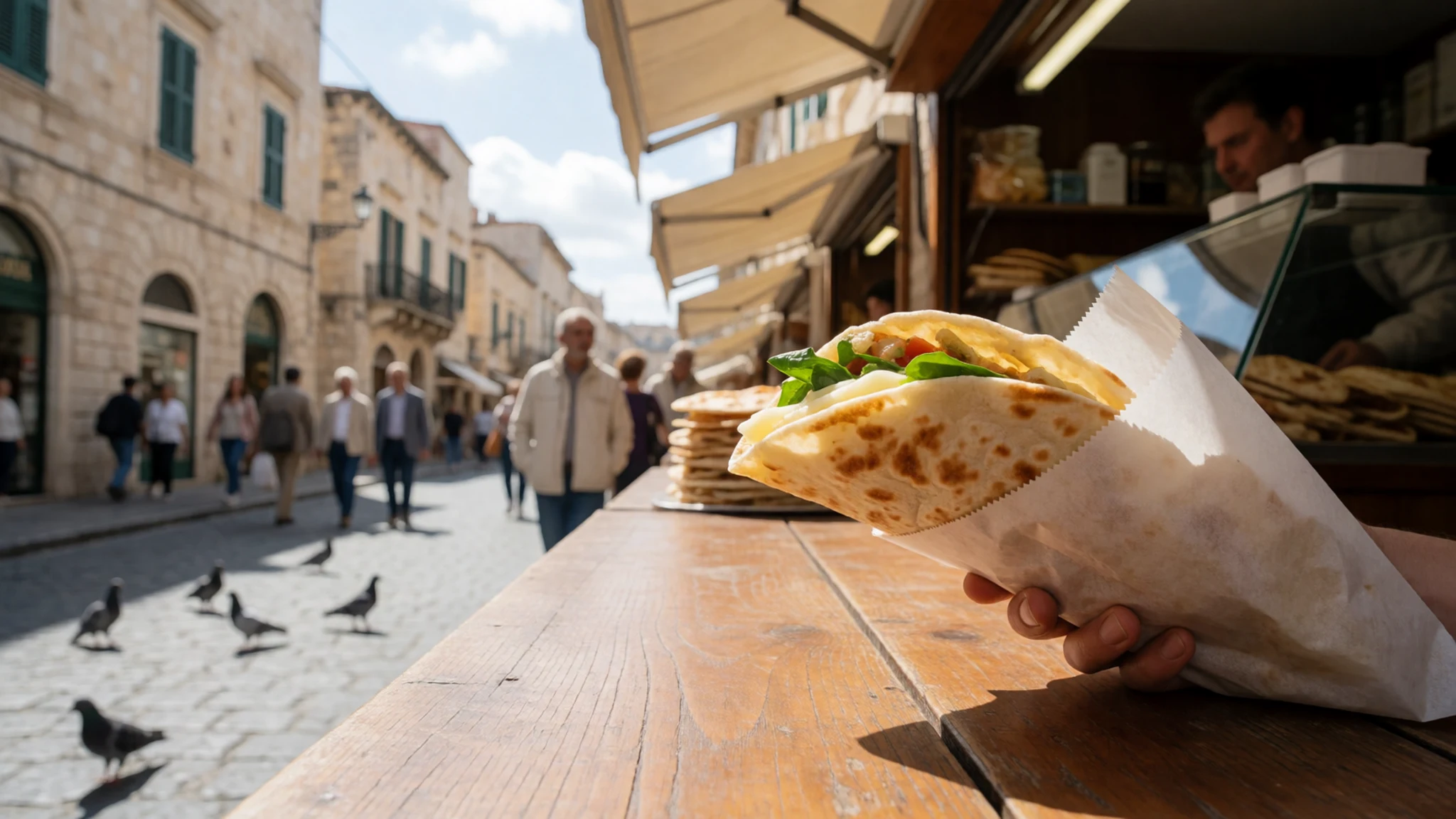
- Piadina — Piadina shops around the centre
A thin, soft flatbread folded around cured meats, cheese or greens. It is a quick, cheap lunch and a staple of the Adriatic coast, found at small stands and piadina shops around the centre and near the station. - Fresh Adriatic fish — Waterfront near the Mole Vanvitelliana
Grilled or fried fish, shellfish and small fry are served simply with lemon. Menus follow the catch, so ask what came in that day. Waterfront places near the Mole Vanvitelliana are popular for this, though service can be relaxed. - Aperitivo and coffee — Cafés on corso Garibaldi and corso Mazzini
Early evening drinks with small snacks are a daily ritual. Historic cafés along corso Garibaldi and corso Mazzini are good for a coffee at the bar or a spritz before dinner.
Plan it
Best time. May–June and September–October, when it is warm without the peak humidity of July and August. Winters are cool, rainy and foggy, though the city is quiet then.
How long. 2
Getting there. The nearest airport is Ancona Falconara, a short trip from the centre; Ancona's main railway station has regular trains along the Adriatic coast and from Rome. Ferries from Croatia, Greece, Albania and Montenegro arrive at the port, with a free summer shuttle bus to the ferry docks, or it is a walk of about a quarter of an hour.
Budget. mid
Tips
- Check in at the ticket office well before boarding if taking an international ferry, and carry travel documents for everyone in your party
- Start with the cathedral hill in the morning for light, views and cooler air
- Wear grippy shoes, as the old town is steep
- Check the official city site, https://www.comuneancona.it, for events and opening times
- Carry some cash for small cafés and market stalls
Etiquette
- Cover shoulders and knees in churches
- Greet shopkeepers with a buongiorno when entering
- Expect lunch closures and plan around them
Nearby
Sources
- Wikidata Q3415 (CC0)
- Wikipedia: Ancona (rev 1381664434) (CC BY-SA 4.0)
- Wikivoyage: Ancona (rev 5424130) (CC BY-SA 4.0)
- AnkonPanorama.jpg (CC BY-SA 2.5 it)
- Il porto di Ancona (CC BY 2.5)
- Arco di Traiano e mura di ronda (CC BY-SA 4.0)
- Ancona veduta (CC BY-SA 4.0)
- Scalinata Piazza del Plebiscito (CC BY 3.0)
- Monumento ai Caduti (CC BY-SA 4.0)
- Veduta aerea del Duomo di Ancona (Public domain)
- Ancona, Loggia dei Mercanti (CC BY-SA 4.0)


