Cannae
Cannae, Italy
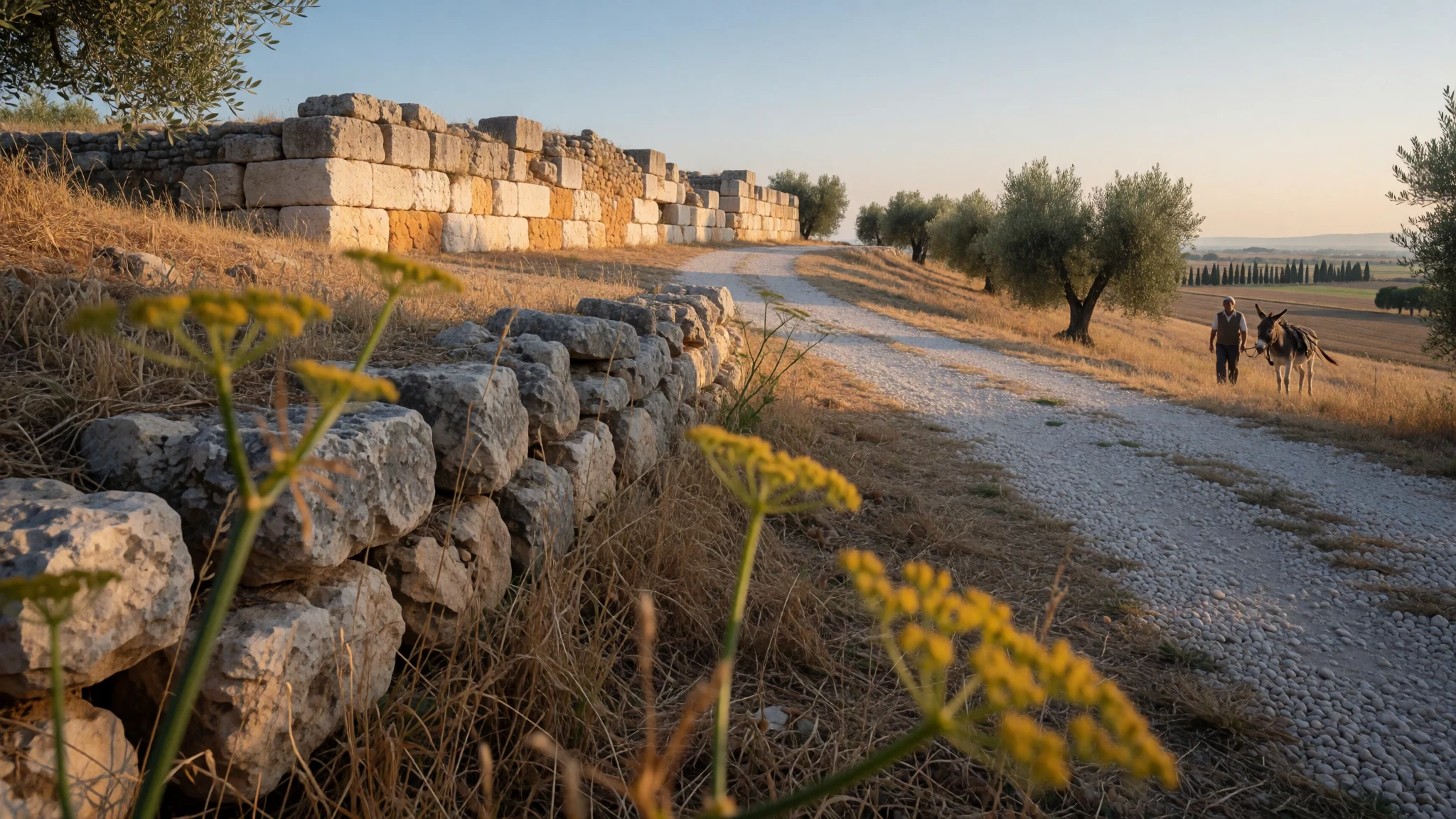
Cannae is a small Apulian frazione where a famous battle shaped the story of the Roman–Carthaginian wars.
The place
Cannae (now Canne della Battaglia) is an ancient village in Apulia, in south-east Italy. It’s a frazione of the comune of Barletta, perched on a hill on the right bank of the Ofanto river—an “in-between” landscape where water, trade routes, and farmland have always mattered. From the wider viewpoint, Barletta is where most people stay and eat; Cannae is the quiet, archaeological stop that fills in what the big-name towns can’t.
The hill-top setting is part of the mood: you get a sense of why this kind of terrain matters when you’re imagining armies moving and choosing positions. You’re also close to the river corridor—ancient names for the Ofanto show up in historical accounts, and the fact that locals and historians debate where exactly the battle unfolded is still reflected in how the site is talked about.
Practically, it’s not a “theme park” site with constant footfall. It’s more like a historical stage set: visit, read, look around, then go back to Barletta for food and a late walk. In the hot months, that rhythm changes—heat can make lingering uncomfortable, and the calmer countryside angles feel better early or late. If you want shade and a break from the sun, Barletta’s sea-front routines will be your safety valve.
Cannae is also a place of layers: Roman remains on Monte di Canne, later medieval shifts including a bishopric status, and later military episodes. It’s history you can step over, not just read about on a screen.
Its story
Cannae is primarily known for the Battle of Cannae, when the Romans suffered a disastrous defeat against Hannibal. The story keeps a classic “where exactly?” question alive: sources and historians have long debated whether the battle played out on the right or left bank of the Ofanto river, and that uncertainty colours how the landscape feels when you visit.
Long after the battle, the place kept moving forward. Cannae became a municipium, and traces of an earlier Roman town remained on the hill known as Monte di Canne. That gives the site a dual character: battlefield memory on top, everyday settlement under it. When the centuries roll on, the same ground keeps getting reinterpreted.
In the Middle Ages, the settlement’s importance shifted again. After destruction in the early medieval period, Cannae became a bishopric, and centuries later it saw military action a second time—still linked to the same strategic theme of controlling movement in the river landscape. Later, another round of upheaval wrecked the town so thoroughly that only key religious buildings and the bishop’s residence endured.
What stands out is the continuity of the place name as a story engine: people keep returning to Cannae because the battle became a shorthand for military catastrophe and for Hannibal’s audacity. Even where the exact bank-line is argued, the hill, the river, and the remains help explain why this specific stretch of Apulia mattered.
What to see
- Canne della Battaglia (archaeological area) — Monte di Canne area
Cannae’s core visit is the archaeological ground around Monte di Canne, where Roman remains connect the village to the wider battle story. The setting is open and exposed in places, so plan your looking time for cooler morning or late afternoon.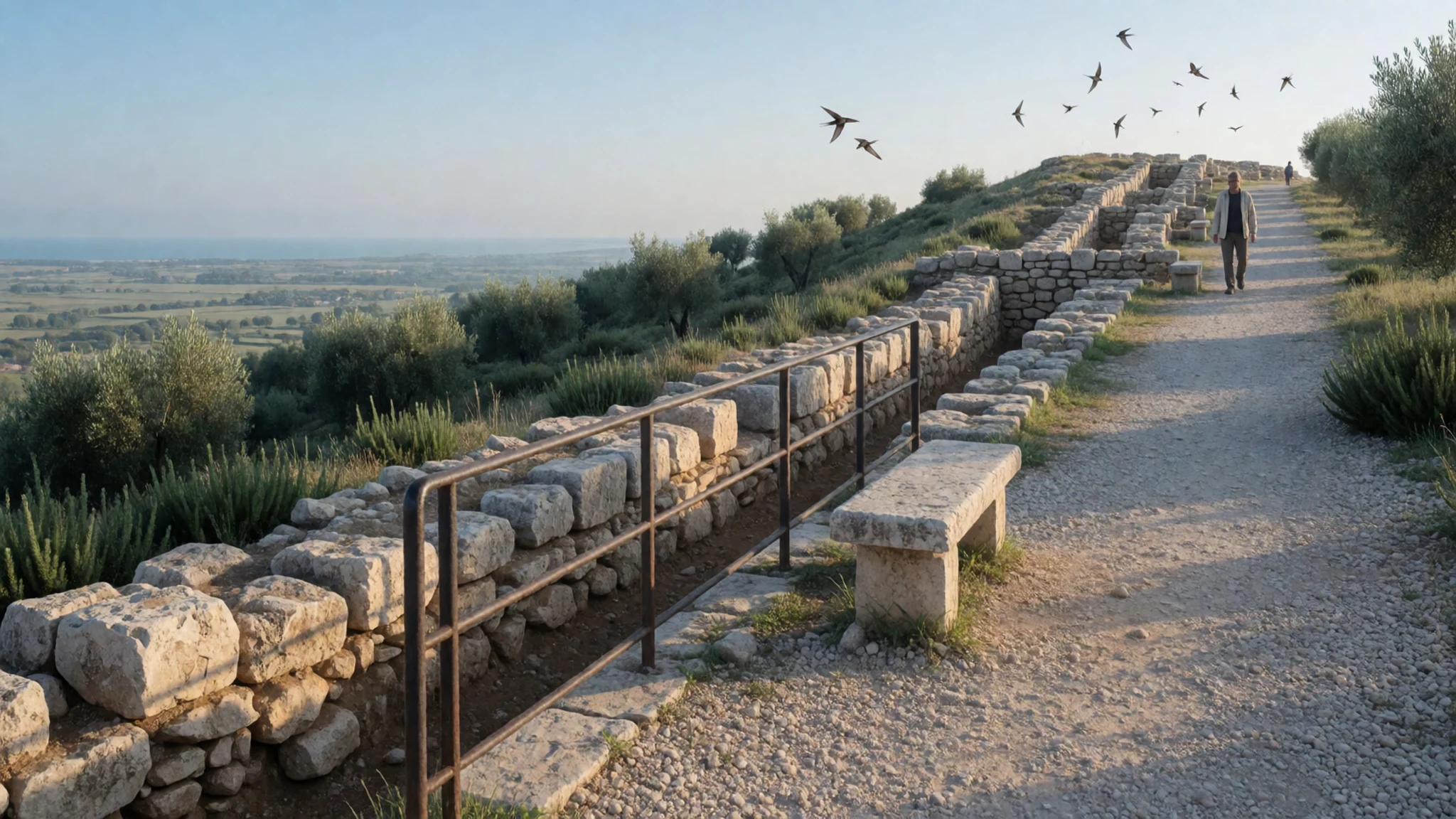
- Ancient Cannae battle-map view (Cannae map) — On-site interpretation
A map view helps you picture troop movements in the Ofanto river landscape and the ongoing discussion about which bank the battle belongs to. It’s especially useful when the countryside itself doesn’t “advertise” the details—pair it with a walk outdoors.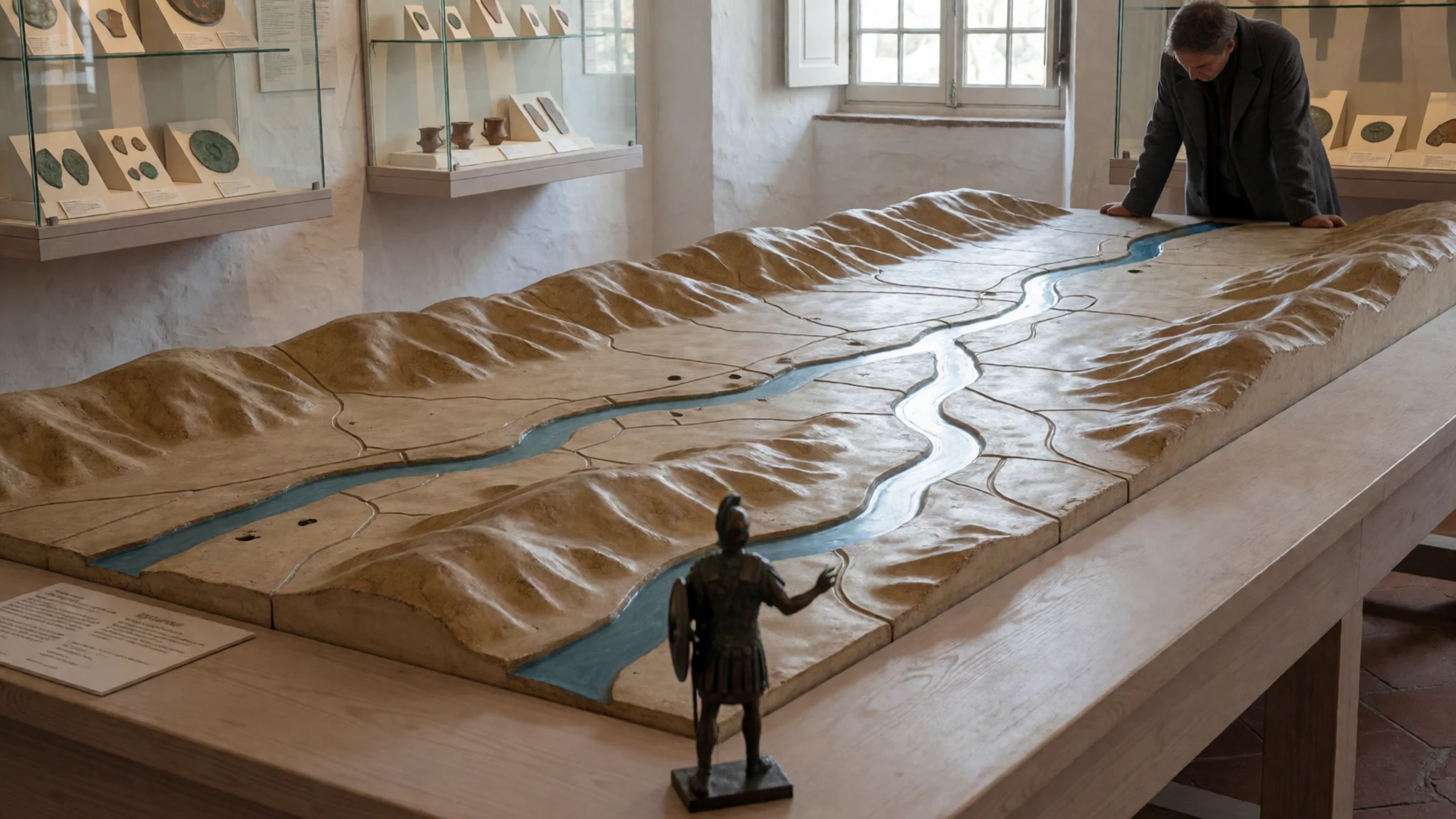
- Barletta’s Castle (nearby day pairing) — Barletta (city centre)
Barletta’s castle gives context for the region’s later strategic thinking, with a medieval feel distinct from the Roman hill setting. If you combine trips, treat this as the “after” story: how power stayed important even when the original town had changed.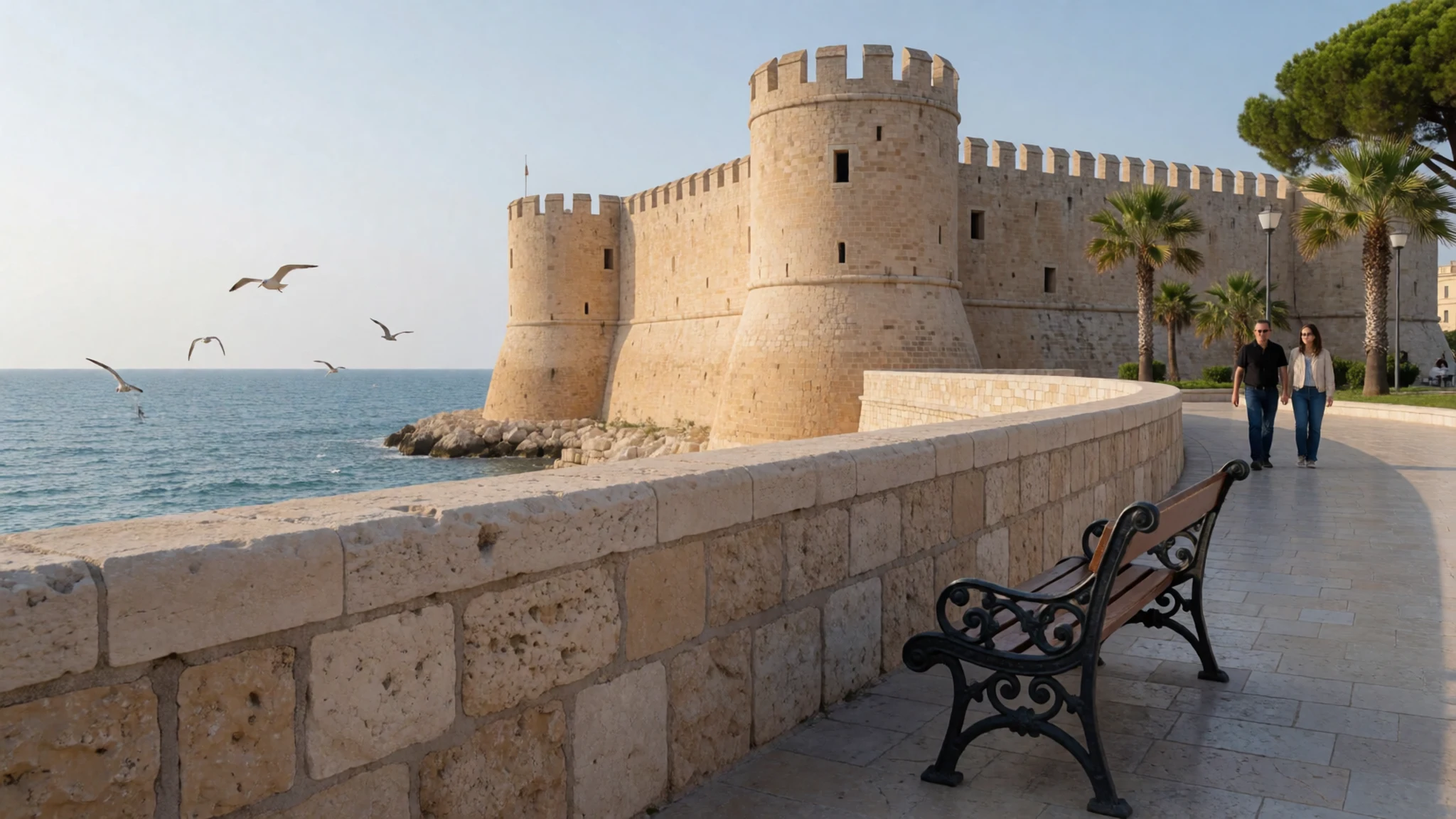
- Monument to the Battle of Cannae (commemorative landmark) — Barletta–Cannae area
A dedicated monument marks the memory of the conflict and makes the battle feel present rather than distant. It’s a quick stop, but a useful anchor point for your own mental map—particularly if you arrive with the bank-debate in your head.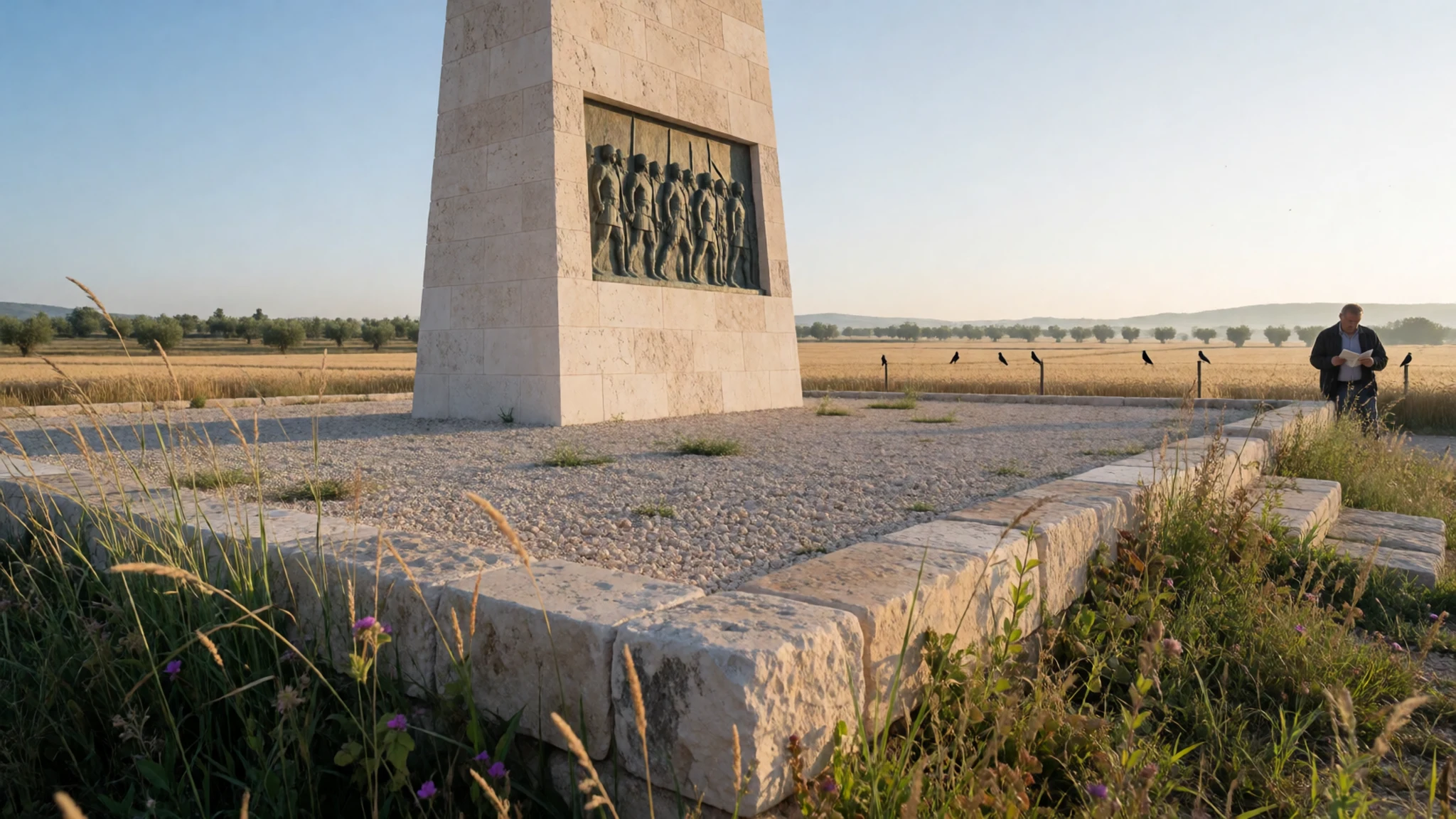
- Barletta Cathedral (religious heritage backdrop) — Barletta (Centro Storico)
Barletta Cathedral, with Apulian Romanesque roots and later Gothic additions, rounds out a day trip from Cannae. It’s a good place to cool down indoors after time outdoors, while you absorb how the region’s religious life kept rebuilding after conflict.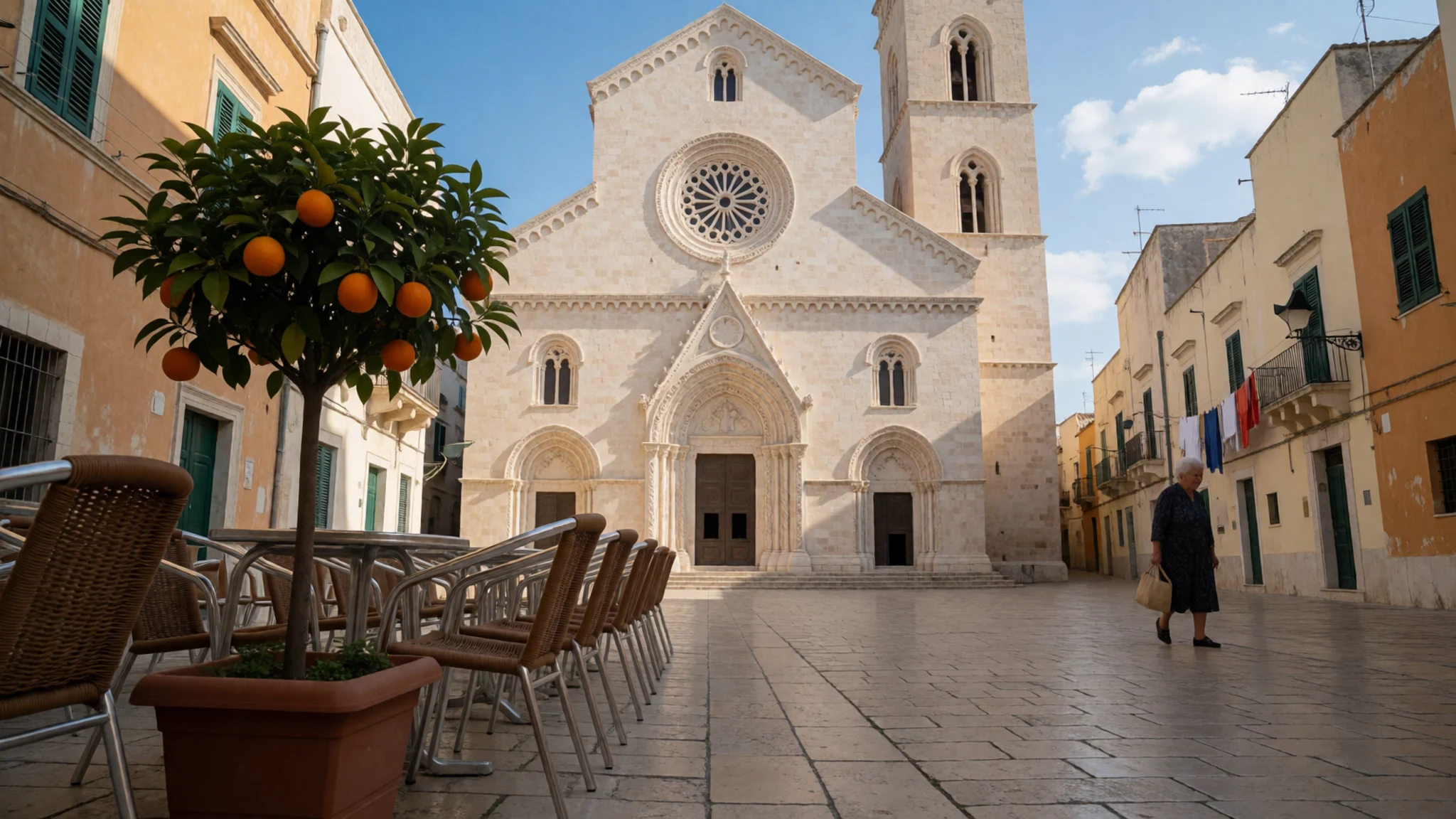
Culture
Cannae isn’t a “big city attractions” kind of stop; it’s more about reading the place. The locals’ way of telling stories comes through in conversations that link the archaeological remains to the battle narrative, and that tradition tends to get strongest when the day is warm and people are out and about. In summer, many people in the wider Barletta area spend a lot of free time by the sea, which changes how you experience the region: the inland history feels calmer, while the coastal routine provides the social rhythm.
It also helps to think in seasons. Spring and early autumn usually mean more comfortable temperatures for walking around exposed areas and looking closely at interpretive material. Mid-year heat can flatten the pace of a visit—so it’s worth starting earlier rather than trying to “power through” at the hottest part of the day.
One more practical culture note: around the ports and harbour edges in warmer weather, smells can show up—enough that many visitors decide to keep their coastal time away from the immediate waterfront hustle. It’s not a reason to avoid the sea; it’s just a heads-up for choosing where to linger.
Visitor etiquette: keep noise down and avoid climbing on fragile structures at the archaeological area.
What to wear
In and around Cannae, traditional dress in everyday life is mostly for special occasions rather than daily street wear. In this part of Apulia, the “traditional” look you might see (on festival days or in cultural displays) often points to structured local garments and textiles—typically layered, with materials suited to warm Mediterranean weather. On the ground, though, most locals now dress for heat and practicality.
What visitors actually wear day to day is simple: breathable tops, shorts or light trousers, and a hat. Because Cannae’s archaeological surroundings can feel open and exposed, footwear matters—choose trainers or sturdy walking shoes with grip rather than flip-flops. If visiting churches in Barletta as a pairing stop, modesty norms tend to be the rule of thumb: shoulders covered and clothing that doesn’t feel too bare.
For the “bring it with you” list, pack sunscreen, sunglasses, and a refillable water bottle. Even if the day looks mild, the south-east Italian sun can ramp up quickly, and you’ll be happier if your outfit and gear are built for walking in bright conditions.
What to eat
- Seafood-heavy house specialities (brigantino-style) — Barletta restaurants
Look for seafood-forward plates around Barletta eateries, where the kitchen leans into the Adriatic—fresh fish, simple preparations, and hearty sharing portions. Great after a Cannae visit when appetites reset.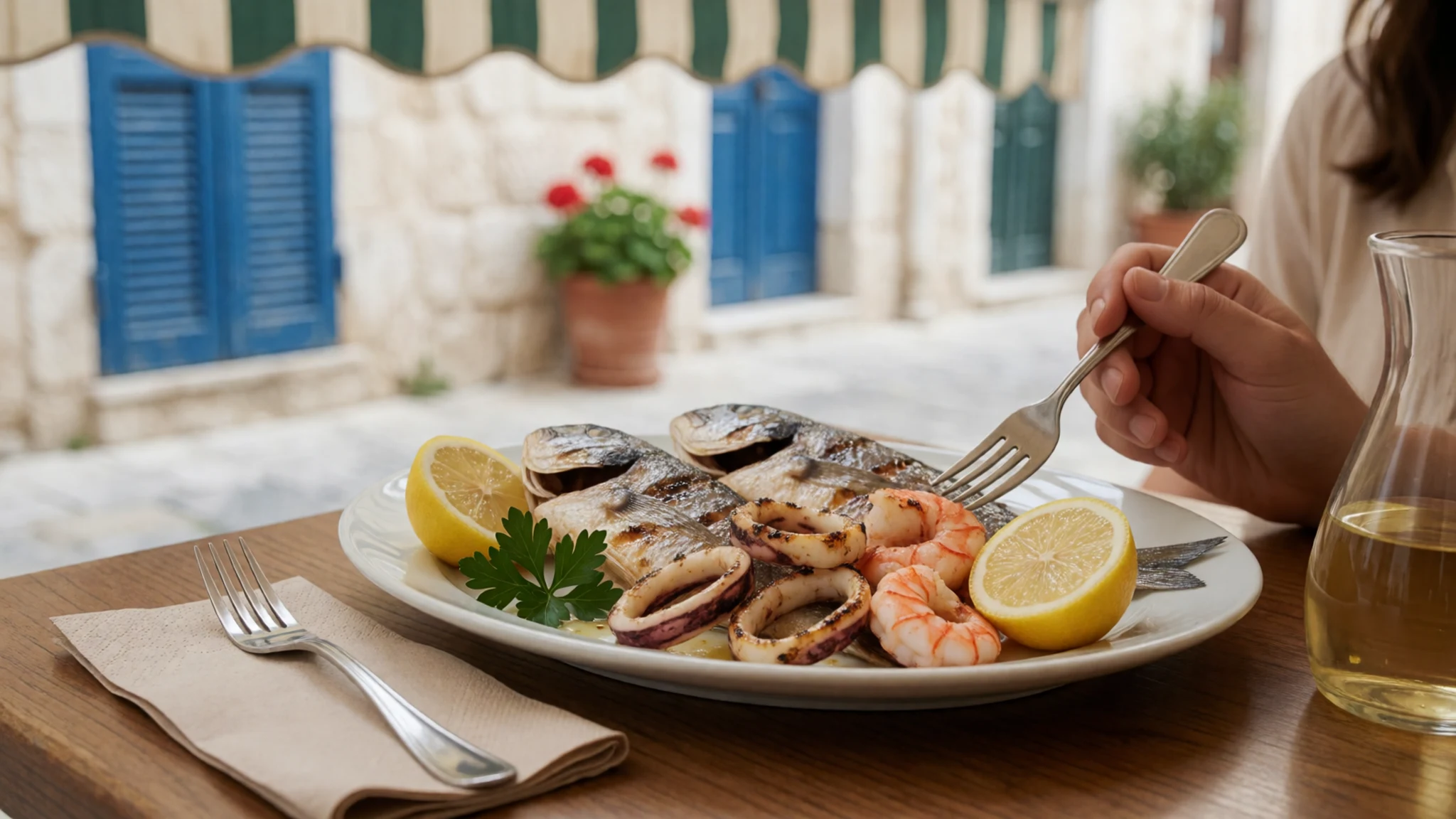
- Sweet and savoury crepes — Creperies around Barletta
Crepes are an easy, quick win: sweet options are common, with a few savoury variations too. These work well as a takeaway snack before heading back out for walking time.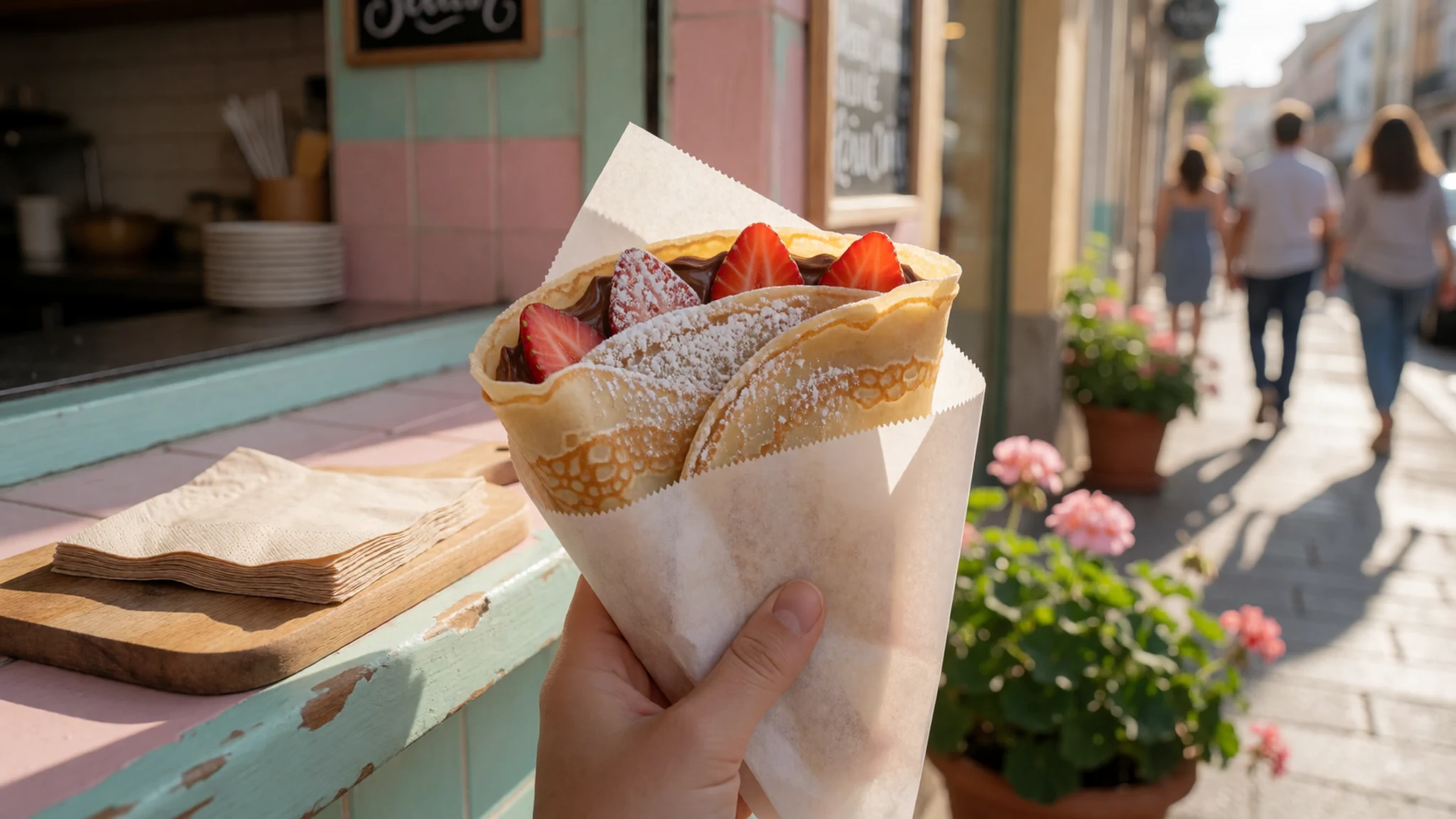
- Old-school pizza options — Barletta town-centre pizzerias
In Barletta, you’ll find pizzerias with long local reputations. Order a classic pizza and keep expectations realistic: this is everyday Italian comfort rather than a “performance” meal, perfect for an unhurried evening. - Irish-pub style comfort food — Tourist-friendly streets in Barletta
For a different flavour direction, there are restaurants with an Irish pub vibe serving roast-style comfort dishes and simple plates. It’s a convenient break from Italian seafood-heavy meals when you want something familiar. - Caffè pit-stops with views — Caffè spots around Via Duomo / cathedral vicinity
Cafés that spread tables out near the cathedral area are popular when the light is nicer. Grab a coffee and a pastry, then use it as your “pause” between sightseeing and dinner.
Plan it
Best time. March–April for comfortable spring walking and early colour; late October–November for milder late-season temperatures. Summer can be hot and crowded, and June brings rainy conditions.
How long. 2–3
Getting there. Fly or travel into the area via the nearest major rail and road links for Barletta; then use the short local hop to Canne della Battaglia in the hills. If arriving by rail, start from the station and connect into Barletta’s centre before heading out to the Cannae side.
Budget. mid
Tips
- Start your Cannae/Monte di Canne visit early to avoid the sharpest heat and to keep the pace relaxed.
- Pair Cannae with a Barletta afternoon (castle or cathedral) so you’re not rushing between open-air and indoor time.
- Bring water and sunscreen; the landscape is open and there isn’t always shade.
- Use the tourist office in Barletta for maps and local orientation if you’re unsure on routes.
- If you’re also spending time by the sea, keep your nose in mind—harbour-adjacent spots can be unpleasant in warm weather.
Etiquette
- Respect archaeological boundaries and don’t climb on or touch fragile remains.
- Keep voices low near memorials and interpretation points.
- When visiting churches, dress modestly (covered shoulders are a safe choice).
Nearby
Sources
- Wikidata Q568611 (CC0)
- Wikipedia (rev 1381037148) (CC BY-SA 4.0)
- Wikivoyage (rev 5239577) (CC BY-SA 4.0)
- Photo photos/01-area-archeologica-e-antiquarium-di-canne-della-battaglia-mib.jpg (CC BY 3.0)
- Photo photos/02-putz96.jpg (CC BY-SA 4.0)
- Photo photos/03-canne-della-battaglia.jpg (CC BY 3.0)
- Photo photos/04-moneta-dall-antiquarium-di-canne.jpg (CC BY 3.0)
- Photo photos/05-monumento-battaglia-di-canne.jpg (CC BY-SA 1.0)


