Abruzzo, Lazio and Molise National Park
Abruzzo, Lazio and Molise National Park, Italy
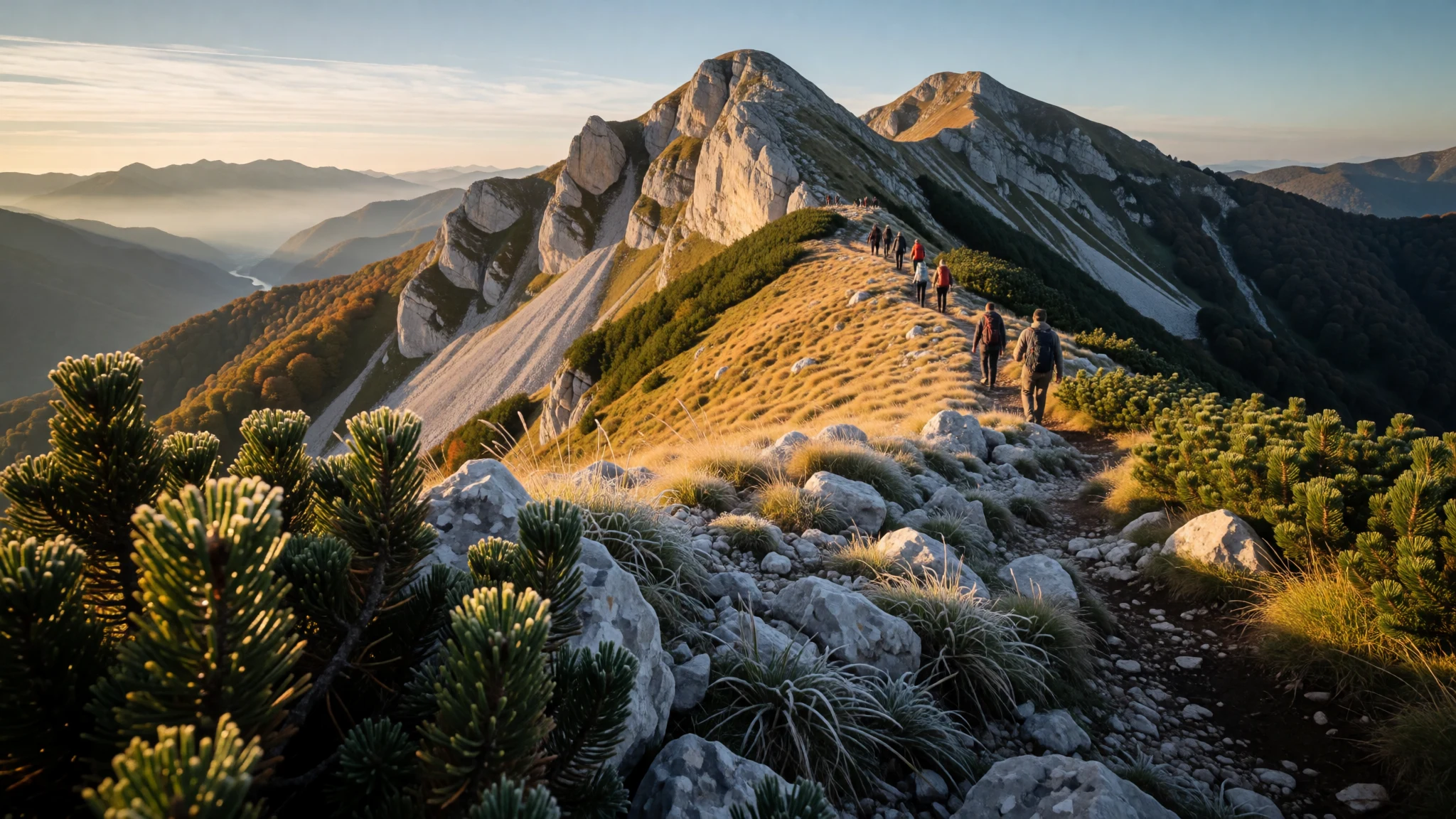
Abruzzo, Lazio and Molise National Park is for steady hiking and close wildlife encounters, set in forested Apennine mountains.
The place
Abruzzo, Lazio and Molise National Park (Parco Nazionale d’Abruzzo, Lazio e Molise) is the kind of protected landscape that rewards slow travel: long ridgelines, beech woods, and valleys shaped by rivers like the Sangro. It sits in Italy’s Apennines, with most of the area in Abruzzo and smaller sections reaching into Lazio and Molise.
The park is often tied to its older name, Abruzzo National Park, but the feel is consistent across its zones. Forest dominates the view—there’s a lot of beech, with other tree types mixing in depending on altitude and exposure. The terrain is deeply mountainous, anchored by peaks such as Petroso, Marsicano, Meta, Tartaro, Jamiccio, Cavallo and Palombo, and by the Monti della Meta ridge. Water plays its own role too: the Sangro begins near Pescasseroli, flows towards the artificial Lago di Barrea, then continues beyond the park.
Wildlife is part of the reason people plan serious days here. Species mentioned in the park’s profile include the Italian wolf and the Marsican brown bear, along with Abruzzo chamois, red deer and roe deer. Even when you’re not “looking for wildlife”, the park’s stillness can make small movements feel important—birdsong carrying through the trees, mist pooling in a valley after rain, and distant silhouettes on a ridge.
The practical base for many visits is Pescasseroli, in the Province of L’Aquila, where you can organise routes and orient yourself before heading into quieter countryside.
Its story
Abruzzo’s park story starts in the years after World War I, when a local push for protection gained momentum thanks to Erminio Sipari, an environmentalist and Italian parliament member. The idea turned into an organised reserve, then a formal park, with the ambition of safeguarding wildlife and plant life rather than treating nature like empty space.
During the early decades, the park’s borders shifted as surrounding municipalities were brought in, and the landscape was increasingly folded into national conservation planning. The twentieth-century rollercoaster included an interruption under the Fascist government, followed by a re-establishment later when resources and management structures were reorganised.
A big turning point in the mid-century years came with renewed expansion, influenced by local interest from villages in neighbouring Molise. At the same time, the park’s surroundings were not isolated from wider pressures: construction and development trends in the region affected forests and land use, and that meant conservation had to work harder to counterbalance habitat loss.
Today, walking in the park feels like the end result of those political and conservation decisions: the persistence of forested slopes, the continuing effort to protect key species, and a landscape that’s still largely shaped by altitude, rainfall and seasonal weather rather than heavy infrastructure.
What to see
- Monti della Laga viewpoints — Monti della Laga area
Abruzzo, Lazio and Molise National Park shows its wild scale from the Monti della Meta ridge: forested ridges, sudden clearings and long valley lines that change colour with cloud cover. Go early for softer light and calmer trails.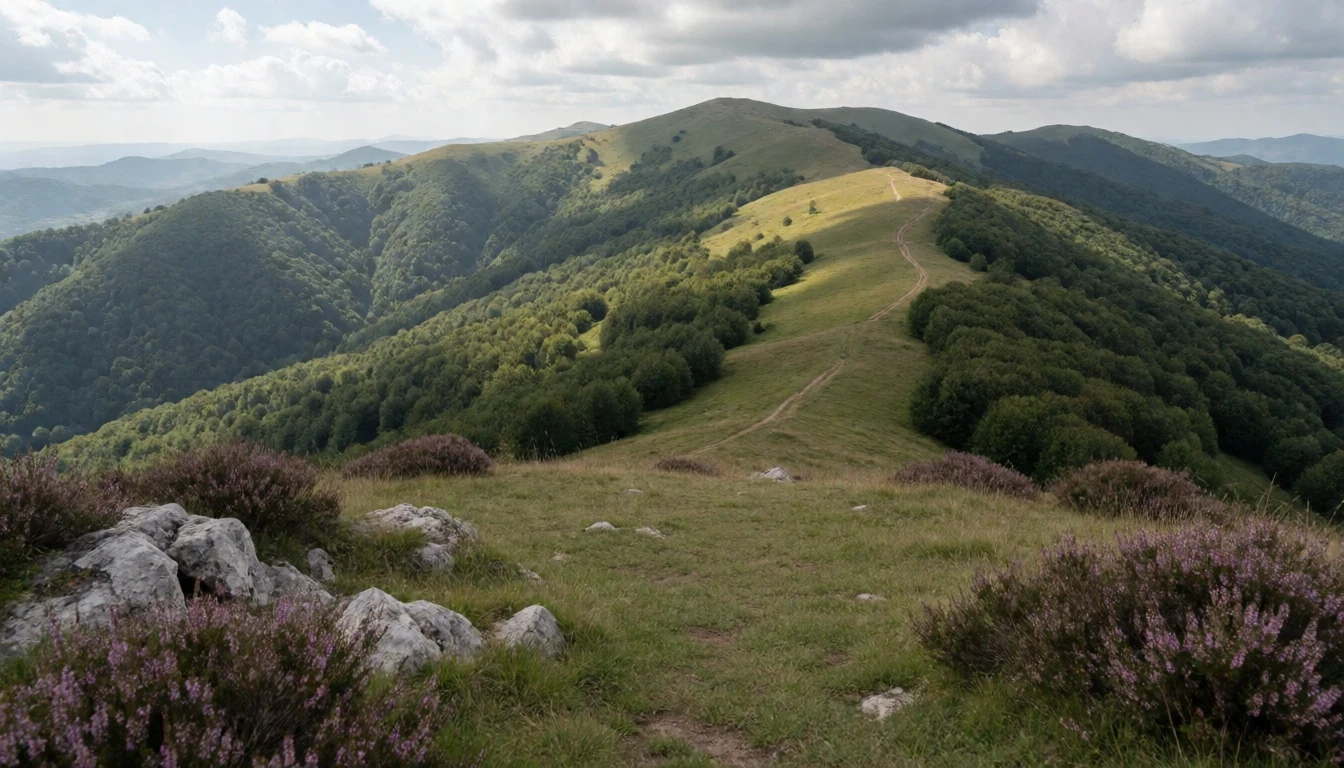
- Camosciara trails near Monte Sterpi d’Alto — Camosciara valley and Monte Sterpi d’Alto
Abruzzo, Lazio and Molise National Park is excellent for day hikes around the Camosciara valley systems. From viewpoints below Monte Sterpi d’Alto, the terrain opens into terraces and woodlands where you can spot hoofprints and watch for chamois movement on rocky edges.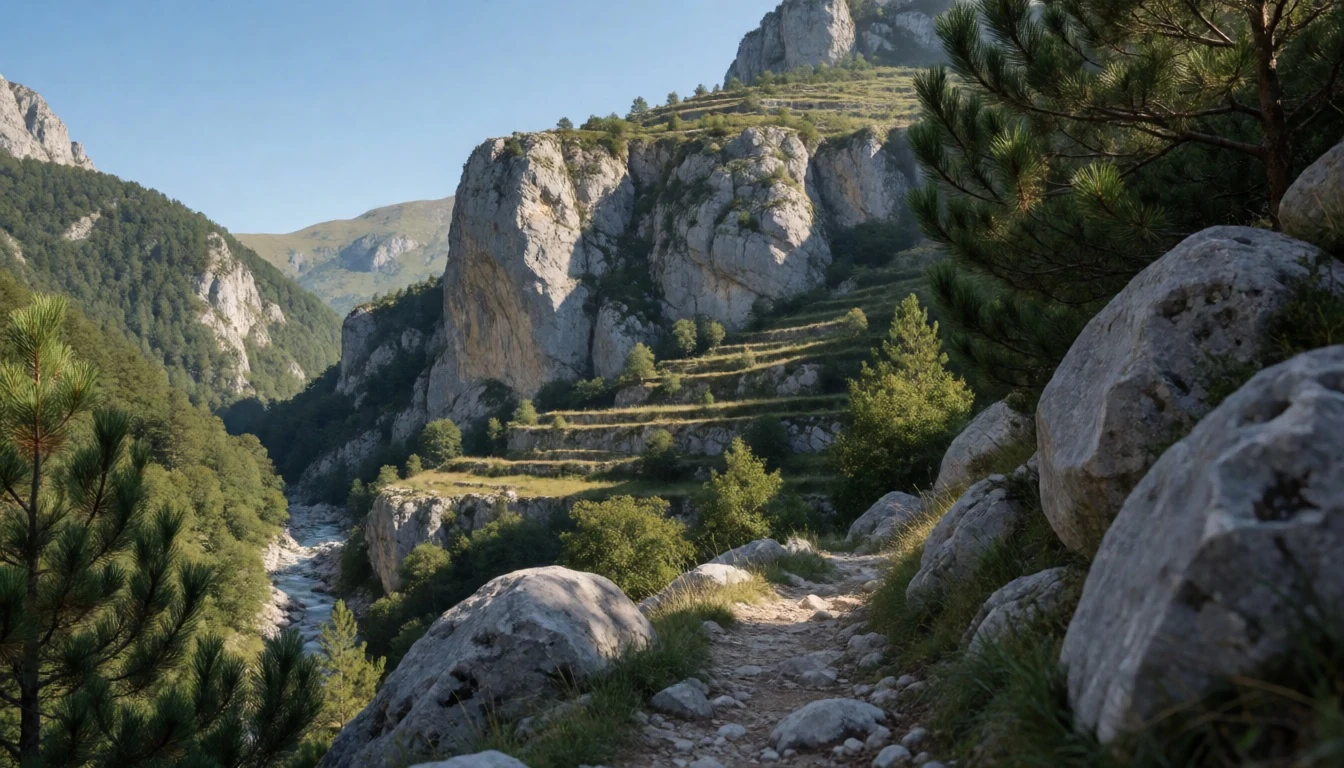
- Opi viewpoints and ridge walks — Opi and surrounding ridges
Abruzzo, Lazio and Molise National Park feels less like a “single attraction” and more like many overlooks. Opi works as a convenient base for ridge walks where forest gives way to wide panoramas, with a noticeable temperature drop as you climb.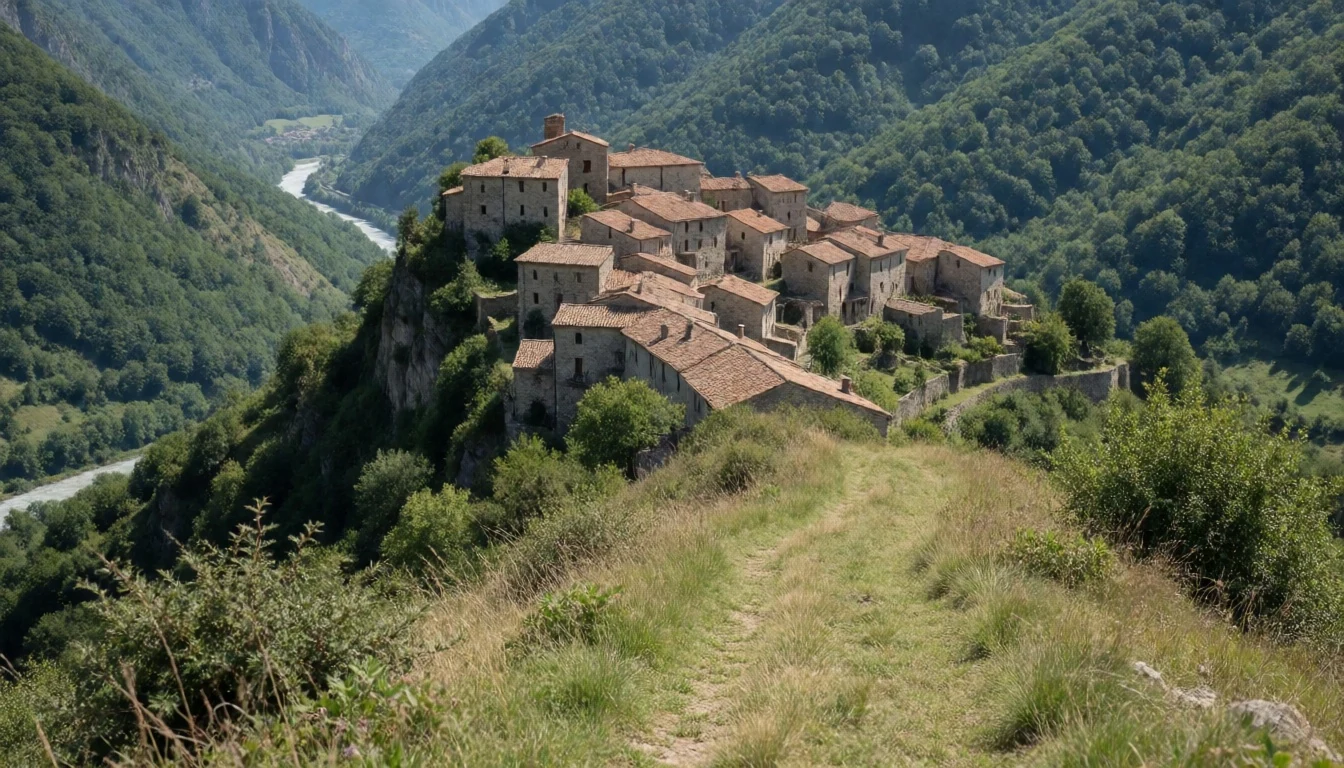
- Marsican brown bear country — Higher woodland valleys (bear habitat areas)
Abruzzo, Lazio and Molise National Park is managed with the Marsican brown bear in mind, so the atmosphere in the right valleys can feel attentive and quiet. The best approach is time, patience and staying on marked routes rather than expecting a guaranteed sighting.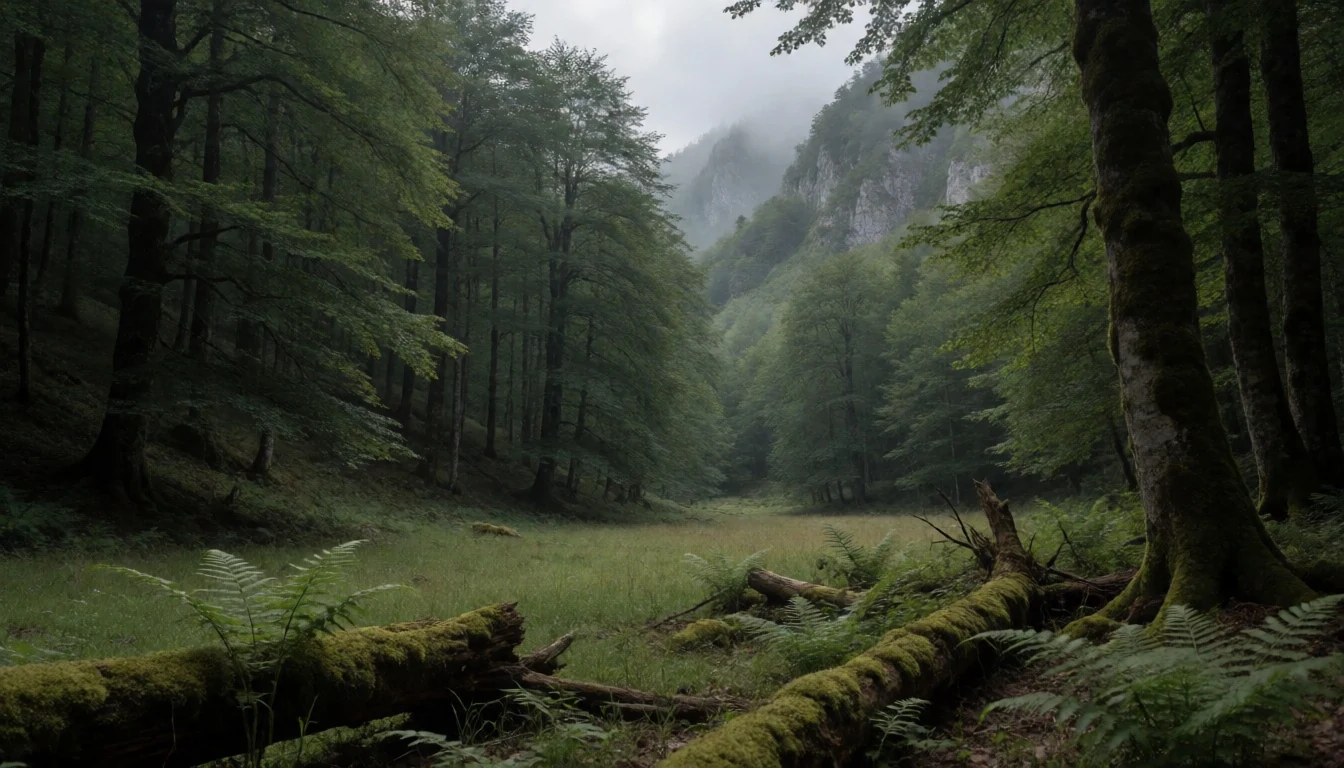
- Sangro River and Lago di Barrea mood — Sangro River corridor and Lago di Barrea
Abruzzo, Lazio and Molise National Park settles into a different rhythm around the Sangro River and Lago di Barrea. After rain, mist can sit low in the water corridors, and the shoreline light turns gentle—ideal for an easier walk or a slower loop before dinner.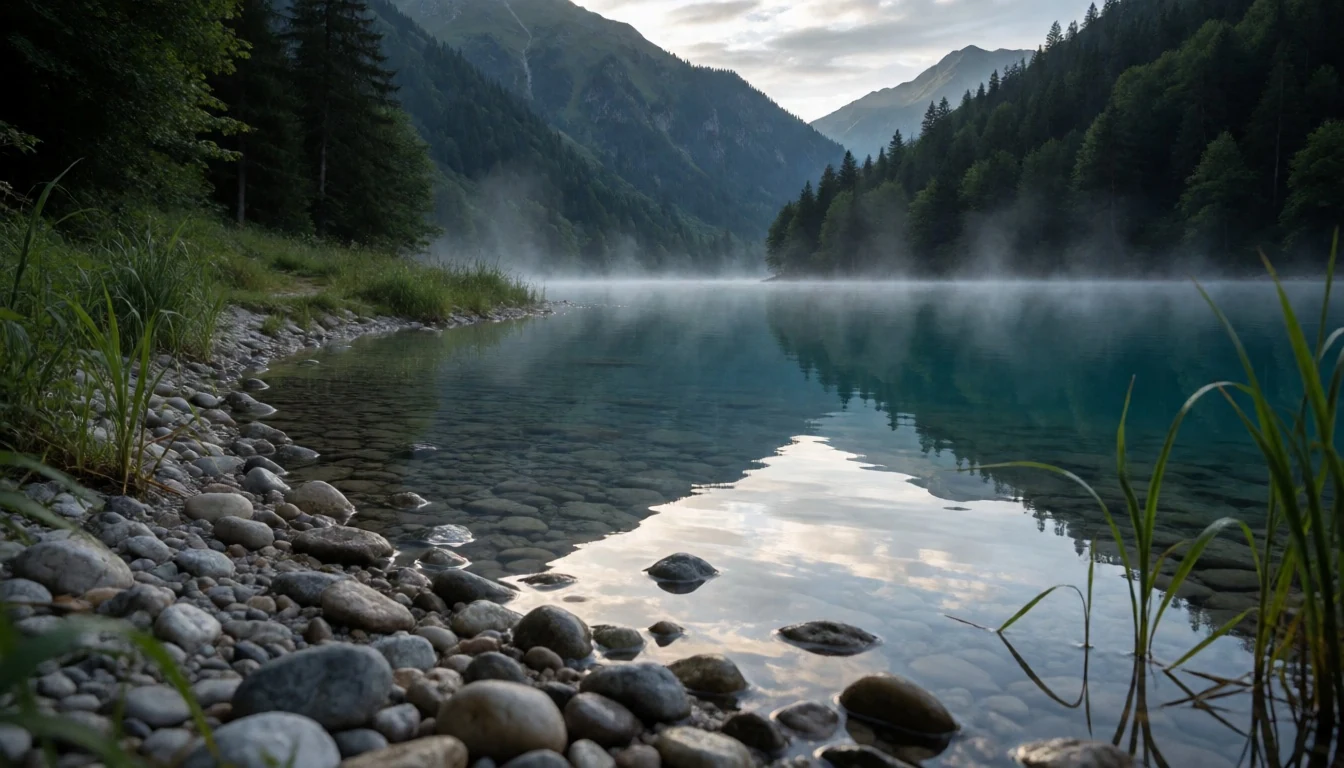
- Appennine plateaux for chamois — High plateaux and mountain slopes in the Monti della Meta zone
Abruzzo, Lazio and Molise National Park includes mountain high points where the air feels thinner and the views stretch further. On clearer days, the high plateaux and rocky fringes are where Abruzzo chamois are part of the landscape, so keep noise down and watch from safe distances.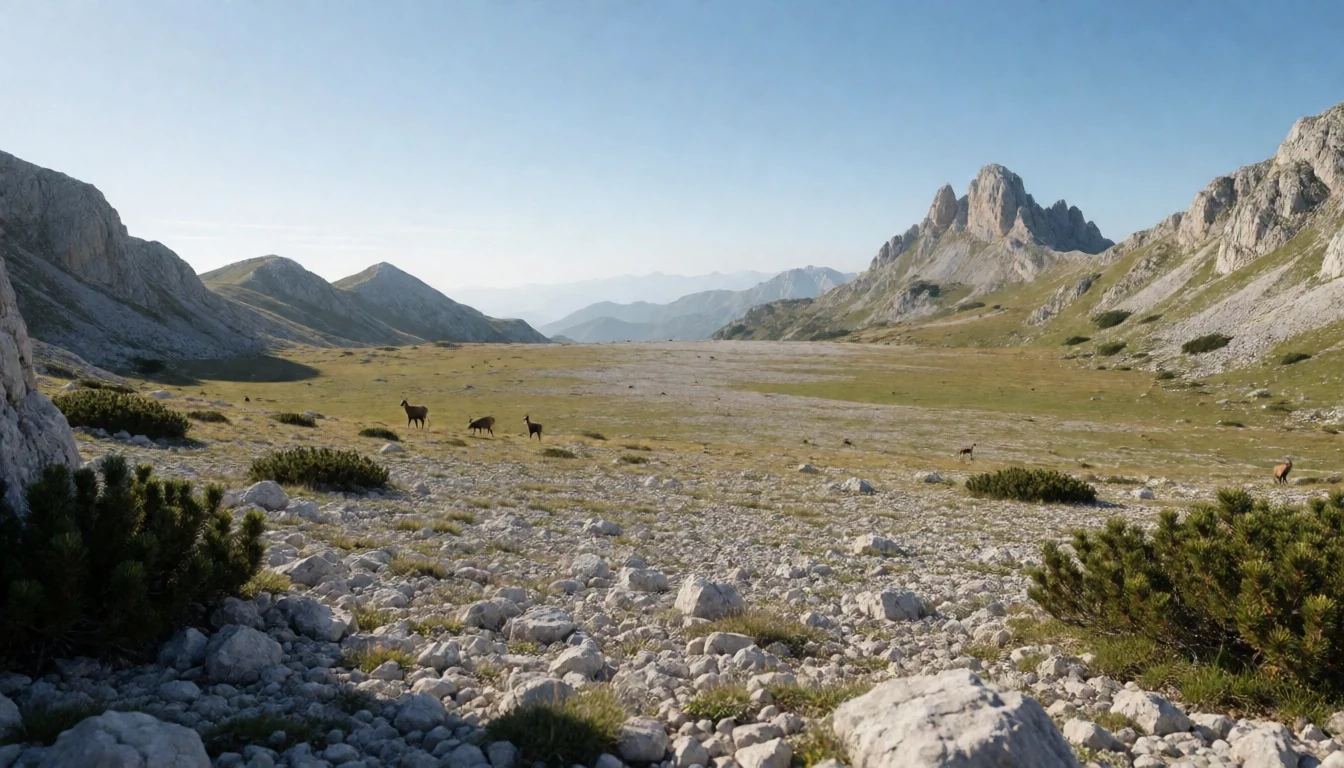
- San Vincenzo al Volturno (Molise edge) — Castel San Vincenzo area (Molise)
Abruzzo, Lazio and Molise National Park reaches into Molise, and the contrast is striking: a quieter, more rural edge where history sits alongside nature. Near Castel San Vincenzo, San Vincenzo al Volturno is a calm detour after a countryside drive.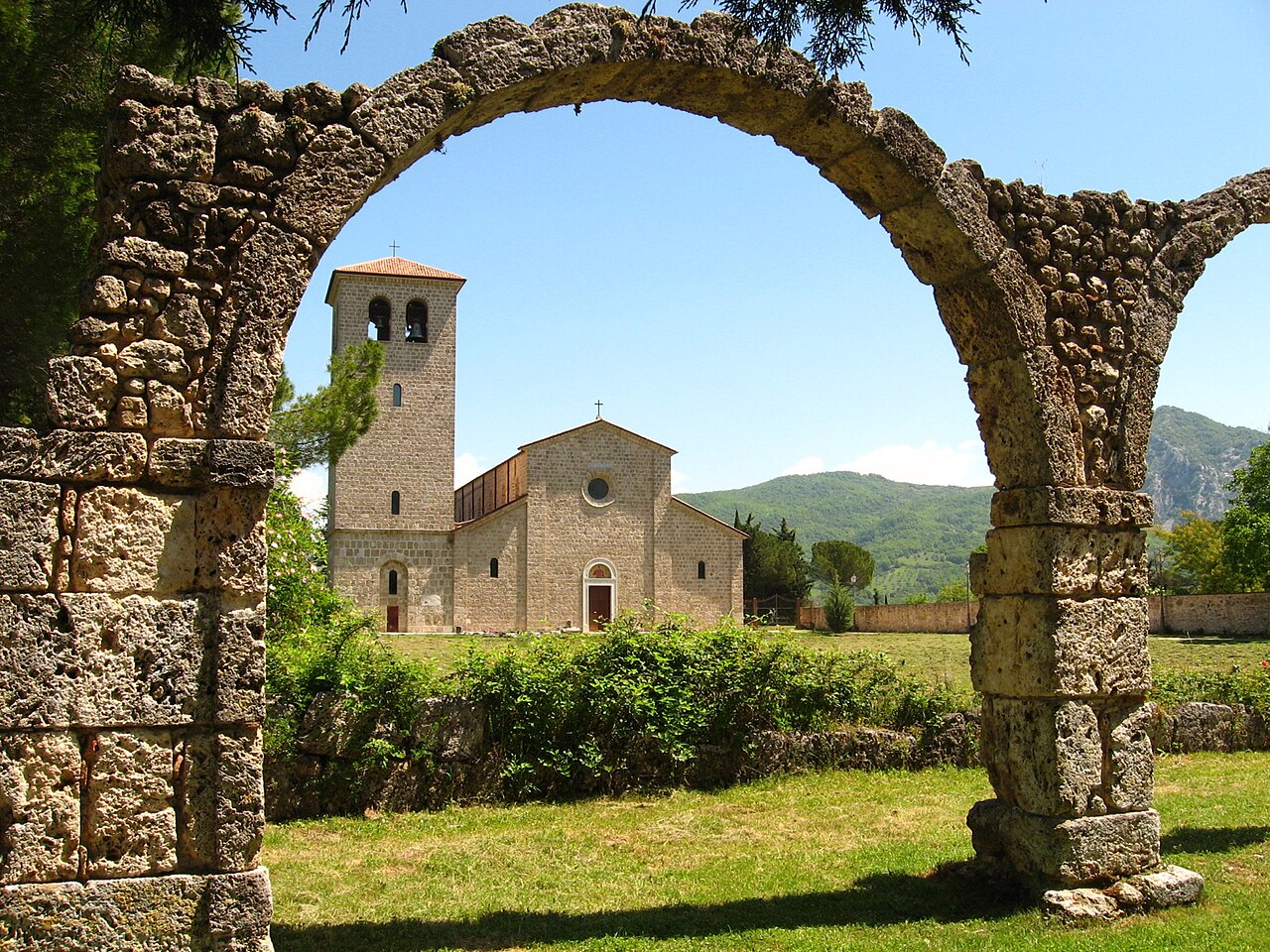
Culture
Abruzzo, Lazio and Molise National Park is cultural in a practical way: it’s about how people live with the mountains, not about grand city landmarks. Pescasseroli, the park’s headquarters area, is the place where most visitors first come up against the rhythm of the Apennines—weather changes quickly, trails shape daily life, and local knowledge matters more than a single “headline” sight. In the surrounding towns across Abruzzo, Lazio and Molise, medieval churches and small communities sit beside the forest, so a day out in the park naturally blends into local food and a slower pace.
One reason crowds feel manageable (compared with big-name Europe city breaks) is that nature travel spreads people across valleys, ridgelines and visitor routes rather than concentrating them in one square. The trade-off is logistics: you’ll rely on road access and the season’s daylight, so it helps to plan for early starts when the air is cooler and the trail is less slippery.
Visitor etiquette: stay on marked paths, keep your voice down around wildlife habitat, and take litter home—mountain views look best without human clutter.
What to wear
Abruzzo, Lazio and Molise National Park is all about dressing for mountain weather first, and for local norms second. Traditional dress in the Apennines varies by locality, but across this wider area you’ll typically see practical wool garments suited to cooler upland conditions—often with knitted or woven elements that reflect how people used to stay warm across seasons. Festival outfits may include handcrafted textiles and layered looks, but they’re not a daily uniform.
What people wear now is simpler and weather-led: hikers in trail shoes and breathable layers, locals in casual coats or light jackets depending on the day. If you’re visiting villages like Pescasseroli or stopping at heritage sites near the park boundary, modesty is the guiding principle—cover shoulders and avoid very short outfits when you enter church-like spaces.
For visitors, think in layers: a warm mid-layer for mornings, a waterproof shell for sudden rain, and gloves or a hat if you’re hiking at shoulder-season temperatures. Pick footwear with grip; even when the day looks calm, forest shade and river areas can mean muddy patches. A small daypack helps for water and an extra layer—mountain weather tends to shift without much warning.
What to eat
- Baked pecorino-style cheese (scamorza) — Village restaurants and local eaters around Abruzzo’s towns
Abruzzo, Lazio and Molise National Park’s wider food culture loves peasant comfort dishes, and baked scamorza cheese is a common warm start. Look for it in village eateries and local restaurants away from the main tourist strips.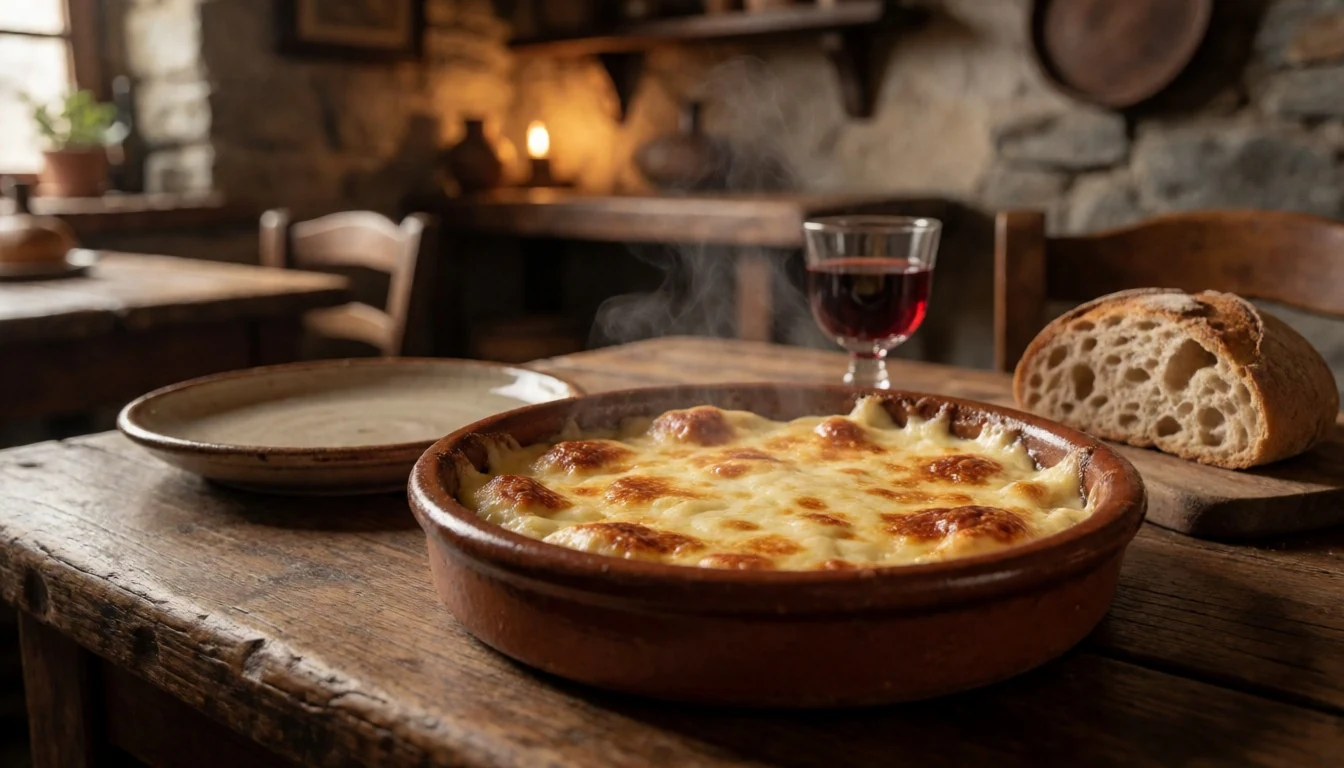
- Lamb dishes — Inland Abruzzo restaurants and family-run trattorias
In inland areas around the park, lamb is a popular ingredient and often shows up as slow-cooked mains. Order something hearty at local tables where the menu leans towards regional, seasonal cooking rather than chain-style plates.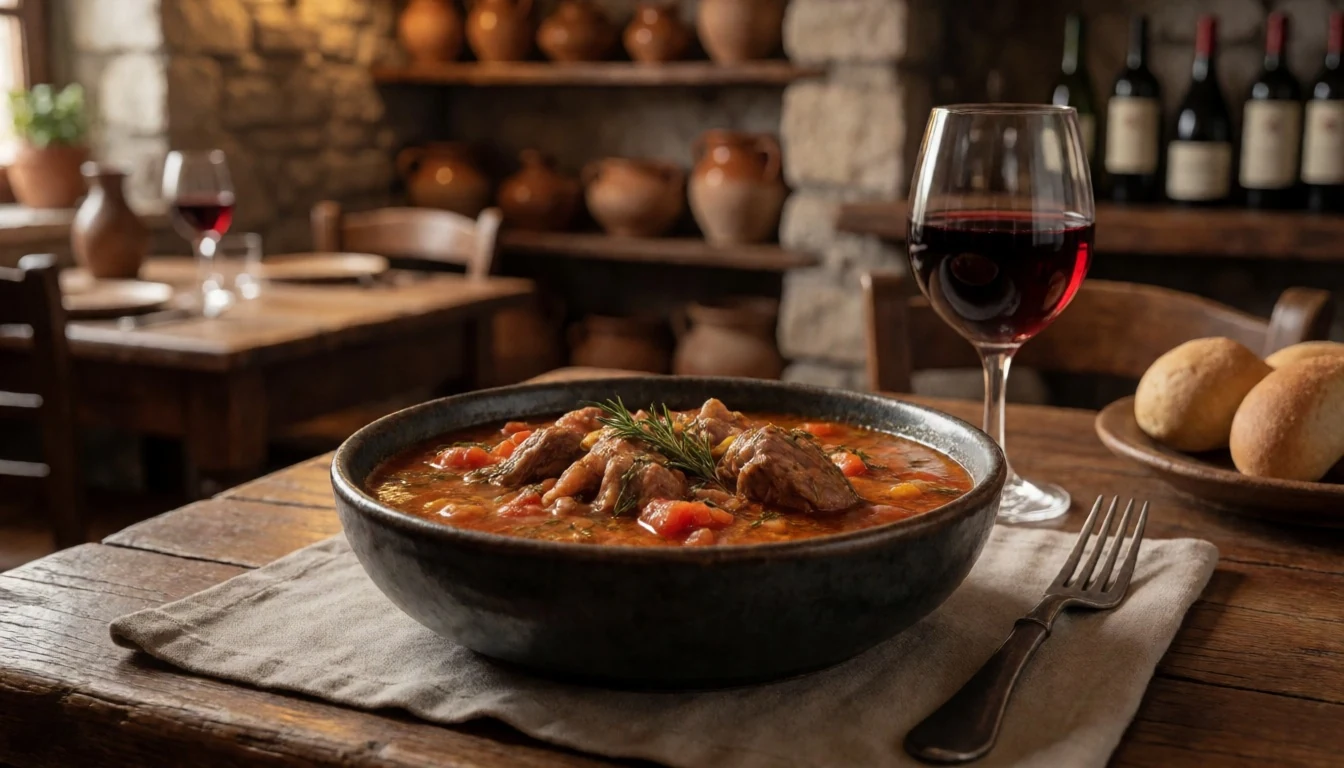
- Goat’s milk cheeses — Local markets and cheese counters in towns near the park
Abruzzo’s cheese culture includes goat’s milk varieties alongside lamb’s milk cheeses. You’ll usually find them as part of a shared starter board, especially in places that focus on regional products. - Pork-based dishes — Restaurant menus in the park’s surrounding towns
Pork features frequently in Abruzzo cooking, often in rich, savoury preparations that suit cooler mountain weather. Ask for a house special if the menu uses regional names rather than generic descriptions. - Seafood plates (coastal detours) — Seafood restaurants around the Abruzzo coast
When you venture towards the Abruzzo coast, fish and seafood become part of the rhythm. A good strategy is to pair a park day with a coastal meal back in the region for variety. - Simple appetisers built around cheese and bread — Casual bars and smaller eateries in nearby towns
A lot of Abruzzo meals start with substantial appetisers—cheese, cured flavours and bread—before the main course arrives. It’s an easy way to taste local staples without committing to one “signature” dish.
Plan it
Best time. April–May and October for comfortable hiking temperatures and colourful mountain light; July and August are the hottest months, with highs near 36–38°C, and November is the wettest.
How long. 3–4
Getting there. Fly into Abruzzo International Airport (PSR) in Pescara, then use regional transport by car or bus to reach the park bases; by train, arrive at Tiburtina in Rome and continue to Abruzzo by onward rail connections, then take the last road leg to places like Pescasseroli.
Budget. mid
Tips
- Base yourself around Pescasseroli for easier access to trails and visitor information points
- Start hikes early when shade is still cool and trail conditions are steadier
- Plan routes around river and lake areas for dramatic weather shifts, especially after rain
- Carry water and keep a light waterproof layer even in warmer months
- Use a car if you want flexibility between Abruzzo, Lazio and Molise edges of the park
Etiquette
- Stay on marked trails, especially in wildlife habitat areas
- Keep noise low and give animals space if you spot them
- Pack out all rubbish, including small items like tissues and snack wrappers
Nearby
Sources
- Wikidata Q1438999 (CC0)
- Wikipedia (rev 1362689048) (CC BY-SA 4.0)
- Wikivoyage (rev 5376882) (CC BY-SA 4.0)
- Photo photos/01-monti-della-laga.jpg (CC BY-SA 4.0)
- Photo photos/02-sterpi-d-alto.jpg (Public domain)
- Photo photos/03-san-vincenzo-al-volturno.jpg (CC BY 2.5)
- Photo photos/04-a-deer-in-the-mist.jpg (CC BY-SA 4.0)
- Photo photos/05-orso-bruno-marsicano.jpg (CC BY 2.5)
- Photo photos/06-la-bellezza-dei-lupi-parco-nazionale-d-abruzzo-l-aquila-ital.png (CC BY 3.0)
- Photo photos/07-pnalm-3.jpg (CC BY-SA 4.0)
- Photo photos/08-panorama-da-opi.jpg (CC BY-SA 4.0)


