Bologna
Bologna, Italy
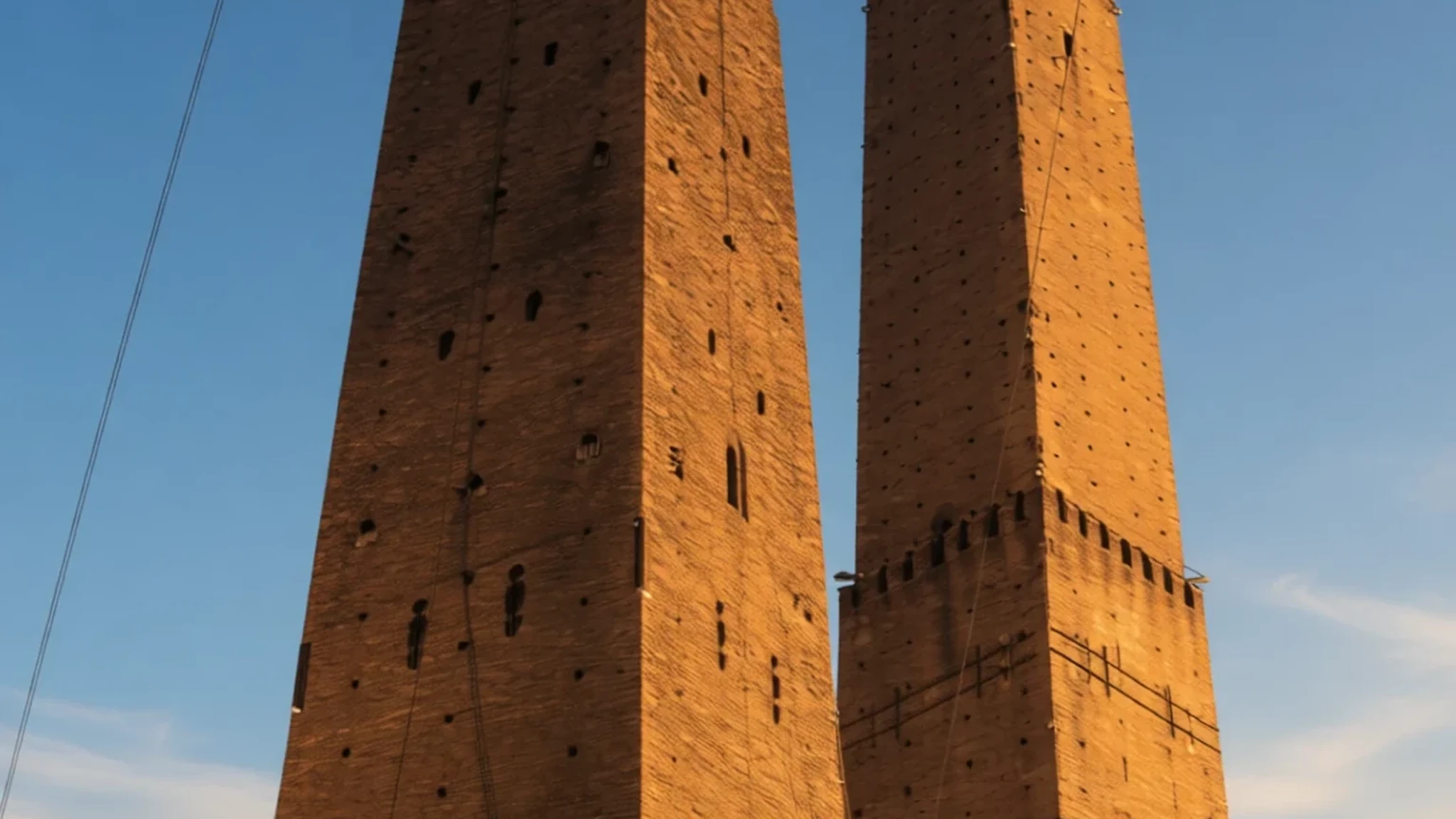
Bologna is a city to walk slowly: under long arcades, past medieval towers, and into some of Italy's most celebrated food.
The place
Bologna is the capital of Emilia-Romagna, a region in northern Italy that many visitors know first for its food. The city has about 388,000 residents, enough to feel lively on a weekday morning yet small enough to cross on foot in an afternoon. Most of the historic centre is pedestrian-friendly, and the streets are lined with porticoes, the covered arcades that shelter walkers from sun and rain and that stretch for long distances across the town.
The skyline was once crowded with towers built by wealthy families competing for prestige. A handful survive, and they give the old quarter its distinctive profile. Behind the brick façades the city holds a large university, founded in 1088 and still operating without a break, which has shaped Bologna's character for centuries. Students, researchers and younger workers keep the bars and bookshops busy long after dark.
The economy is practical rather than touristy. Bologna is a hub for engineering, food manufacturing and logistics, and it hosts a large permanent exhibition centre that draws trade visitors through the year. That working life sits comfortably beside the old centre, which has been carefully restored and conserved since the end of the 1970s. The result feels used rather than staged: markets open early, shops close for lunch, and the squares fill in the evening when the cafés spill onto the pavement.
Its story
Bologna's story begins well before its medieval towers. Settlers occupied the area in prehistoric times, and by the late Iron Age a community with links to the Villanovan culture had taken root there. Later, the Etruscans founded a city on the site and called it Felsina, a name that points to a settlement with real ambitions in northern Italy. Gaulish groups, among them the Boii, held the ground next, before Rome absorbed it and turned it into a colony known as Bonōnia.
Late antiquity was harder. As the western empire weakened, the town was attacked more than once by the Goths and suffered badly. Local tradition credits a bishop called Petronius with restoring the place and founding the church of Santo Stefano. He is still honoured as the city's patron saint, and his name appears across its churches and streets. Historians treat the details as legend, but the devotion is very real.
Later still, the Lombards seized the city and folded it into their kingdom. They laid out a new quarter close to the Santo Stefano complex, and traces of that planning still shape the streets around the basilica. Charlemagne later campaigned against the Lombard kingdom at the request of the pope, which brought the region under Frankish power.
The city's rise came with the free commune and the signoria in the Middle Ages, when its population ranked it among the continent's major cities. The university, the towers and the arcades all date from this period of wealth and rivalry. Much of what visitors see today reflects that confident medieval city, rebuilt and conserved rather than simply kept as it was.
What to see
- Basilica di San Petronio — Piazza Maggiore
The basilica dominates Piazza Maggiore, and it is the first building most visitors head for. Its builders planned a vast church in the shape of a Latin cross, far larger than what was finished. Only one long arm was completed, and the façade was left in unfinished brick, so the building reads as an ambition that never fully arrived. Step inside to judge the scale of the nave. Check the official site for current opening times and any closures before you go.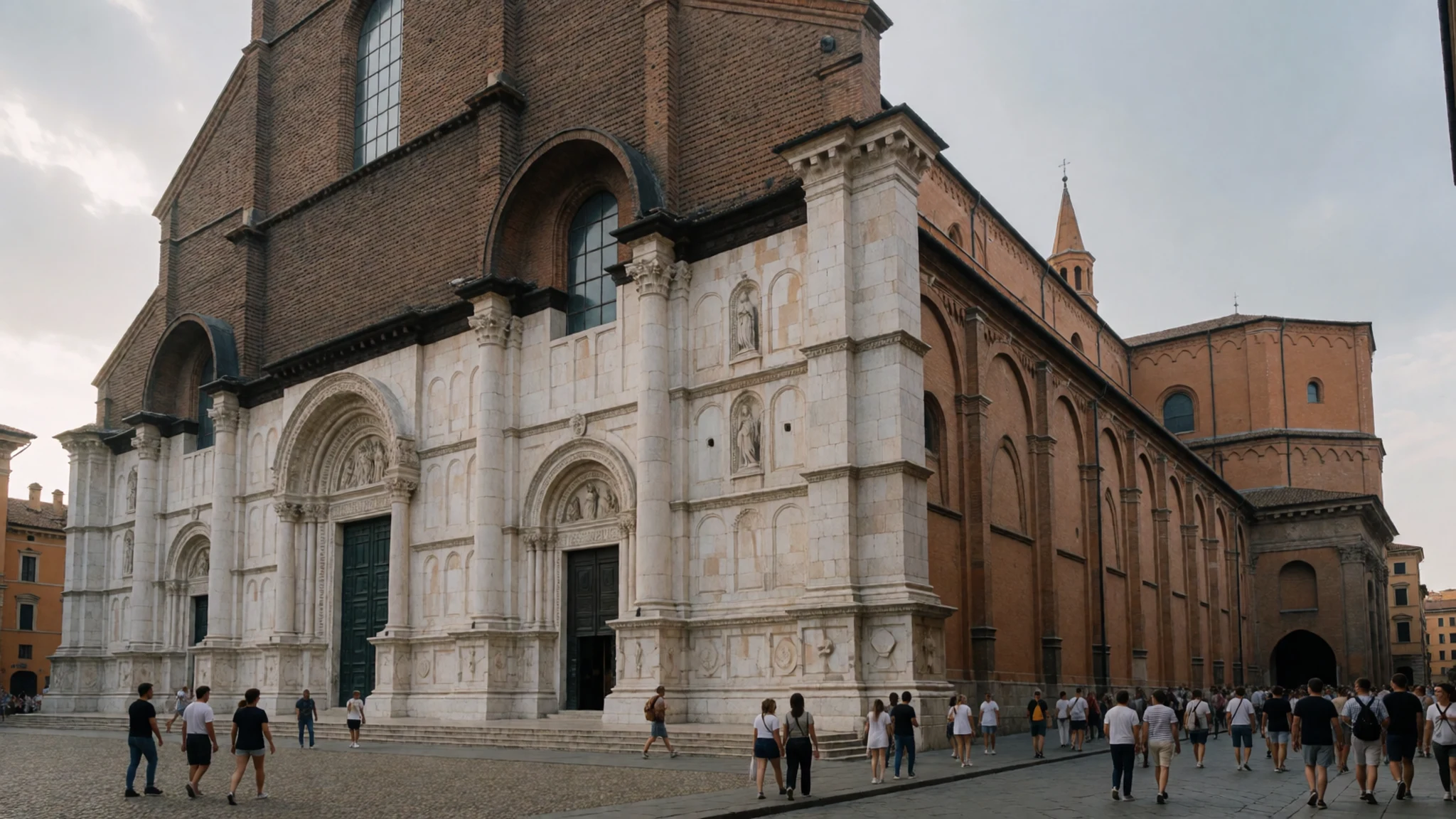
- Fontana del Nettuno — Piazza del Nettuno, beside Piazza Maggiore
Dating from 1563 and designed by Tommaso Laureti of Palermo, the fountain was later embellished by the sculptor known as Giambologna. Its bronze Neptune and surrounding figures make it one of Bologna's emblems. It stands in the same piazza as the basilica, so the two are easy to combine in a single walk. Expect a crowd around midday in good weather, and sit on the steps only where others already are.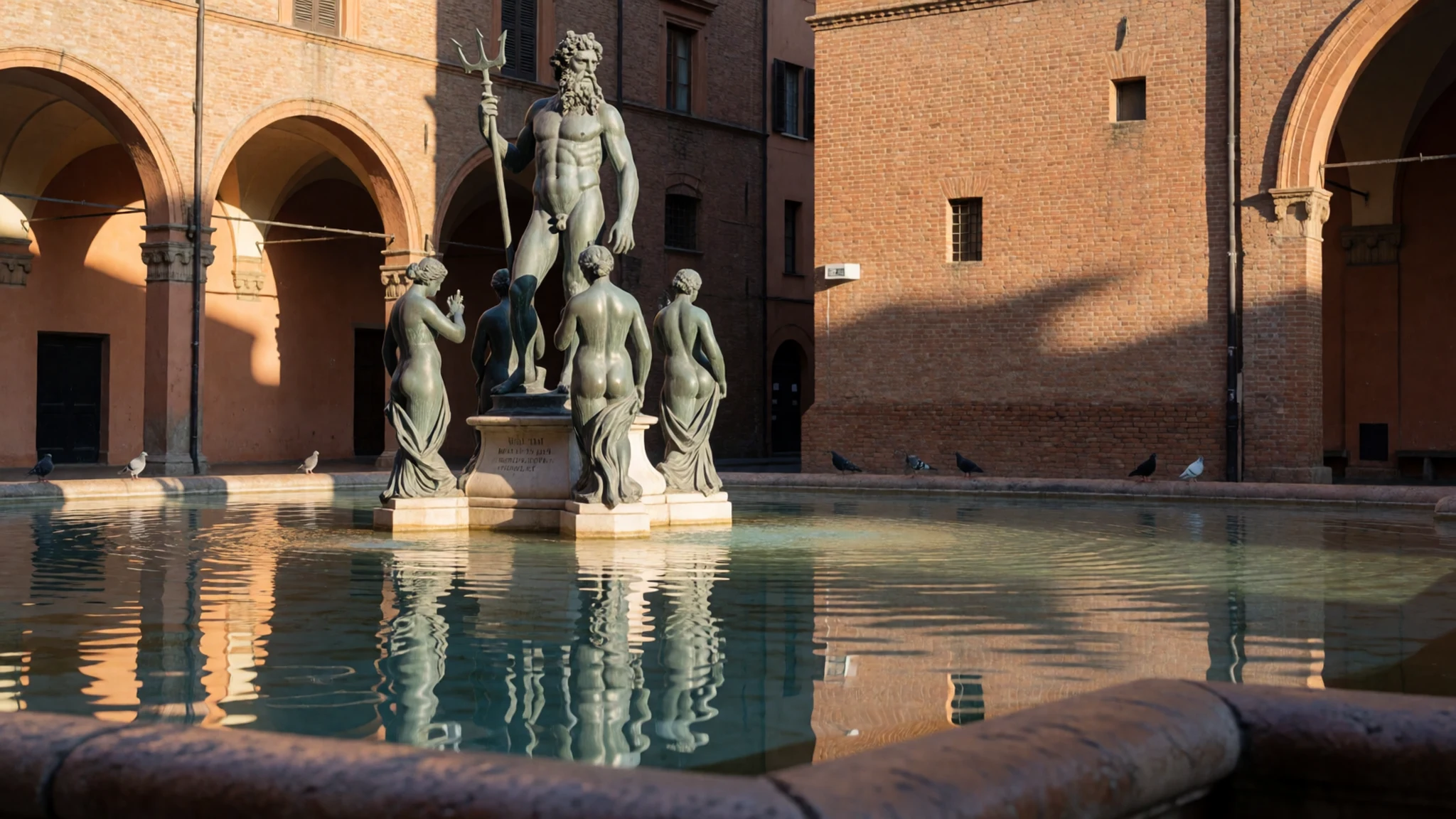
- Basilica di Santo Stefano — Santo Stefano quarter, near the Lombard addition
This is a complex of linked churches and courtyards that the city ties to its earliest Christian history and to the bishop Petronius. The buildings were added to over many centuries, so the styles change from one courtyard to the next. Its quieter cloisters offer a break from the busy arcades. The churches keep their own opening times, so plan the visit around them rather than around the main square.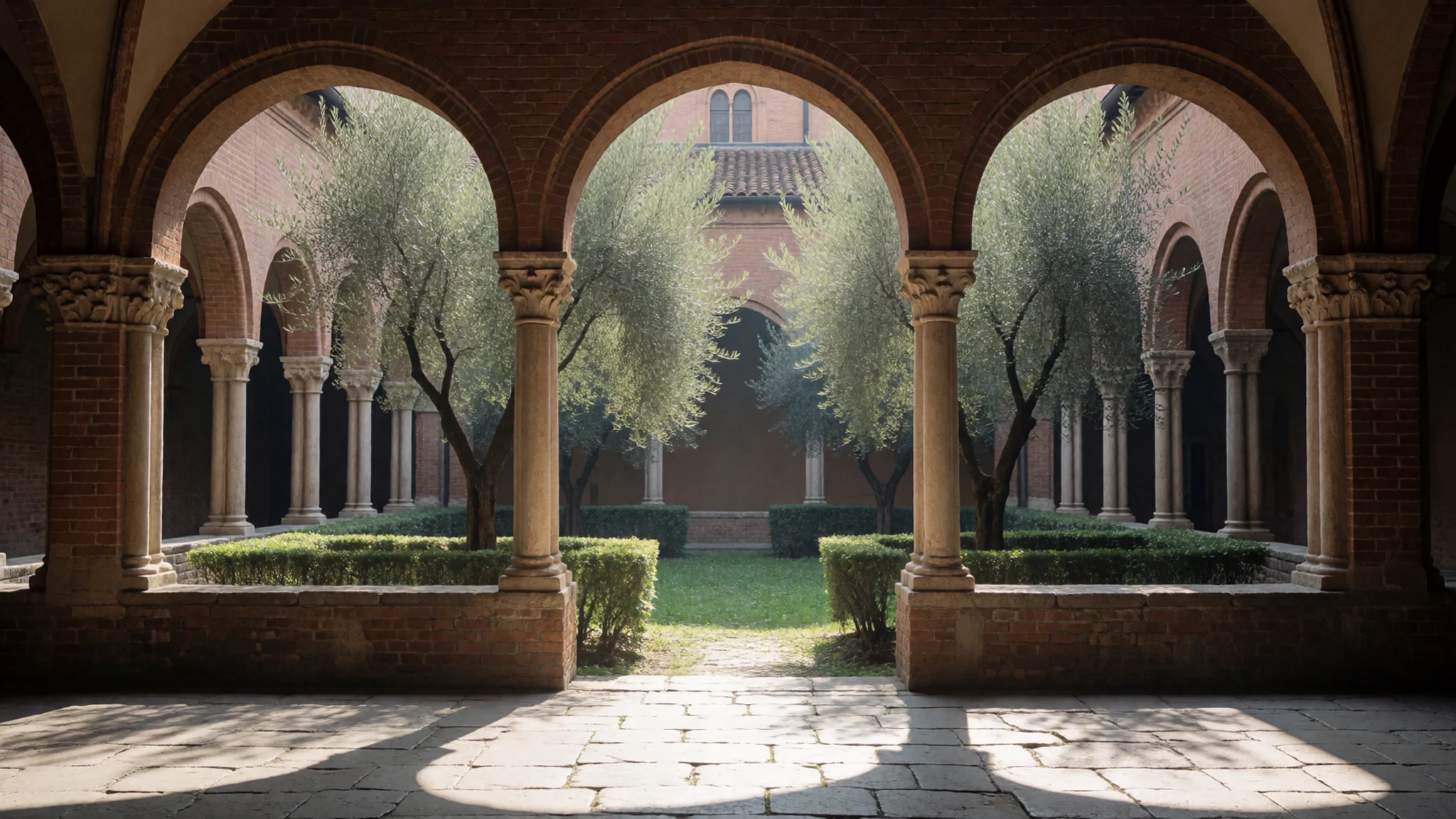
- Torri degli Asinelli and Garisenda — Historic centre, between Via Rizzoli and Strada Maggiore
The two towers rising above the old centre are the city's most recognisable silhouette. The taller one can be climbed by a steep wooden-stepped staircase, and the views reward the effort on a clear day. The shorter tower leans noticeably, which is why it is often photographed from the street. Both are best seen in the early morning before tour groups gather below them.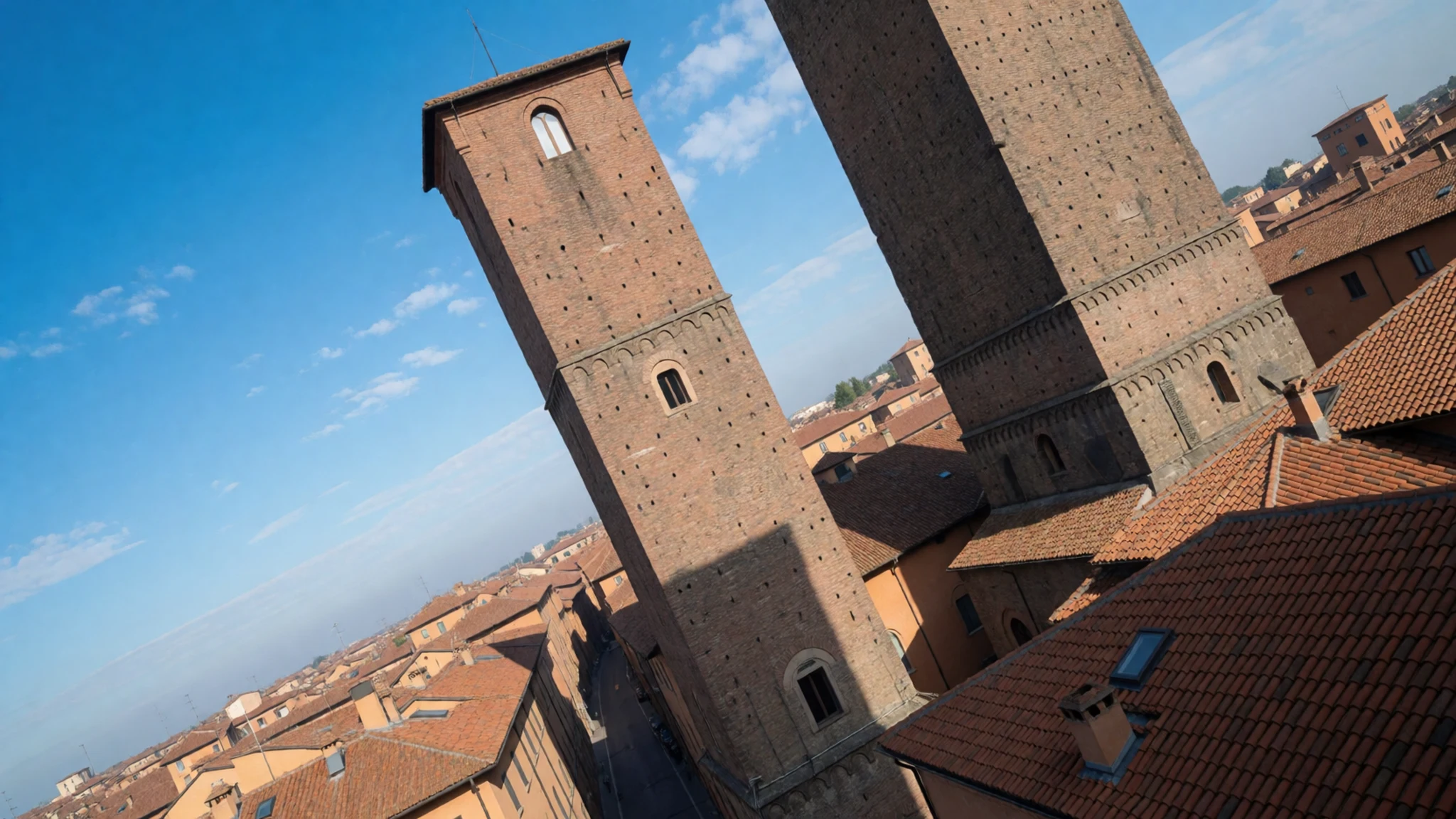
Culture
Bologna has collected nicknames over the centuries. It is called 'the fat' for its rich cooking, built on egg pasta, pork, butter and Parmesan. It is also called 'the red', a name that began with the colour of its brick buildings and later took on a political meaning. For much of the postwar period the city's voters backed the Italian Communist Party, and the city was seen as a stronghold of the left until a centre-right mayor was elected in 1999. The centre-left regained control in 2004, and politics is still discussed openly in bars and squares, often loudly and with strong opinions on all sides.
The university shapes daily life. In term time the streets fill with students, so evenings near the bars of the old centre can be lively and late. Locals treat food as an event rather than a rush, and many shops and eateries close for the afternoon. Public life runs on conversation, so a visit is best approached slowly, with time for a long lunch and an unhurried walk under the arcades.
Keep your voice down when you enter the churches, cover your shoulders and knees before going inside, and never treat a service as a photo stop.
What to wear
Bologna has no regional costume that survives in everyday wear, so traditional dress here means the working and church clothing of earlier generations. Like much of northern Italy, that clothing relied on wool and linen for daily labour, with darker wool and black worn for formal church and civic occasions. The city's older textiles are better understood through its guilds and merchants than through any single distinctive garment, and few of them survive as living costume.
What people wear now is neat and understated. Locals favour tailored jackets, knitwear, dark denim and leather shoes, and the younger crowd around the university dresses casually but carefully. Scarves and layered coats are common in the cooler months, and people rarely walk the streets in beachwear even in summer.
Visitors should pack for cobbles, stairs and long walks. Flat, comfortable leather or rubber-soled shoes matter more than fashion here. In summer the arcades offer shade, so light linen or cotton works well, but carry a layer for air-conditioned churches and evenings. Cover shoulders and knees when entering a church, and bring a light scarf for that purpose.
What to eat
- Tigelle — Any tigelleria in the historic centre, the casual counter-service eateries that make them to order
Small, disc-shaped griddle breads, split while warm and filled with cured meats, soft cheese or seasonal greens. They are the classic snack of the city and are often served on a board with several fillings to share. Eat them quickly, while they are still hot and slightly crisp at the edges.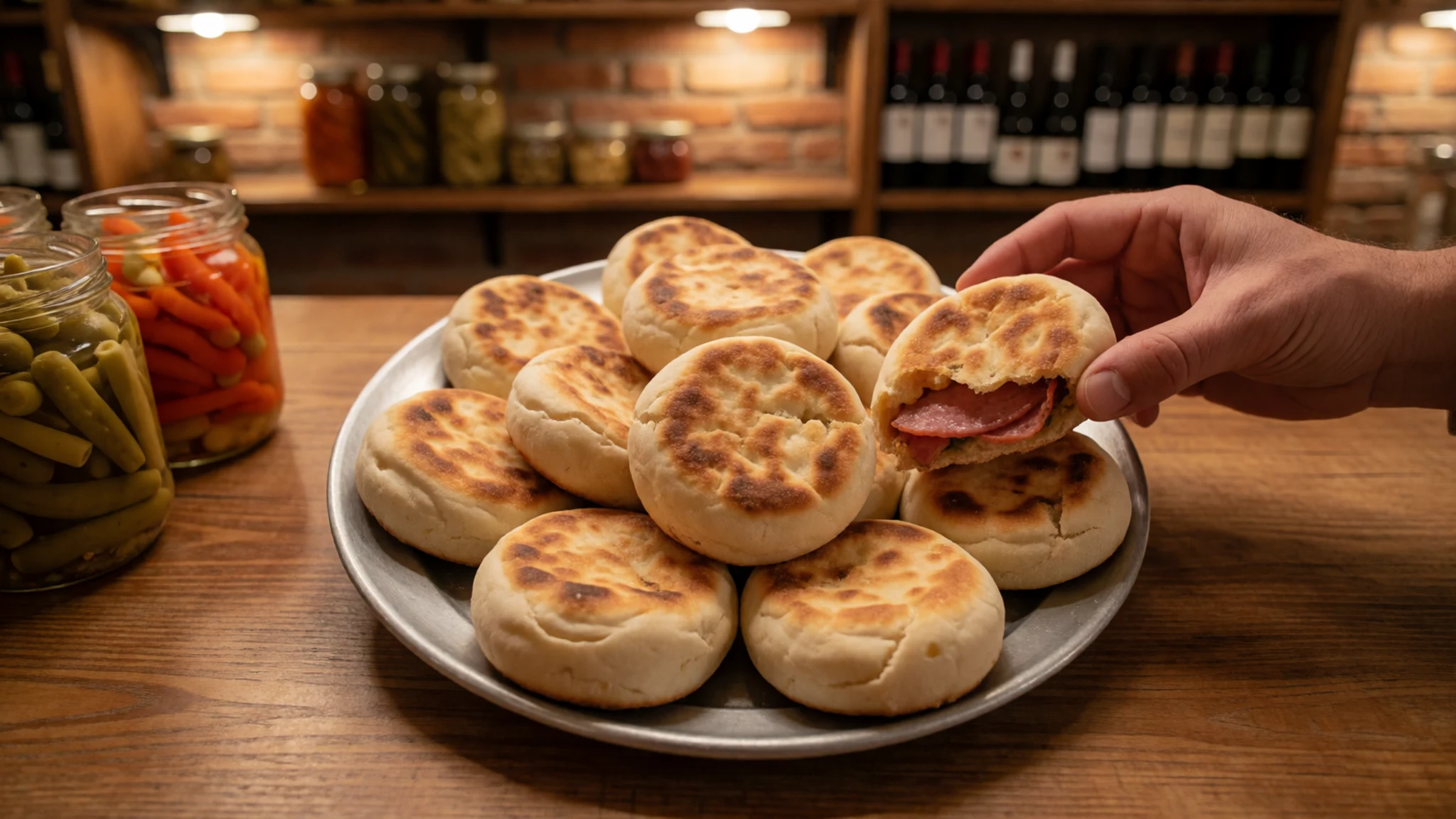
- Tagliatelle al ragù — Traditional trattorias around the old centre and the streets off the main squares
Egg pasta cut into flat ribbons and dressed with a long-simmered meat sauce, usually made with beef and pork and a little tomato. It is the dish most people think of when they picture Bologna. Good versions taste of patience rather than heavy cream, and the pasta is usually made by hand that morning.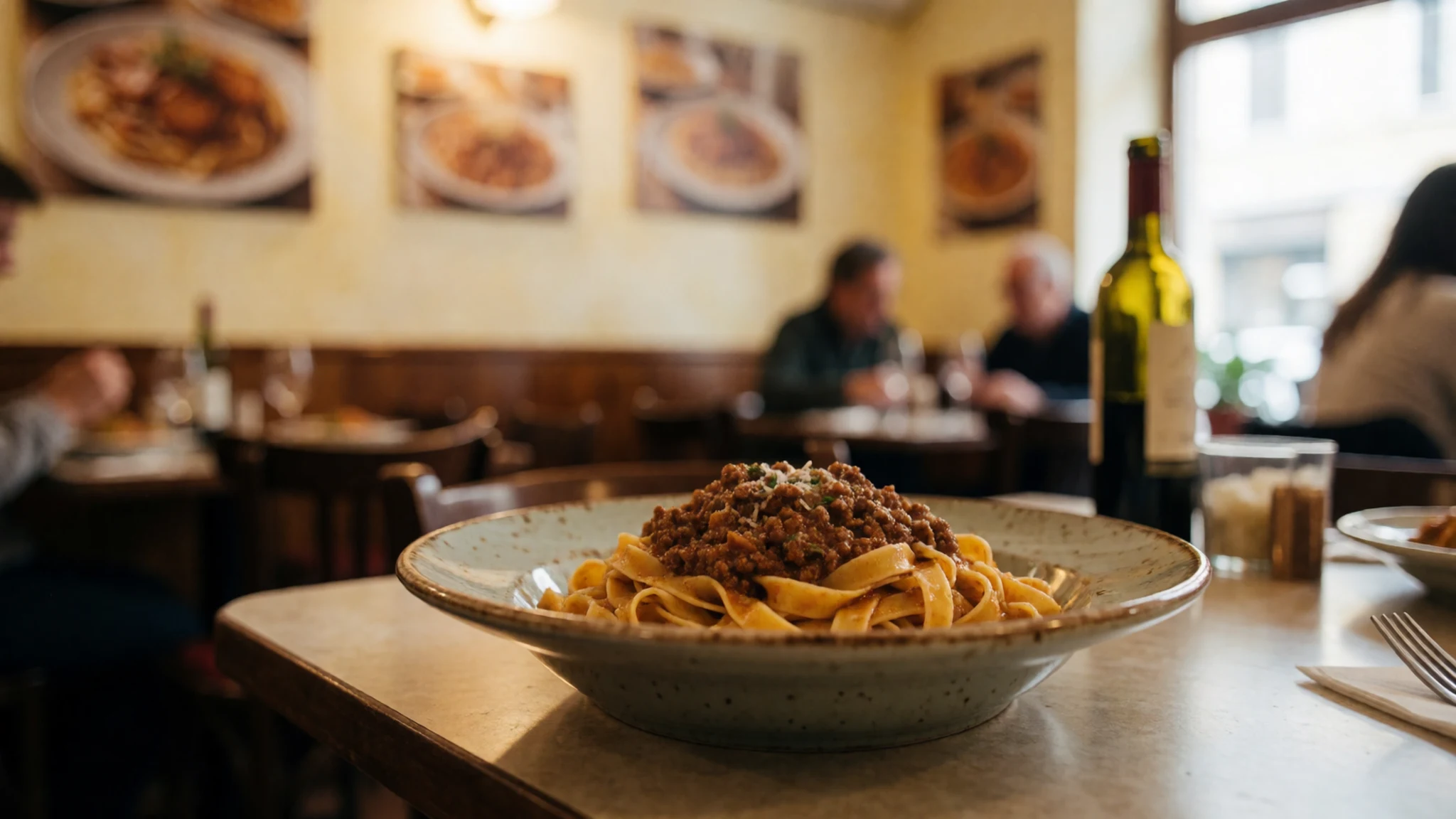
- Mortadella and cured meats — Delicatessens and market stalls in the centre, especially around the morning market streets
Bologna gives its name to mortadella, the large pink cured sausage, sliced thin and served with bread or cheese. Cured meats, cheeses and fresh produce are sold at counters and stalls around the city. Ask for a taste before you buy, since the varieties differ more than the labels suggest. - Parmigiano-Reggiano — Cheese shops and delicatessens in the historic centre
The hard, aged cheese that goes into many local dishes, grated over pasta or eaten in chunks with a drizzle of aged balsamic vinegar. Its granular texture and nutty flavour come from long maturing. Cheese shops will let you sample a few wedges before you choose one to take home.
Plan it
Best time. April to early June and late September to October are the most comfortable for walking, with mild temperatures and shade under the arcades. Midsummer is hot and busy, and winter can bring damp, foggy days across the flat plain.
How long. 2–3
Getting there. Bologna's airport lies a short way northwest of the centre. The Marconi Express monorail reaches Bologna Centrale in about 7 minutes. From the airport, a bus from the Birra stop across the elevated motorway also runs to Bologna Centrale, about a ten-minute walk away from the terminal.
Budget. mid
Tips
- Pay for the monorail with a contactless card at the gate, where each passenger needs a separate physical card; the ticket machines stand at the mouth of a long tunnel, out of sight of the queue
- Visit the basilica and the squares early in the day, before midday crowds build
- Carry water in summer, since the arcades give shade but the heat builds in the narrow streets
- Book a table for weekend dinner, as the popular trattorias fill quickly
- Check the official site for church opening times and closures before you go
Etiquette
- Cover shoulders and knees when entering churches
- Do not sit on monuments or fountain steps
- Keep voices low in the arcades late at night
Nearby
Sources
- Wikidata Q1891 (CC0)
- Wikipedia (Bologna, rev 1382318986) (CC BY-SA 4.0)
- Wikivoyage (Bologna, rev 5395537) (CC BY-SA 4.0)
- Photo 01-bologna-panorama.jpg (CC BY 3.0)
- Photo 02-torri-di-bologna-bologna.jpg (CC BY-SA 4.0)
- Photo 03-basilica-di-san-luca-bologna.jpg (CC BY-SA 4.0)
- Photo 04-bologna-fontana-del-nettuno-07feb08-03.jpg (CC BY 3.0)
- Photo 05-bologna-basilica-di-san-petronio-202109132319.jpg (CC BY-SA 4.0)
- Photo 06-bologna-basilica-di-santo-stefano-2025-09-03-07-56-55-001.jpg (CC BY-SA 4.0)
- Photo 07-palazzo-d-accursio-bologna.jpg (CC BY-SA 4.0)
- Photo 08-archiginnasio-ora-blu-bologna.jpg (CC BY-SA 4.0)


