Amalfi Coast
Amalfi Coast, Italy
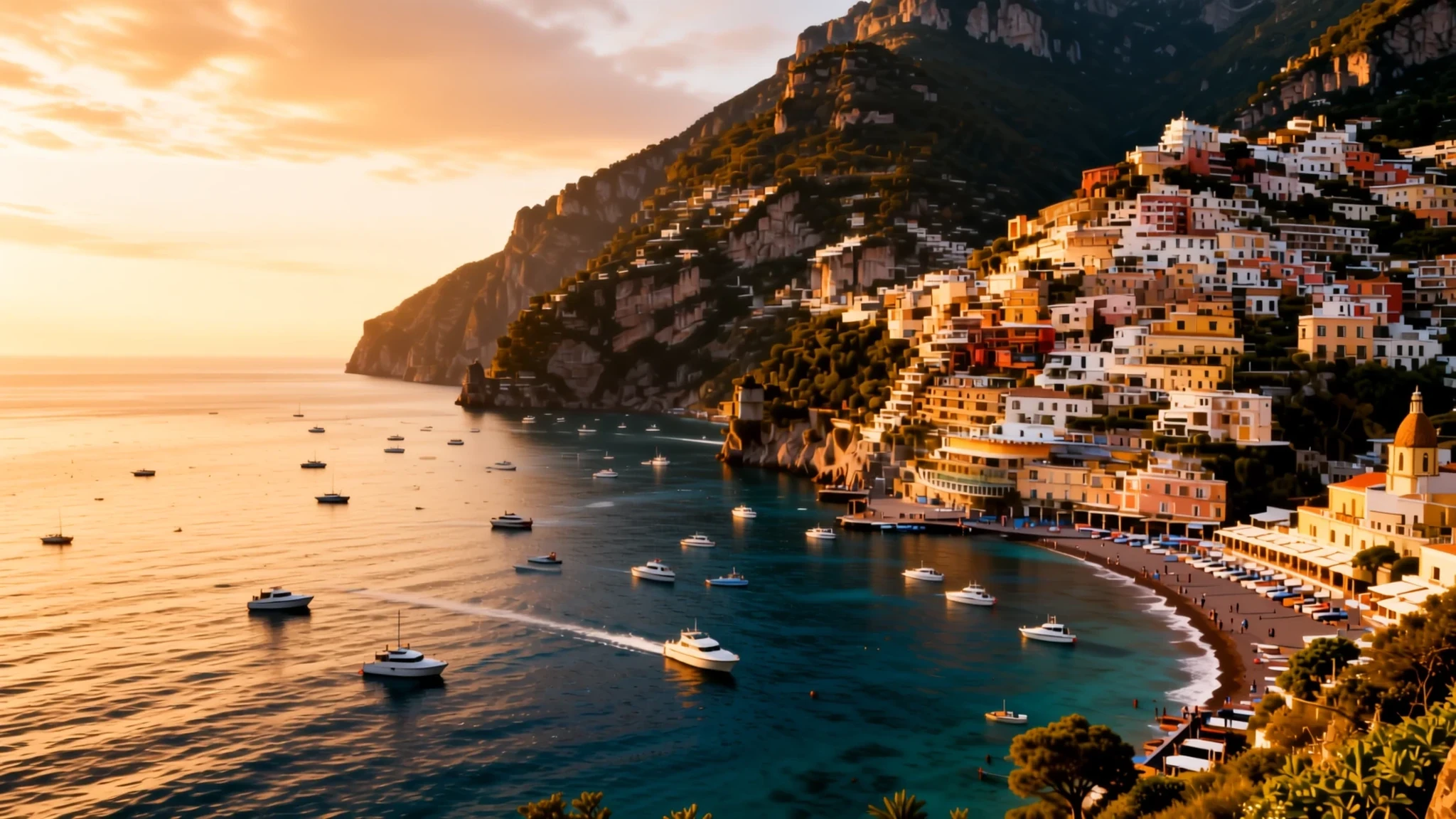
Dramatic cliffs, lemon groves and pastel villages tumble down to the azure Tyrrhenian Sea along this legendary southern Italian shoreline.
The place
The Amalfi Coast unfolds as a steep, rugged frontier where limestone mountains plunge directly into the Tyrrhenian Sea and the Gulf of Salerno. Located in the Campania region south of the Sorrentine Peninsula, this dramatic littoral leaves virtually no room for flat ground or traditional farming. Instead, generations have sculpted the precipitous slopes into stone terraces planted with lemon groves that catch the Mediterranean sun. Stretching forty kilometres across thirteen different towns, the Amalfi Drive is one narrow ribbon of asphalt clinging directly to the steep cliffs, running from Vietri sul Mare on the eastern end to Positano in the west. Each settlement clings tenaciously to the cliffs, featuring cascading pastel houses, narrow winding stairways instead of streets, and sweeping marine vistas. The climate brings long, warm summers tempered by coastal breezes and short, mild winters, though abundant rainfall feeds the lush vegetation that clings to every crevice. Prices run high across the area compared to nearby Naples, reflecting its status as one of Europe's most coveted seaside retreats.
Its story
The history of the Amalfi Coast is written in maritime power, mercantile ambition and sudden decline. During the tenth and eleventh centuries, the region thrived under the Duchy of Amalfi, a formidable maritime republic that rivalled Pisa, Genoa and Venice in Mediterranean trade and naval strength. From its central hub in the town of Amalfi, merchant fleets sailed to the Levant and Constantinople, establishing legal codes that influenced maritime commerce across Europe. Later, control shifted to the Principality of Salerno as regional powers vied for dominance over the southern coastline. This golden age of independence and mercantile wealth came to a brutal halt in the twelfth century when the Republic of Pisa sacked Amalfi, shattering its political autonomy and naval infrastructure. Stripped of its military might, the coast turned inward, focusing on fishing, craftsmanship, and terraced agriculture until the modern era rediscovered its dramatic beauty.
What to see
- Sentiero degli Dei — Above Positano
A spectacular high-altitude hiking trail offering sweeping panoramic views of the sea, sheer limestone cliffs and colourful villages perched far below.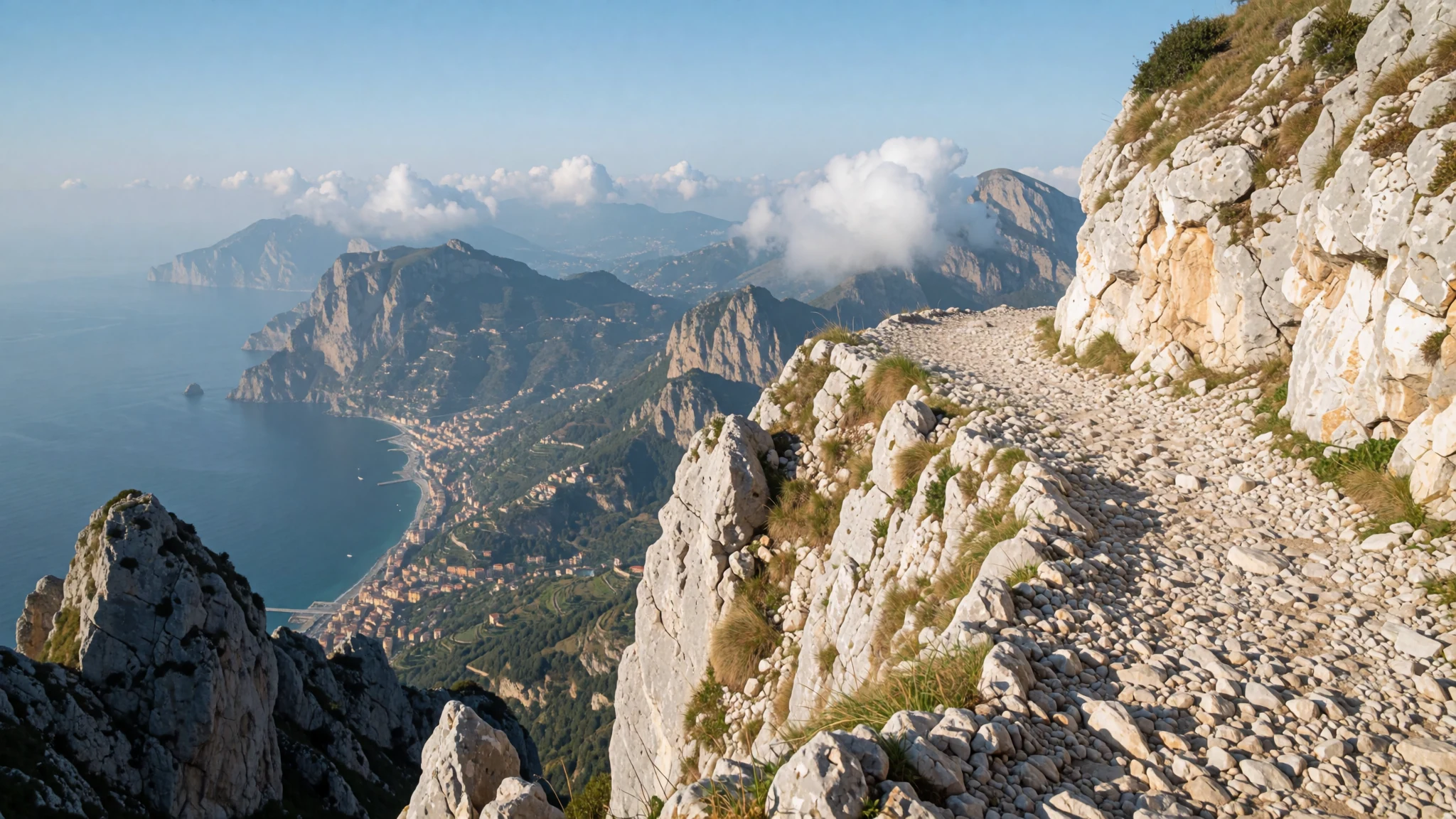
- Duomo di Amalfi — Amalfi town centre
The cathedral complex in Amalfi features a striking striped facade, a grand flight of steps, and the serene palm-shaded Chiostro del Paradiso.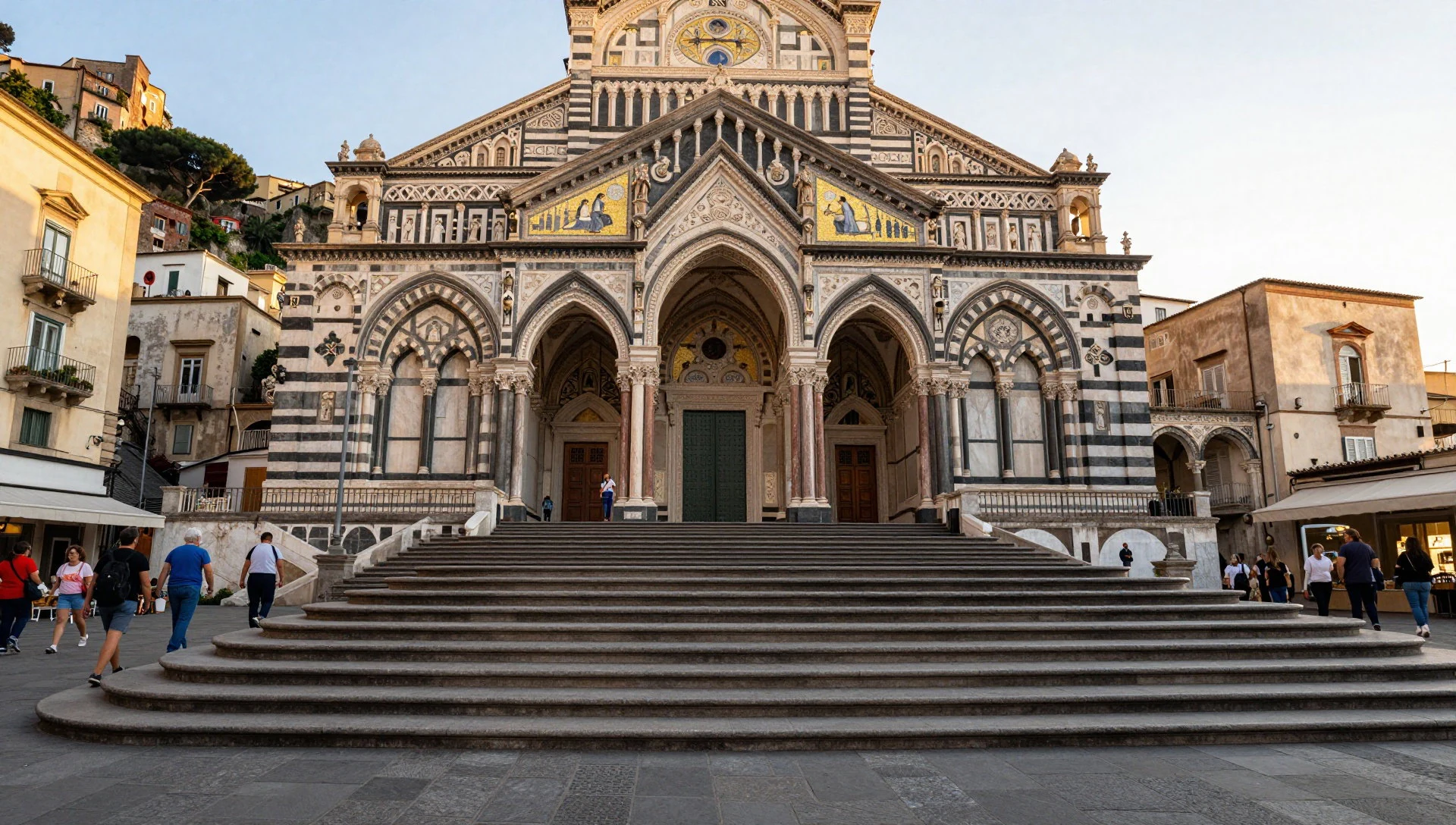
- Villa Rufolo and Villa Cimbrone — Ravello
Historic cliffside estates in Ravello known for their terraced gardens, classical architecture, and breathtaking viewpoints overlooking the Gulf of Salerno.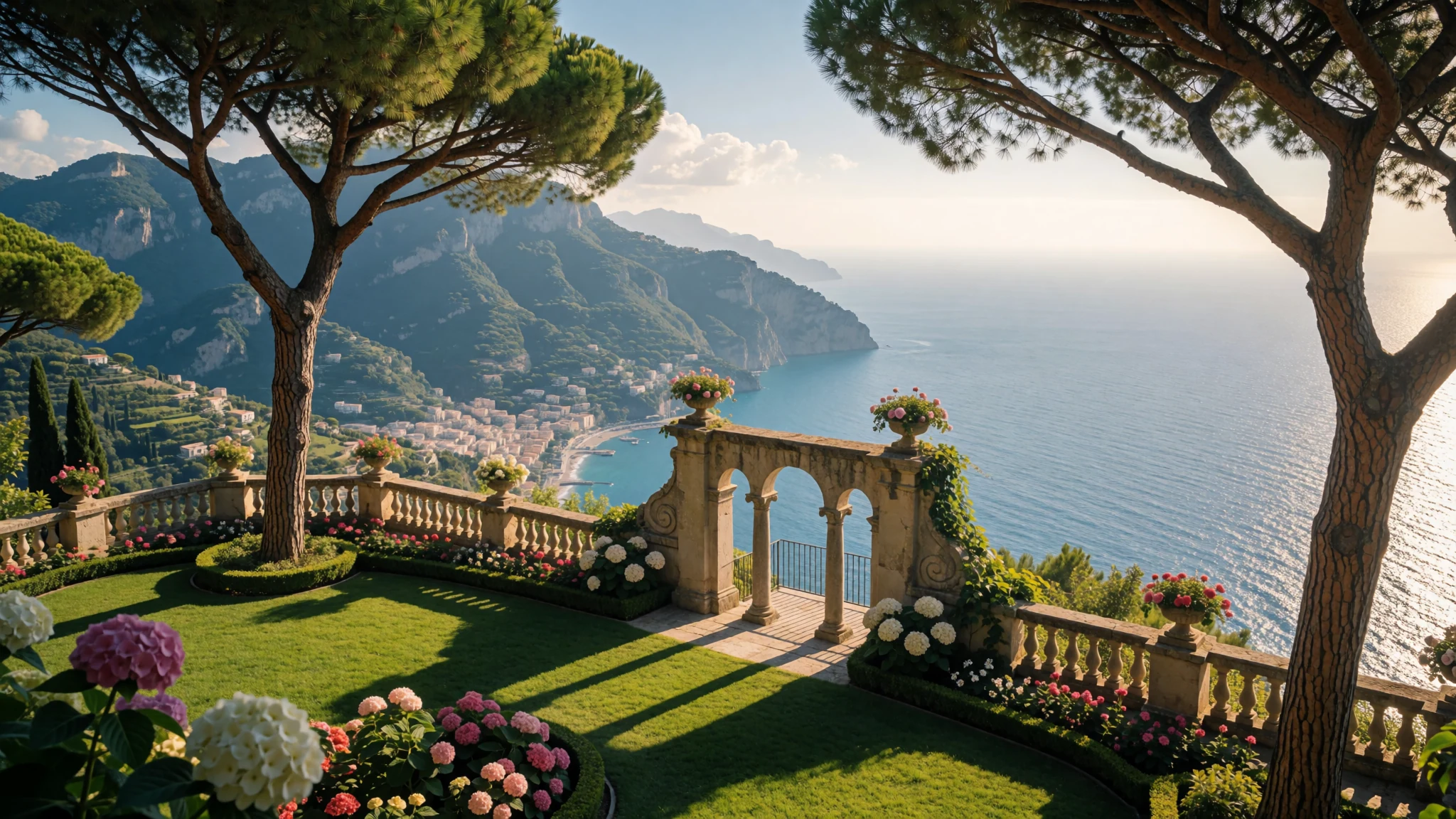
- Church of Santa Maria Assunta — Positano
An iconic parish church in Positano instantly recognisable by its majolica-tiled dome rising above the beachfront alleys.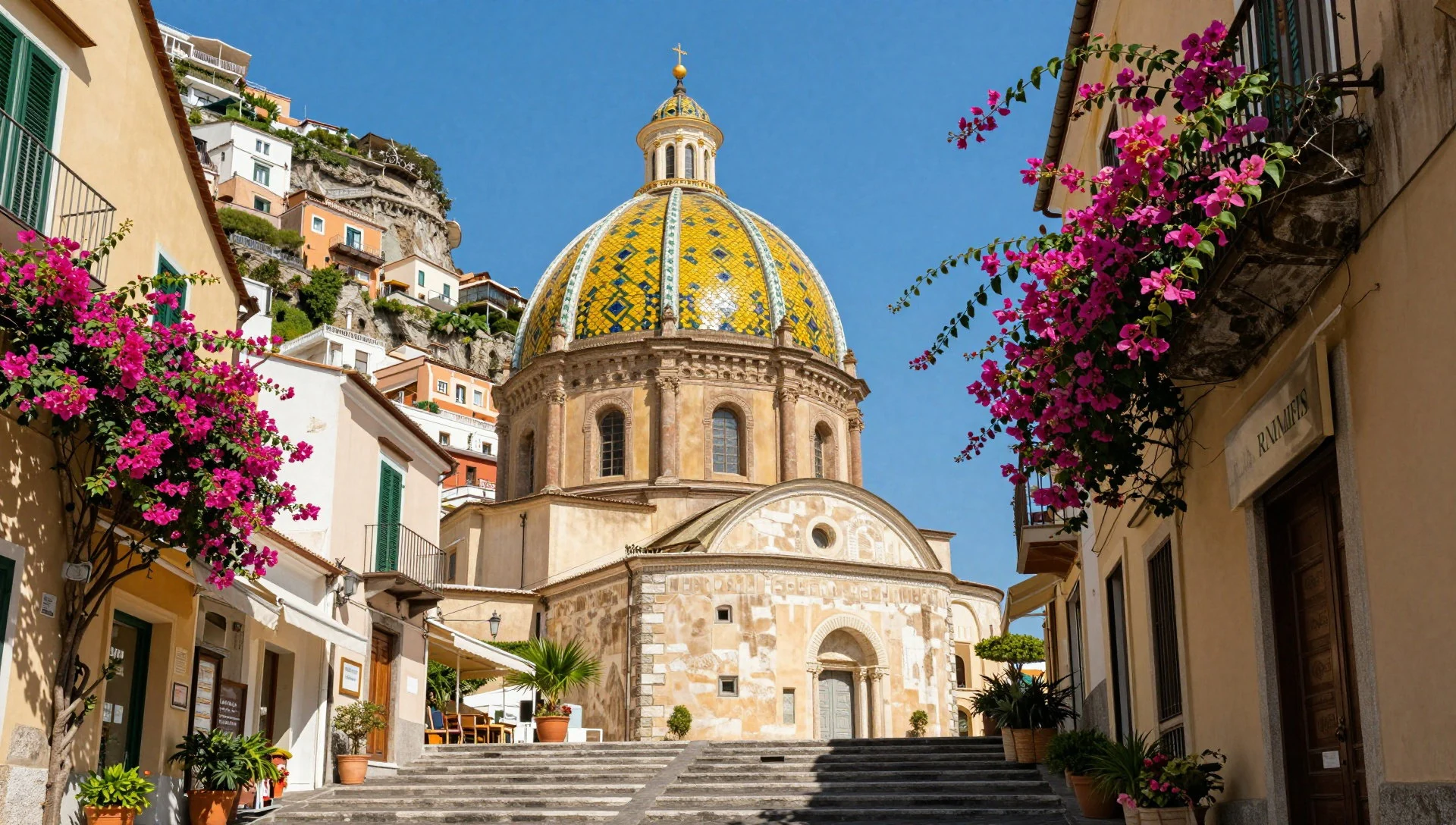
- Fjord of Furore — Furore
A dramatic geological cleft crossed by a soaring bridge, sheltering an old fishing hamlet, a historic paper mill, and ties to Italian cinematic history.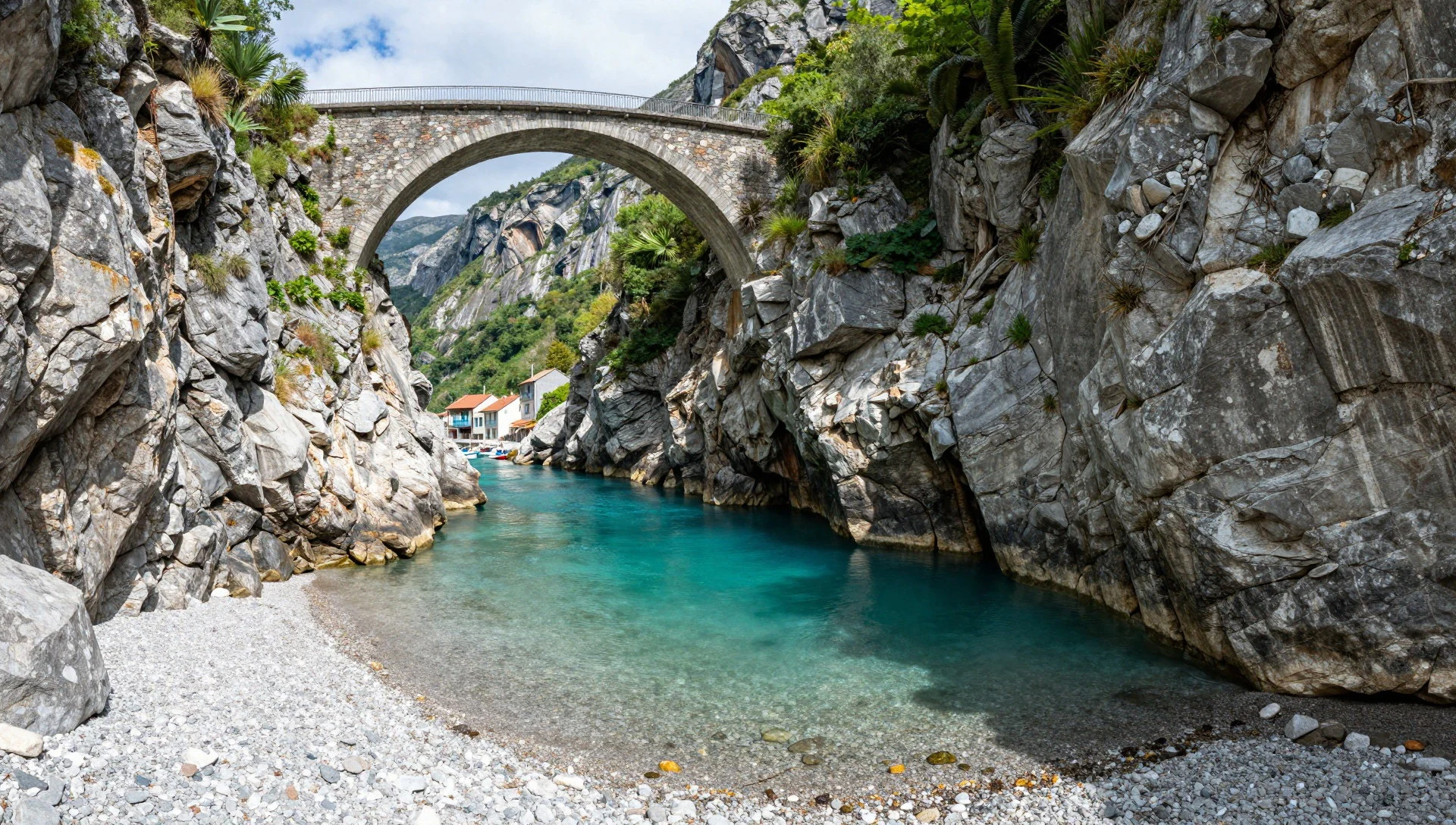
Culture
Life along the Amalfi Coast moves to the unhurried rhythm of coastal southern Italy, shaped by centuries of seafaring traditions, religious festivals, and agricultural graft on difficult terrain. Communities take immense pride in local crafts, from the production of handmade thick paper known as bambagina to the vibrant, hand-painted ceramics that decorate shopfronts and street corners. Music and art also run deep, particularly in hilltop retreats like Ravello, which hosts renowned classical concerts. While tourism drives the local economy, traditional ties to the sea and the terraced lemon groves remain strong among residents. Visitors should dress modestly when entering churches, covering shoulders and knees, and always greet shopkeepers and hosts with a polite buongiorno or buonasera.
What to wear
Traditional attire along the coast historically reflected practical seafaring life and agricultural labour on sun-baked stone terraces, using durable local textiles suited to the warm climate. Today, residents and visitors alike favour breezy, lightweight linens, cottons, and comfortable garments designed to cope with intense summer heat and steep staircases. For visitors, the golden rule is footwear: sturdy sandals or trainers are essential for navigating the countless steps and cliffside paths, while flip-flops will quickly lead to sore feet on uneven stone. Beachwear such as swimwear and shorts should be strictly confined to the shore or boat decks; strolling through town centres requires respectable casual wear, and a light wrap or jacket is essential for cooler sea breezes in the evening.
What to eat
- Sfusato Amalfitano Limoncello — Local liquor shops and bars along the entire coastline
A bright yellow liqueur produced from thick-skinned, intensely aromatic local lemons grown on terraced stone gardens between February and October.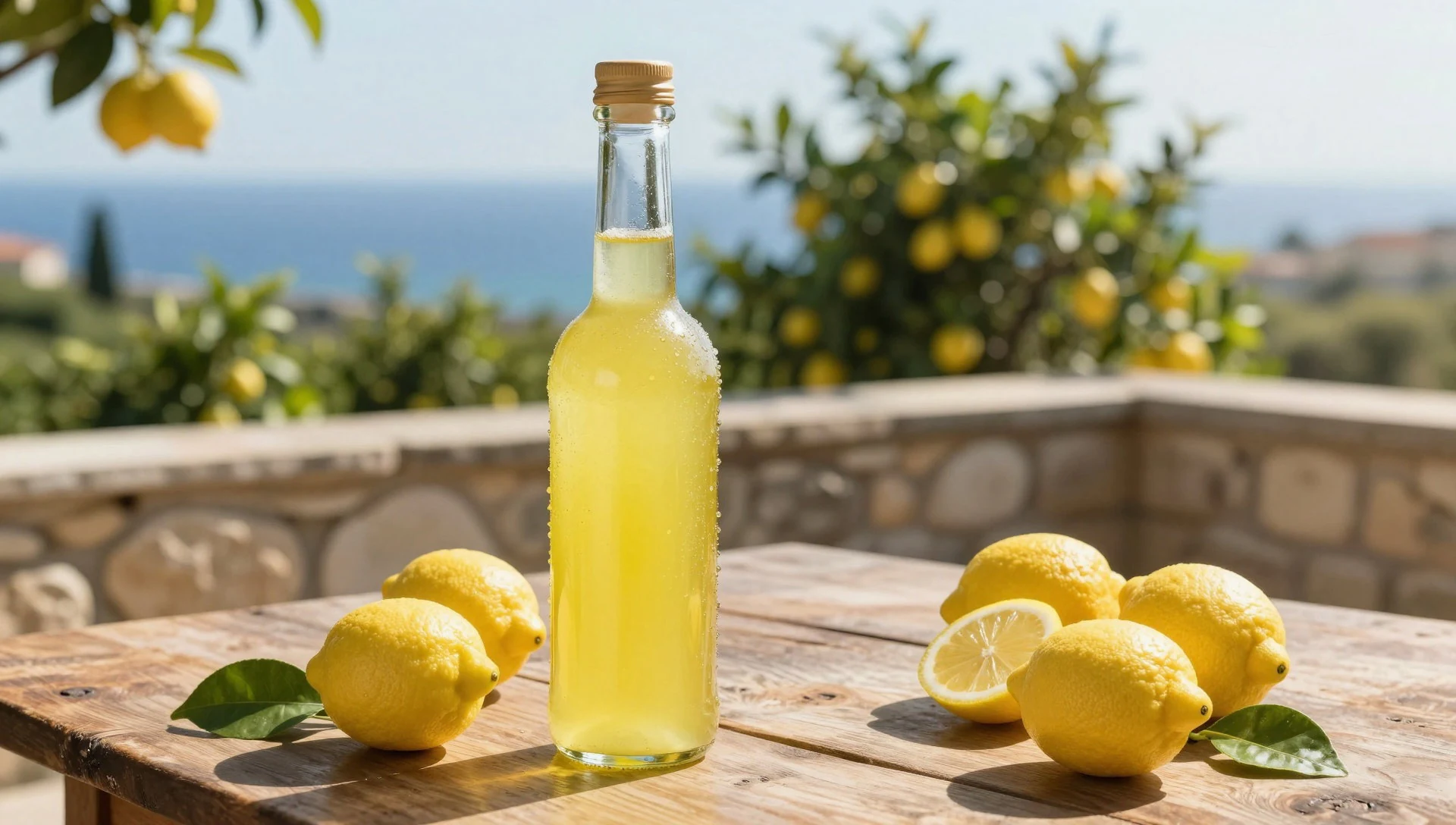
- Alici di Cetara — The fishing village of Cetara and local trattorias
Fresh anchovies prepared in various traditional styles, including the prized amber-coloured fish sauce known as colatura di alici.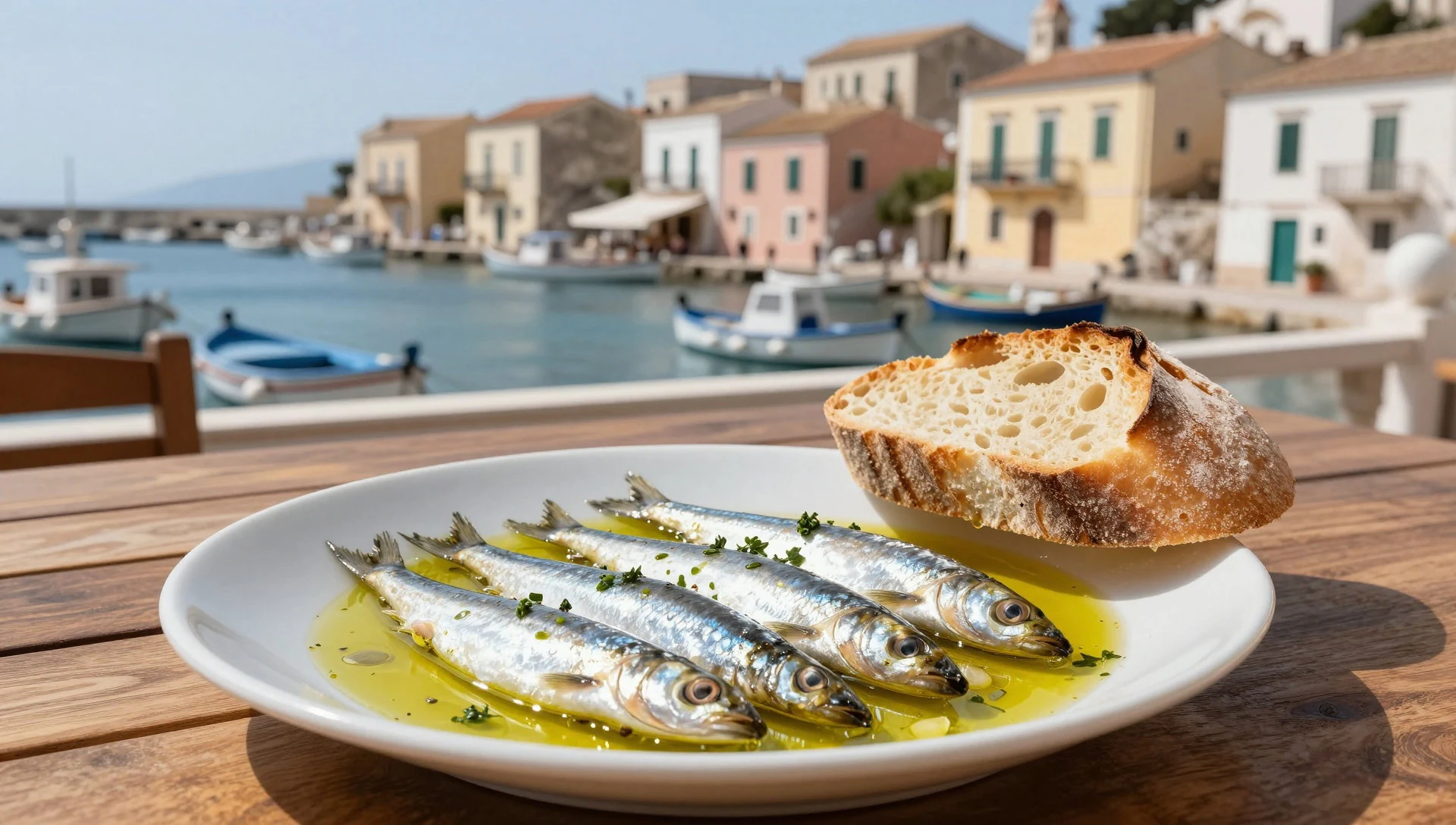
- Concerto — Traditional establishments in Tramonti and inland valleys
A dark, aromatic rosolio liqueur infused with a secret blend of mountain herbs and spices, historically crafted in the hills of Tramonti. - Handmade Lemon Pastries — Local pasticcerie in Amalfi and Minori
Flaky pastries and tarts filled with sweet lemon-scented custard or ricotta, capturing the quintessential citrus flavour of the coast.
Plan it
Best time. May to June or September to October offers warm, pleasant weather and manageable crowds, avoiding the intense heat and heavy tourist crush of August.
How long. 3–4
Getting there. Fly into Naples, then take a ferry, bus, or private transfer down the coast; tourist ferries also run from Capri and Salerno during summer.
Budget. high
Tips
- Avoid driving a rental car due to extremely narrow coastal roads and a severe lack of parking spaces
- Use the regional ferries to travel between coastal towns and avoid traffic jams on the cliffside road
- Start morning walks and visits to popular sites early before day-trippers arrive from Naples
- Keep cash handy for small purchases, bus tickets, and family-run shops that may not accept cards
- Stay vigilant regarding pickpockets in crowded ferry terminals and bus queues
Etiquette
- Cover your shoulders and knees before entering churches or sacred sites
- Greet shop owners and staff politely when entering local establishments
Nearby
Sources
- Wikidata Q212214 (CC0)
- Wikipedia (CC BY-SA 4.0)
- Wikivoyage (CC BY-SA 4.0)