Capri
Capri, Italy
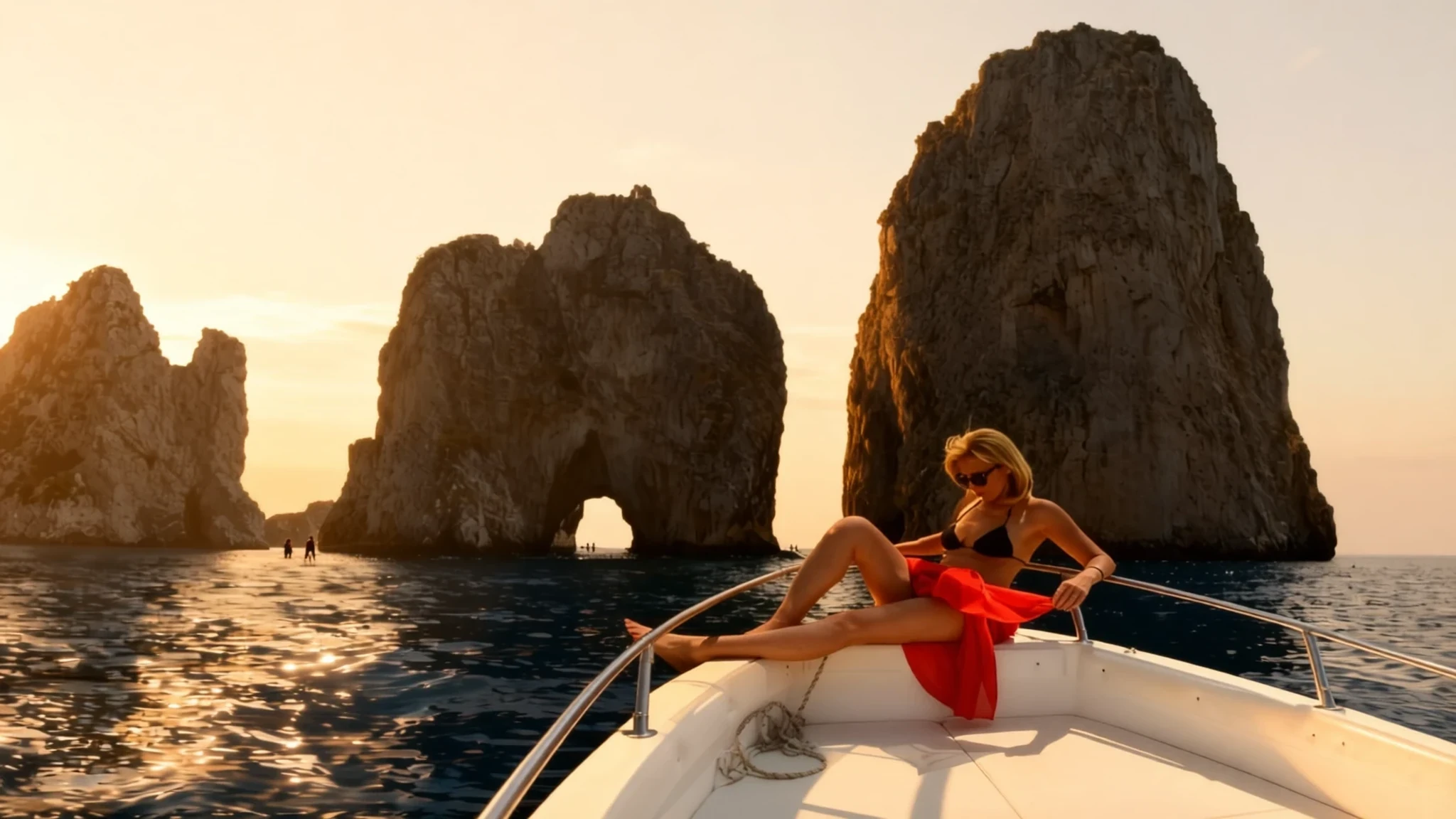
Go to Capri for its dramatic limestone cliffs, ancient Roman history, and iconic coastal grottoes rising above the Tyrrhenian Sea.
The place
Capri stands as a rugged island rising from the Tyrrhenian Sea off the Sorrento Peninsula, marking the southern edge of the Gulf of Naples. Long celebrated for its striking topography, the island features steep limestone and sandstone terrain, deep coastal grottoes, and jagged sea stacks known as faraglioni that pierce the surface of the blue water. Two distinct settlements anchor human life here: Capri Town and Anacapri, the latter perched higher on the slopes of the island's central mountain. Visitors arrive primarily at the lower harbour of Marina Grande, from where transport links connect to the upper town via a winding funicular railway and narrow roads. Smaller boats depart regularly for the legendary marine caverns, most notably the luminous subterranean cavity known as the Blue Grotto. Beyond the harbours and town squares lie quiet pedestrian paths, steep cliffside stairways, and terraced gardens overlooking the marine expanse towards the mainland. The landscape combines sheer vertical drop-offs with Mediterranean vegetation, creating a dramatic interplay of sharp rock and deep water that has drawn travellers since antiquity.
Its story
Capri holds a storied past stretching from prehistoric inhabitants and ancient mythologies through to imperial Roman extravagance. According to the epic poetry of Virgil, early settlers on the island included Greek colonists from the Ionian Islands. Archaeological finds from early excavations revealed ancient stone weapons and massive fossilized bones, which Roman emperors displayed in their coastal residences. The island transformed into an exclusive imperial retreat under Augustus, who laid out pleasure gardens, aqueducts, and villas. His successor, Tiberius, expanded this legacy by constructing multiple grand residences across the landscape, most famously Villa Jovis perched high upon a sheer eastern promontory. In the first century AD, Tiberius relocated the imperial court permanently to the island, governing the Roman empire from his cliffside stronghold until his death. Following the collapse of the Western Roman empire, Capri faced centuries of maritime raids from pirates and Saracens, falling eventually under the control of the Duchy of Naples. Through subsequent centuries, the island evolved from a fortified maritime outpost into a quiet fishing and agricultural community before rediscovery by European artists, writers, and travellers in the nineteenth and twentieth centuries.
What to see
- Blue Grotto — North coast of Capri
The Blue Grotto is a celebrated sea cave illuminated by a submerged submarine opening that bathes the interior in a brilliant azure light. Used as a private marine bath since Roman antiquity, it is accessed by small rowboats when sea conditions and tide levels permit entry through its tiny entrance.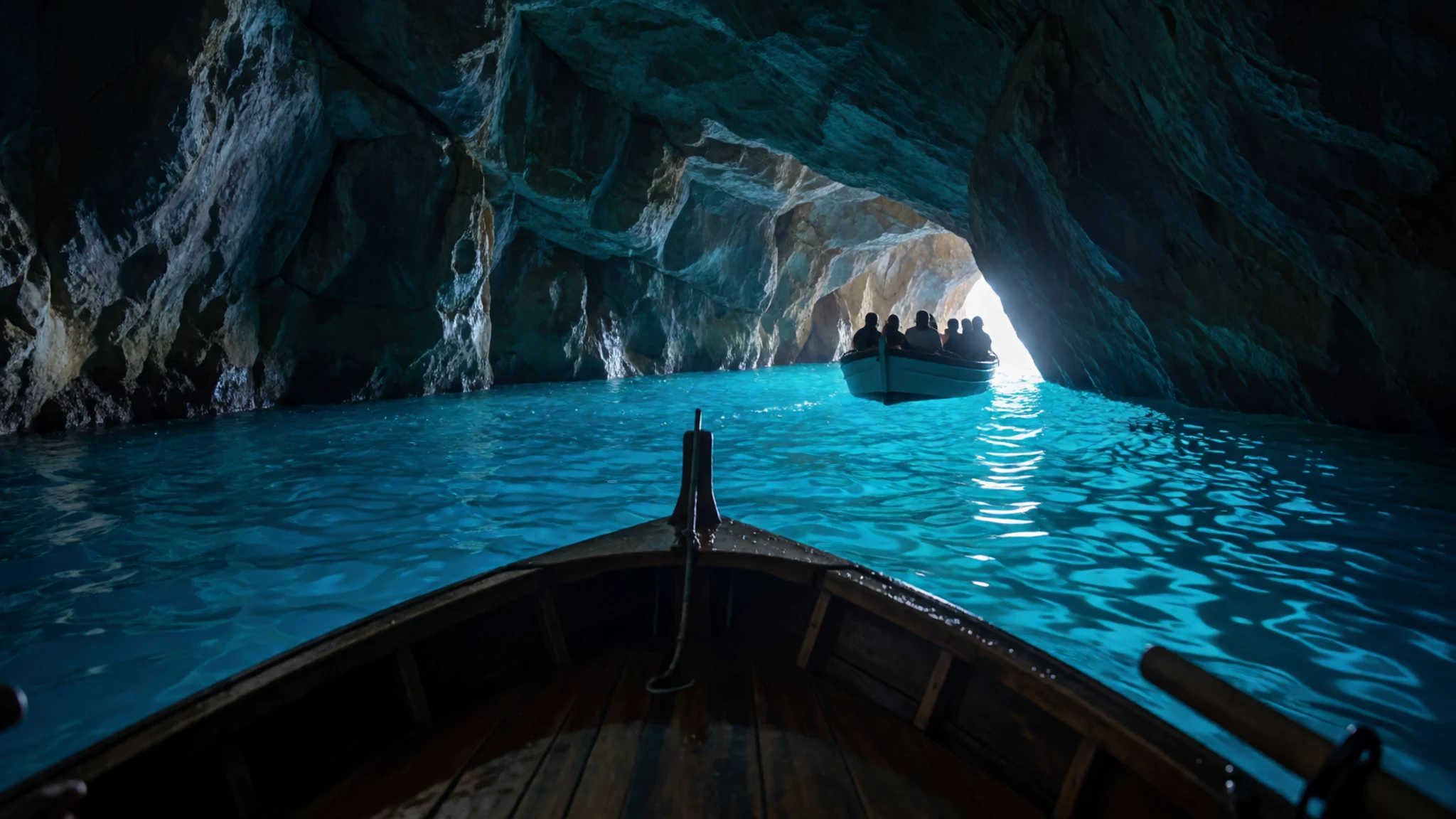
- Villa Jovis — Monte Tiberio
Villa Jovis stands as the expansive cliffside archaeological remains of Emperor Tiberius's primary imperial palace. Built on a soaring promontory overlooking the gulf, the sprawling complex features extensive terraced living quarters, cisterns for rainwater collection, and magnificent panoramic viewpoints across the sea toward the mainland coast.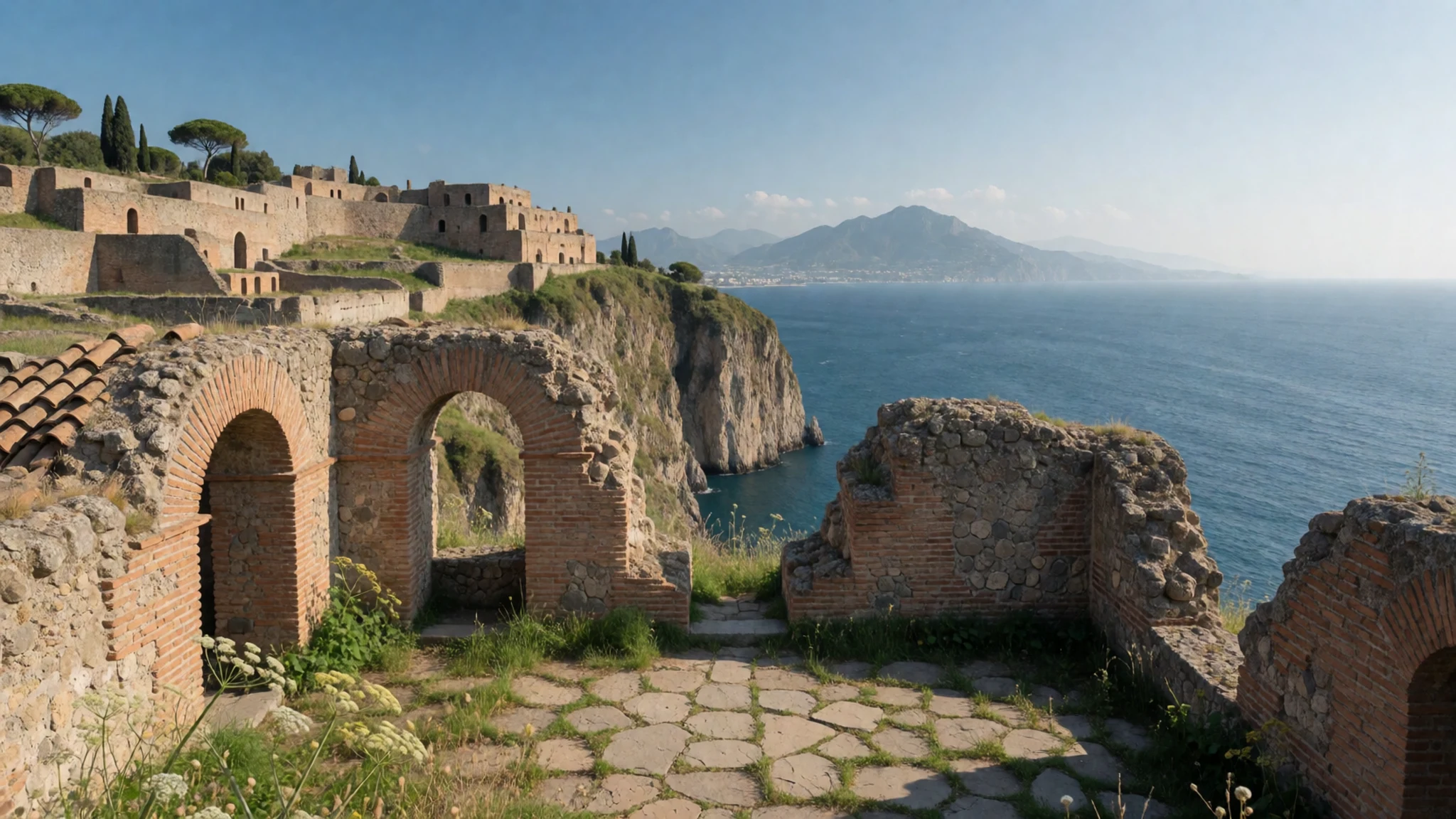
- Villa San Michele — Anacapri
Villa San Michele was constructed around the turn of the twentieth century by Swedish physician and author Axel Munthe upon the foundations of an ancient Roman estate. The house and surrounding terraced gardens display classical antiquities and offer sweeping vistas across the island, the Sorrentine Peninsula, and distant Mount Vesuvius.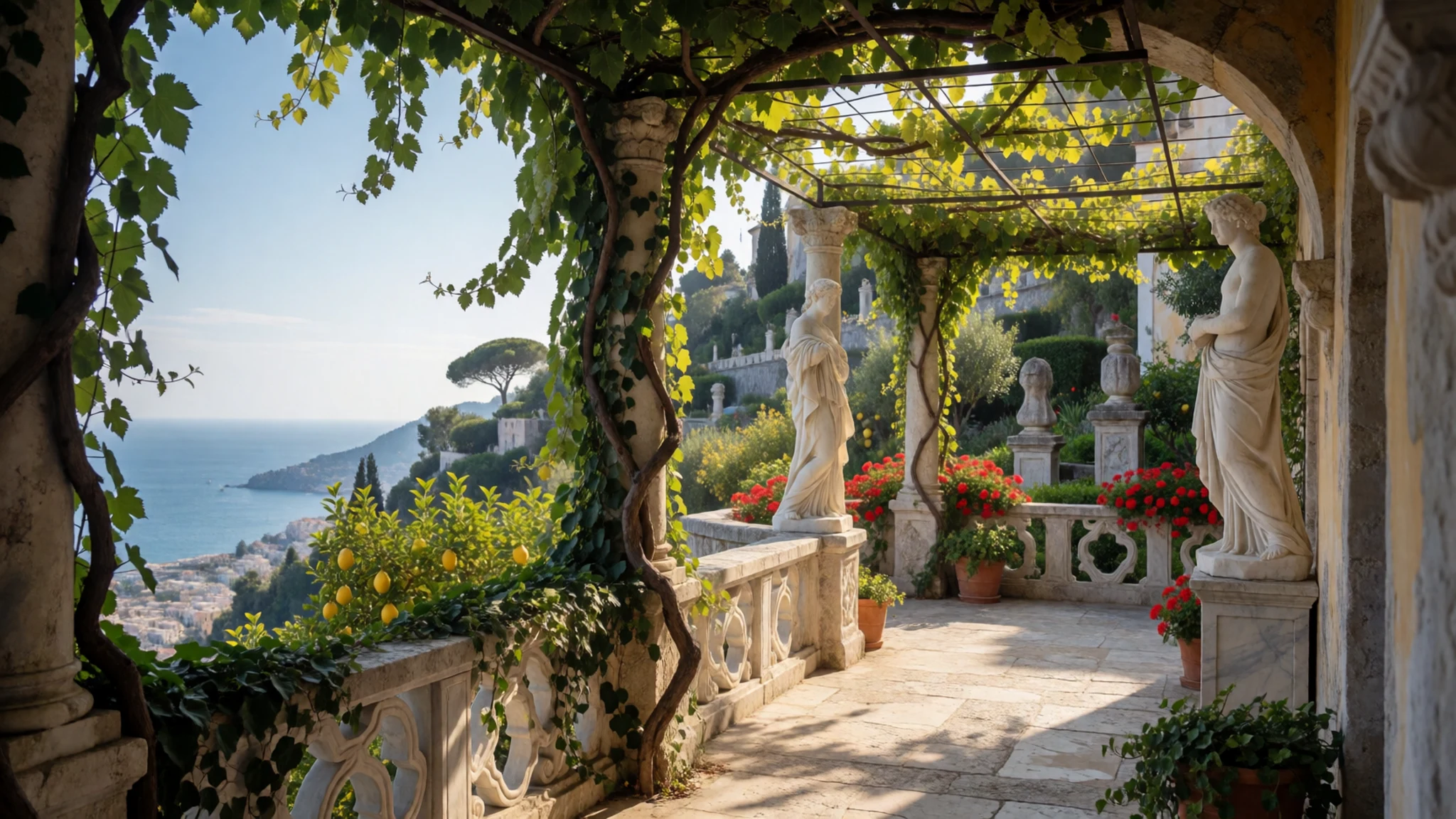
- Church of San Michele Arcangelo — Anacapri
The Church of San Michele Arcangelo is a fine example of local baroque architecture on the island. The highlight of the interior is its magnificent hand-painted ceramic tile floor depicting the expulsion of Adam and Eve from paradise, created by master craftsmen in the eighteenth century.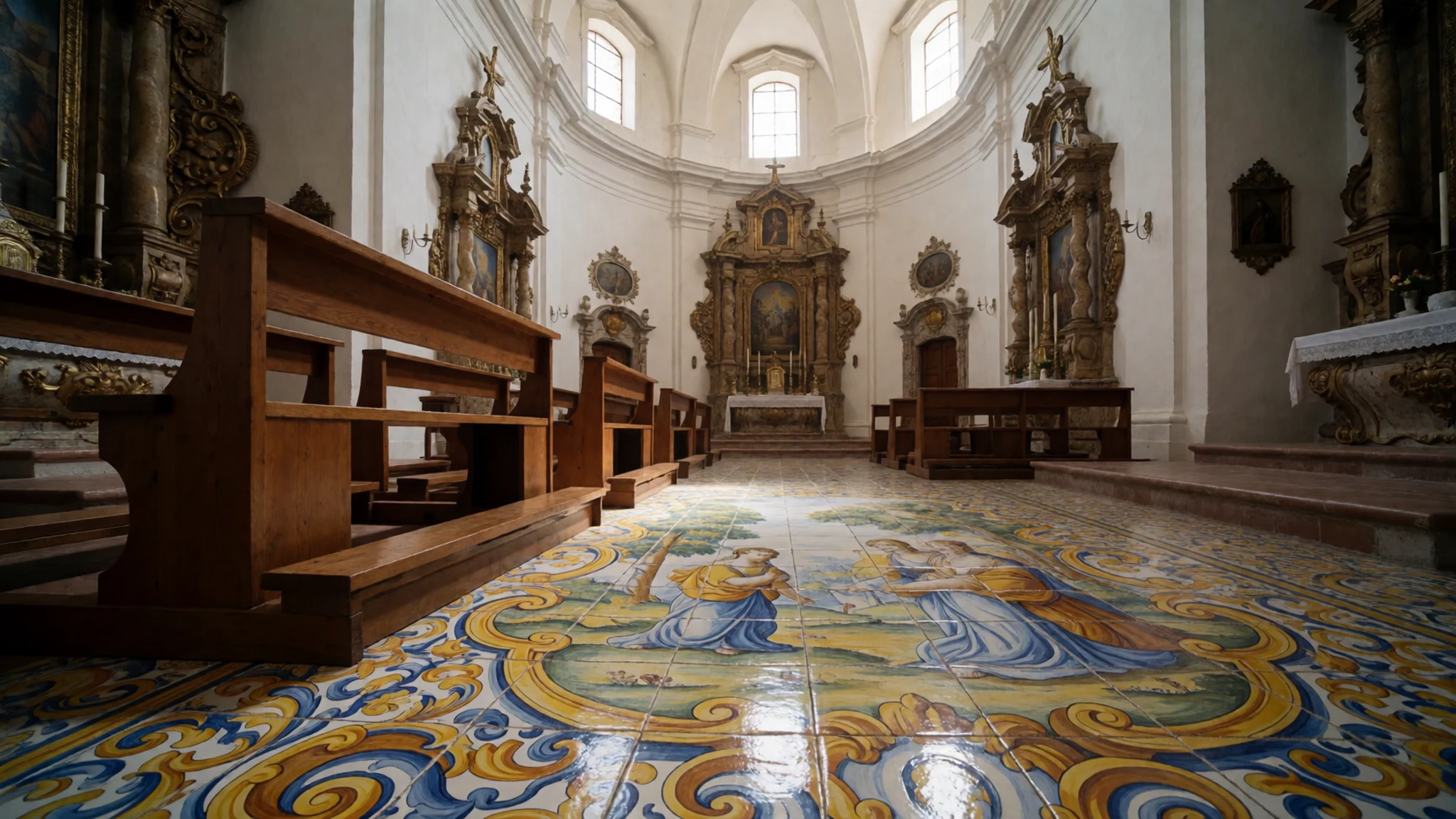
- Tourist Information Office — Piazza Umberto I
The official municipal visitor office sits near the harbour at Marina Grande, providing maps, transport timetables, and general guidance. It serves as a helpful first stop to check daily sea conditions for boat excursions, bus schedules, and opening hours for regional historic sights.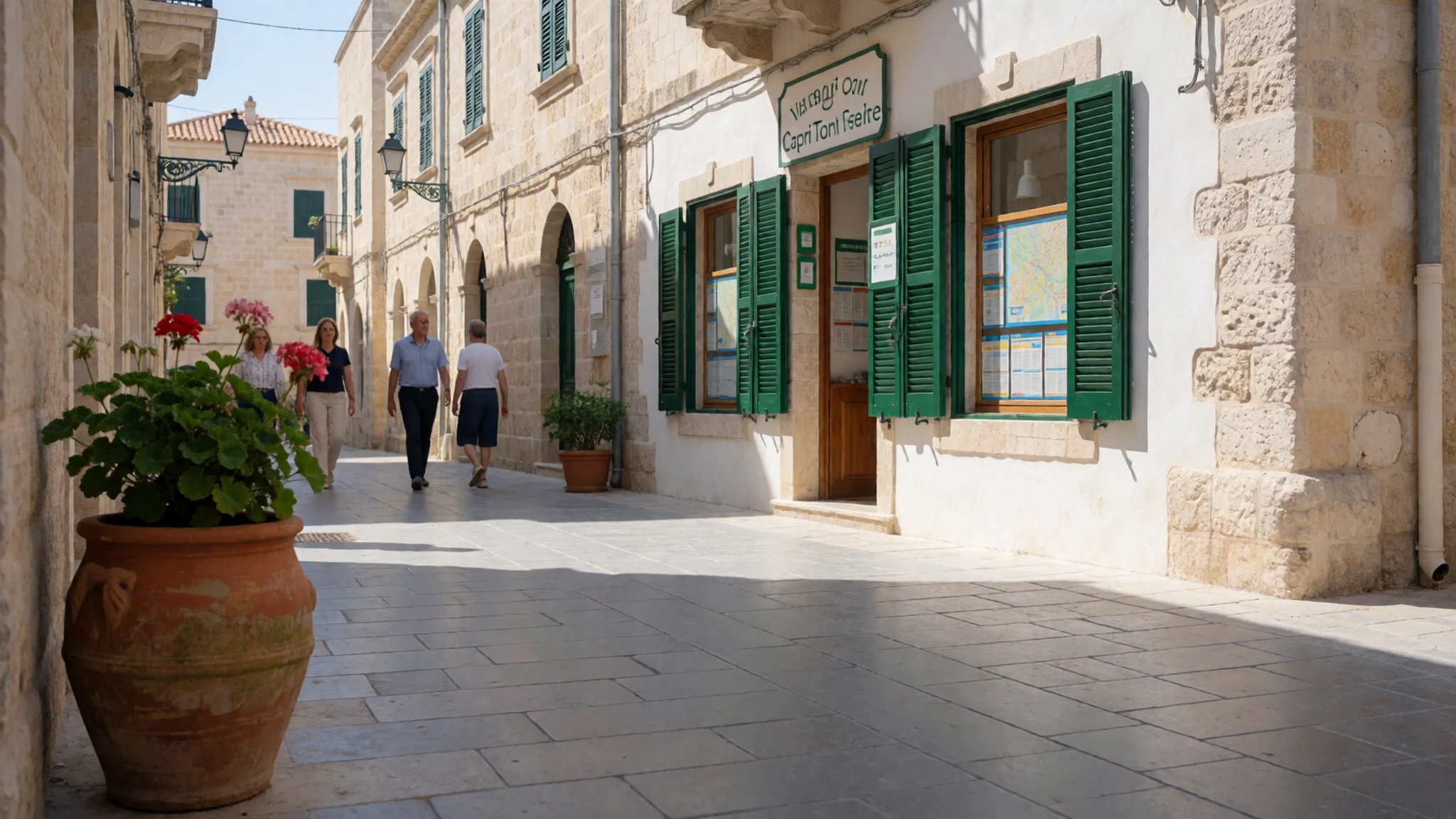
Culture
Capri culture has long been shaped by its dramatic isolation and its enduring appeal to creative spirits, writers, and painters from across Europe. During the nineteenth and twentieth centuries, the island functioned as an informal colony for international intellectuals, novelists, and artists who sought refuge and inspiration in its quiet coastal landscapes. Figures such as Maxim Gorky and Norman Douglas lived and worked here, embedding the island into European literary history. Today, local life blends traditional maritime routines with a vibrant hospitality sector that welcomes international visitors. Traditional community gatherings take place in the central piazzas, where residents meet for morning coffee or evening strolls. Despite its modern reputation as an upscale resort destination, Capri retains deep roots in Mediterranean customs, seasonal agriculture, and local craftsmanship. Visitors should dress modestly when visiting churches and sacred spaces across the island, ensuring shoulders and knees are covered.
What to wear
Traditional dress on Capri historically reflected its working-class maritime and agricultural roots, featuring durable woven textiles, simple linen shirts, and laced sandals suited for steep limestone footpaths. Nineteenth-century portraits by visiting artists documented local women wearing embroidered bodices, gathered skirts, and traditional head coverings while carrying baskets of produce. Today, everyday wear on Capri bridges relaxed Mediterranean comfort with chic resort style, favouring lightweight cottons, tailored linen trousers, loose tunics, and stylish sunglasses suited to the bright coastal sun. Visitors to Capri should pack breathable natural fabrics, a lightweight layer for breezy evenings by the water, and sturdy, comfortable footwear with good grip for navigating steep stone steps and uneven pedestrian lanes. High heels are impractical on the island's ancient cobblestones and stepped pathways, so flat leather sandals or supportive walking shoes are essential for exploring the towns and coastal paths.
What to eat
- Artisanal Gelato — Piazza Umberto I area, Capri Town
Handmade ice cream served in freshly baked, warm waffle cones prepared continuously throughout the day.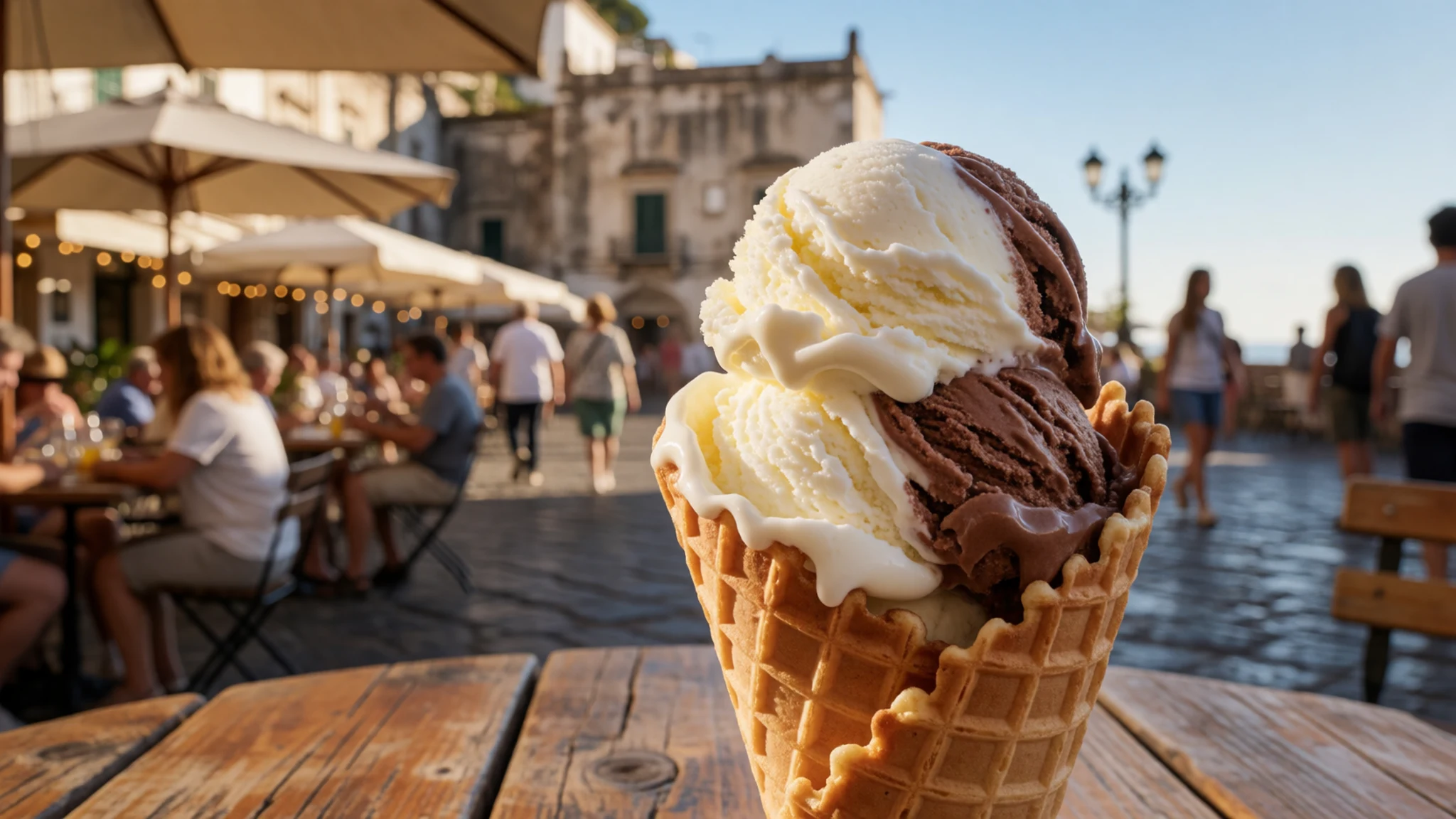
- Seafood Pasta — Traditional trattorias and cosy neighbourhood restaurants
Fresh local catch served tossed with handmade pasta, garlic, olive oil, and ripe Mediterranean tomatoes.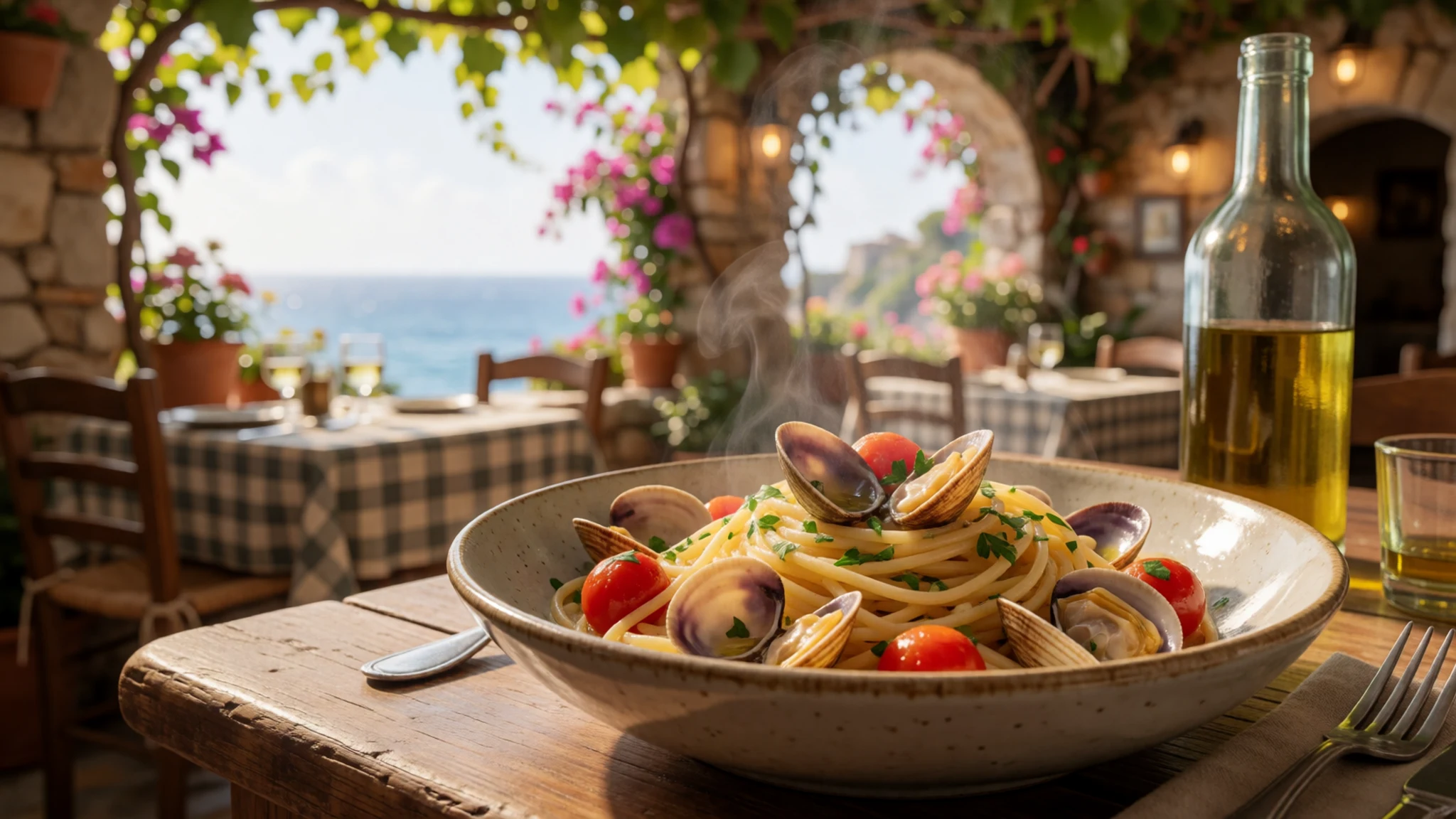
- Local Citrus Pastries — Bakeries and pastry shops around Capri Town and Anacapri
Sweet regional baked goods flavoured with local lemons, almonds, and traditional creams. - Terrace Aperitifs — Cliffside bars and terrace cafes
Refreshing regional cocktails and local wines enjoyed on open-air cliffside terraces overlooking the bay.
Plan it
Best time. May, June, and October offer the most comfortable temperatures and manageable crowds, avoiding the intense heat of July and August and the heavy tourist influx of summer.
How long. 2–3
Getting there. Arrive by hydrofoil or ferry from Naples, Sorrento, Amalfi, or Positano, docking at Marina Grande, then take the funicular or bus up to the towns.
Budget. high
Tips
- Take the early morning boat from the mainland to watch the sunrise over the water and beat the day-trip crowds.
- Wear flat, sturdy shoes with good grip because the island is steep and features thousands of stone steps.
- Book boat tours to the Blue Grotto in advance as morning sea conditions can cause temporary closures.
- Carry some cash for small purchases, bus tickets, and luggage storage kiosks near the port.
Etiquette
- Dress respectfully with covered shoulders and knees when entering churches and religious sites.
- Keep noise levels moderate in residential neighbourhoods and narrow pedestrian streets.
- Greet shopkeepers and local residents politely with a friendly buongiorno or buonasera.
Nearby
Sources
- Wikidata Q173292 (CC0)
- Wikipedia (rev 1380892291) (CC BY-SA 4.0)
- Wikivoyage (rev 5396887) (CC BY-SA 4.0)
- Photo photos/01-capri-veduta-1.jpg (CC BY-SA 4.0)
