Colosseum
Colosseum, Italy
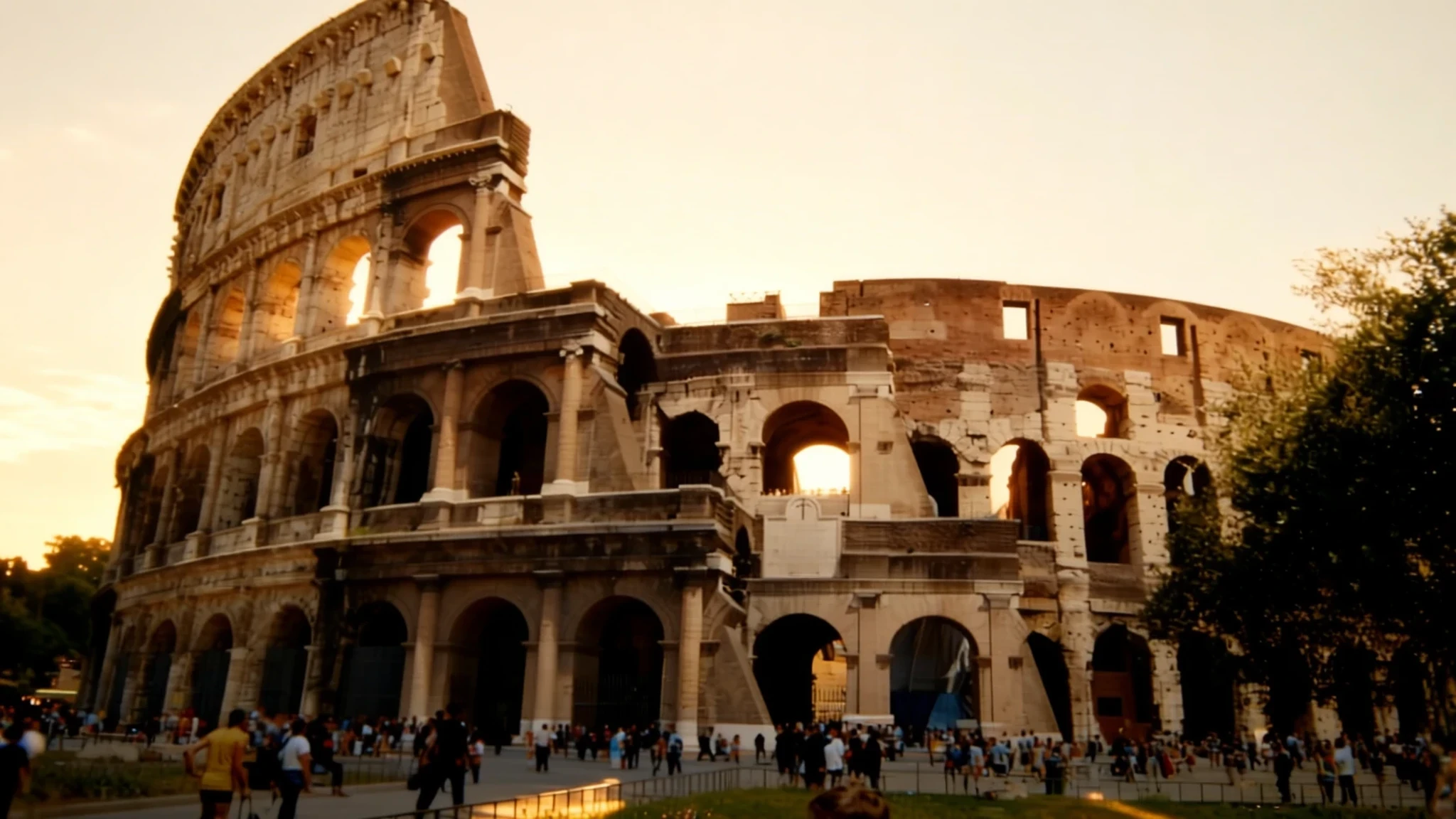
Visit the Colosseum to walk through the monumental heart of Imperial Rome and stand inside the world's largest ancient amphitheatre.
The place
The Colosseum stands in the centre of Rome, Italy, positioned just east of the Roman Forum. As the largest ancient amphitheatre ever built, it dominates its urban surroundings with sweeping tiers of travertine, tuff volcanic rock, and durable Roman concrete that once supported corridors, vaults, and foundational walls. Historical estimates suggest the arena could comfortably hold tens of thousands of spectators, creating an immense audience for gladiatorial contests, elaborate animal hunts, judicial executions, historical battle re-enactments, and dramatic performances drawn from Roman mythology. Although earthquakes and centuries of stone pillaging for spolia have left the structure partially ruined, the monument remains an enduring symbol of Imperial Rome. Today, it ranks among the most visited landmarks in the world and serves as a focal point for historic city walks. Every Good Friday, the Pope leads a solemn, torchlit Way of the Cross procession that commences in the immediate area surrounding the amphitheatre, drawing pilgrims and travellers alike into the ancient atmosphere of the historic centre.
Its story
The construction of the Colosseum began under the Emperor Vespasian and reached completion during the reign of his successor Titus, with final adjustments added by Domitian. Together, these rulers formed the Flavian dynasty, prompting classicists to name the structure the Flavian Amphitheatre. The site chosen was a low, flat valley nestled between the Caelian, Esquiline, and Palatine hills. Previously, a canalised stream and an artificial lake occupied this terrain within the sprawling, luxurious domain of the Emperor Nero's Golden House, known as the Domus Aurea. Following the devastation of the Great Fire of Rome, Nero had seized the land for his private pleasure gardens and pavilions. Vespasian's decision to drain the lake and build a massive public arena on the exact spot served as a deliberate populist gesture, returning vital urban space to the citizens of Rome. Funding for the monumental undertaking came directly from the opulent spoils acquired after the Siege of Jerusalem during the First Jewish–Roman War. Over subsequent centuries, as the Roman world shifted, the amphitheatre transitioned through numerous utilitarian phases. It was repurposed as residential housing, artisanal workshops, quarters for a religious order, a defensive fortress, a stone quarry, and eventually consecrated as a Christian shrine.
What to see
- The Outer Façade
Examine the weathered travertine arches and remaining exterior wall tiers that showcase classical architectural orders and bear the scars of ancient earthquakes and stone robbery over centuries.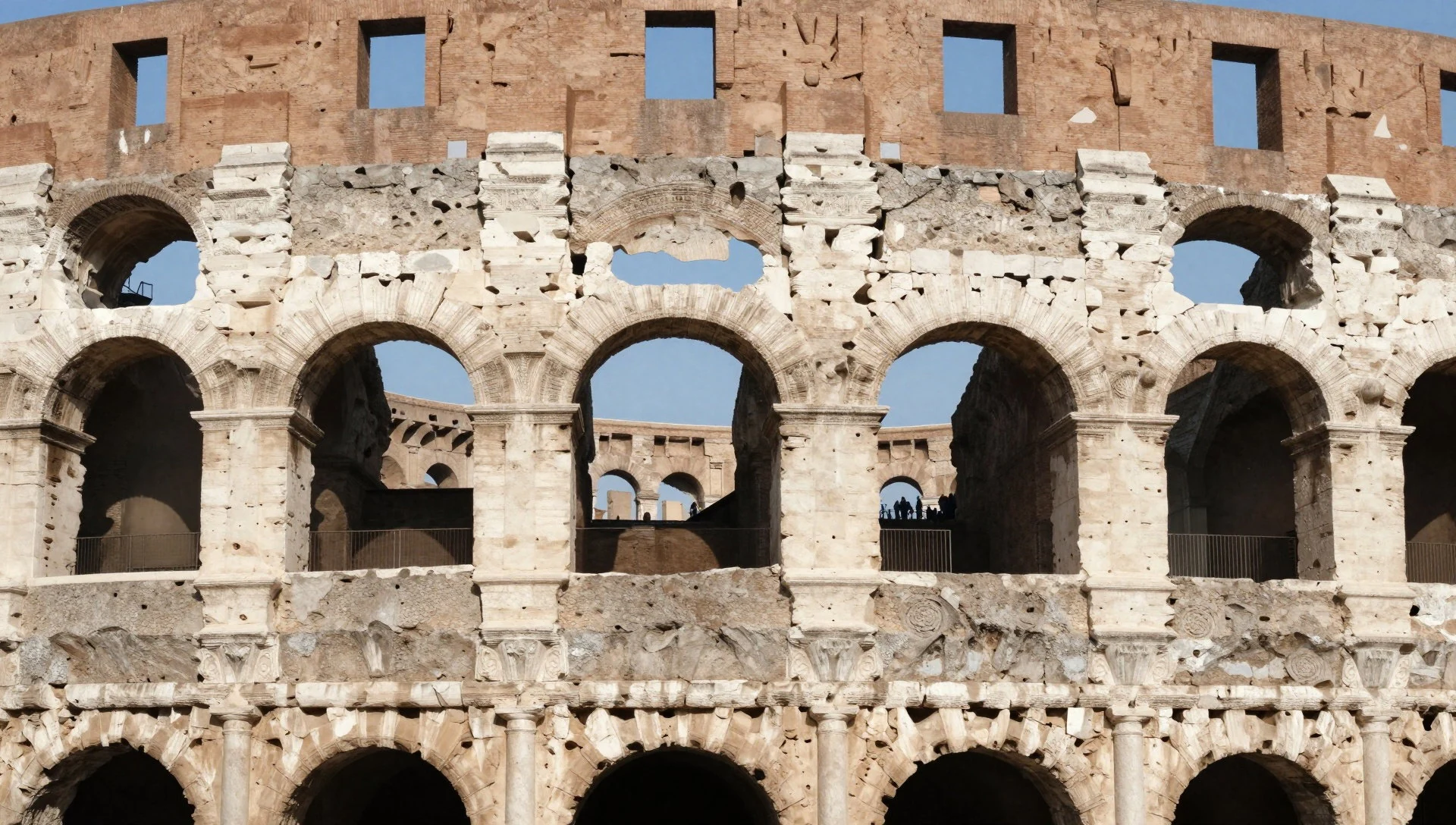
- The Roman Forum
Stroll just west of the amphitheatre into the sprawling archaeological remains of the ancient city's political, religious, and commercial heart, where fallen columns and triumphal arches mark the paths of antiquity.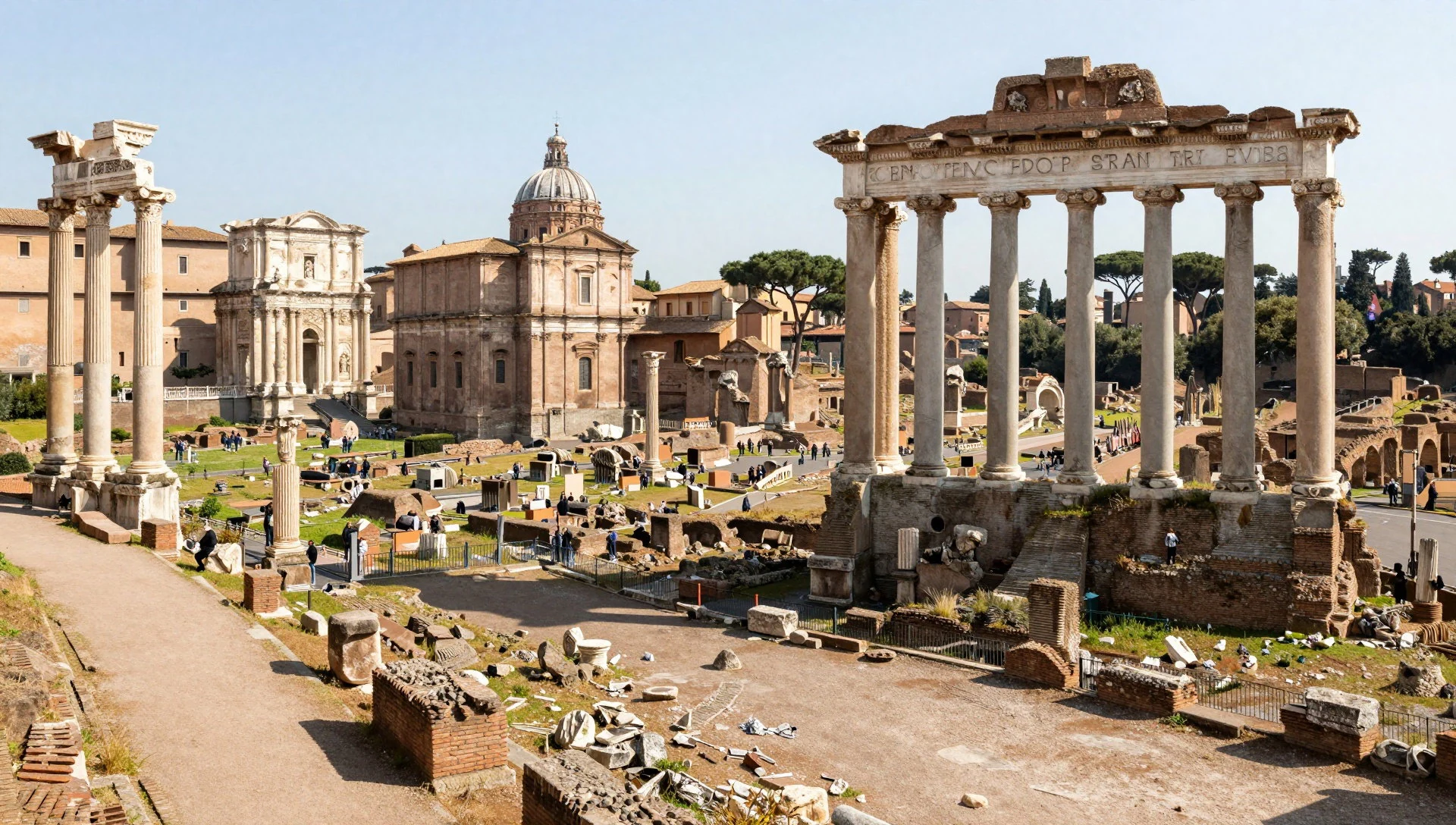
- The Arch of Constantine
Stand before the monumental triumphal arch situated right next to the amphitheatre, erected to commemorate Constantine's decisive victory at the Milvian Bridge and decorated with intricate sculptural reliefs.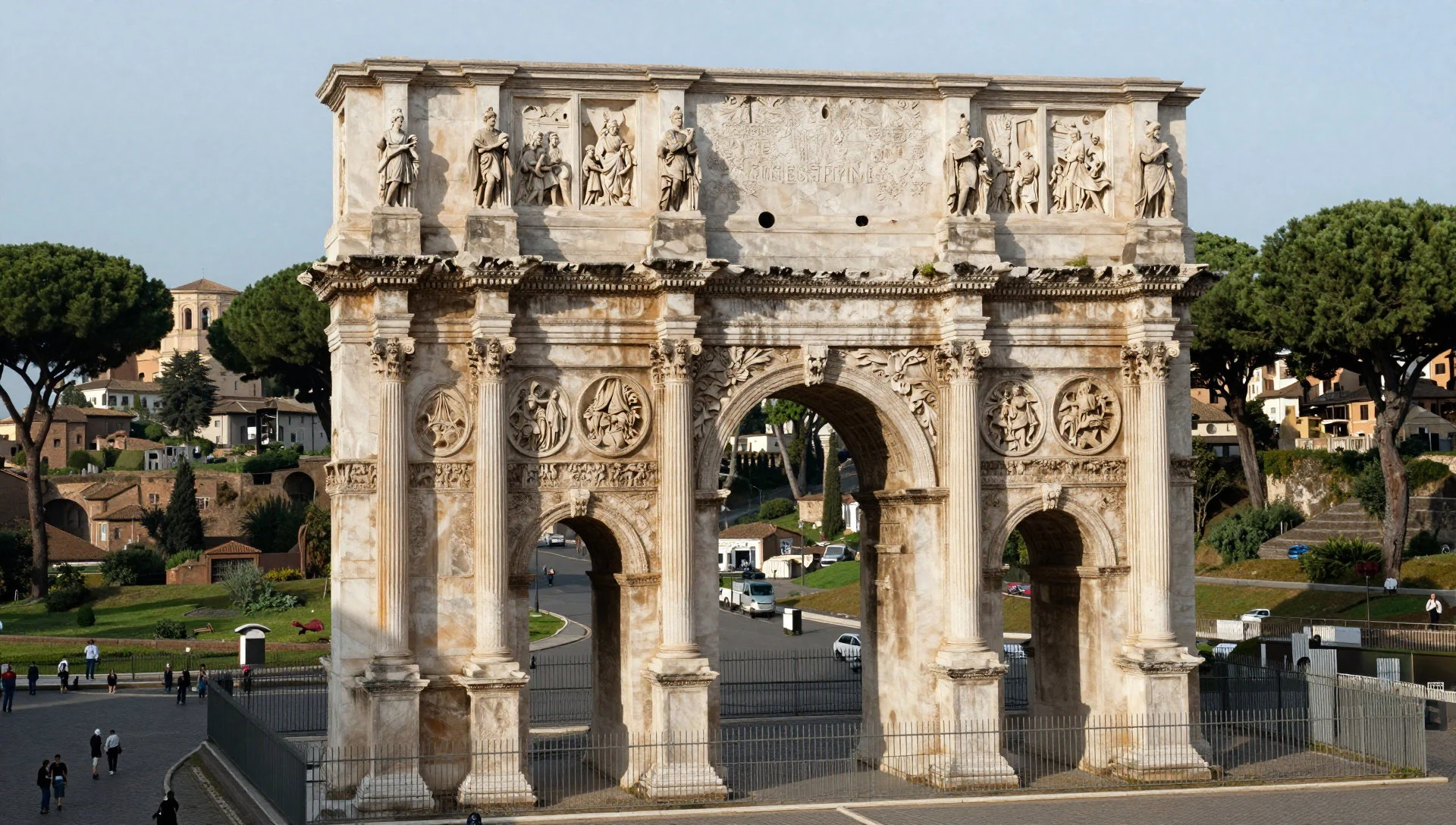
- The Palatine Hill
Ascend the verdant slopes overlooking the amphitheatre and the Forum to explore the excavated ruins of imperial palaces and ancient aristocratic residences rooted in the foundational myths of the city.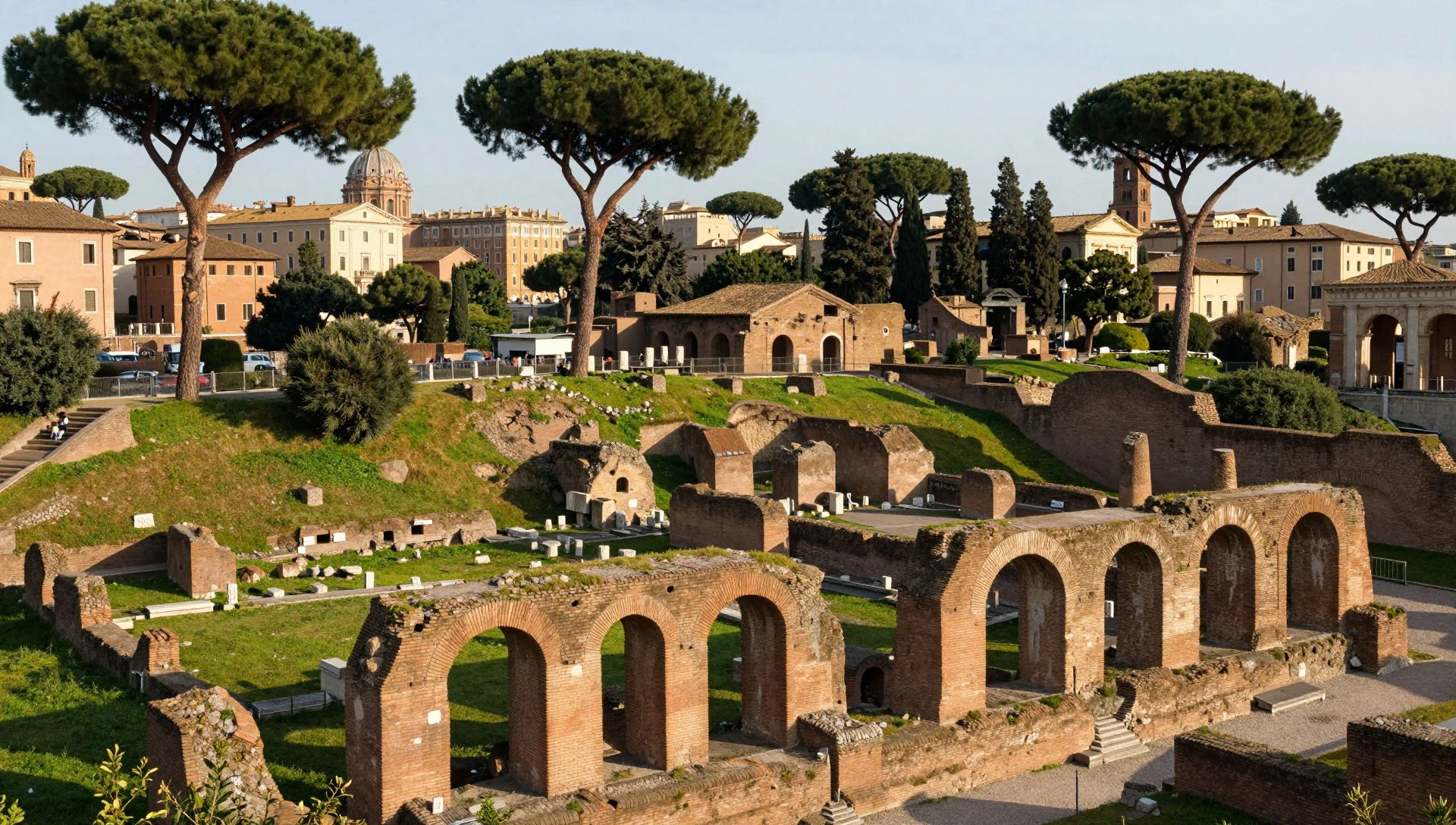
Culture
Roman culture is deeply tied to its layered history, daily cafe rituals, and a vibrant street life that blends ancient heritage with modern urban energy. Locals take pride in the city's artistic legacy, culinary traditions, and social gatherings centred around neighbourhood piazzas. Traditional Italian etiquette values polite greetings when entering shops and restaurants, alongside a relaxed yet respectful demeanour in public spaces. When visiting churches, basilicas, or sacred pilgrimage sites such as the spaces near the Colosseum during religious processions, visitors should ensure shoulders and knees are covered. Always respect local queues, keep voices moderate in residential or sacred zones, and dress respectfully when moving from archaeological sites into places of worship.
What to wear
Contemporary fashion in Rome balances effortless Italian elegance with practical daily wear for navigating ancient cobblestone streets. Romans favour tailored blazers, classic leather footwear, neat denim, and smart-casual layers that transition easily from daytime errands to evening meals in neighbourhood trattorias. Traditional Italian attire has evolved into a global signature of fine tailoring and high-quality textiles like silk, wool, and fine cottons, though regional historical dress is now reserved for cultural festivals and historical pageants rather than daily life. For visitors exploring the Colosseum and surrounding archaeological ruins, comfortable walking shoes with sturdy soles are essential for uneven stone pathways. Layered clothing helps adapt to fluctuating outdoor temperatures, and modest items—such as a lightweight scarf or cardigan—should be carried to cover shoulders when entering nearby religious sanctuaries.
What to eat
- Cacio e Pepe — Any traditional trattoria or neighbourhood osteria across Rome
A classic Roman pasta dish made with spaghetti or tonnarelli tossed simply with grated pecorino romano cheese and freshly cracked black pepper, creating a rich, creamy sauce without cream.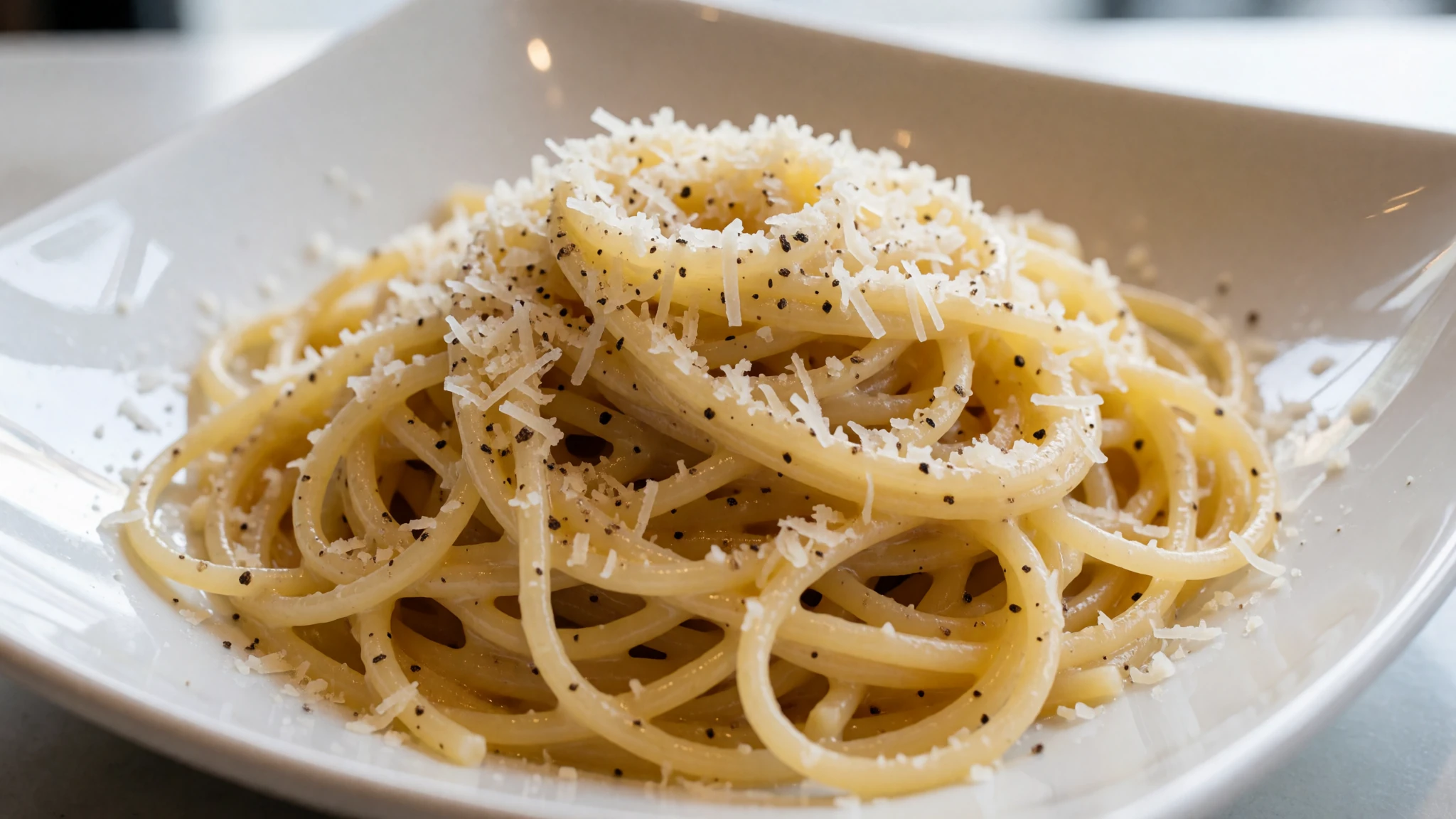
- Carbonara — Local eateries throughout the historic centre
Hearty pasta prepared with cured pork cheek, hard sheep's cheese, fresh eggs, and black pepper, offering a savoury and comforting taste of historic Roman home cooking.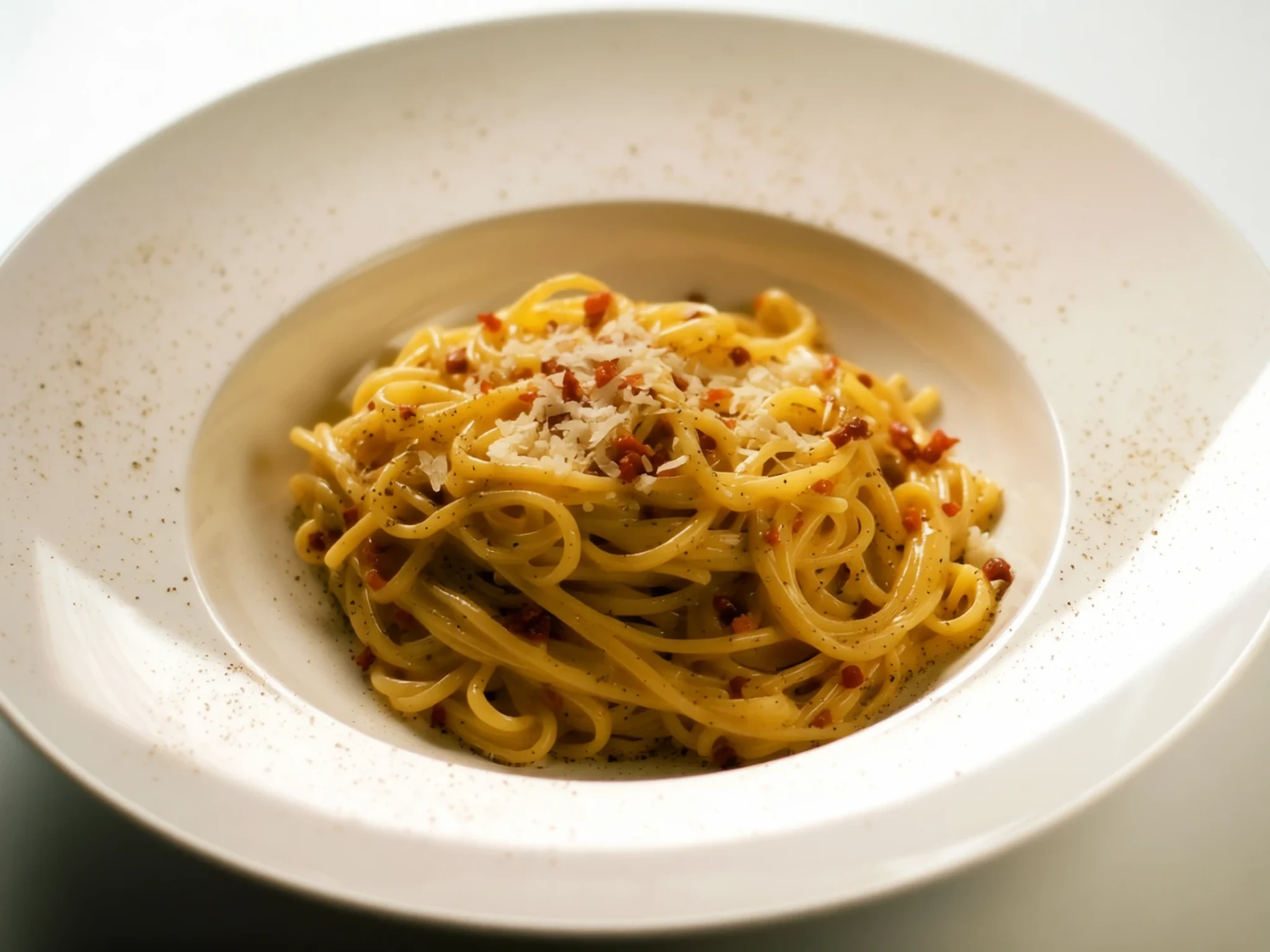
- Supplì — Neighbourhood pizzerias and street food counters
Crispy fried rice balls stuffed with savoury meat ragù and melting mozzarella cheese, popular as a quick street food snack before exploring ancient ruins. - Pizza Romana — Pizzerias and bakeries across the city
Thin, wonderfully crisp-crust pizza topped with simple ingredients like fresh tomato sauce, mozzarella, and seasonal vegetables, baked quickly in high-heat ovens.
Plan it
Best time. Spring (March to April) and autumn (October to November) offer pleasant weather for walking outdoors, avoiding the intense summer heat.
How long. 2–3
Getting there. Fly into Leonardo da Vinci-Fiumicino Airport, then take the train into Termini station and connect to the local metro to reach the Colosseum.
Budget. mid
Tips
- Book entry tickets well in advance through the official site to secure your preferred time slot.
- Arrive early in the morning to beat the heaviest tourist crowds and midday heat.
- Wear comfortable walking shoes with good grip for uneven ancient cobblestones.
- Carry a refillable water bottle to use at the public drinking fountains located around the archaeological area.
- Check the official website for updated opening hours and security guidelines.
Etiquette
- Cover your shoulders and knees when visiting churches and sacred monuments near the archaeological zone.
- Queue patiently at ticket offices and security checkpoints.
Nearby
Sources
- Wikidata Q10285 (CC0)
- Wikipedia (rev 1382610241) (CC BY-SA 4.0)
- Wikivoyage (rev 5078381) (CC BY-SA 4.0)
- Photo 01-colosseo-2020.jpg (CC BY-SA 4.0)
