Venilale
Venilale, Timor-Leste
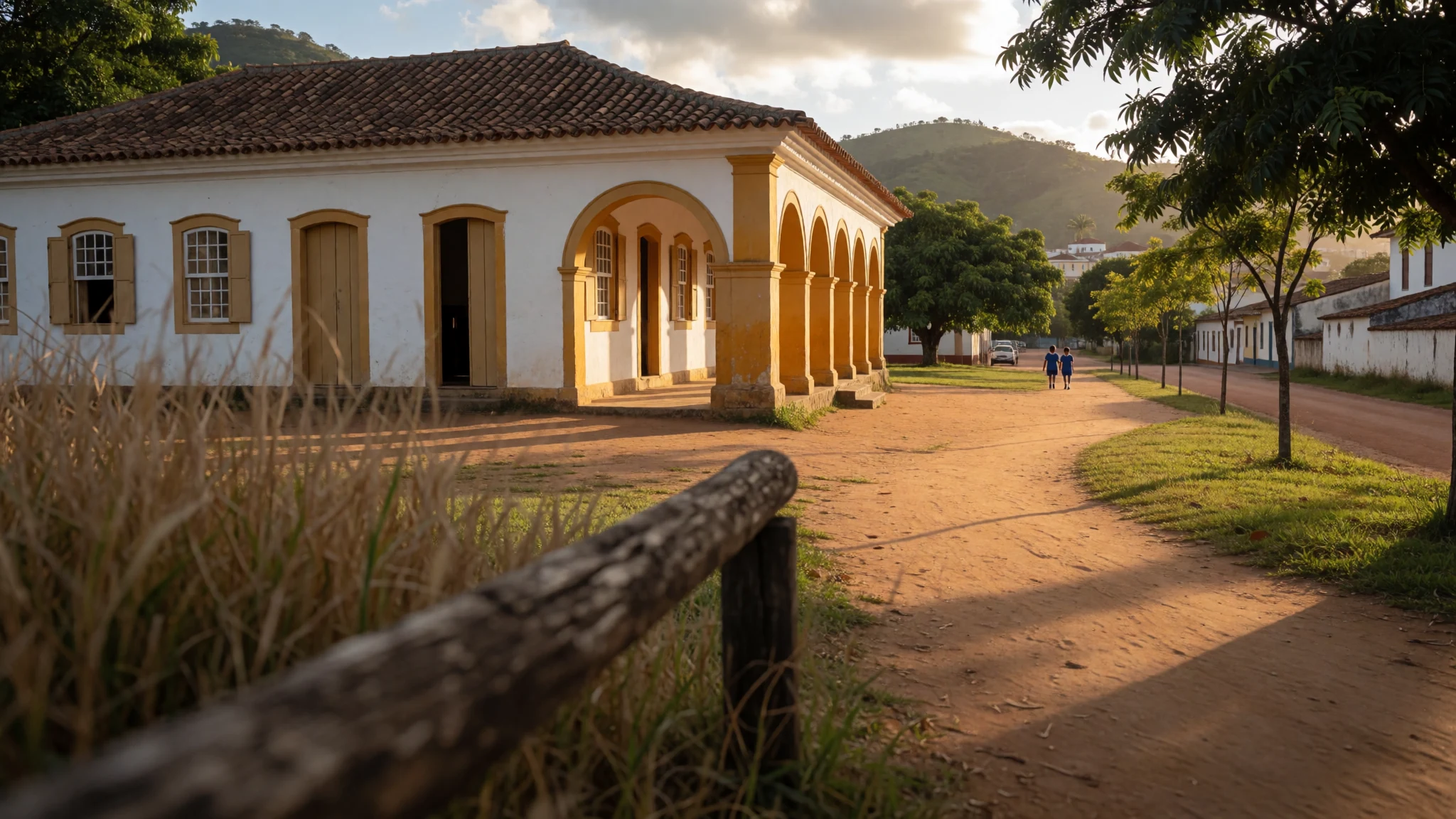
Venilale is a cool hill town in Timor-Leste where colonial buildings, wartime caves and a twice-weekly market sit in one walkable centre.
The place
Venilale is a small town in the mountains of Timor-Leste, about 30 km south of Baucau, and it serves as the capital of its administrative post. Older maps and Portuguese-era records know it as Vila Viçosa. The present name comes from the Kairui-Midiki phrase brini lale, usually rendered as 'cold inside', and the description fits. Altitude gives the town a noticeably fresher climate than the sticky coast, which is the whole reason it became a place of note.
During Portuguese rule, officials and families from Baucau climbed into these hills to escape the heat, and the town still carries the marks of that habit. There are colonial buildings with verandas and high windows, a church, a schoolhouse that visitors photograph more than anything else, and an old police station on a raised platform that now holds the tourism information centre. The centre of town is compact enough to cover on foot in an hour or two, with a slower pace than the coast.
The surroundings add more: hot springs, a natural bridge, and caves with a wartime past. Venilale is not a resort and has few frills, so the appeal lies in its history, its cool air and its ordinary working life. Market days bring the most movement, when people from surrounding villages come in to trade. Facilities are basic, and anyone planning a stay should expect simple guesthouse rooms and limited choice. Travellers who like unhurried places and are happy to ask locals for directions tend to enjoy it most.
Its story
Venilale's story follows the wider history of Timor-Leste, which Portugal declared a colony in 1702. For most of the colonial centuries the eastern half of the island was a trading outpost left largely to its own devices, and Venilale's role was modest: a cool retreat for Portuguese officials escaping the lowland heat, which explains the colonial architecture still standing in the centre.
The twentieth century was far harsher. During the Second World War, Japanese forces dug caves in the hills around the town, and an Australian air force photograph from 1942 records Venilale from above. After the Carnation Revolution in Portugal in 1974, the empire began to unwind. Portuguese Timor declared independence in 1975, but Indonesian forces invaded within days and the territory was annexed the following year as a province of Indonesia.
The occupation lasted for two decades and cost a great many lives. Hill settlements such as Venilale were useful to the resistance, and the town's caves later sheltered Fretilin fighters, which is why local guides now speak of them as part of the independence story as much as the wartime one.
In 1999, a United Nations supervised referendum ended in a vote for independence. Militias backed by opponents of independence then terrorised the population and destroyed much of the country's infrastructure. Rebuilding has been slow and uneven. Today Venilale presents itself quietly, with a tourism centre in the old police station and a community that remembers every layer of this history.
What to see
- Escola do Reino de Venilale — Town centre
The old school building is the sight most often photographed in Venilale, a striking colonial structure that reflects the town's days as a Portuguese hill retreat. Go in good morning light, ask politely before stepping onto the grounds, and allow time for a slow walk around the exterior.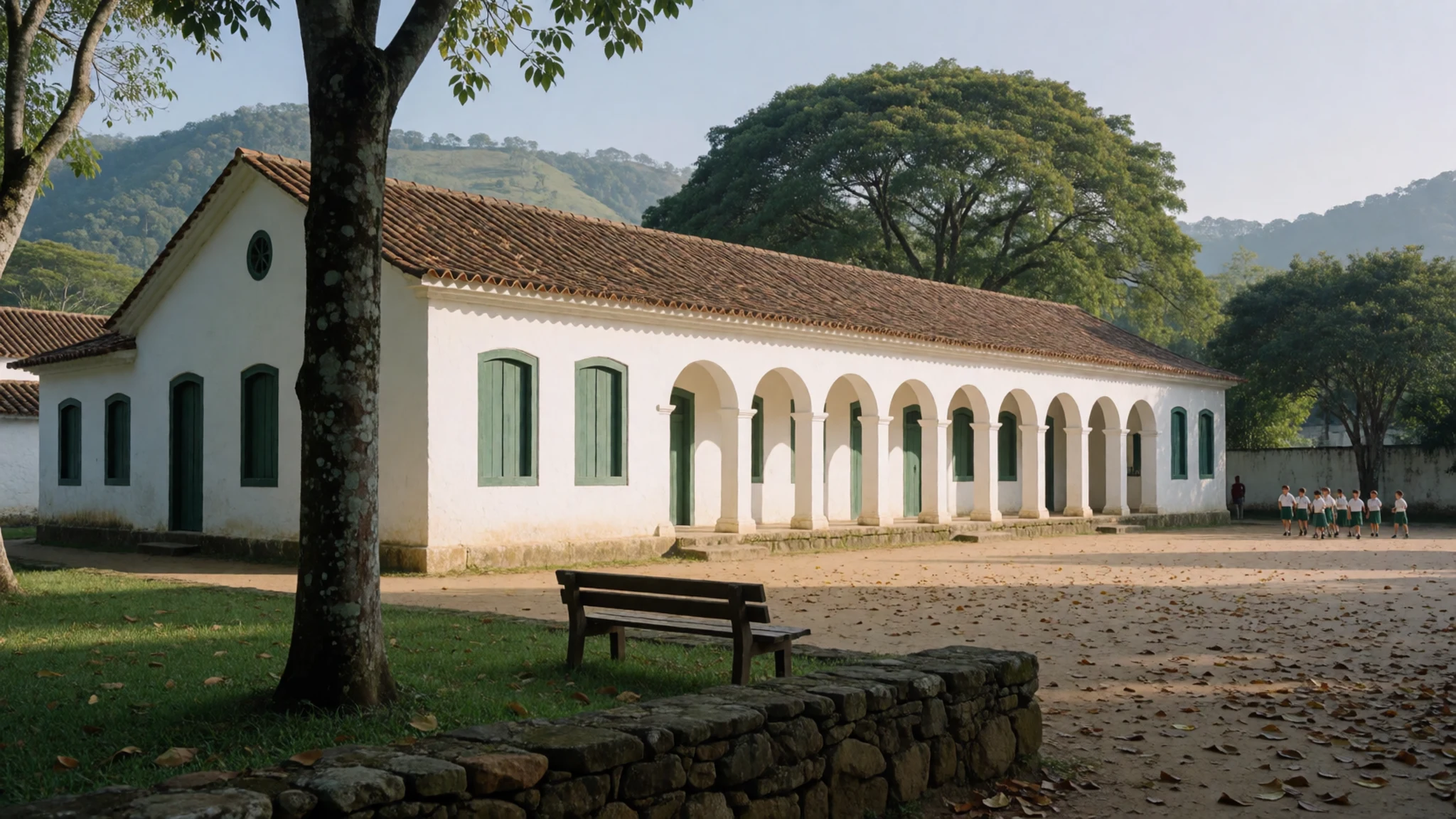
- Igreja de Venilale — Town centre
The town church anchors Venilale's centre and shows how Catholic life has shaped the settlement since Portuguese times. It is still a working place of worship, so visit outside services or sit quietly at the back. The surrounding streets are good for a short, unhurried stroll.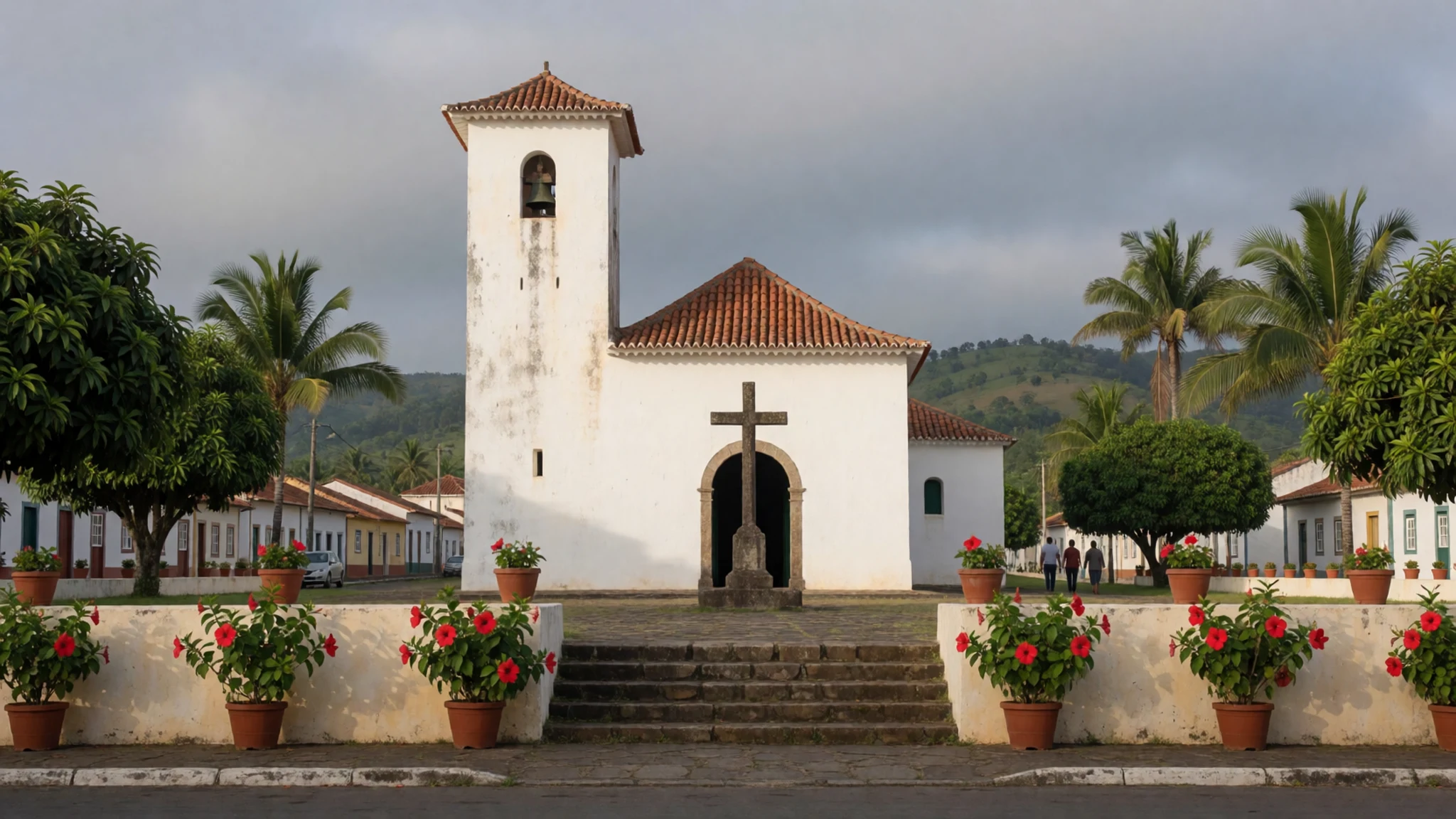
- Venilale market — Venilale administrative post
The market is held on Wednesdays and Saturdays, according to the photograph caption for the staged image, and draws people in from the surrounding villages. It is the best place to see local produce, coffee and everyday trade. Go early, bring small notes, and ask before photographing stallholders.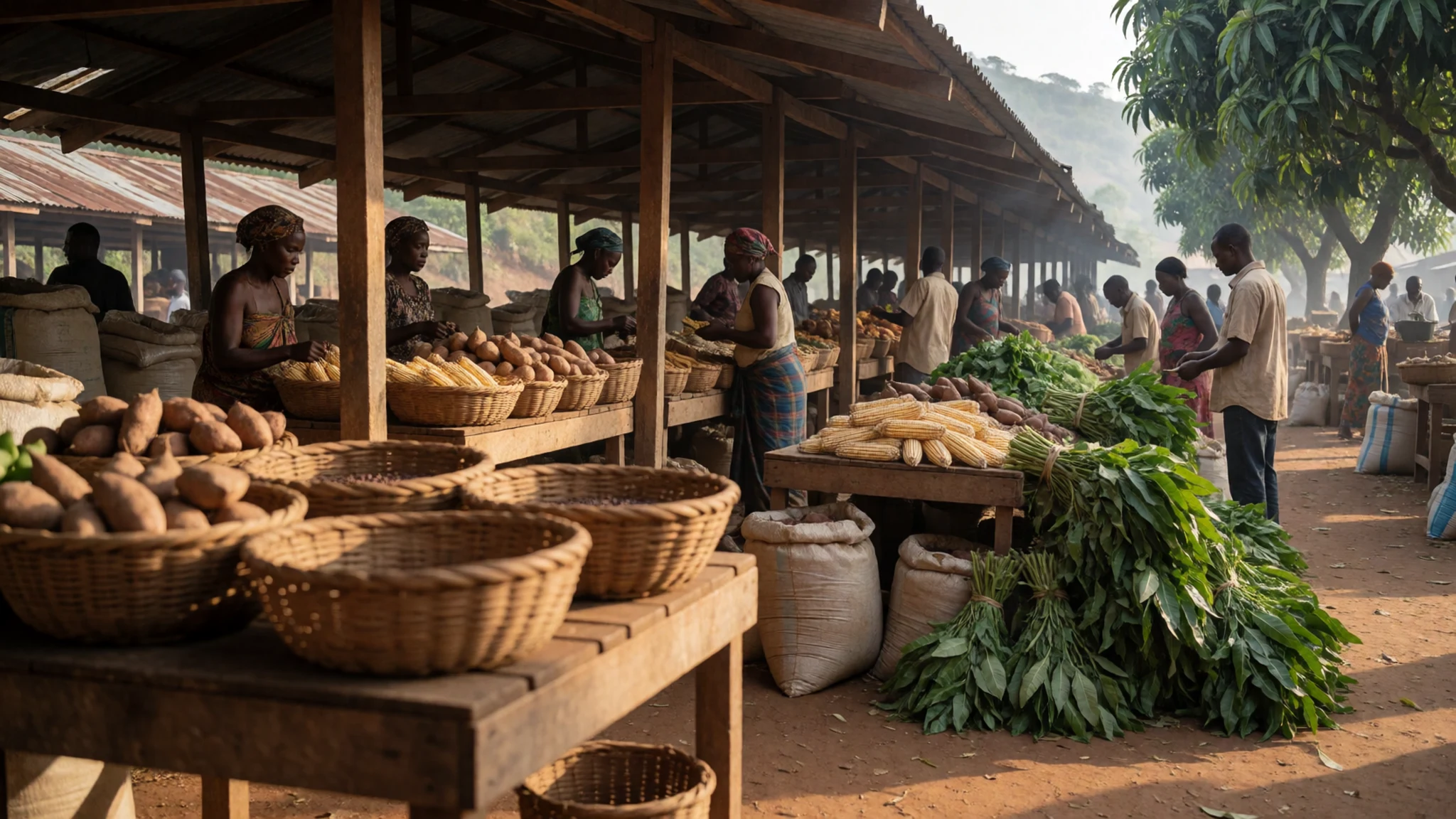
- The wartime caves — Hills around Venilale
Japanese forces dug caves in the hills during the Second World War, and the same tunnels later hid Fretilin fighters during the Indonesian occupation. Local guides can explain what happened here. Wear sturdy shoes, bring a torch, and treat the caves as a place of memory rather than a novelty.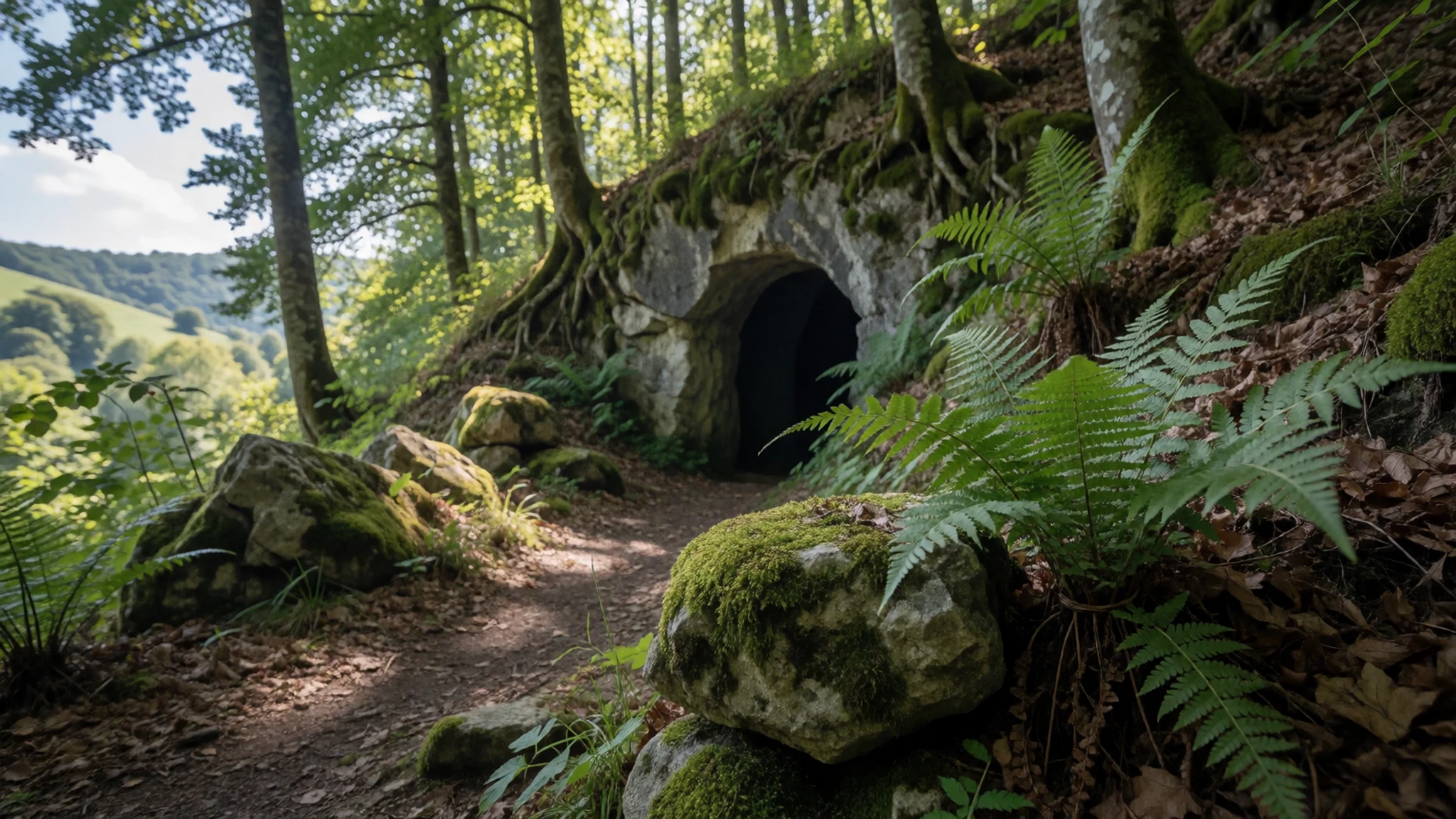
- Tourism information centre — Town centre
The old police station is a raised structure in the middle of town and now houses a small tourism information centre. It is the sensible first stop for local guides, directions to the hot springs and natural bridge, and current advice on road conditions. Opening hours are not fixed in the brief, so ask locally.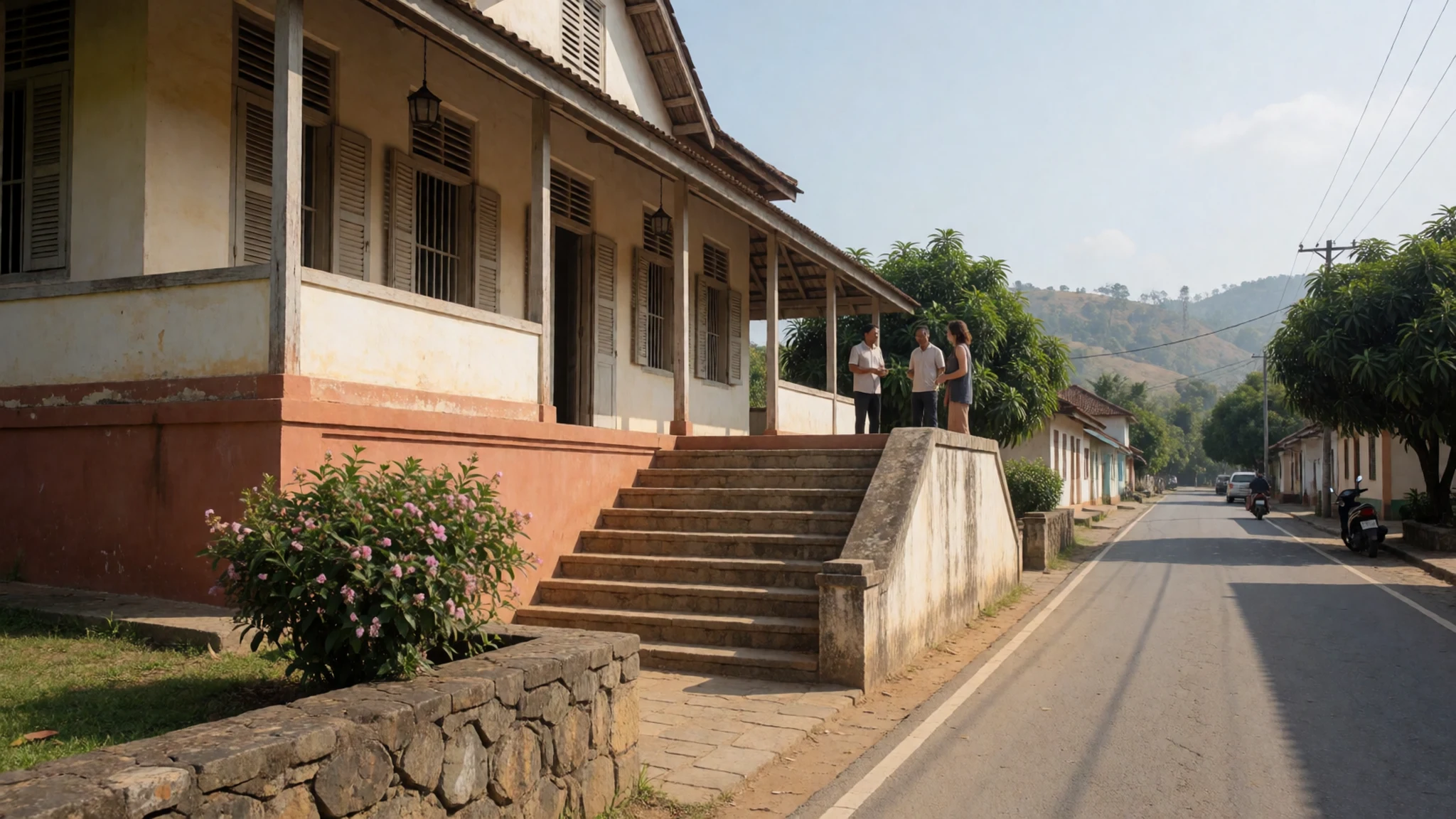
Culture
Venilale sits in a country where recent history is personal. Many families lost relatives during the Indonesian occupation, and the resistance is remembered with pride and grief rather than as a distant chapter. Visitors who come to see the caves are entering that memory, so local guides often speak quietly and expect the same in return.
Catholicism shapes daily life in Venilale, and the church is a focus of community gatherings and festivals. Portuguese influence remains in architecture, in surnames and in the language of church and school, while Tetum is the everyday tongue. Some older people are fondly nostalgic about the Portuguese period, when rural communities were largely left alone, but opinions vary and nobody owes a stranger a political view.
Relations with Indonesia are positive today, yet praising the occupation or the idea of absorption into Indonesia is badly received. Politics in general is best left until someone else raises it. Market days and church events are the best chances to see how people meet and trade, and a greeting and a smile go a long way. Hospitality tends to be generous but unshowy, and visitors who are patient, curious and low-key are usually welcomed.
When visiting the caves, church or market, ask before photographing people and never speak lightly of the occupation or praise Indonesian rule.
What to wear
In Venilale, as across Timor-Leste, the best-known traditional textile is tais, a handwoven cloth made in patterned bands and worn as a wrap, sash or shawl. Weaving is traditionally women's work, and designs vary by region and family. Tais appears at weddings, church festivals, funerals and formal welcomes, and is often given as a gift. Historic photographs of festivals and dance in the staged images show people in woven cloth and ceremonial ornaments.
Daily dress is simple and practical. Most people in town wear shirts, T-shirts, long skirts or trousers, and sandals or rubber shoes, with a jacket or fleece on cool mornings and evenings. Church services call for tidier clothes, and many people dress up for Sunday. Farm and market work brings out hats, scarves and sturdy footwear.
Visitors should pack for a highland town rather than a beach. Light, breathable layers cope with warm afternoons and cool nights, and a waterproof jacket is wise in the wetter months. Cover shoulders and knees in town and especially in the church, and avoid swimwear anywhere away from the coast. Comfortable closed shoes with grip are best for caves and uneven village paths, while sandals are fine for the market. A hat and sunscreen help during the day. Buying a tais from a weaver or a local stall is a respectful souvenir, and wearing one as a scarf is generally welcomed.
What to eat
- Rice with fried fish — Small local eateries around the town centre
Rice is the staple of Timorese meals, and fried fish is a favourite alongside it. Expect a simple plate with greens or a chilli-spiked sauce. Fish is an important supplement to most meals, though inland, supplies depend on what has come up from the coast.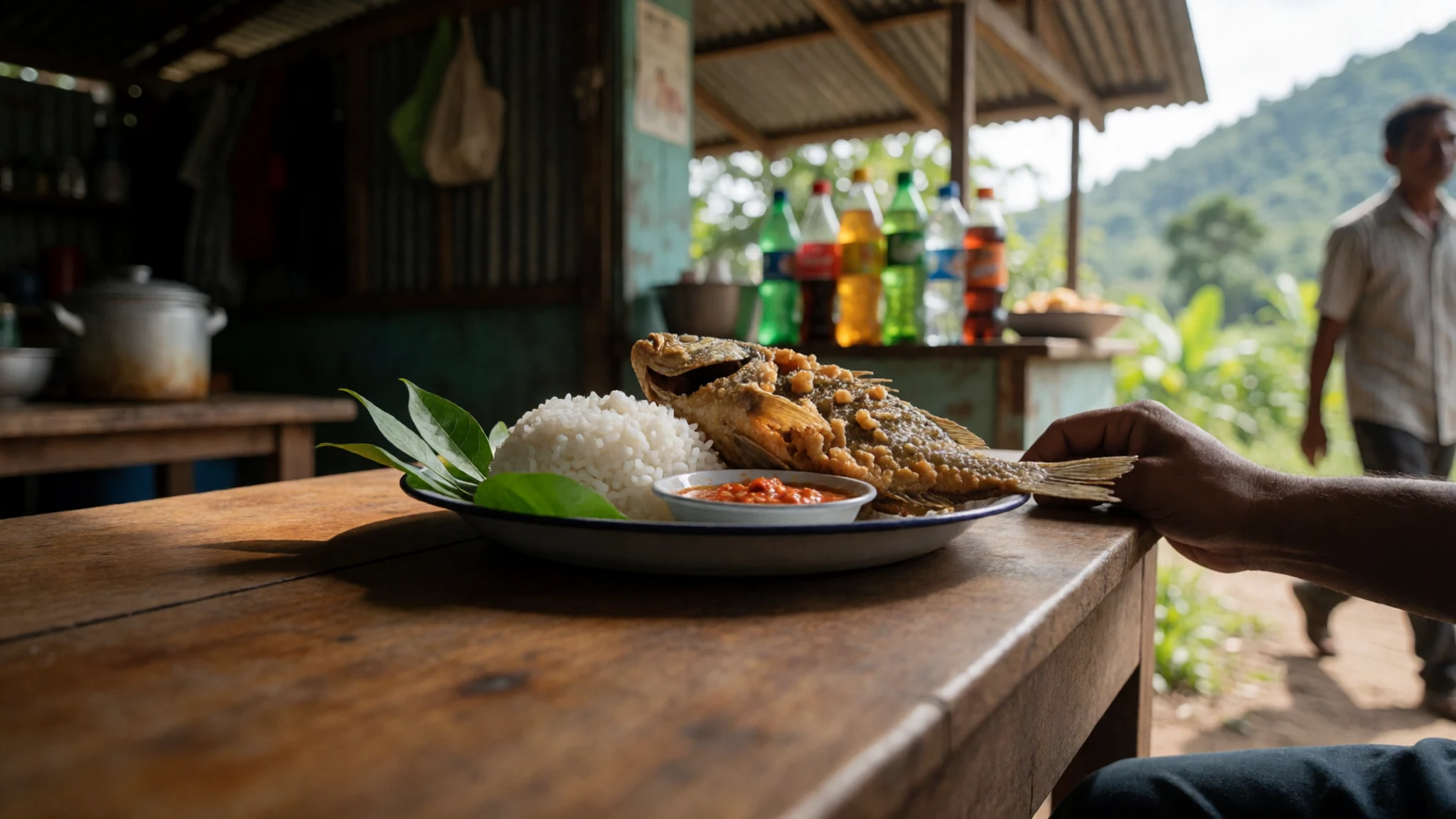
- Chicken curry — Home-style eateries and family-run food stalls
Curries are standard in Timor-Leste, and chicken curry is a widely loved version, usually served with rice. The spicing is generous but varies from cook to cook. It is a dependable choice when menus are short, and portions are often shared.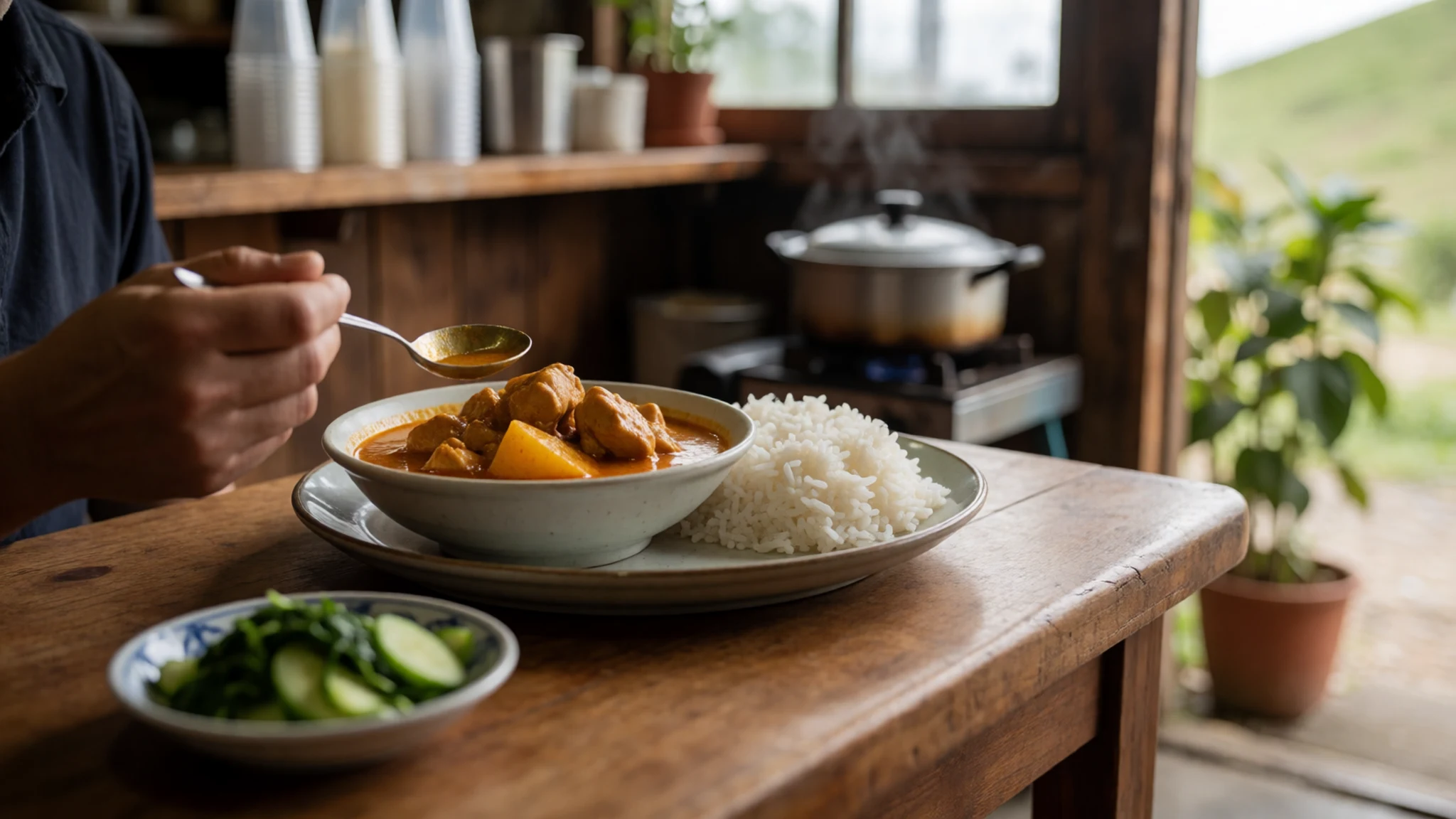
- Cassava, taro and sweet potato — Venilale market and village kitchens
Root crops sit alongside rice in rural Timor-Leste, boiled, steamed or fried as a side. They are filling, cheap and local, and they show how households in the hills eat when rice is scarce. Try them with chilli or a simple fish dish. - Timorese coffee — Market stalls and roadside coffee spots
Coffee is grown organically in Timor-Leste, and a small cup in a highland town is one of the quieter pleasures of the trip. It is usually served strong and sweet. Buying roasted beans from a market stall makes a practical souvenir. - Seasonal tropical fruit — Venilale market on market days
Mangoes, papayas, bananas, watermelons and coconuts are commonly grown, and the market sells whatever is in season. Eating fruit fresh is the simplest way to sample local produce. Peel it yourself and carry water for afterwards.
Plan it
Best time. The drier months, roughly May to October, are the most comfortable for reaching the caves and walking the hills. Altitude keeps Venilale cooler than Baucau or Dili all year, but roads and paths can turn slippery in the wet season, so check conditions locally.
How long. 1–2
Getting there. Fly to Presidente Nicolau Lobato International Airport in Dili, then travel east by road to Baucau and south into the hills to Venilale, about 30 km from Baucau. Public minibuses and hired cars both run; confirm the last leg locally.
Budget. low
Tips
- Ask at the tourism information centre in the old police station for guides to the caves, hot springs and natural bridge
- Time a visit for market day, Wednesday or Saturday, and arrive early
- Carry cash in small notes, as cards are unlikely to work outside Dili
- Pack a torch, sturdy shoes and a warm layer for evenings
- Bring drinking water and check visa rules before travelling, as most visitors can get a visa on arrival at Dili
Etiquette
- Ask before photographing people, especially at the market and church
- Dress modestly in town and in church
- Avoid casual talk about the occupation and Indonesian rule
Nearby
Sources
- Wikidata Q202521 (CC0)
- Wikipedia: Venilale (rev 1321932497) (CC BY-SA 4.0)
- Wikivoyage: Timor-Leste (rev 5406324) (CC BY-SA 4.0)
- Photo: Igreja de Venilale, Isabel Nolasco (CC BY-SA 4.0)
- Photo: A linda escola de Venilale, Isabel Nolasco (CC BY-SA 4.0)
- Photo: Festas em Venilale, Timor português (Public domain)
- Photo: Merkadu Venilale, Wai Raka (CC0 1.0)
- Photo: Dancers in Portuguese Timor (Public domain)
- Photo: Venilale, Australian Air Force (Public domain)


