Dare
Dare, Timor-Leste
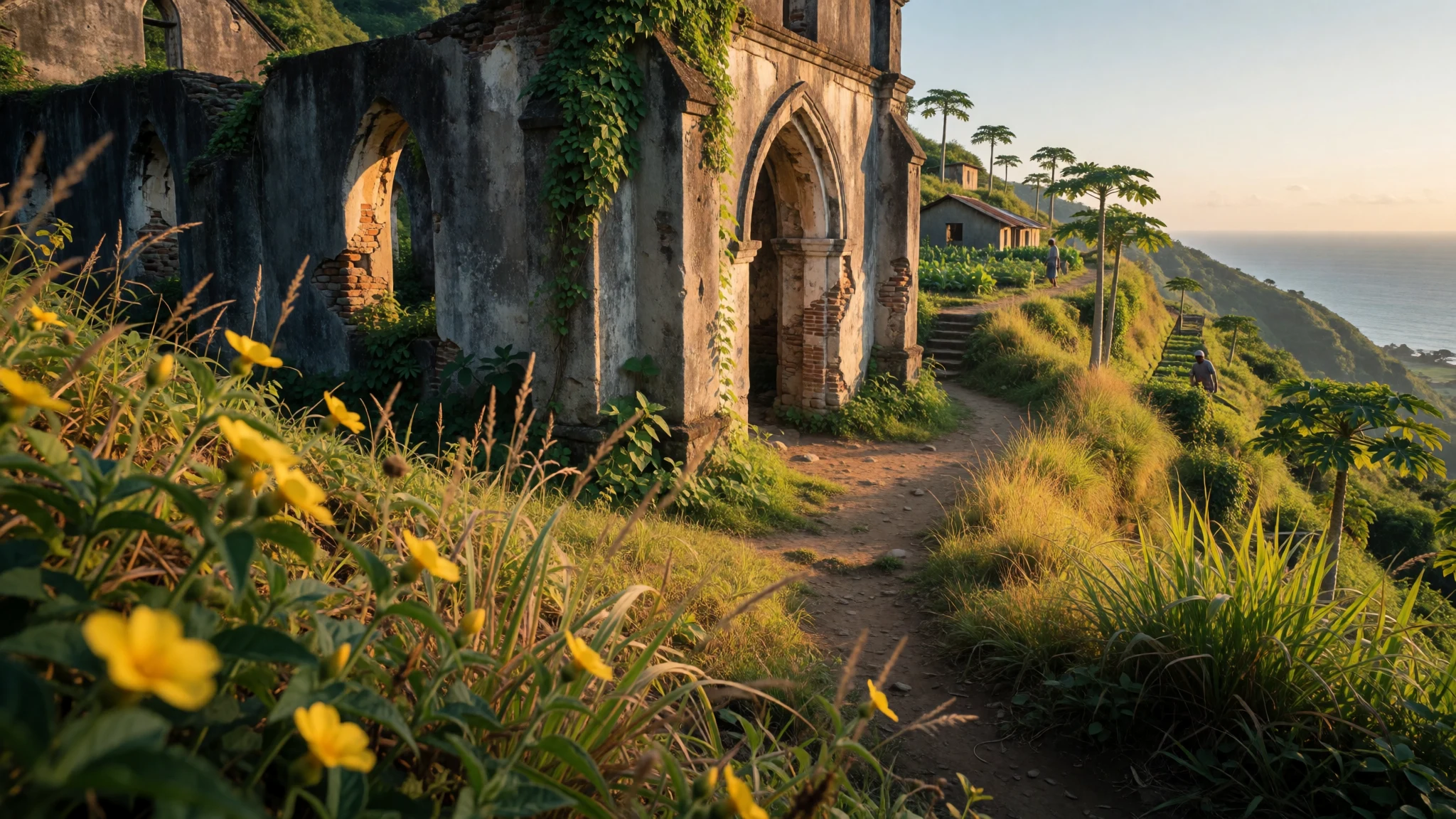
Dare is a quiet hill community above Dili, with a seminary, a war memorial and a rain-soaked ruined church, best as a half-day from the capital.
The place
Dare is a suco, the local administrative unit below an administrative post, in Dili Municipality, Timor-Leste, with a population of 4052. It sits on the hills above the capital at about 495 metres, which is enough height to take the edge off Dili's heat and to give the place a different feel from the coastal city beneath it. A short drive from the centre swaps traffic and seafront for winding upland roads, scattered houses, gardens and long views back towards the sea. Dare is not a resort or a trekking hub, and nothing here is built around visitors. What it offers is a quieter side of the capital region: a seminary that has shaped generations of Timorese students, a war memorial, an abandoned church photographed in the rain, and ordinary village life going on around them. Most travellers come on a half-day trip from Dili, usually with a driver or a local guide, because signposting is thin and public transport to the hill communities is not something to rely on. Rain makes slopes slippery and cloud can swallow the views, so the dry months are kinder. Facilities are basic, so water, small notes for any purchases and a plan to eat back in Dili are sensible. Dare works best as one thread in a wider Timor-Leste trip that might also take in the capital's historic sites, the island of Atauro for diving, and the national park in the far east.
Its story
Dare carries several layers of Timor-Leste's history in a small space. Portugal ran the eastern half of the island of Timor as a colony for centuries, mostly as a trading outpost, and many older Timorese remember that era as one in which villages were largely left alone. In 1950 the Catholic church opened the Seminary of Our Lady of Fatima on the hill at Dare, and for a long time it offered the colony's only route to study beyond school. Earlier, during the Second World War, Australian forces fought on Timor, and the Dare Memorial, built by those forces, is dedicated to the Timorese people. Colonial rule ended after the fall of the dictatorship in Lisbon. A declaration of independence followed, and within days Indonesian forces invaded. Indonesia then held the territory as one of its provinces for the better part of a generation, a period of violence and enormous loss of life that Timorese families still carry with them. Today Timor-Leste is independent again, and its relationship with Indonesia is cordial. In Dare, the memorial and the seminary turn that history into something a visitor can stand beside rather than only read about. The ruined church adds a quieter note, a reminder that buildings on these slopes have had to endure weather, war and long neglect.
What to see
- Dare Memorial — Dare hill
The Dare Memorial was built by Australian forces who fought in Timor during the Second World War, and it is dedicated to the Timorese people. It is a reflective stop on the hill rather than a grand monument. Early or late light is kinder, and a local guide can explain the wartime story behind it.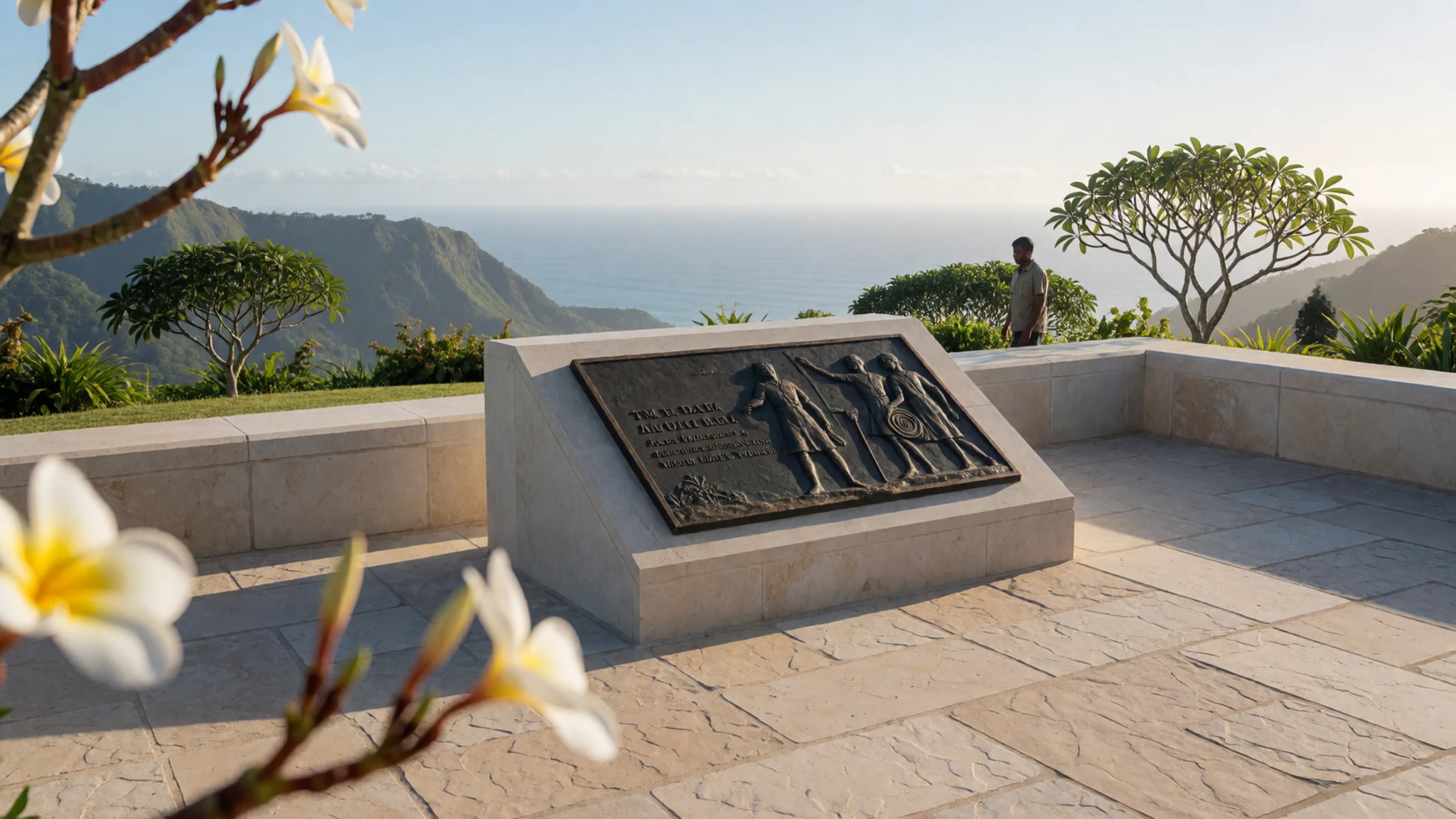
- Seminary of Our Lady of Fatima — Dare hill
The Roman Catholic seminary has stood at Dare since 1950 and has educated many Timorese. It is a working institution, not an attraction, so the realistic way to see it is from the road or through a visit arranged with a church contact in Dili. Respect classes, prayer times and private grounds.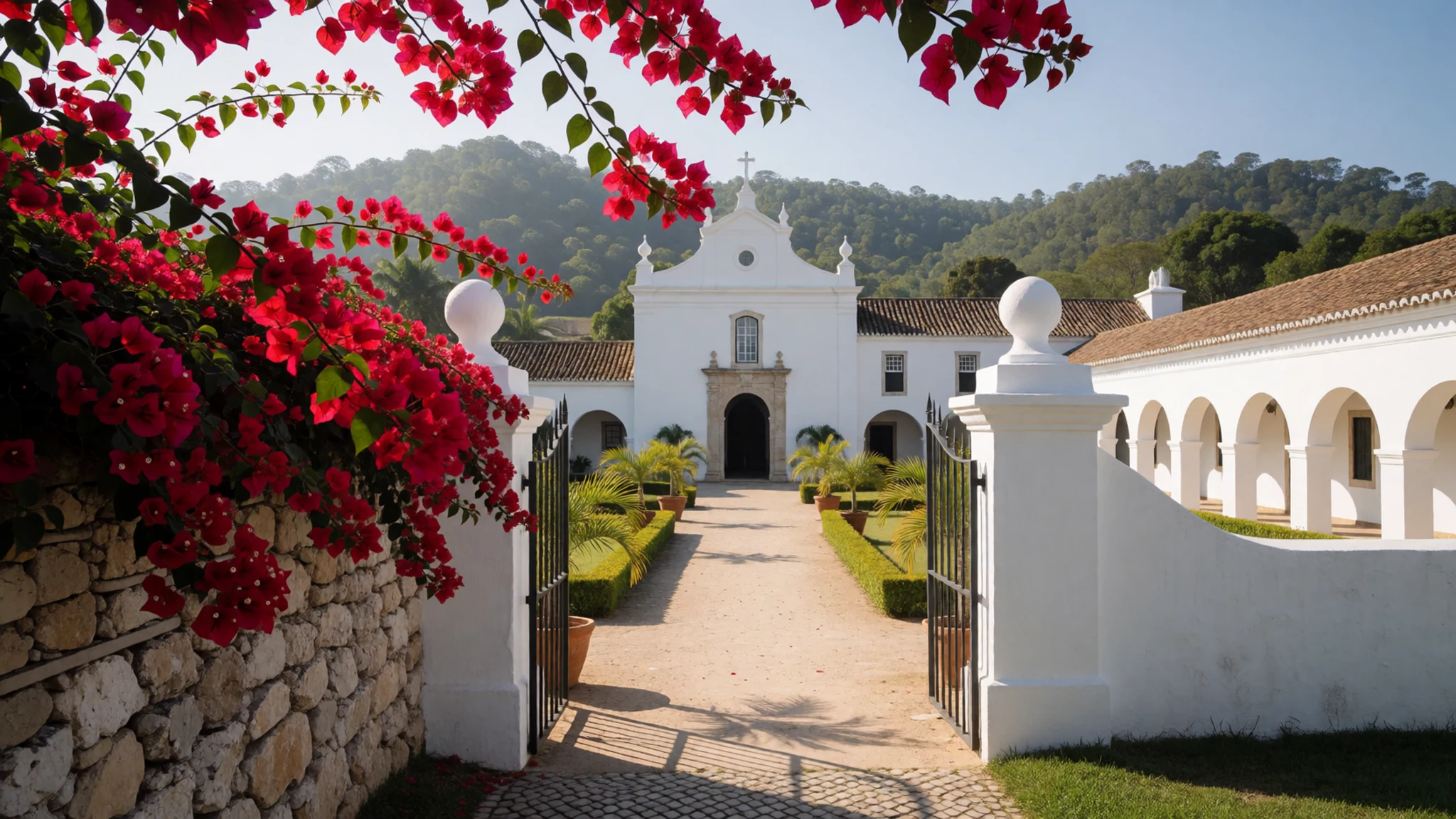
- The abandoned church — Dare hill
An abandoned church at Dare, photographed in the rain, is one of the more atmospheric sights on the hill. Weathered walls and surrounding greenery suit soft cloud or the hour after a shower. Stay out of unsafe structures, take nothing away, and ask locals before stepping onto private land.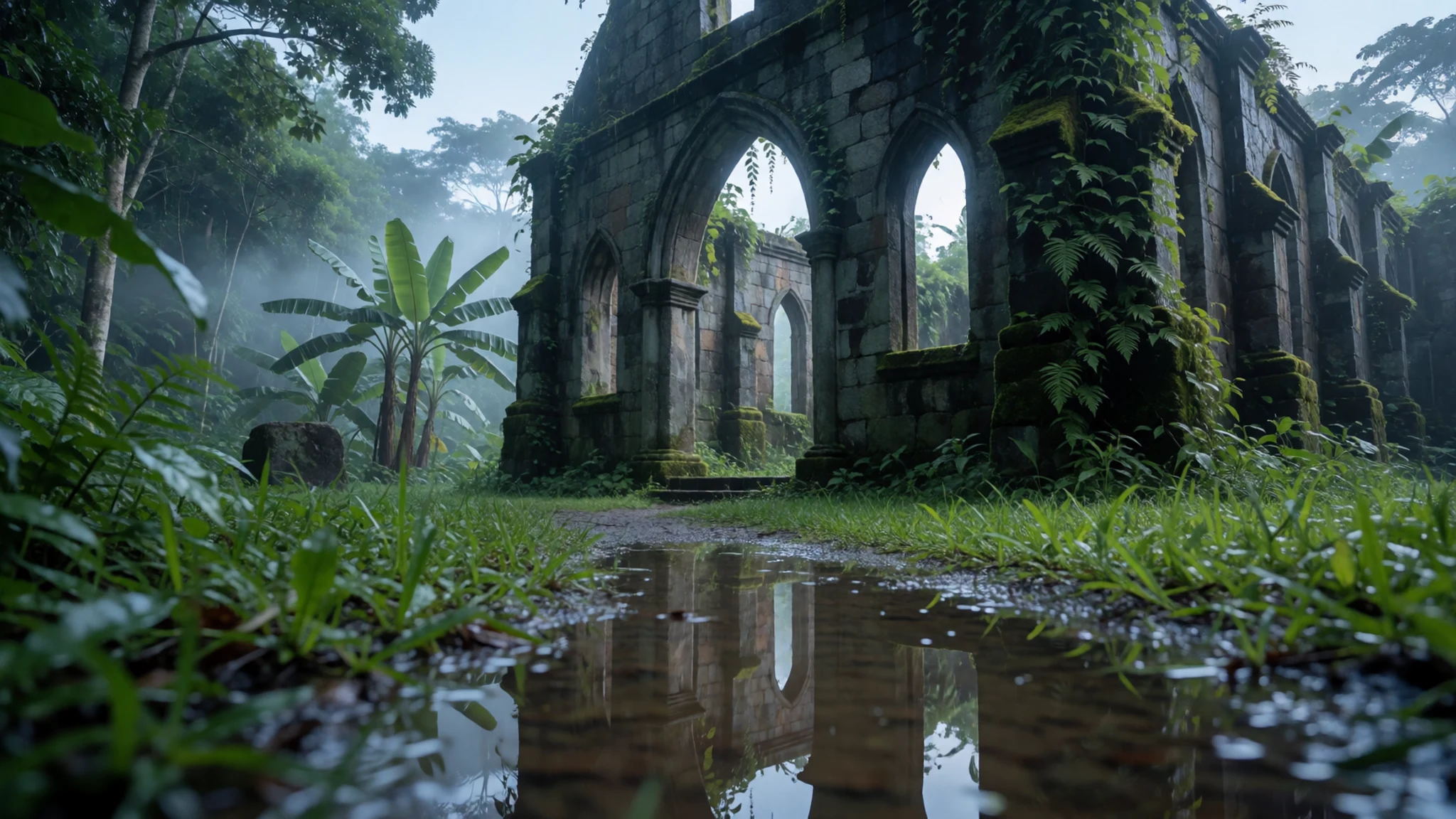
- Views over Dili — Roadsides around Dare
At about 495 metres, the slopes of Dare give outlooks across the capital and out to sea on clear days. There is no single official viewpoint, so ask a driver or guide to stop where the road opens up. Mornings are usually clearest, before cloud and haze build, and the air is cooler than on the waterfront.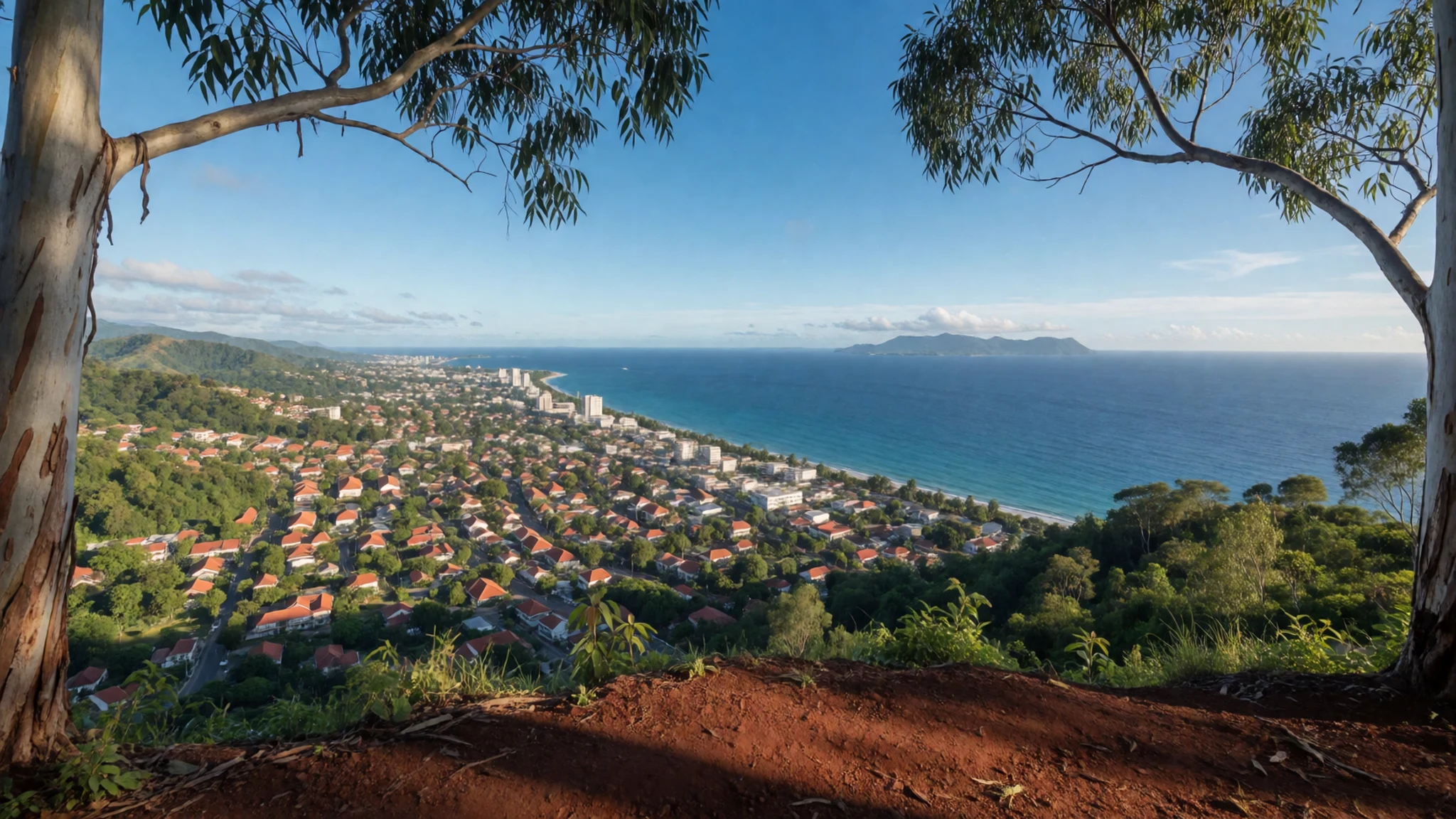
- Santa Cruz Cemetery — Dili
Santa Cruz cemetery in Dili is the site of a massacre during the Indonesian occupation and a sobering companion to a day at Dare. Families still visit graves here, so a calm, respectful approach matters. A local guide adds context that signs do not, and it combines easily with a half-day around the capital.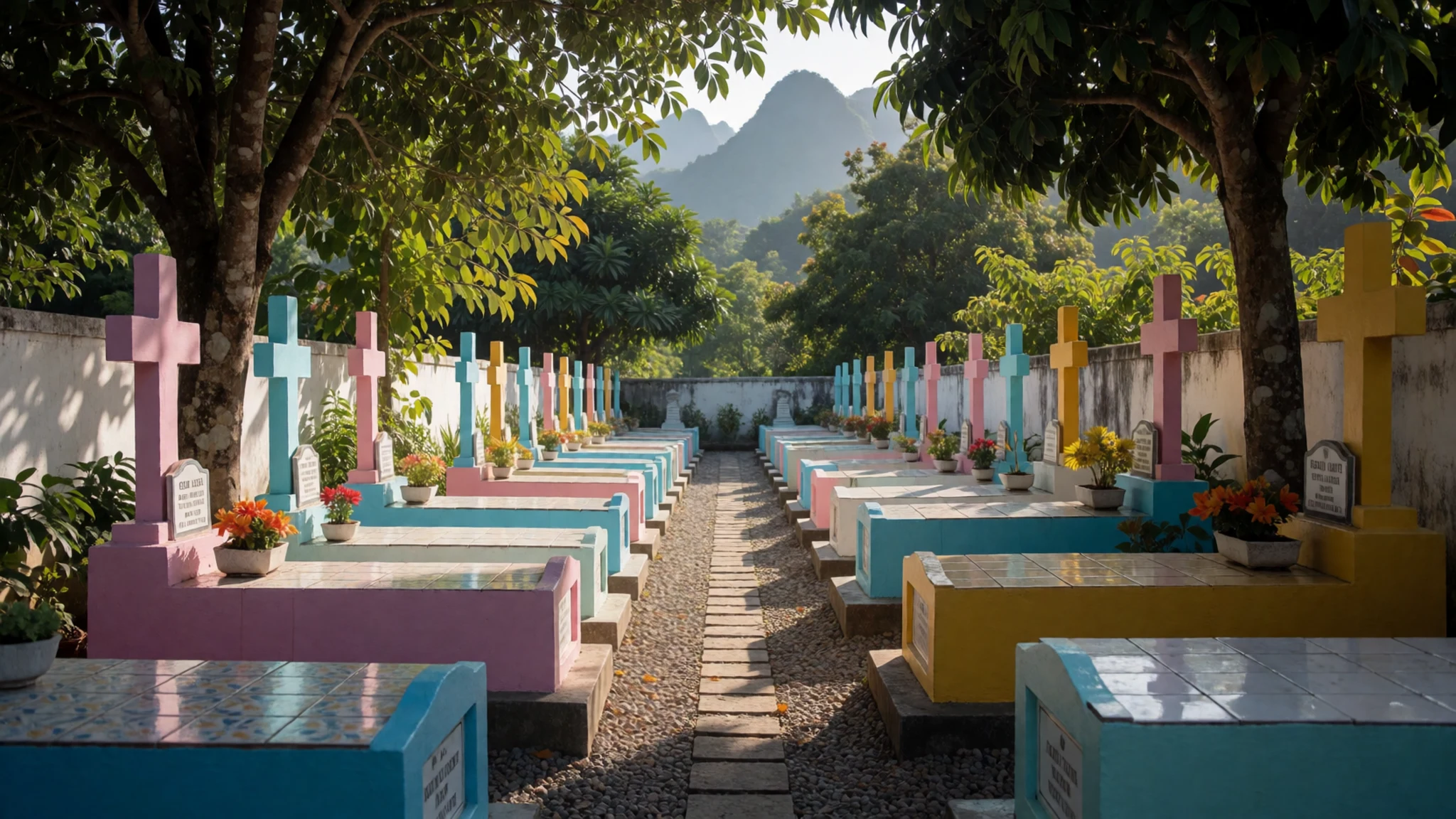
Culture
Dare is a Catholic hill community, and church life shapes its rhythm. Sunday mass, feast days, processions and prayer groups matter, and the seminary keeps the faith visibly present on the slope above Dili. Family and village ties count for more than schedules, so visits tend to be unhurried, with greetings, coffee and conversation coming before anything else. Portuguese, Tetun and local languages all turn up, and a few Tetun words, such as bondia for good morning, are warmly received. History is never far away. The Indonesian occupation killed a large share of the population, and many families lost relatives, so on that subject it is better to listen than to opine. Praising the occupation, or the idea of Timor-Leste rejoining Indonesia, will land badly, even though relations between the two countries are good today. Memories of Portuguese rule are often warmer, but nobody needs to volunteer a view on any sensitive subject. The Dare Memorial is dedicated to the Timorese people and deserves quiet behaviour. Community events here are real events rather than performances, so if a gathering is under way, ask before joining in or filming. Sunday mornings are busy around the church and on the roads. Dress modestly, speak softly at the memorial, church and seminary, and ask permission before photographing people or religious ceremonies.
What to wear
Dare, like the rest of Timor-Leste, has a strong tradition of tais, handwoven cloth made in cotton and often coloured with natural dyes. Patterns and colours differ from district to district, and families keep pieces for weddings, funerals, church occasions, welcomes for guests and community ceremonies. Tais is worn as a wrap skirt or sarong, draped over the shoulder, or given as a gift, and older women in particular may wear it day to day. Everyday dress now is simple and practical: T-shirts, shorts or trousers, football shirts, jeans, and flip-flops or trainers for most of the day. For church, people dress more smartly, with clean shirts, long skirts or dresses, and often a piece of tais as a finishing touch. Visitors should dress for a warm, humid country at altitude: light, breathable layers, a hat, sunscreen and a waterproof jacket, since showers can arrive quickly. Shoulders and knees should be covered at the church, seminary and memorial, and shorts that stop well above the knee are best saved for the beach. Sturdy closed shoes or good sandals with grip are worth having, because slopes turn muddy and slippery in the rain. Buying a small piece of tais directly from a weaver or cooperative is a good way to take home something authentic.
What to eat
- Rice with fried or grilled fish — Local eateries and market stalls in Dili
Rice is the staple here and fish is the usual partner, either fried until crisp or grilled over coals, often with chilli and a squeeze of lime. It is simple, filling and widely cooked at home and in local eateries.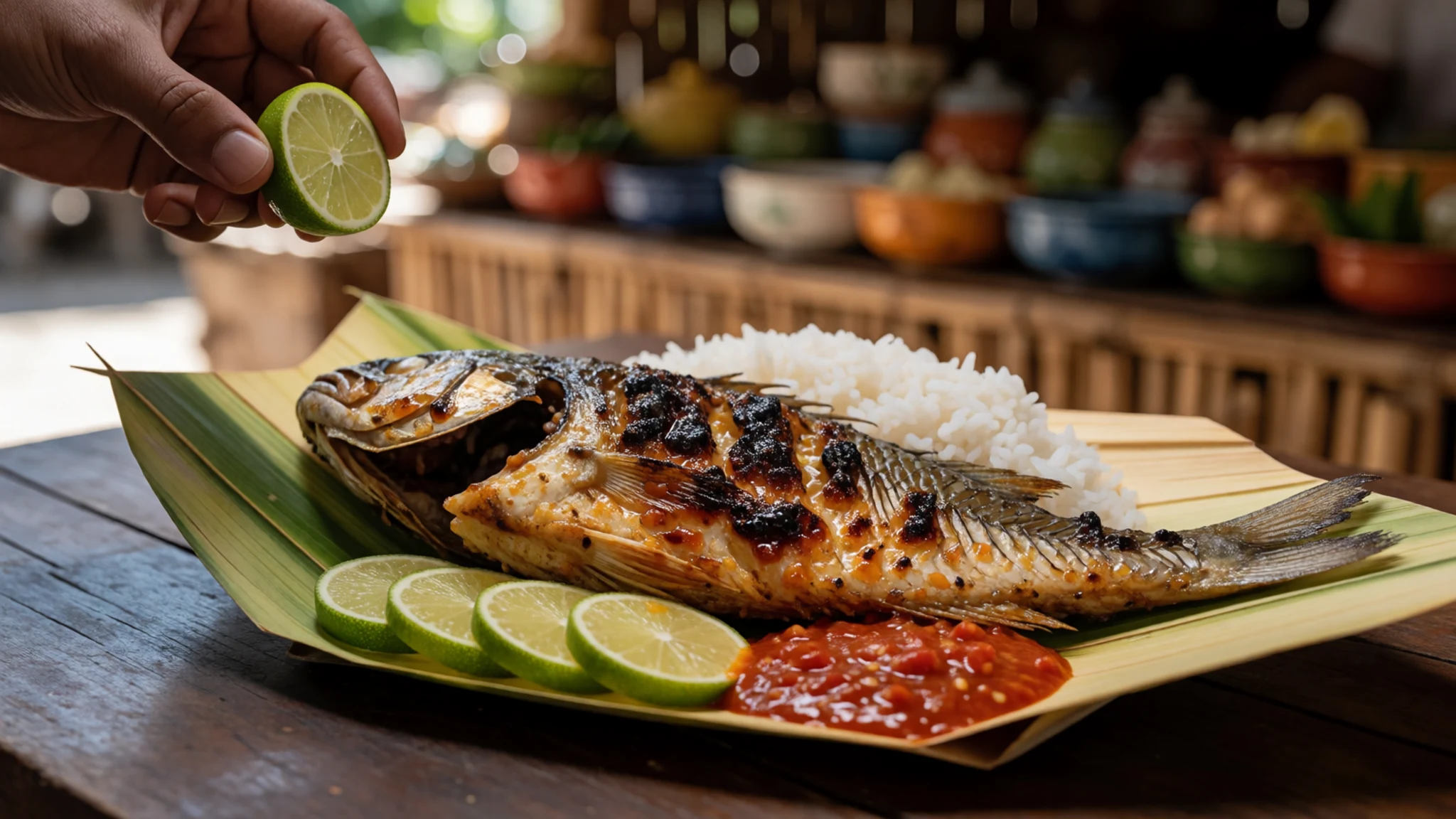
- Chicken curry — Family-run eateries in Dili and at festive meals
Chicken curry is a firm favourite across Timor-Leste, usually a spiced, fairly thin gravy eaten with rice. Versions vary by cook, so expect differences in heat and richness from one table to the next.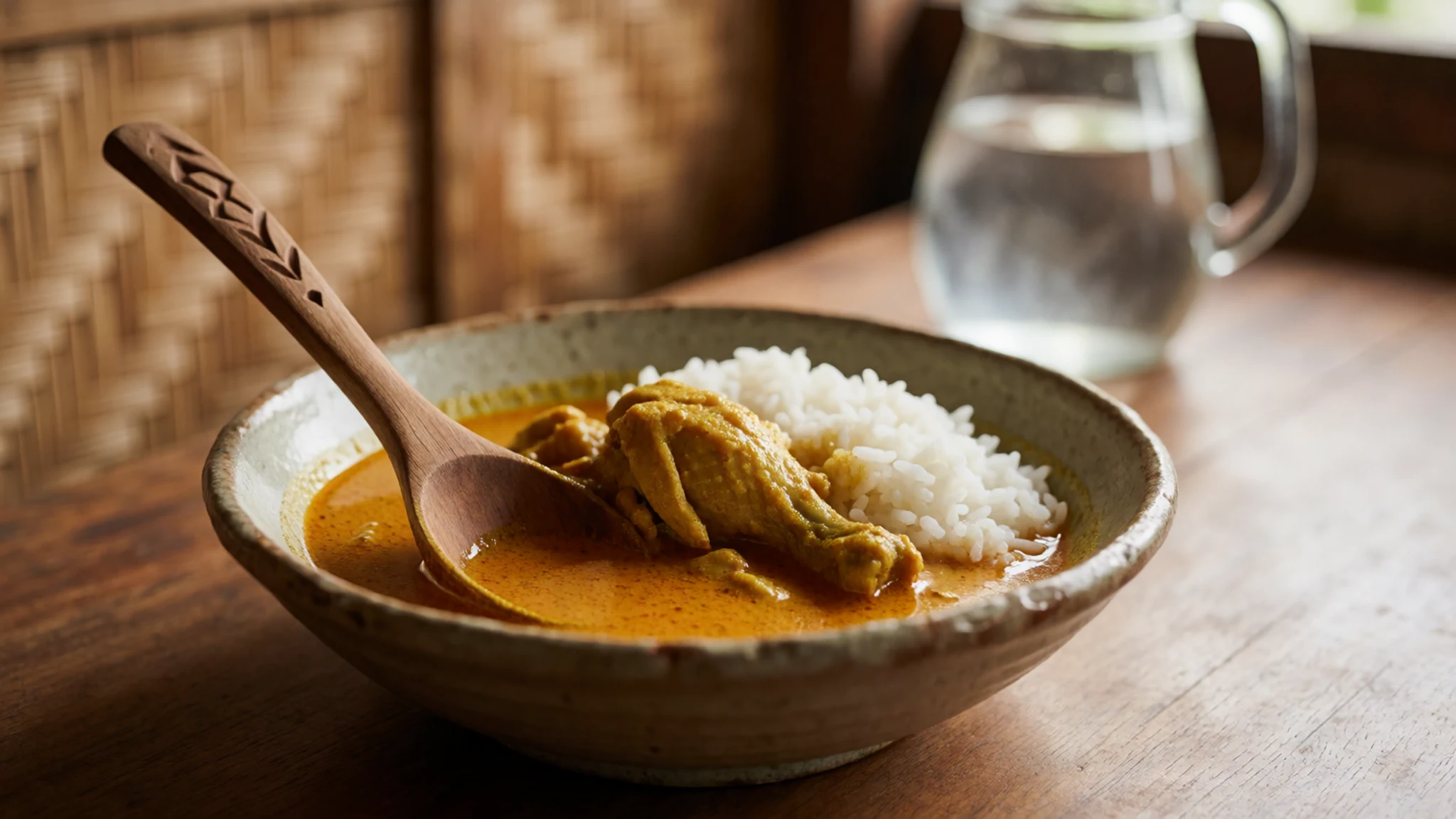
- Boiled roots and cassava — Morning markets and roadside stalls around Dili
Cassava, taro and sweet potato are everyday foods, boiled, steamed or fried and served beside fish or greens. They are the staples that sustain hill communities like Dare when rice runs short. - Timorese coffee — Roadside stalls and cafés in Dili and the hills
Highland coffee is a pride of the country, usually served strong in small cups, often sweet. A cup at a roadside stall on a cool morning is one of the easiest ways to meet people and rest between stops. - Tropical fruit — Fruit stalls and the main market in Dili
Mangoes, papayas, bananas, watermelon and coconut are grown across the country and sold by the roadside when in season. Fresh coconut water is welcome on a humid day, and ripe fruit makes a sensible snack for a hill trip.
Plan it
Best time. June to October, the drier months, when roads are firmer, views over Dili are clearer and walking is more comfortable. The wet season brings heavy showers, slippery slopes and cloud that hides the outlook.
How long. 1
Getting there. Fly to Dili's Presidente Nicolau Lobato International Airport, with common connections through Bali and Singapore. The last leg is by road from Dili up into the hills, best done with a hired driver or a local guide. Check the official immigration site for current visa rules before you travel.
Budget. mid
Tips
- Go in the morning, when the air is cooler and the views are usually clearest
- Hire a driver or guide in Dili, since signposting is thin and public transport to the hills is unreliable
- Carry water, small notes for purchases and a light rain jacket
- Keep phones and bags out of sight in Dili, where snatching by motorbike riders is a known problem
Etiquette
- Cover shoulders and knees at the church, seminary and memorial
- Ask before photographing people, ceremonies or the seminary grounds
- Avoid raising the occupation years unless a local host does so first
Nearby
Sources
- Wikidata Q1165786 (CC0)
- Wikipedia: Dare, Dili (CC BY-SA 4.0)
- Wikivoyage: Timor-Leste (CC BY-SA 4.0)
- Photo: Abandoned church at Dare in the rain (Canonreflex) (CC BY 3.0)
- Photo: Dare 1 (Prezidénsia Repúblika Timor-Leste) (Public domain)
- Photo: Dare 2 (Prezidénsia Repúblika Timor-Leste) (Public domain)
- Photo: Dare 3 (Prezidénsia Repúblika Timor-Leste) (Public domain)
- Photo: Dare 4 (Prezidénsia Repúblika Timor-Leste) (Public domain)
- Photo: Taur Matan Ruak in Dare (Prezidénsia Repúblika Timor-Leste) (Public domain)
- Photo: Inagura Jardín Saun Francisco 1 (Prezidénsia Repúblika Timor-Leste) (Public domain)
- Photo: Inagura Jardín Saun Francisco 2 (Prezidénsia Repúblika Timor-Leste) (Public domain)


