Bali
Bali, Indonesia
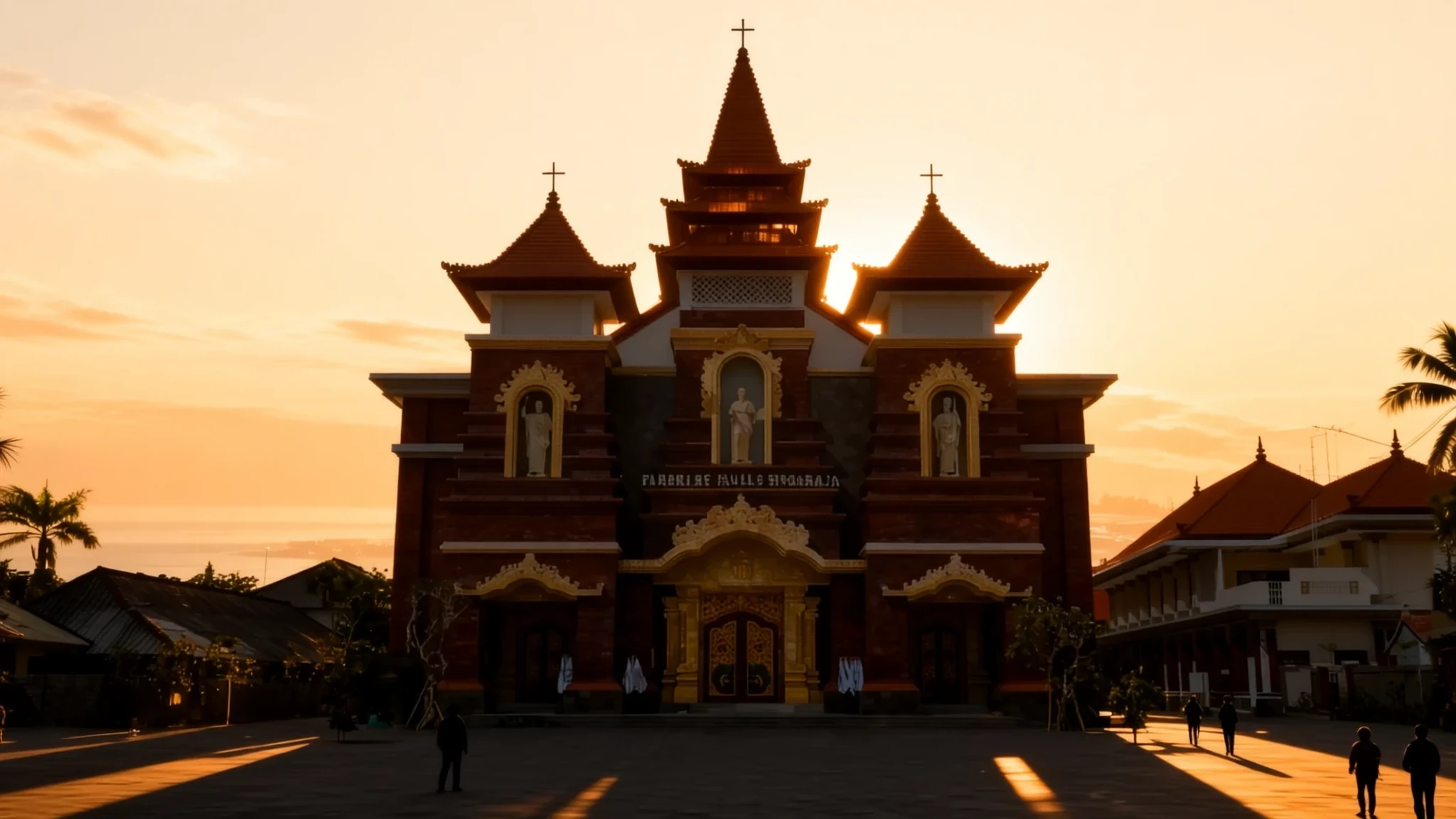
Bali offers a deeply spiritual landscape of volcanic highlands, terraced rice paddies, and a distinct Hindu culture that shapes daily island life.
The place
Bali sits as the westernmost island of the Lesser Sunda Chain, positioned neatly between Java to the west and Lombok to the east. Across the province, home to a population of about 4.4 million residents, the terrain rises dramatically from coastal beaches up to volcanic heights, reaching an elevation of over three thousand metres at Mount Agung. The capital, Denpasar, serves as the administrative heart in the south, while nearby Ubud up in the cooler uplands functions as the island's cultural core, surrounded by river gorges and green agricultural terraces.
Unlike the wider Muslim-majority nation of Indonesia, Bali maintains a unique identity rooted in Balinese Hinduism, which influences the architecture, daily offerings placed outside doorways, and frequent village ceremonies. The southern coastal strips receive the heaviest concentration of travellers, drawn to the beaches, surf breaks, and hospitality infrastructure that drives a large portion of the regional economy. Yet stepping away from the main resort zones reveals quiet rural districts where farming traditions and communal adat laws continue to govern village life much as they have for generations. The tropical climate brings distinct wet and dry seasons, shaping the rhythm of planting, harvesting, and outdoor celebrations across the entire province.
Its story
Bali was first inhabited around two millennia BC by Austronesian communities who journeyed through maritime Southeast Asia from Taiwan, leaving behind ancient stone tools in the western coastal areas near Cekik. Over subsequent centuries, the island absorbed waves of spiritual and political influence from the wider Indian Ocean trade and the neighbouring Javanese kingdoms. Ancient inscriptions record a society where multiple Hindu sects—such as the Pasupata, Bhairawa, and Siwa Shidanta—flourished alongside Buddhist practices, creating a syncretic spiritual environment.
Key dynastic unions during the late tenth century, particularly the marriage of Queen Mahendradatta to King Udayana Warmadewa, deepened the cultural ties between Bali and Java, introducing refined court literature, temple architecture, and sophisticated art forms. Through successive reigns and minor kingdoms, the island maintained a distinct political and linguistic path, preserving its own dialect while heavily incorporating Sanskrit and Pali roots into religious life. The Dutch arrived centuries later, culminating in the early twentieth-century conflicts known as puputan battles before modern administrative structures were established, leading eventually to the creation of the current provincial boundaries and the foundation date recorded in the mid-twentieth century.
What to see
- Pura Luhur Uluwatu — Southern Peninsula
Perched dramatically on a sheer limestone cliff edge at the southern tip of the island, this sea temple is one of the island's primary directional sanctuaries, offering wide ocean views and evening traditional performances against the sunset.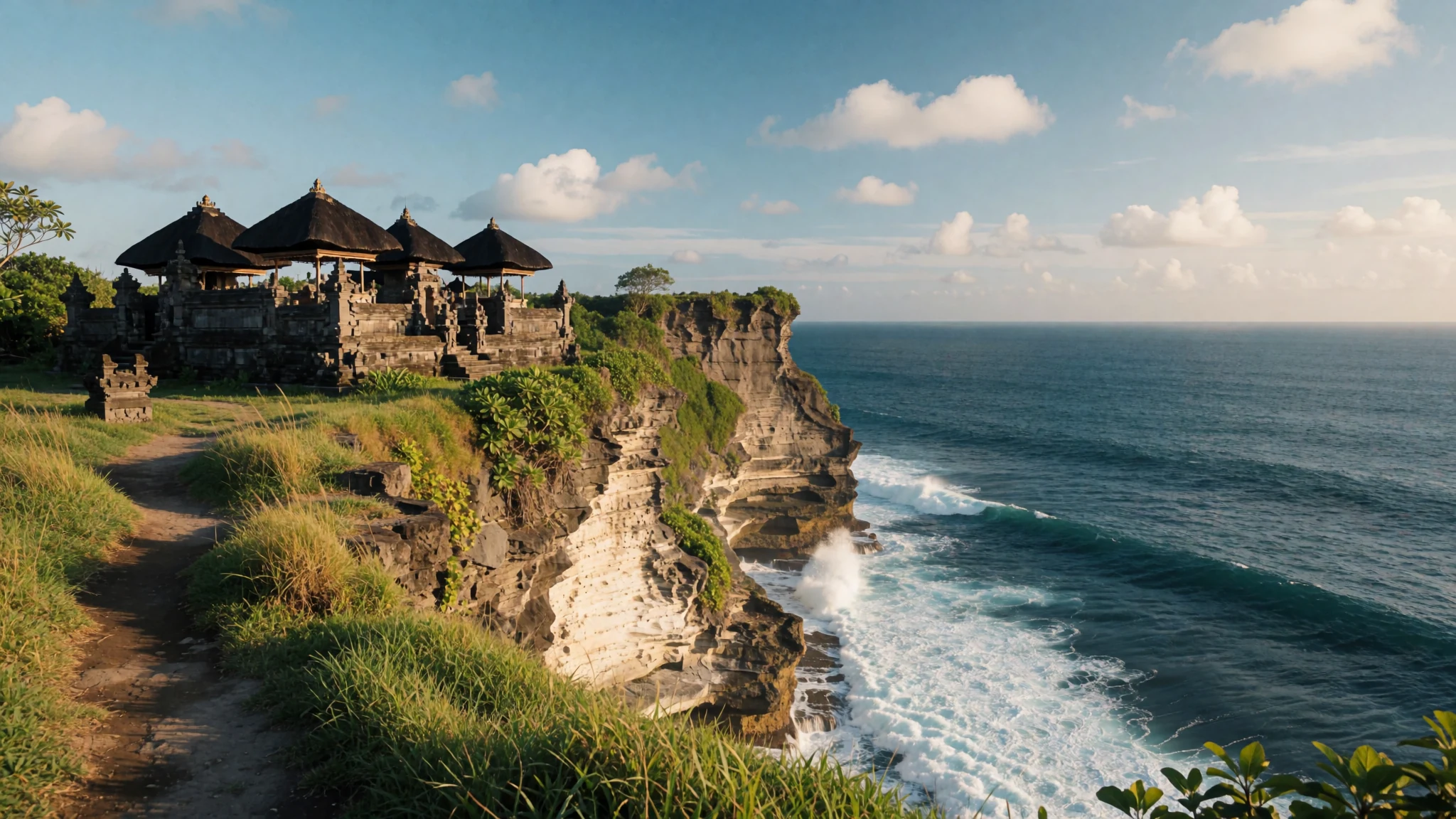
- Besakih Temple — Slopes of Mount Agung
Known locally as the mother temple, this vast complex sits high on the slopes of the island's tallest volcano, comprising dozens of dedicated shrines and terraced courtyards that serve as the spiritual centre for the entire provincial population.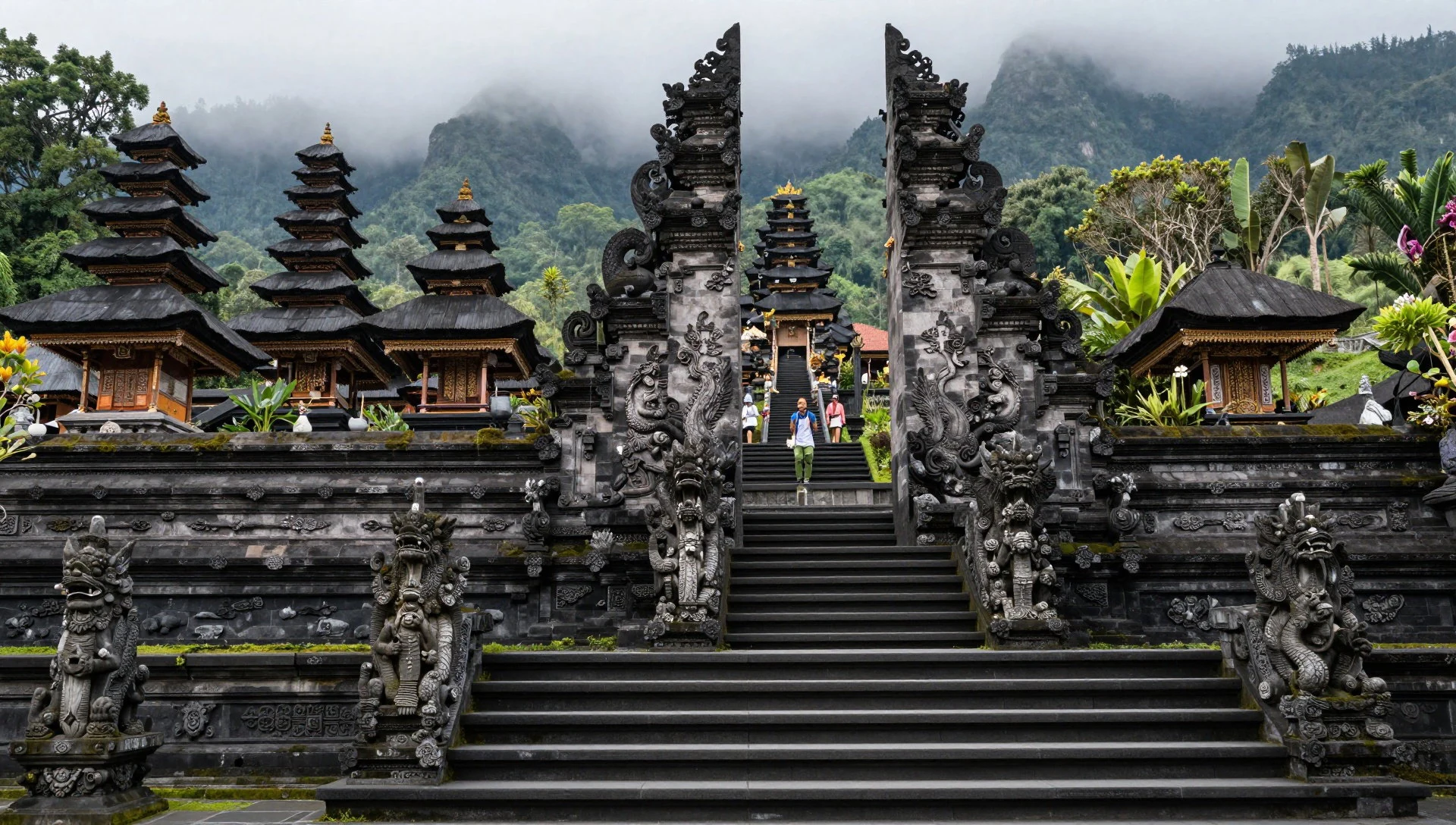
- Tanah Lot — Tabanan Coast
A striking pilgrimage shrine built upon an offshore rock formation that is shaped by crashing waves, drawing large gatherings at dusk to watch the silhouette of the temple against the changing evening sky.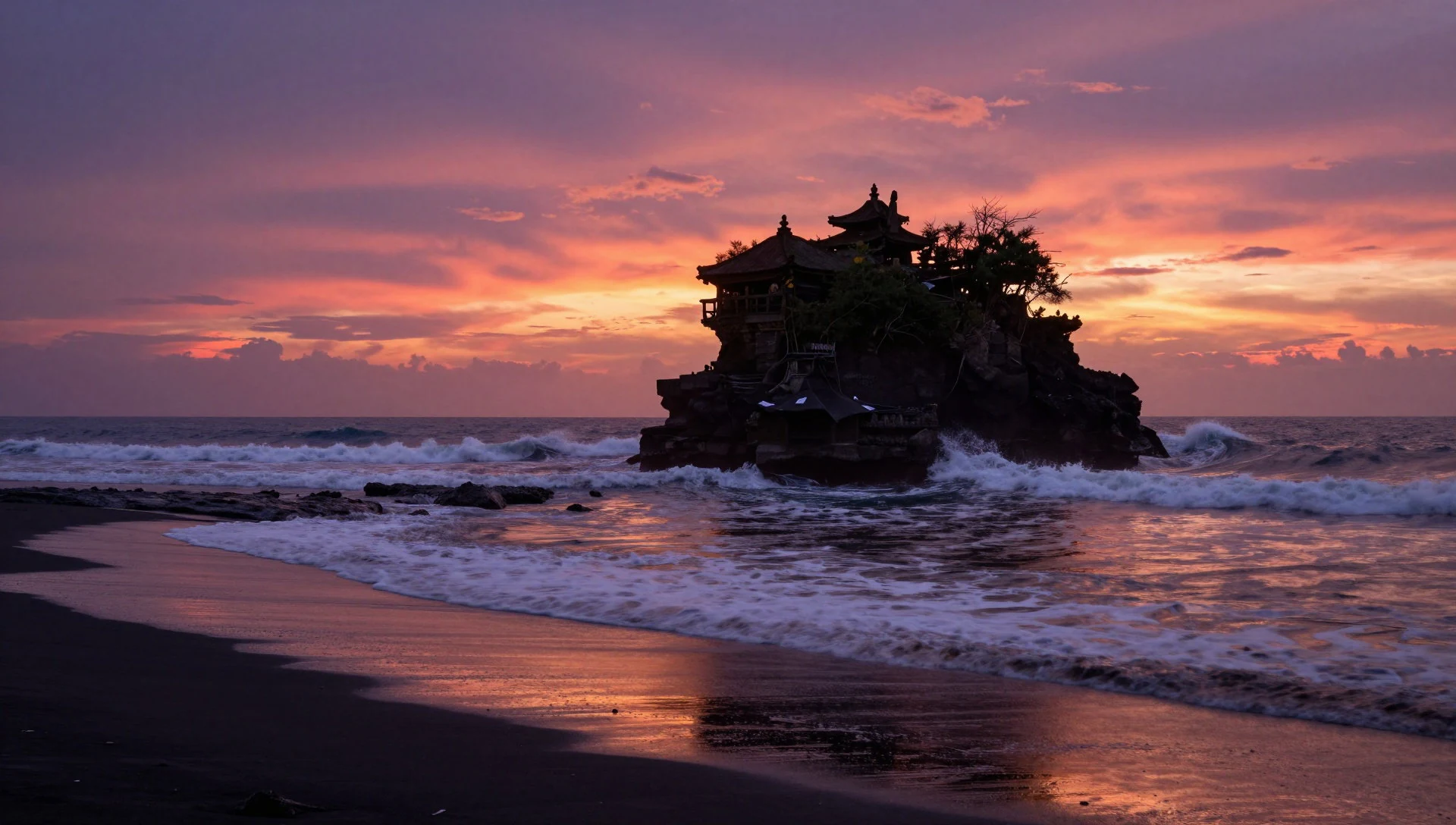
- Ubud Cultural Centre — Greater Denpasar Uplands
Set amid river valleys and terraced rice fields in the upland interior, this town acts as the heart of traditional arts, housing craft workshops, painting galleries, and daily classical dance performances.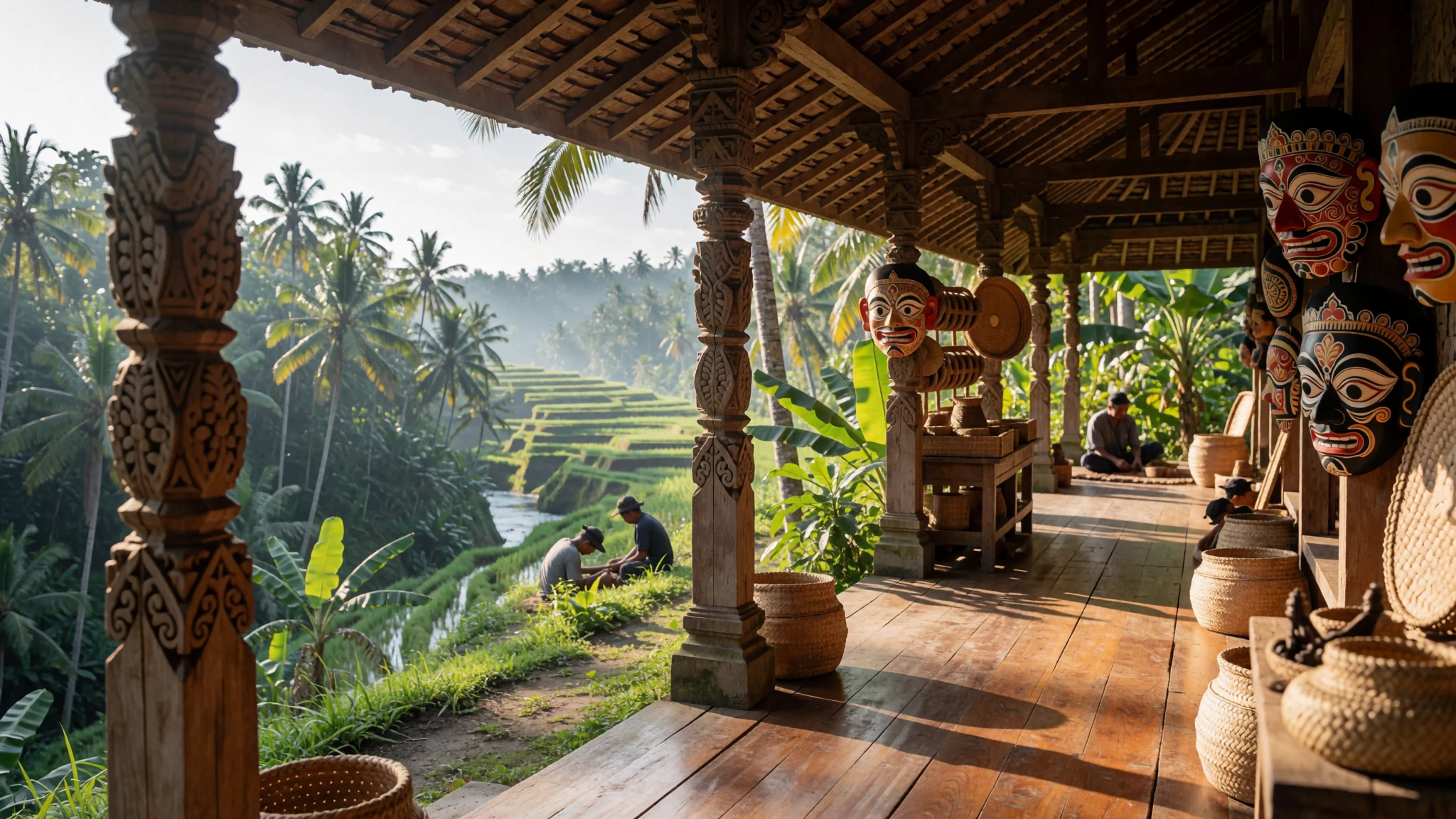
Culture
Bali sustains a remarkably vibrant artistic and religious culture, where daily life is closely intertwined with ritual offerings, temple festivals, and community obligations governed by customary adat law. Traditional music, particularly the intricate percussion of the gamelan orchestra, accompanies complex dance dramas such as the barong, legong, and kecak, which draw deeply from Hindu epics. Visual arts thrive across the island, from fine woodcarving and stone sculpture to traditional painting and intricate textile weaving. Government regulations and local community initiatives actively encourage the preservation of these heritage crafts and traditional attire during official functions and village gatherings. When visiting temples or attending local ceremonies, always wear a traditional sash and sarong to show appropriate respect for sacred spaces.
What to wear
Traditional fashion in Bali is anchored by hand-woven textiles, notably songket and endek, which feature intricate metallic threads or geometric patterns traditionally worn during ceremonies, weddings, and official administrative duties. Regional regulations encourage civil servants and locals to don these heritage fabrics to preserve artisanal weaving traditions. For everyday wear across the island, residents generally prefer light, breathable modern casual clothing suited to the tropical climate. Visitors should dress modestly when exploring towns or rural areas, ensuring shoulders and knees are covered, and must always wear a proper sarong and sash when entering any temple or sacred precinct.
What to eat
- Babi Guling — Local roadside eateries and traditional markets
A celebrated Balinese specialty consisting of whole spit-roasted pig stuffed with a rich spice paste of turmeric, chilli, garlic, and ginger, resulting in tender meat and crispy skin. - Nasi Campur — Family-run warungs across the island
A comforting plate of steamed white rice served with small portions of various vegetables, spiced meats, fried tempeh, and a fiery sambal condiment.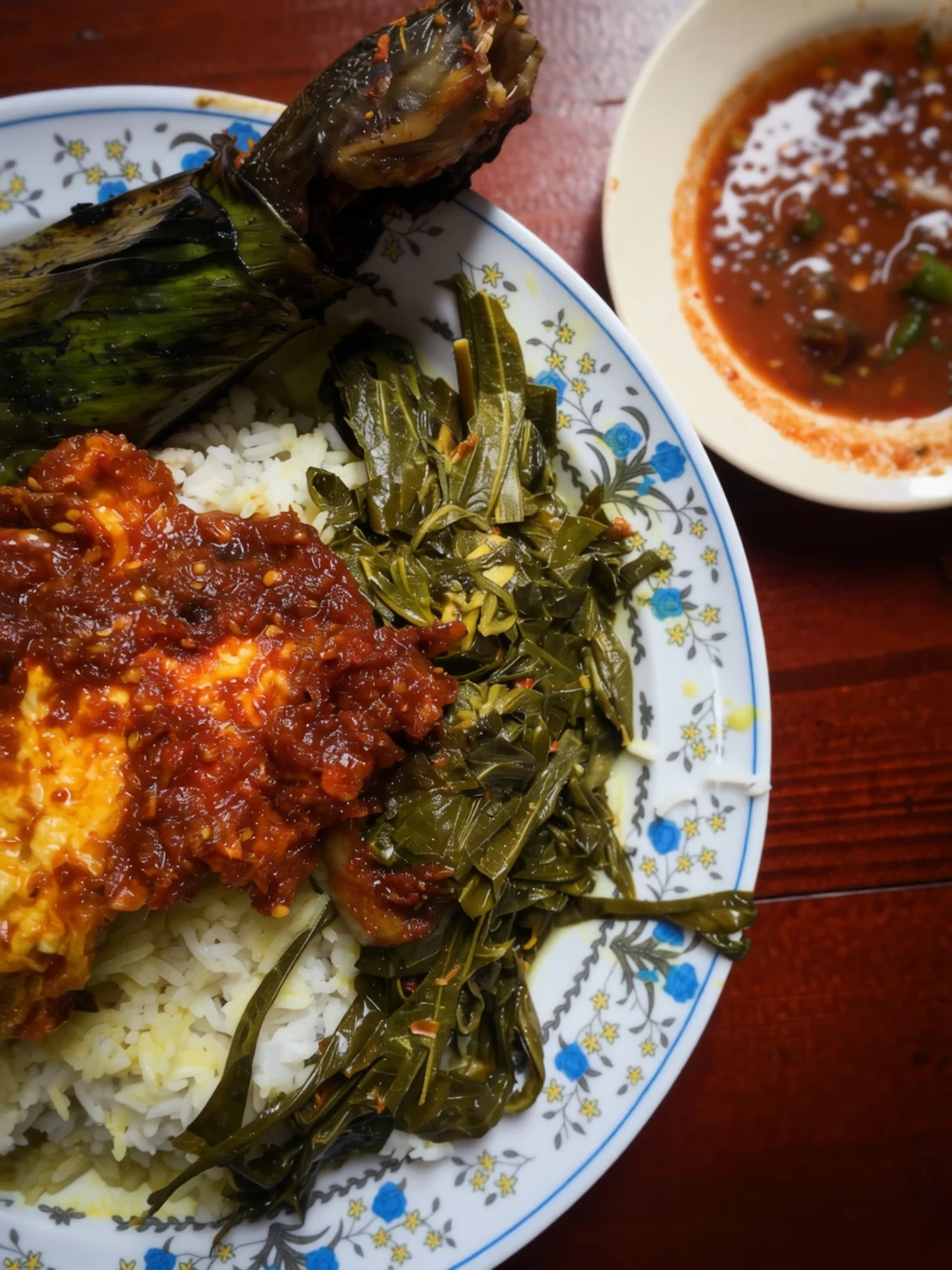
- Nasi Goreng — Neighbourhood eateries and casual cafes
Indonesia's ubiquitous fried rice dish, tossed with sweet soy sauce, garlic, shallots, and often topped with a fried egg and crisp prawn crackers. - Mie Goreng — Local street stalls and small restaurants
Stir-fried yellow noodles seasoned with aromatic spices, sweet soy, vegetables, and small pieces of meat or seafood, found on menus everywhere.
Plan it
Best time. May and September offer calmer, drier shoulder-season weather with fewer visitors than the peak months of June to August, while November to April brings heavier tropical rains.
How long. 4–6
Getting there. Fly into the international airport near Denpasar, then take an official prepaid airport taxi or arranged transport to your final destination.
Budget. mid
Tips
- Use local warungs for affordable and authentic regional meals
- Rent a scooter only if you are experienced with chaotic local traffic
- Carry cash in smaller denominations for village markets and temple donations
- Respect local customs by removing shoes before entering homes or private spaces
Etiquette
- Always cover your shoulders and knees when visiting sacred sites
- Never touch anyone on the head, as the head is considered spiritually pure
Nearby
Sources
- Wikidata Q3125978 (CC0)
- Wikipedia (CC BY-SA 4.0)
- Wikivoyage (CC BY-SA 4.0)