Ainaro
Ainaro, Timor-Leste
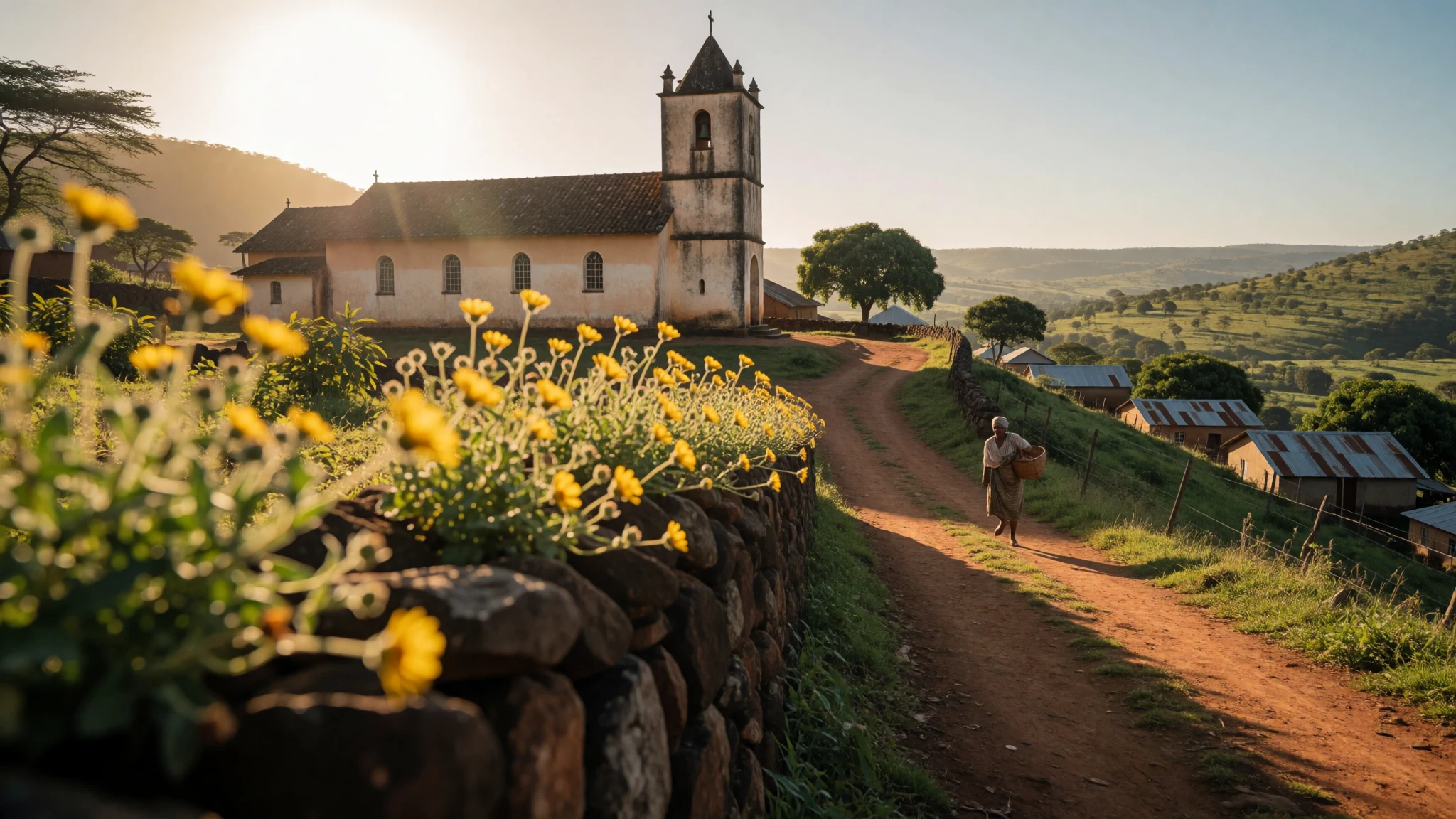
Ainaro is a quiet southern hill town where Timor-Leste's everyday life, wetter climate and recent history can be seen without a tourist layer.
The place
Ainaro is a small town in the south-west of Timor-Leste, home to about 3,000 people. It is the seat of its suco, its administrative post and the wider Ainaro Municipality. The town lies 78 km south of Dili, the national capital, so it is reached by a deliberate journey rather than as a stop on a tourist circuit. A sightseeing checklist is not on offer. What Ainaro has is an ordinary working centre of local government, schools, a parish church and daily trade, set in a part of the country with a distinctly wetter climate than the capital. It sits on the border between two tropical climate types, savanna and monsoon, and receives roughly two-and-a-half times Dili's annual rainfall because it faces the south-eastern trade winds. In practice that means greener hillsides, muddier tracks in the wet months and cloud that can arrive without much warning. People who come are usually travelling through the interior, curious about the country beyond Dili, or visiting friends and family. Services are modest, so the sensible approach is to arrive with cash, patience and a flexible schedule. It is a town for slow walking, for watching market and school routines, and for conversations in a country where Tetum and Portuguese sit alongside many local languages. The pleasure lies in being somewhere that is not arranged for outsiders.
Its story
Ainaro's story is bound up with that of Timor-Leste as a whole. The eastern half of the island was long a Portuguese colony, and when Portugal's dictatorship fell in the Carnation Revolution, the colonial empire began to come apart. Timor-Leste declared independence in November 1975, but Indonesian forces arrived within days and took control. The territory was then absorbed as an Indonesian province, and Indonesian officials, rather than Timorese people, filled many of the senior posts. The occupation brought a campaign of repression whose death toll is still debated, but which was enormous: figures quoted run to a fifth of the population or more. Families in Ainaro, as everywhere in the country, carry that memory. In August 1999 the United Nations ran a referendum in which people voted for independence. Gangs opposed to the result, backed by the Indonesian military, then terrorised the population, and much of the country's infrastructure was wrecked. Rebuilding has been the work of the years since. Today relations with Indonesia are positive, and Indonesia helped argue for Timor-Leste's entry into ASEAN. The sources behind this reading say little about Ainaro's own local history, so the best way to learn it is to ask. Older residents, teachers and church people are usually the ones who know which buildings, names and hillsides mattered.
What to see
- Casa de D. Aleixo Côrte-Real — Ainaro town
A house from the Portuguese period, named after Aleixo Côrte-Real, a local ruler remembered in the district. Buildings like this show how colonial and Timorese authority overlapped in towns such as Ainaro. Look at it from the street, ask neighbours about its story, and treat it as someone's property unless invited in.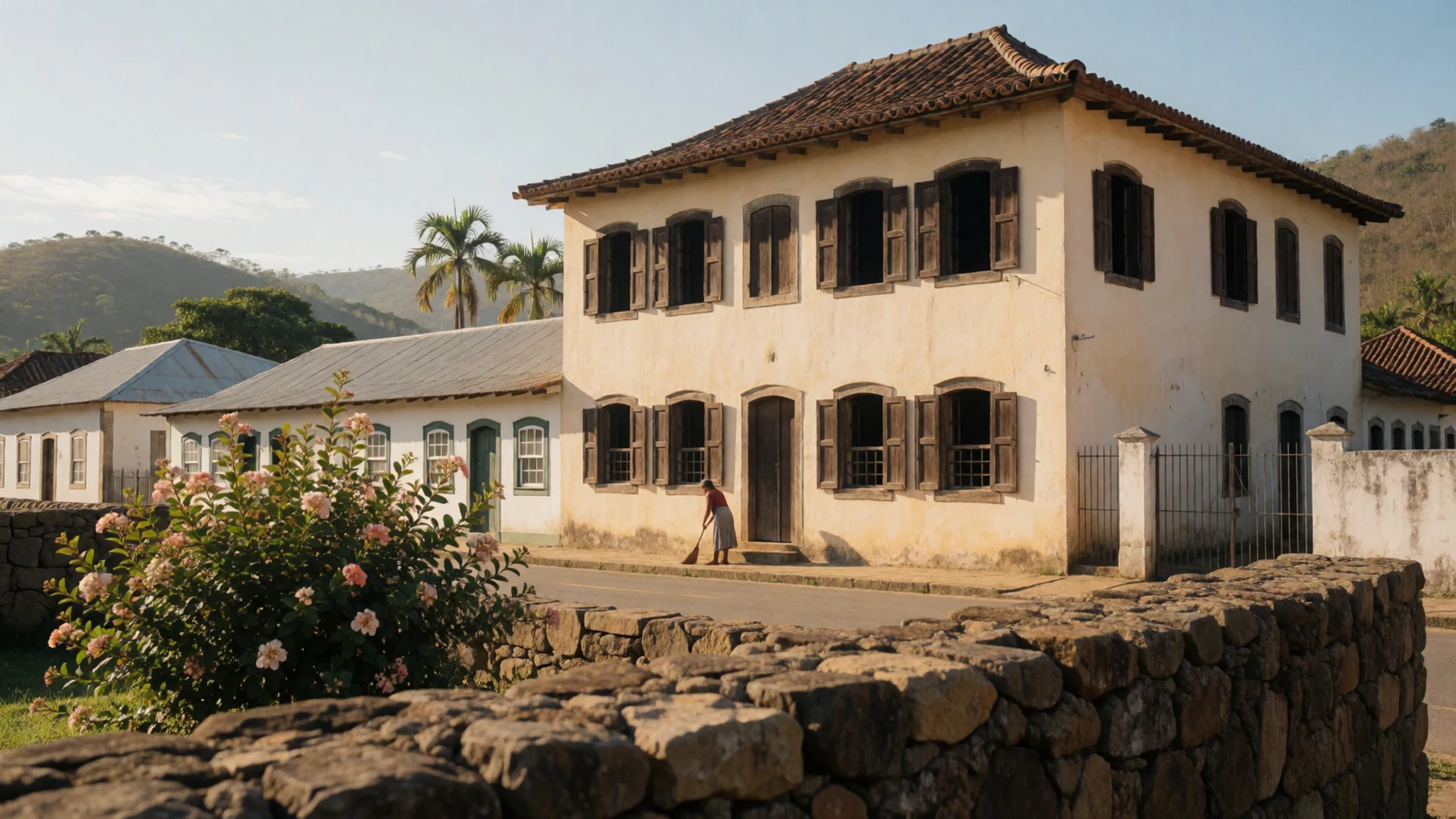
- Parish church and the John Paul II statue — Ainaro parish
The Catholic parish is a centre of community life in Ainaro, and a statue of Pope John Paul II was brought to it in a public ceremony that local officials photographed. Visit outside service times, keep voices low, and ask before photographing worshippers or any ceremony in progress.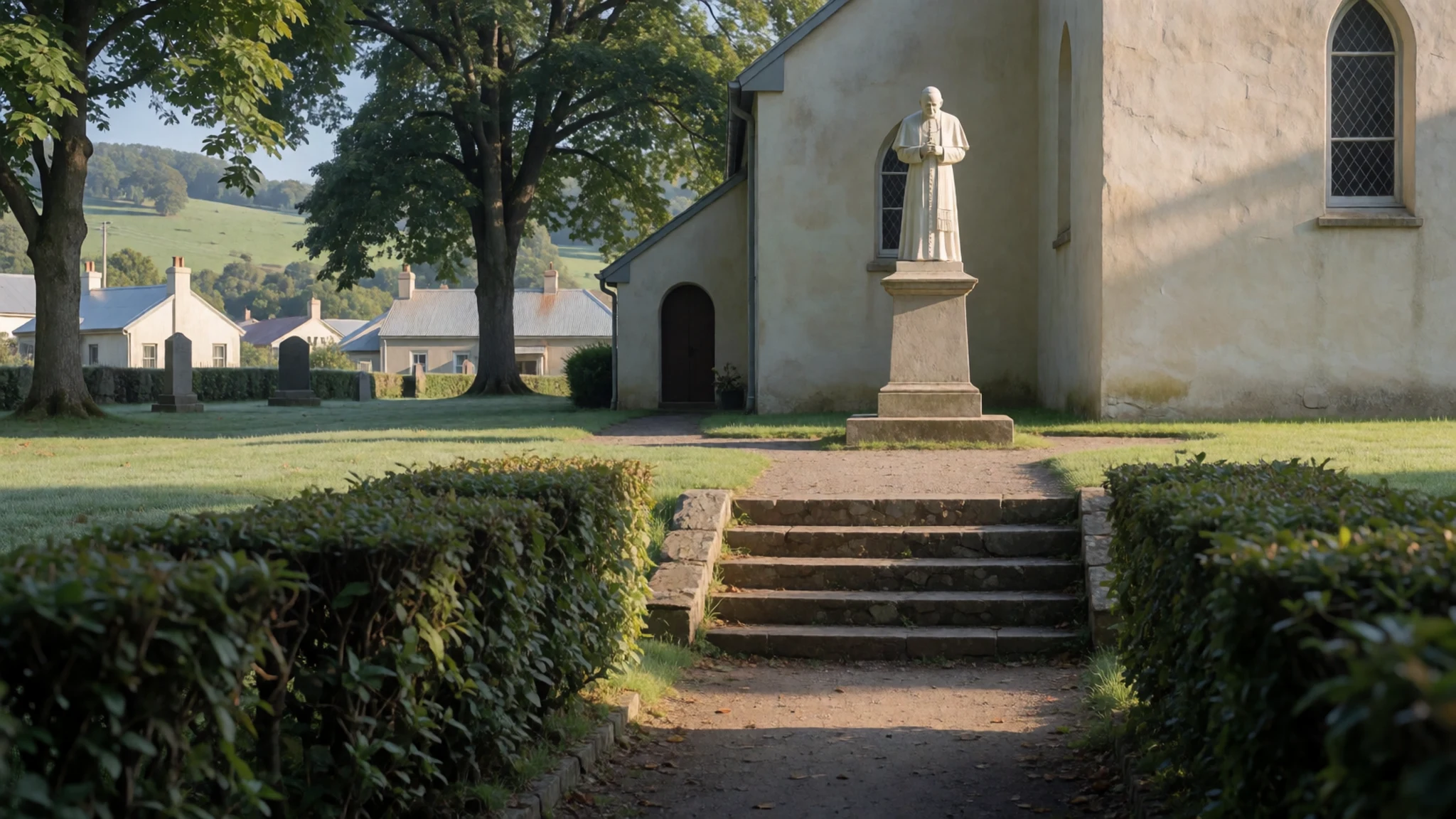
- Escola Secundária Geral Fernando Lassama de Araújo — Ainaro town
The town's general secondary school, named after Fernando Lassama de Araújo, is a fair measure of daily life here. Around the start and end of the school day the road fills with uniformed students. Admire it from outside, and ask the staff before taking any photographs near pupils.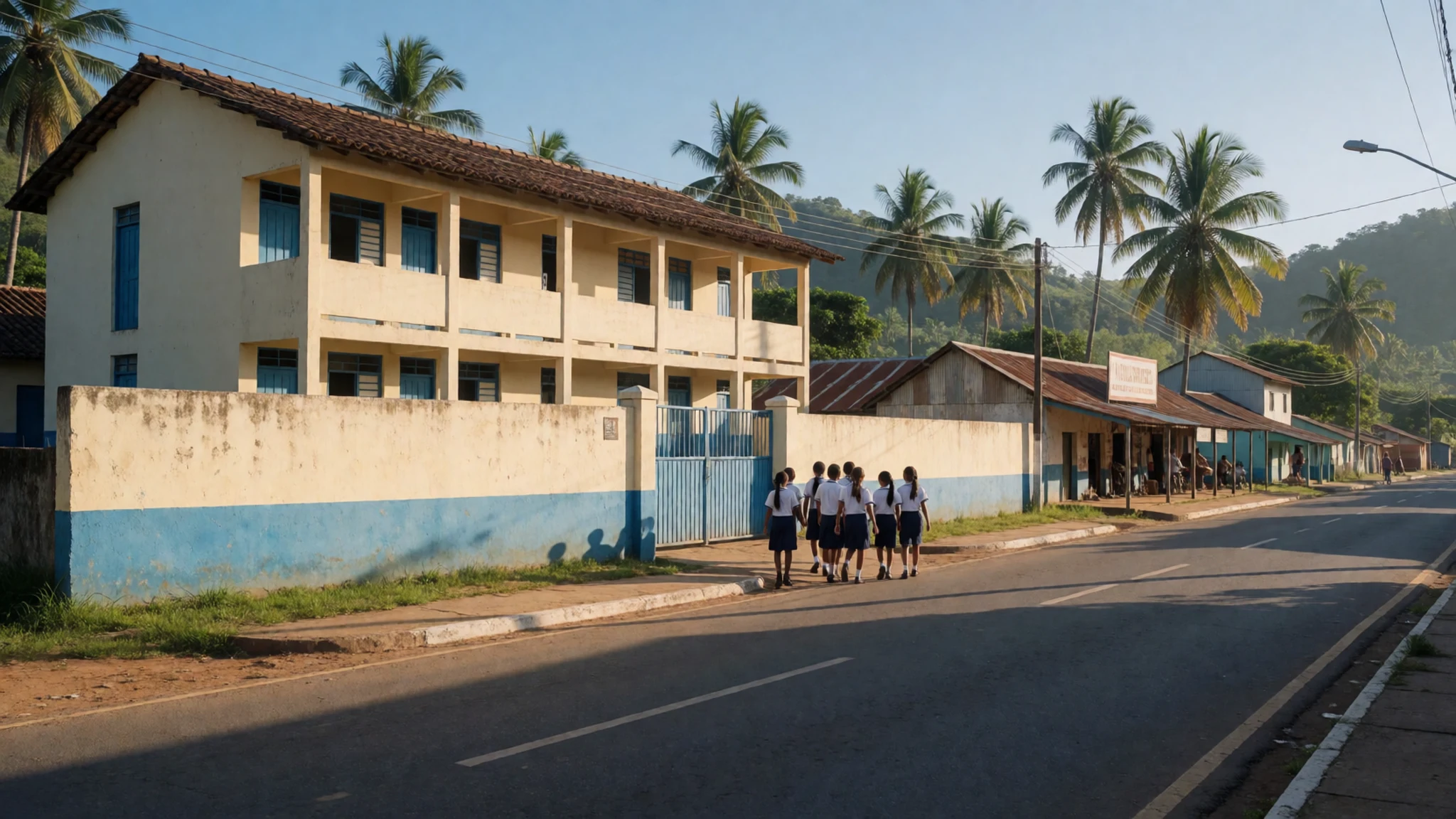
- Market and main street — Town centre
Wherever vendors set up, the market and main street show what the district grows and eats: root crops, vegetables, fruit, and sometimes fish brought up from the coast. Go in the morning, buy small things, and use the visit as a way to start conversations rather than just a photo stop.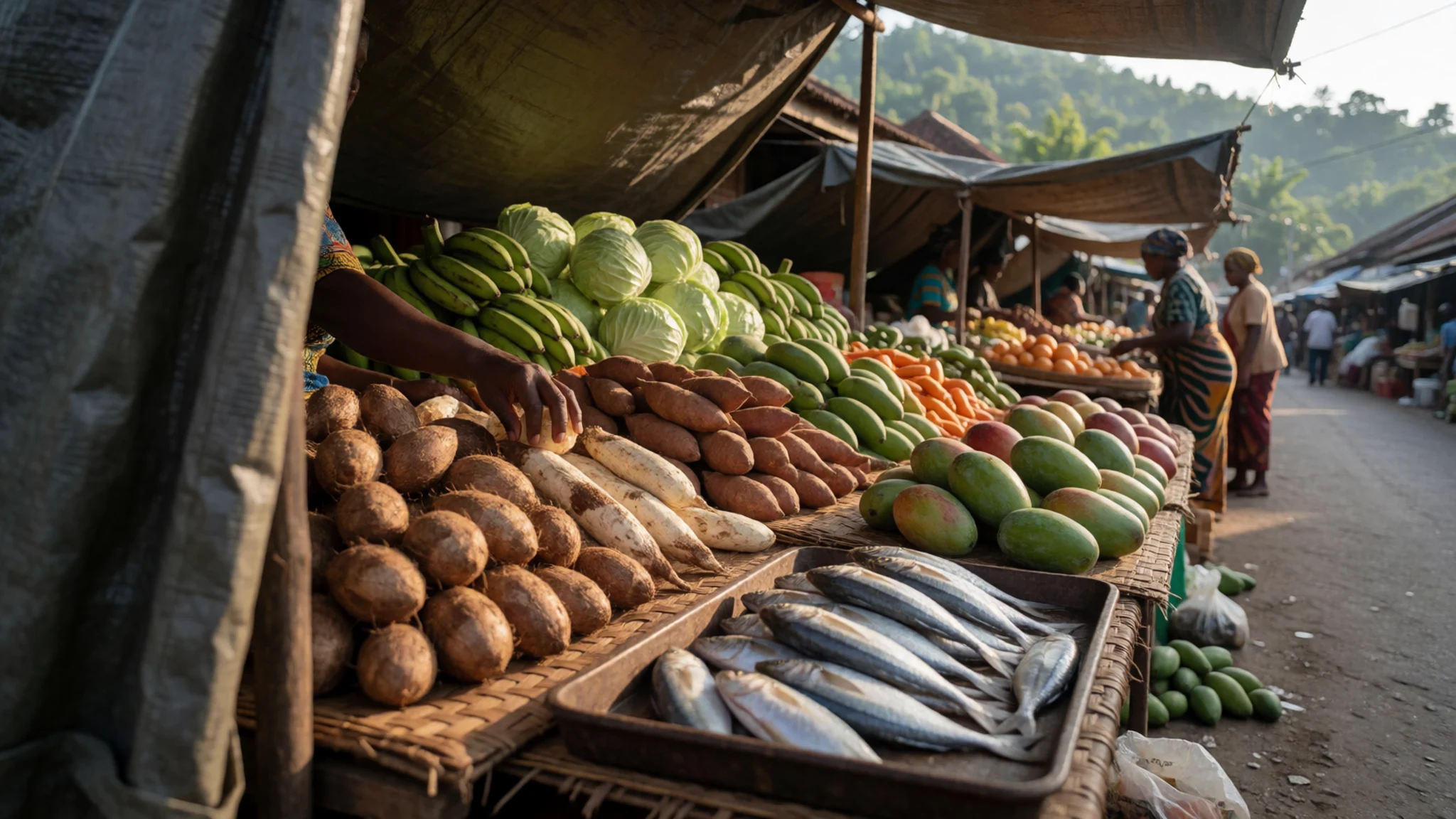
- Walks on the town's edge — Hills around Ainaro
Ainaro's heavier rainfall keeps the surrounding slopes green, and short walks along local tracks reveal gardens, small farms and views over the hills. Go with someone local who knows the paths. In the wetter months tracks turn slippery, and cloud can close in quickly.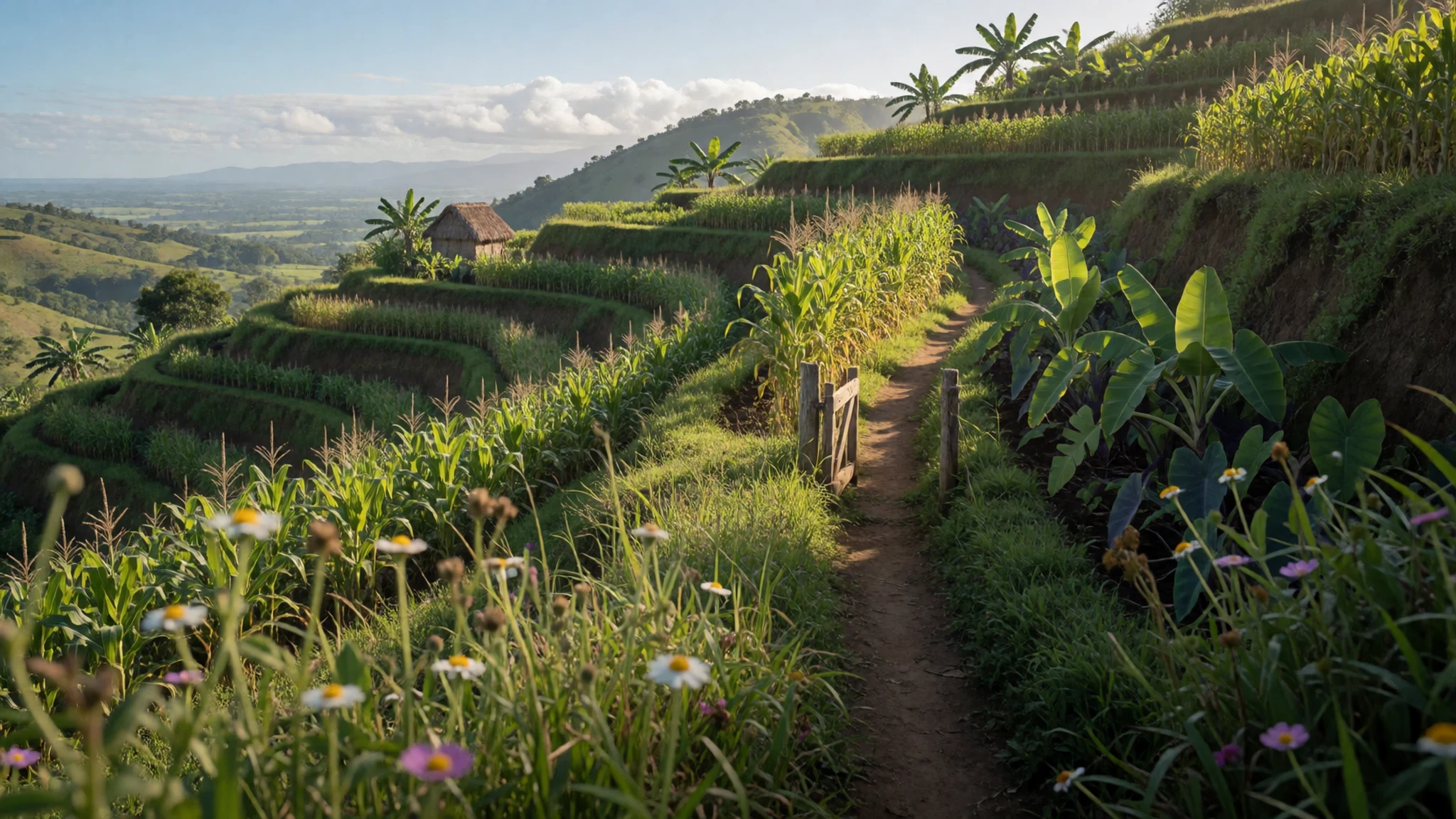
Culture
Ainaro is a Catholic-leaning, community-minded town where family, church and local ceremony shape the week. Timor-Leste has a strong tradition of hospitality, and a visitor who greets people properly, accepts a coffee when offered and takes time over small talk will be received warmly. Languages layer here: Tetum is the common tongue, Portuguese appears in official life and in older generations' memories, and local languages are spoken at home. Many people feel a quiet nostalgia for Portuguese-era life, when rural communities were largely left to run their own affairs, yet the memory of the Indonesian occupation is far heavier. It killed an enormous share of the population, and almost every family was touched. Praise for the occupation, or for the idea of Timor-Leste belonging to Indonesia, will land badly, even though the two countries now get on well. Politics in general is best left for a listener to raise first. Church events, funerals and weddings are public in feel but personal in meaning. Photographs of people, uniformed officers and official buildings should always be asked about first. Ainaro is not used to being a sight, and ordinary courtesy goes a long way. Greet people before asking a question or taking a photograph, and ask permission each time rather than assuming a smile means yes.
What to wear
Ainaro's traditional dress is bound up with tais, the hand-woven cloth found across Timor-Leste. It is woven on a backstrap loom from cotton, historically hand-spun and dyed with plant colours, though bought thread is common now. Patterns and colour schemes differ between districts and families, so a piece can say something about where its owner comes from. Tais is worn wrapped as a sarong or draped as a scarf or sash at weddings, funerals, church feasts and formal events, and it is also given as a gift and exchanged between families. Day to day, people in Ainaro wear what suits a farming and market town in a wet climate: T-shirts, shirts, long skirts or trousers, flip-flops or sturdy sandals, and rubber boots in the mud. School pupils wear uniforms, and officials dress more formally. Shorts and bare shoulders are less common in town than in beach areas elsewhere. For a visitor, light, quick-drying clothes that cover the knees and shoulders are the most comfortable and the most respectful, especially near the church. Pack a light rain jacket, shoes with a good grip for slippery tracks, and a hat for sunny spells. If someone offers a tais scarf at an event, accept it with both hands and wear it with thanks.
What to eat
- Rice with fried fish — Family eateries and market-side stalls
Rice is the staple in Timor-Leste, and fried fish is among the most popular things to eat with it. Fish is treated as a standard part of a meal. Look for it at small family eateries and market-side stalls.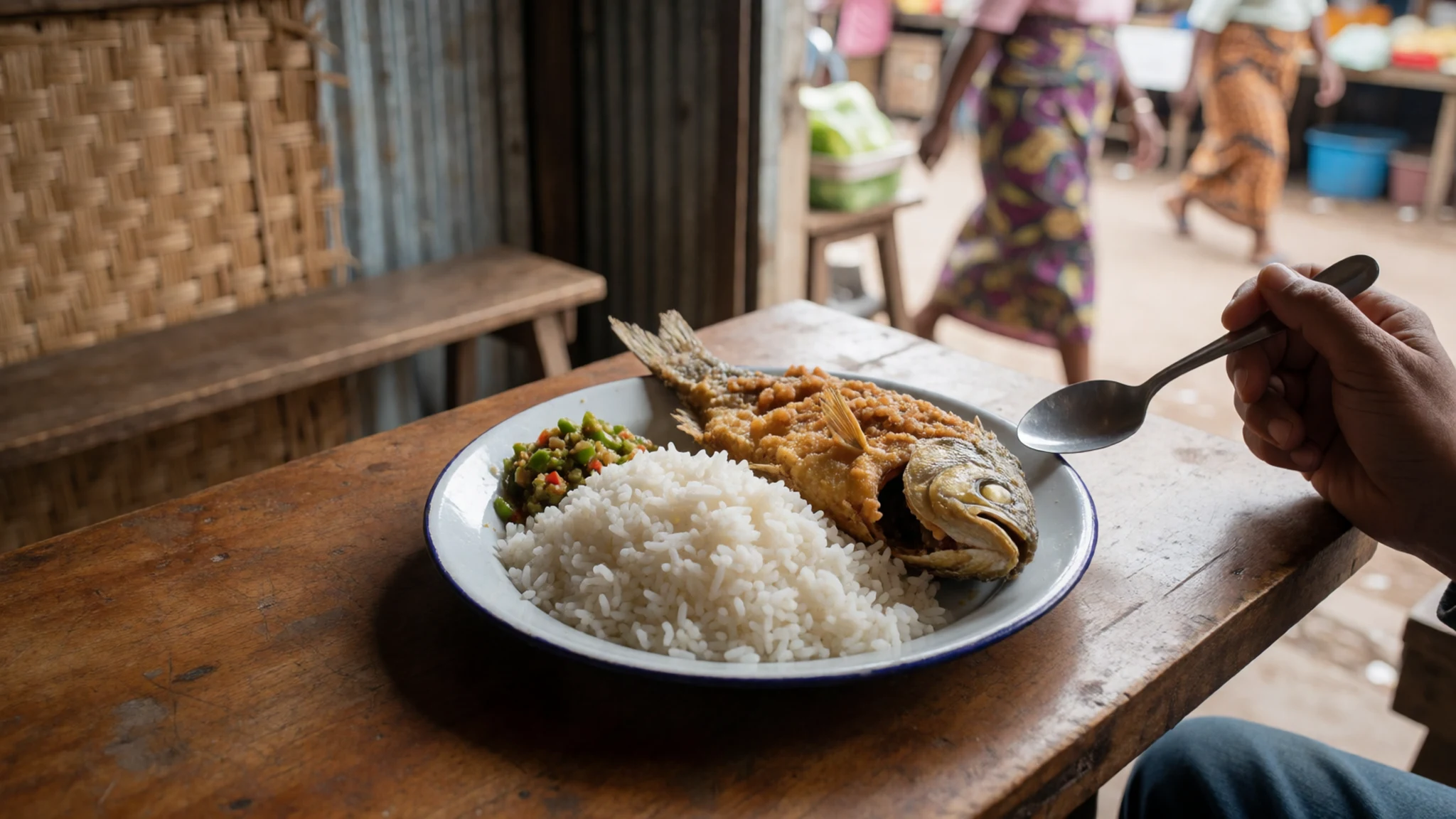
- Chicken curry — Simple eateries along the main road
Curry is a regular dish across the country, and chicken curry is a favourite, usually rich with spices and served with rice. It is a dependable choice if unsure what to order. Ask at simple eateries on the main road.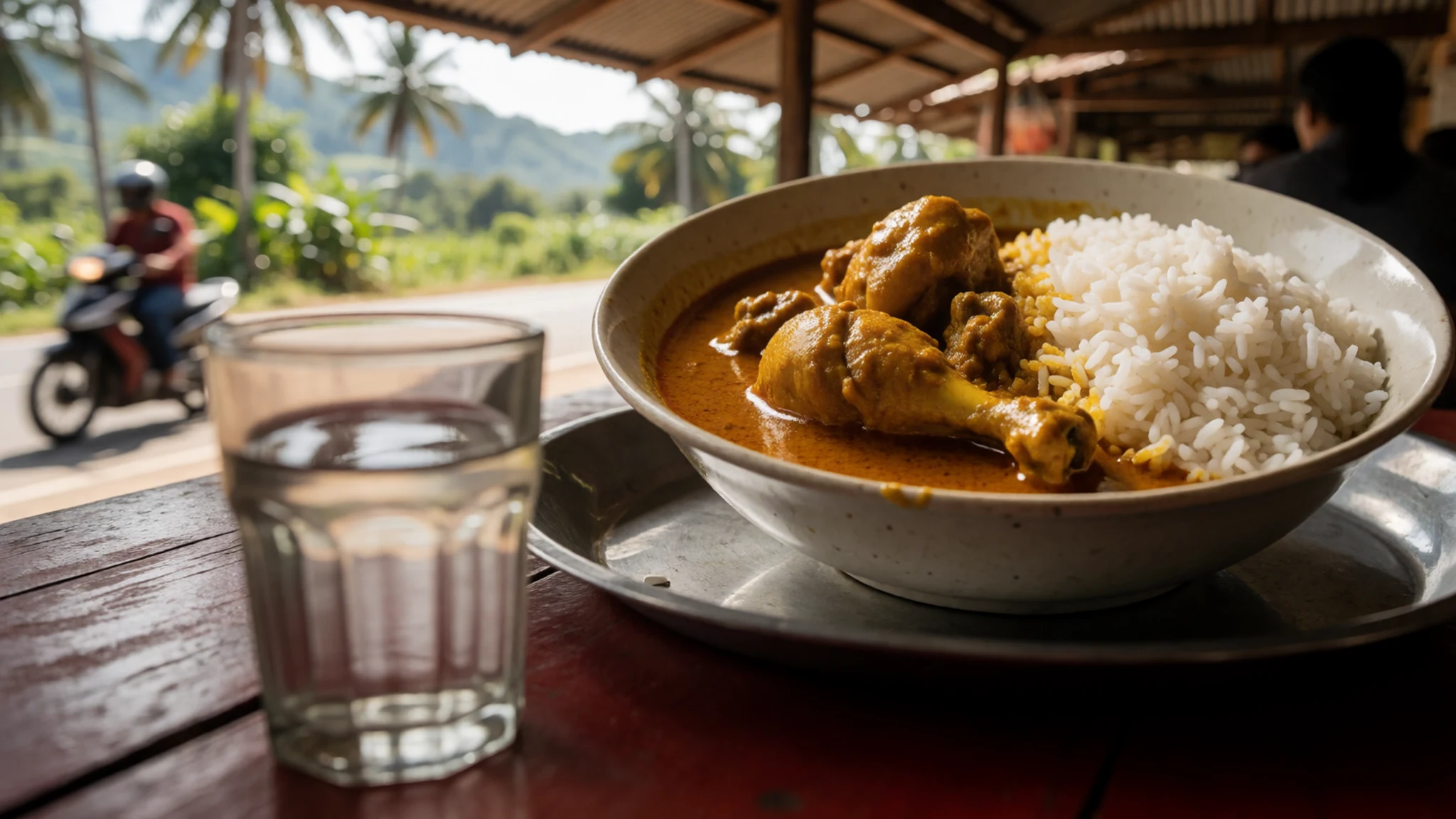
- Root crops: cassava, taro and sweet potato — The town market and roadside sellers
Boiled or roasted cassava, taro and sweet potato are everyday foods in Timor-Leste, sometimes eaten alongside or instead of rice. They are filling and plain, and they are often sold as they come out of the gardens. - Prawns — Eateries, when supplies come in
Prawns are considered a delicacy in Timor-Leste, so they are more of a treat than a daily dish. Availability in Ainaro depends on what has arrived from the coast, so ask what is fresh and treat it as a bonus. - Local coffee — Homes, small cafés and market stalls
Timor-Leste grows its coffee organically, and the cup is strong. In Ainaro it is usually offered in homes and small cafés as a gesture of welcome. Take it as it comes, and accept a second cup if offered. - Seasonal fruit — The market and roadside fruit stalls
Mangoes, papayas, bananas, watermelons and coconuts are commonly grown here. They are cheap and good for a snack on a walk when in season. Buy what looks ripe from a seller and eat it fresh.
Plan it
Best time. June to September is the sensible window, as the drier part of the year. Ainaro still gets about two-and-a-half times Dili's rainfall because it faces the south-eastern trade winds, so carry a rain layer whenever you go. In the wettest months expect mud and slow mountain roads.
How long. 1–2
Getting there. Fly or arrive by sea to Dili, then travel about 78 km south by road to Ainaro. Allow generous time for mountain driving, and arrange a driver or shared transport in Dili beforehand.
Budget. low
Tips
- Carry enough cash from Dili, as cards and cash machines cannot be relied on in Ainaro
- Start drives early in the day so you arrive with daylight and before afternoon cloud and rain
- Bring a refillable bottle and a way to treat or filter water, and check what is safe to drink locally
- Have a flexible schedule, since road conditions and weather can change plans quickly
- Check entry rules and visa options with the official Timor-Leste government sources before travelling
Etiquette
- Greet people and ask permission before photographing them, officers or ceremonies
- Dress modestly, with shoulders and knees covered, particularly near the church
- Leave political topics about the occupation to local people to raise first
Nearby
Sources
- Wikidata Q108908310 (CC0)
- Wikipedia: Ainaro (CC BY-SA 4.0)
- Wikivoyage: Timor-Leste (CC BY-SA 4.0)
- Photo: Taur Matan Ruak at Quartel PNTL Ainaro (Prezidénsia Repúblika Timor-Leste) (Public domain)
- Photo: Arrival of the John Paul II statue in Ainaro (Ministério da Educação, Juventude e Desporto) (Public domain)
- Photo: Casa de D. Aleixo Côrte-Real (Public domain)
- Photo: Escola Secundária Geral Fernando Lassama de Araújo, Ainaro (José Fernando Real) (CC BY-SA 4.0)
- Photo: MH-60S Sea Hawk helicopters, Ainaro (U.S. Navy) (Public domain)


