Singapore
Singapore, Singapore
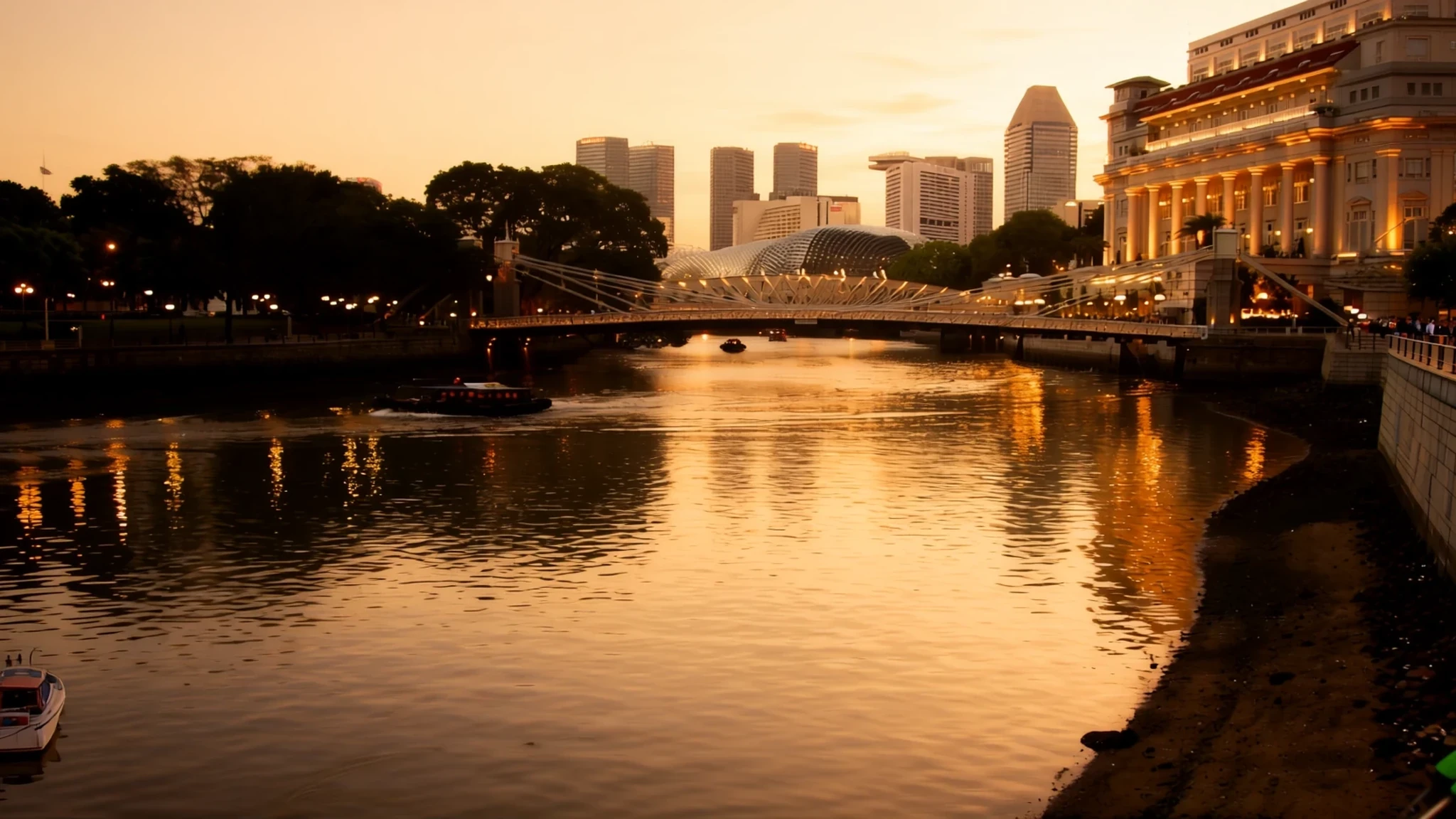
Singapore pairs cutting-edge urban design and rich maritime heritage with an extraordinary culinary melting pot.
The place
Singapore is a sovereign island country and city-state situated in maritime Southeast Asia, lying roughly one degree north of the equator. Its compact territory encompasses a main island alongside over sixty satellite islets. Singapore sits just off the southern edge of the Malay Peninsula, bordered by Malaysian waters and the Straits of Johor to the north, the Strait of Malacca on its western side, and the Singapore Strait alongside the Indonesian Riau Islands to the south, while open ocean lies to the east. Founded as a modern state in the twentieth century, the nation has grown into a major global hub while maintaining close ecological and historical links with its neighbouring waters and landmasses.
The tropical climate brings warm temperatures and high humidity year-round, accompanied by frequent equatorial showers that keep the urban greenery lush. The city-state is celebrated for its integration of nature into the built environment, featuring extensive park connectors, vertical gardens, and preserved patches of primary rainforest amidst towering commercial districts. Movement across the island is seamless thanks to an efficient transit network that connects residential estates, historic cultural quarters, and modern waterfront developments without friction.
Its story
Long before contemporary towers reshaped the skyline, early maritime chronicles recorded the island under the Malay name Temasek, functioning as a thriving trading port connected to regional thalassocratic networks. In the thirteenth century, according to the Malay Annals, a settlement named Singapura was established on the territory, though it later fell under the overlapping spheres of larger empires based in Java and Siam. Following episodes of regional conflict and a devastating raid by Portuguese forces in the seventeenth century, the settlement largely faded from prominence and spent generations as a quiet part of the wider Johor Sultanate.
A dramatic transformation arrived in the nineteenth century when colonial administrators established an entrepôt trading post, drawing merchants from across Asia and Europe. The territory expanded rapidly as a strategic port within the British Empire, navigating decades of colonial governance and wartime occupation before achieving self-governance. In the latter half of the twentieth century, the island experienced a brief federation period before emerging fully as an independent republic. This turbulent yet remarkably productive trajectory forged a distinct national identity rooted in adaptability, multicultural harmony, and forward-looking economic vision.
What to see
- National University of Singapore — Kent Ridge
As Singapore's oldest university, this historic institution maintains a sprawling campus recognised globally for leadership in law, medicine, computing, and scientific research. Visitors can explore landscaped grounds that blend modernist academic architecture with mature tropical flora, reflecting the nation's commitment to combining rigorous scholarly pursuits with green urban planning principles.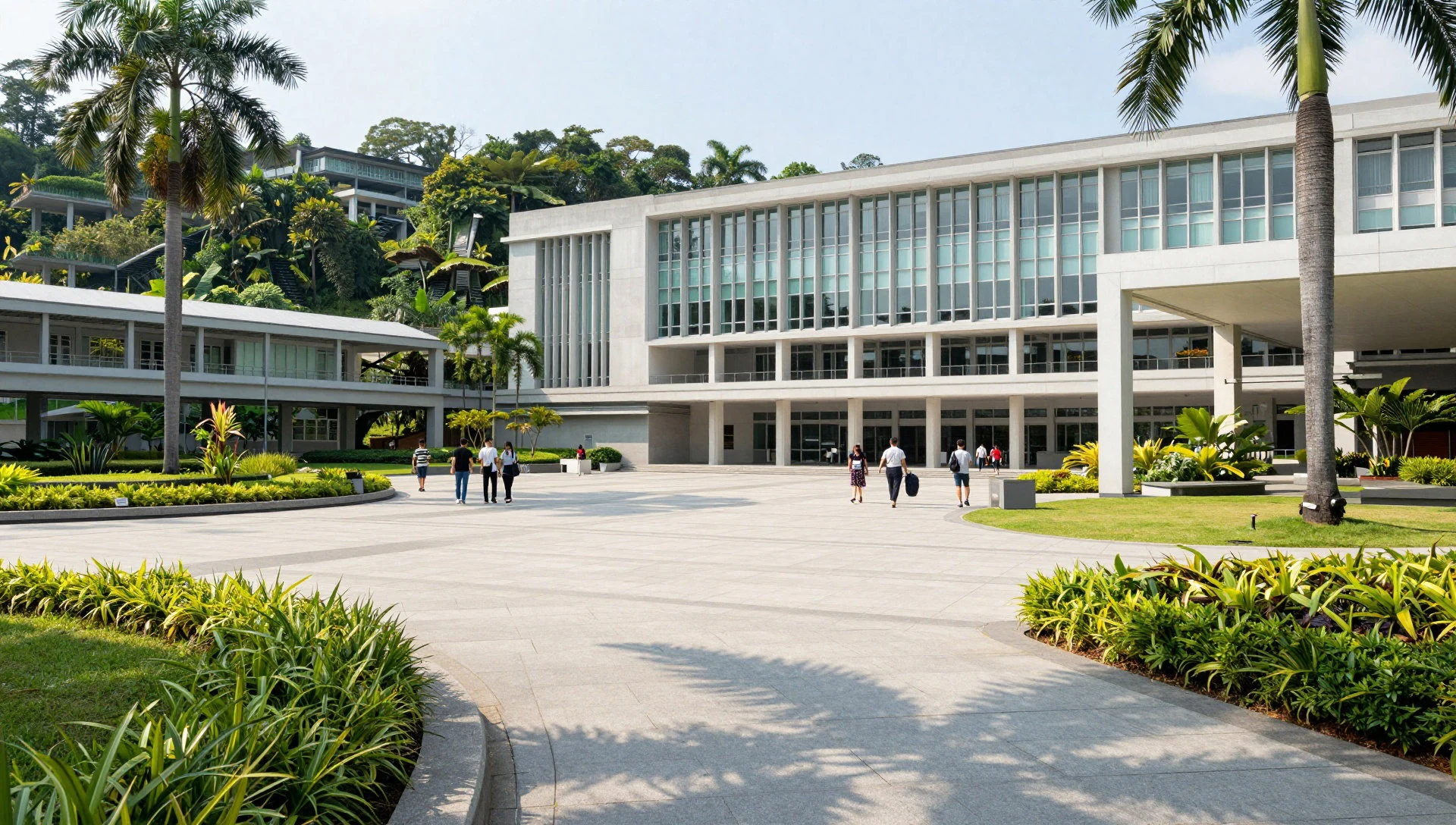
- Nanyang Technological University — Jurong West
Created following the reorganisation of earlier higher education institutions, this campus is renowned for experimental architecture such as the Hive, alongside leading engineering and media programmes. The grounds demonstrate how contemporary educational facilities can integrate sustainable design, natural light, and open communal spaces within a vibrant student community.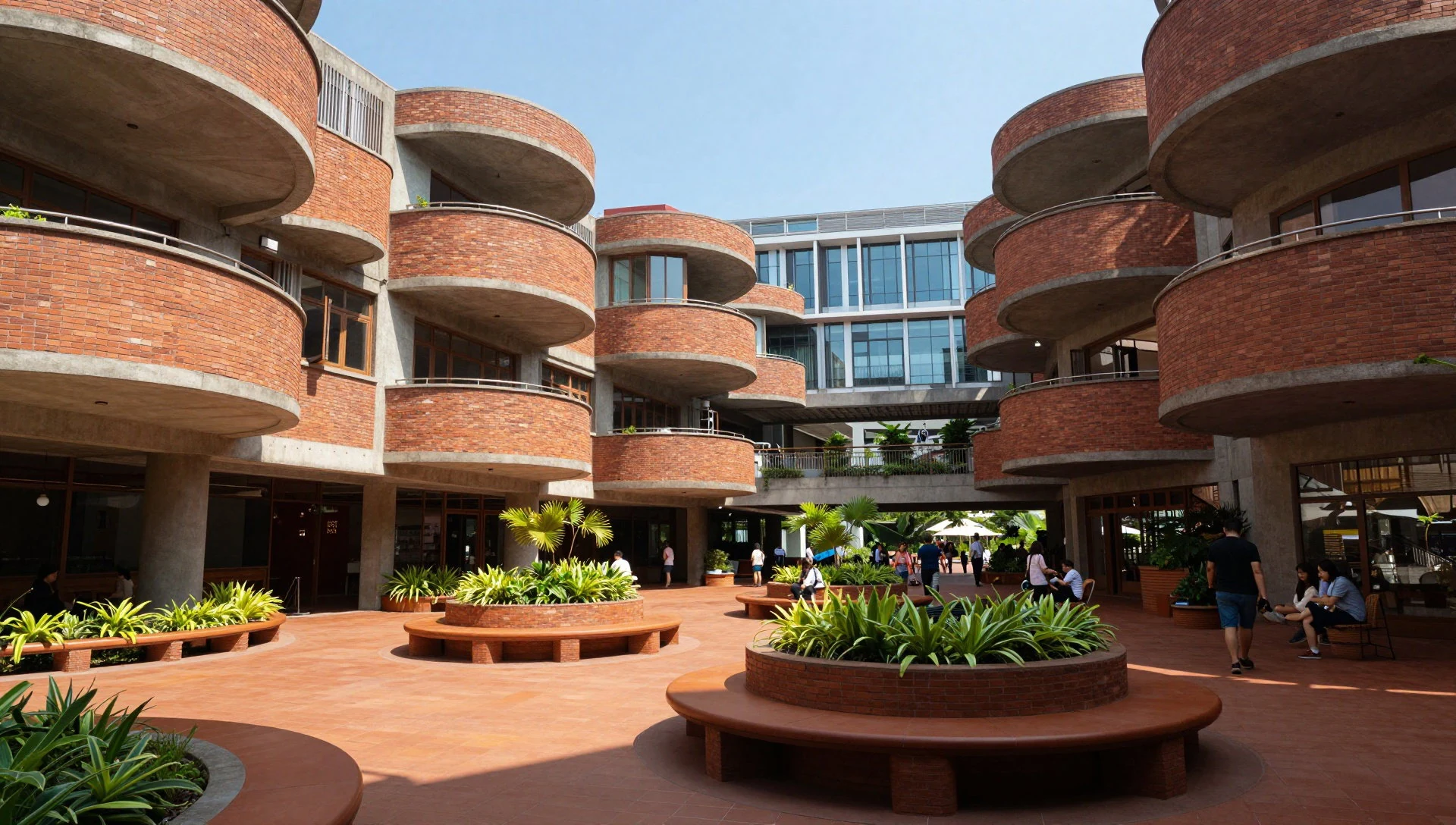
- Singapore Management University — Civic District
Positioned right in the heart of the commercial district, this publicly funded private university adopts an interactive, city-campus model modelled after American institutions. Its open-campus layout encourages public engagement, featuring pedestrian walkways, subterranean cafes, and public art installations that seamlessly connect student life with the surrounding urban core.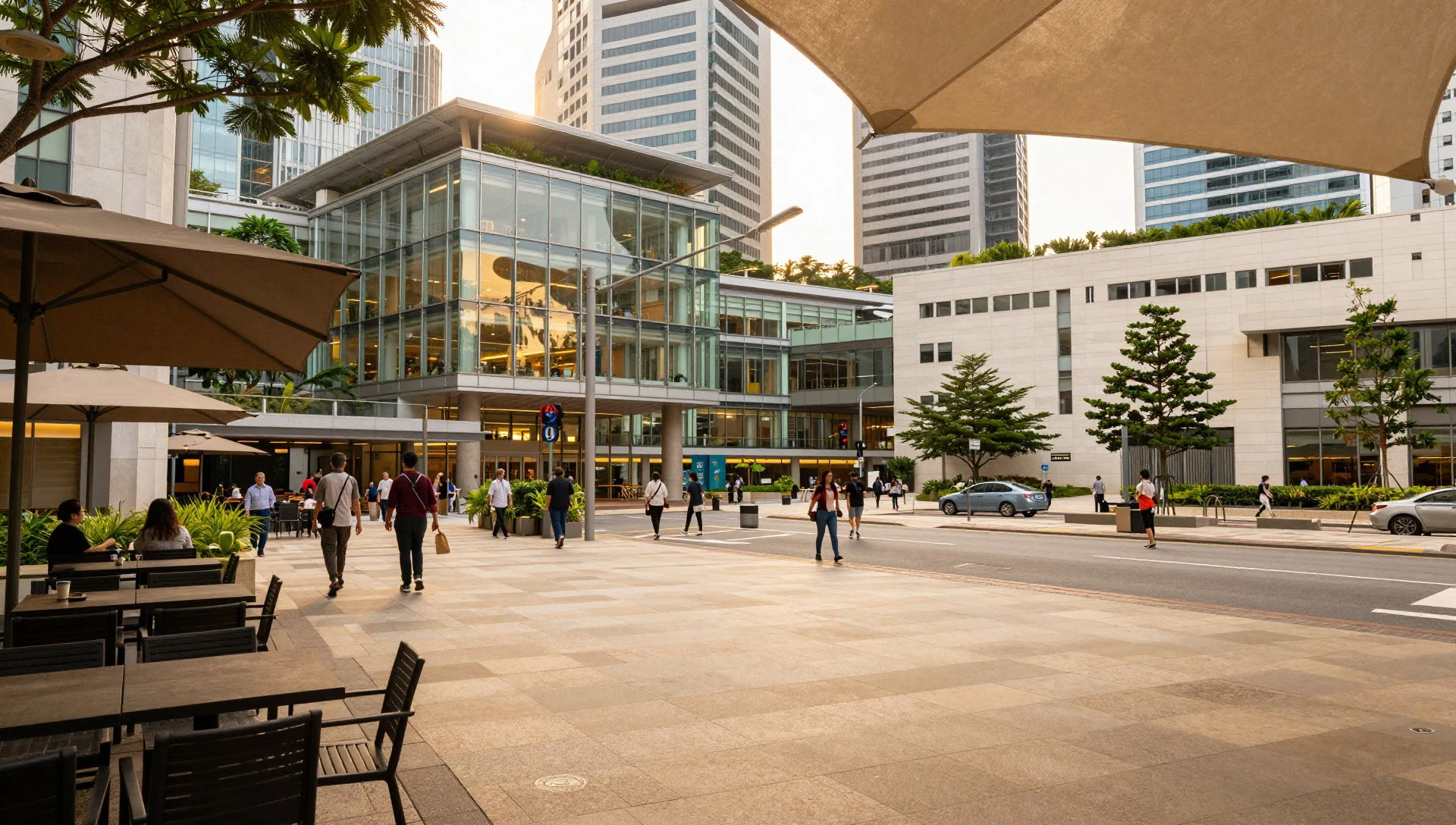
- Singapore University of Technology and Design — Changi
Established in close partnership with renowned international institutes of technology, this campus emphasises innovation, architecture, and design thinking. The striking spatial layout incorporates spatial fluidity and sustainable timber construction, showcasing how modern educational spaces can foster interdisciplinary collaboration and creative problem-solving.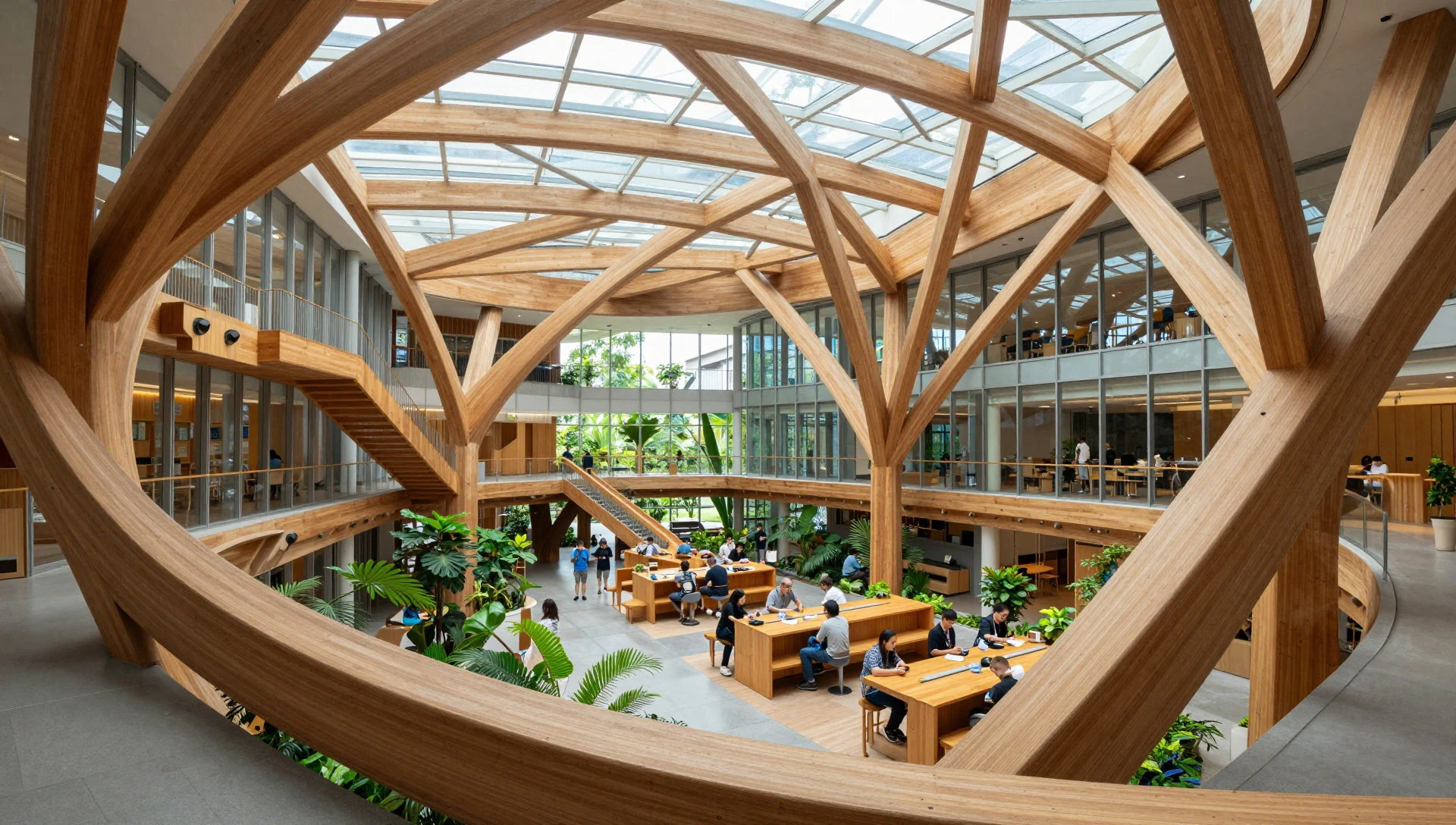
Culture
Despite its modest geographical footprint, Singapore hosts a remarkable mosaic of languages, religions, and traditions. Observers have long described the population as a society-in-transition, where residents do not share a single monolithic language or ancestral custom. Communities identifying with Western, Chinese, Malay, and Tamil heritages maintain distinct cultural practices while contributing to a shared civic identity. English serves as the common administrative language, bridging various communities alongside Mandarin, Malay, and Tamil. Religious diversity is equally prominent, with Buddhist temples, Hindu shrines, mosques, and churches often situated within close proximity across neighbourhoods. Traditional festivals from Lunar New Year to Deepavali and Hari Raya are celebrated publicly with neighbourhood light-ups and communal gatherings that welcome participants from all backgrounds. Always keep public spaces litter-free and refrain from consuming food or drinks on public transport systems.
What to wear
Traditional dress in Singapore reflects the diverse cultural heritage of its major ethnic communities. Malay attire includes the baju kurong and baju melayu, traditionally tailored from lightweight cottons and silks suitable for tropical climates, while Indian communities preserve the elegant drape of silk sarees and salwar kameez. Chinese heritage is represented by garments such as the cheongsam, featuring traditional high collars and intricate fabric frog buttons.
In daily life, contemporary dress is shaped primarily by the warm, humid equatorial climate. Locals favour lightweight, breathable fabrics such as cotton and linen, with office workers opting for smart-casual attire or light tailored suits in air-conditioned commercial towers. Practicality dictates footwear, with comfortable sandals and trainers being everyday staples.
Visitors should pack light, breathable clothing to stay comfortable in the persistent heat and humidity, alongside an umbrella or light waterproof shell for sudden tropical downpours. When visiting religious sites such as temples or mosques, modesty is essential: shoulders and knees should be covered, and slip-on footwear is recommended as shoes must be removed before entering prayer halls.
What to eat
- Hainanese Chicken Rice — Hawker centres across the island
Considered a national culinary treasure, this dish features tender poached chicken served over fragrant rice cooked in rich chicken stock with ginger and garlic, accompanied by chilli and dark soy dipping sauces.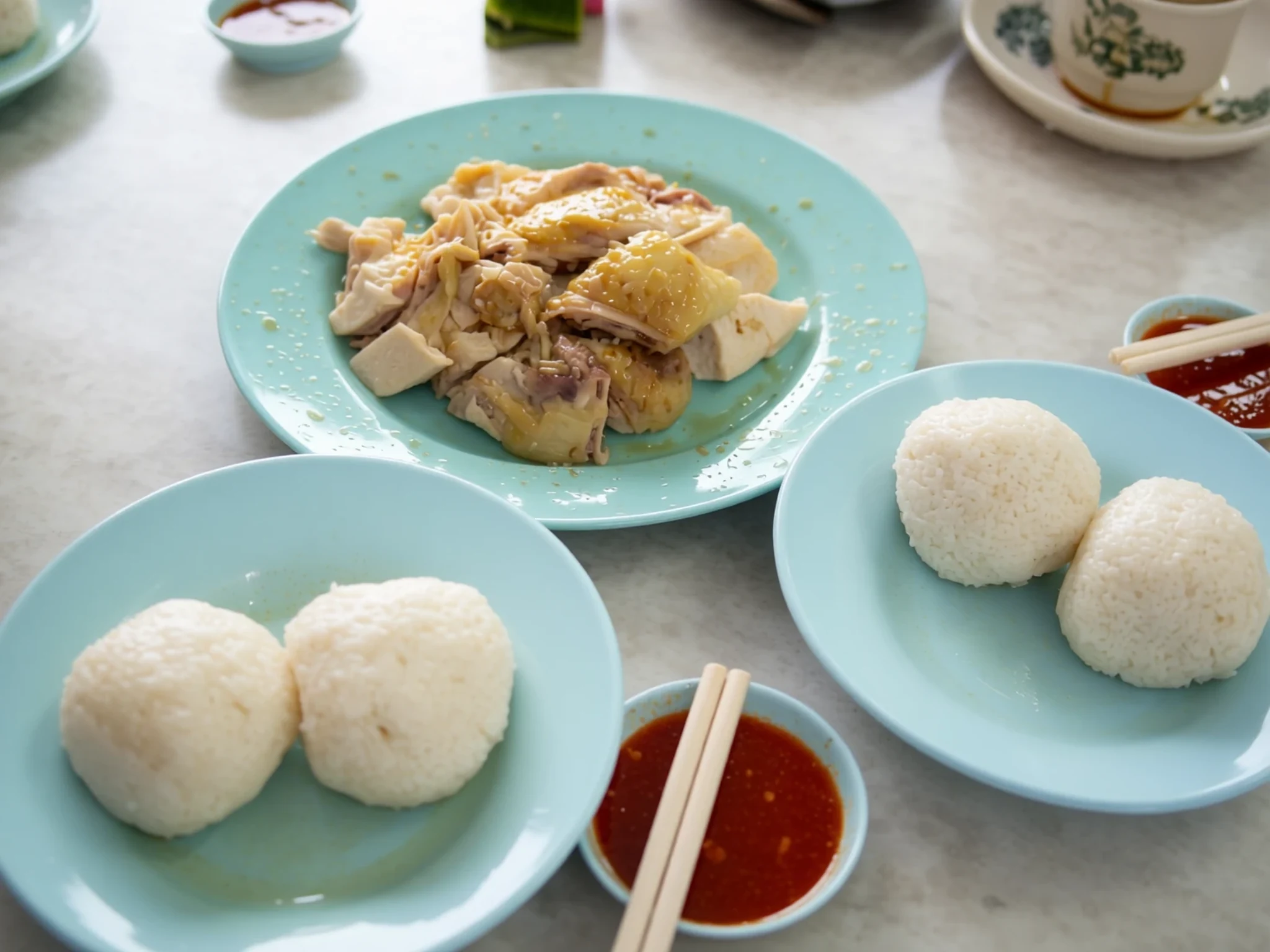
- Laksa — Katong neighbourhood hawker stalls
A deeply comforting noodle soup combining thick rice noodles with a rich, spiced coconut milk broth infused with dried shrimp, galangal, and lemongrass, often topped with cockles, prawns, and fishcake slices.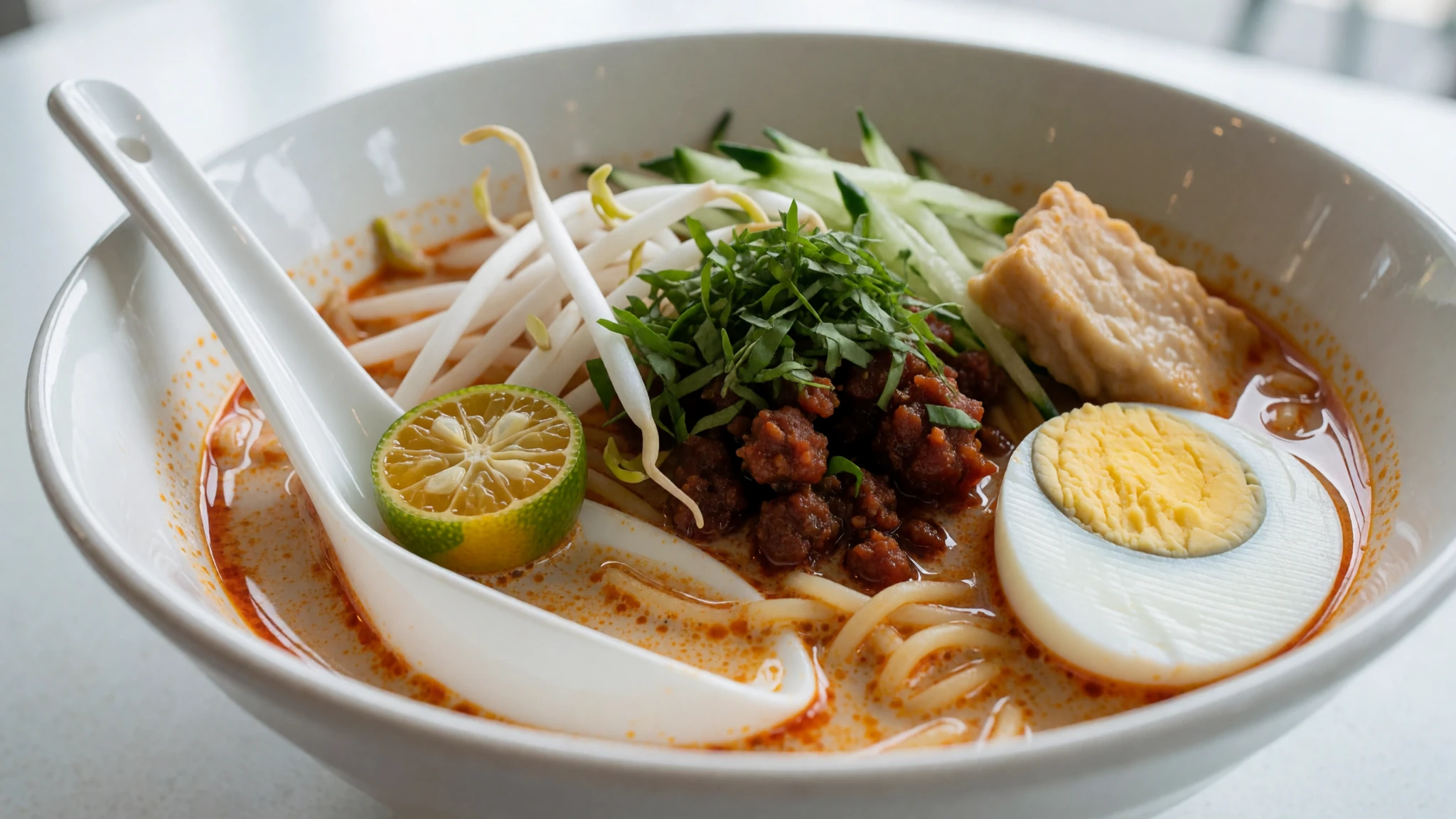
- Chilli Crab — Seafood restaurants along the riverside
Fresh mud crabs wok-fried in a savoury, sweet, and moderately spicy tomato and chilli-based gravy, best enjoyed by dipping fried mantou buns directly into the sauce.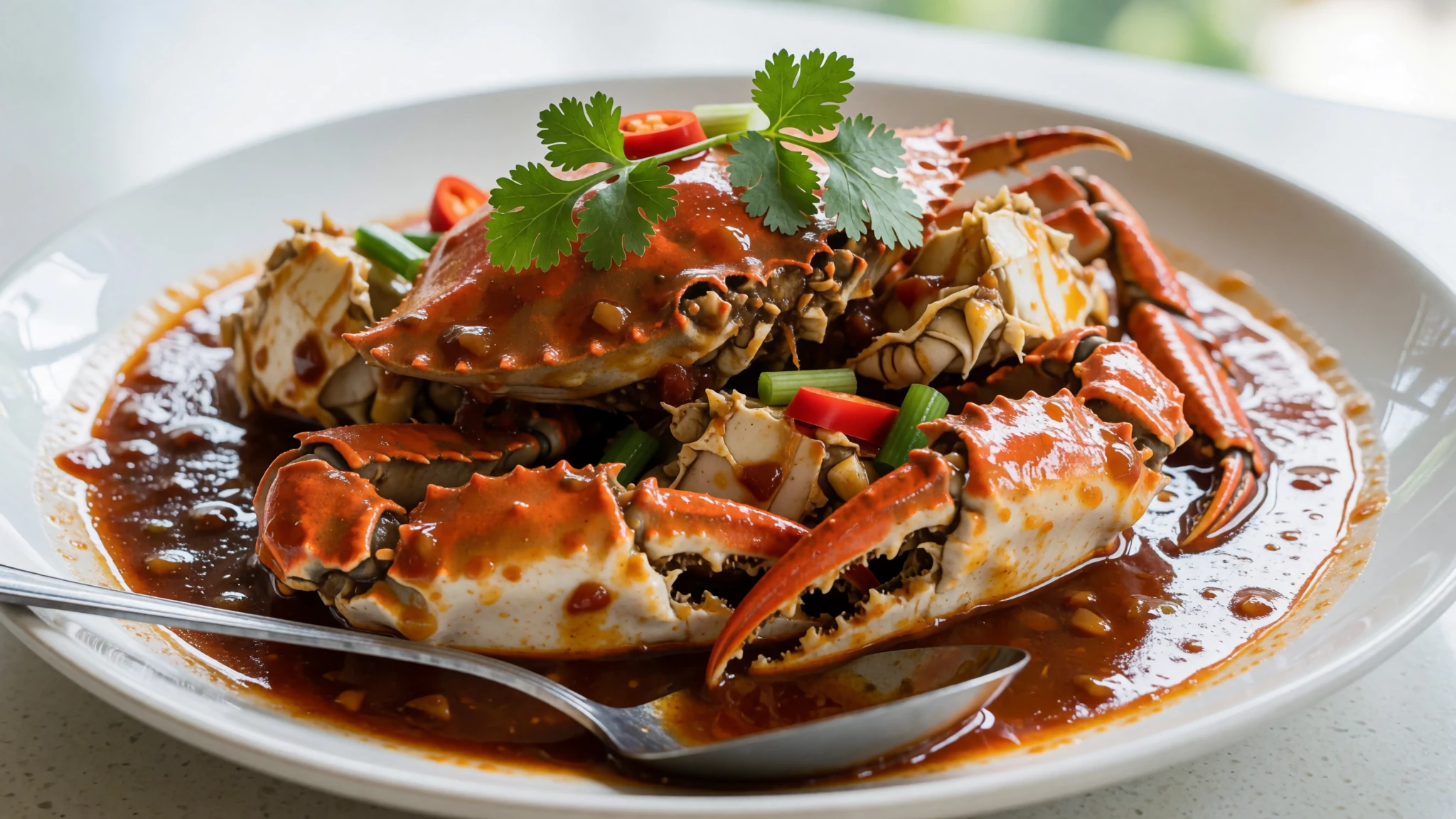
- Roti Prata — Little India coffee shops and 24-hour supper spots
A beloved South Asian flatbread stretched thin, folded with ghee, and pan-fried on a griddle until crisp on the outside and chewy within, served alongside a bowl of spiced curry gravy. - Nasi Lemak — Local morning markets and neighbourhood food courts
Fragrant rice cooked in rich coconut milk and pandan leaves, traditionally served with crispy anchovies, roasted peanuts, a fried egg, cucumber slices, and a dollop of spicy sambal chilli paste.
Plan it
Best time. June to September brings lower rainfall than the wetter monsoon from November to February, though the tropical climate remains warm and humid throughout the entire year.
How long. 3–4
Getting there. Arrive at Changi Airport, then take the Mass Rapid Transit (MRT) train or an airport taxi directly into the central district in under an hour.
Budget. mid
Tips
- Carry a compact umbrella for sudden afternoon tropical downpours
- Use the efficient MRT system to navigate between districts effortlessly
- Bring a refillable water bottle to stay hydrated in the high humidity
- Book popular attractions and exhibitions online well in advance
Etiquette
- Do not consume food or beverages on public transport systems
- Remove footwear before entering places of worship or residential homes
- Respect local laws regarding public cleanliness and waste disposal
Nearby
Sources
- Wikidata Q334 (CC0)
- Wikipedia (rev 1382041335) (CC BY-SA 4.0)
- Wikivoyage (rev 5408853) (CC BY-SA 4.0)