Jaco Island
Jaco Island, Timor-Leste
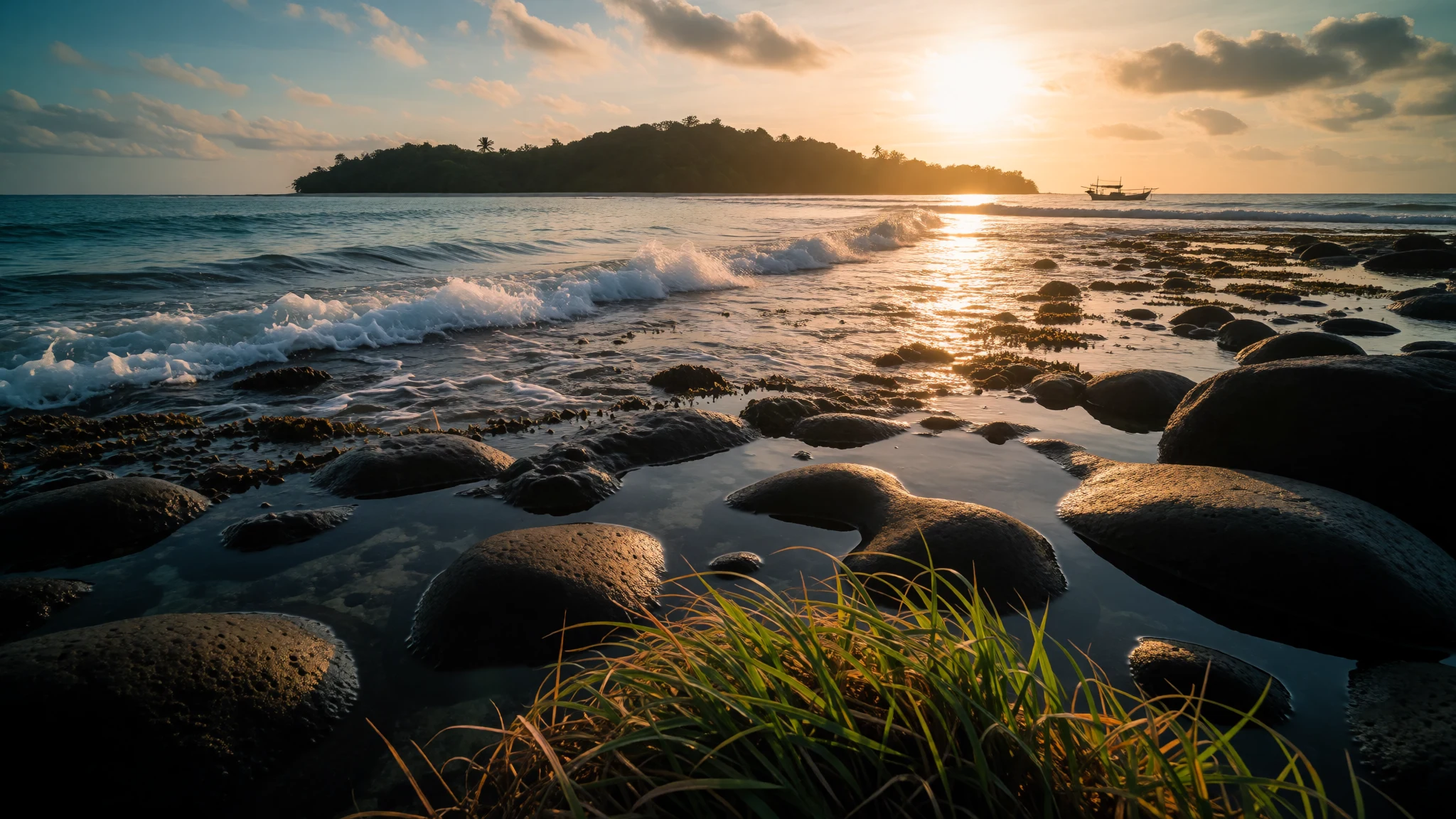
Jaco Island is an uninhabited, reef-fringed island off Timor-Leste for snorkelling, calm-water swims and diving with an eco-tour focus.
The place
Jaco Island (Ilha de Jaco; Illa Jako; Totina/Tontina) sits off the eastern tip of Timor-Leste, in the Lautém Municipality. It’s one of those places that reads like a map dot until you’re out there: no settlements, no street noise, and a shoreline defined more by the sea than by any skyline. The island’s position matters. It lies out in the Lesser Sunda region where the water connects to the wider Coral Triangle, so marine life is the main event.
Most visitors reach Jaco through the practical reality of Timor-Leste travel: getting to Tutuala first (near Cape Cutcha on the island of Timor), then arranging boat time to the island and back. That means the experience tends to be organised around water activities rather than wandering—snorkel sessions, dives, and day-long swims that depend on sea conditions.
The overall vibe is “quiet nature on the edge of the known”—less about facilities and more about what the sea shows on a given day. Timor-Leste is also putting energy into community-based ecotourism, and Jaco and nearby island areas are mentioned as visitor draws for divers and snorkelers. The result is typically a small-scale trip with local guides, eco-lodge style support, and a focus on not treating the coastline like an amusement park.
Expect weather to steer plans. Temperatures stay warm year-round, but rainfall is heaviest in the wettest months, so aim for the drier stretch for clearer, more comfortable water time.
Its story
Jaco Island has the kind of story that doesn’t come from monuments—it comes from what has to be arranged to reach it. It’s uninhabited, so nothing on the island “handles itself”. The day starts with the mainland rhythm: heading toward Tutuala and the Cape Cutcha area, then shifting into boat time. From there, the island’s identity turns practical—where the water is friendly enough for snorkelling, where currents suit diving, and when visibility and sea state line up with the plan.
That’s why trips here feel grounded. Timor-Leste’s broader tourism pitch leans toward community-based ecotourism, and islands in the region (including Atauro and Jaco in Tutuala) are repeatedly framed as places for divers, snorkelers and green-minded travellers. On an uninhabited island, that eco angle isn’t just marketing; it shows up in how the trip is run—local support for access, small groups, and an expectation that the reef is not a disposable backdrop.
Even the wider national history adds a weight to “coming and going” in Timor-Leste. Discussion of sensitive politics doesn’t always land well abroad, so the most comfortable travel style is simple: keep conversations light, focus on the people running the boats and guiding the water, and let the island do what it does best.
On the water, the story becomes colour and movement—reef life, calm sessions, and the small surprises divers talk about after they surface. Jaco isn’t about filling a day with checklists; it’s about spending daylight where the sea is doing the storytelling.
What to see
- Reef-fringed snorkel edges — Jaco Island coastline
Jaco Island is best experienced from the waterline: snorkelling stretches where the sea stays clear enough for coral and fish viewing. Expect the trip to be paced by tides and comfort in the waves, not by a fixed itinerary.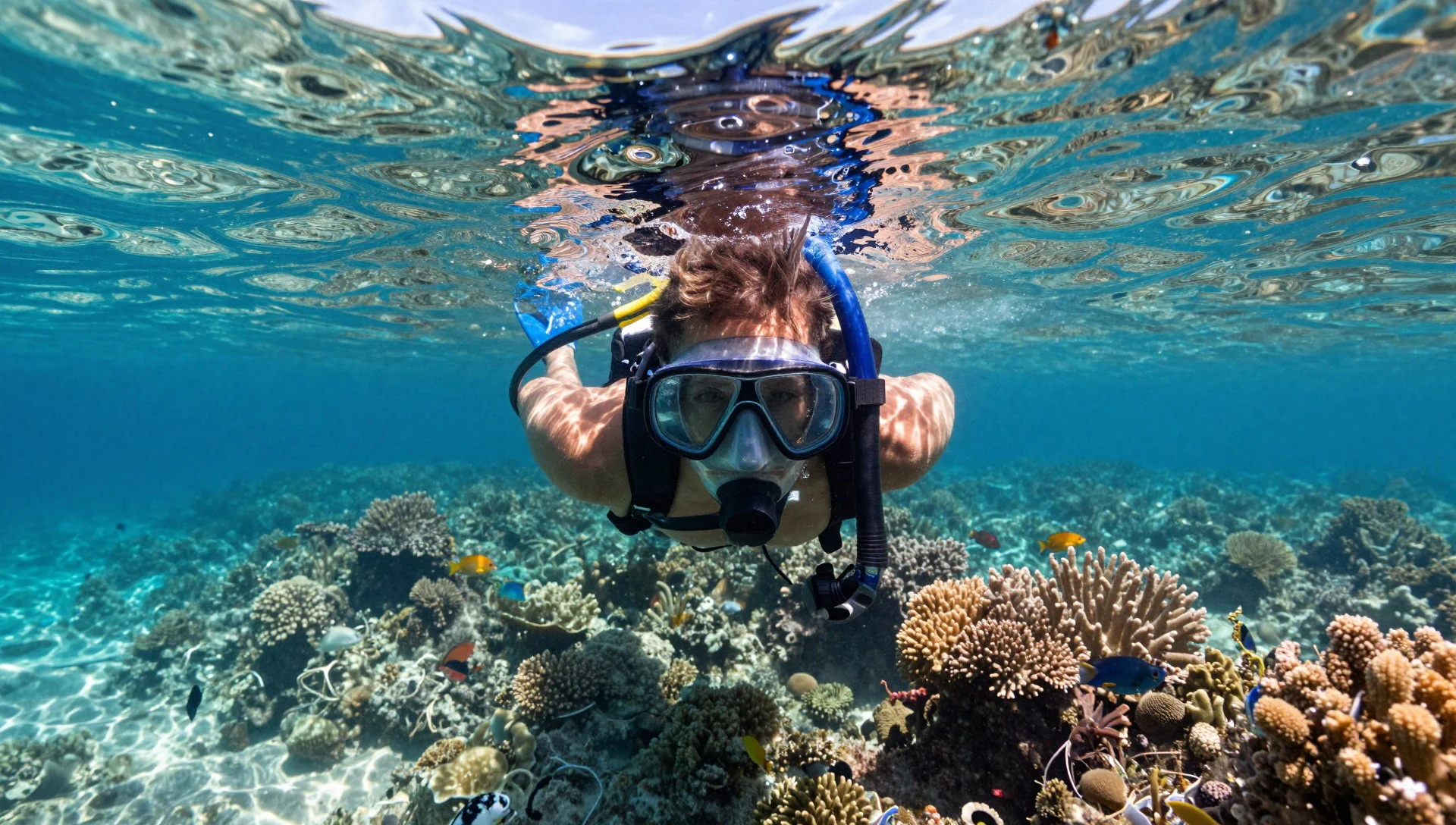
- Calm-water swims (when conditions allow) — Jaco Island shallows
On gentler sea days, Jaco Island becomes a long, slow swim—less about searching and more about drifting along the shallows. Reef viewing tends to feel calmer when the surface is smooth and visibility is steady.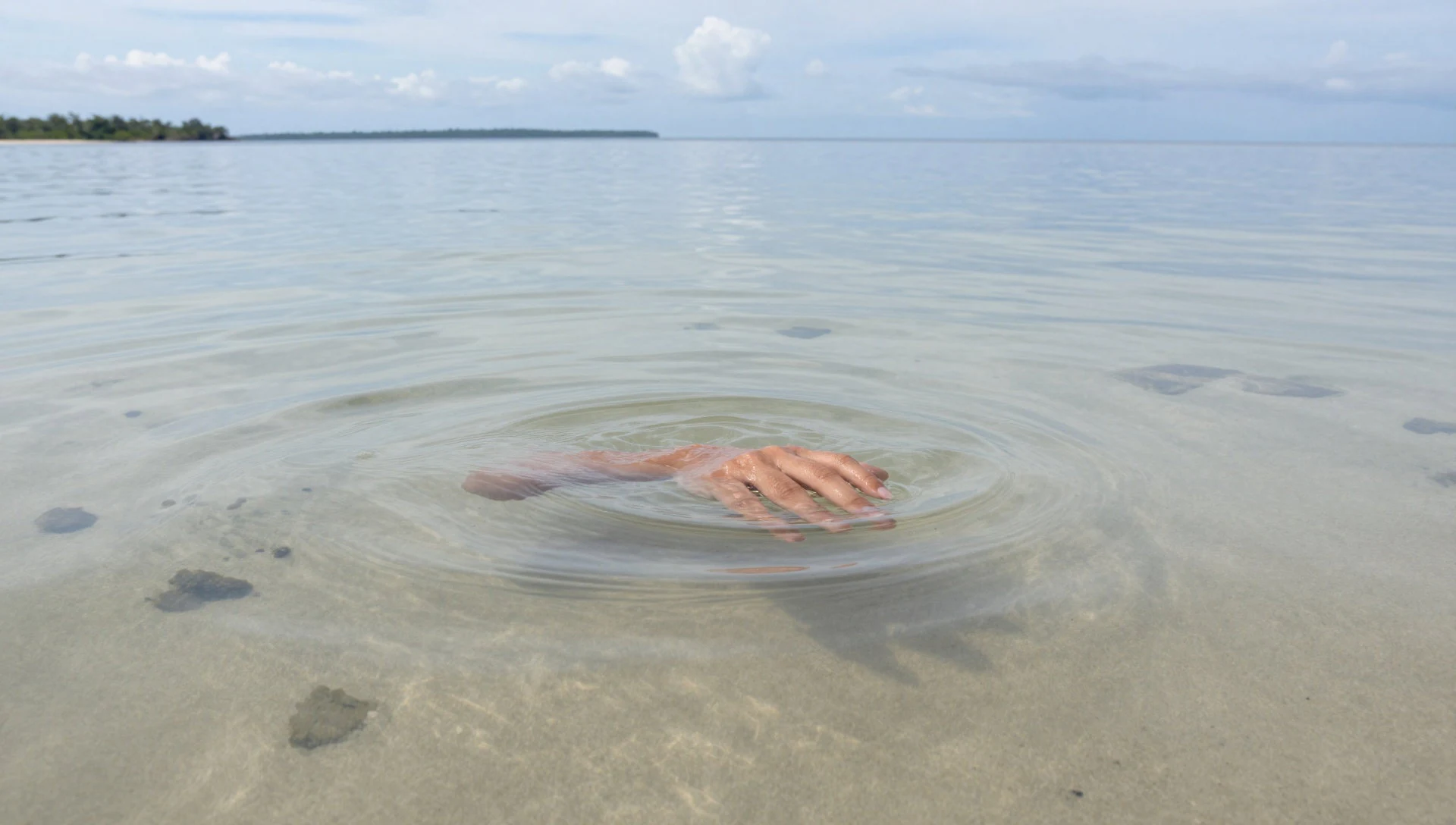
- Diving with an eco-tour rhythm — Jaco Island dive points
Diving here is typically tied to local guiding and small-group access. The aim is straightforward: spend time underwater safely, then rotate back to the surface for breaks and reef-friendly pacing.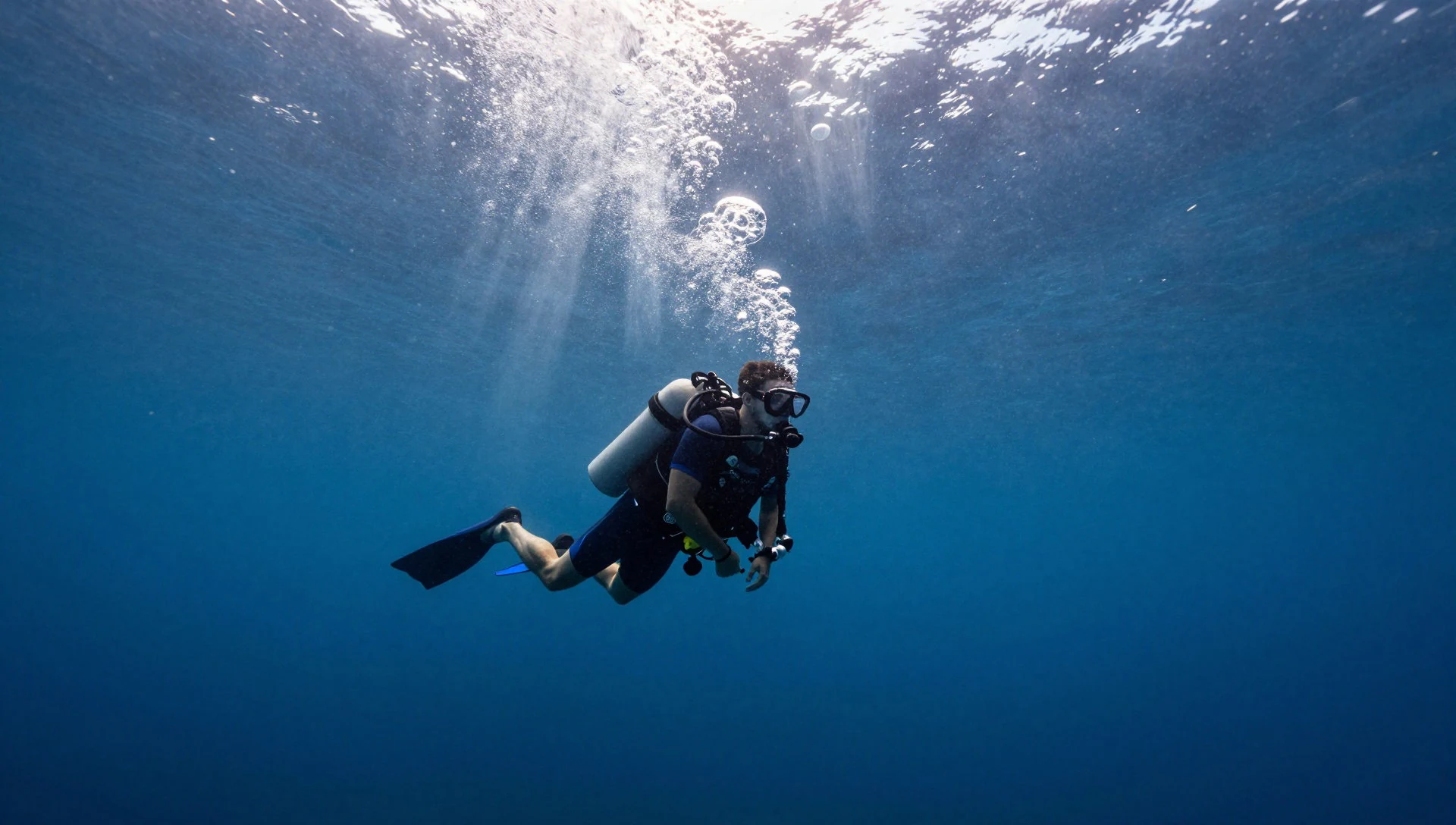
- Boat-access viewpoint over the island — Approach by boat (Tutuala area)
Approaching Jaco Island by boat gives a different read of the place—an uninhabited coastline with sea space around it. The best moments are often the in-between ones: early light on the water and the first look at the shore.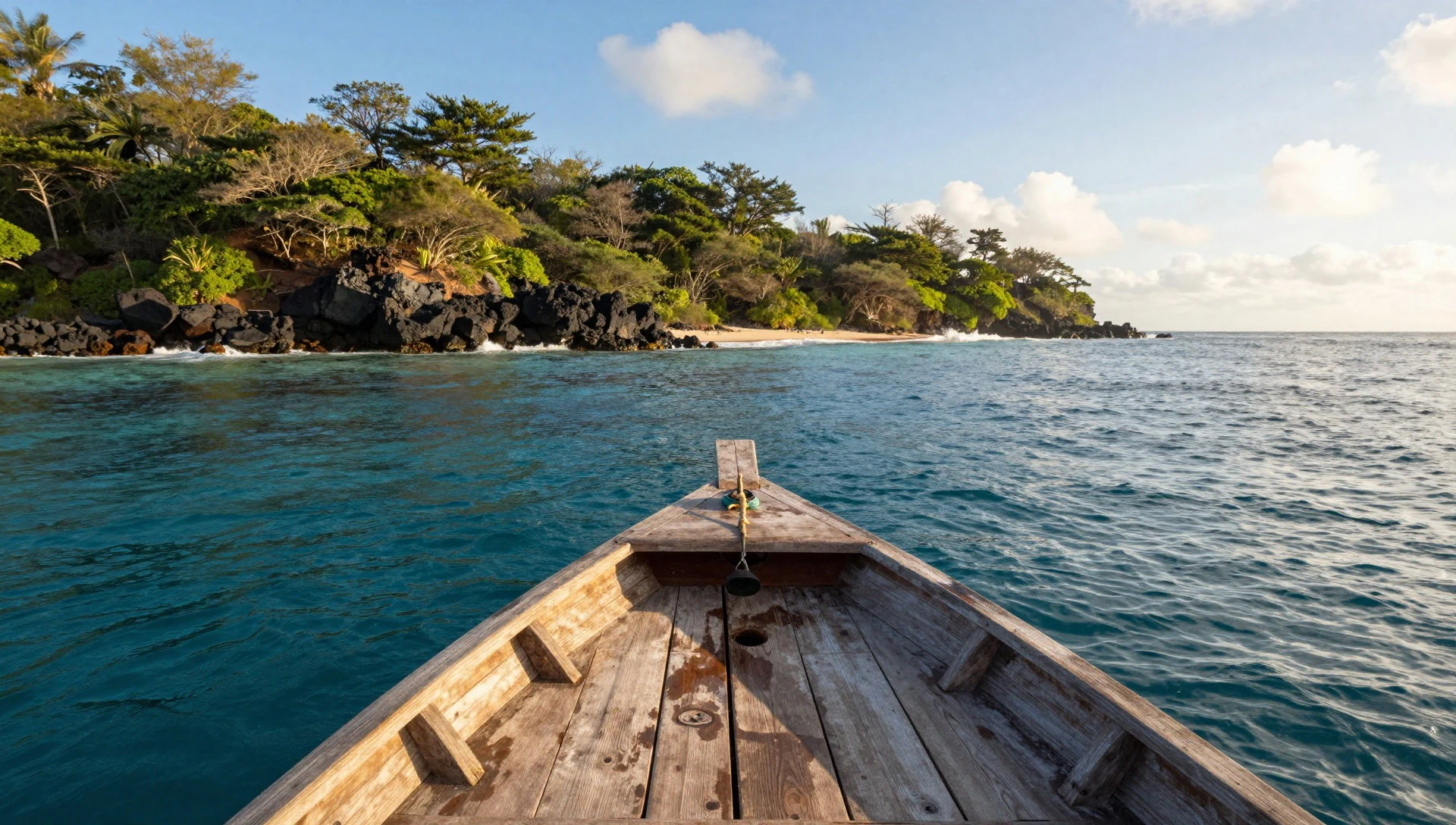
- Island-style day trips in the Jaco/Tutuala area — Tutuala / Jaco access region
Trips based around Jaco often sit within a broader island day plan in the Tutuala region. Depending on the operator and conditions, this can mean hopping between nearby island experiences like snorkel-focused outings and longer water sessions.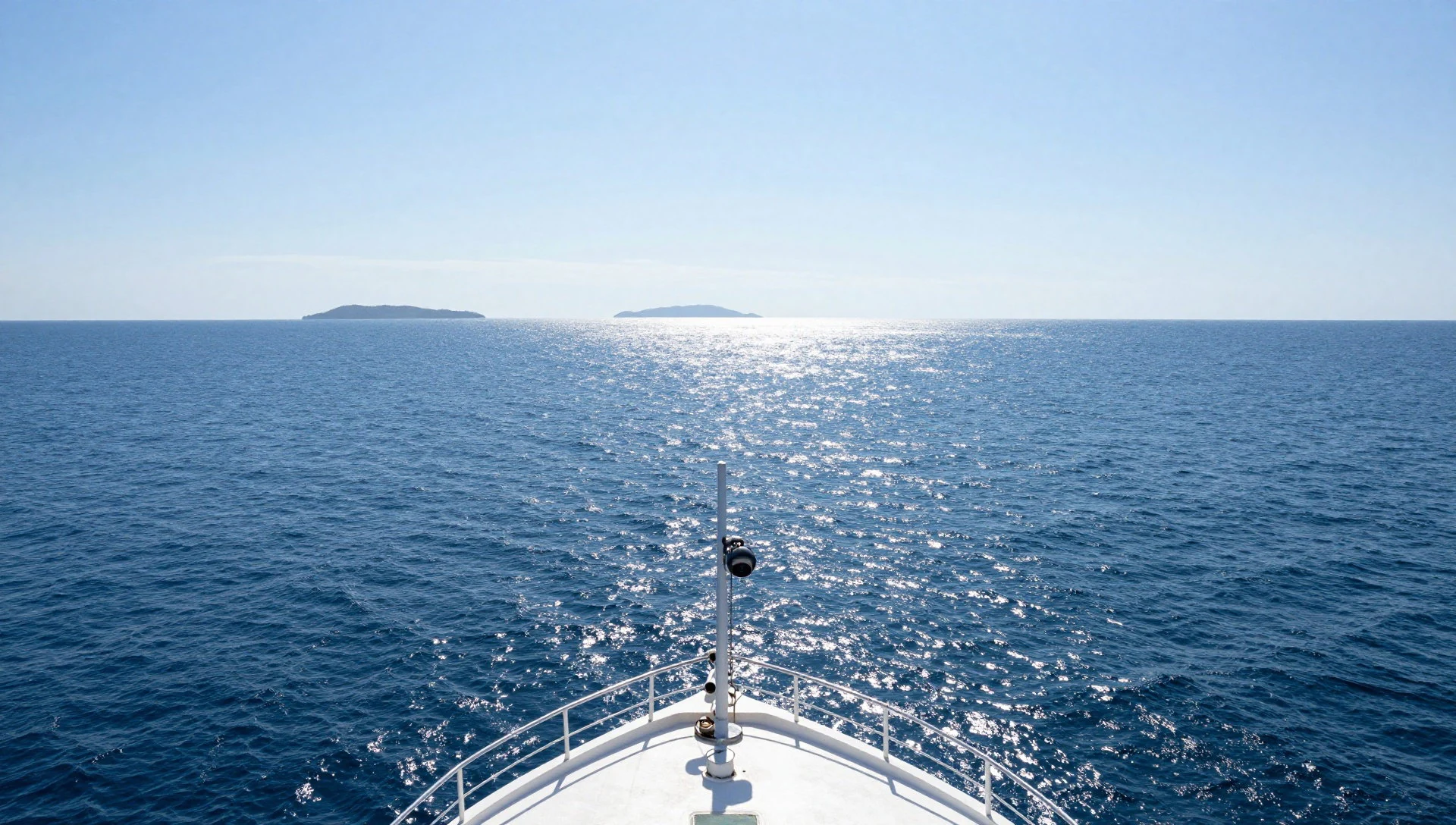
Culture
Timor-Leste’s culture carries the history of Portuguese rule, then the Indonesian occupation, and the later push for independence. That background still shapes how conversations can land. Speaking approvingly about Suharto’s Orde Baru or about the idea of Timor-Leste becoming part of Indonesia can be received poorly.
For visitors on an island trip, cultural sensitivity is less about big set-piece moments and more about everyday tone: keeping politics out of casual chat when there’s uncertainty, and remembering that many people experienced major upheaval. If discussion arises naturally, it’s safer to listen first and follow the lead of local guides or hosts.
Tourism here is also framed around community-based ecotourism, so the social side matters. Guides and local operators are usually central to how access works, and respectful behaviour supports the kind of tourism that doesn’t just extract value from the coast.
Visitor behaviour is also about comfort and discretion. Reef days can mean muddy banks and salty gear—keep common areas tidy, store gear securely, and don’t wander where you’re told it’s restricted.
Be polite with local guides and avoid political discussion unless invited, and don’t press sensitive topics if it feels uncomfortable.
What to wear
Jaco Island is built for water time, so clothing is about sun, salt and modesty rather than style. Timor-Leste is warm year-round and rainfall can be heavy, so practical layers beat fashion statements: light, breathable tops and swimwear for time in the sea; a quick-dry cover-up for boat rides; and something with a hood or a light rain layer when showers roll through.
Traditional clothing isn’t what most visitors wear on an island day, but it’s worth understanding what locals may wear in more everyday or ceremonial settings: garments linked to Portuguese-era and local textiles traditions in Timor-Leste, often displayed through colour and patterning. For religious or cultural visits on the mainland, modest dress is the default—clothing that covers shoulders and knees and looks respectful.
For what to wear on Jaco itself: water shoes or secure footwear are useful for rocky edges and stepping off the boat safely. Bring a hat that can handle wind, plus sunscreen and a light rash guard if sun protection matters. If the plan includes any community-led stops onshore, keep a long skirt or loose trousers in the bag so the transition off the boat is easy and respectful.
What to eat
- Rice (staple meals) — Meals provided during coastal trips and local eateries
Rice is the base of many Timor-Leste meals, often served alongside vegetables, fish and spiced sauces. On a trip connected to the coast, it commonly turns up in the meals provided by local operators or simple community eatery set-ups.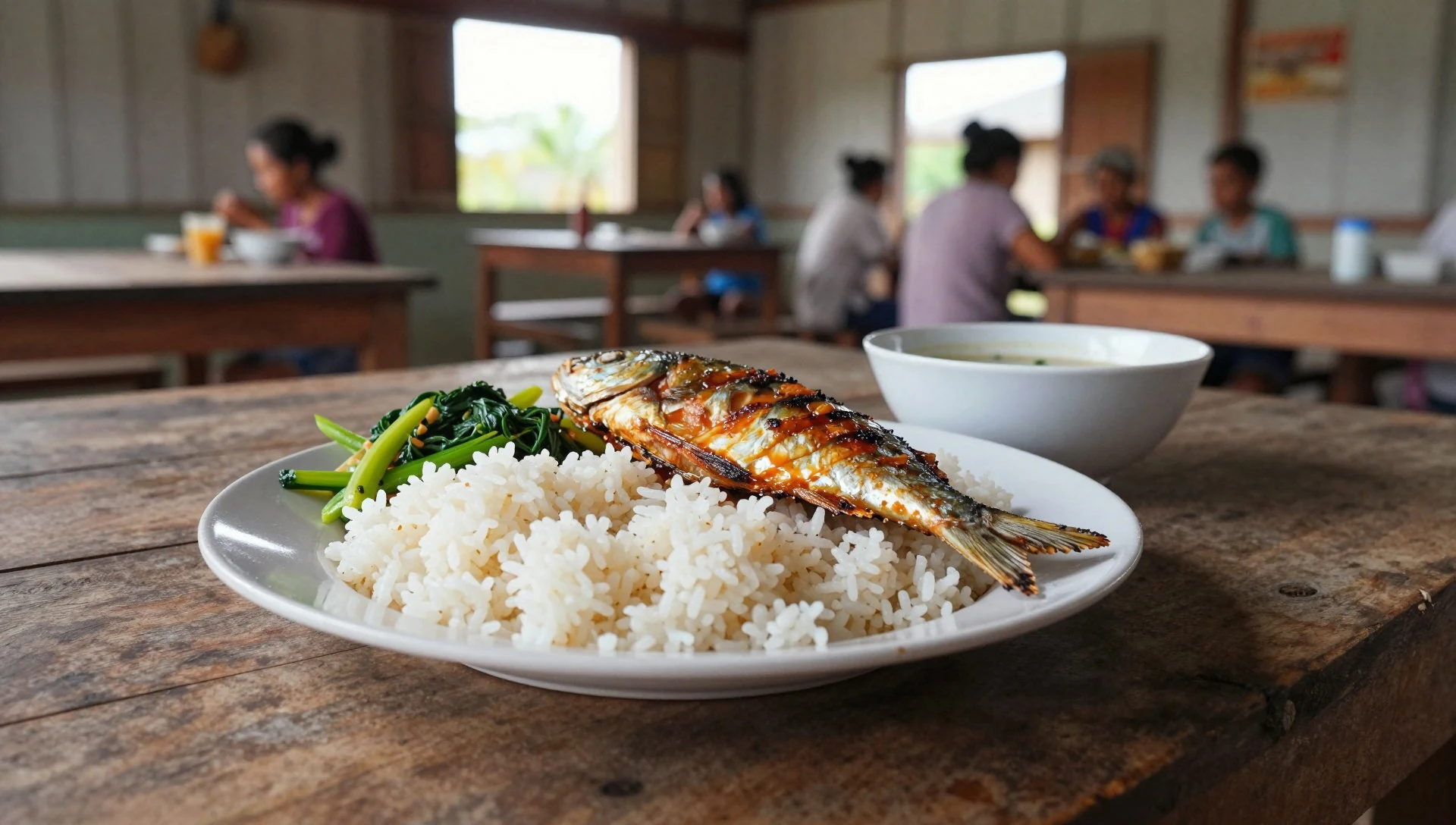
- Fried fish — Dili restaurants and coastal meal set-ups
Fried fish is a popular dish, and prawns are treated as a delicacy. Coastal travel makes this especially natural: fish appears on menus and in simple meals, often paired with rice and seasonal vegetables.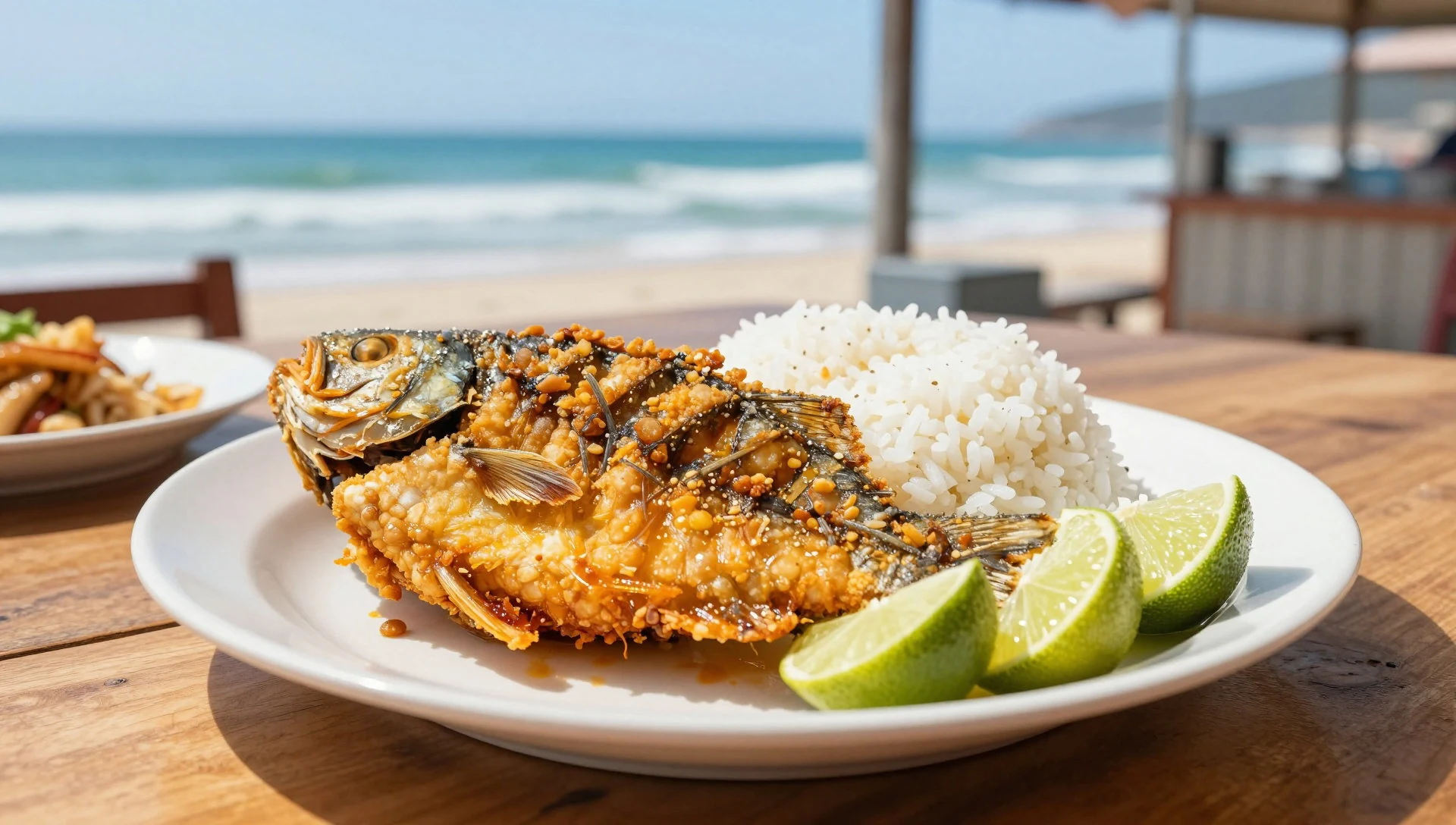
- Chicken curry — Dili restaurants
Chicken curry is a standard choice in Timor-Leste cooking, frequently mentioned as a favourite. It’s the kind of hearty meal that suits travel days after diving or snorkelling, when something warm and spiced feels right. - Taro, cassava and sweet potato sides — Local eateries serving Timor-Leste staples
Taro, cassava and sweet potatoes are common crops, so they often show up as sides alongside rice. Expect them in simple preparations, sometimes paired with vegetables and spiced flavours depending on what’s locally available. - Mangoes and other tropical fruits — Local markets and casual meal stops
Mangoes, watermelons, papayas, bananas and coconuts feature often in local fruit seasons. After a day on the water, fruit is an easy, refreshing way to cool down without needing a formal dessert menu.
Plan it
Best time. July to September are the driest and most comfortable months, with the warmest conditions in September; the wettest period runs from December to March, with June and November also comparatively rainier.
How long. 2–3
Getting there. Fly into Dili (Dili Airport), then plan the final leg to the Tutuala/Cape Cutcha area with local transport and a boat arrangement for Jaco Island.
Budget. mid
Tips
- Line up boat arrangements through a local operator rather than treating it as a spontaneous walk-off trip—Jaco is uninhabited and access is weather-dependent.
- Pack for rain as well as sun: the region gets heavy rainfall and conditions can shift quickly.
- Start water time early when possible to make the most of calmer windows and better visibility.
- Bring cash for small purchases and essentials, as some payments can be cash-based in practice.
- If diving or snorkelling is the goal, prioritise a day with more stable sea conditions over chasing a rigid calendar.
Etiquette
- Avoid discussing sensitive politics if it’s not clearly welcomed; keep conversations respectful and light.
- Keep valuables secure and be mindful of phone/snatch risk in busy areas on the mainland approach.
Nearby
Sources
- Wikidata Q140447811 (CC0)
- Wikipedia (Jaco Island, rev 1365458230) (CC BY-SA 4.0)
- Wikivoyage (Timor-Leste, rev 5406324) (CC BY-SA 4.0)