Baguia
Baguia, Timor-Leste
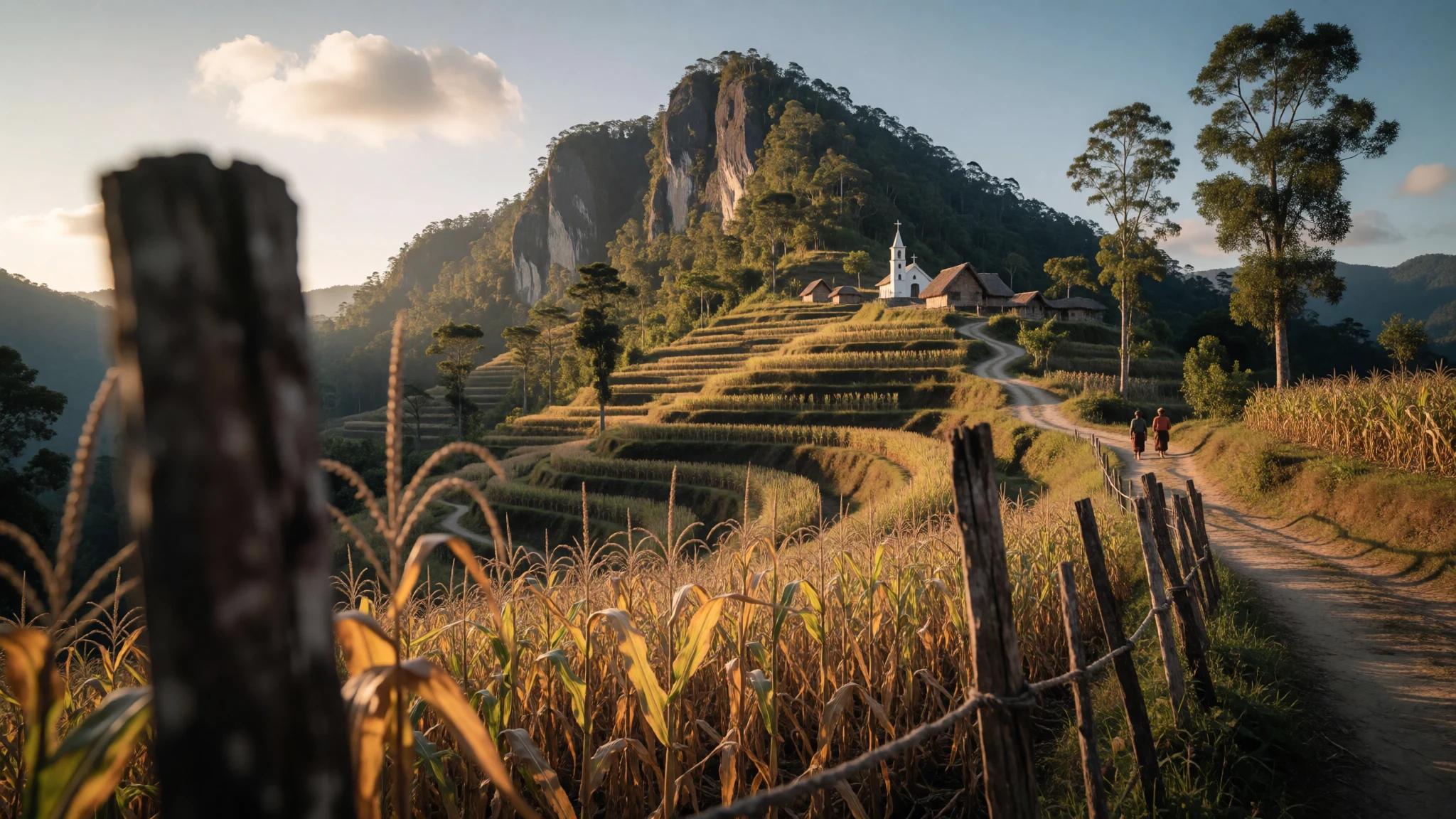
Baguia is a quiet highland corner of Timor-Leste, where mountain villages, weaving and the slopes of Matebian reward visitors who travel slowly.
The place
Baguia is an administrative post in Baucau municipality, in the east of Timor-Leste, and it is best understood as a cluster of villages rather than a town. It holds ten sucos, the village-level divisions that make up local government in the country. Its administrative centre is Alawa Leten, a small seat of offices and houses, not a busy market town. Wikidata records a population of 1,584 for the suco of Baguia itself, which gives a fair sense of the scale: scattered hamlets, farmland and footpaths, with few streets and almost no shopfronts. The name appears as Baguia in Portuguese and Bagia in Tetun, and both spellings turn up on signs and maps. The landscape is hill country on the inland side of Baucau, with the mountain mass of Matebian standing nearby and shaping weather, farming and local belief. Mornings can be cool and clear, afternoons hot, and the wet season turns tracks to mud and can cut roads for days. Most households grow their own food: maize, cassava, beans, some rice where water allows, and coffee in suitable pockets. Services are basic, phone signal is patchy and tourist infrastructure is close to nothing. That is much of the appeal for people who like walking and watching daily life, but it also means plans need slack. The staged photograph with this reading is a map of the sucos of Baguia, a useful thing to study before arriving, since village names matter far more here than road names.
Its story
Baguia's story is the story of eastern Timor-Leste's uplands, carried mostly by families and mountains rather than monuments. Portuguese rule reached the region slowly over centuries and left Catholic churches, the Portuguese language in official use and the administrative post system itself, though older house-based beliefs stayed strong in the hills. Matebian, often described locally as a mountain of the dead and of ancestral spirits, looms over the later chapters. During the early years of the Indonesian occupation, civilians and resistance fighters sheltered on its slopes, and the loss of that refuge is remembered with grief across the east. After independence was restored, the district went back to farming, schooling and slow rebuilding, with roads and clinics arriving unevenly. Baguia also has a national link: Taur Matan Ruak, who later served as president of Timor-Leste, was born in Suco Osso Huna, within this administrative post. He first made his name as a guerrilla commander before entering politics, and his path from a hill village to the highest office is the kind of story people in the district mention with quiet pride. Baguia was formerly a subdistrict and became an administrative post under a later reorganisation, so older books and maps still use the earlier label. For a traveller the lesson is that much of the past is held in memory and in place names, and it comes alive mainly when local people choose to share it, so asking respectfully matters more than reading signboards, of which there are few.
What to see
- Alawa Leten and the administrative centre — Alawa Leten
Alawa Leten is the seat of the post and the easiest place to orient yourself. It is a modest cluster of offices, a church, a school and houses rather than a sightseeing stop. Arrive early, greet the local administration politely, and ask about footpaths, road conditions and which villages are comfortable receiving visitors.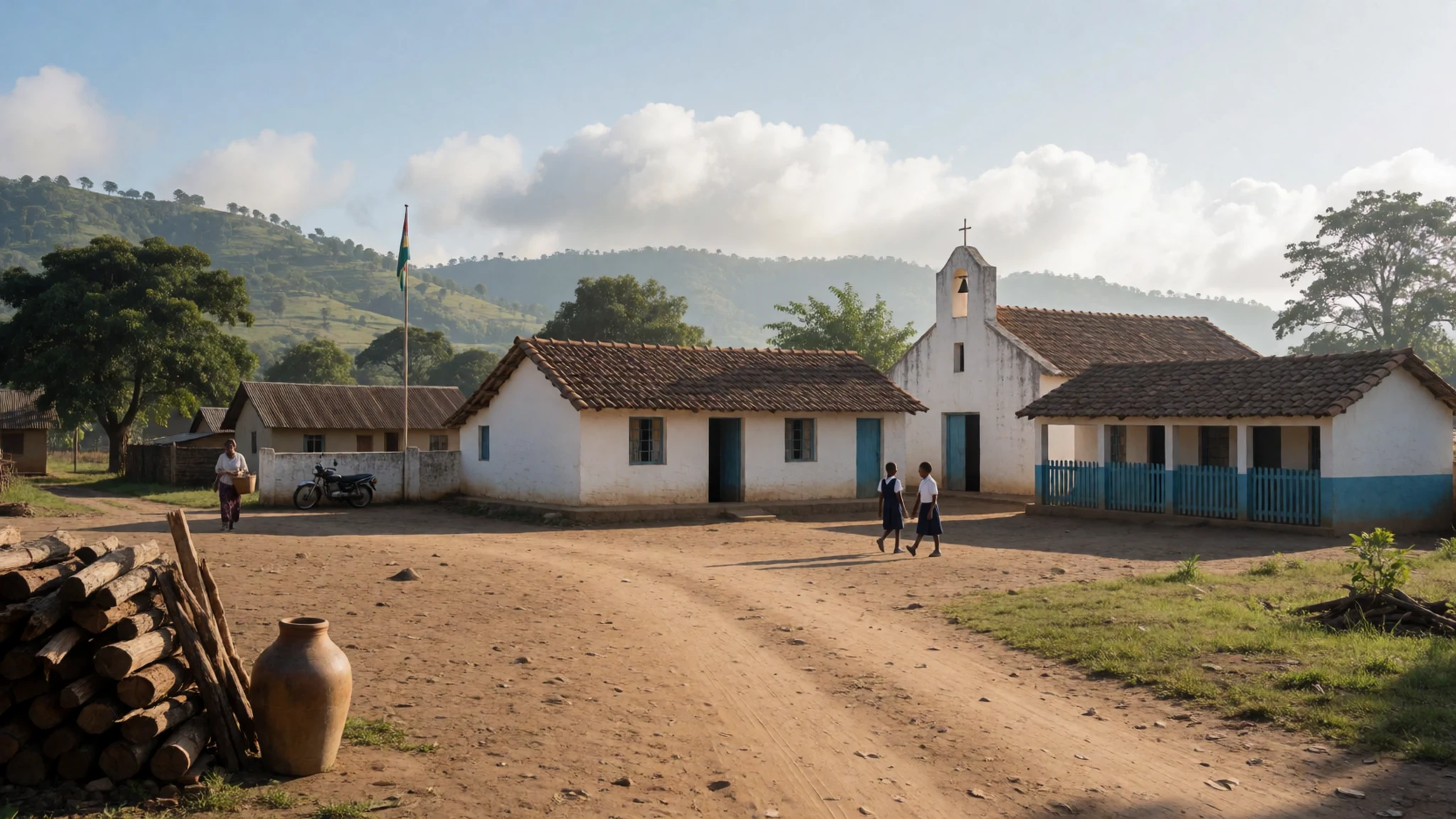
- The suco map and the ten villages — Across Baguia Administrative Post
The staged map shows how Baguia divides into its sucos, and it makes a good planning tool. Choosing two or three neighbouring villages and walking between them shows more than a single stop does: different crops, house styles, chapel positions and views of the ridgelines. Village heads usually welcome a courtesy call first.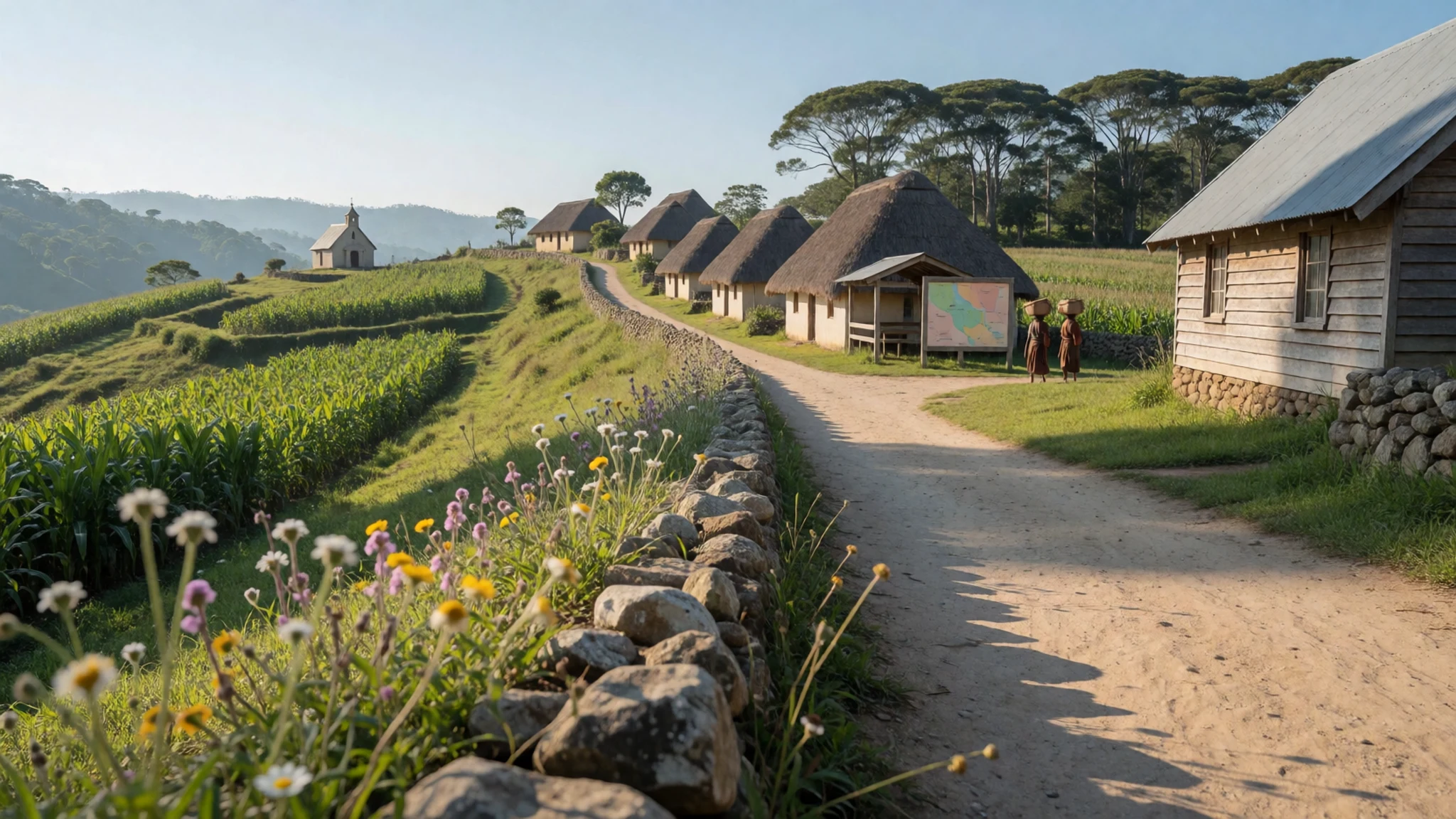
- Matebian massif — Matebian, near Baguia
The Matebian range rises near Baguia and dominates the horizon on clear days. It carries deep spiritual and wartime meaning for people in the east, so treat any approach as a respectful visit rather than a summit trophy. Go with a local guide, expect steep and slippery paths after rain, and leave plenty of daylight for descent.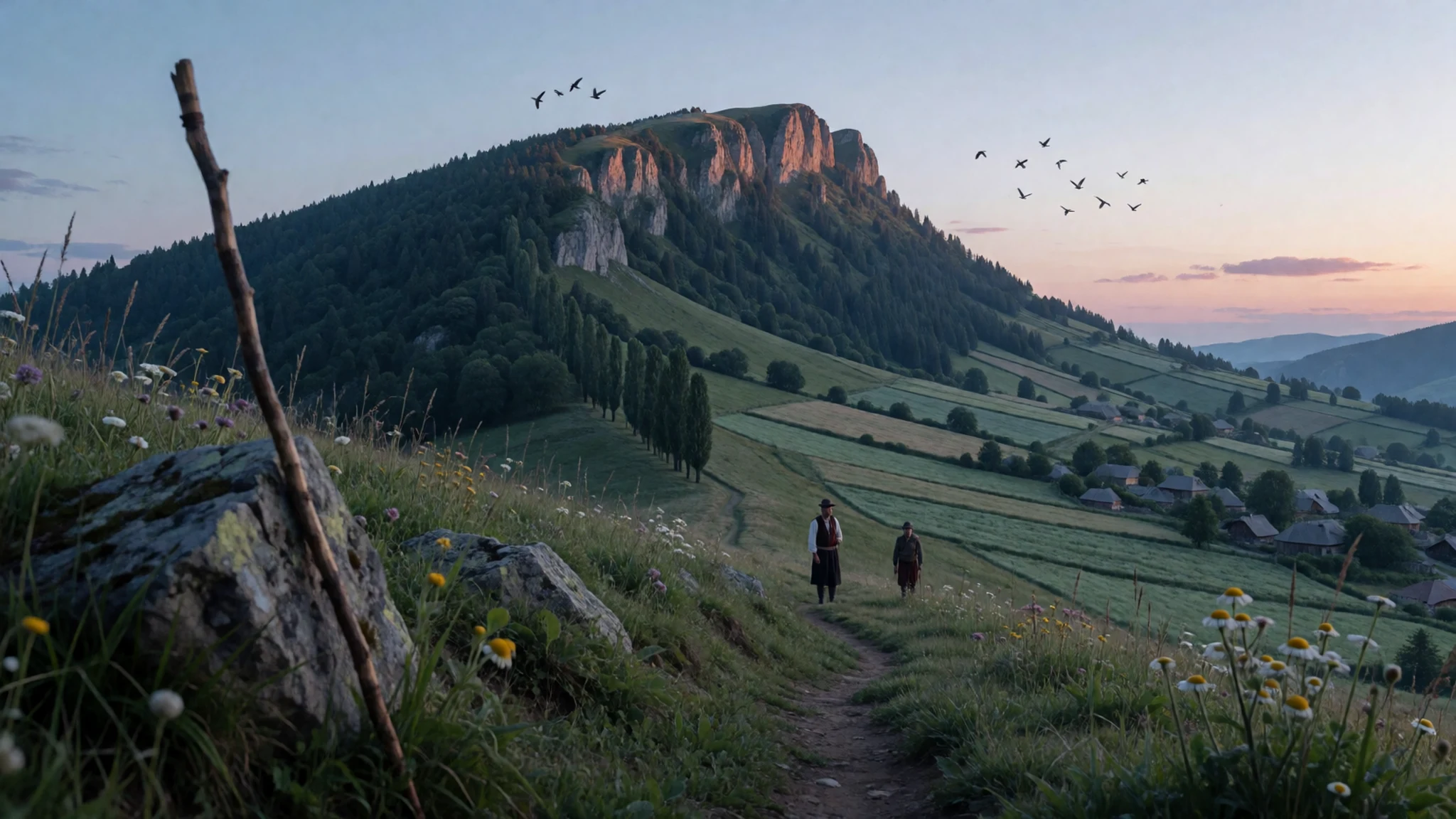
- Suco Osso Huna — Suco Osso Huna
Osso Huna is the village where Taur Matan Ruak was born, and it sits within the same administrative post. There is no museum or marked trail, so the value is in seeing an ordinary highland community and perhaps being invited to talk. Ask first, bring a small gift for a host, and do not treat anyone's home as an attraction.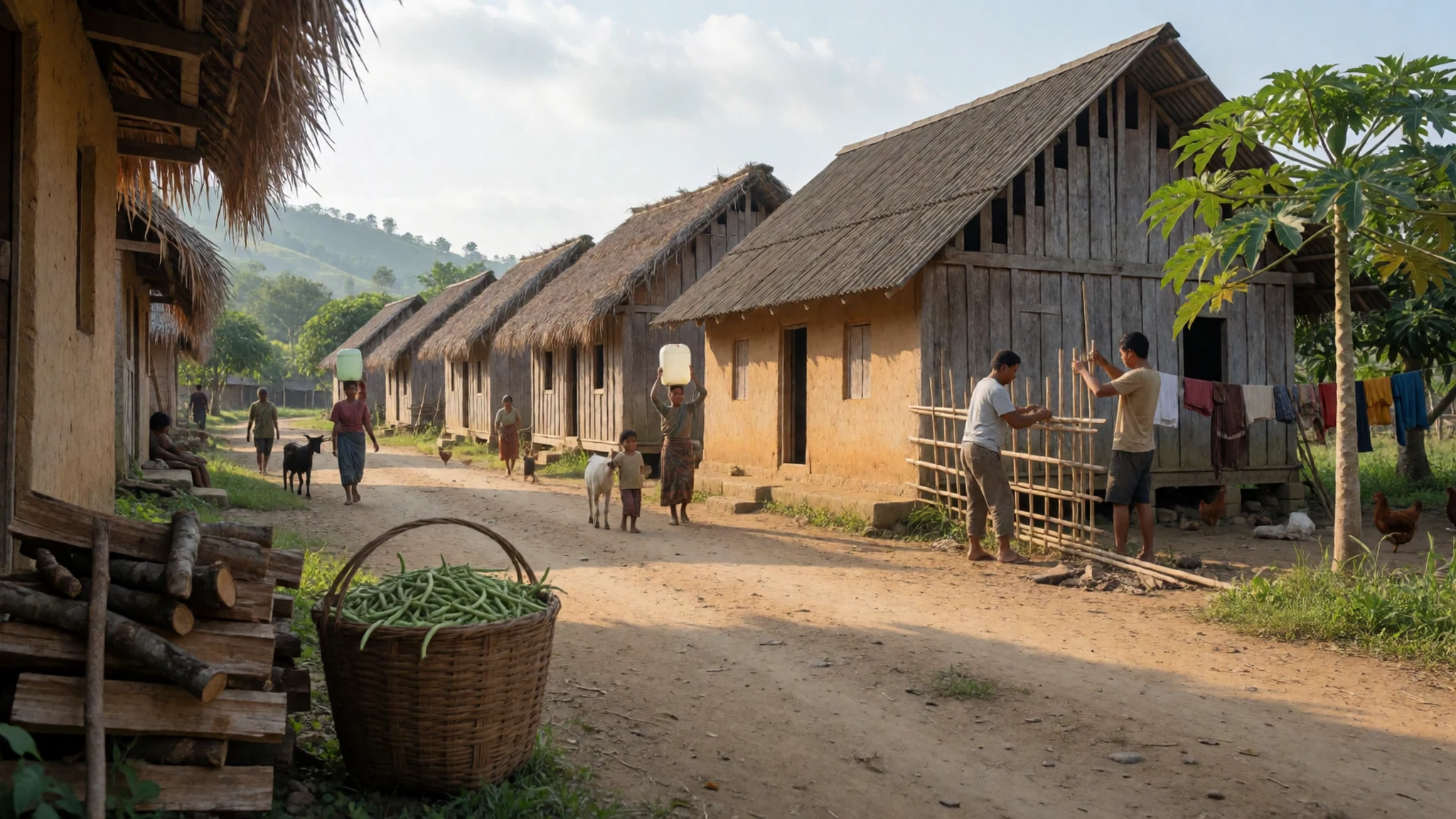
- Village chapels and sacred houses — Villages across the post
Catholic chapels and traditional sacred houses, known as uma lulik, stand side by side in many hill villages and show how two belief systems sit together. Admire them from a distance unless invited closer. The carved posts, steep roofs and thatch are worth noticing, but photography and entry depend entirely on the family or community caring for the building.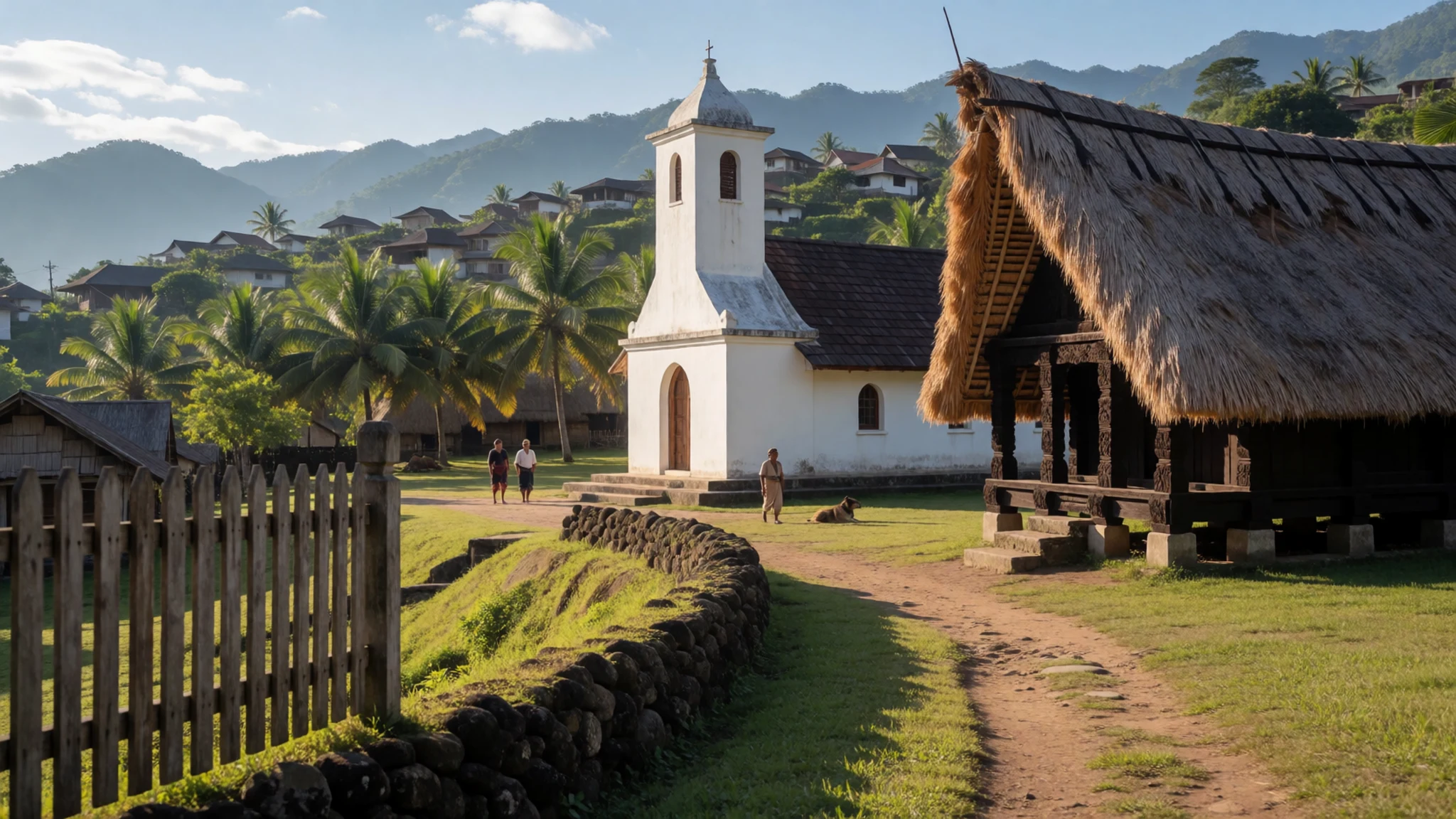
Culture
Baguia sits in a part of Timor-Leste where Catholic faith and older ancestral practice are woven together rather than kept apart. Most families attend church, yet the sacred house, or uma lulik, remains the centre of clan identity, and ceremonies around births, marriages and deaths follow customs far older than the chapels. Gifts of woven cloth, livestock and food move between families at these events, and the exchange builds obligations that last for generations. Hospitality is serious here: a visitor who is offered coffee, a cooked cob of maize or a seat on the porch is being treated as a guest, and refusing everything can sound cold. Elders are listened to, village heads are consulted before outsiders walk through, and decisions are often made after long, patient conversation. Memories of the occupation are close to the surface, and many families lost relatives, so questions about the past are best left for people who raise the subject themselves. Tetun is the common language between neighbours, Portuguese appears in official settings and in church, and local languages are spoken at home, so a few Tetun greetings go a long way. Chewing betel nut is common among older people and offered as a social gesture. Markets and gatherings tend to run on slow, informal time, and patience is read as respect. Ask permission from the family or village head before entering or photographing a sacred house or a funeral, and never touch the objects kept inside.
What to wear
In Baguia the traditional textile is tais, a hand-woven cloth made on a backstrap loom, usually from cotton and traditionally coloured with plant dyes, though bought yarn is now common. Patterns, colours and motifs differ by region and family, and a tais can mark a marriage, a funeral or a gift between clans. Men may wear a woven cloth wrapped at the waist for ceremonies, sometimes with a metal crescent ornament called kaibauk, while women wear tais as wrapped skirts or sashes at church feasts, weddings and community events. Day to day, people dress practically for farm work: T-shirts, shorts or trousers, sarongs, rubber sandals or boots, and a hat or cloth against sun and rain. Church on Sunday brings out cleaner, smarter clothes, often with a piece of tais. Visitors should dress modestly and sensibly: lightweight long trousers or a long skirt, shirts that cover the shoulders, and a thin layer for cool mornings. Pack a rain jacket for the wet season, a sun hat, and sturdy shoes with good grip for steep, muddy paths. Sandals alone are a poor idea on hill tracks. If a host offers a tais as a gift or a loan for a ceremony, accept it graciously and wear it as shown. Swimwear belongs only at the coast, not in villages.
What to eat
- Batar da'an — Family kitchens and small village eateries
A comforting stew of maize kernels, beans and pumpkin or leafy greens, simmered slowly and often eaten for breakfast or supper. It is the everyday meal of many Timorese homes, so the best chance of trying it is as a guest of a family or at a simple village eatery.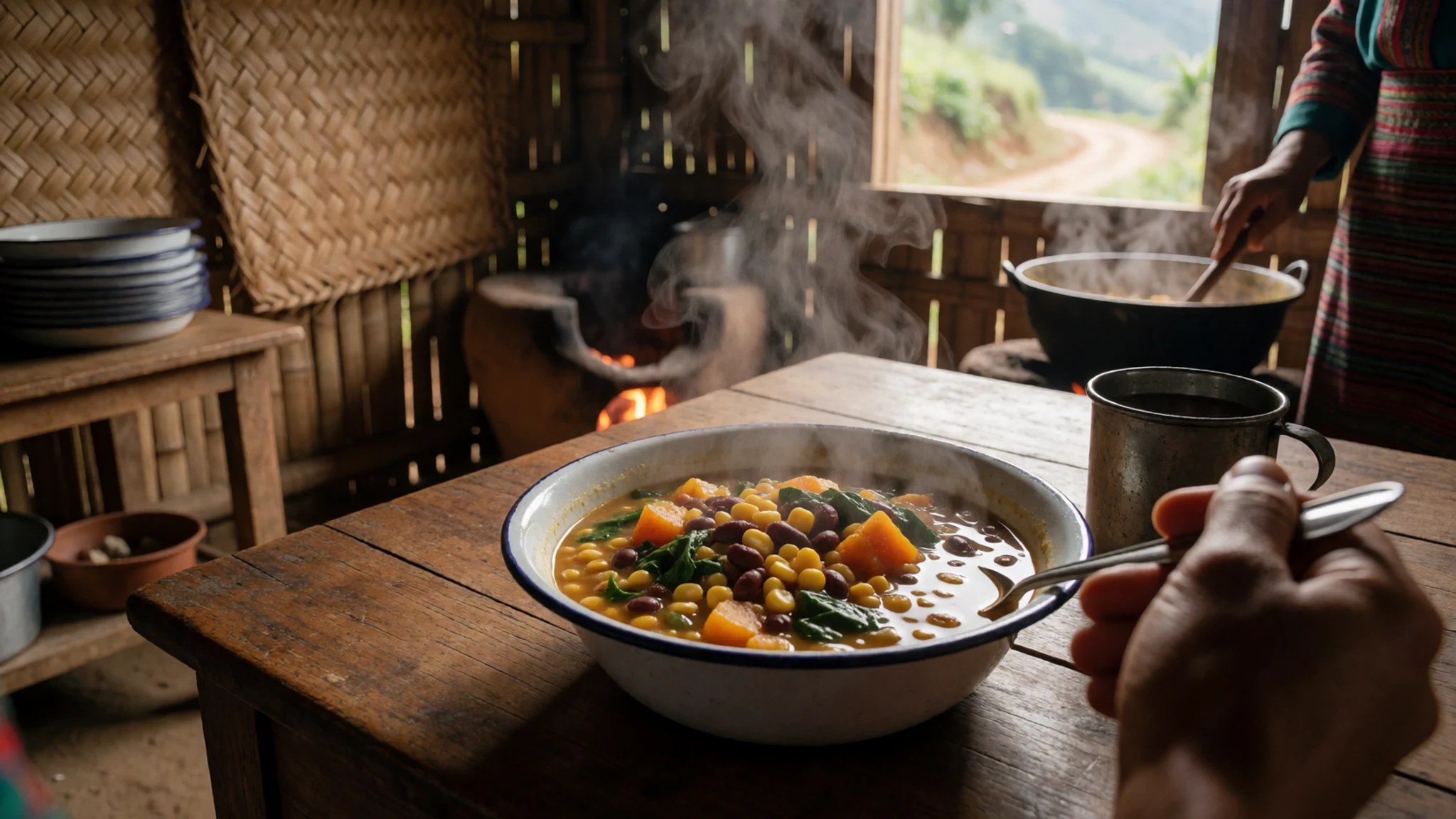
- Aifarina (cassava) — Village markets and roadside stalls
Cassava, boiled or roasted over embers, is a staple when rice is scarce. It is plain, filling and usually served with chilli sambal or a little salt. Look for it at roadside stalls and morning markets, where women sell bundles of roots and cooked pieces.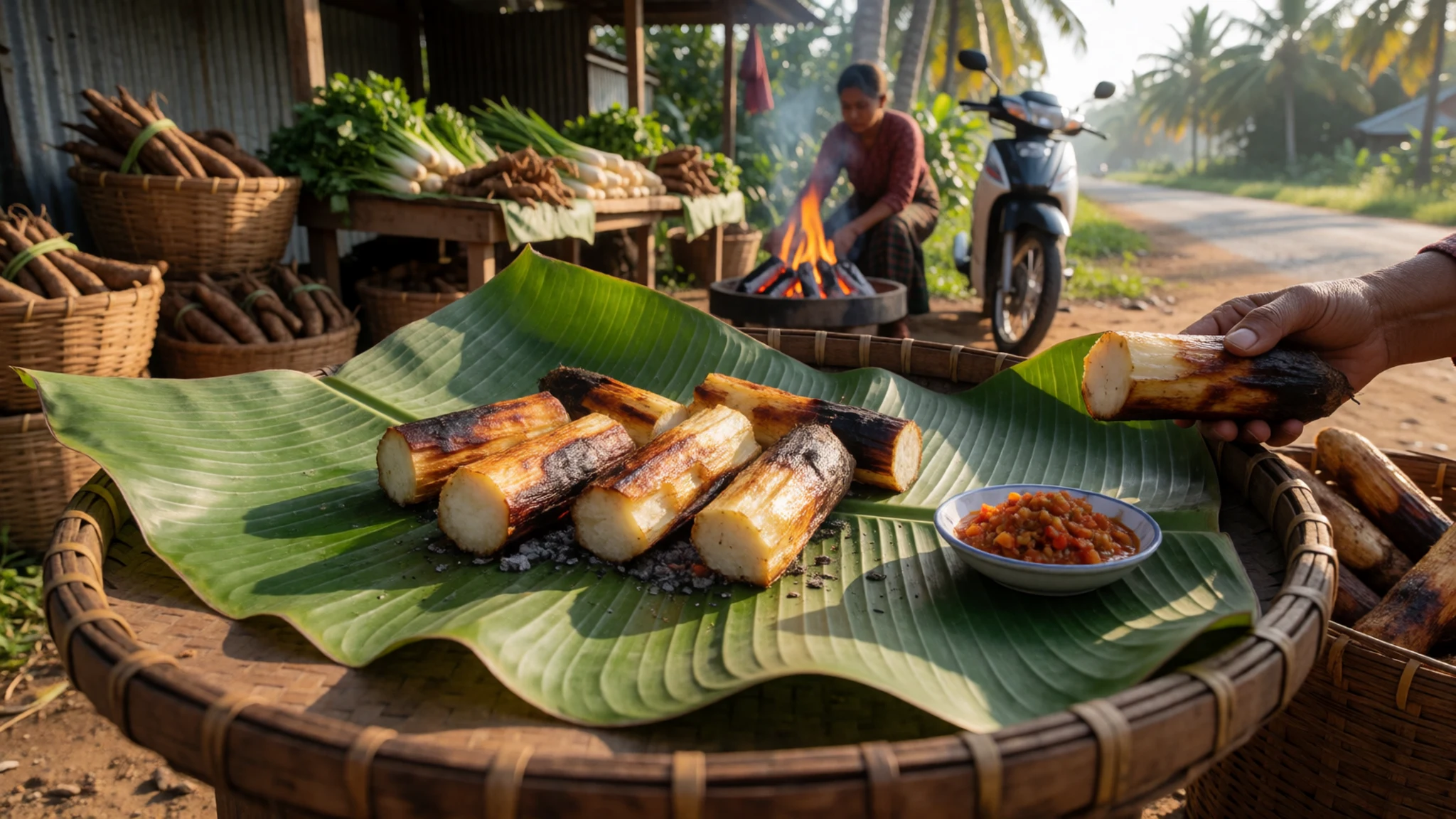
- Rice with greens and sambal — Simple eateries in the administrative centre
Where rice is available, it comes with stir-fried leaves such as cassava or papaya greens, a small portion of fish, egg or chicken, and a fiery chilli sambal made fresh. Portions are generous and prices are low. Ask the cook how hot the sambal is before you begin. - Timorese coffee — Family homes and small coffee stalls
Coffee grows in the highlands of Timor-Leste, and a small glass of strong, sweet black coffee is the usual welcome in a home. It is often made from locally roasted beans and served with fried banana or cassava. Accepting a cup is part of being a good guest. - Tua sabu and tua mutin — Village gatherings and ceremonies, by invitation
Tua sabu is a sweet palm sap drink, and tua mutin is a stronger distilled version, both common at celebrations in the hills. Treat the stronger drink with caution, since strength varies and it is poured in generous measures. A sip offered by a host is a gesture of friendship.
Plan it
Best time. May to October is the drier part of the year, with firmer tracks, clearer views of the mountains and cooler nights at height. The wet season, roughly November to April, brings mud, swollen streams and the risk of landslides, and can make roads in the hills difficult or impassable.
How long. 2–3
Getting there. Fly into Presidente Nicolau Lobato International Airport in Dili, then travel east by road to Baucau, the main town of the municipality. From Baucau, the last leg to Baguia climbs into the hills on rural roads, best done in a hired 4x4 with a driver; public transport is infrequent, so ask locally or at a Baucau guesthouse about current services.
Budget. low
Tips
- Hire a local driver or guide in Dili or Baucau, since signposts are few and road conditions change with the weather.
- Carry enough cash in small notes, as there are no reliable cash machines or card payments in the villages.
- Bring water, snacks, a torch and a basic first-aid kit, and treat or filter drinking water.
- Start walks early, because afternoons are hot and the weather can turn quickly on the slopes.
- Tell a guesthouse or a village head where you are going, and check road conditions before leaving Baucau.
Etiquette
- Greet elders and the village head before walking through a community, and ask permission before taking photographs of people.
- Do not enter or photograph a sacred house or a funeral without an invitation.
- Accept offered coffee or food politely, and reciprocate with a small gift or thanks.
Nearby
Sources
- Wikidata Q800153 (CC0)
- Wikipedia: Baguia (rev 1374969491) (CC BY-SA 4.0)
- Wikivoyage: Timor-Leste (CC BY-SA 4.0)
- Photo: Baguia (Quelicai) suco map, Jazinho Rosario, DGE, Ministériu Finansas (Public domain)
