Iliomar
Iliomar, Timor-Leste
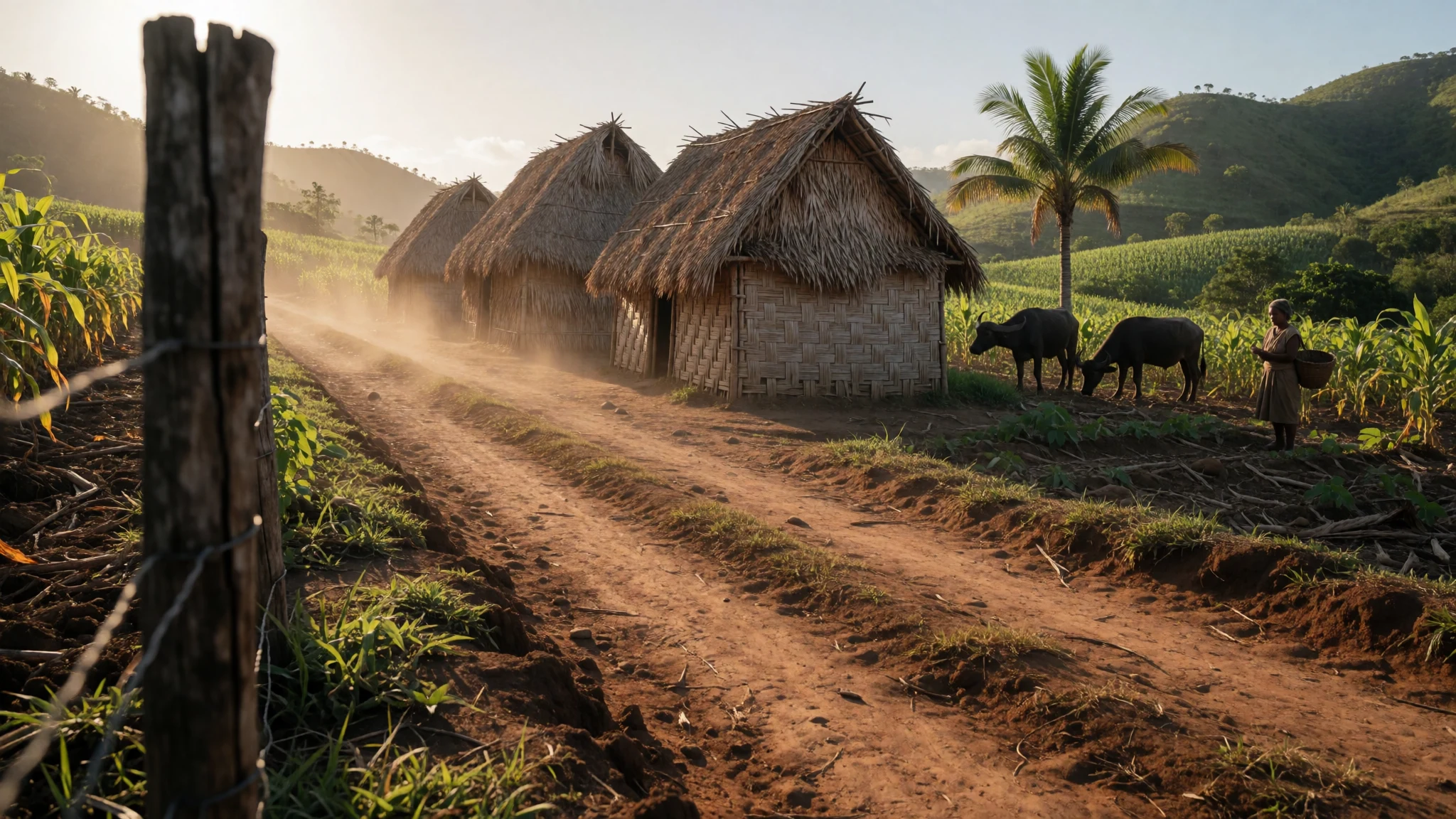
Iliomar is a quiet rural post in eastern Timor-Leste, for travellers who want village roads, an unhurried pace and a window onto the island's recent past.
The place
Iliomar is an administrative post in Lautém municipality, at the eastern end of Timor-Leste. It was once a subdistrict, and the name now covers a cluster of villages rather than a single town. Its administrative centre is Aelebere, and at the 2004 census the post held about 6,700 people, almost all of them living by farming. This is not a destination with a skyline, a promenade or a tourist strip. It is a landscape of thatched houses, maize and cassava plots, buffalo tracks and dirt roads that turn to mud in heavy rain, and the pace of the day follows the weather and the harvest.
The east of the country is among its quieter parts. Formal jobs are scarce and poverty is widespread, so most households depend on what they grow and rear: rice where water allows, root crops, chickens, goats and pigs. Roads are the main link to the wider world, and a journey that looks short on a map can take much of a day. Services are thin, so anyone visiting should expect basic lodging at best, cash-only dealings and limited mobile signal.
The reward is a place that has not been shaped for visitors. Houses sit close to the road, children walk long distances to school, and a stranger is noticed and, more often than not, greeted. Iliomar suits patient travellers who are happy to use it as a stop on a longer route through Lautém, rather than as a place to tick off sights.
Its story
Iliomar's history is the history of eastern Timor-Leste, and it was lived in villages like these as much as in the capital. For centuries the eastern half of the island was a Portuguese sphere of trade and influence, run lightly and often from a distance. When Portugal's own government fell and its overseas empire began to unravel, Timor-Leste declared independence in November 1975. Within days Indonesian forces invaded, and a long occupation began.
Under Jakarta's rule the territory was folded into Indonesia as a province of its own, with senior posts going largely to outsiders. Resistance continued in the mountains and forests, and rural districts such as Lautém bore a heavy share of the violence and hunger that followed. Estimates of the dead run into the hundreds of thousands, which in a small country means almost every family lost someone.
A United Nations-run vote in 1999 chose independence. Militias backed by elements of the Indonesian army then burned and looted across the territory, and an Australian-led international force was sent in to restore order. Timor-Leste was recognised as a sovereign state in 2002.
For Iliomar, the years since have meant slow rebuilding: roads, schools and clinics added one at a time to a countryside that still lives mostly from the land. Older residents remember the occupation directly, and visitors are wise to let them raise it first.
What to see
- Village huts on the Iliomar–Uatu kerbau road — Iliomar–Uatu road, Lautém
The road east of Iliomar towards Uatu passes clusters of thatched huts, fields and grazing buffalo. It is the most honest introduction to the area: no ticket, no signage, just rural Lautém at walking pace. Go in dry weather, ask before photographing homes, and expect the surface to be rough.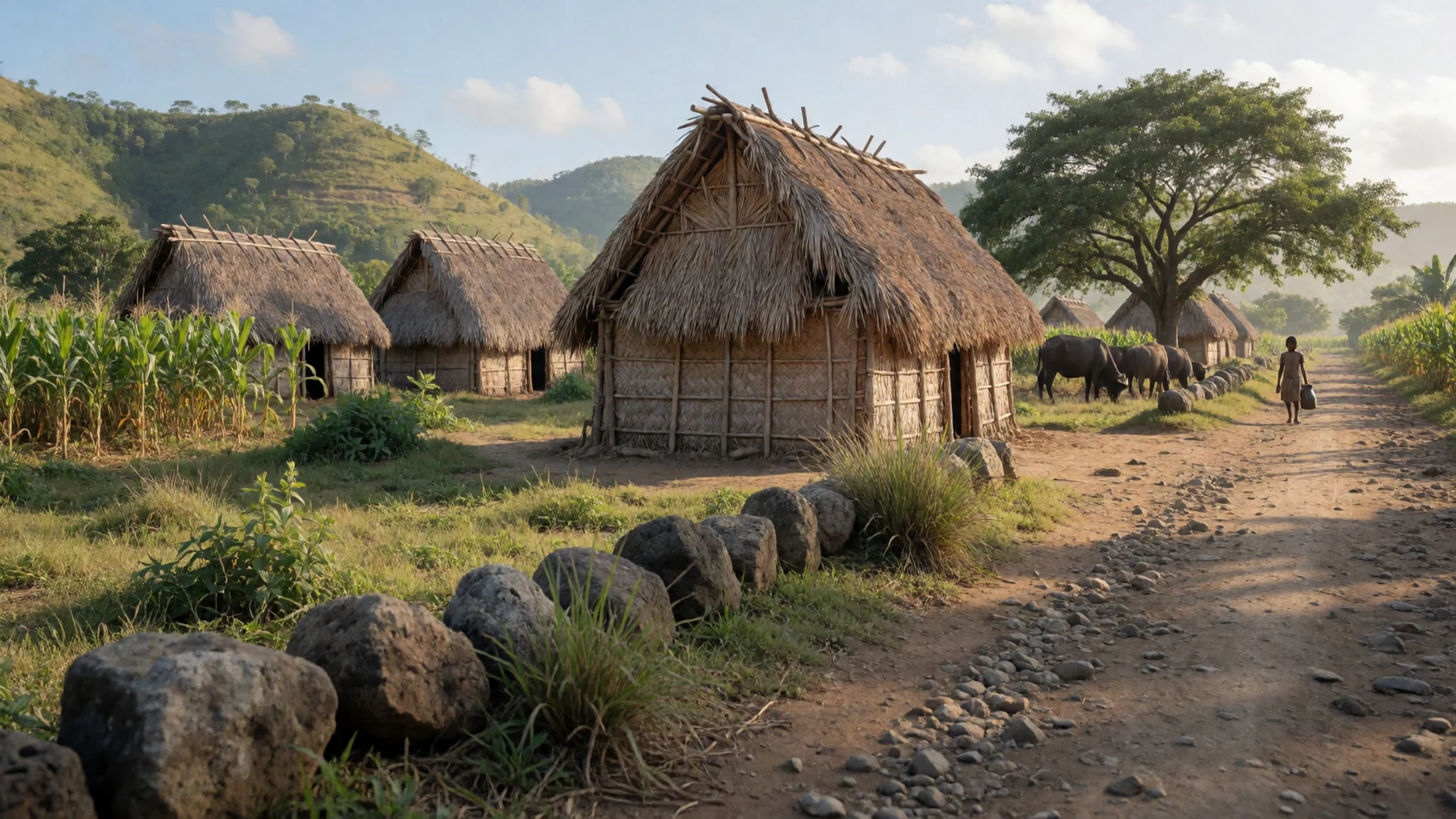
- Aelebere, the administrative centre — Aelebere, Iliomar
Aelebere is where the post's offices, a few shops and the weekly business of the district gather. It is modest, but it shows how a rural administrative centre works: people arriving on foot or motorbike, news passed along by word of mouth. A short stop helps with supplies and directions before moving on.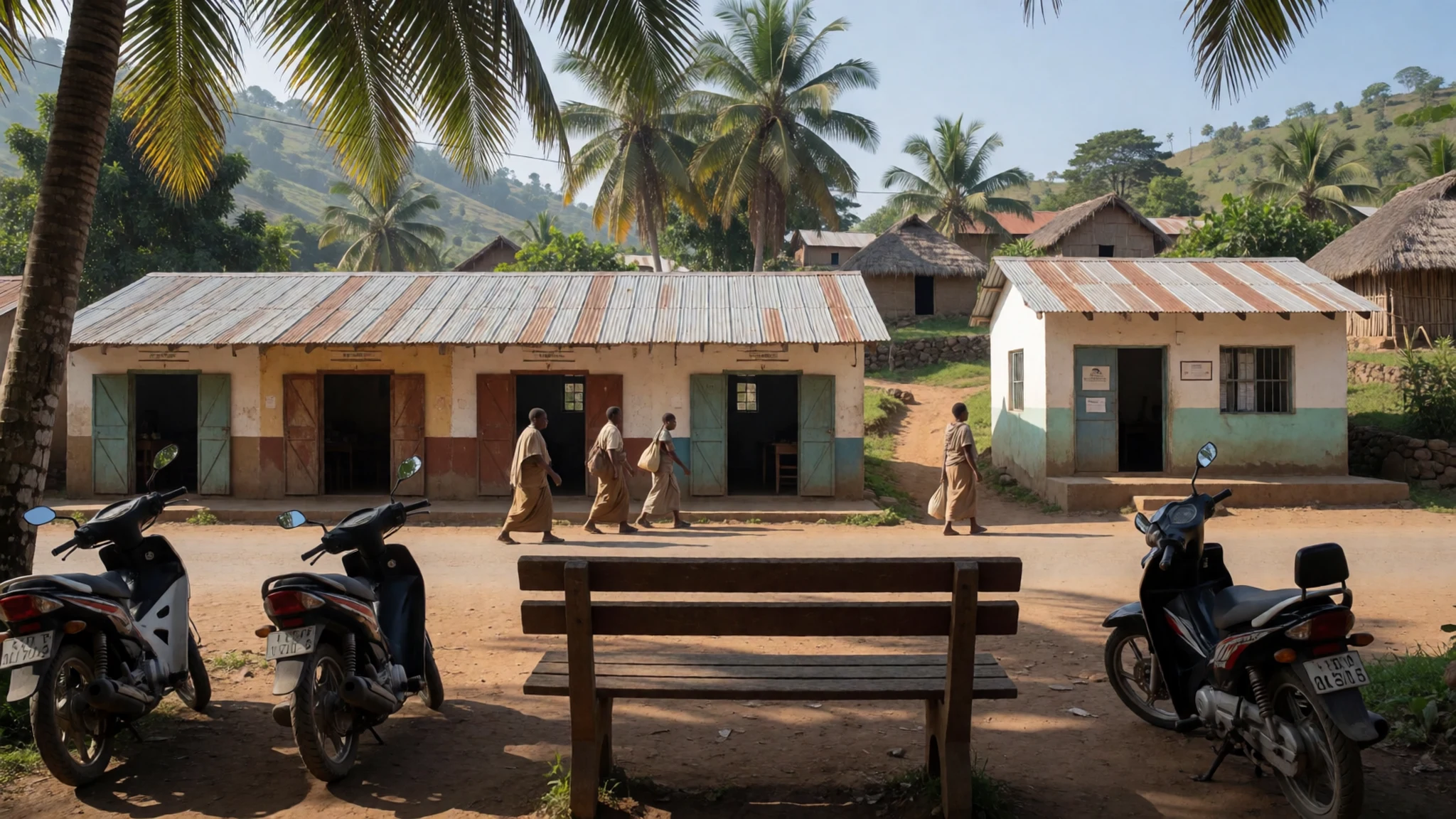
- Nino Konis National Park — Tutuala, eastern Lautém
At the far eastern tip of the country, this protected area keeps some of the last stretches of tropical lowland rainforest, along with a rich coastline. Trekking, bird-watching, diving and prehistoric archaeological sites are all possible. Local guides are essential, and arrangements are best made well ahead through community tourism contacts.
- Jaco Island — Off Tutuala, Lautém
Jaco is a small island off Tutuala, known for clear water and snorkelling, with simple eco-lodge facilities run with help from local organisations. It is a long journey from Iliomar, so treat it as a separate leg of the trip. Check boat and lodging arrangements locally before setting out.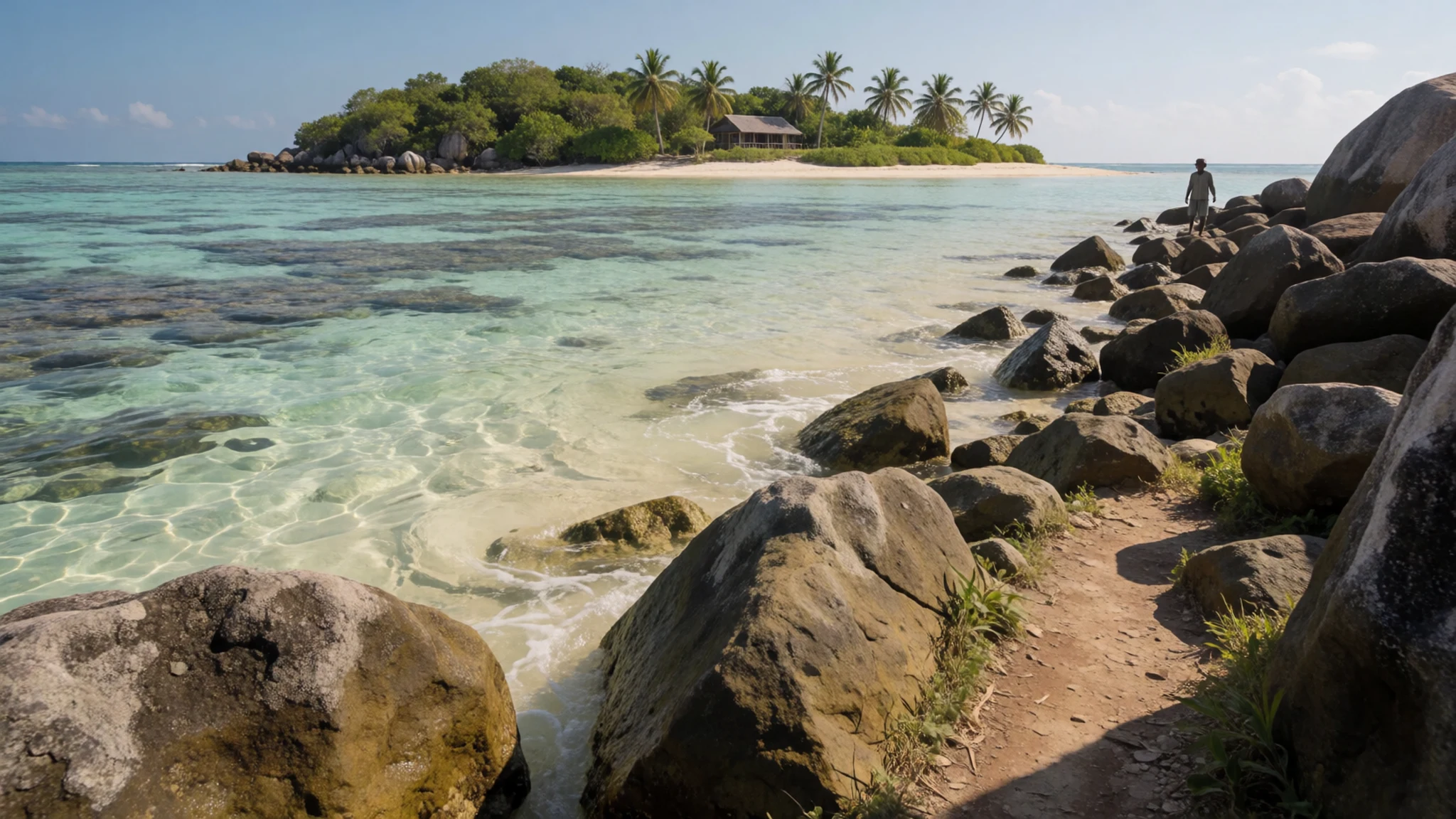
- Japanese caves near Baucau — Baucau municipality
West of Lautém, the caves around Baucau are part of the country's resistance and wartime trail, which also takes in other sites across the country. They give context to the stories older residents tell in the villages. Go with a local guide, who can explain what happened and where access is safe.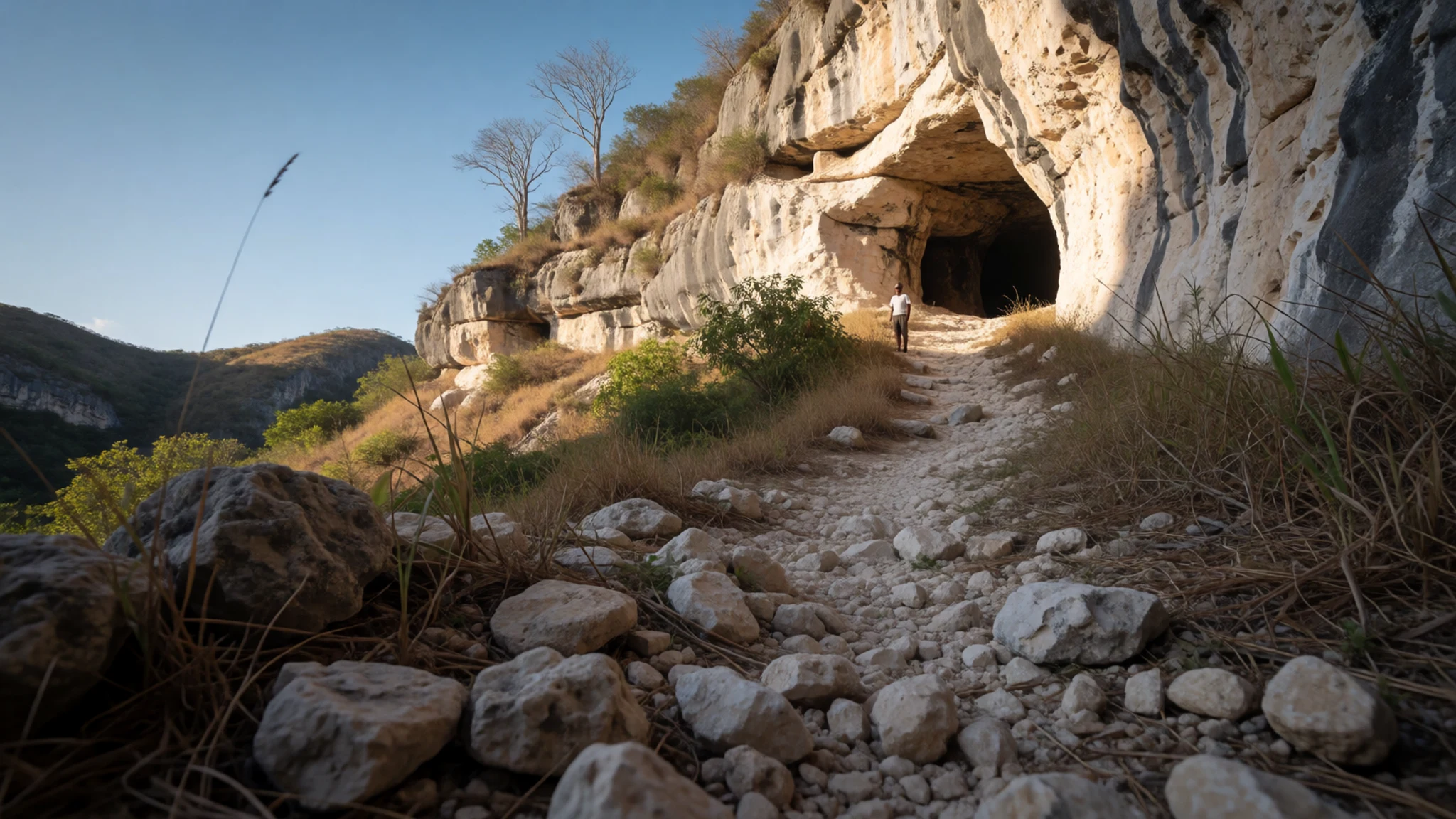
Culture
Iliomar's culture is rural Timorese, shaped by village life, Catholic faith, older customs tied to family and land, and the memory of the occupation. Tetun and Portuguese are the national languages, and local languages are heard daily in Lautém. Hospitality matters: a visitor who arrives in a village is expected to greet people, accept a seat and a drink, and spend a few minutes talking before any business.
The Indonesian occupation killed a very large share of the population, and almost every family has a story. Speaking warmly of the occupation, or of the idea that the country should belong to Indonesia, will not be well received, even though relations between the two countries are good today. Many people look back on Portuguese rule with some nostalgia, since it left villages largely alone. Politics is best discussed only if the other person begins the subject, and listening usually goes down better than offering opinions.
Church is central on Sundays, and community events such as weddings, funerals and harvest gatherings draw whole villages. Traditional houses and sacred places can carry rules of their own, so a guide or host should be asked before entering or photographing them. When you are invited into a home or a gathering, greet the elders first, accept what is offered, and always ask before photographing anyone.
What to wear
Traditional dress in Iliomar and across Timor-Leste is built around tais, handwoven cloth made on small looms, usually from cotton and often coloured with natural dyes. Patterns differ by region and family, and a cloth can mark origin, rank or occasion. Women wrap tais as skirts or sashes, and men wear it as a waist-cloth or shoulder cloth. It is worn most visibly at weddings, funerals, church feasts and ceremonies, and given as a gift to honour guests.
Everyday clothing in the villages is plain and practical: shirts or T-shirts, cotton skirts or sarongs, shorts or trousers for men, and rubber sandals or bare feet for fieldwork. Church clothes are neater, with collared shirts, dresses and sometimes a tais draped over the shoulder. Clothes are worn until they are worn out, and a mended shirt is nothing unusual.
Visitors should dress for heat, dust and mud while staying modest. Light, loose cotton trousers or long skirts and shirts with sleeves are comfortable and respectful. Shoulders and knees should be covered in villages and in church. Closed shoes or sturdy sandals with grip suit unmade roads, and a hat, sun cream and a light rain jacket are worth packing. Swimwear belongs on the beach only, never in a village.
What to eat
- Rice with fried fish — Roadside eateries and village homes
Rice is the staple, and fried fish is a favourite alongside it, sometimes spiced and often eaten with a simple chilli relish. Look for it at roadside eateries and in family kitchens. Prawns are considered a treat when available.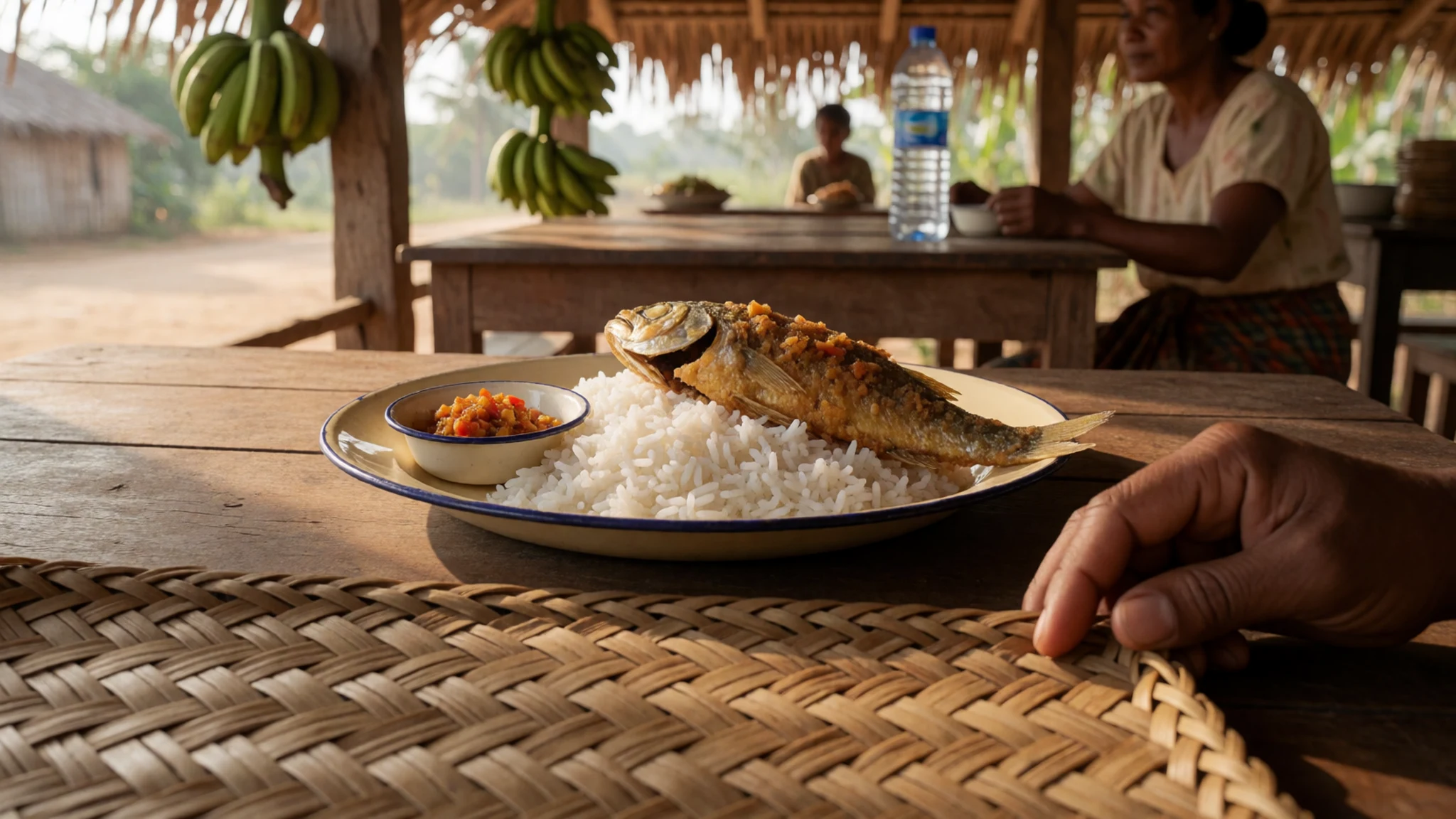
- Chicken curry — Eateries in Lautém towns and festive gatherings
Curry is a standard dish across the country, and chicken curry is the one most people name as a favourite. Spices are used generously. It is typically served with rice and, on special days, shared among a large group.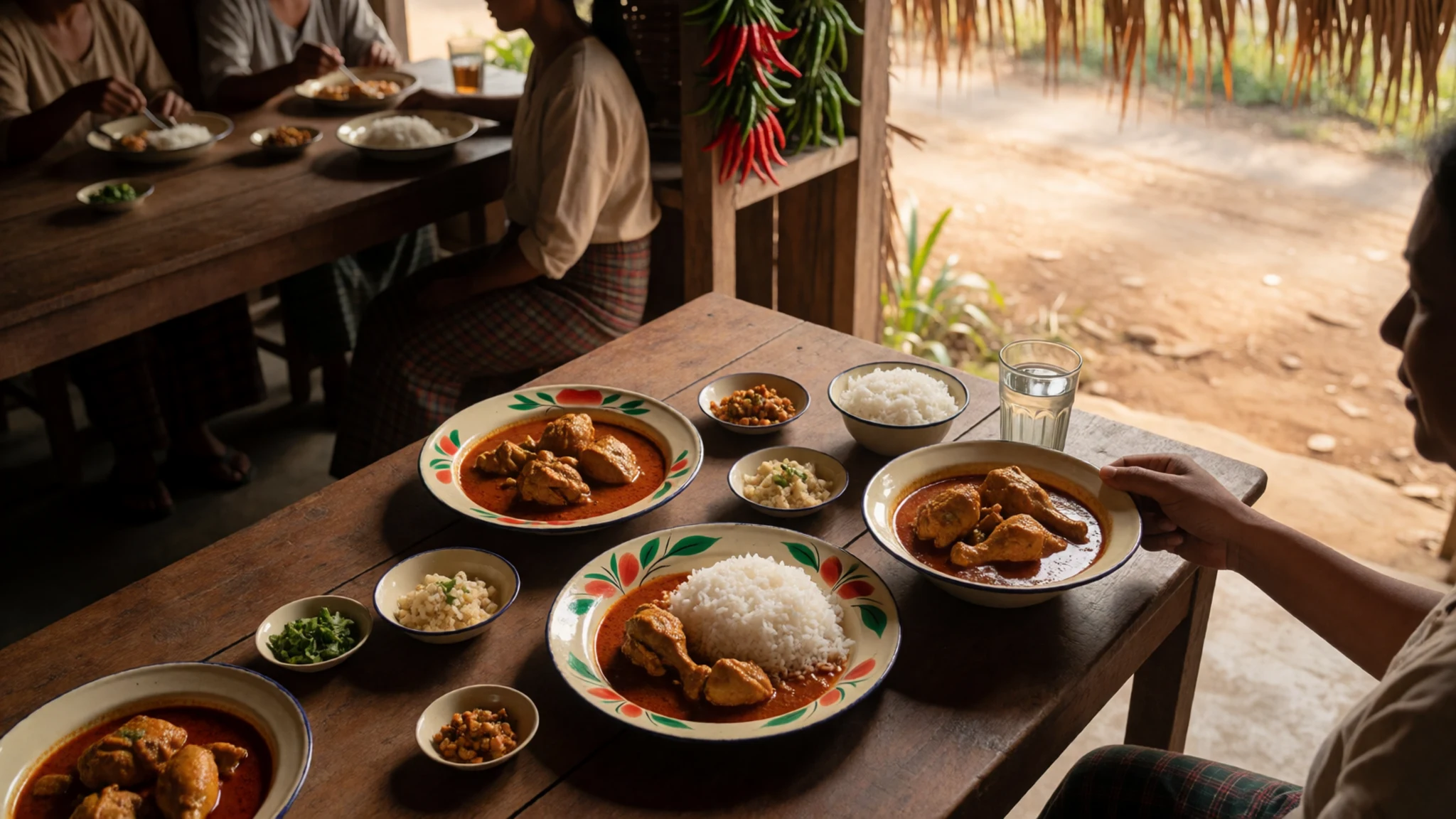
- Cassava, taro and sweet potato — Village markets and home kitchens
Root crops are grown widely and eaten boiled, steamed or fried when rice runs short. They are filling and cheap, and a plate of cassava with greens and chilli is an everyday meal in many farming households. - Local greens and beans — Village markets and family homes
Cabbage, spinach, onions, cowpeas and other beans are cooked into simple stews or stir-fries. They are usually seasoned with garlic, chilli and a little oil. Vegetarians can eat reasonably well here if they ask what goes into the pot. - Timorese coffee — Village homes, market stalls and cafés in larger towns
Coffee is grown organically in the country and is often brewed strong and sweet in small glasses or cups. It is offered readily to guests, and refusing a cup can feel awkward. Beans are sold by growers and in larger market towns. - Tropical fruit — Roadside stalls and weekly markets
Mangoes, papayas, bananas, watermelons and coconuts are widely grown and sold in season. Fresh coconut water makes a safe, welcome drink on a hot day, and bananas are easy to carry on a long road journey.
Plan it
Best time. June–October, the drier part of the year, when dirt roads are easier to travel and rivers are lower. The wet season brings mud, washed-out tracks and slow journeys, and the heat is strong year-round, so plan outdoor walks for early morning.
How long. 2–3
Getting there. Fly into Presidente Nicolau Lobato International Airport in Dili, then continue east by road through Baucau and into Lautém. The last leg is on rural roads, so arrange a driver or local transport, allow a full day, and check road conditions before leaving.
Budget. low
Tips
- Carry enough cash from Dili, as banks and card machines are scarce in rural Lautém
- Bring drinking water, snacks and any medicines, because shops are small and stock is limited
- Check visa rules and fees on the official Timor-Leste immigration website before travelling
- Arrange lodging and a local guide ahead of time, as formal accommodation near Iliomar is limited
- Start journeys early, since road travel is slower than distances suggest and daylight is limited
Etiquette
- Greet people when you arrive in a village and ask before photographing anyone or their home
- Avoid raising politics or the occupation unless a local person brings it up
- Dress modestly, with shoulders and knees covered, in villages and churches
Nearby
Sources
- Wikidata Q18145519 (CC0)
- Wikipedia: Iliomar (rev 1374437146) (CC BY-SA 4.0)
- Wikivoyage: Timor-Leste (rev 5406324) (CC BY-SA 4.0)
- Village huts near Iliomar on the Iliomar-Uatu kerbau road, Lautem — Colin Trainor (CC BY 3.0)
