Van
Van, Turkey
Van is a lakeside city with Ottoman- and Urartian-era ruins, dramatic viewpoints, and a cosy local breakfast rhythm.
The place
Van is an eastern Turkey city on the eastern shore of Lake Van, the kind of place where the lake isn’t a backdrop—it’s part of the daily mood. The city sits on a plain that extends from the lake, and the slopes of Mount Erek loom nearby, so even simple walks tend to feel like they’re framed by water and hills.
Most first-timers arrive for the big sites: Van Castle (Van Kalesi) rising above town, the museums that tell Urartian stories, and the Armenian heritage around Lake Van’s islands. It’s also a working city, not a theme park, so you’ll see everyday life mixing with visitors—especially along the main streets.
Weather is the real planning lever. Summers (July and August) are the warmest and driest, while winters (especially December to February) are the coldest and often snowy; spring (April) brings mild, comfortable walking, and autumn (October) stays pleasant with some of the year’s higher rainfall. Days can feel crisp even when the sun is bright.
Centrally, you’ll spot the “breakfast culture” most cities in Turkey don’t quite do: long, bountiful spreads and plenty of tea. In the evenings, the atmosphere shifts to small lanes and backstreets where pubs cluster.
Crowds are usually manageable, but expect more activity around the most central viewpoints and during better weather weeks. If you’re visiting for lake islands, build in buffer time: transport can be simple one day and frustrating the next—just how it is on a major inland lake.
Its story
Van’s story is really a layer cake: prehistoric roots in the region, then Urartian power, later Armenian kingdoms, and finally a modern city shaped by population change. Archaeological work across Van Province suggests people were living here very far back in time, and near Van itself the Tilkitepe Mound helps anchor the earliest chapter.
Under the name Tushpa, Van became the Urartian kingdom’s capital. The steep bluff now known as Van Castle (Van Kalesi) was where early settlement took hold, close to Lake Van’s edge. If you climb up there, you’re standing in the same kind of strategic spot that drew rulers—high ground, controlled approaches, and a view over the water.
Later, the region’s control shifted, with Persian rule following earlier transitions. The Van Fortress area is associated with an inscribed trilingual text on rock near the fortress, which is exactly the sort of detail that makes Van feel like a place where history leaves physical clues rather than just legends.
Then come the centuries tied to Armenian kingdoms and the sites around Lake Van. Churches and monastery ruins—some active, some abandoned—show up again and again in how travellers talk about the lake. The modern city now reflects different communities and histories, and the everyday breakfast halls and neighbourhood streets feel like the present-day version of “how people live here.”
That’s why Van works as a short trip: you can do the big viewpoints, learn enough history to make the stones meaningful, and still have time for the lake atmosphere and local food rhythms.
What to see
- Van Castle (Van Kalesi)
Van Castle sits on a high bluff near the lake shore, with town-and-lake views that change as the light shifts. From the entrance, a broad zig-zag track climbs through sections of fortification up to the summit—great for slow, breathable sightseeing.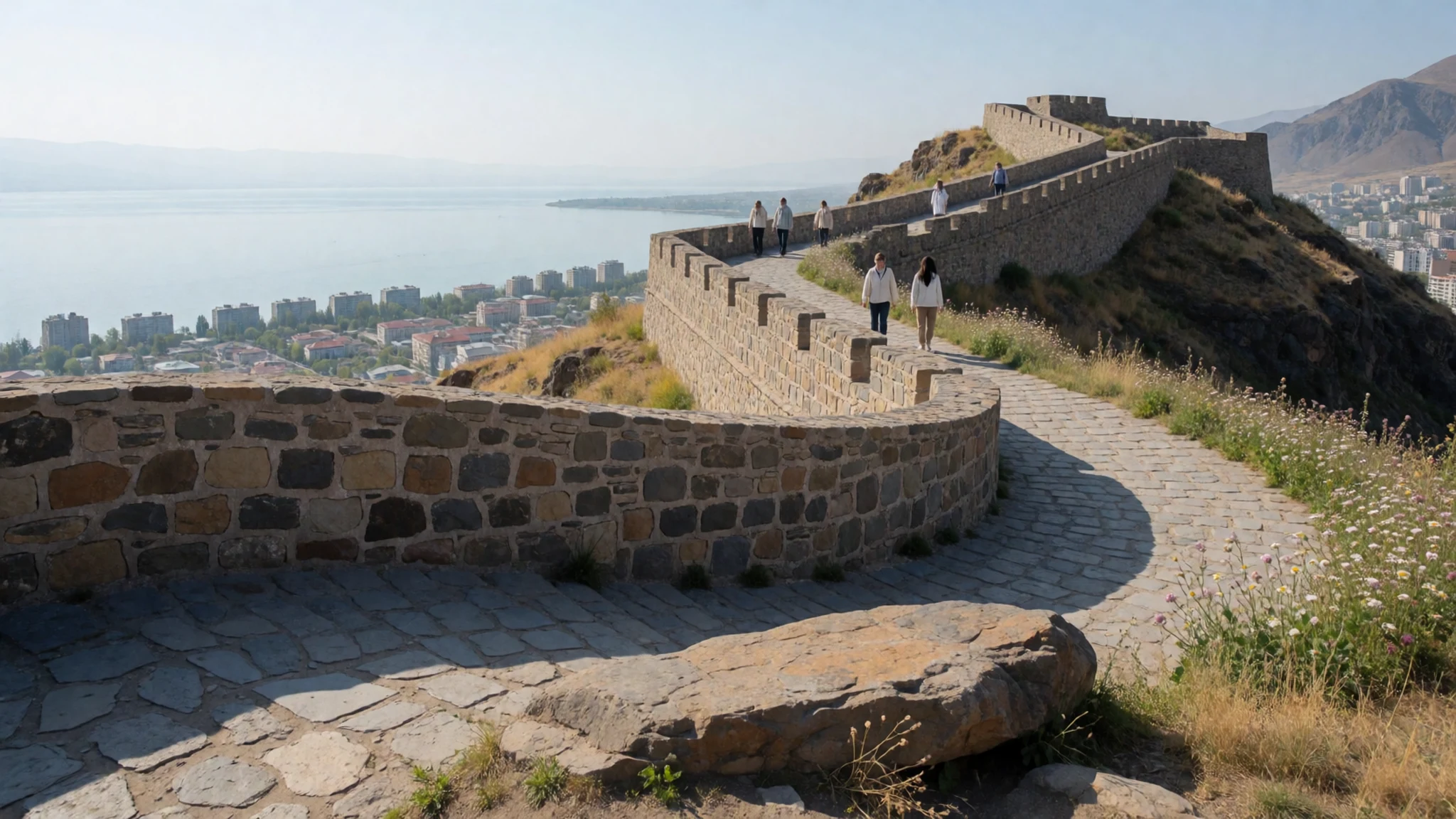
- Archaeology and Ethnography Museum — Van city centre
The Archaeology and Ethnography Museum focuses on Urartian material, with modern displays and signage in English. It’s also noticeably dimmer than you might expect, so bring a bit of patience for reading details, especially if you’re looking closely.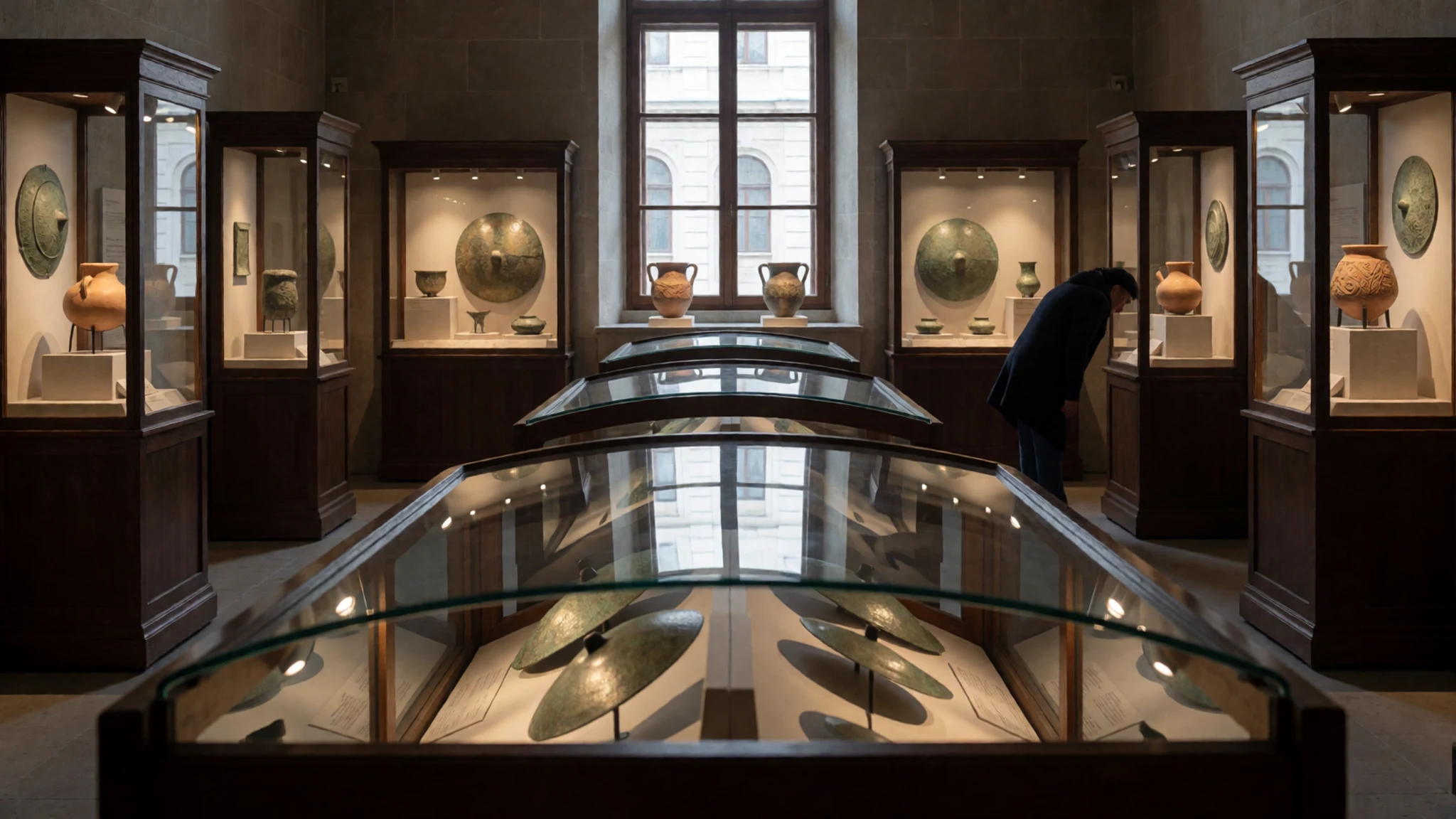
- Akdamar Island (Holy Cross / Surp Khach) — Akdamar Island, Lake Van
Akdamar Island in Lake Van holds the Holy Cross church complex, remembered as a surviving remnant of a larger Armenian palace-and-monastery site. The exterior includes carved rock-cut reliefs, and inside there are faded frescoes that reward careful viewing.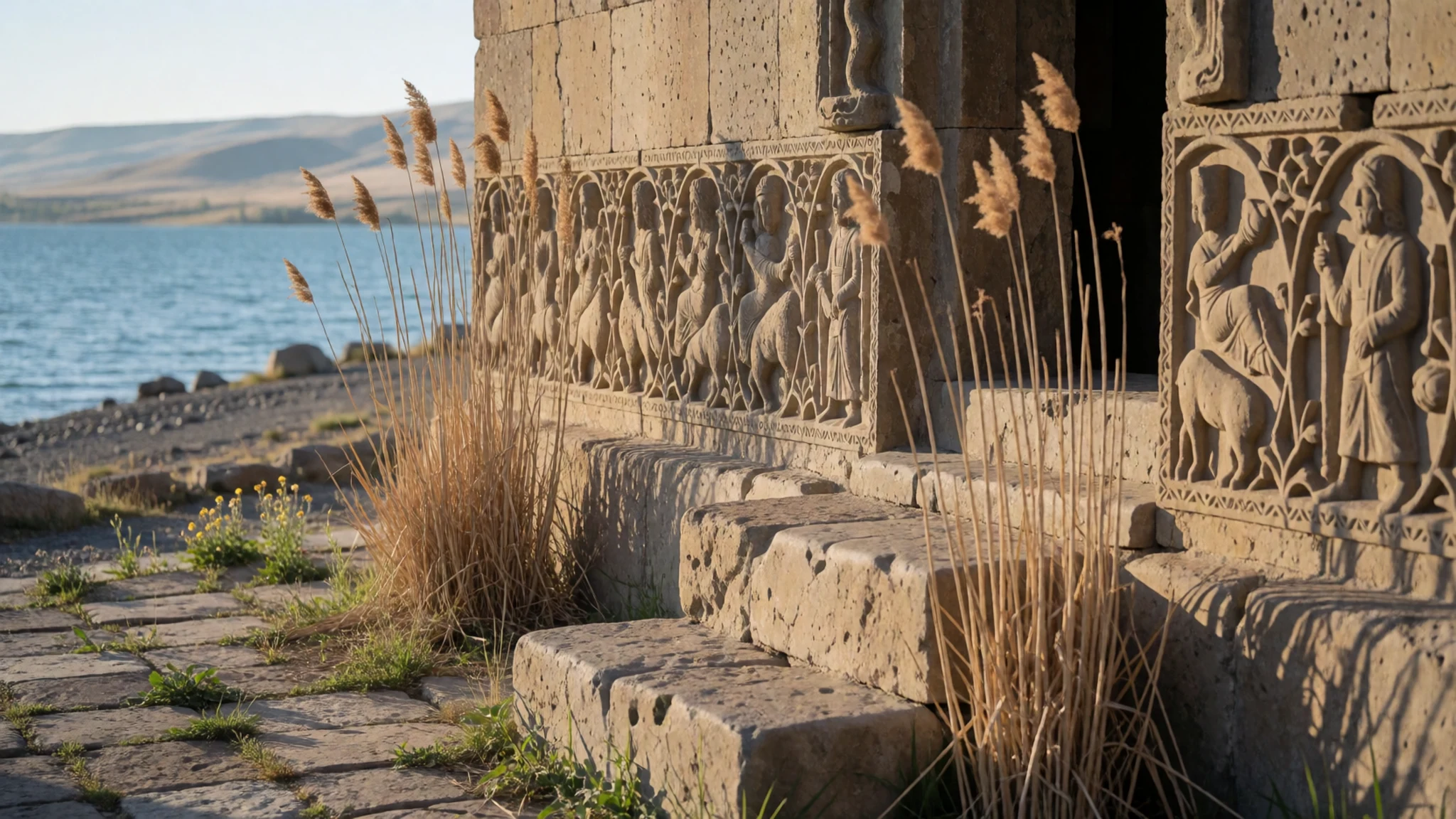
- Çavuştepe (Urartian acropolis) — Above Highway D975 (Çavuştepe ridge area)
Çavuştepe is an Urartian acropolis along a ridge above Highway D975. It’s strung out along the landscape, and the key draw is the rock inscriptions. The trade-off is that signage is absent, so expect a more independent visit.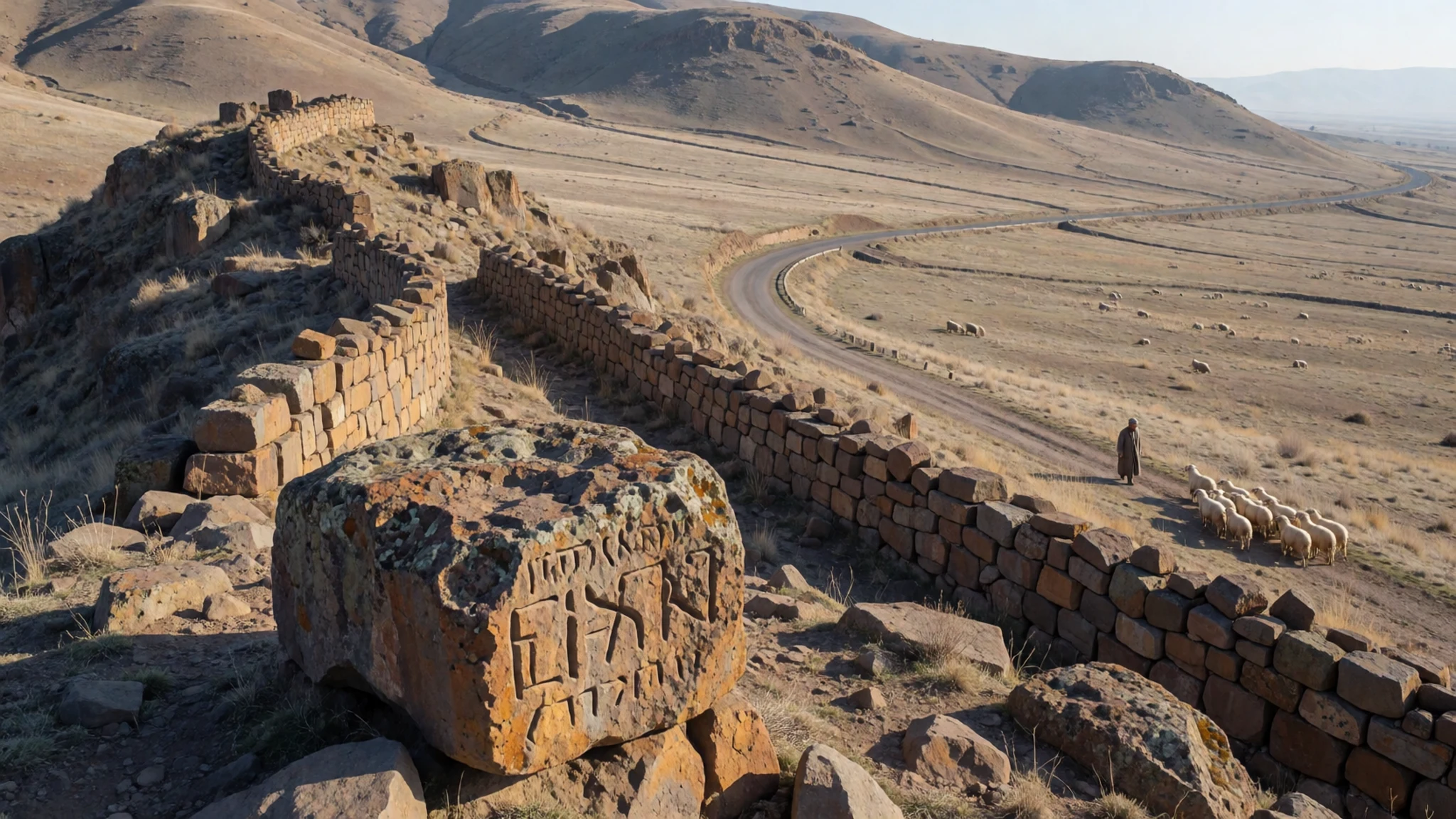
- Muradiye Waterfalls (Görecek/Muradiye area) — Muradiye / Görecek area, outside Van
Muradiye Waterfalls are a short-feeling outing from Van, set in the Muradiye area where water cuts a visible path through the terrain. It’s a classic stop for cooling breaks and quick photos, and the surrounding views make it feel less like an entrance fee and more like a landscape day.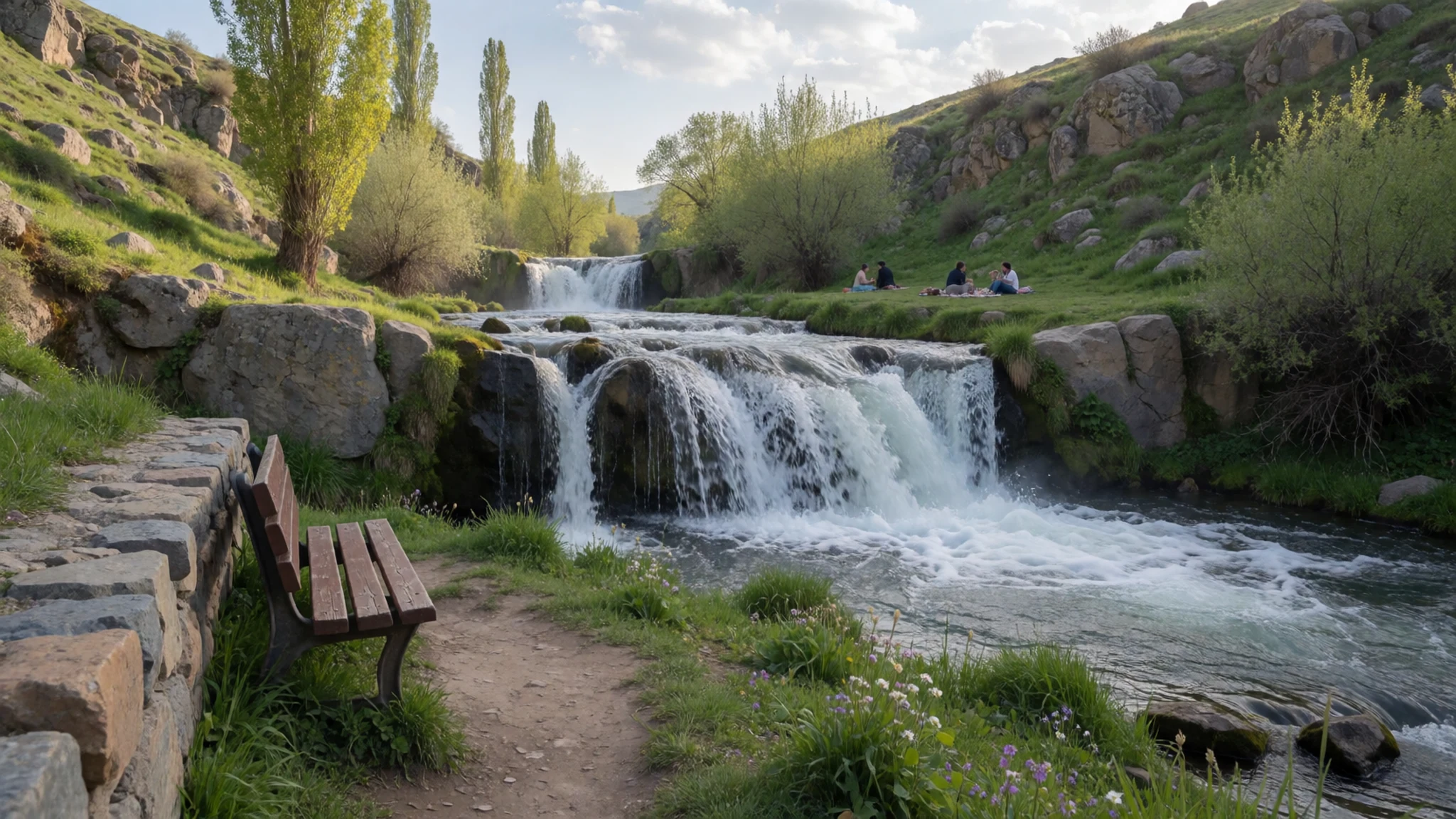
Culture
Van’s culture shows up in the daily pace, especially around breakfast. Across the city, “kahvaltı salonu” act like breakfast halls: you get a big spread of food and plenty of tea, and the whole meal is more about lingering than rushing. That relaxed rhythm is also how local hospitality often feels—people treat breakfast as a social moment.
Because Van sits at the meeting point of different histories, there’s also a quieter etiquette layer around heritage sites on and near Lake Van. In places connected to faith or older communities, visitors tend to be most welcome when they keep voices low, dress thoughtfully, and give space to worshippers or anyone trying to look quietly at carvings and interiors.
If you’re photographing in areas with religious significance, keep your movements slow and avoid blocking doorways or paths—especially around churches and monasteries. At the same time, don’t be surprised if people are curious about where you’re from; a friendly chat often matters as much as a selfie.
Visitor etiquette: dress modestly and keep your voice low inside church and monastery spaces, and never step into any restricted areas for photos.
What to wear
In Van, fashion is practical because the weather swings. Traditional dress reflects Anatolian roots: you may see ornate headscarves and layered garments, with textiles chosen for warmth and durability. Traditional looks are more likely in local neighbourhoods, on special occasions, or in cultural settings, rather than all day in the main streets.
What people wear day-to-day is a mix of modern casual clothes and weather-appropriate layers. In warmer months, expect breathable tops and lighter trousers; in colder, especially when the city is snowy, you’ll see coats, thicker layers, and hats or scarves. Because Van sits at elevation, evenings can feel cooler even after a sunny day.
For visitors, bring layers you can adjust: a warm outer layer for mornings and evenings, and something that covers shoulders and knees for heritage sites. Comfortable walking shoes matter, particularly if you plan to climb up to viewpoints like Van Castle. If you’re visiting churches or monastery ruins near the lake, carry a scarf you can use to cover your head or shoulders if needed, and avoid overly flashy outfits that draw attention in quiet spaces.
What to eat
- Kahvaltı (breakfast hall spreads) — City centre breakfast halls (kahvaltı salonu)
Van is known for breakfast culture: kahvaltı salonu serve huge spreads with tea, usually early in the day, and you’re served enough food to settle in for a long meal. This is the easiest “food experience” to match local life—order what’s recommended and settle in for a long meal.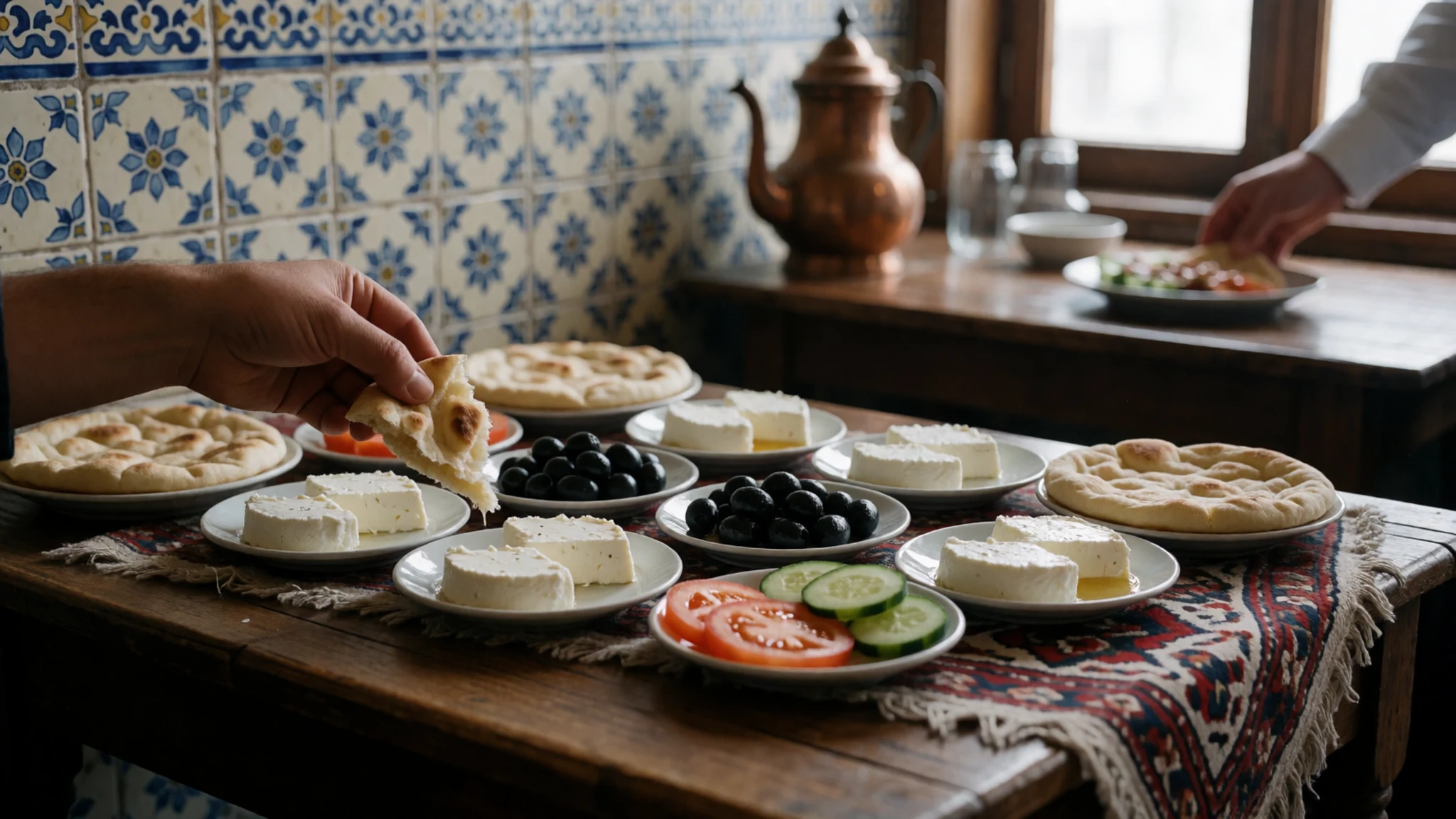
- Tea with breakfast (unlimited-style) — Kahvaltı salonu during morning hours
Van’s breakfast rhythm comes with plenty of tea, often refilled as the meal carries on. It’s less about a single cup and more about the whole cadence of eating slowly and chatting.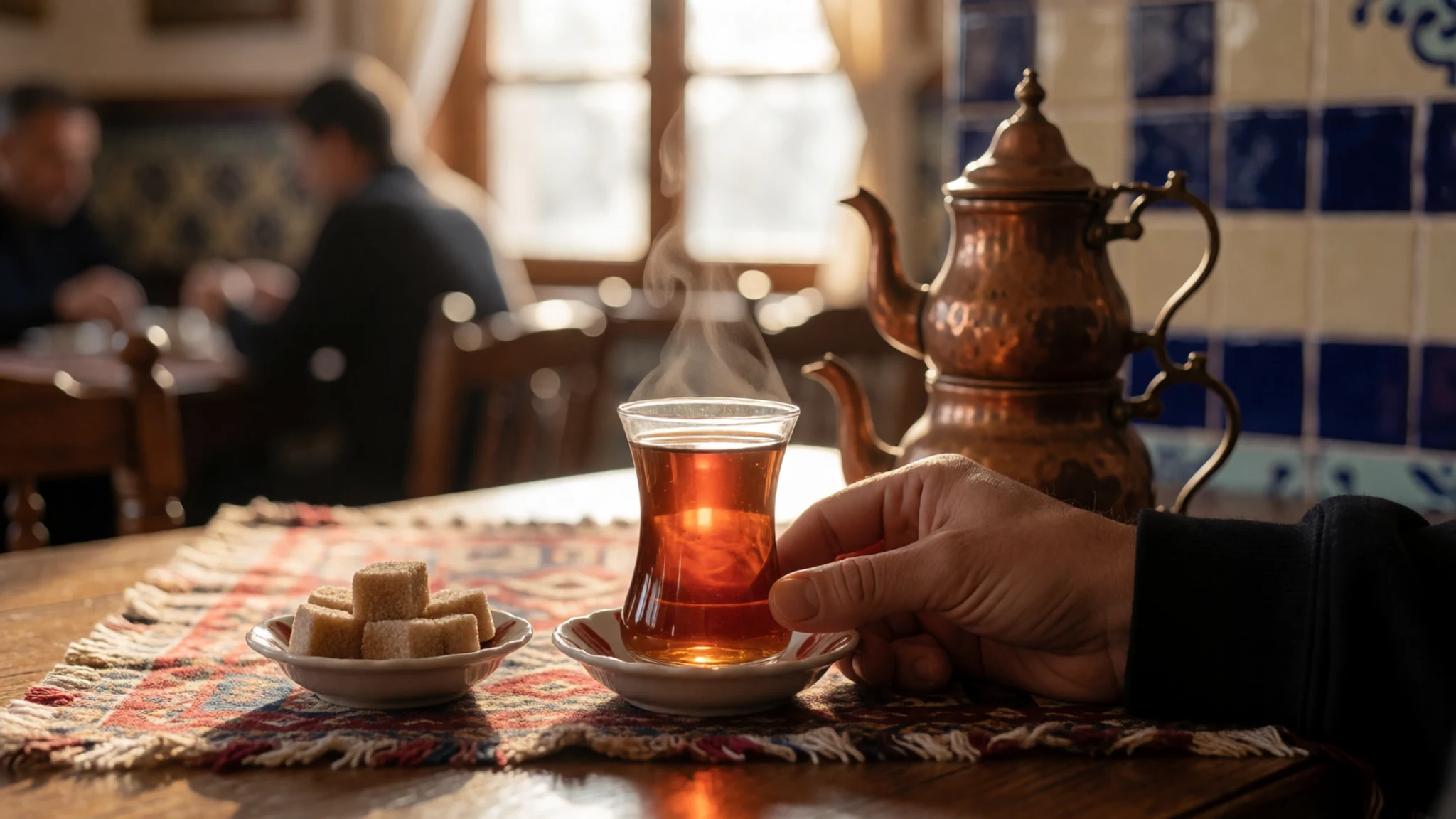
- Local pub snacks in backstreets — Alleys between Kazım Karabekir Blv and Cumhuriyet Cd
A surprising number of pubs cluster in narrow alleys between Kazım Karabekir Blv and Cumhuriyet Cd. Think of this as the place to try simple bar food alongside a drink while you watch the streets wake up. - Lake-day picnic-style bites — Markets and convenience stops around the main streets
When you’re out towards the lake, it’s common to keep things simple: pick up snacks and drinks in town, then eat outdoors on a viewpoint break. It’s not “one named dish”, but it fits Van well. - Round-the-city kebab-style comfort — Everyday eateries in and around the centre
Turkey’s kebab culture shows up in Van too, but the city’s identity is more about how meals start and how people linger. Look for grilled meat plates that suit a sharing table after a long walk.
Plan it
Best time. March–April and October–November for comfortable temperatures; summers are very warm and dry, while winters are cold and snowy.
How long. 3–4
Getting there. Fly to Van’s airport area, then use local taxis/minibuses into town; for regional links, Van is connected by road via Highway D300 and the surrounding bus network, with Tatvan as a common lake crossing pickup point.
Budget. mid
Tips
- Plan your main climbs (like Van Castle) for the earlier part of the day when streets feel calmer.
- If you’re heading towards the lake islands or outlying waterfalls, build in buffer time; it can be simple one day and slower the next.
- Use the city centre breakfast halls to anchor your day—breakfast is a big part of how to experience Van properly.
- Bring cash for smaller stops around markets and heritage areas, even if larger places accept cards.
Etiquette
- Dress modestly for churches and monastery ruins, and keep voices down in quieter interiors.
- On a walk to viewpoints, watch your footing on uneven paths and avoid blocking the climb routes.
Nearby
Sources
- Wikidata Q83061 (CC0)
- Wikipedia (Van, Turkey) — rev 1378867916 (CC BY-SA 4.0)
- Wikivoyage (Van) — rev 5421079 (CC BY-SA 4.0)
- Photo 01 — City of Van (view from Van Kalesi) (CC BY-SA 1.0)
- Photo 05 — Akhtamar Island on Lake Van with the Armenian Cathedral of the Holy Cross (CC BY 3.0)
- Photo 08 — Görecek Muradiye Van Turkey panoramio (CC BY 3.0)


