Bozcaada
Bozcaada, Turkey
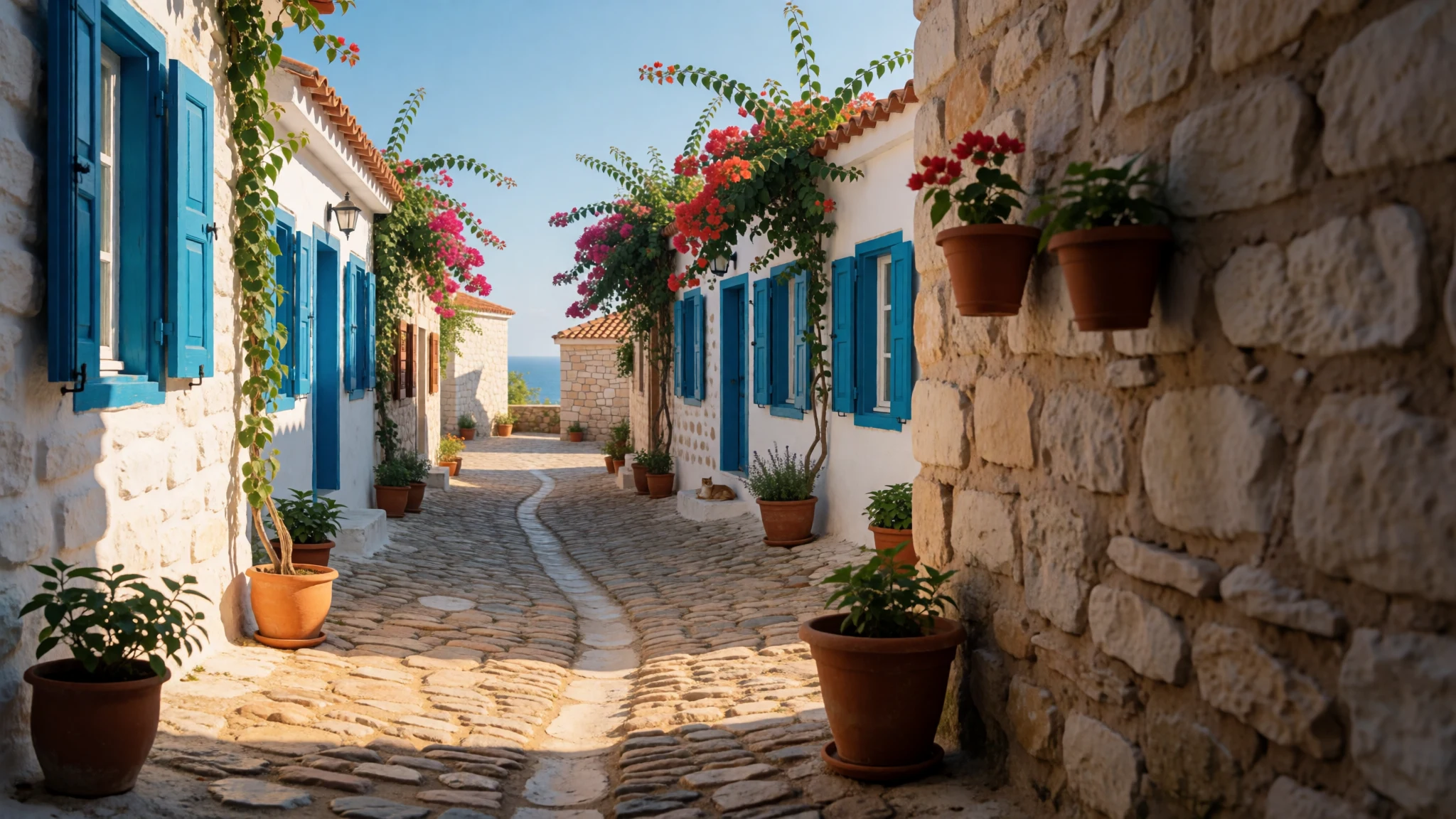
Bozcaada offers quiet cobbled streets, centuries-old vineyards, and stone architecture on a breezy Aegean island getaway.
The place
Bozcaada, known historically as Tenedos, rests in the northeastern waters of the Aegean Sea as an island district of Çanakkale Province. Across its landscape, visitors discover an intimate territory defined by coastal breezes, traditional low-rise architecture, and quiet harbours. The island community relies primarily on tourism, fishing, and wine production, maintaining a quiet rhythm that contrasts sharply with the busier Turkish mainland. Traditional stone houses line narrow, cobblestone alleys in the main settlement, where whitewashed walls are framed by colourful wooden shutters and cascading vines. Because vehicles are largely restricted in the oldest quarters, exploring the town on foot remains the best way to appreciate its architectural character. Small squares serve as natural gathering points where locals and travellers share strong Turkish tea or local wine while the sea breeze cools the afternoon heat. Beyond the main town, low hills roll gently toward rocky coves, sandy beaches, and quiet stretches of vineyard that have thrived in this maritime climate for centuries. Though summer brings eager holidaymakers from Istanbul and Izmir, the shoulder months reveal a much quieter island where the wind shapes the daily pace of life.
Its story
Bozcaada carries a deep mythological and strategic heritage that stretches far back into antiquity. In classical literature, Bozcaada appears in both Homer's Iliad and Virgil's Aeneid, serving as the deceptive hiding spot for the Greek fleet during the final days of the Trojan War. Because of its commanding position near the entrance of the Dardanelles, this island has changed hands through centuries of Mediterranean conflict. Successive powers including the Persian Empire, the Delian League, Alexander the Great, the Attalid kingdom, Rome, and Byzantium all recognised its value for controlling regional shipping lanes. Later, control shifted to Venice, leading to intense maritime rivalry with Genoa. Following a destructive war between the two Italian republics, the island was entirely evacuated and its settlement demolished in the fourteenth century. Centuries later, Ottoman rule reshaped the defensive architecture, culminating in the massive fortress that still dominates the harbour today. Archaeological investigations across the lowlands have uncovered traces of human settlement reaching back to the Early Bronze Age, linking its ancient cultivators with broader Anatolian and Cycladic cultures.
What to see
- Bozcaada Castle — Harbour front
Rising dramatically over the harbour, this massive fortification dominates the northern waterfront. While an earlier defensive structure stood here before the fourteenth-century Genoese conflict, the current castle was commissioned in the fifteenth century and later repaired during the nineteenth century. Walking its ramparts reveals sweeping views across the town rooftops and out toward the azure waters of the Aegean.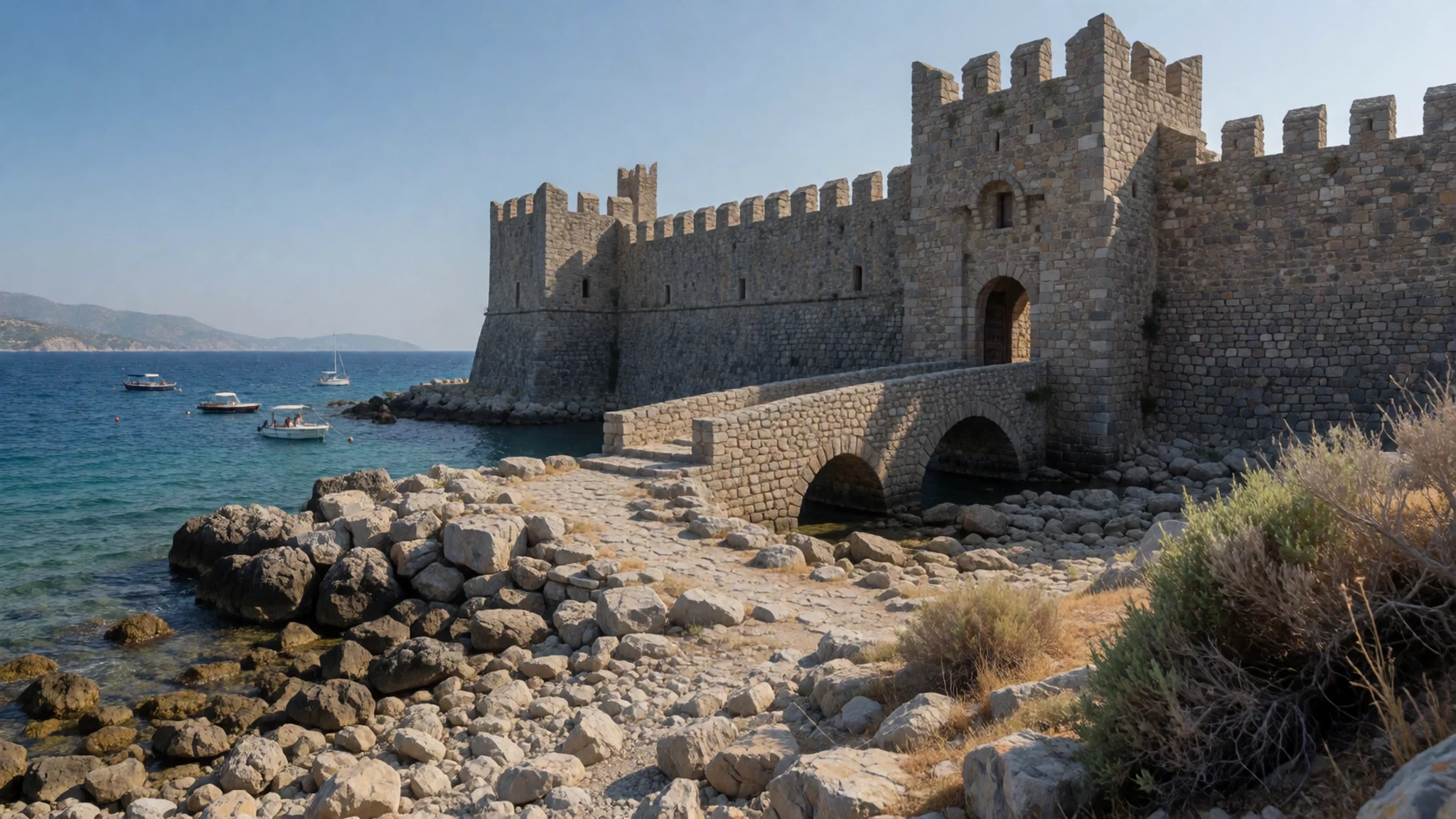
- Bozcaada Museum — Old town centre
Tucked away in the historic quarter, this eclectic community archive preserves the eclectic heritage of the island. Glass cases and packed shelves display maritime relics, vintage photographs, old farming equipment, and documents tracing the Greek and Turkish eras of the community. Note that descriptive signage inside is presented entirely in Turkish.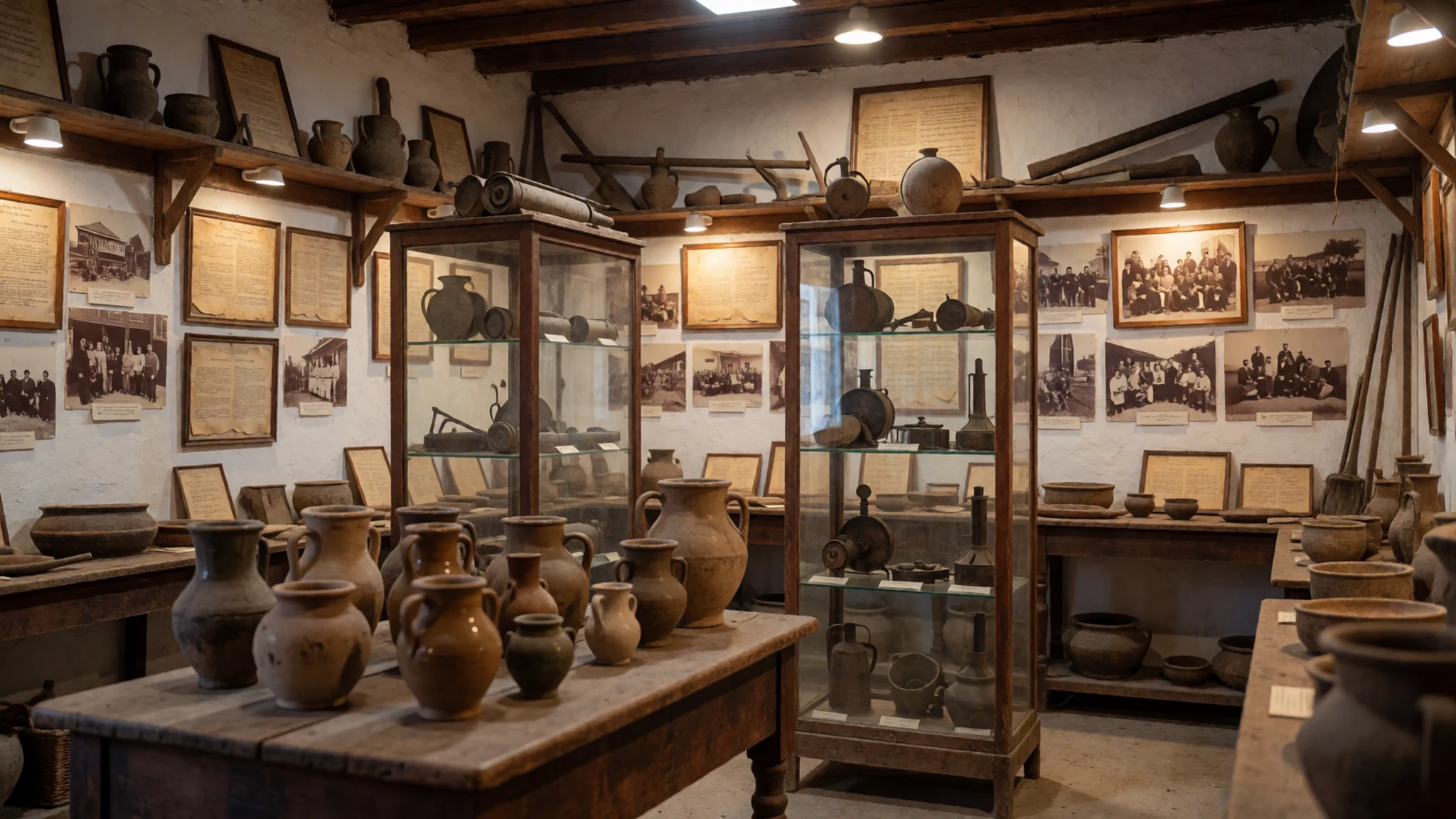
- Historic Town Churches and Fountains — Town centre
Wandering through the narrow cobbled streets reveals remarkable architectural layers from different eras. Travellers can spot the stone masonry of the Virgin Mary Church, the ornate eighteenth-century Namazgah Fountain, the quiet courtyard of Yalı Mosque, and the weathered stone walls of the older Alay Bey Mosque.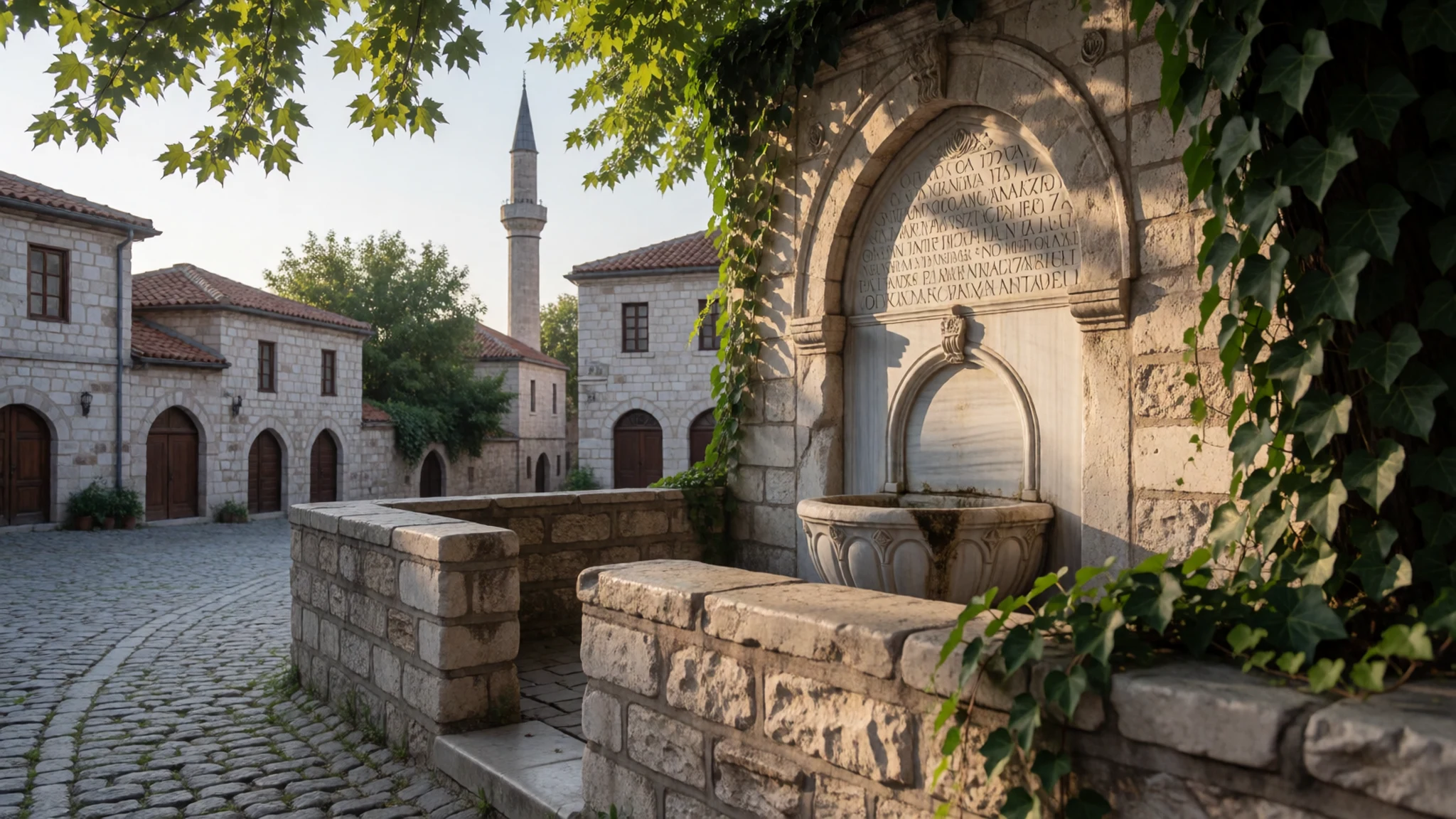
- Bozcaada Windmill — North headland
Perched on the headland just north of the town cove, this rebuilt traditional windmill stands as a symbol of the island's windy climate. While interior access is not permitted, the breezy walk out along the coastal path delivers sweeping panoramas of the sea, the northern cove, and the rugged shoreline below.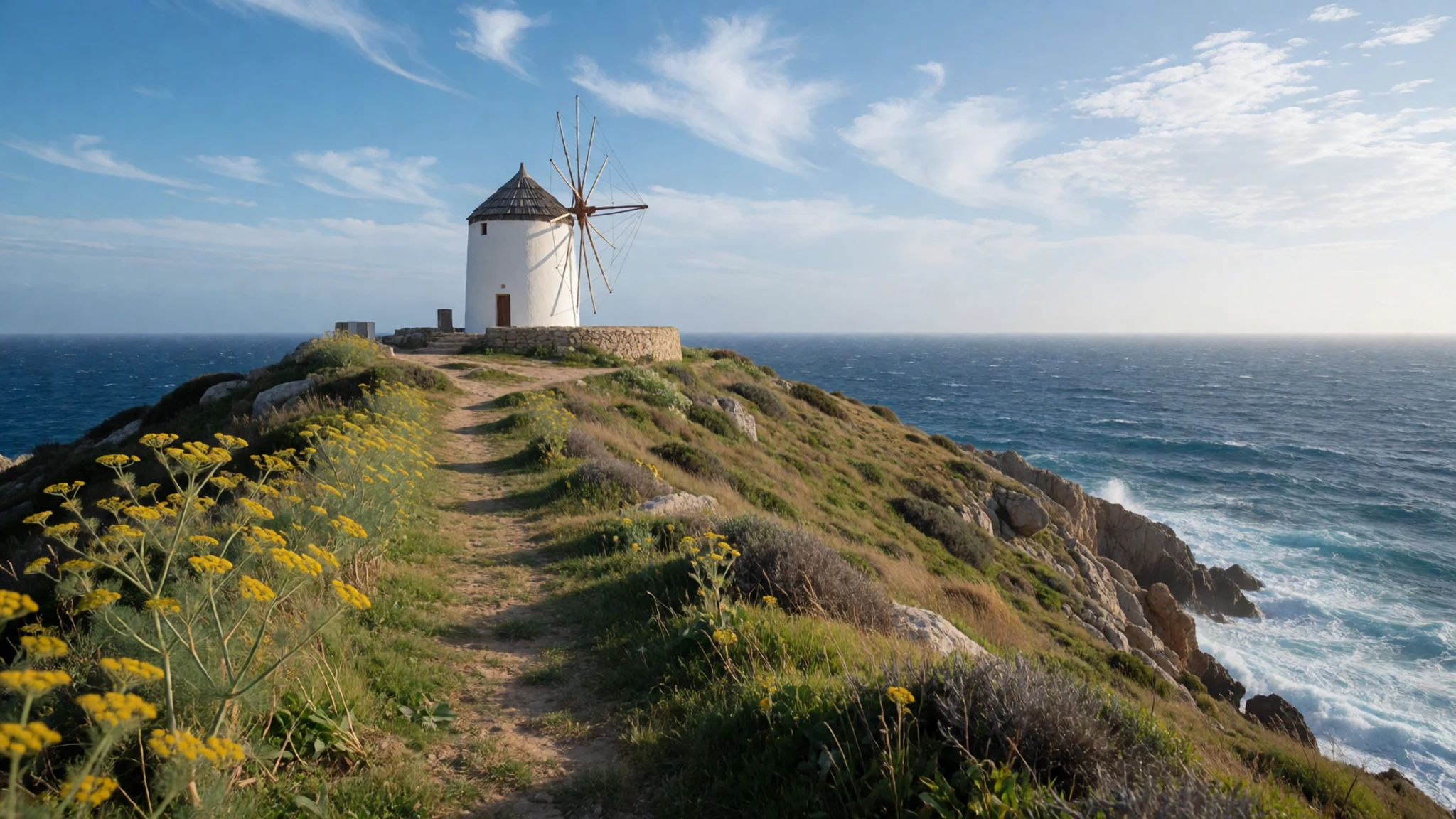
- Yeni Kale Ruins — Western coast
Known locally as the new castle, these tumbledown fortifications sit in a quiet coastal sector. Commissioned during the nineteenth century in an attempt to replicate contemporary star fortress designs, the structure suffered from poor construction and now stands in a romantic state of decay.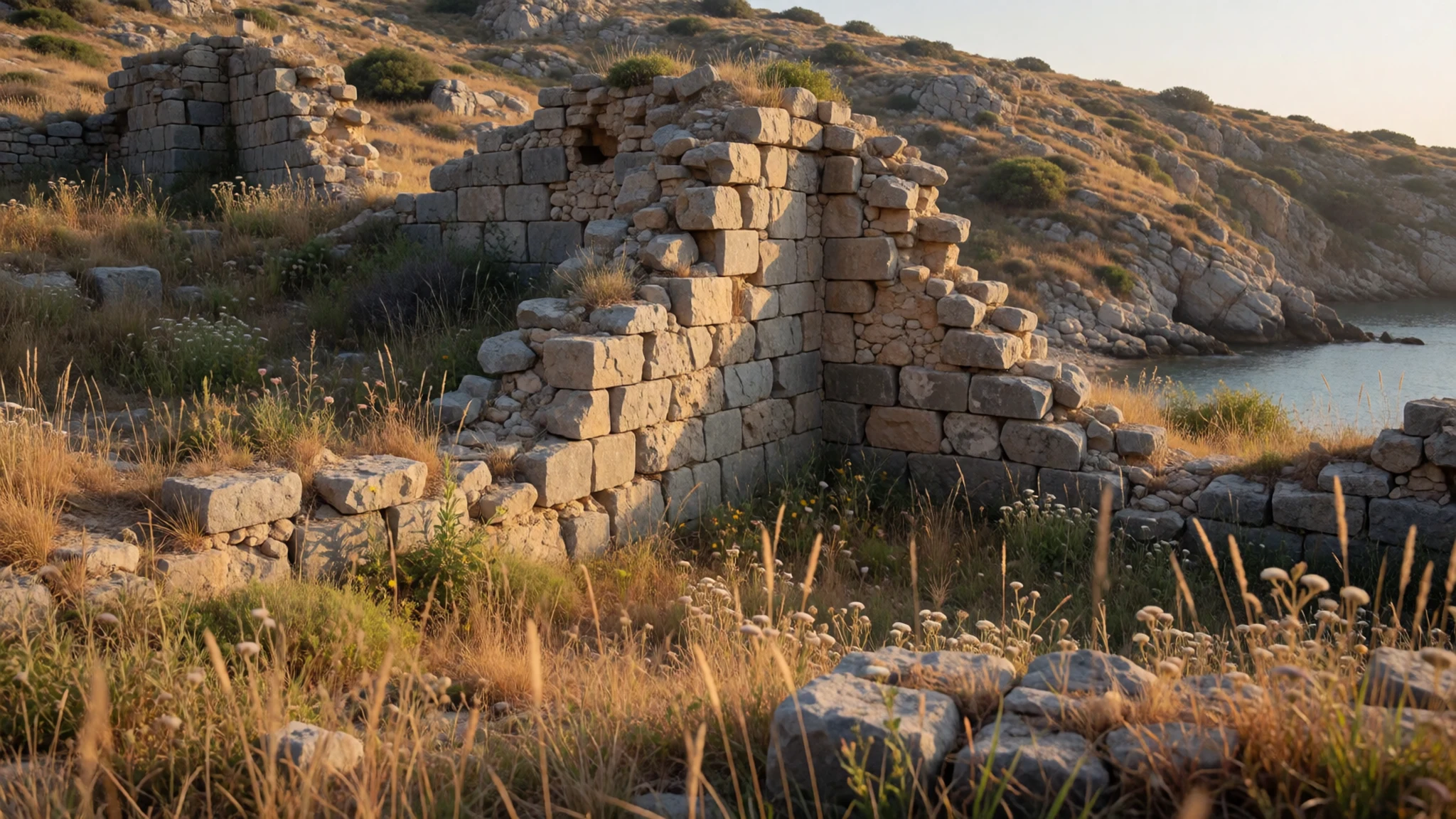
Culture
Bozcaada reflects a layered cultural heritage shaped by centuries of interaction between Greek and Turkish communities, maritime traders, and mainland winemakers. The island atmosphere remains unhurried and welcoming, encouraging relaxed conversations in shaded garden courtyards and harbour-front tea houses. Artistic expression thrives here, inspiring filmmakers who have chosen its historic streets as cinematic backdrops, and writers who have captured the bittersweet memory of island childhoods in acclaimed memoirs. Traditional crafts and agricultural traditions are tightly bound to the vine and the sea, celebrating local harvests with quiet pride rather than commercial display. Visitors are encouraged to dress modestly when visiting local residential areas and to ask permission before photographing residents in the narrow lanes.
What to wear
Bozcaada fashion is governed by the persistent Aegean winds and a relaxed maritime climate that favours comfort over formality. Traditionally, island residents wore durable woollen and cotton garments suited for agricultural work in the vineyards and long days on fishing boats, utilising locally spun textiles to withstand coastal chills. Today, locals and summer visitors alike favour casual, breathable clothing such as loose linen shirts, cotton trousers, and lightweight dresses designed to handle warm sunny afternoons. Because the historic town centre features steep, uneven cobblestone alleys, sensible flat footwear or sturdy walking sandals are essential for every traveller. Even during the warmest summer months, a windproof jacket or a warm wrap is indispensable when the sun sets and the evening breeze sweeps across the harbour walls.
What to eat
- Fresh Seafood — Sehir on the harbour front
Caught daily by local fishermen, the Aegean catch features grilled sea bass, red mullet, and octopus served simply with olive oil and herbs. Enjoy these fresh maritime dishes at the restaurants lining the harbour front.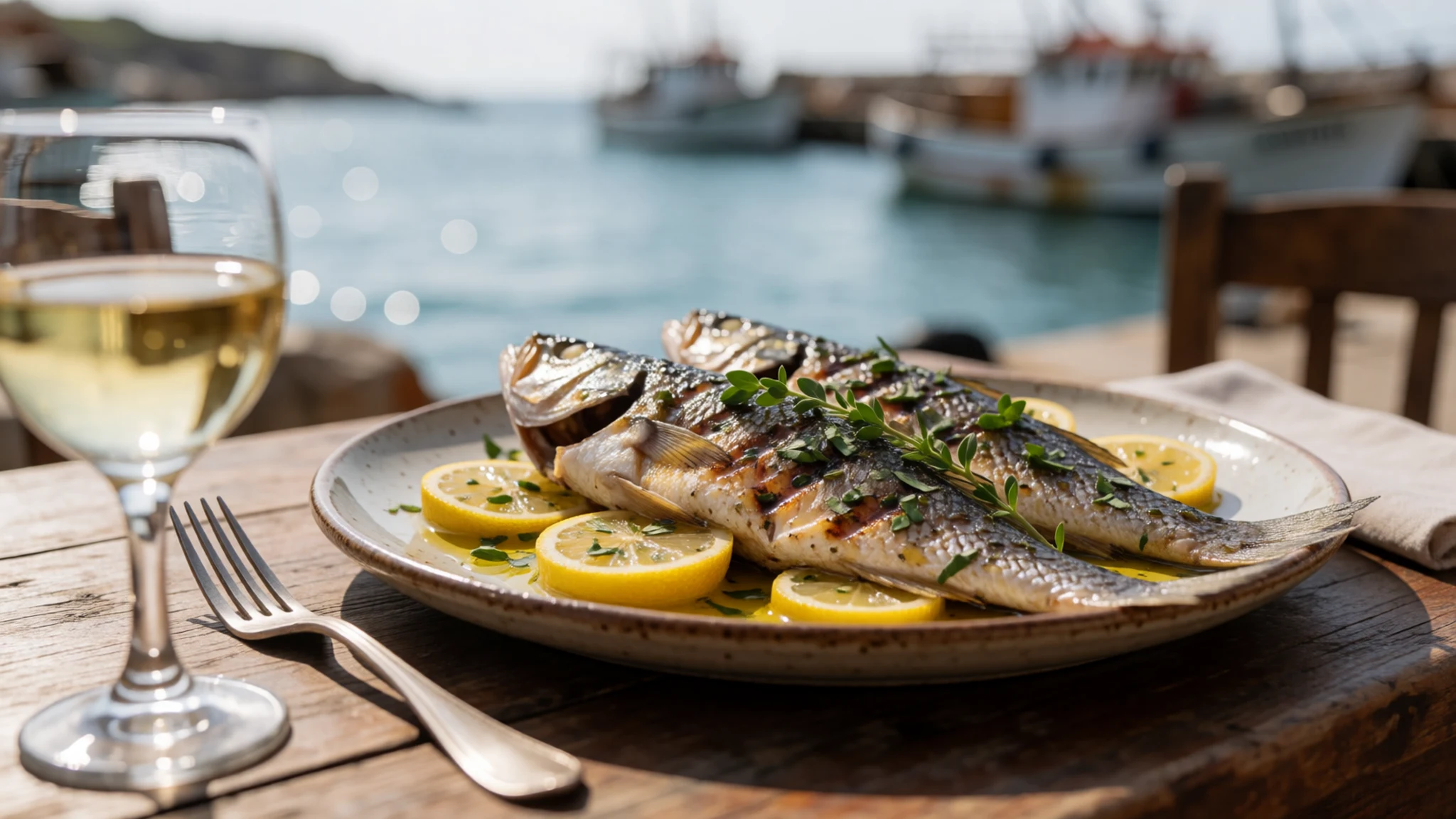
- Tomato Jam — Local bakeries and cafes across the town centre
A celebrated local specialty made by slow-cooking island tomatoes with sugar and citrus until thick and glossy. Slather this sweet preserve into warm pide flatbread with regional cheese and black olives for a classic breakfast treat.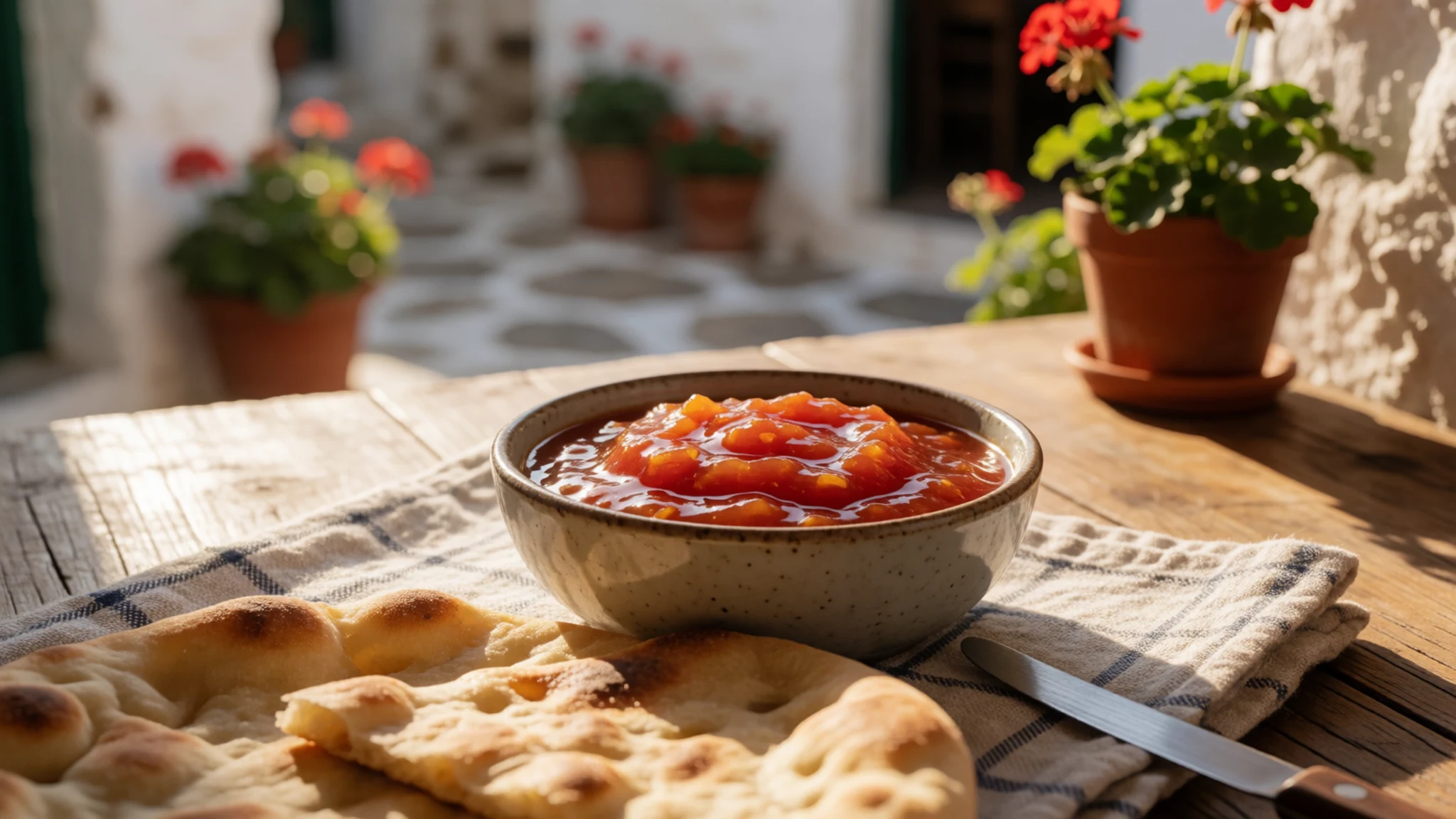
- Island Wine — Salhane and local tasting rooms
Made from ancient grape varieties including vasilaki, karalahna, and karasakiz cultivated in the island's sun-drenched vineyards. Taste these distinctive regional wines at vineyard estates or traditional wine houses. - Aegean Meze and Pide — Cumhuriyet Cd restaurant strip
An array of cold vegetable dishes, herb-inflected yoghurt dips, and freshly baked flatbreads topped with cheese, minced meat, or herbs. These dishes form the centrepiece of long, unhurried evening meals.
Plan it
Best time. May to September offers warm weather and open vineyard estates, though July and August bring peak crowds and higher accommodation demand.
How long. 2–3
Getting there. Drive or take a long-distance bus from Istanbul to Geyikli, then board the Gestaş car and passenger ferry for the forty-minute crossing to the island harbour.
Budget. mid
Tips
- Book your accommodation well in advance if travelling during peak summer months or wine harvest season.
- Arrive at restaurants before the evening rush or secure reservations ahead of time to avoid long waits.
- Purchase your return ferry tickets early to secure your preferred departure time.
- Wear flat, sturdy shoes to comfortably navigate the steep cobblestone streets of the historic town centre.
Etiquette
- Dress respectfully when walking through residential neighbourhoods away from the main tourist beaches.
- Always ask permission before taking photographs of local residents and shopkeepers.
Nearby
Sources
- Wikidata Q211817 (CC0)
- Wikipedia Tenedos (CC BY-SA 4.0)
- Wikivoyage Bozcaada (CC BY-SA 4.0)