Ani
Ani, Turkey
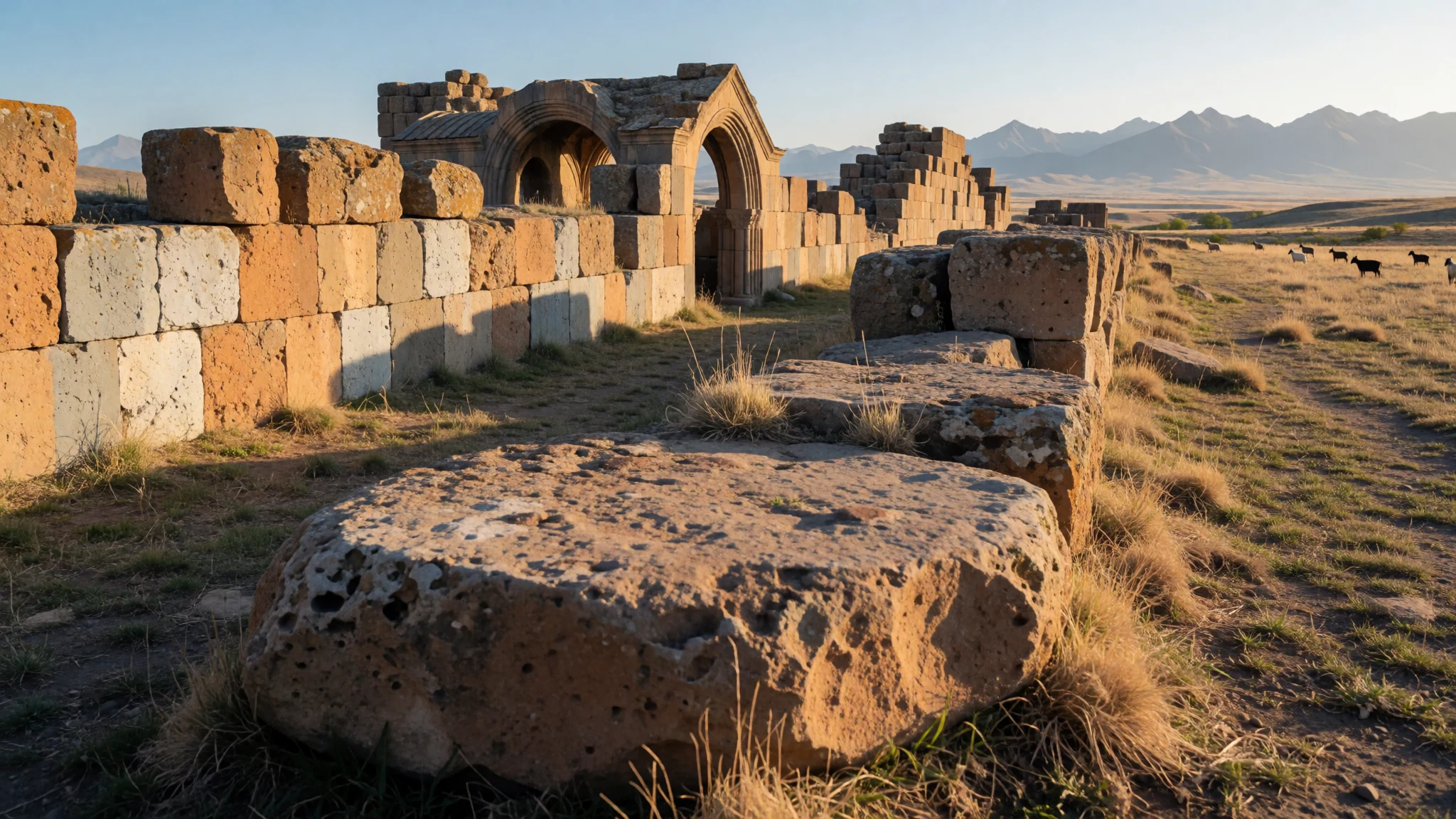
Ani is a jaw-dropping ruin where church domes, city gates and thick walls hint at Bagratid power along old trade routes.
The place
Ani (Անի) is a ruined medieval Armenian city in Turkey’s Kars province, right by the closed border with Armenia. Today it’s an archaeological landscape—wind, stone fragments and partial walls—yet the layout still reads like a real city: gates that once controlled entry, church sites spread across the hill, and fortifications built to withstand sieges.
Ani became famous during the Bagratuni period, when it served as a capital and drew religious and architectural ambition. The city’s identity was tied to churches, not just palaces or markets: historians and archaeologists have excavated dozens of church foundations alongside smaller cave chapels and chapel remains. That religious density is why the ruins feel so clustered; even after centuries of collapse, the ground plan keeps pointing to where people gathered, prayed and commissioned buildings.
What hits hardest at Ani is scale versus exposure. The site is out in the open, so there’s little shade and no “museum comfort”. Summer can be harsh, while cooler months in spring and autumn tend to feel more workable for walking between viewpoints, stone corridors and the areas around the gates.
For most visitors, Ani fits best as a day trip from Kars. There’s no accommodation in Ani itself, and camping is not permitted, so planning matters: bring essentials, set expectations for a rough, uneven terrain, and keep time for the return—because you’re visiting a ruin that doesn’t care about your timetable.
Its story
Ani’s story is a repeating pattern of rise, shock, and long fade. In the Bagratuni era it functioned as a capital, and its skyline was shaped by church-building and fortifications. The city sat in a web of trade routes, which helped it grow into a place with varied religious sites, palaces and sophisticated walls—structures that were meant to signal permanence and control.
Power changed hands many times. After the Bagratuni period, rule moved through different empires and regional forces, each leaving a different kind of mark: new rulers, changing tastes, and sometimes neglect. Even when buildings remained standing, they could lose their original purpose. When a place like this stops being a seat of power, maintenance becomes optional and the weather does the rest.
The turning points weren’t only political. Major violence and natural disaster affected Ani’s survival, and later shifts in trade routes further weakened its economy. By the time the city was largely abandoned, the religious and civic fabric had already been strained for generations.
Today, that layered history is visible in the ruin itself: reconstructed-looking fortifications mixed with foundations and church remnants, and gates that still define how you enter the walled space. Ani feels less like a single monument and more like a whole city that gradually broke away from its own future.
What to see
- Lion Gate — city walls (north)
Lion Gate is the main entrance through Ani’s walls today. It’s named for a lion relief and the north-side defences are notably thick, with extra-tall wall segments and towers that look more recent than the oldest stonework.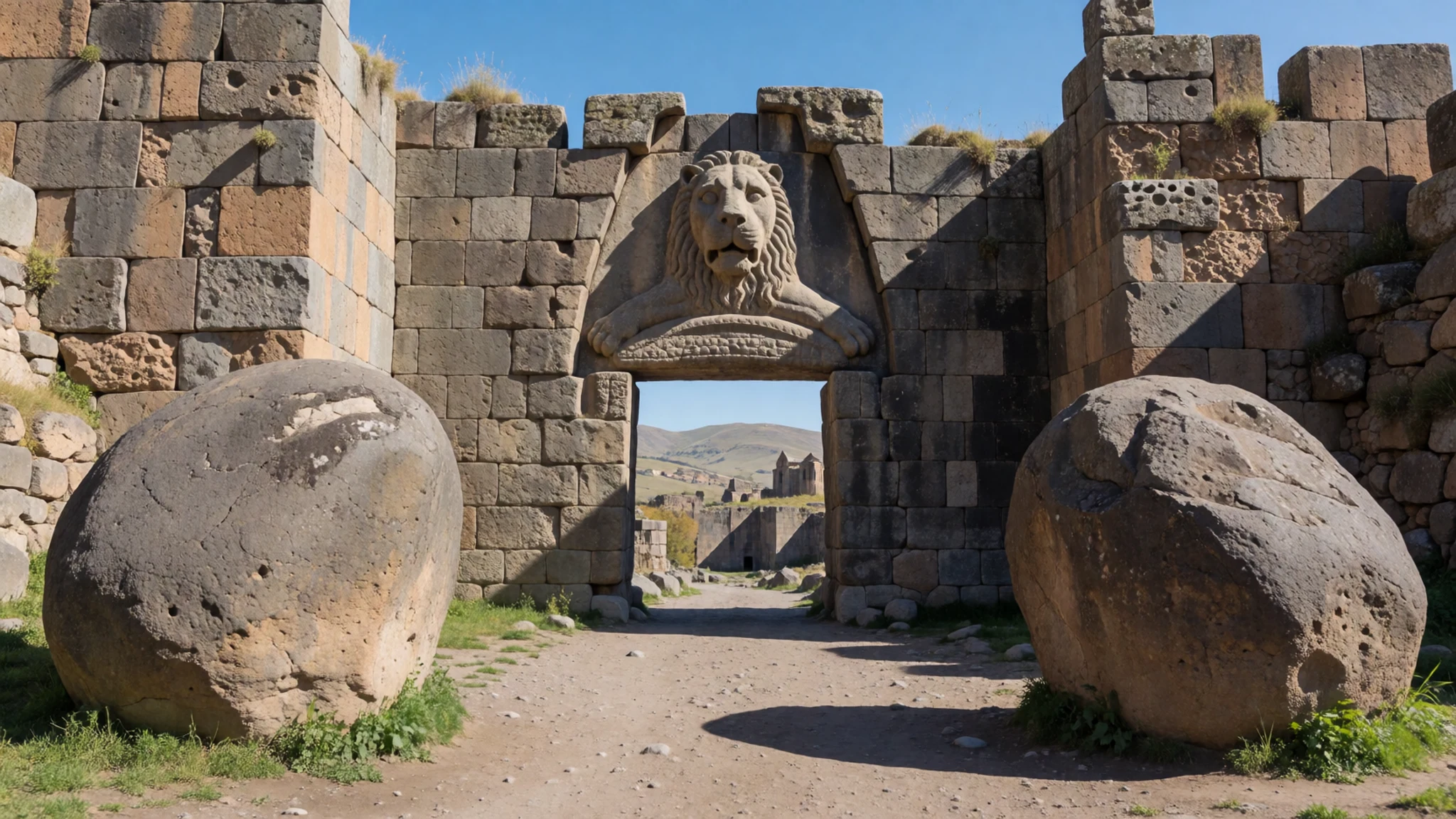
- Inside the walls: Kars Gate and Chequerboard Gate area — inner walls and gate approach
A short walk from Lion Gate brings you towards other wall sections, including the area around Kars Gate and the Chequerboard Gate. Viewing these from within helps, because the wall lines and how the double wall section ends become clearer once you’re inside the enclosure.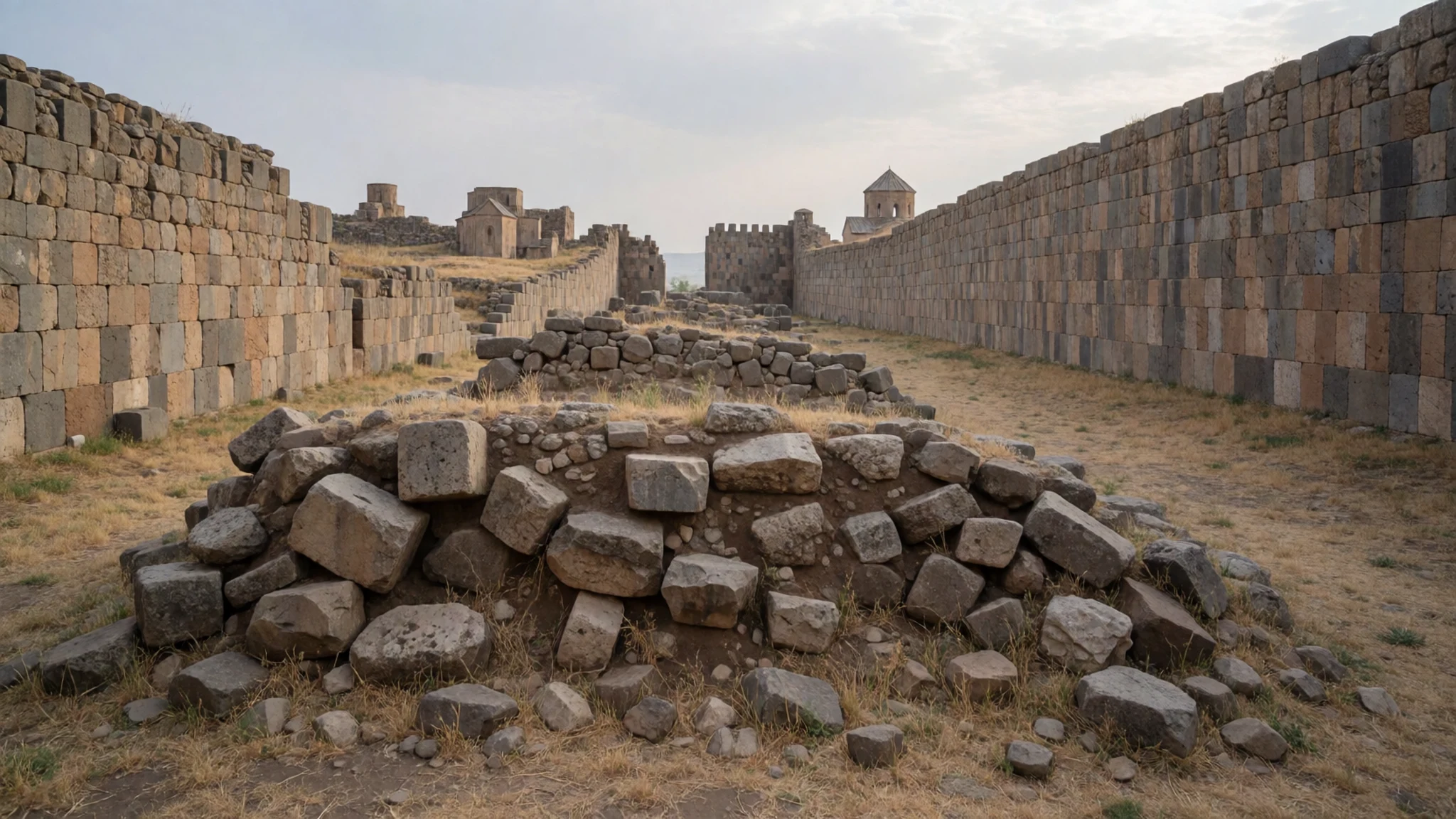
- St Stephanos (the “Georgian church”) remains — near Lion Gate (south-west side)
St Stephanos is associated with a “Georgian church” label. On-site today it’s mainly wall traces rather than a full structure, with the key story being the Christian tradition tied to the Chalcedonian branch rather than any later ethnic shorthand.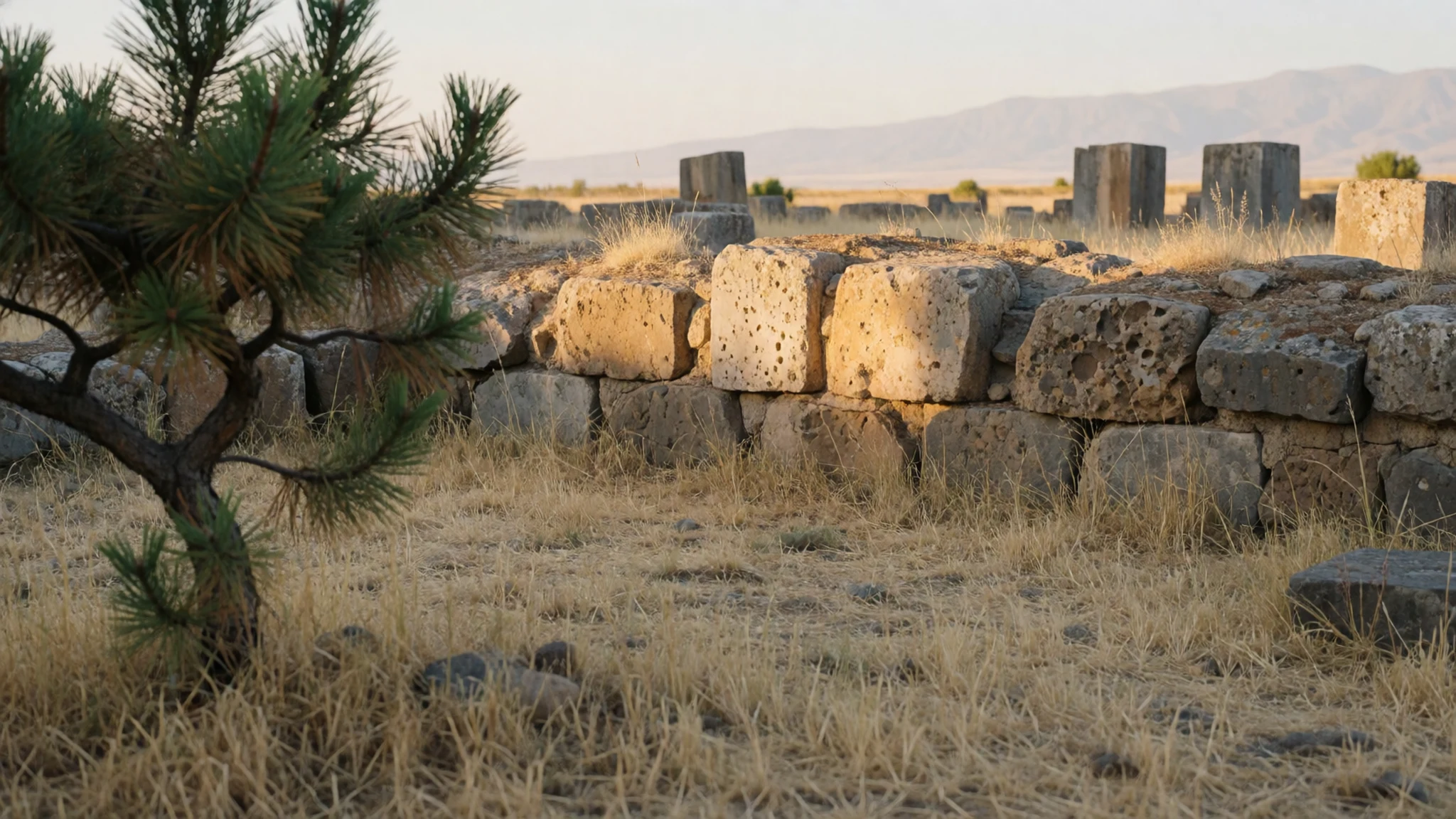
- King Gagik’s Church of Saint Gregory (circular plan) — church zones within the ruins
King Gagik’s Church of Saint Gregory is remembered for its circular design. In practice, the site shows how the idea of a building can outlast the building itself: what remains is closer to a foundation course, and the plan is what you’re really there to read.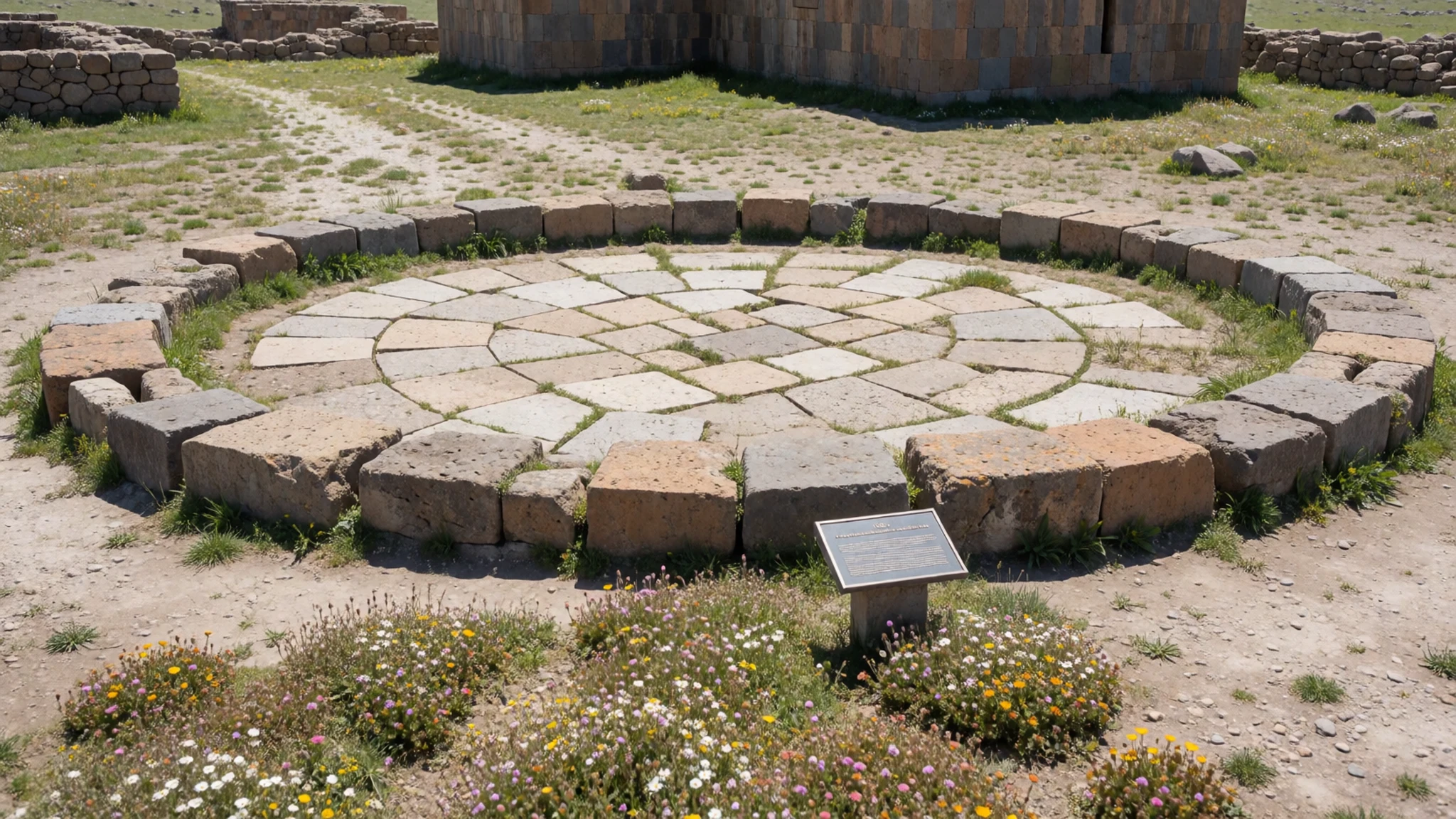
- Seljuk Palace area at the north-west corner — north-west quarter of the city
Ani’s Seljuk Palace site sits at the north-west corner of the walled city. What you’re likely to notice is the change in architectural language across eras—ruins that feel like civic residences or elite buildings rather than purely religious spaces, set within the city defences.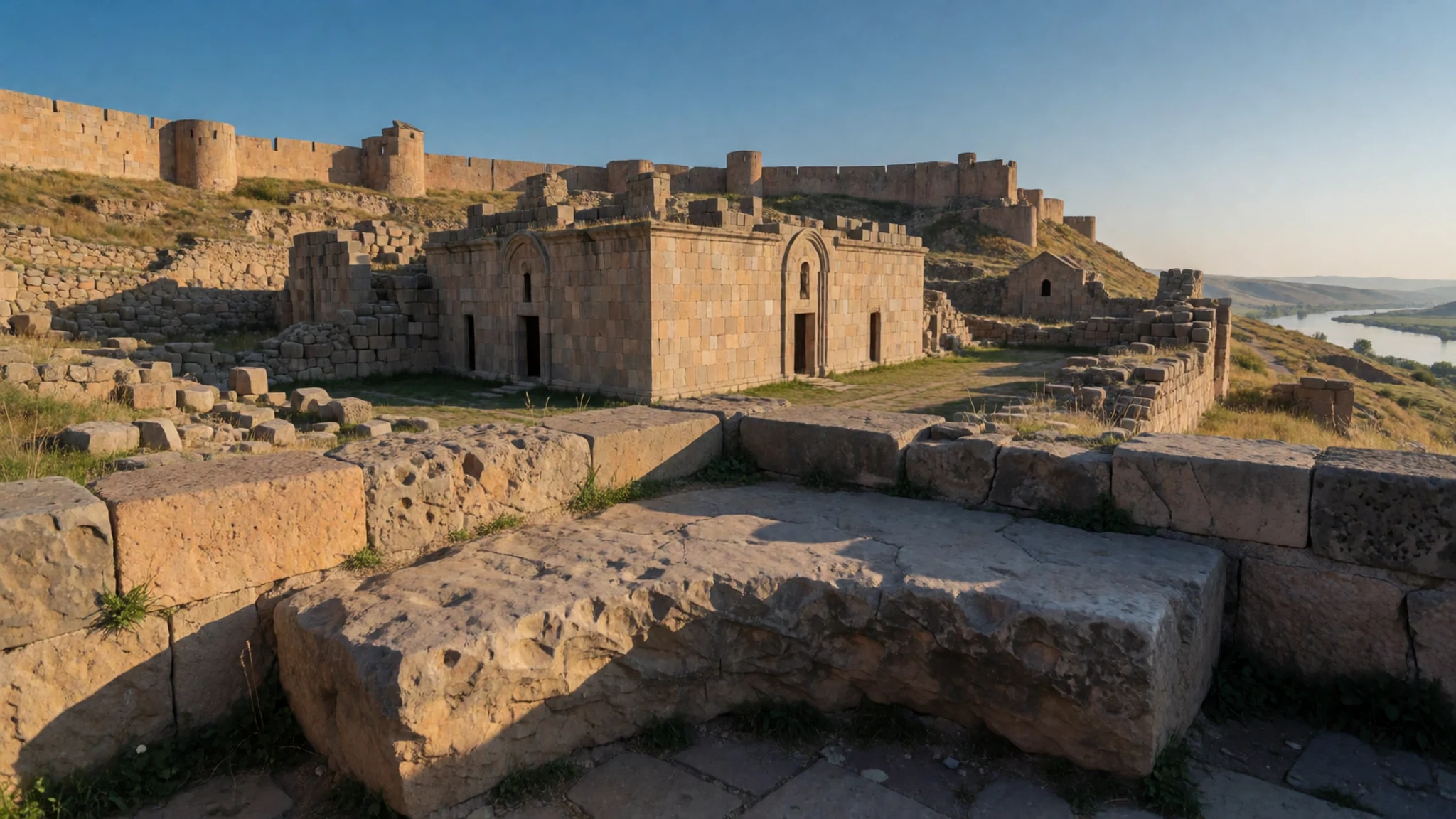
Culture
Ani is a ruin, but it’s also a religiously meaningful landscape for people who connect to Armenian Christian history. The remains are delicate: walls crumble under rough handling, and foot traffic can widen gaps or dislodge stones. Because it’s outdoors and exposed, visitors tend to be tempted to climb for photos—yet the most respectful way to “see” is to stay on established paths and viewpoints, letting the ruined forms speak without adding new damage.
Crowd levels can surprise people. In peak seasons the site can feel busy at the gates, especially when day-trippers funnel through the main entry areas, but it also breaks up quickly once you move towards the church zones and wall sections. That means it’s usually easy to find quiet corners for photos, just don’t expect help on-site: carry water and keep an eye on time.
Dress matters less for cold, more for practicality and modesty. Choose clothing that covers shoulders and knees for religious-adjacent spaces, and wear shoes with grip because ground can be uneven and dusty.
Visitor etiquette: keep to paths, don’t climb or touch crumbling walls, and treat church remains respectfully even when they’re roofless.
What to wear
Ani’s fashion is mainly about the terrain and the sun, with a modest, historically respectful baseline. Traditional Armenian-inspired dress is not something visitors will usually encounter on-site in a “costume” way, but the region’s church-centred heritage means clothing that covers shoulders and knees reads as considerate.
In everyday life around Kars, people typically wear practical layers for changing weather: breathable tops in warm months, warmer outerwear when the air turns crisp, and closed shoes that can handle dust and rough ground. At Ani, that practical layer matters because the ruins are open and you’ll be walking between wall sections and church remnants.
For visitors, wear a comfortable walking outfit with a long enough hem for modesty, and bring something that protects from the sun—hat or scarf—because there’s limited shade. Closed-toe shoes with grip are the real upgrade; sandals aren’t ideal on loose stone. If weather turns cool, add a light jacket, since wind can make exposed ruins feel colder than the town.
What to eat
- Bring-your-own snacks and water (recommended) — site access and around Lion Gate
Ani is remote and easy to underestimate for time and walking, so bring water and something small to eat. It’s the simplest way to avoid getting stuck when you’re waiting for the return journey.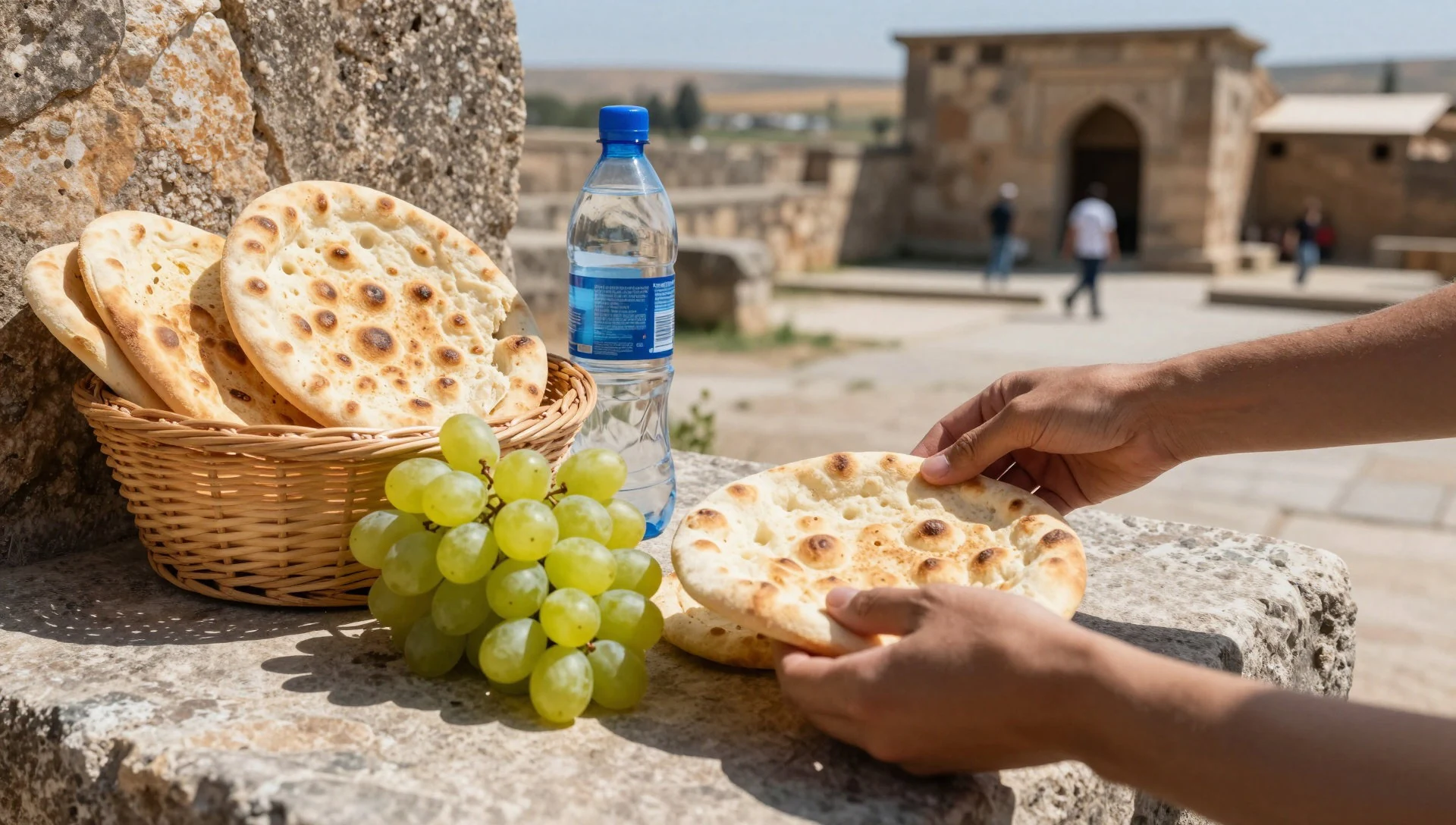
- Batuhan Teran Kafe (near the entrance) — by Lion Gate entrance
Batuhan Teran Kafe sits by the entrance at Lion Gate. It’s a basic stop for a drink or quick bite before heading into the ruins, useful mainly because it’s close to where most visitors start.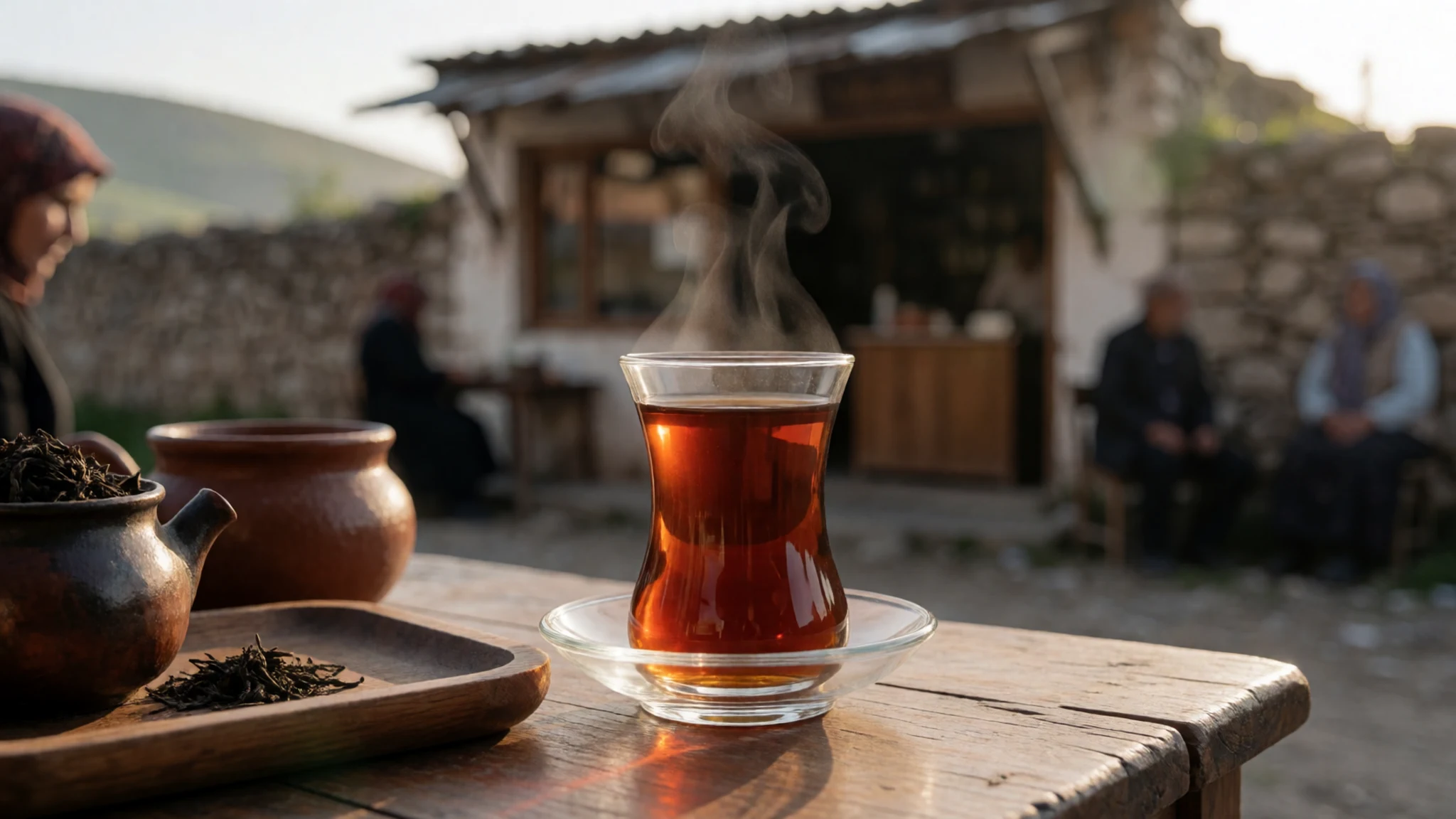
Plan it
Best time. March–May and September–October for more comfortable walking, since daytime highs are moderate (spring mornings to early afternoons and autumn days). The hottest months are June through August, and January is the coldest; rainfall is highest from April to June.
How long. 1
Getting there. From Kars, travel east to Ani; the last leg uses a lane after the village of Ocaklı, with the final approach on the local road to the site.
Budget. mid
Tips
- Start early from Kars to give enough time on the hilltop ruins and still make the return.
- Pack water and snacks before leaving Kars; options on-site are limited.
- Expect uneven ground and plan footwear with grip.
- Allow buffer time for getting back, since the site is accessed via the return route from Kars.
- Bring a light layer for wind; the ruins can feel cooler once cloud or breeze picks up.
Etiquette
- Stay on marked paths and viewpoints; don’t climb onto fragile walls.
- Treat church remnants with respect and avoid loud behaviour near religious spaces.
- When photographing, give others space and don’t block walkways at the gates.
Nearby
Sources
- Wikidata Q546010 (CC0)
- Wikipedia (rev 1379859315) (CC BY-SA 4.0)
- Wikivoyage (rev 5413576) (CC BY-SA 4.0)
- Photo photos/02-ani-harabeleri-2.jpg (CC BY-SA 4.0)
