Istanbul
Istanbul, Turkey
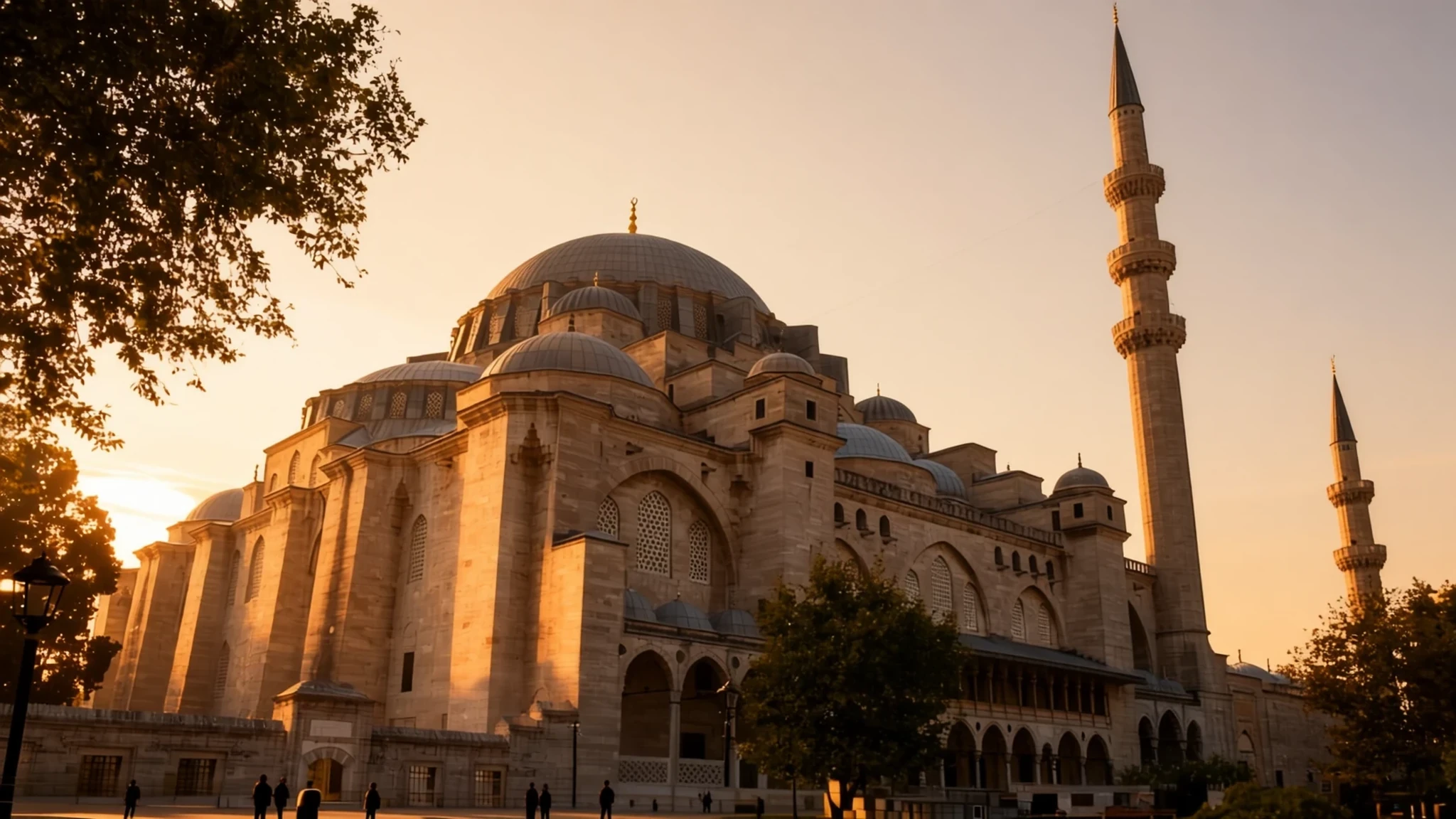
Straddling two continents across the bustling Bosphorus, Istanbul offers a layered heritage shaped by four empires.
The place
Istanbul stands as a sprawling megacity where Europe meets Asia across the narrow, restless waters of the Bosphorus. Home to a population exceeding fifteen million people, the metropolis anchors the economic, cultural, and historical heartbeat of Turkey. Roughly two-thirds of its residents reside on the European side, while the remainder look across the strait to the Asian shore. Water defines the terrain here, flanked by the Black Sea to the north and the Sea of Marmara to the south, creating a maritime corridor that has steered global trade and politics for millennia.
The city's geographic layout is a puzzle of historic peninsulas, steep hills, and deep inlets like the Golden Horn. Ferries dart continuously between docks, carrying commuters and travellers through salt spray and circling gulls. Modern skyscrapers and financial hubs sit miles away from ancient cobblestone alleys, yet the city flows together through a shared rhythm of tea houses, morning markets, and the call to prayer echoing from countless minarets. It is a dense, energetic place where the sheer scale of urban life meets an intimate neighbourhood charm, inviting you to wander without a fixed map and discover how past centuries continue to shape the daily streetscape.
Its story
The story of Istanbul stretches back well beyond its famed imperial eras, with Neolithic and Copper Age artifacts revealing human settlement on both shores from early millennia onwards. Greek colonists established Byzantium on the strategic Sarayburnu promontory around the seventh century BC, setting up an acropolis near the Golden Horn that profited from maritime traffic. Its destiny shifted dramatically in the fourth century AD when Emperor Constantine reestablished the city as Constantinople, turning it into the gleaming capital of the Roman realm.
Over the subsequent sixteen centuries, the city served as the administrative core for four distinct empires, transitioning from Roman to Byzantine rule, passing briefly through Latin hands, and finally falling to the Ottomans in the fifteenth century. Each regime left indelible architectural monuments, fortification walls, and religious sanctuaries that transformed the skyline. When the Ottomans made it the seat of their caliphate, they infused the urban fabric with grand courtyards, bazaars, and imperial mosques. This multi-layered past remains visible in every stone, telling a continuous tale of conquest, commerce, and reinvention at the crossroads of civilisations.
What to see
- Topkapı Palace and Harem — Sultanahmet
Perched on the historic peninsula, this expansive palace complex served as the primary residence of Ottoman sultans for centuries. Visitors wander through opulent courtyards, treasury chambers, and the intricate tilework of the private harem apartments overlooking the water.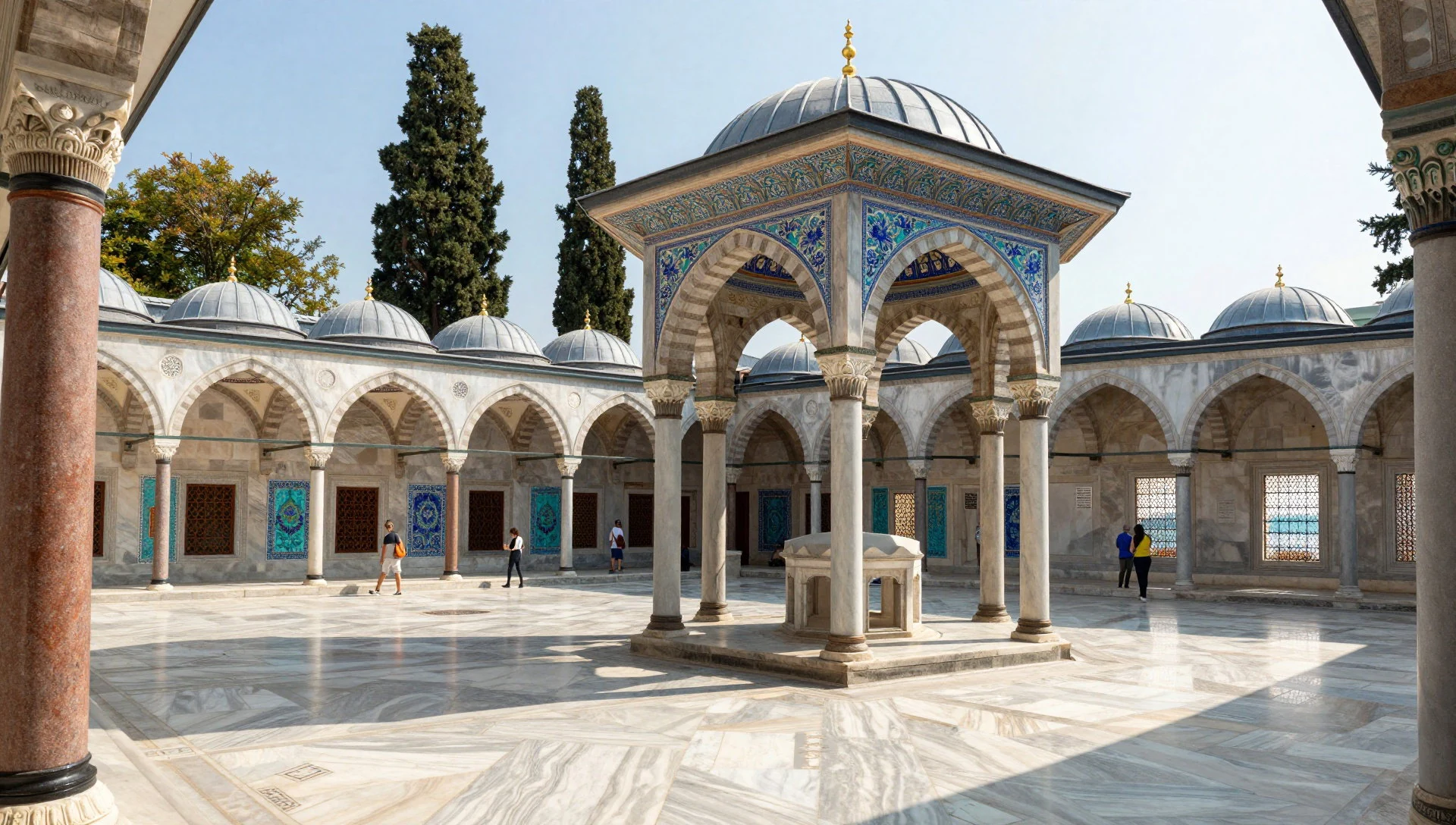
- Galata Tower — Beyoğlu
Dominating the northern shore of the Golden Horn, this medieval stone tower offers panoramic viewing platforms across the Bosphorus and the old city. Built during Genoese expansion, it stands as a prominent landmark in the lively Beyoğlu district.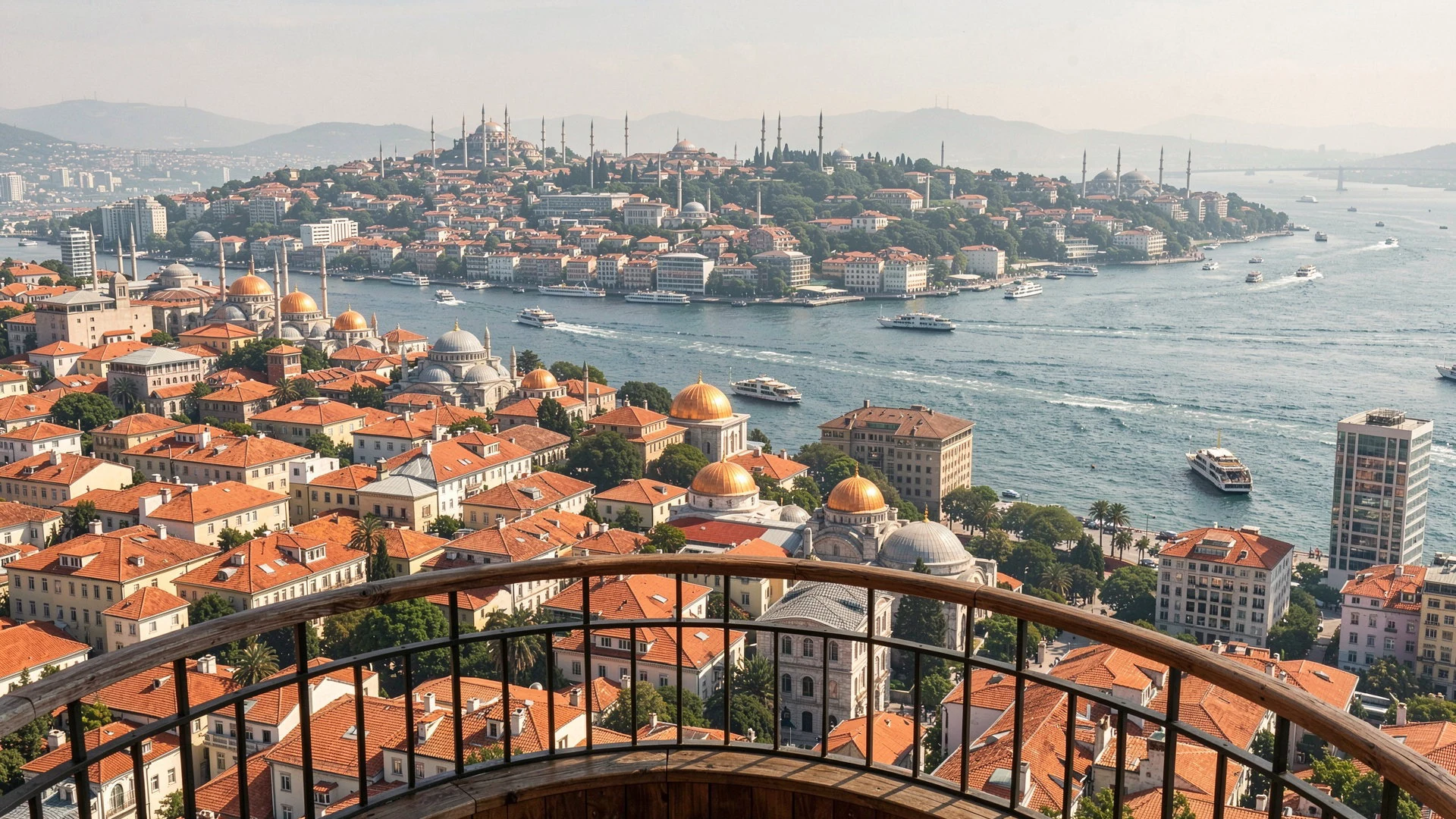
- Hagia Irene — Sultanahmet
Nestled inside the outer courtyard of Topkapı Palace, this ancient church building predates many of the city's later Ottoman structures. Unconverted into a mosque during Ottoman times, it retains a solemn, cavernous interior that frequently hosts musical performances.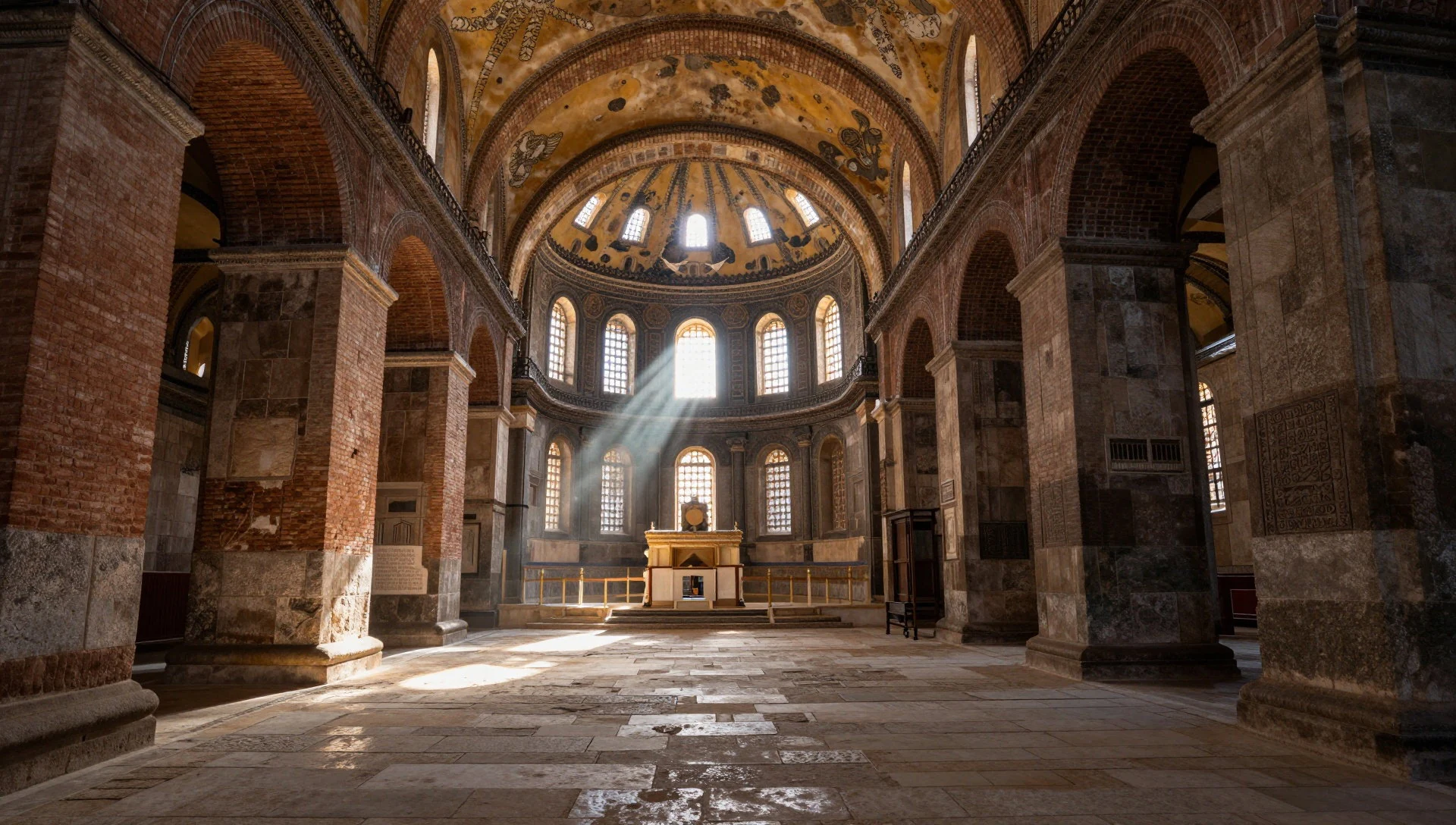
- İstiklal Avenue — Beyoğlu
A bustling pedestrian thoroughfare lined with nineteenth-century European architecture, bustling shops, and cafes. A nostalgic red tram trundles slowly down the centre, carrying passengers amidst a ceaseless flow of locals and visitors.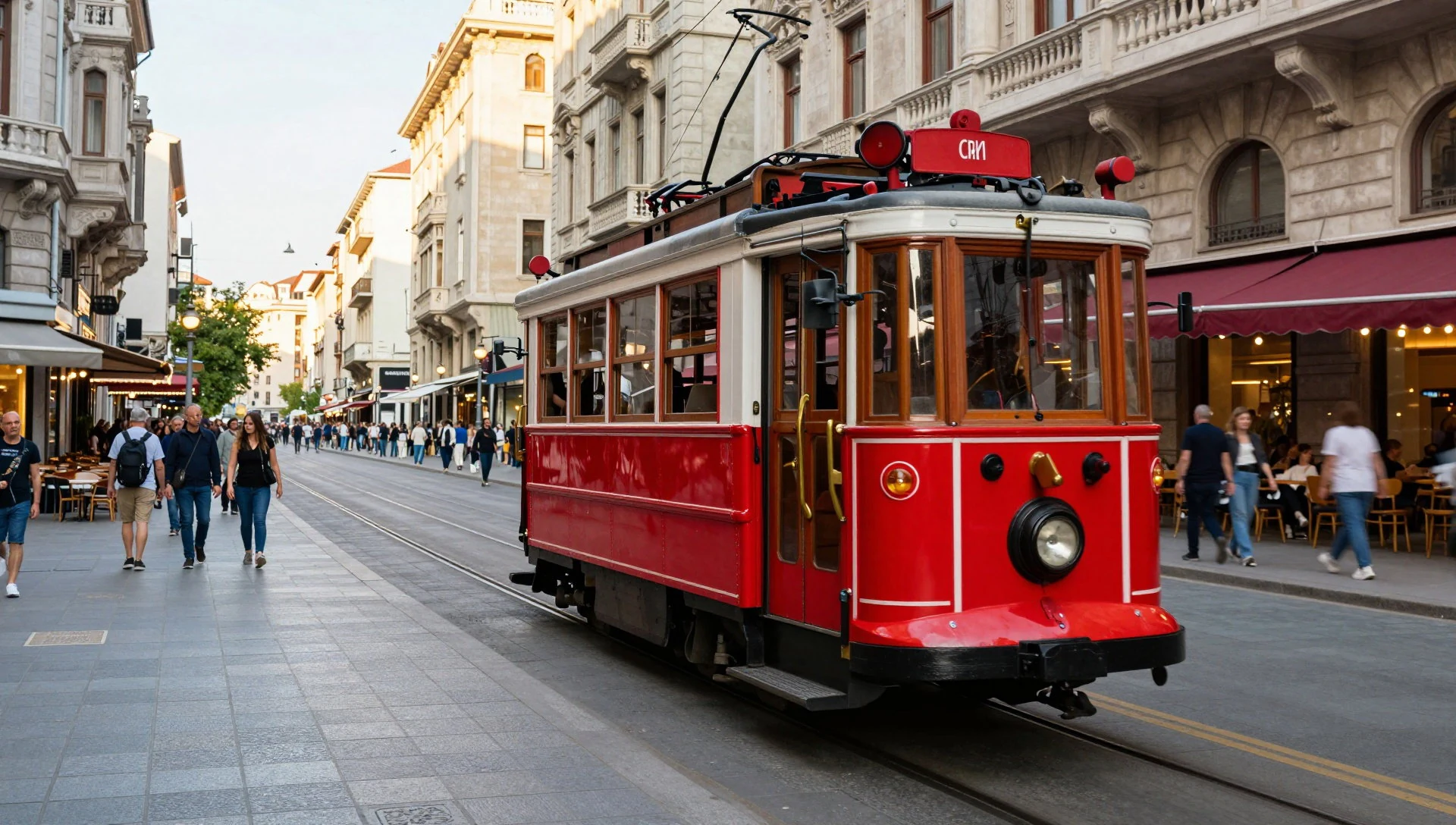
Culture
Istanbul's cultural identity is a dynamic mosaic forged by centuries of imperial synthesis and modern artistic revival. While the early decades of the Turkish Republic shifted primary administrative and musical focus toward Ankara, this megacity reclaimed its status as a global cultural capital by the late twentieth century. Galleries, theatres, and independent music venues thrive alongside traditional crafts, creating a vibrant contemporary arts community that draws creators from across Europe and the Middle East. Daily life moves at a sociable pace centred around communal tea drinking, long dinners, and unhurried conversations in neighbourhood squares. When entering any active mosque, ensure your shoulders and knees are covered, and women should carry a scarf to cover their hair.
What to wear
Traditional attire in Istanbul reflects a rich heritage of Ottoman textiles, where woven silks, rich brocades, and intricate embroideries historically denoted status and regional origin. Today, however, the streets present a thoroughly contemporary wardrobe. Urban residents dress in a polished, cosmopolitan style that blends European fashion trends with local preferences. Young professionals and students in districts like Beyoğlu favour tailored jackets, clean denim, and layered outerwear suited to the shifting maritime breezes. For visitors, dressing in comfortable, modest layers is ideal. Lightweight trousers, breathable shirts, and sturdy walking shoes are essential for navigating steep hills, uneven cobblestones, and busy avenues. When visiting sacred sites, pack an extra scarf and ensure clothing covers your knees and shoulders out of respect for local customs.
What to eat
- Balık-Ekmek — Eminönü waterfront
An iconic waterfront snack consisting of freshly grilled mackerel tucked inside a crusty bread roll with lettuce, onions, and a squeeze of lemon.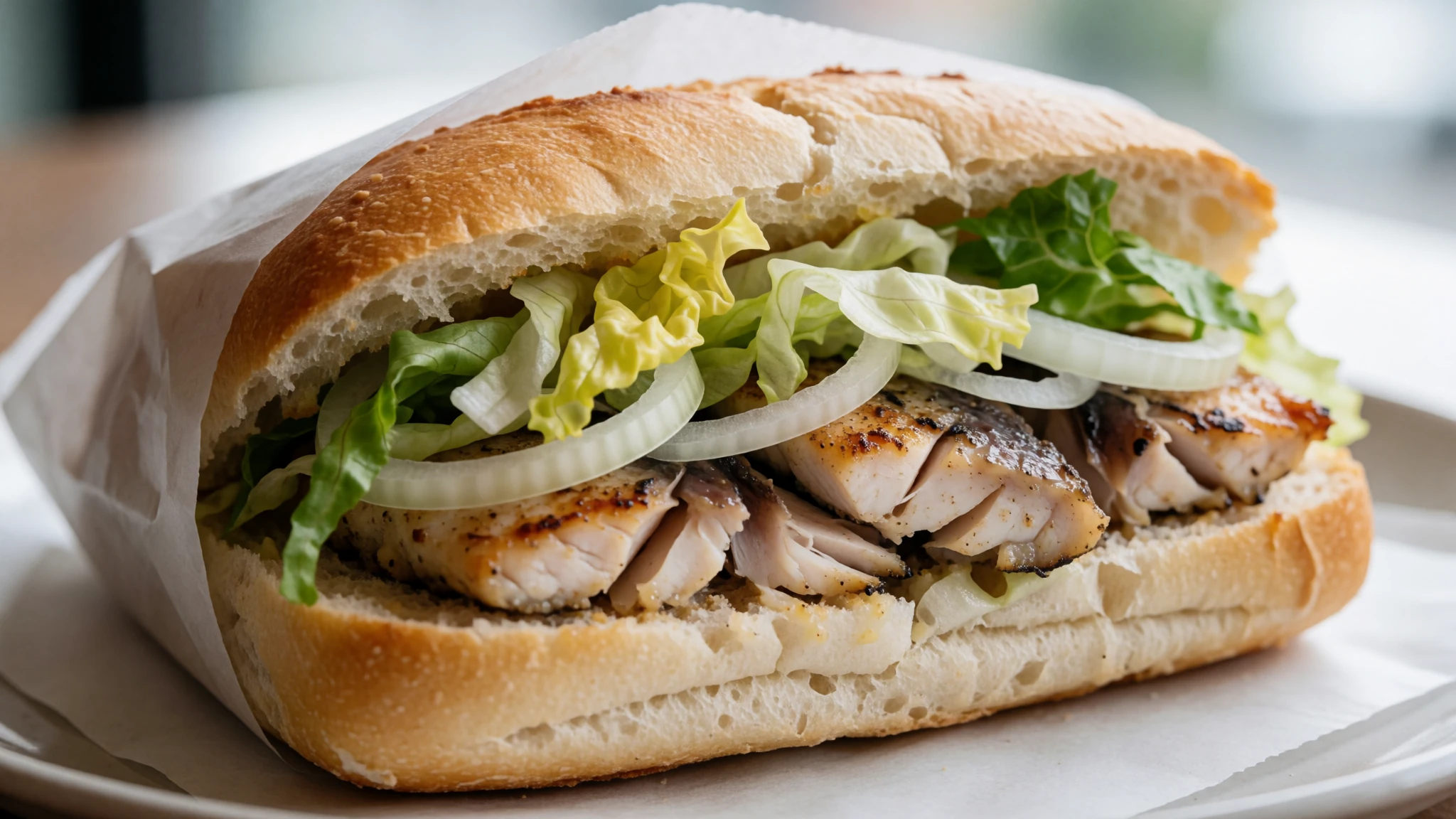
- Esnaf Lokantası Meals — Side streets across commercial districts
Traditional neighbourhood canteens serving comforting home-style selections ranging from slow-cooked meat stews and lentil soups to vegetable dishes and desserts.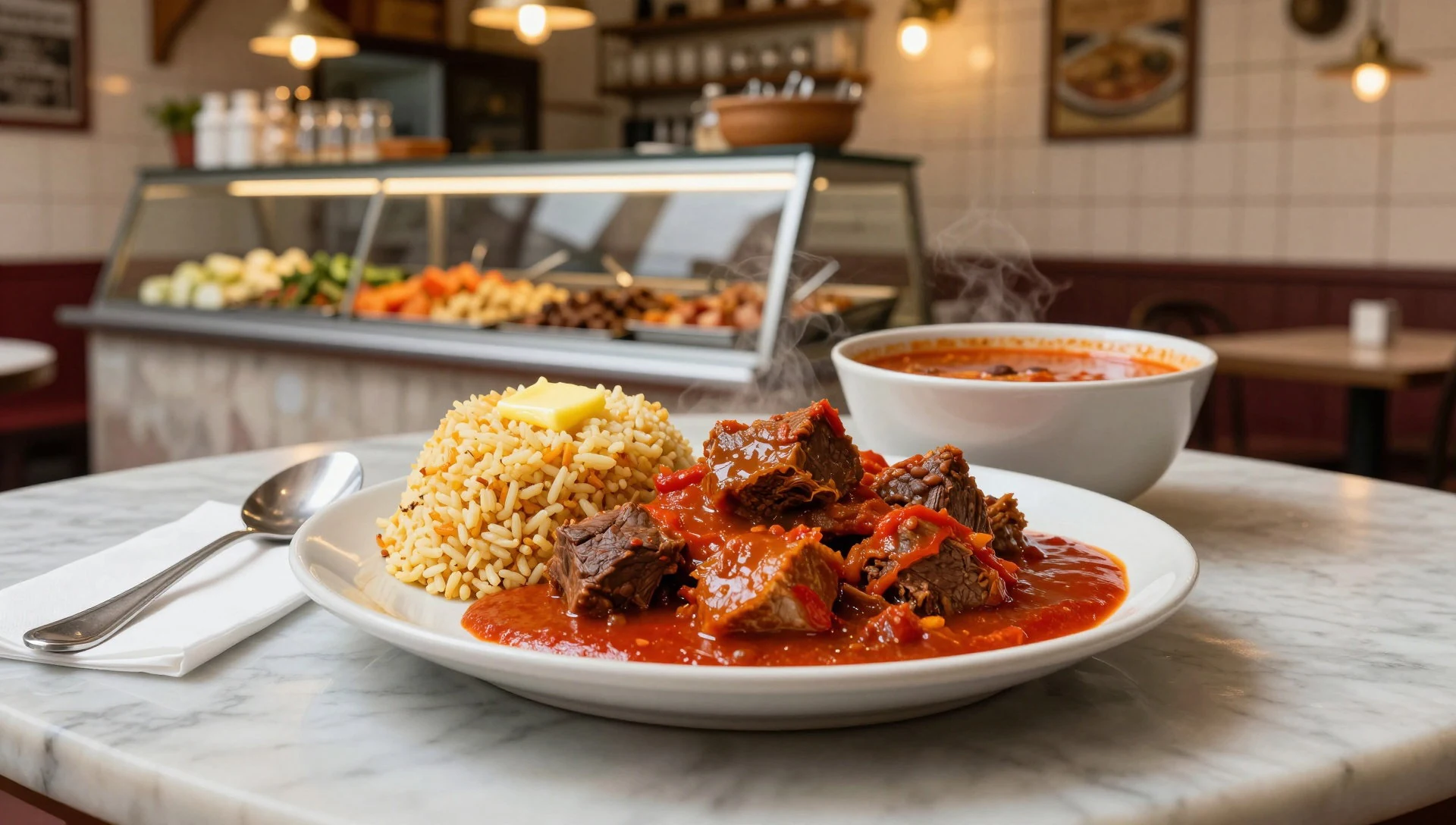
- Roasted Corn on the Cob — City street corners and squares
Simple street food sold from wheeled carts throughout the city, offering a warm, savoury snack as you walk along bustling thoroughfares.
Plan it
Best time. April to May and October to November offer pleasant daytime temperatures for exploring on foot without intense summer heat.
How long. 3–4
Getting there. Fly into Istanbul International Airport, then take the M11 metro line or an express bus to reach central transit hubs.
Budget. mid
Tips
- Purchase an Istanbulkart for easy access to ferries, trams, and the metro
- Wear comfortable footwear to handle steep hills and cobblestone streets
- Carry some cash for small neighbourhood shops and market stalls
- Arrive early at major historic sights to avoid peak midday crowds
Etiquette
- Cover your shoulders and knees when visiting mosques
- Remove your shoes when entering traditional residential spaces
Nearby
Sources
- Wikidata Q406 (CC0)
- Wikipedia (CC-BY-SA 4.0)
- Wikivoyage (CC-BY-SA 4.0)