Adana
Adana, Turkey
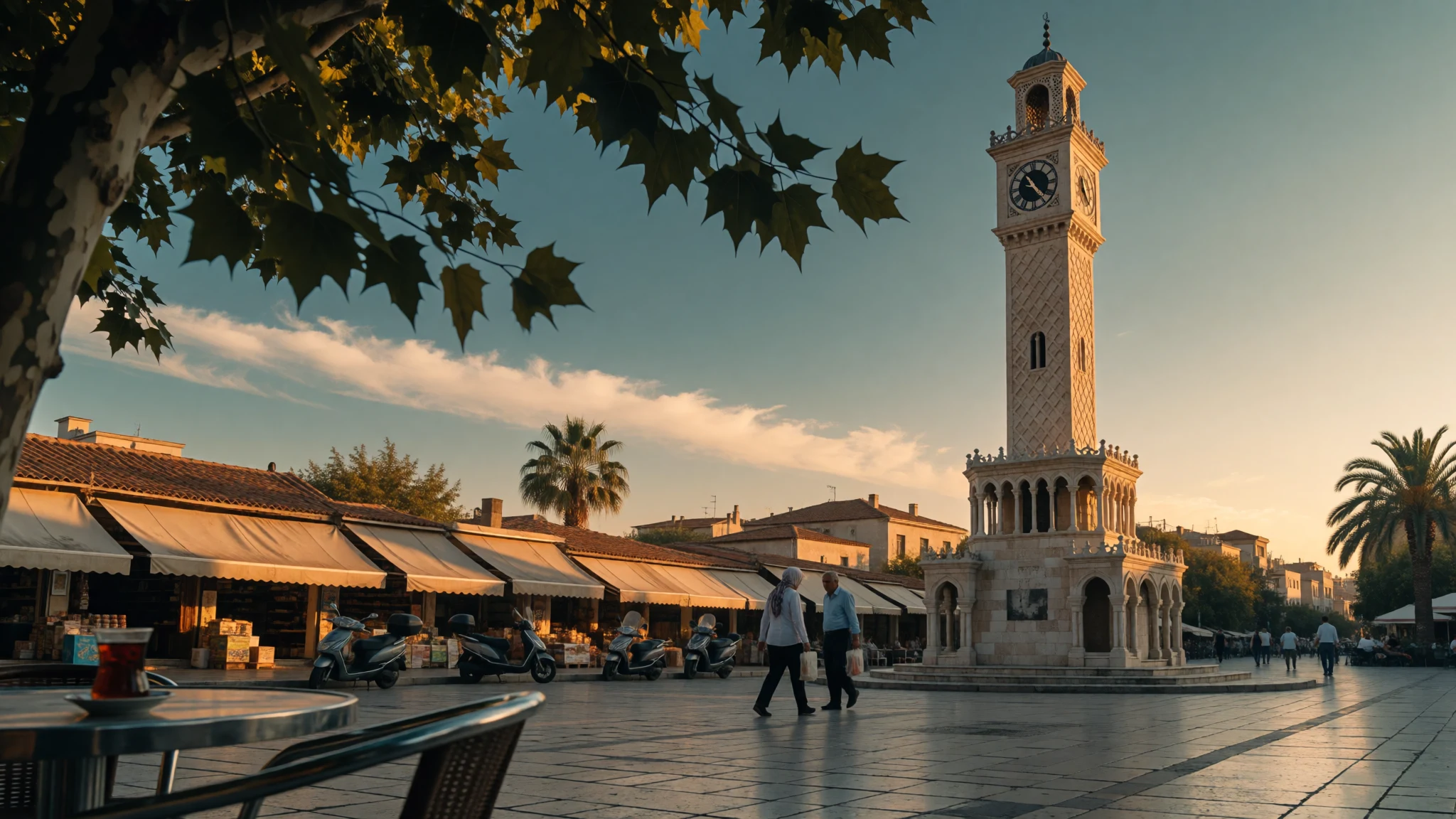
Adana is a hot, hungry, working Turkish city where the kebab is the draw and thousands of years of Cilician history sit under the traffic.
The place
Adana sits on the Seyhan River in southern Turkey, about 35 km inland from the Mediterranean and only 23 m above sea level. It is the seat of Adana Province and home to about 1.8 million people, which makes it a big, busy regional capital rather than a resort. Visitors tend to pass through on the way to the coast or the mountains, and those who stay a night or two find a city that rewards slow walking and long meals.
The setting explains much of its character. Adana lies in Cilicia, a region that has long linked the Anatolian plateau with the Mediterranean and Syria through a pass in the Taurus Mountains. Below that pass spreads the Çukurova, a broad, fertile plain, and the city grew rich handling its harvests, its metals and its trade. Farming, healthcare and logistics still carry the economy today.
On the ground, the river and the reservoir lake upstream give the city its open, breezy edges, with parks and promenades where families gather in the evening. The centre is a mix of Ottoman-era mosques, old market lanes, modern shopping streets and wide boulevards. The heat is the main practical fact: summers are long and punishing, so the city rewards early starts, shade and a midday break. Rail links run to Tarsus and Mersin, and the newer airport sits well outside town.
Its story
Adana is among the older continuously settled places in the region, and the facts record a founding around 6000 BCE. Its written history begins with the Bronze Age kingdom of Kizzuwatna, home to Luwian and Hurrian speakers, which lived under Hittite protection. A Hittite text from Hattusa shows Kizzuwatna governing Adana by about 1335 BC. When the Hittite empire fell around 1191 BC, a sea-going people called the Denyen are said to have taken over the city and its plain.
The Iron Age brought a small state called Quwê, centred on Adana, which was sometimes protected by the Assyrians and sometimes independent. Greek settlers arrived in Cilicia in the 8th century BC, and a dynasty tracing itself to the hero Mopsos made Adana its capital. Inscriptions found at nearby Mopsuestia, written in both Luwian hieroglyphs and Phoenician, show how mixed the region's languages were.
After the Assyrian collapse in 612 BC, a Kingdom of Cilicia emerged under a ruler named Syennesis. It lasted until the Persian Achaemenid empire arrived in 549 BC, then continued as a semi-autonomous Persian province until 401 BC. Later centuries brought Seleucid, Roman and Ottoman rule, and a Seleucid-era coin of Adana survives as evidence of the city's standing. The pattern is consistent: whoever held the pass and the plain wanted Adana, and the city adapted to each of them.
What to see
- Grand Mosque (Ramazanoğlu Mosque) — Old town
Adana's Grand Mosque was built between 1513 and 1541 and later extended, so its styles are mixed rather than pure. It anchors a complex that includes a madrasah and mausoleums, all in good condition. Go early, before the heat, and look at the courtyard and the tilework.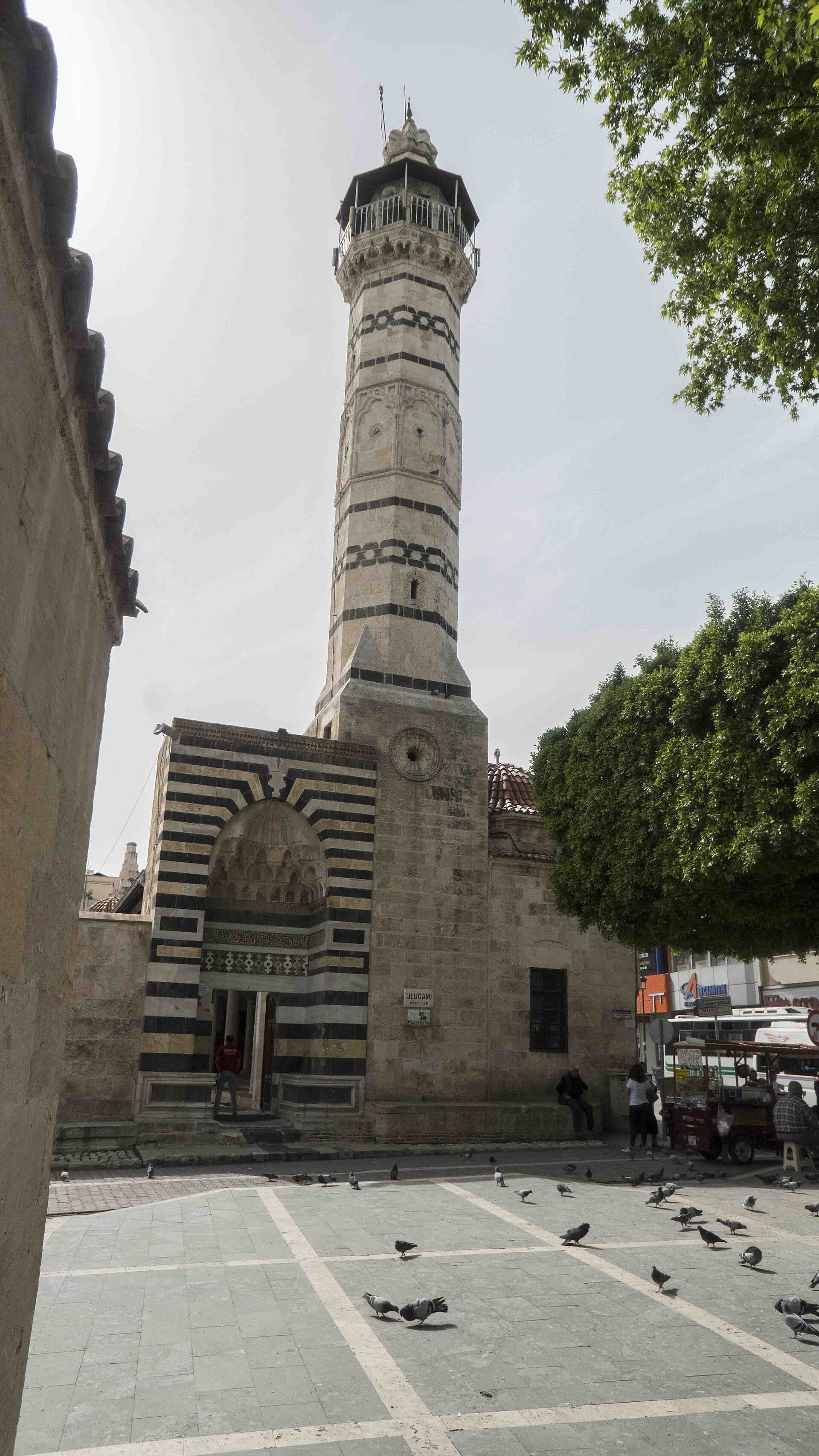
- Sabancı Central Mosque — Riverbank, Seyhan district
The huge Sabancı Central Mosque, finished in the late twentieth century, dominates the skyline with six minarets, the four inner ones rising 99 m. Inside, calligraphy and Iznik-style tiles cover the surfaces. It is a good contrast with the older mosque across town and a useful landmark. - Taşköprü (Roman Bridge) — Seyhan River, central Adana
The old stone bridge over the Seyhan, known as Taşköprü, is a Roman survivor beside a modern city. It is best seen at the end of the day, when the light softens and locals stroll the riverside. Allow time to compare the arches with the busy road bridges nearby.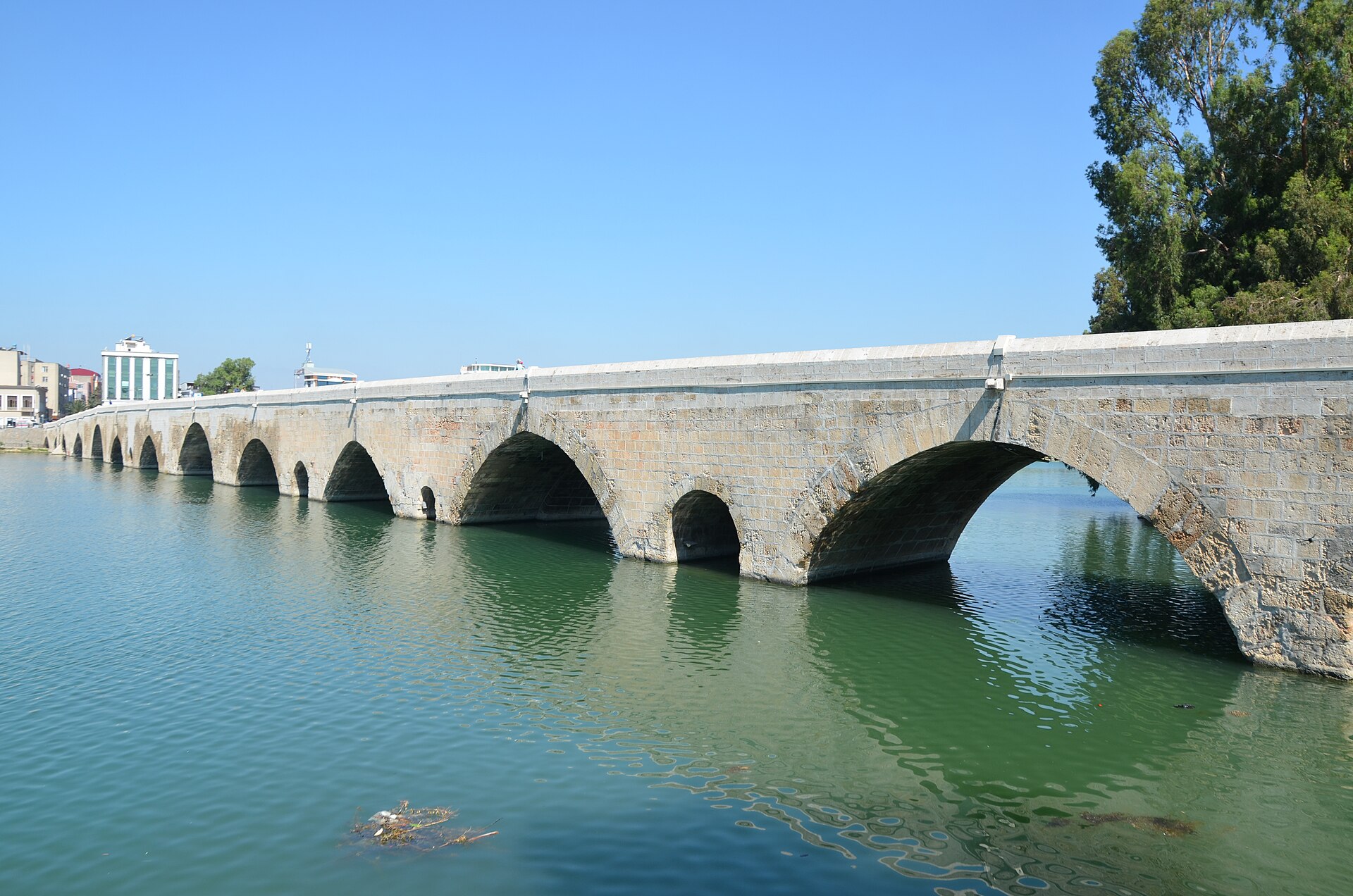
- Atatürk Museum — Central Adana
This is a traditional mansion where Atatürk stayed during a visit, restored and opened as a small museum. It gives a feel for domestic architecture of the Ottoman period, with timber, high ceilings and cool rooms. Signs are in Turkish only, so a phrasebook or translation app helps. - Adana Archaeological Museum — Central Adana
The museum holds finds from the surrounding plain, including Hittite terracotta vessels and coins from the city's ancient past. It is the best way to make the long history in the city's story feel tangible. Check the official city website or museum listings for current opening times.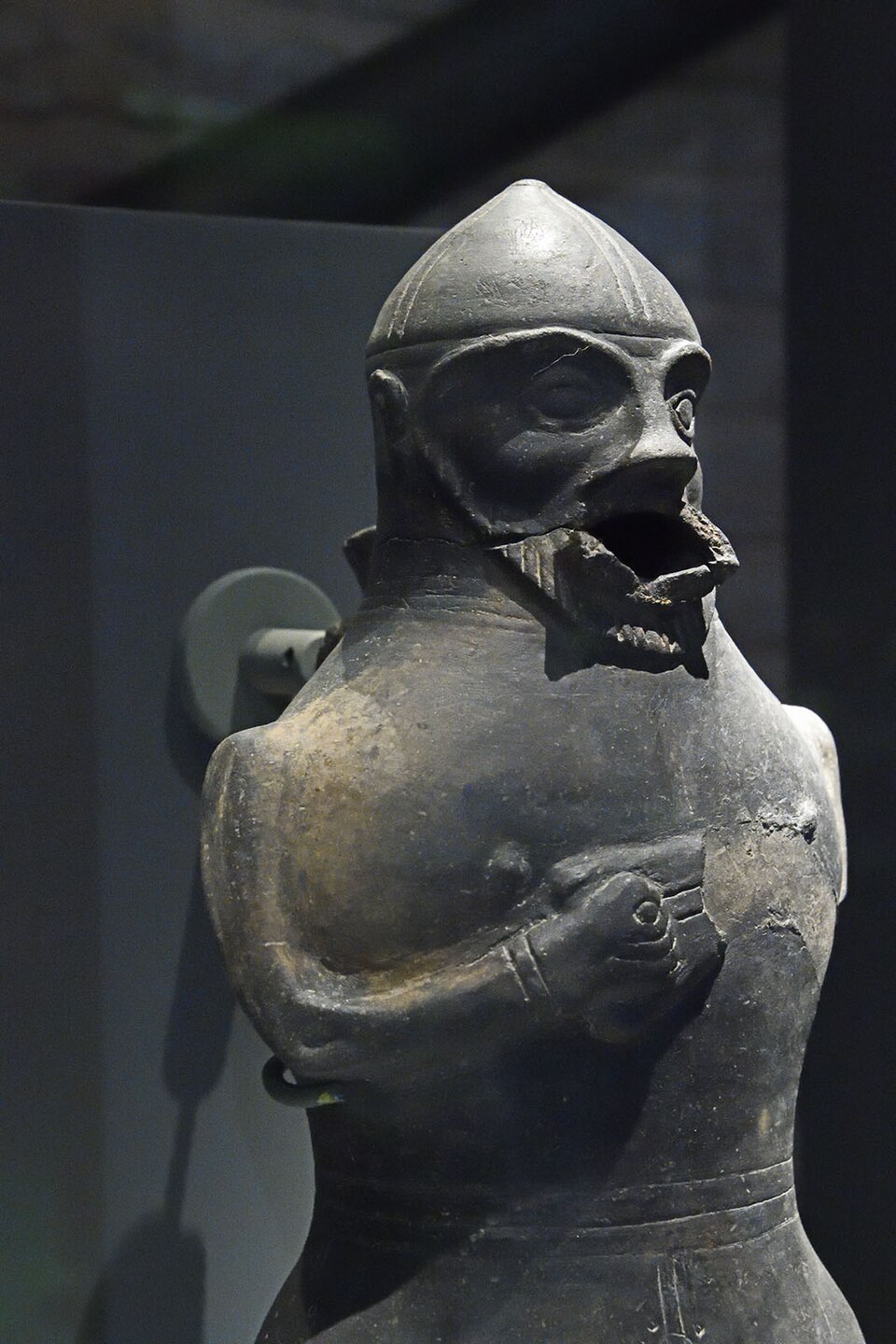
- Büyük Saat (Big Clock) and Central Park — Old centre and riverside
The Big Clock tower is a landmark of the old centre and a handy meeting point near traditional eateries. A short walk leads to green spaces along the river and lake, where residents gather in the cooler evening hours. Both are easy, free and good for orientation.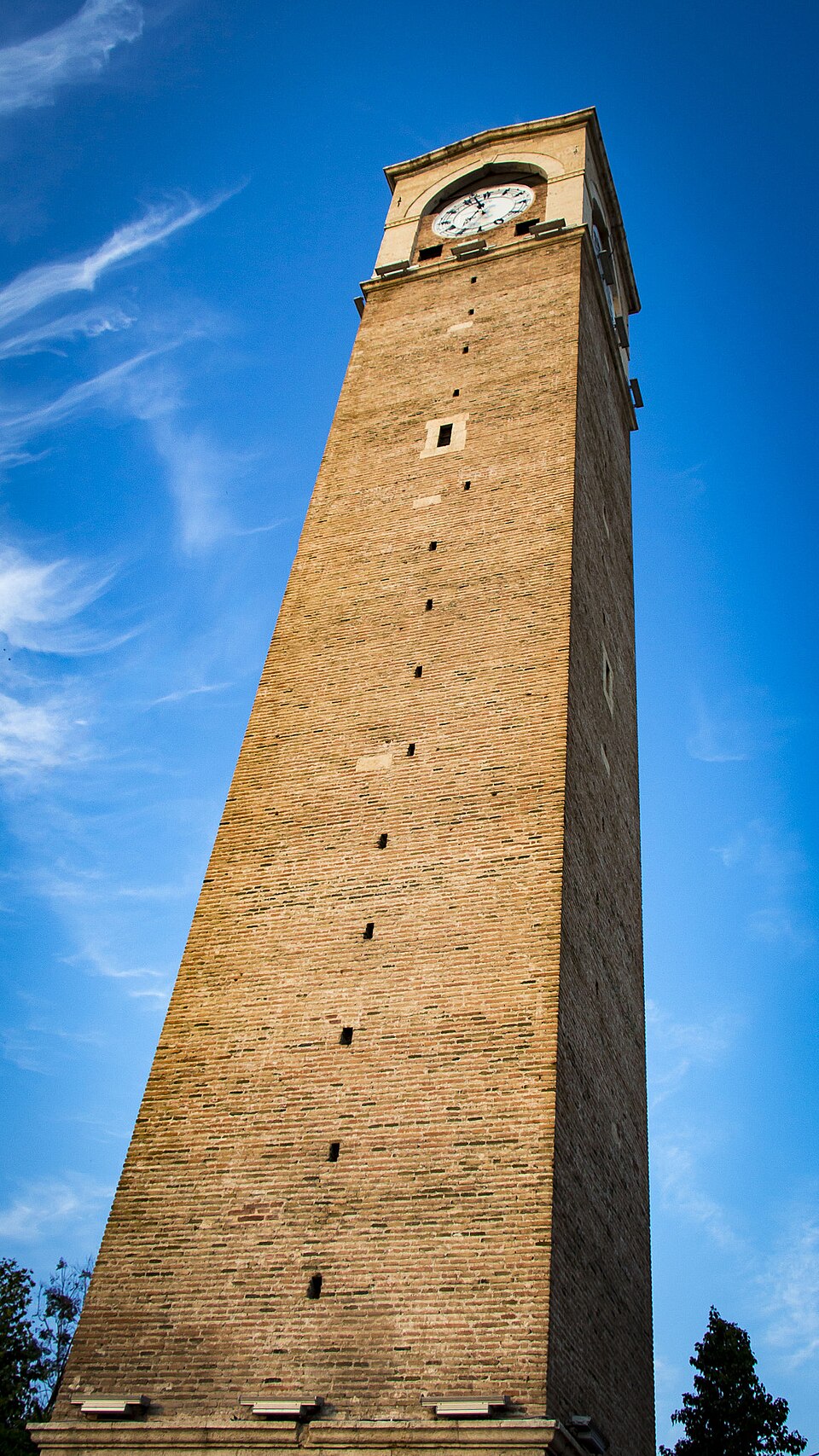
Culture
Adana's culture grew out of the farming plain around it, and many families still have ties to fields, orchards and the trade that follows the harvest. Over recent decades, factories, better roads, television and large-scale migration from the countryside and other regions have reshaped everyday life. As in much of Turkey, different districts feel quite different: the old lanes by the river are more traditional, while the newer residential areas look and sound more cosmopolitan.
Social life is outdoors and late. In the heat of summer people wait for the evening, then fill parks, riverside walks and restaurant terraces until well after dark. Meals are long, shared and loud, and hospitality matters: a guest is usually offered tea or a small extra dish before they ask. Conversation about food is serious business, and locals have firm views on how a kebab should be cooked and served.
Religion is part of the fabric but practised in varied ways. The old mosques are working places of worship as well as monuments, and the call to prayer shapes the rhythm of the day. Cinema also has a place in local pride, and the city has a museum devoted to Turkish film. Visitors who are polite, curious and unhurried tend to be warmly received.
Before entering any mosque in Adana, cover your shoulders and knees, take your shoes off at the door, keep your voice low and ask before photographing anyone who is praying.
What to wear
Traditional dress in the Adana and Çukurova area reflects a farming and semi-nomadic past. Older women's outfits use baggy trousers (şalvar), long tunics, embroidered waistcoats and patterned headscarves, usually in cotton or other light fabrics suited to the heat. Men's older style includes loose trousers, a sash at the waist and a waistcoat. Today these garments appear mostly at weddings, folk-dance festivals and village events rather than on the street.
Daily clothing in the city is modern and practical. Office workers wear shirts and trousers or dresses, young people favour jeans and trainers, and many women choose a headscarf with long, loose clothes, while others do not cover. In summer, people dress light, in cotton and linen, and carry sunglasses and hats. In the cooler months a jacket is enough.
Visitors should plan for heat first. Breathable cotton or linen, a brimmed hat, sunscreen and sandals or trainers with good grip suit the long walks on hot pavement. Carry a light scarf or shawl and wear something that covers shoulders and knees for visiting mosques. Women do not need to cover their hair at most mosques, but a scarf is useful for entering prayer areas. Shorts are fine in many places but less suitable for religious sites or more traditional neighbourhoods. A light layer helps against strong air conditioning indoors.
What to eat
- Adana kebap — Kebab houses around the edge of the old town
The city's namesake dish is minced lamb pressed onto a wide skewer and grilled over charcoal. It arrives with flatbread, grilled tomato and chilli, onions and sumac. Look for the specialist kebab houses around the rim of the old town. - Şalgam — Alongside kebab meals at most grill restaurants
A purple, tangy drink made from fermented turnip and carrot, often with a chilli kick, served cold beside kebabs. It is an acquired taste, but it cuts the richness of grilled meat well. It is usually offered at kebab restaurants. - Meze and grilled fish — Meyhanes by the lake shore and near the station
Small cold plates, salads and grilled fish are the standard order at a meyhane, a relaxed tavern-style restaurant. Dishes come in a steady stream and the pace is slow, ideal for an evening with a group. - Ocakbaşı grills — Grill restaurants in the station area
At an ocakbaşı, the cooking happens at an open charcoal hearth in the dining room, and diners sit around it. The menu leans on lamb, liver and offal, with fresh salads. It is lively, smoky and sociable. - Turkish desserts and ice cream — Dessert cafés and chain outlets across the city
After a heavy meal, locals head for syrupy pastries, puddings and Turkish-style ice cream, which is thick and chewy. Dessert chains with several branches across the city make an easy, air-conditioned stop on a hot afternoon.
Plan it
Best time. April–May and October–November, when days are warm rather than fierce. July and August are very hot and humid, so sightseeing is best at dawn or after sunset. Winters are mild but can be wet.
How long. 1–2
Getting there. Çukurova Airport (COV), 32 km west of the city, opened in 2024 and has frequent flights from Istanbul, Ankara and Izmir; taxis and shuttles cover the last leg. The bus terminal is about 4 km west of the centre, with long-distance coaches from Istanbul, Konya and Antalya. By rail, take the high-speed train to Konya and change for the Toros Ekspresi.
Budget. low
Tips
- Start sightseeing early and rest through the afternoon heat
- Carry water and sun protection at all times from late spring to early autumn
- Keep some cash for small eateries and markets, and cards for larger restaurants
- Check the official city website (https://www.adana.bel.tr) for museum hours and events before you go
- Karataş, a beach town 55 km south, makes an easy day trip by road
Etiquette
- Take off your shoes at mosque doors and dress modestly inside
- Ask before photographing people, especially women and worshippers
Nearby
Sources
- Wikidata Q38545 (CC0)
- Wikipedia: Adana (rev 1383576035) (CC BY-SA 4.0)
- Wikivoyage: Adana (rev 5423575) (CC BY-SA 4.0)
- Photo: Adana City and Seyhan Lake (Anatolianpride) (Public domain)
- Photo: Seyhan River, Adana, Turkey (Hustle77) (CC BY-SA 4.0)
- Photo: Büyük Saat (Yılmaz Kilim) (CC0 1.0)
- Photo: Adana Roman Bridge (Taşköprü) (Carole Raddato) (CC BY-SA 2.0)
- Photo: Adana Central Park (hakan kozan) (CC BY 3.0)
- Photo: Ulu Cami mosque in Adana (John Lubbock) (CC BY-SA 2.0)
- Photo: Adana Archaeological Museum, Hittite terracotta jug (Dosseman) (CC BY-SA 4.0)
- Photo: Minted coin of Adana, 250 BC (Public domain)


