Accra
Accra, Turkey
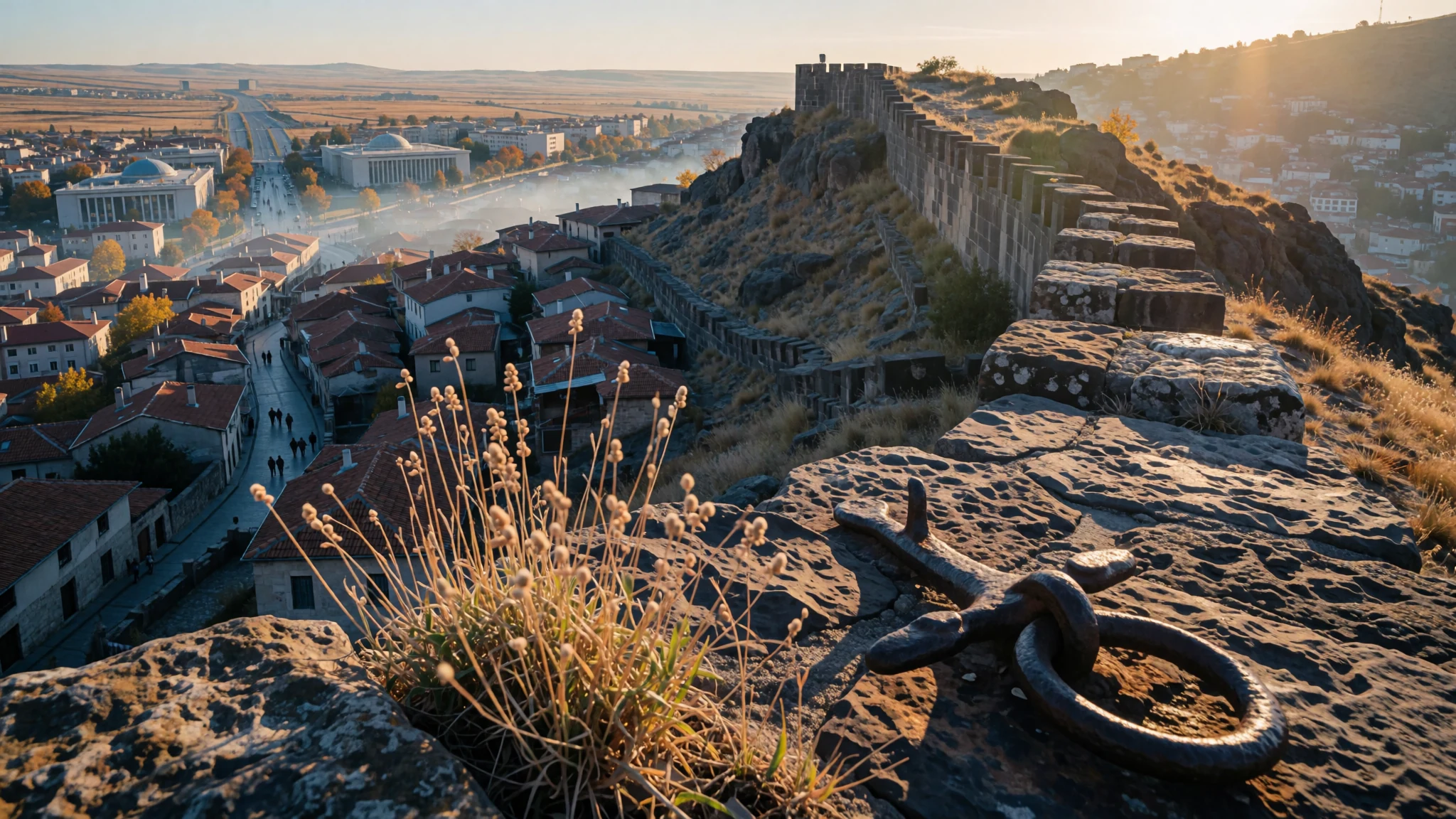
Ankara is Turkey's capital, a calm and orderly city on the Anatolian plateau that suits history lovers with two or three days to spare.
The place
Ankara sits in central Anatolia, on the left bank of the Ankara River, and is Turkey's capital and its second-largest city after Istanbul. The urban area has a little over five million people, and the wider province is home to about six million. The city became the seat of government in 1923, and its centre is organised around government offices, wide boulevards and a busy commercial district. The historic core is built around a rocky hill that rises about 150 metres above the river, and the ruins of the castle still crown its summit. The city lies at roughly 938 metres, so summers are hot and dry while winters are cold, with snow likely on the hills. Kızılay, the central square district, is where most visitors stay, eat and catch transport. Anyone expecting the waterfronts and crowds of Istanbul will find something quieter and more administrative. That suits a slower trip built around museums, mosques and the old hill, with time for long lunches.
Its story
Ankara's recorded past reaches back to the Bronze Age, when the Hattic people lived in the area. From about 2000 to 1700 BC they were gradually absorbed by Indo-European Hittites, whose language and customs spread across Anatolia. From around 1000 BC the Phrygians turned the settlement into a substantial town. A large wave of newcomers arrived from Gordion, the Phrygian capital, after an earthquake badly damaged that city. Phrygian tradition credited King Midas with founding the town, although the ancient writer Pausanias thought it was far older, and modern archaeology agrees with him. Lydian and then Persian rule followed, until Alexander the Great took the city in 333 BC. The Celtic Galatians made it the capital of their state between 280 and 64 BC, and Roman rule over the province of the same name lasted for centuries after. Ottoman control arrived in the late 14th century, and the city served as a regional capital in several periods. The modern turning point came in 1920, when the Grand National Assembly met here during the Turkish War of Independence and made Ankara the movement's headquarters. When the Republic was declared on 29 October 1923, Ankara replaced Istanbul as the capital. Its streets still reflect that shift, with a planned modern city laid out around the older hill.
What to see
- Ankara Castle — Old town, on the hill above the river
The castle stands on the rocky outcrop that gives the old town its shape. People seem to have fortified this hill for a very long time, with the earliest traces from the Phrygians in the 8th century BC, and later the Galatians and Romans strengthened the walls. The climb is steep, but the view across the rooftops rewards the effort. Go early in the morning or late in the afternoon in summer, when the sun is strongest.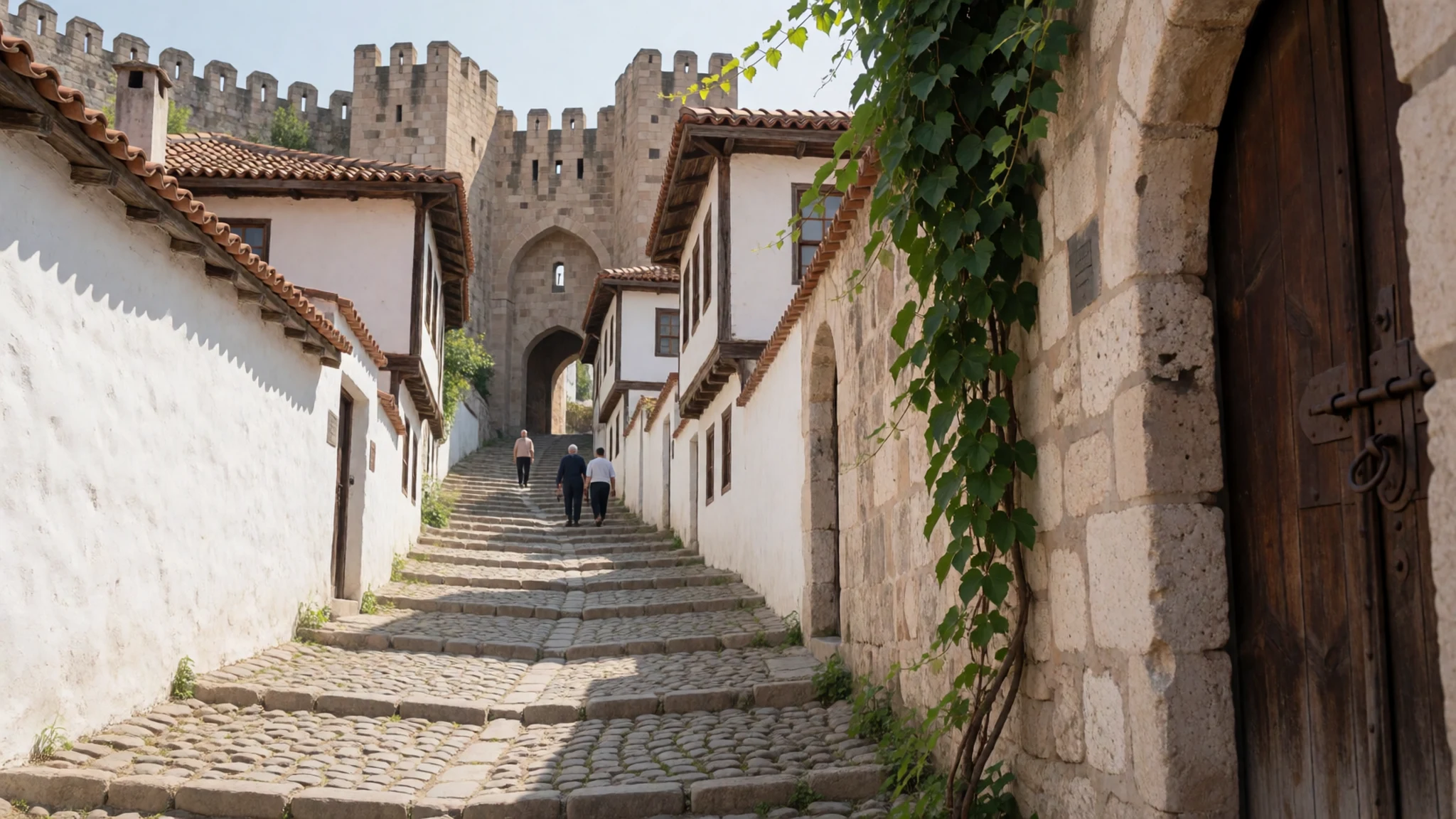
- Roman Theatre — Near the Museum of Anatolian Civilizations, in the old town
Only scrappy remains survive here: part of the stage and the backstage area, with the seating never restored. It takes some imagination to picture a full audience. Statues excavated on the site are now displayed in the Museum of Anatolian Civilizations, a short walk away, so the two visits fit together well.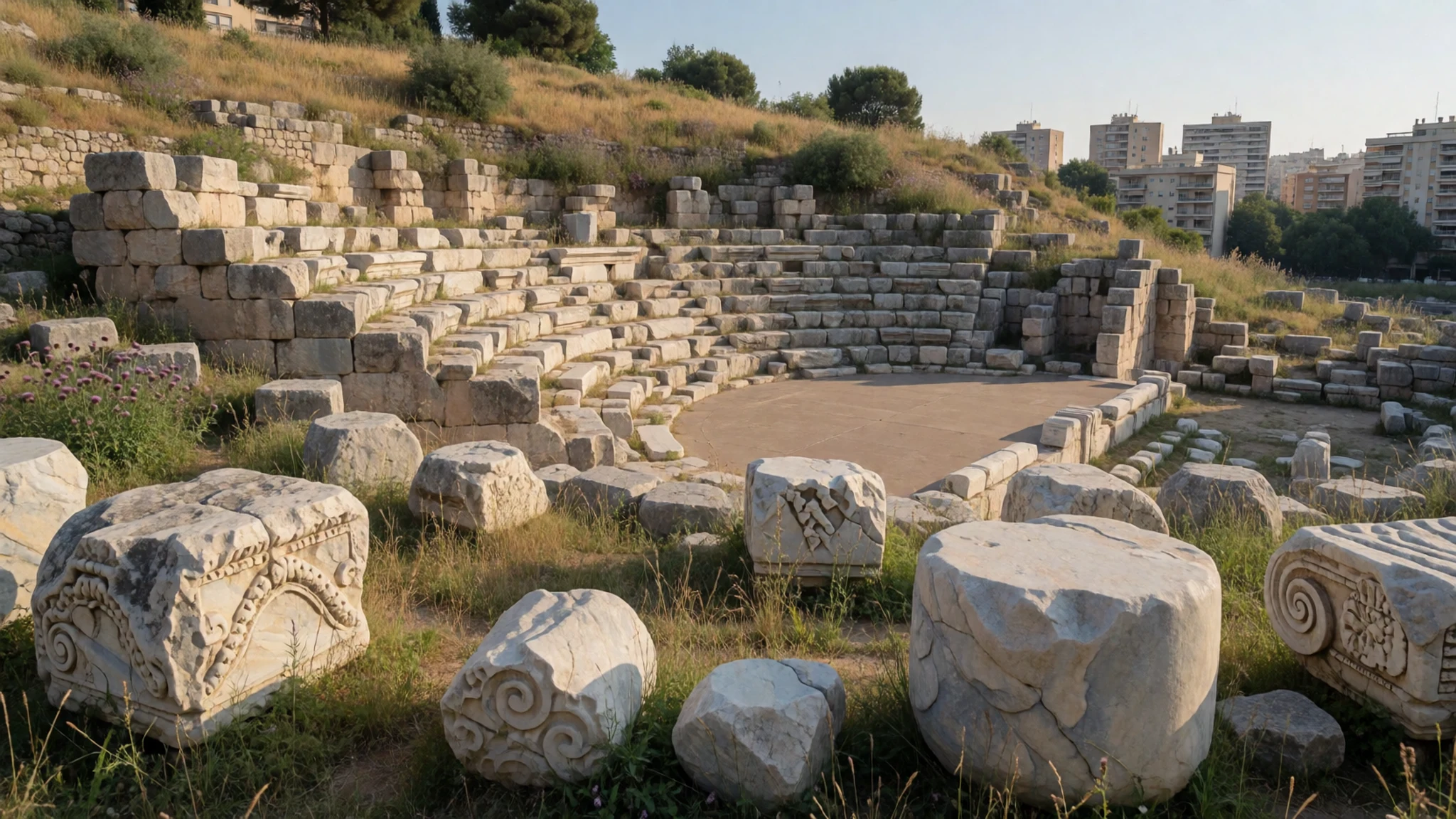
- Arslanhane Mosque — Hill quarter, below the castle
Built in 1290 in Seljuk style and repaired in 1330 under Ahi Şerafeddin, the mosque is worth the walk up the hill. Its interior is the reason to come: a finely carved ceiling carried on a forest of wooden columns. Remove your shoes before going in, and keep your visit quiet, as people come here to pray.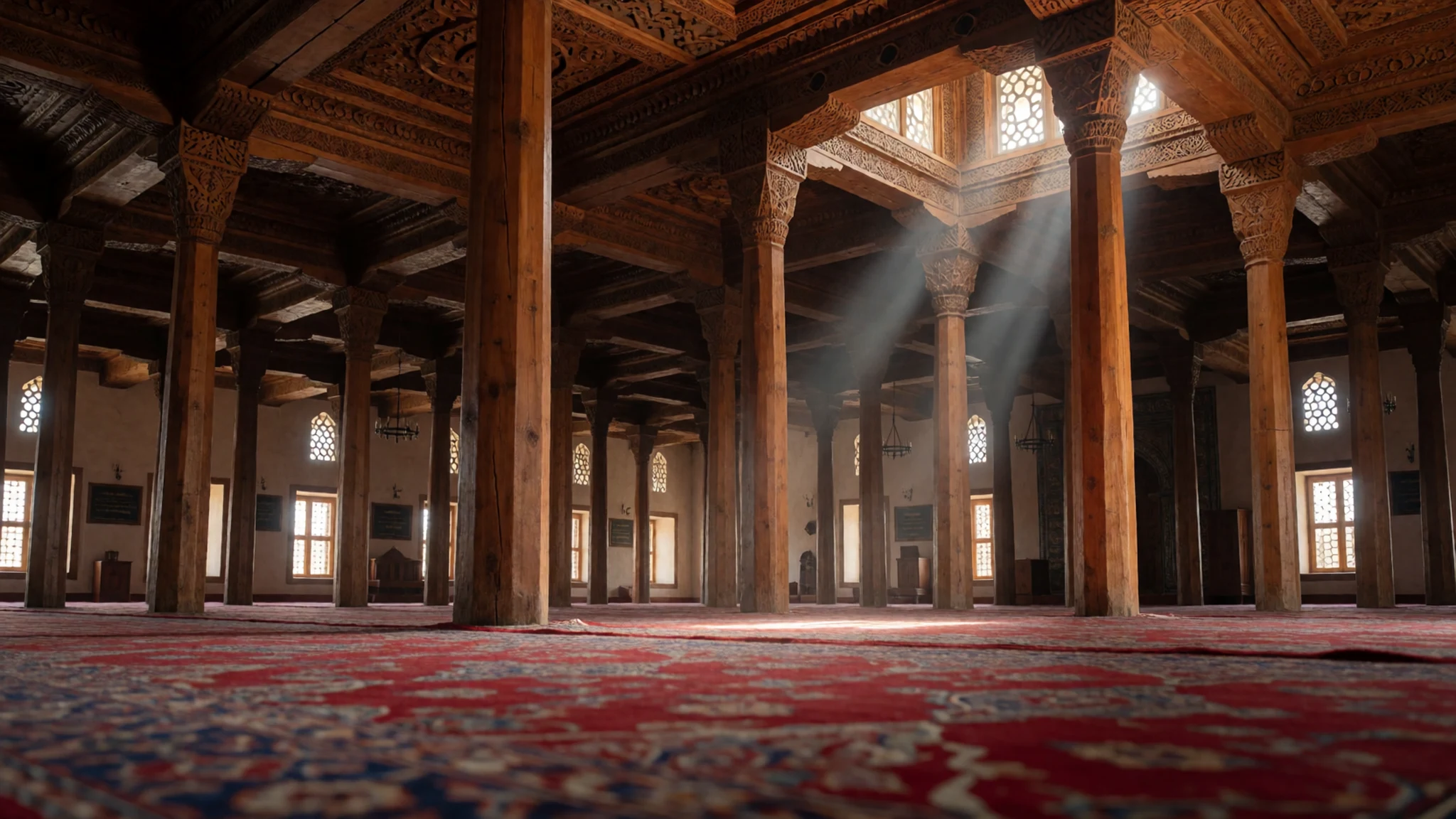
- Museum of Anatolian Civilizations — Old town, near the Roman Theatre
The museum covers prehistory through to the Greek and Roman periods, with material from across Anatolia. Look for the standards from Alaca Höyük, disc-shaped emblems decorated with stags and big cats, and the Roman sculpture from the theatre. Give it at least two hours, because the collection rewards a slow walk through each gallery.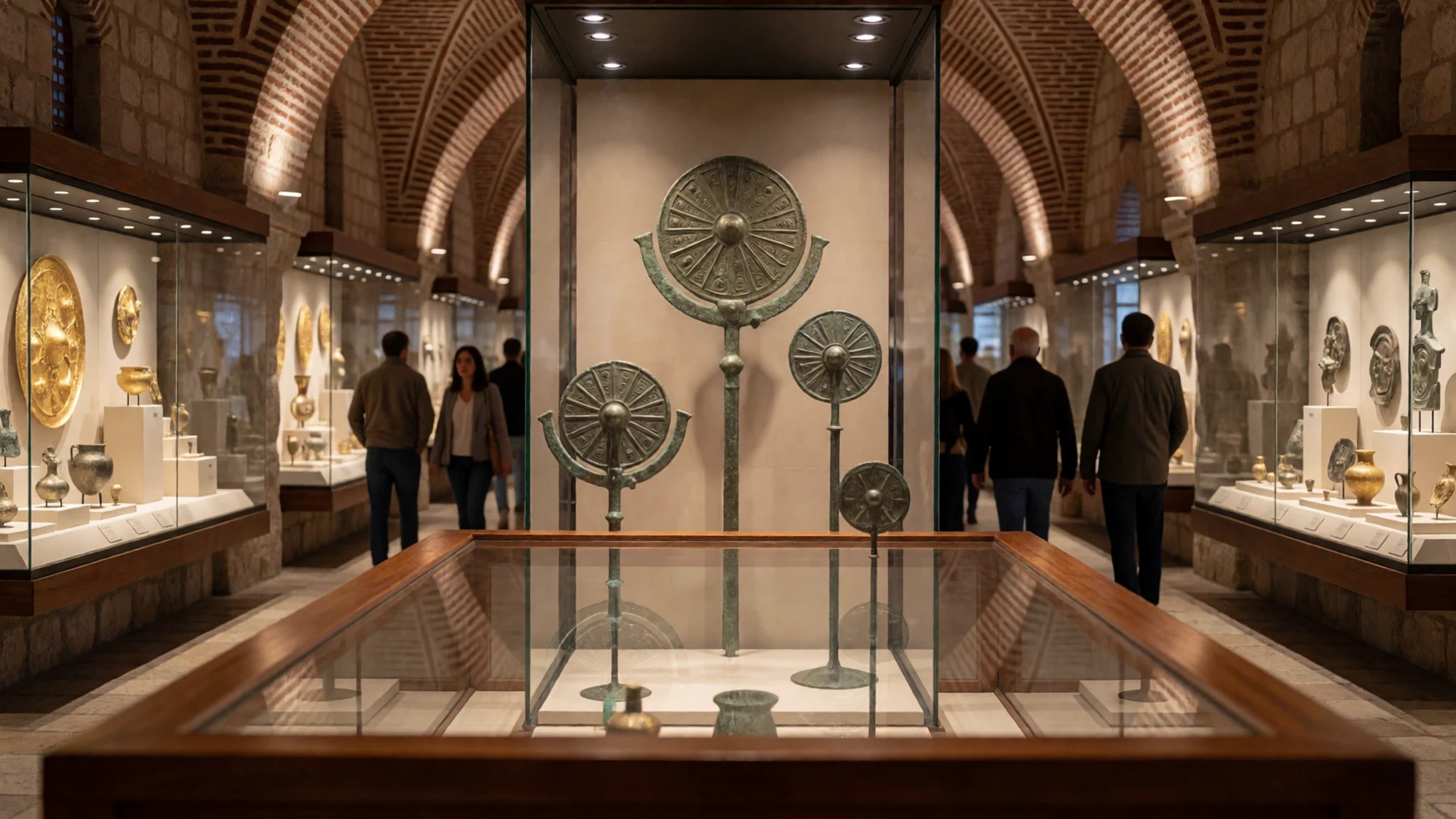
- Sultan Alaeddin Mosque — Old town, near the castle hill
This is the oldest mosque in the city, dated 1178 by the inscription on its walnut pulpit, though it has been much altered since. It is a quieter place than the large modern mosques elsewhere in the city. Women should carry a headscarf, and everyone should remove their shoes before entering the prayer hall.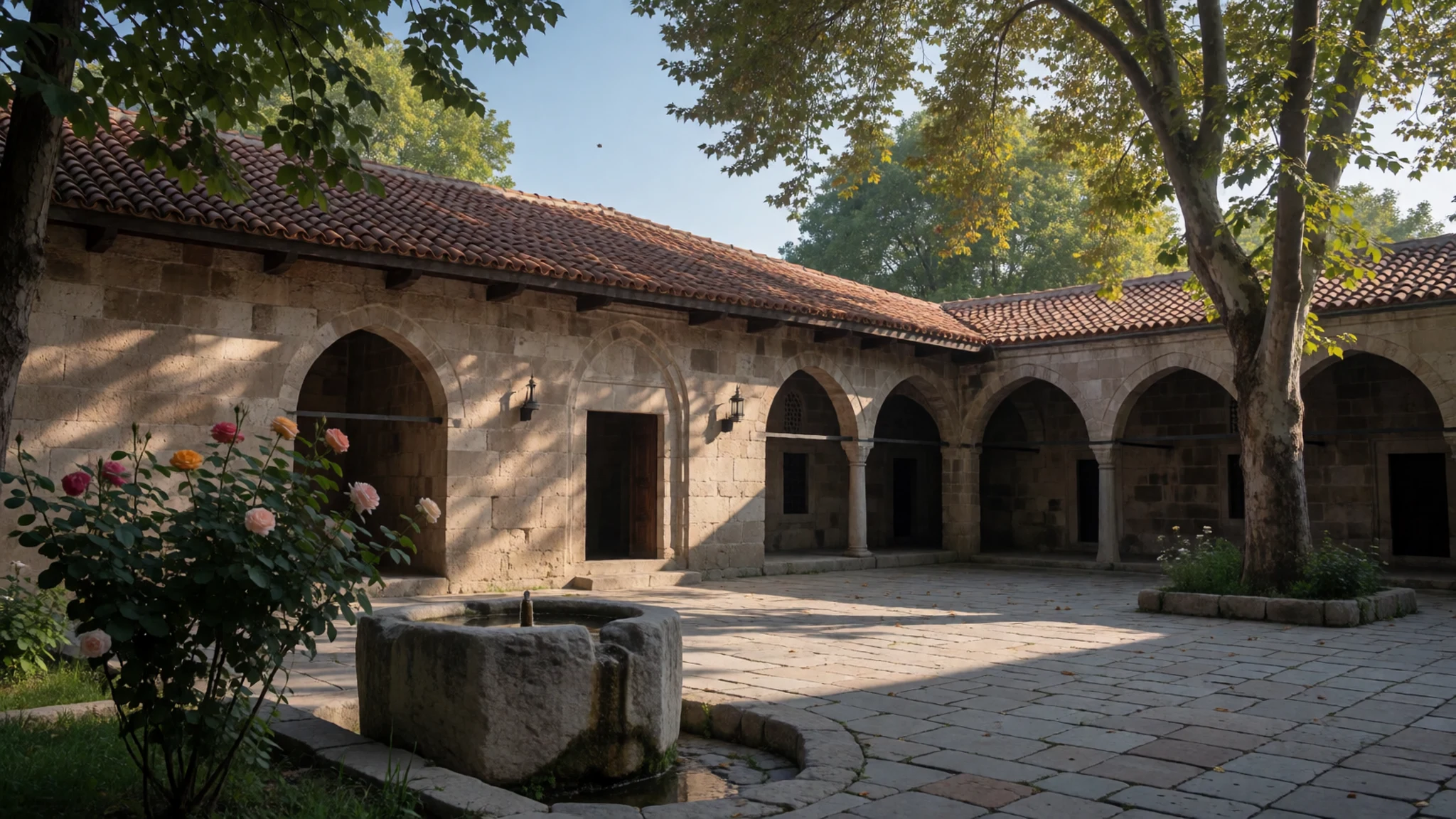
Culture
Ankara is the administrative heart of the country, and its cultural life is more serious than its reputation suggests. The Turkish State Opera and Ballet has its headquarters here and runs three venues, the largest being the Ankara Opera House, also known as the Büyük Tiyatro. The city supports five classical orchestras, among them the Presidential Symphony Orchestra and the Bilkent Symphony Orchestra, and four concert halls, including the Bilkent Concert Hall. Check programmes in advance, because many listings and signs are in Turkish only. Most of the city dresses fairly conservatively, and mosques are working places of worship rather than museums, so speak quietly and dress with care when you visit one. Remove your shoes before stepping onto a mosque carpet, and never walk through a prayer hall while people are praying.
What to wear
Ankara's old name, Angora, is tied to the fine wool and mohair of the Angora goat, and the region has long been known for soft yarns and woven textiles. Traditional dress in the wider Anatolian countryside used cotton and wool, with embroidered headscarves, sashes and felt, while kilims, flatweave rugs woven from wool, were both everyday items and prized goods. Few people wear regional costume in the city today. Most residents dress in modern European-style clothing, with office suits in the government district and more relaxed styles around the university areas and the shopping streets of Kızılay. Many women wear headscarves and many do not, and you should not assume either. For a visit, dress in layers. Evenings can be cool even in summer at this altitude, and winter needs a proper coat. Carry a scarf or light shawl you can use at mosques, where shoulders and knees should be covered. Comfortable shoes with good grip matter more than fashion, because the old hill has steep, uneven paths.
What to eat
- Lahmacun — Takeaways on the pedestrianised block in Kızılay
This thin, crisp flatbread is topped with spiced minced meat, herbs and tomato, then rolled up with a squeeze of lemon. It is a quick, cheap lunch, and the best ones come from small takeaways. Eat it standing or on a bench, folded like a wrap, and ask for extra lemon and chilli if you like heat.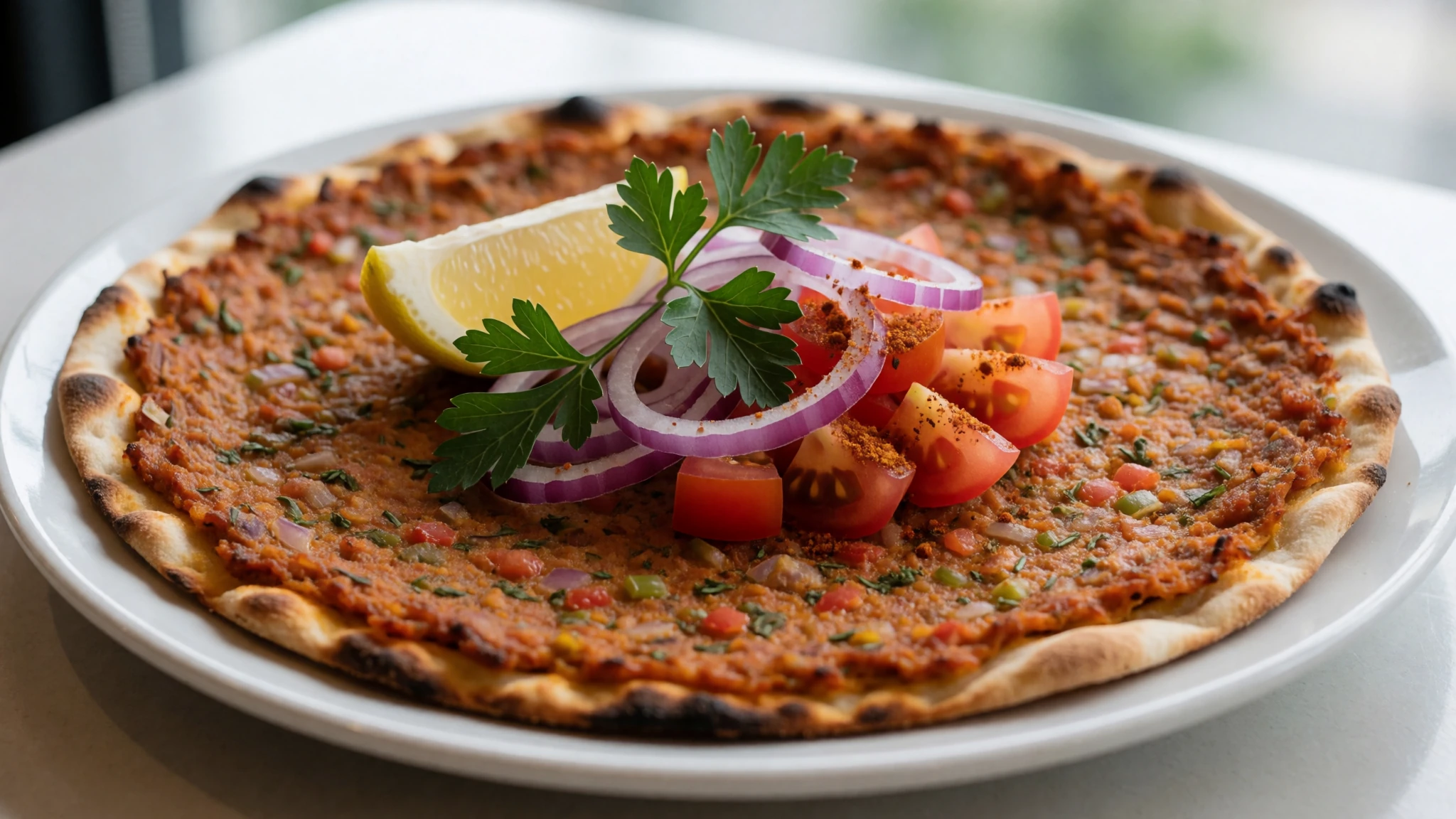
- Gözleme — Streets around Ankara University's Cebeci campus
Gözleme are thin rolled pancakes, folded around fillings such as spinach and cheese, potato, or minced meat, then griddled until blistered. They are cheap and filling, and the student streets are good places to find them. Look for stalls where the dough is rolled and cooked to order.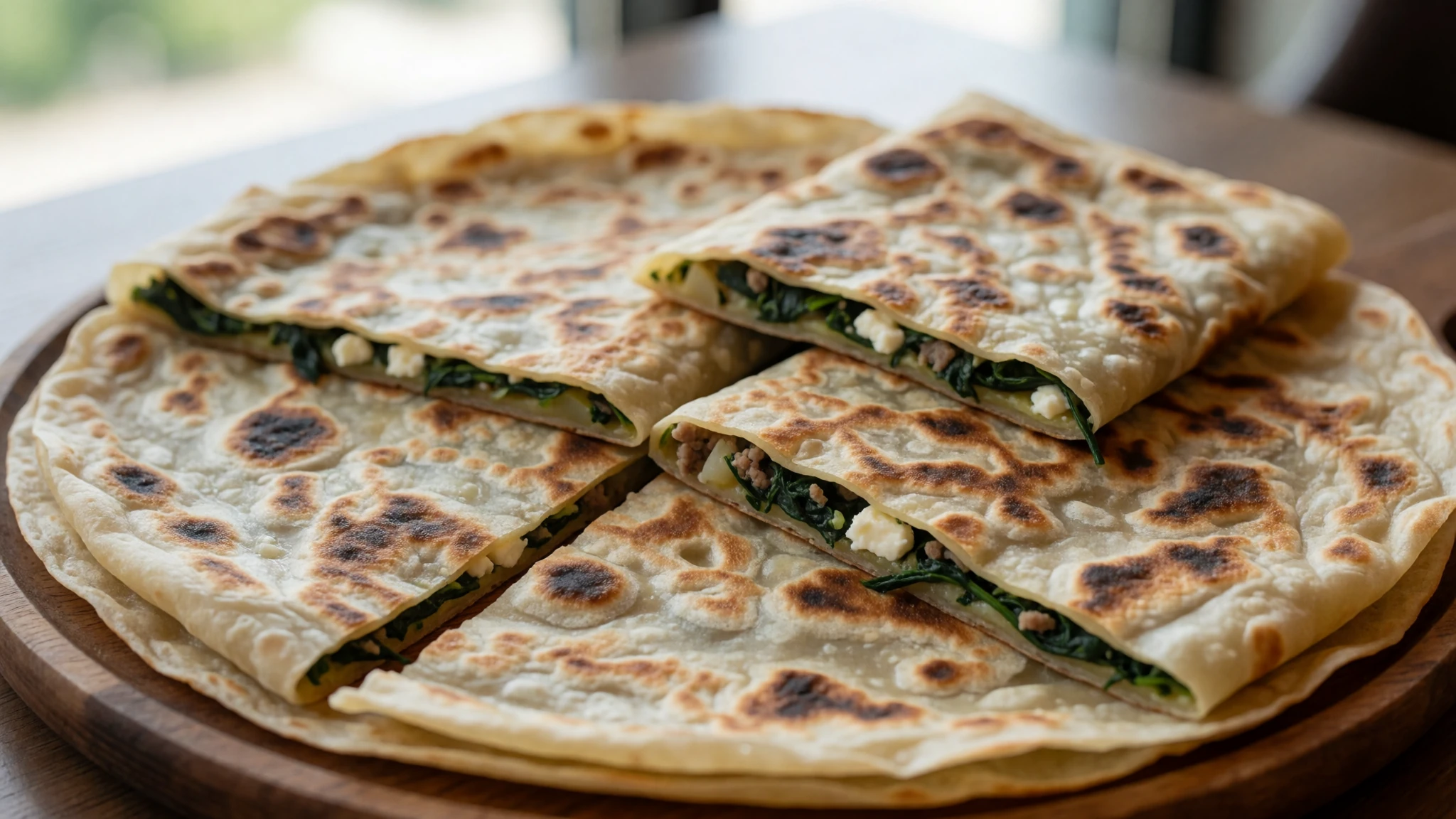
- Traditional lokanta dishes — Lokanta on the streets around Kızılay square
A lokanta is a traditional eatery where the cooked dishes sit in a display, so you point at what you want. Expect stews, bean dishes and rice pilaf, usually with yoghurt and salad. Good value is likely, though quality can vary from one place to the next. Lunch is the best time to go, when the dishes are freshly made. - Iraqi and Persian dishes — Restaurants spread across the city, with Iraqi cooking especially well represented
Ankara has a range of international restaurants, including Iraqi, Persian and Somali cooking, and the Iraqi places are a particularly good choice for rice, grilled meats and bread-based dishes. Eat in a restaurant that is busy with local diners, since that is usually the sign of a good kitchen. - Simit and breakfast bread — Street carts and bakeries near the bus and metro stops, in the morning
Simit is a sesame-crusted bread ring sold from street carts and bakeries, often with a glass of tea. It makes a cheap breakfast that locals eat on the way to work. Pair it with a slice of white cheese and a cup of strong tea for a traditional start to the day.
Plan it
Best time. April and October bring the mildest days, with highs of about 26 to 30 °C, which makes them the most comfortable window for walking the old hill, while May and September are already hot. July and August are hot and dry, and January and February are cold, with snow possible on the surrounding high ground.
How long. 2–3
Getting there. The airport lies about 30 km north of the centre. Express coaches run to Kızılay, while the cheaper EGO bus route 442 takes 40 to 50 minutes to reach the train station. High-speed trains from Istanbul take about 4½ hours.
Budget. mid
Tips
- Take the express coach from the airport rather than the slower bus if you are short of time
- Check transport timetables on the day, since the operators' apps are not always reliable
- Carry cash for some airport coaches, as one operator takes cash only
- Climb the castle hill early in the morning in summer, before the heat builds
- Give the Museum of Anatolian Civilizations a full morning rather than an hour
Etiquette
- Remove your shoes before entering a mosque and dress with covered shoulders and knees
- Ask before photographing people, especially during prayer or at a religious site
- Keep your voice down in mosques and on the quieter residential streets
Nearby
Sources
- Wikidata Q3640 (CC0)
- Wikipedia: Ankara (rev 1382970688) (CC BY-SA 4.0)
- Wikivoyage: Ankara (rev 5412272) (CC BY-SA 4.0)
- Photo: Ankara (Turkey), Jorge Franganillo (CC BY 2.5)
- Photo: Ankara from Central Bus Station, Boubacar Amadou Cisse (CC BY-SA 4.0)
- Photo: Ankara Kocatepe Mosque, Uğurgüler06 (CC BY-SA 4.0)
- Photo: National Library of the Presidency, Dominator1071 (CC BY-SA 4.0)
- Photo: Alaca Höyük standard, Klaus-Peter Simon (CC BY 3.0)
- Photo: Alaca Höyük sun standard, Klaus-Peter Simon (CC BY 3.0)
- Photo: The Dying Gaul, Anthony Majanlahti (CC BY 2.5)
- Photo: Roman goddess head, Georges Jansoone (CC BY 3.0)


