Ephesus
Ephesus, Turkey
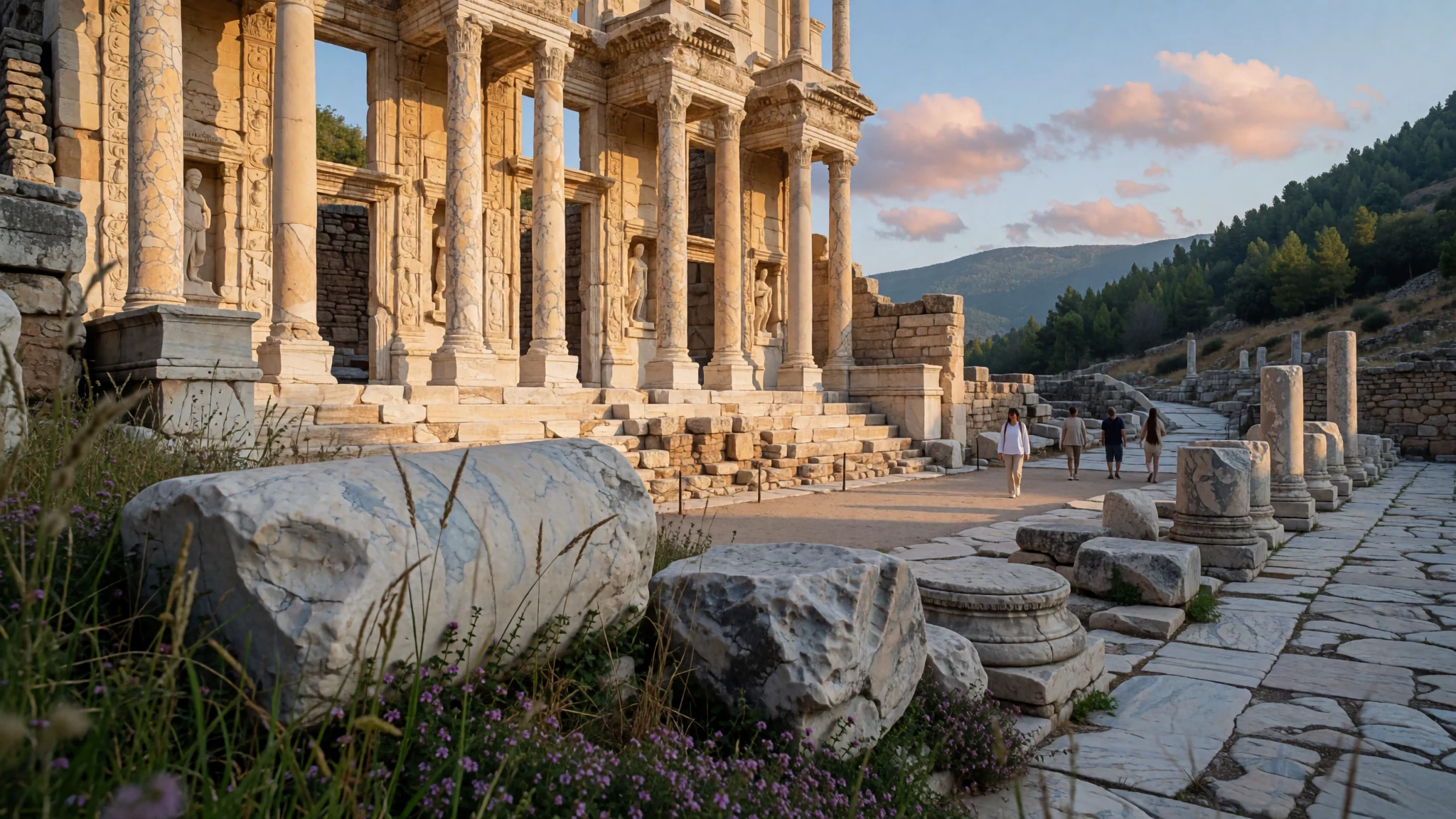
Walk down marble streets past towering Roman façades and ancient theatres in one of the Mediterranean's best-preserved classical cities.
The place
Ephesus stands as an extraordinary expanse of ancient marble, carved stone, and olive groves spread across the coastal landscape of western Turkey near modern Selçuk. As visitors wander down the ancient paved thoroughfares, they encounter monumental architecture that once anchored one of the most powerful trade hubs in the Mediterranean world. The remnants span several imperial eras, showing how successive rulers reshaped the urban grid with grand civic squares, temples, bathhouses, and terraced hillside mansions. Unlike cities swallowed completely by modern concrete, Ephesus offers miles of intact streetscapes where column shafts, inscribed pedestals, and decorative friezes lie open to the Mediterranean sun. The site follows a natural valley sloping gently down from interior hills toward what was once a bustling maritime inlet before alluvial silt choked the waterway. Today, the surrounding region blends rural farming traditions with tourism infrastructure catering to travellers arriving from nearby Aegean coastal hubs. Walking through the archaeological park reveals the immense scale of classical urban planning, where every public square, fountain, and terrace reflects the ambitions of the ancient populations who lived, traded, and worshipped here across many centuries. The atmosphere shifts constantly under the changing light, turning the weathered limestone golden in the late afternoon and highlighting the intricate relief carvings that adorn public monuments throughout the sprawling ruins.
Its story
The deep history of Ephesus reaches far back before classical Greek colonists arrived, growing out of early settlements and Bronze Age principalities that controlled the river valleys of western Anatolia. Hittite records refer to the area around Apasa as a significant royal seat, linking early indigenous power centres with the later Greek foundation myth of Ionian migration. By the classical era, the city had grown into a prominent member of the Ionian League, famous across the ancient world for the magnificent Temple of Artemis, whose immense scale earned it a place among the wonders of antiquity. Political control shifted repeatedly as Lydian kings, Persian satraps, Alexander the Great, and successive Hellenistic dynasties vied for dominance over the fertile coastal territory. A new chapter began when the territory passed into the hands of the Roman Republic, ushering in an era of unprecedented civic expansion, monumental public building projects, and immense commercial wealth driven by maritime trade. During the imperial Roman period, Ephesus became a major provincial capital, welcoming important early Christian figures and hosting significant theological councils as the classical world transitioned into the Byzantine epoch. Natural disasters and the relentless silting of its marine harbour gradually diminished its maritime importance, turning the once-thriving port city into an inland ruin. Excavations over recent generations have slowly rescued these marble avenues from centuries of soil and scrub, returning the ancient urban landscape to public view and revealing the intricate layers of human history embedded in the Anatolian earth.
What to see
- Library of Celsus — Lower archaeological zone
Dominating the lower end of the main archaeological zone in Ephesus, this magnificent two-storey stone façade was erected to honour a Roman governor and house thousands of ancient scrolls. Intricate columns, deep window alcoves, and symbolic statues frame the central entrance, creating one of the most photographed architectural landmarks in the entire Mediterranean region.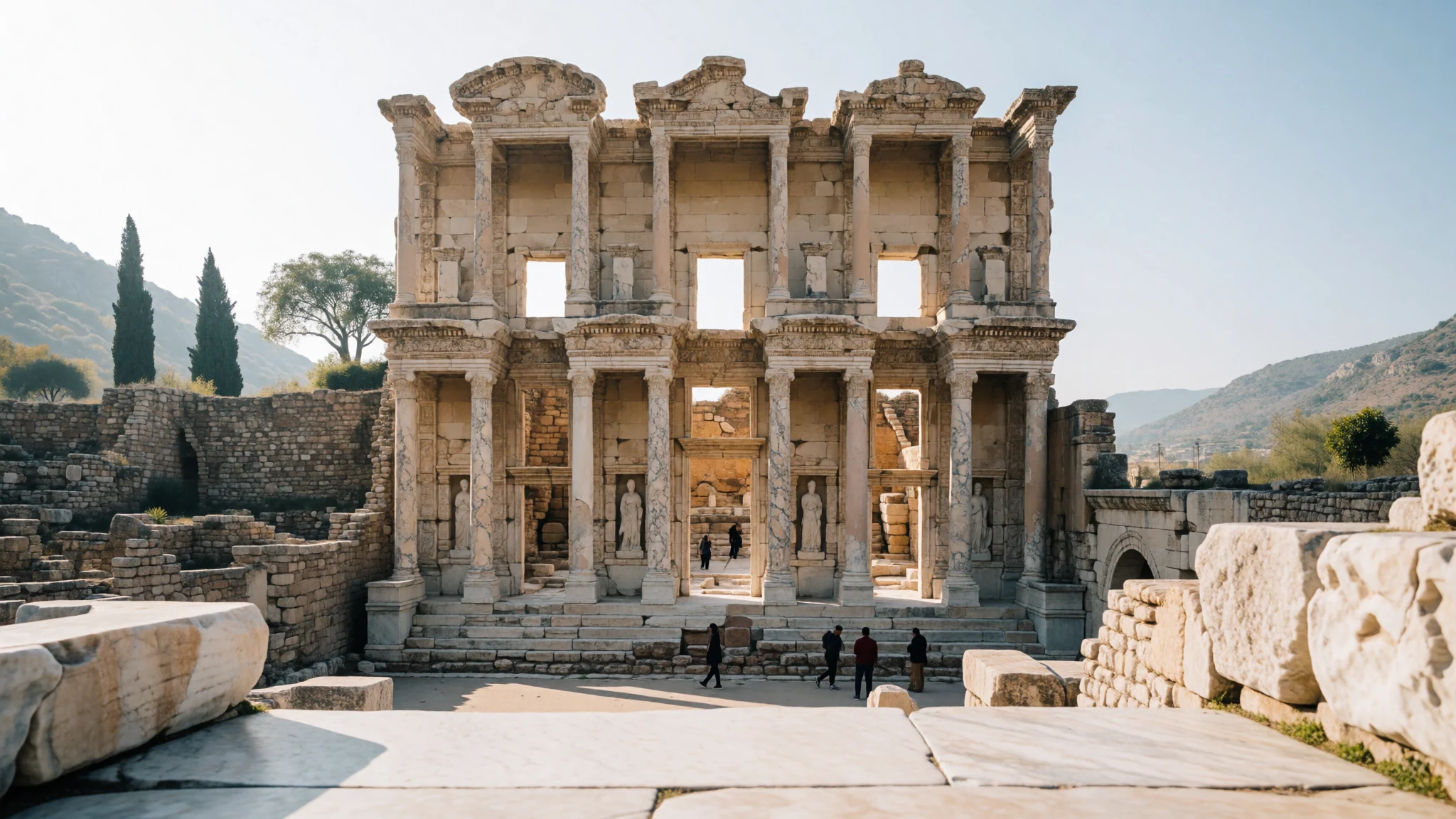
- The Great Theatre — Western slope of Panayır Hill
Carved directly into the western slope of Panayır Hill within Ephesus, this massive stone auditorium could accommodate vast crowds for dramatic performances, civic assemblies, and public gatherings. Tiered limestone seating rises steeply from the wide orchestra floor, offering expansive views across the ancient valley and the former harbour marshlands.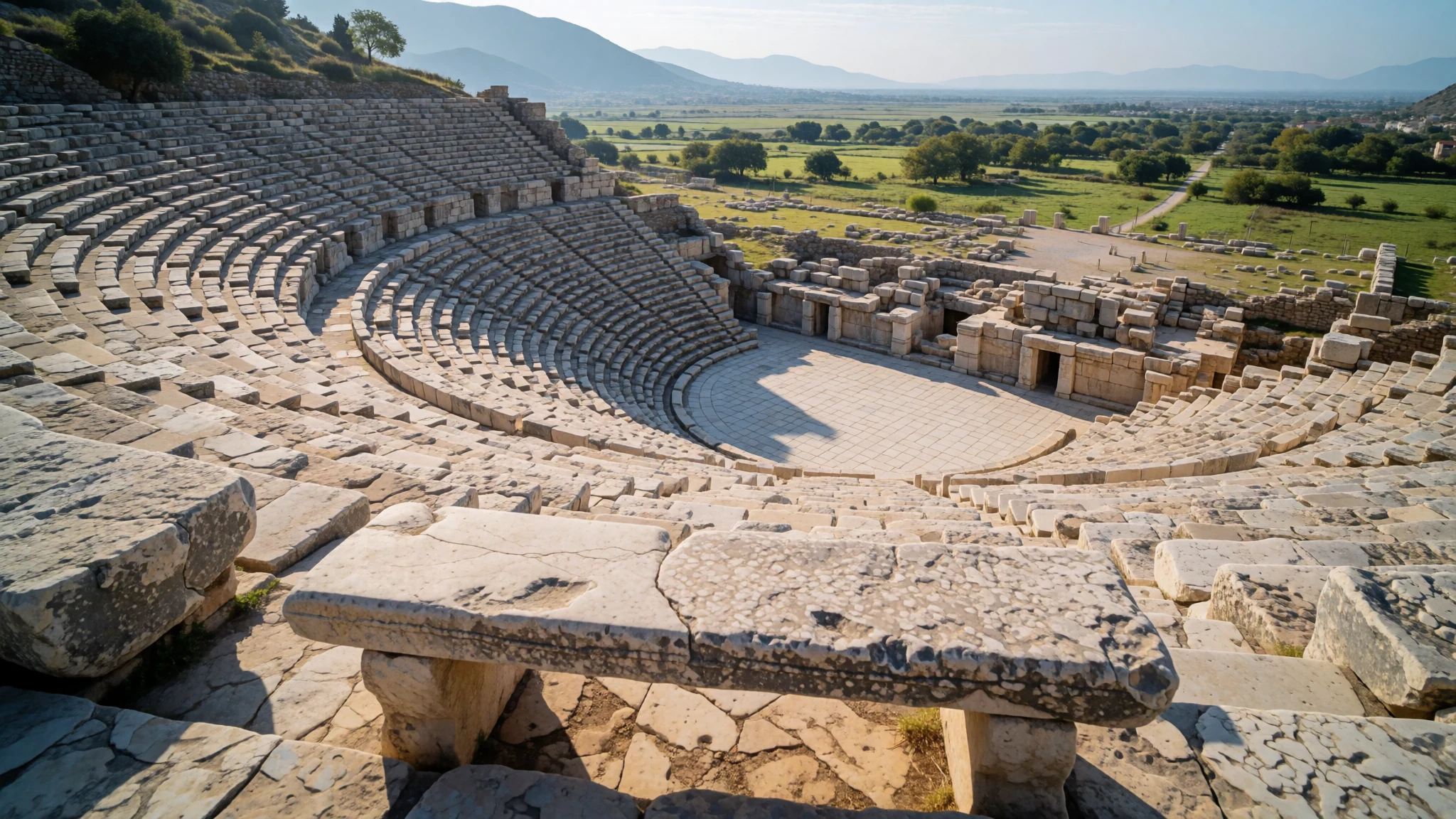
- Terrance Houses — Curetes Street slope
Perched on the covered hillside slope along Curetes Street in Ephesus, these luxurious elite residences preserve colourful wall frescoes, intricate mosaic floors, and private heating systems. Elevated walkways allow visitors to look down into the private rooms of wealthy classical families who once lived sheltered above the bustling public thoroughfares.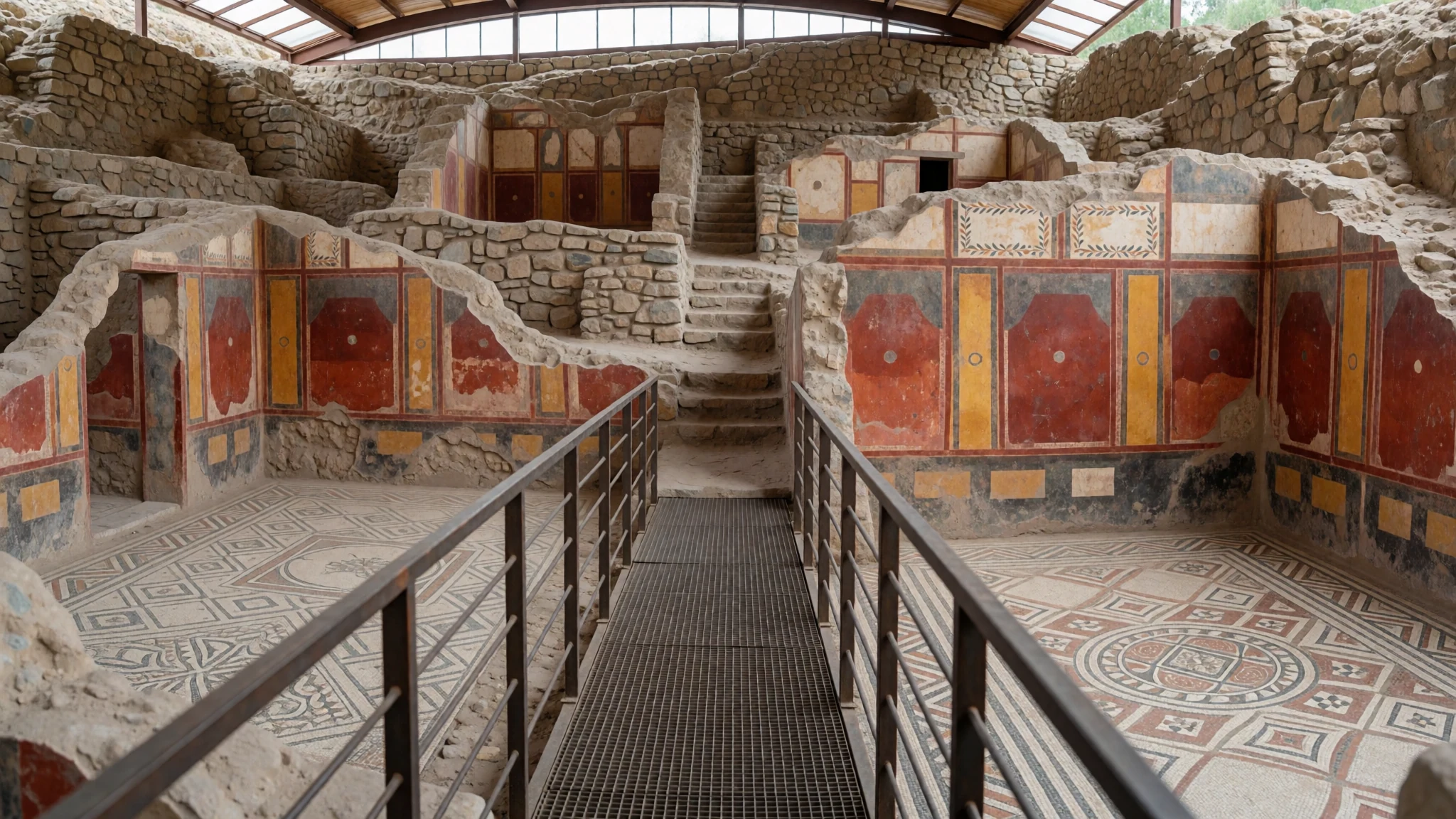
- Temple of Hadrian — Curetes Street
Standing proudly along the marble-paved Curetes Street in Ephesus, this elegant sanctuary features a graceful arched pediment supported by finely carved Corinthian columns. Relief carvings above the doorway depict mythological figures and foundational legends, making it a standout example of classical stonework preserved along the main processional route.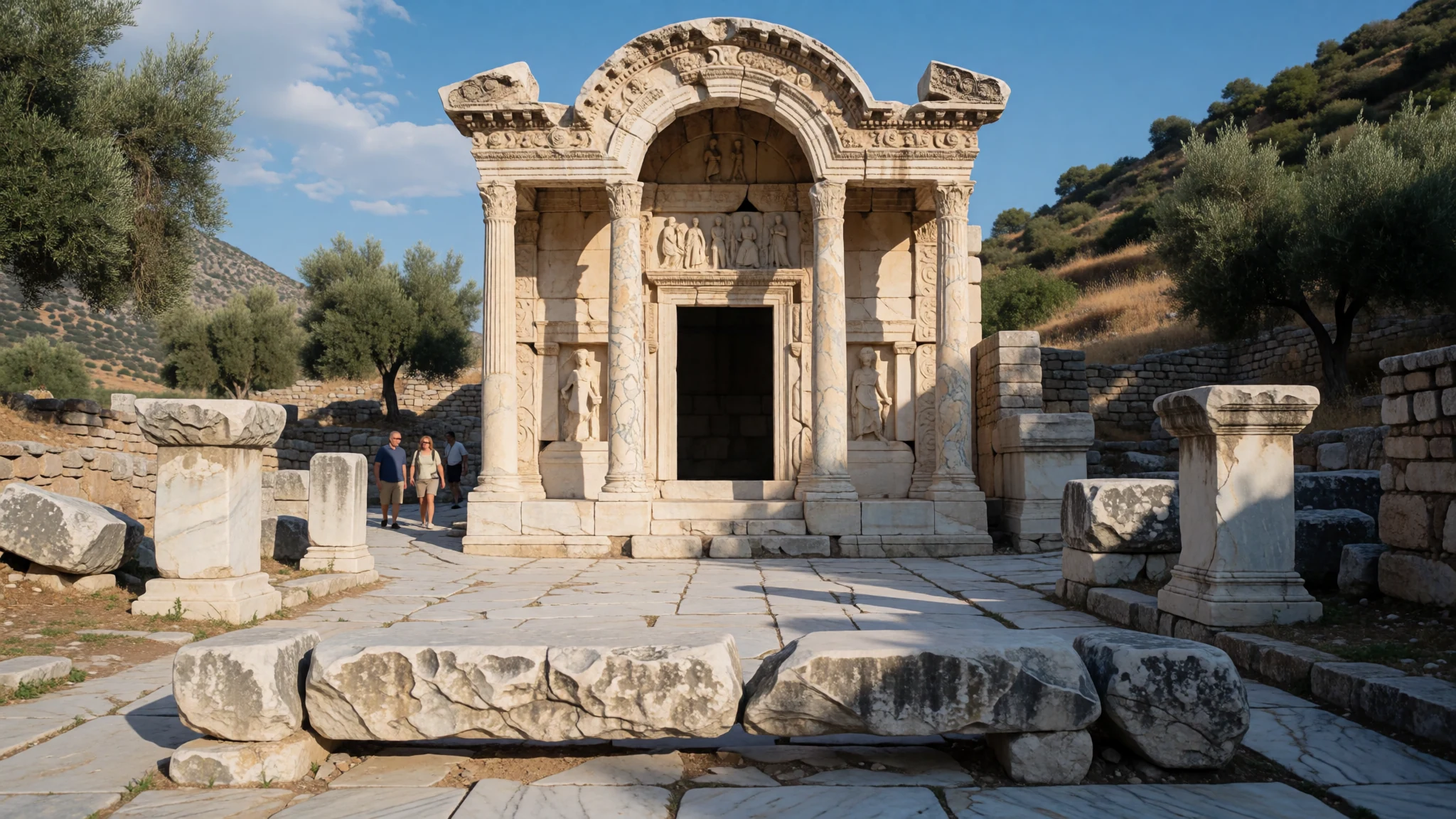
- Temple of Artemis — Northern plain near Selçuk
Located in the marshy plain a short distance from the main ruins of Ephesus, this tranquil archaeological clearing marks the spot of the legendary ancient sanctuary. Although only a single solitary column now rises from the watery depression, it recalls the massive proportions of the marble marvel that once amazed travellers in antiquity.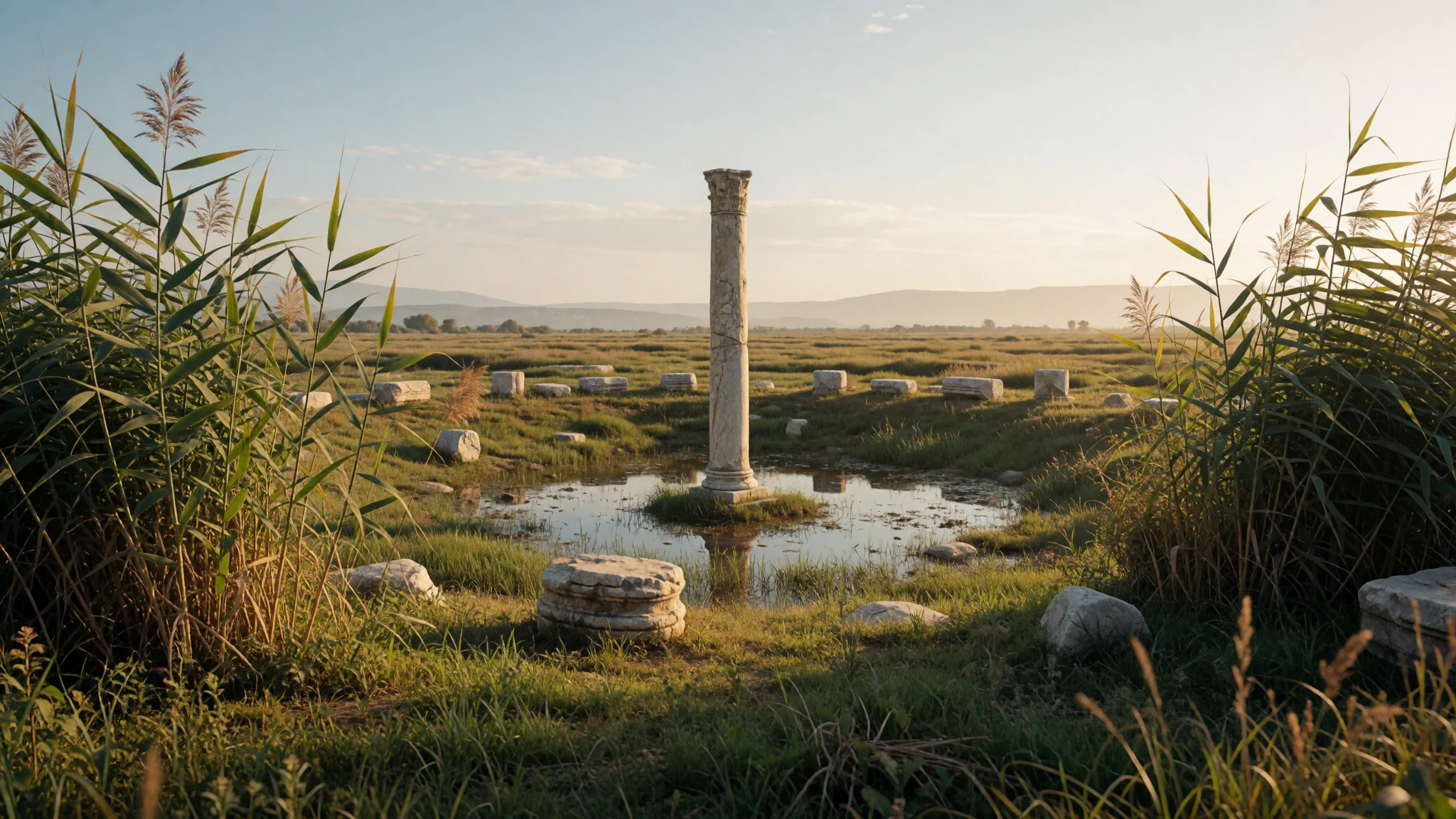
Culture
Daily life in the towns surrounding Ephesus blends traditional Turkish rural customs with the relaxed hospitality typical of the Aegean coastal region. Local communities in nearby Selçuk maintain strong ties to agricultural traditions, olive harvesting, and carpet weaving, alongside a welcoming attitude toward international travellers exploring the archaeological heritage. Islamic traditions shape daily rhythms, particularly during religious holidays and the call to prayer echoing from neighbourhood minarets, while the broader cultural atmosphere remains open and cosmopolitan due to the constant flow of visitors. Traditional crafts such as ceramic painting, leather working, and hand-knotted carpet production continue to thrive in workshops around the region, preserving skills passed down through generations. Visitors interacting with local artisans and shopkeepers will find that polite greetings, patience, and a friendly demeanor are warmly appreciated across all settings. When entering operational mosques or rural villages near Ephesus, dress modestly and ensure shoulders and knees are covered.
What to wear
Traditional dress across the Aegean region surrounding Ephesus historically featured hand-woven cotton and wool textiles, layered vests, and embroidered garments suited to warm summers and mild winters. While local residents in towns like Selçuk now wear contemporary Western-style clothing for everyday life, traditional regional costumes and woven motifs are still celebrated during national festivals, folk dance performances, and local craft exhibitions. For travellers exploring the archaeological site of Ephesus, practical comfort is essential given the unshaded marble terrain and extensive walking required. Lightweight, breathable fabrics such as linen and cotton help manage the intense summer heat, while sturdy walking shoes with good grip are crucial for navigating uneven stone blocks, slippery marble paving, and steep theatre steps. A sun hat, sunglasses, and adequate water protection are necessary accessories during the warmer months, as direct sunlight reflects brightly off the pale marble ruins. When visiting surrounding communities, local markets, or active religious sites outside the archaeological zone, travellers should adopt modest attire by keeping shoulders and knees covered out of respect for regional cultural norms.
What to eat
- Çöp Şiş — Traditional lokantas in Selçuk
Tender pieces of lamb skewered on thin wooden sticks, seasoned with wild oregano and red pepper flakes, then grilled over open charcoal embers. Found in traditional lokantas throughout the streets and markets of nearby Selçuk.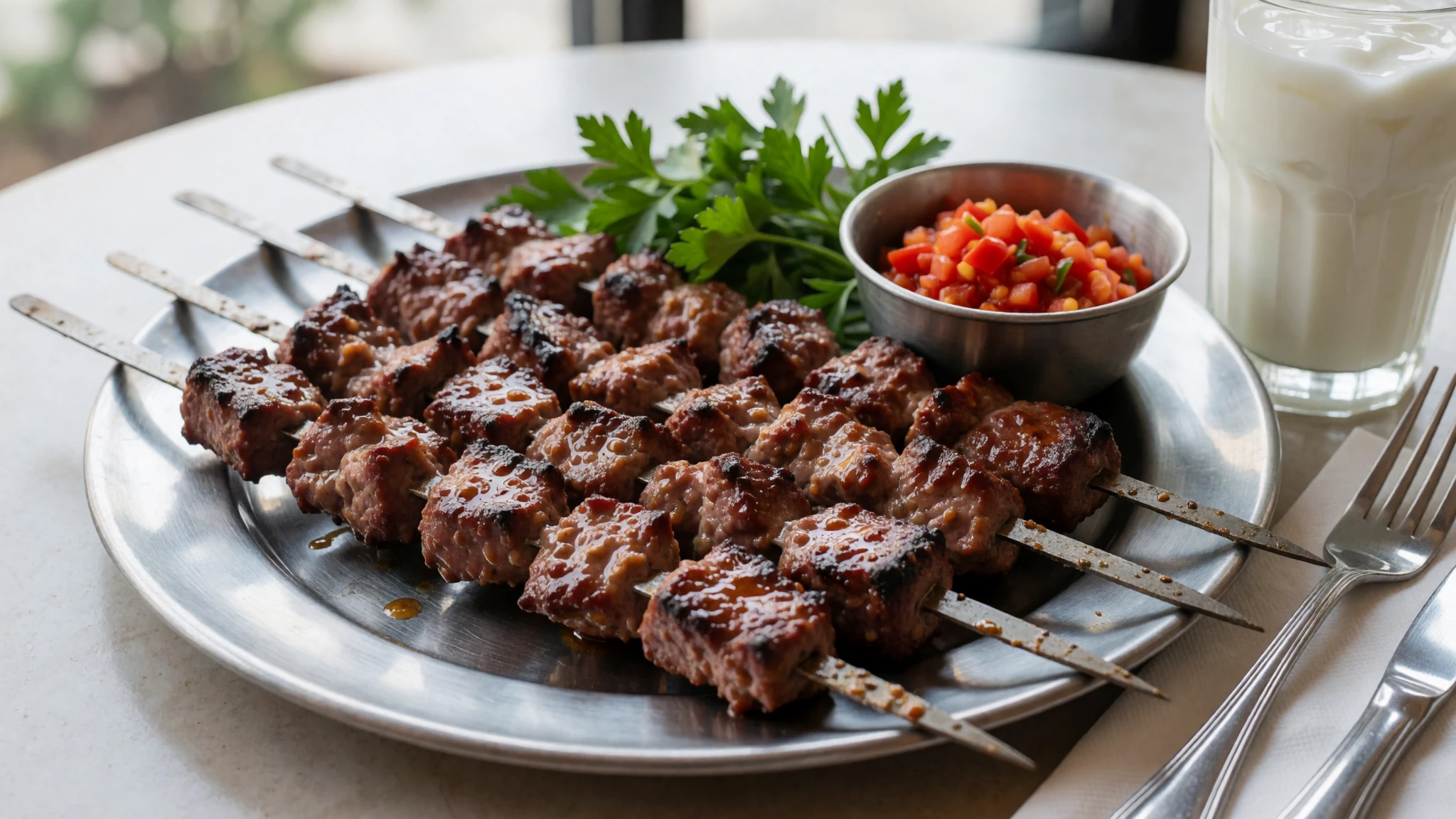
- Gözleme — Open-air eateries near Selçuk market
Thin sheets of hand-rolled dough filled with white cheese, spinach, or spiced minced meat, sealed and cooked on a hot convex griddle until golden and crisp. Enjoyed at casual open-air eateries near the town centre and market squares.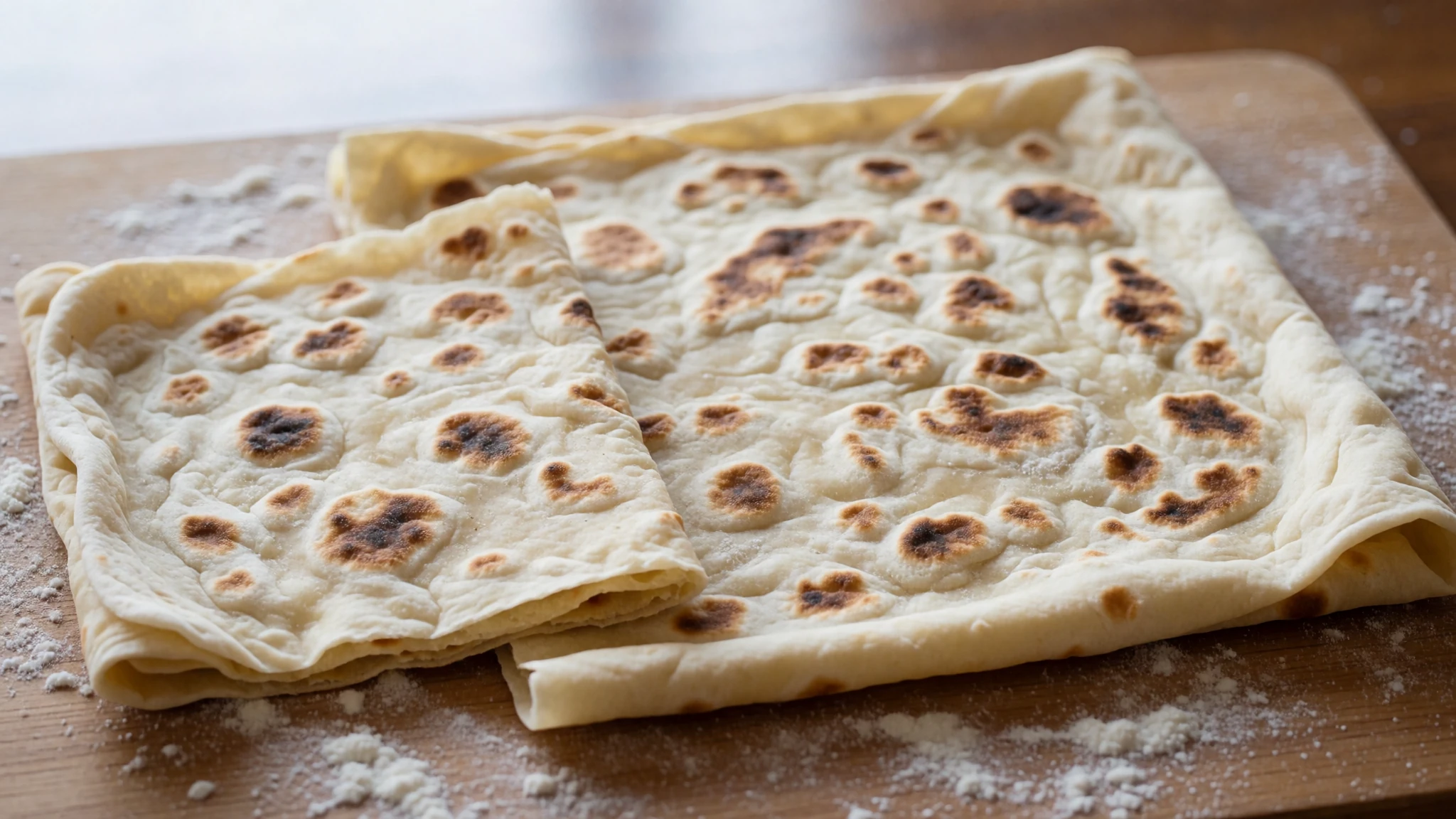
- Stuffed Aubergine — Family-run restaurants in Selçuk
Ripe eggplants gently hollowed and stuffed with a savoury mixture of rice, onions, garlic, pine nuts, and fresh herbs, then simmered in olive oil. Served warm or at room temperature in traditional family-run restaurants across town. - Aegean Olive Oil Meze — Local taverns and lunch buffets in town
A colourful array of small cold dishes featuring artichokes, wild herbs, stuffed vine leaves, and green beans cooked slowly in local cold-pressed olive oil. Available at lunch buffets and tavern-style restaurants throughout the district.
Plan it
Best time. March, April and November offer the most comfortable daytime temperatures for exploring the archaeological site, with highs around 26–31°C, while June to September is extremely hot, peaking near 45°C in July.
How long. 1–2
Getting there. Fly into Adnan Menderes Airport in Izmir, then take the suburban railway or regional bus south to Selçuk; local dolmuşes connect Selçuk directly to the lower gate of Ephesus.
Budget. mid
Tips
- Arrive at the upper gate early in the morning before tour coaches arrive from the coast
- Wear sturdy footwear with good grip for walking on slippery ancient marble streets
- Carry bottled water and sun protection as there is minimal shade within the archaeological park
- Check official museum websites for current opening times and ticket updates
Etiquette
- Dress modestly with covered shoulders and knees when visiting active religious buildings or rural villages
- Ask permission before photographing local residents and craftspeople in nearby markets
- Remove shoes when entering homes or prayer areas
Nearby
Sources
- Wikidata Q47611 (CC0)
- Wikipedia (rev 1382217479) (CC-BY-SA 4.0)
- Wikivoyage (rev 5314965) (CC-BY-SA 4.0)
- Photo 01-ephesus-celsus-library-fa-ade.jpg (CC BY 3.0)
- Photo 02-templo-artemisa-efeso-2017.jpg (CC BY-SA 4.0)
- Photo 03-ephesus-street-scene.jpg (CC BY 3.0)
- Photo 07-the-temple-of-hadrian-16127691050.jpg (CC BY 2.5)
- Photo 08-efes-amphitheatre.jpg (CC BY 2.5)


