Cappadocia
Cappadocia, Turkey
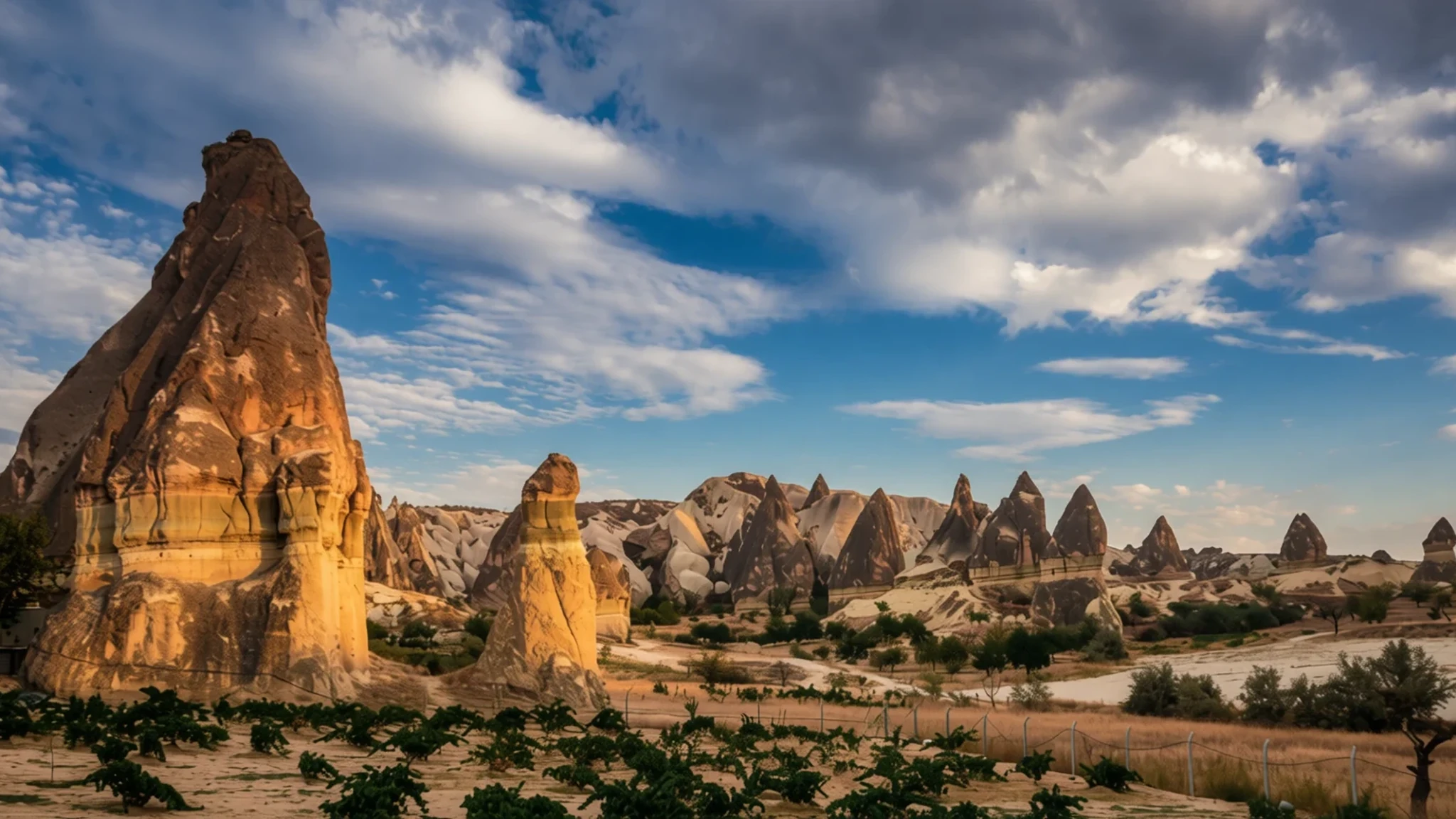
Come for surreal volcanic landscapes, ancient cave churches carved into soft stone, and subterranean cities shaped by centuries of history.
The place
Cappadocia is a remarkable historical region set within the high plateaus of central Anatolia in Turkey. Spread across provinces such as Nevşehir, Kayseri, Aksaray, Kırşehir, Sivas, and Niğde, its modern touristic heart is concentrated around Nevşehir province. The entire relief sits on an elevated tableland more than 1,000 m above sea level, punctuated by striking volcanic peaks. Among these, Mount Erciyes towers near Kayseri as the highest summit in the surrounding landscape.
The region's defining visual signature is its extraordinary topography, sculpted by ancient volcanic activity and subsequent erosion into whimsical pillars known as fairy chimneys, deep canyons, and undulating valleys. Human hands have shaped this terrain just as much as weather and time. Generations carved elaborate dwellings, rock-cut sanctuaries, and multi-layered underground labyrinths straight into the soft stone to escape invaders and religious persecution. From above, the earth appears rippled in shades of ochre, rose, and grey, glowing warmly in the early morning light before midday warmth settles over the plateaus.
Travellers moving between settlements encounter a landscape where nature and architecture blur seamlessly together. Historic stone mansions blend into cliff faces, and traditional rural life unfolds against the dramatic backdrop of ancient volcanic cones. Though summers bring intense sunlight and dry heat, spring and autumn offer crisp air and clear skies ideal for exploring the valleys on foot.
Its story
Long before it became known as Cappadocia, the land was called Hatti during the late Bronze Age, serving as the heartland of the mighty Hittite Empire centred at Hattusa. Following the collapse of the Hittites and the later decline of the Syro-Cappadocians after their defeat by the Lydian king Croesus, the region fell under the control of a rigid feudal aristocracy. Powerful lords maintained fortified castles and kept local peasants in servile conditions, leaving the rural population vulnerable to external subjugation. The territory was eventually incorporated into the Persian Empire as part of its administrative satrapies, though local rulers retained a degree of autonomy while paying tribute to the Great King.
Alexander the Great's campaigns dismantled Persian rule, attempting to bring the territory under his own commanders. However, Ariarathes, who had served as satrap, seized the moment to declare himself king. As Ariarathes I, he governed successfully and pushed the borders of the Cappadocian Kingdom all the way north to the Black Sea, maintaining relative peace until Alexander's death fractured the empire further, leaving the region to Eumenes.
Beyond secular rulers, the landscape holds a profound legacy as a sanctuary for early Christian communities. Centuries later, monks and early believers hollowed out hundreds of churches, monasteries, and deep underground cities into the soft rock, creating safe havens that preserved both faith and community through turbulent eras of imperial persecution.
What to see
- Göreme Open Air Museum — Göreme
A sprawling complex of rock-cut monastic churches, dining halls, and chapels adorned with remarkably preserved frescoes painted directly onto the cave walls. It stands as a testament to the region's rich early Christian heritage, inviting quiet exploration of sacred spaces carved entirely from stone.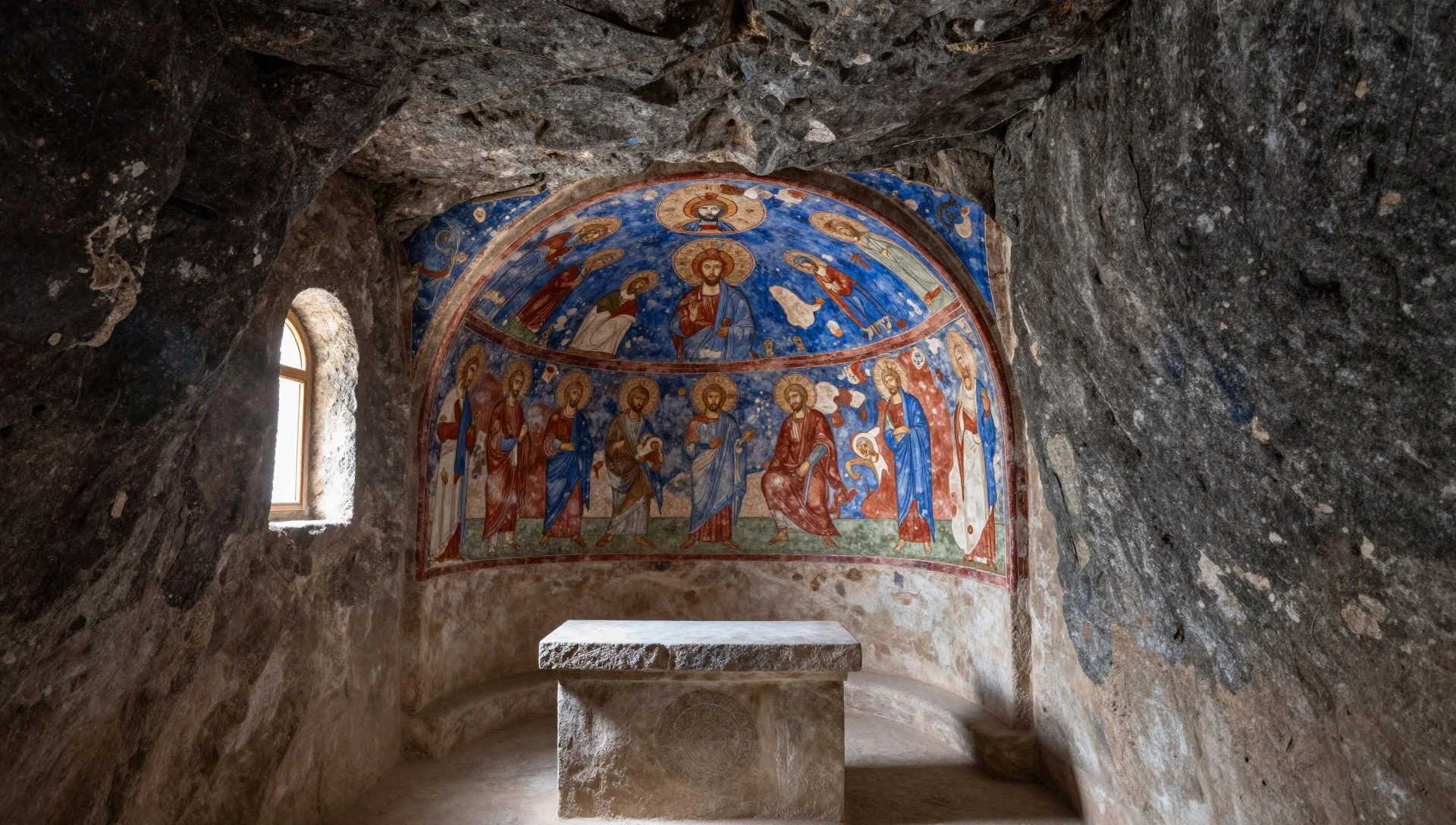
- Uçhisar Castle — Uçhisar
A towering natural rock citadel that pierces the sky above the surrounding plateau, honeycombed with ancient rooms, stairwells, and pigeon coops. Climbing to its summit rewards visitors with sweeping panoramic views across the valleys, volcanic peaks, and neighbouring towns stretching towards the horizon.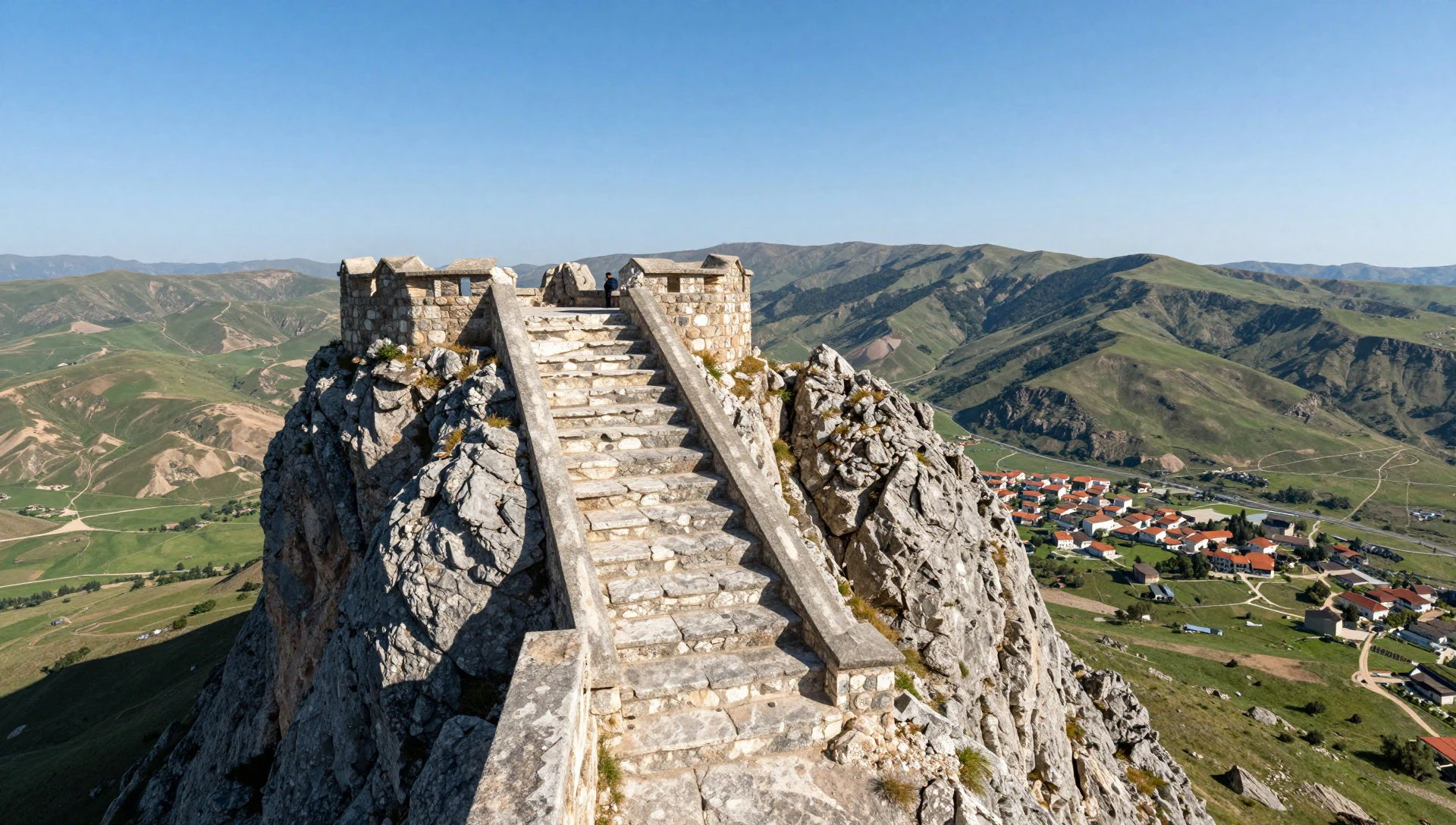
- Rose Valley (Kızılçukur Vadisi) — Nevşehir
Named for the distinct pink and red hues of its sculpted rock faces, this valley offers winding trails past hidden hermitages and terraced orchards. Late afternoon sunlight transforms the stone into glowing amber and crimson, making it a favourite spot for quiet evening walks.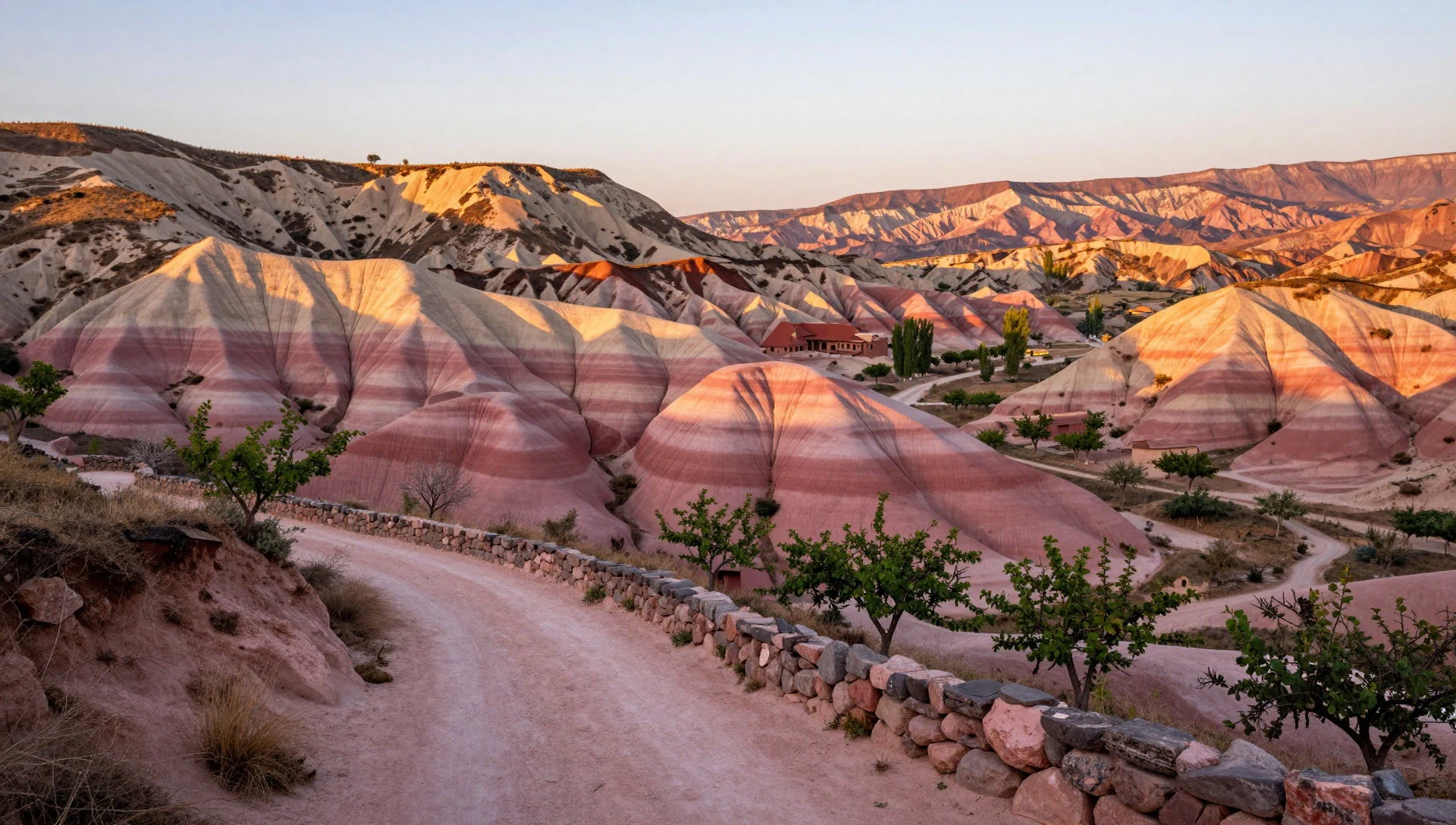
- Ihlara Valley — Aksaray province
A lush, dramatic gorge carved by the Melendiz River, flanked by sheer cliff walls peppered with secluded rock-hewn churches and monastic dwellings. Walking along the shaded river floor provides a peaceful contrast to the open, arid plateaus above.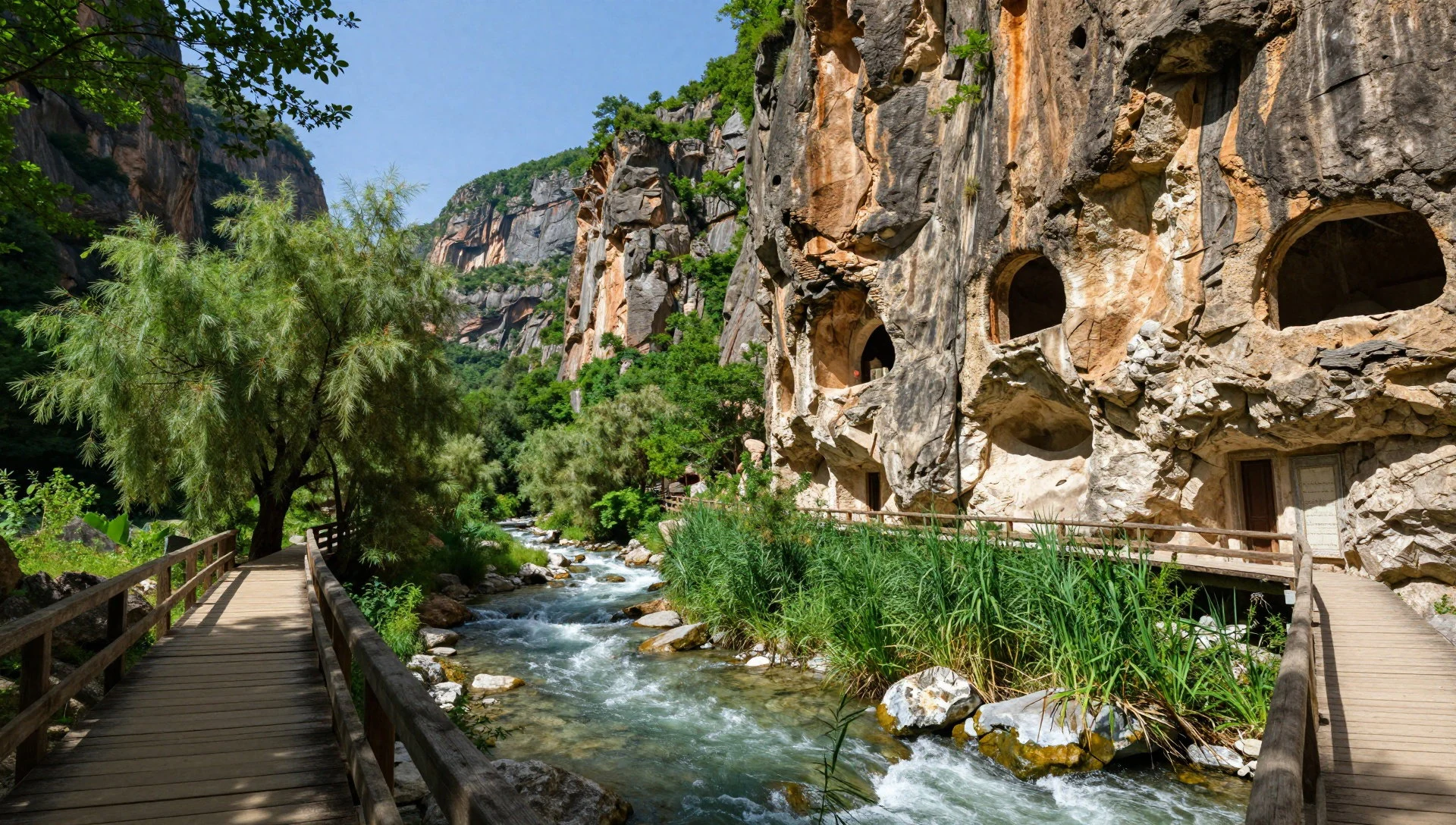
- Ortahisar Castle — Ortahisar
A massive historical rock fortification rising dramatically above a traditional Anatolian village, featuring a honeycomb of interior tunnels and storage rooms carved out over centuries. It offers a glimpse into how local communities utilised natural pinnacles for defensive living.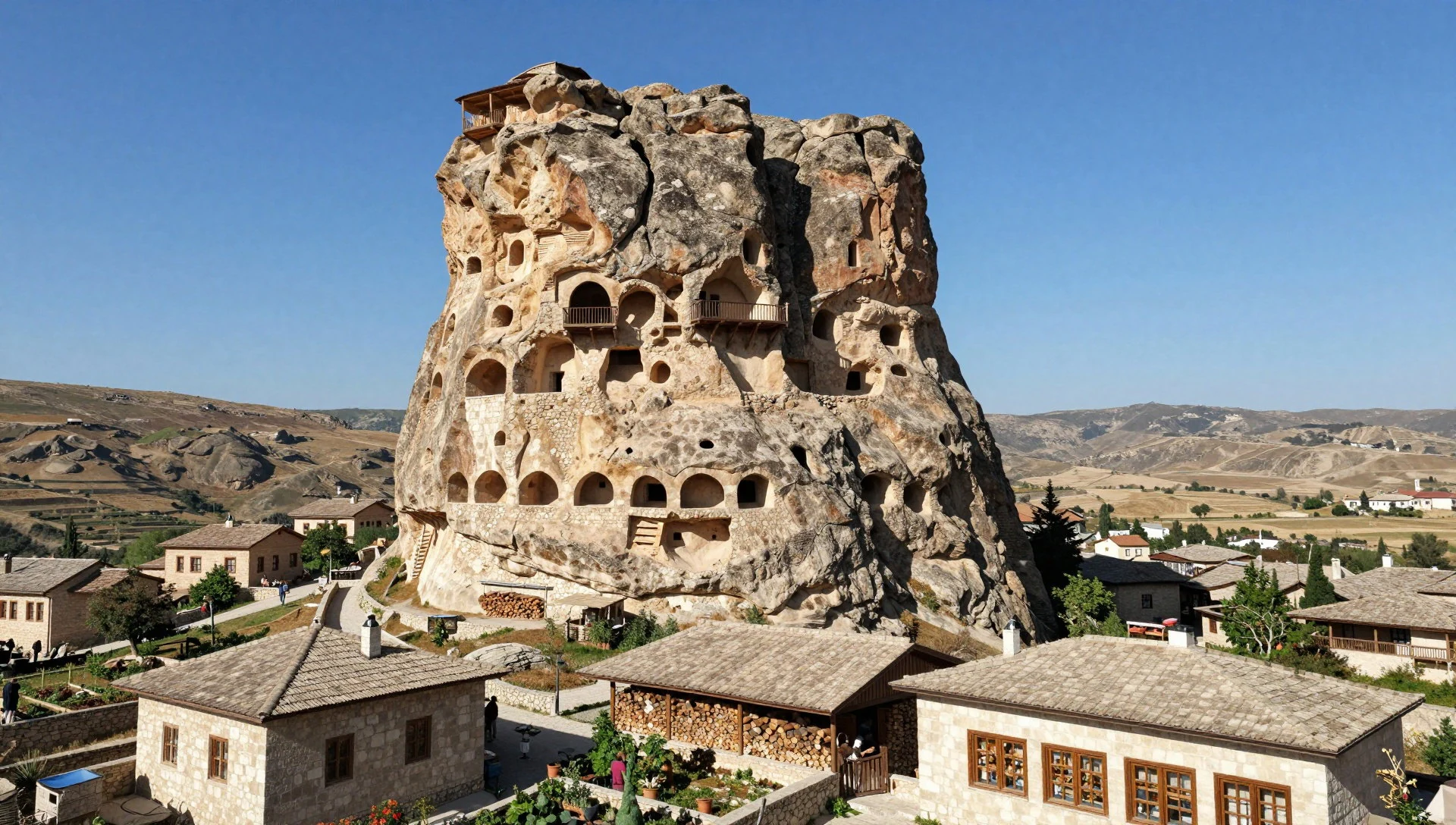
Culture
Life in Cappadocia bridges ancient rural traditions and modern Anatolian hospitality, deeply shaped by centuries of agricultural rhythms, winemaking, and craft heritage. Generations of local families have lived in harmony with the unusual topography, adapting their homes, farming techniques, and social customs to the carved rock valleys and high plateaus. Traditional craftsmanship, including pottery and carpet weaving, remains a vital thread connecting contemporary villagers to their Anatolian roots. Hospitality is offered generously to travellers passing through the region, often accompanied by shared tea and conversation in local village courtyards or family-run guesthouses. While tourism has brought global connections to towns like Göreme and Ürgüp, the underlying rhythm remains anchored in the changing seasons, harvest times, and community ties. Dress modestly when visiting rural villages and active religious sites out of respect for local customs.
What to wear
Traditional dress in the Anatolian interior reflects practical adaptation to cold winters and hot summers, historically featuring layered woollen garments, heavy woven fabrics, and embroidered waistcoats for festive occasions. While traditional attire is now largely preserved for regional festivals and folkloric displays, older villagers in rural outposts still favour traditional headscarves and sturdy, unpretentious garments suited to farm work.
For everyday wear, locals in towns dress in contemporary casual styles common across Turkey. Visitors should pack clothing appropriate for shifting weather conditions. Because daytime temperatures on the open plateaus can be fierce under strong summer sun, lightweight, breathable fabrics work best, while evenings demand a warm fleece or jacket even in warmer months. Sturdy walking shoes or boots are essential for navigating uneven, dusty rock trails and steep valley paths. When entering village mosques or conservative family areas, ensure shoulders and knees are covered.
What to eat
- Mantı — Local village eateries and family restaurants
Tiny, delicate ravioli dumplings stuffed with spiced minced meat, boiled to tenderness and generously smothered in cooling garlic yoghurt and a drizzle of melted red pepper butter. Enjoy a warm plate at traditional eateries throughout local village squares.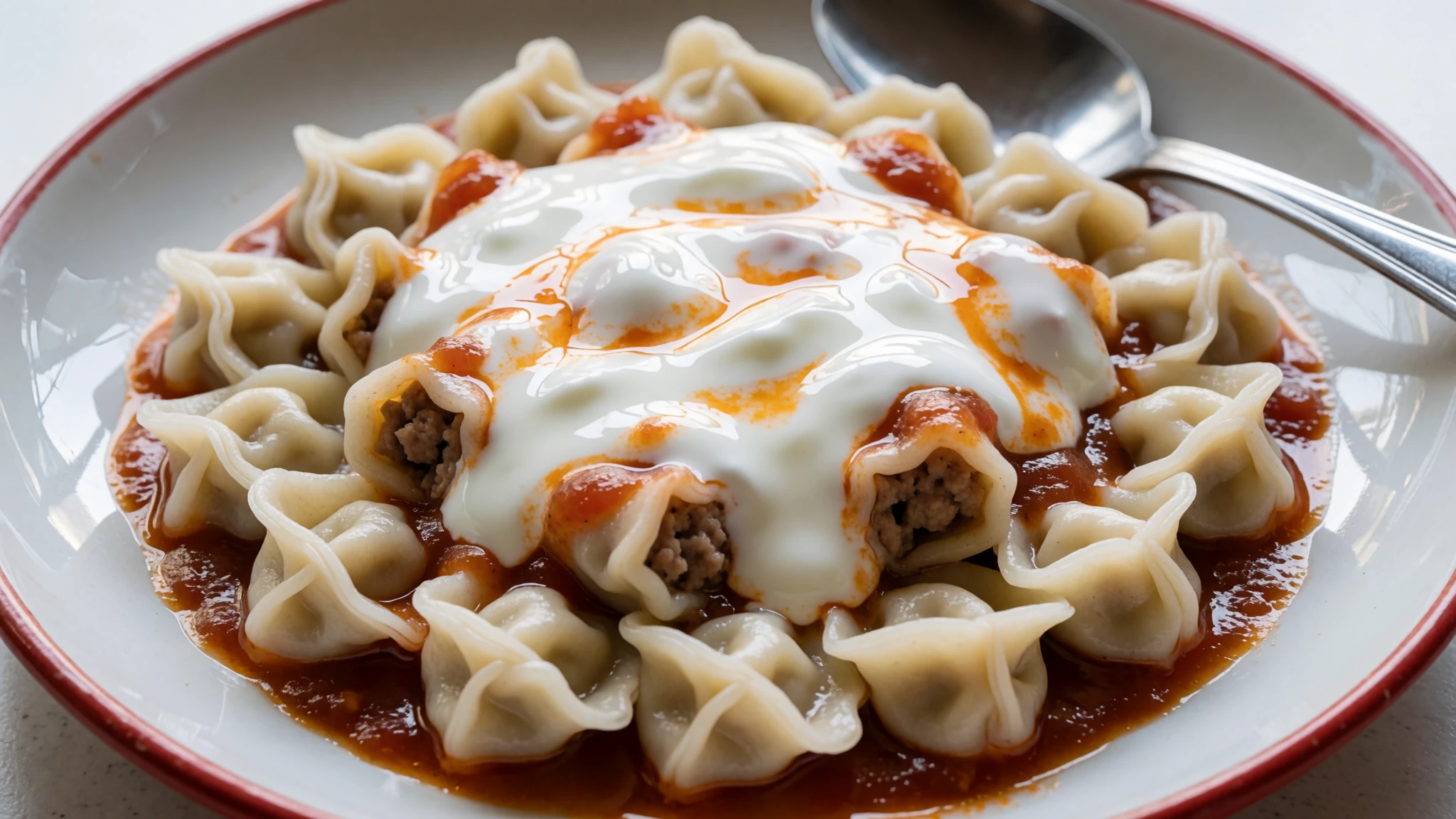
- Testi kebap — Traditional stove restaurants across Avanos and Göreme
Succulent chunks of meat and vegetables seasoned with local herbs, sealed tightly inside a clay pottery jug with a bread dough plug. The pot is slow-cooked in a wood-fired oven and dramatically cracked open right at your table when served.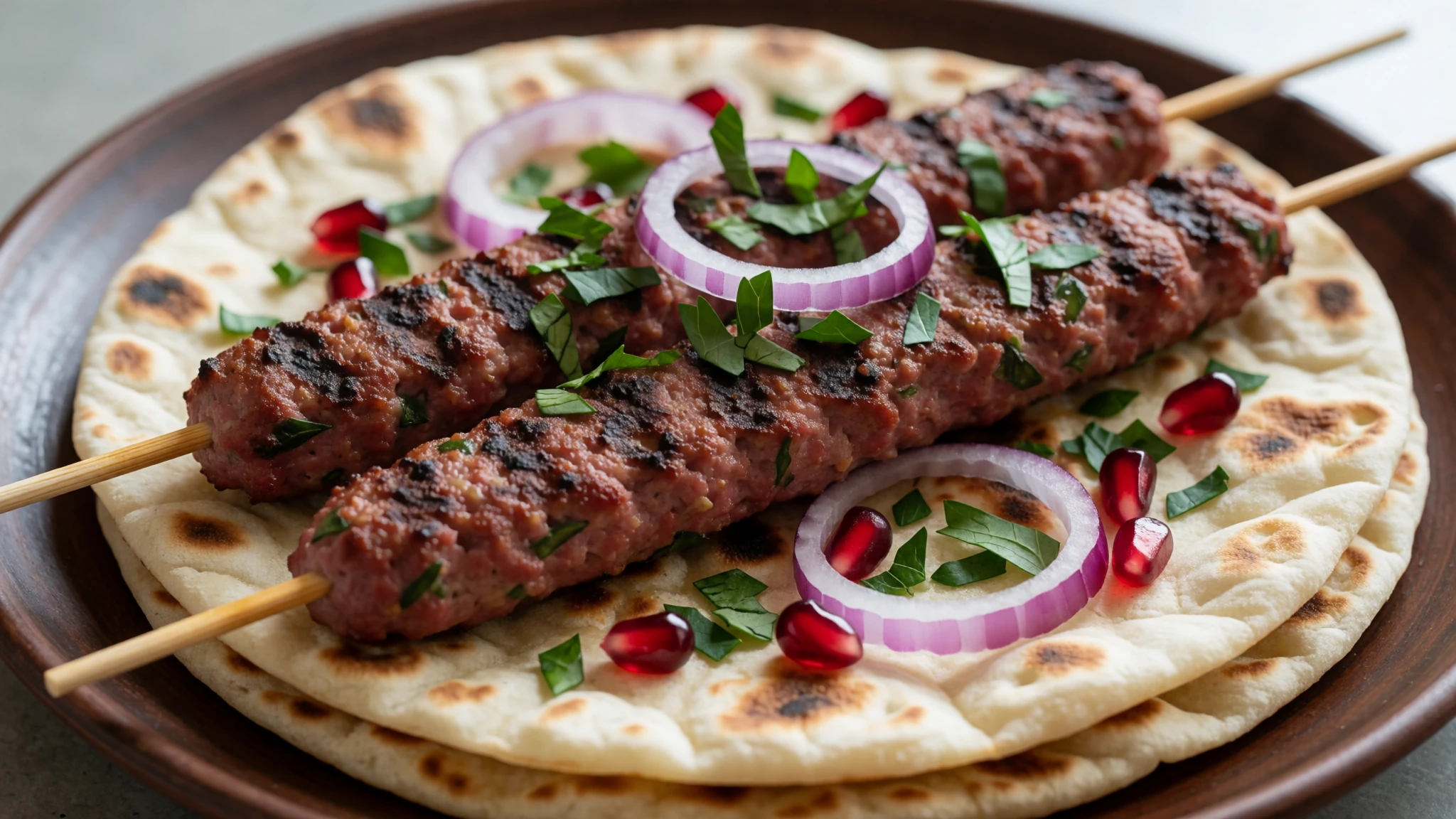
- Pastirmali kuru fasulye — Local tradesmen restaurants and traditional lokantas
Hearty white butter beans simmered slowly in a rich tomato broth alongside spiced, air-dried cured beef known as pastırma. This comforting staple is traditionally served steaming hot with a side of fluffy rice. - Sirdan — Traditional butchers and regional grill houses
A traditional regional delicacy consisting of stuffed lamb or sheep intestines cleaned thoroughly, seasoned with aromatic spices, grilled, and served with a squeeze of fresh lemon juice. - Cappadocia Wine — Vineyard outlet shops in Ürgüp and Avanos
Produced from indigenous grape varieties grown in the mineral-rich volcanic soils of the high Anatolian plateau, this regional wine carries a distinct, earthy character. Sample a glass at local vineyard tasting rooms and cellar door shops.
Plan it
Best time. Late spring and autumn bring clear skies and mild days, but nights from April to May and October to November can drop below freezing, while July and August are the hottest and driest months.
How long. 3–4
Getting there. Fly into Nevşehir Kapadokya Airport or Kayseri Erkilet Airport from Istanbul, then take an airport shuttle or bus onward to Göreme or Nevşehir. Overland buses connect major Turkish cities to Nevşehir bus terminal.
Budget. mid
Tips
- Book hot air balloon flights well in advance, as they depend entirely on weather conditions.
- Start valley walks early in the morning to beat the midday heat and heavy tour crowds.
- Wear sturdy walking shoes with good grip for exploring uneven rock trails.
- Carry cash for small entrance fees, rural village shops, and local markets.
Etiquette
- Dress modestly with covered shoulders and knees when visiting rural villages and mosques.
- Ask permission before photographing local residents in traditional dress.
Nearby
Sources
- Wikidata Q217265 (CC0)
- Wikipedia (rev 1382792615) (CC-BY-SA 4.0)
- Wikivoyage (rev 5381374) (CC-BY-SA 4.0)
- Photo photos/01-cappadocia-aerial-view-6998755984.jpg (CC BY-SA 2.0)
- Photo photos/02-cappadocia-balloon-trip-ortahisar-castle-11893715185.jpg (CC BY 2.5)
- Photo photos/03-u-hisar-cappadocia-01.jpg (CC BY 3.0)
- Photo photos/04-g-reme-open-air-museum-cropped-cropped-2.jpg (CC BY-SA 4.0)
- Photo photos/05-wild-horses1-cropped.jpg (CC BY-SA 4.0)
- Photo photos/06-ihlara-valley-panoramio-31.jpg (CC BY 3.0)
- Photo photos/07-rose-valley-cappadocia-k-z-l-ukur-vadisi-kapadokya-08-croppe.jpg (CC BY-SA 4.0)
- Photo photos/08-asia-minor-in-the-greco-roman-period-general-map-regions-and.jpg (CC BY-SA 4.0)


