Bodrum
Bodrum, Turkey
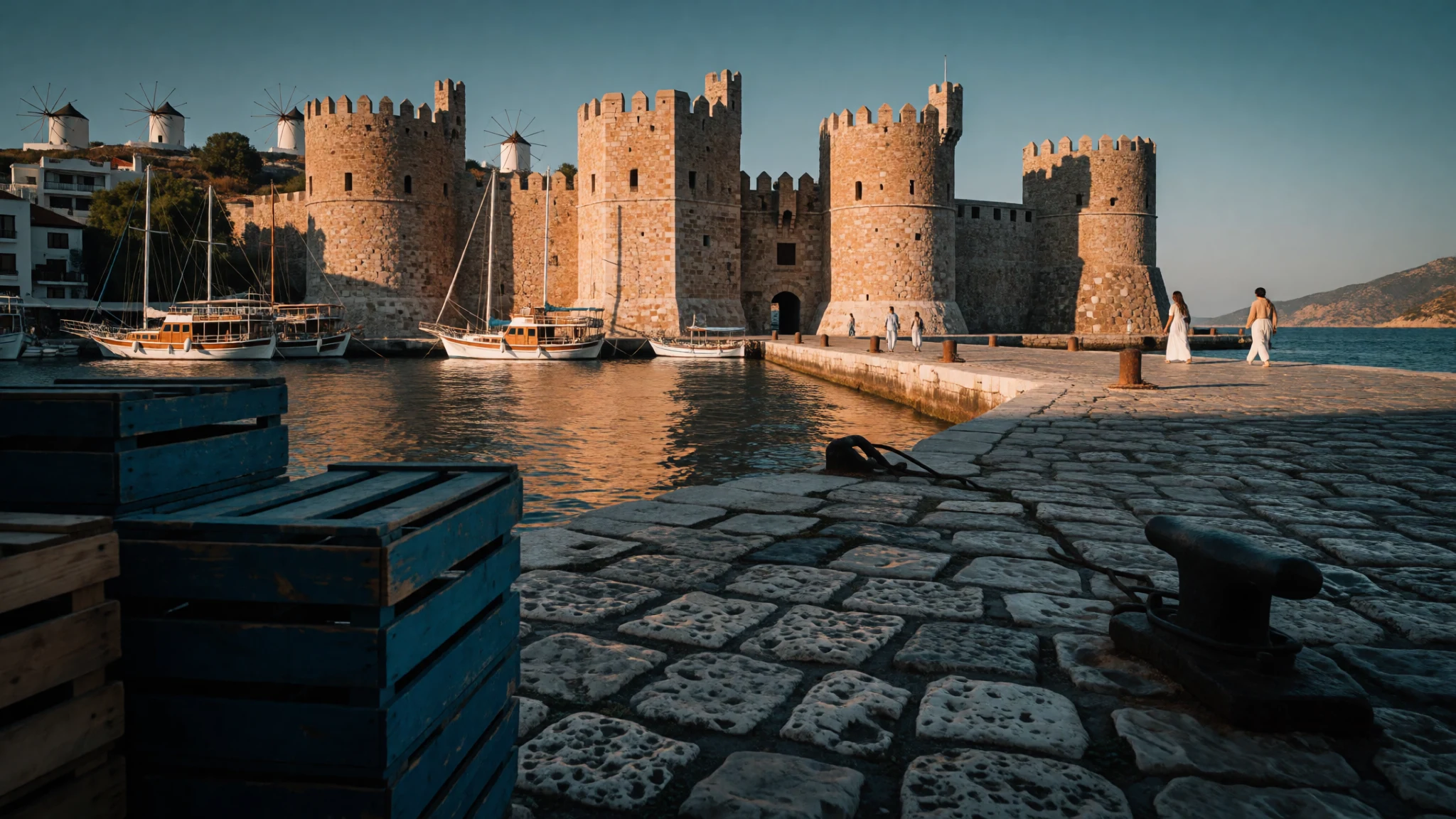
Bodrum pairs a whitewashed Aegean harbour with the ruins of ancient Halicarnassus and a castle built from that tomb's stone.
The place
Bodrum stands on a peninsula in Muğla Province, where the Gulf of Gökova meets the Aegean. It is both a town and a district of Turkey, home to about 175 thousand people, and the ground sits only about 10 metres above the sea. The older name, Halicarnassus — Halikarnas in Turkish, and Αλικαρνασσός in Greek — still belongs to this harbour: the place was a Carian seat of power, and the tomb raised for its ruler Mausolus was counted among the Seven Wonders of the Ancient World.
What a visitor meets now is a low white port wrapped around its harbour. Walls are limewashed, doors and shutters often blue, and windmills occupy the ridges behind the roofs. A knights' castle holds the seaward point, and the marina is lined with gulets, the wooden sailing craft of this coast, used for fishing, sponge-fishing and trips on the gulf. Inland of the quay, the bazaar and the downtown bus yard share the same crowded streets, so market life and coach traffic sit on top of each other.
The waterfront cooks for visitors who want fish and meat, and in the busy months coaches deliver people straight to their lodgings. Out of season the same castle, theatre and windmills remain, with fewer boats at the quay. Beyond the old centre the district stretches along the peninsula through beaches and smaller settlements, so a stay can be all harbour or almost all shore. Local services are listed on the municipal website, http://www.bodrum.bel.tr.
Its story
Bodrum occupies the site of Halicarnassus, a Dorian Greek city. The coins, stamped with Medusa, Athena, Poseidon and a trident, are the evidence that settlers came from Troezen and Argos. Citizens styled themselves Antheadae. In Strabo's account their founding figure was Anthes, spoken of as Poseidon's offspring, and the title was a point of pride. Inscriptions may preserve a Carian version of the city's name, though the reading is tentative.
For a time Halicarnassus belonged to the Doric Hexapolis, beside Kos, Cnidus, Lindos, Kameiros and Ialysus. Membership ended over Agasicles, who kept a prize tripod from the Triopian games for himself rather than surrendering it to Apollo at Triopion, as the league's custom demanded. Artemisia I, who ruled Caria in the early fifth century and is also remembered from this harbour, commanded ships at Salamis and became widely known for that battle.
Persian rule later made the city the capital of the satrapy of Caria. Mausolus governed from here until his death in 353 BC, after which his wife Artemisia commissioned the tomb that passed its name to other monuments. Alexander's army took the city in 334 BC. Hellenistic courts then traded control, with a brief independent kingdom, until Rome took over in 129 BC. Disasters and repeated pirate attacks drained its importance, and the Byzantine centuries found it a minor place. Knights arriving in 1402 pulled dressed blocks from the ruined tomb and built Bodrum Castle with them.
What to see
- Bodrum Castle — harbour point
Bodrum Castle occupies the harbour point. Knights Hospitaller, who called it the Castle of St Peter, began the work in 1402, and the bastion remains largely intact. Towers named English, French, German and Italian recall the four nations that built them. Blocks from the ruined Mausoleum were reused in the walls. The Museum of Underwater Archaeology inside covers wreck finds and the sponge trade.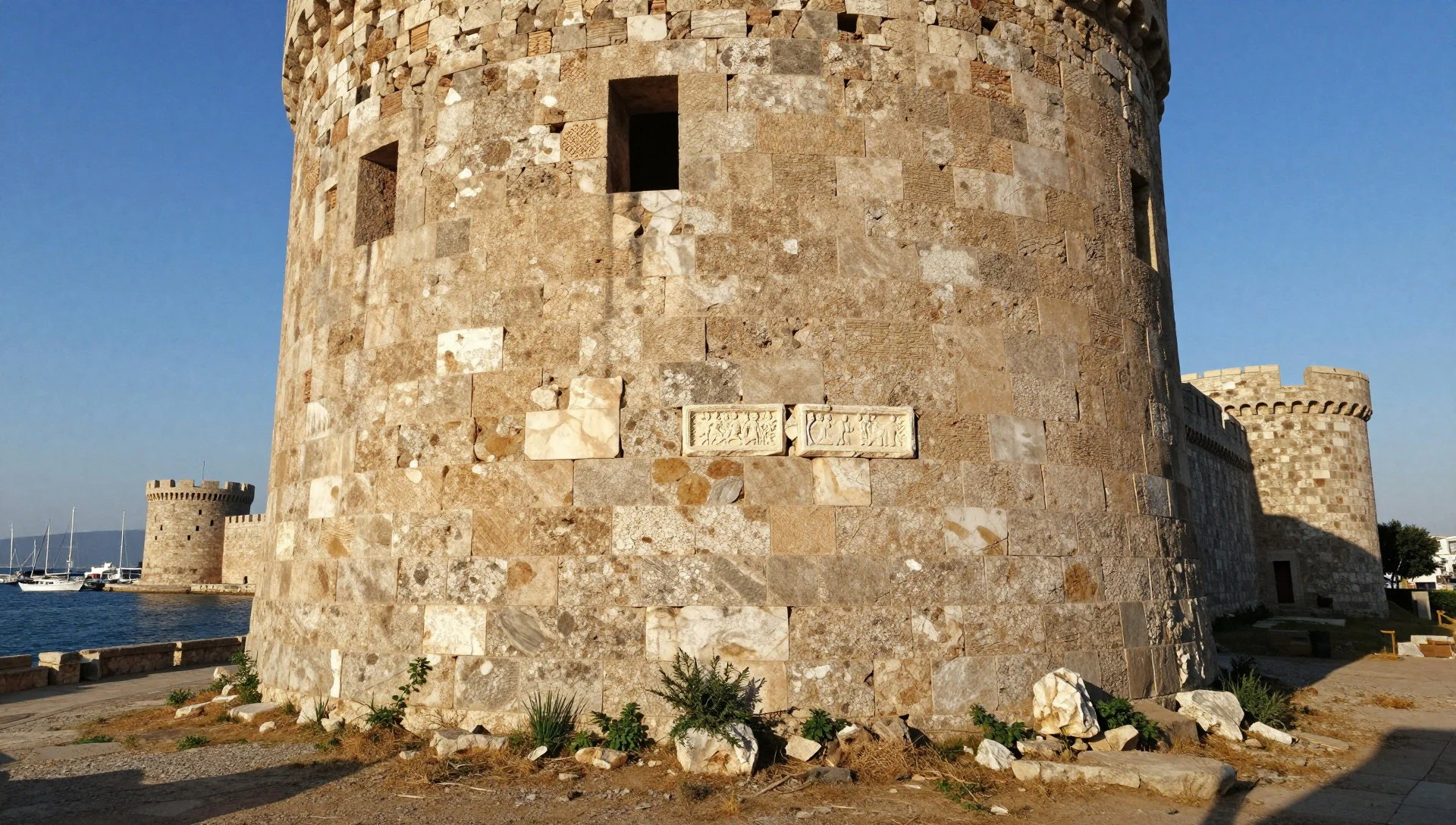
- Mausoleum of Halicarnassus — north of the harbour, in town
In Bodrum the Mausoleum of Halicarnassus is a ruin, not a standing wonder. Mausolus governed Caria as satrap for 24 years, from this city for much of it, and commissioned a tomb grand enough to be ranked among the Seven Wonders of the Ancient World. He died in 353 BC; his widow Artemisia continued the work. Later builders stripped the masonry for the castle, which is why so little rises above the site today.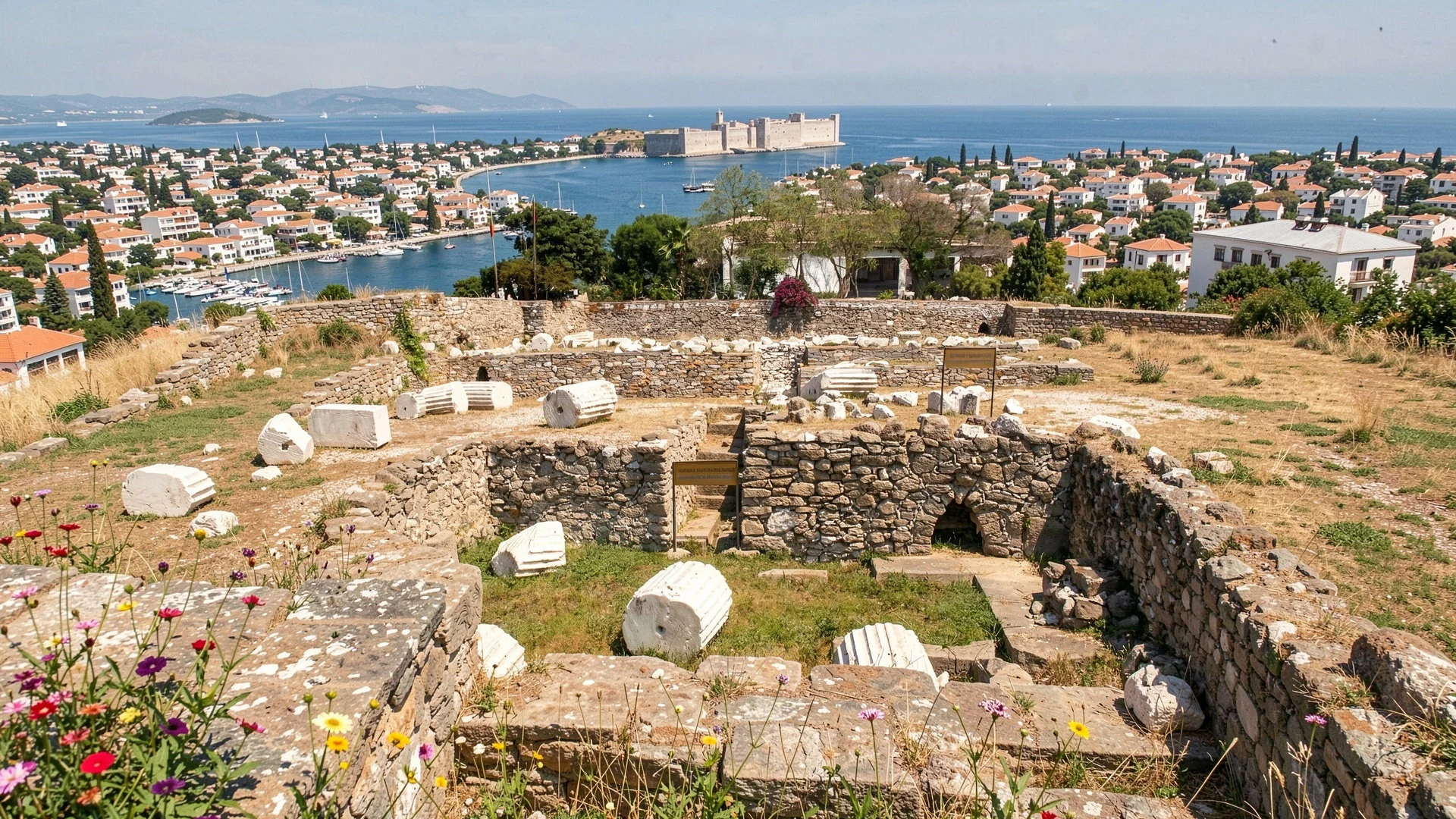
- Theatre of ancient Halicarnassus — hillside above the town
The theatre of ancient Halicarnassus sits on a hillside above Bodrum. Mausolus began the building in the fourth century BC; under the Romans, in the second century AD, it gained the form visible now. Repairs late in the twentieth century turned the bowl into a venue for events. Seating looks over the town toward the water. The approach is uphill and unshaded, so morning is kinder.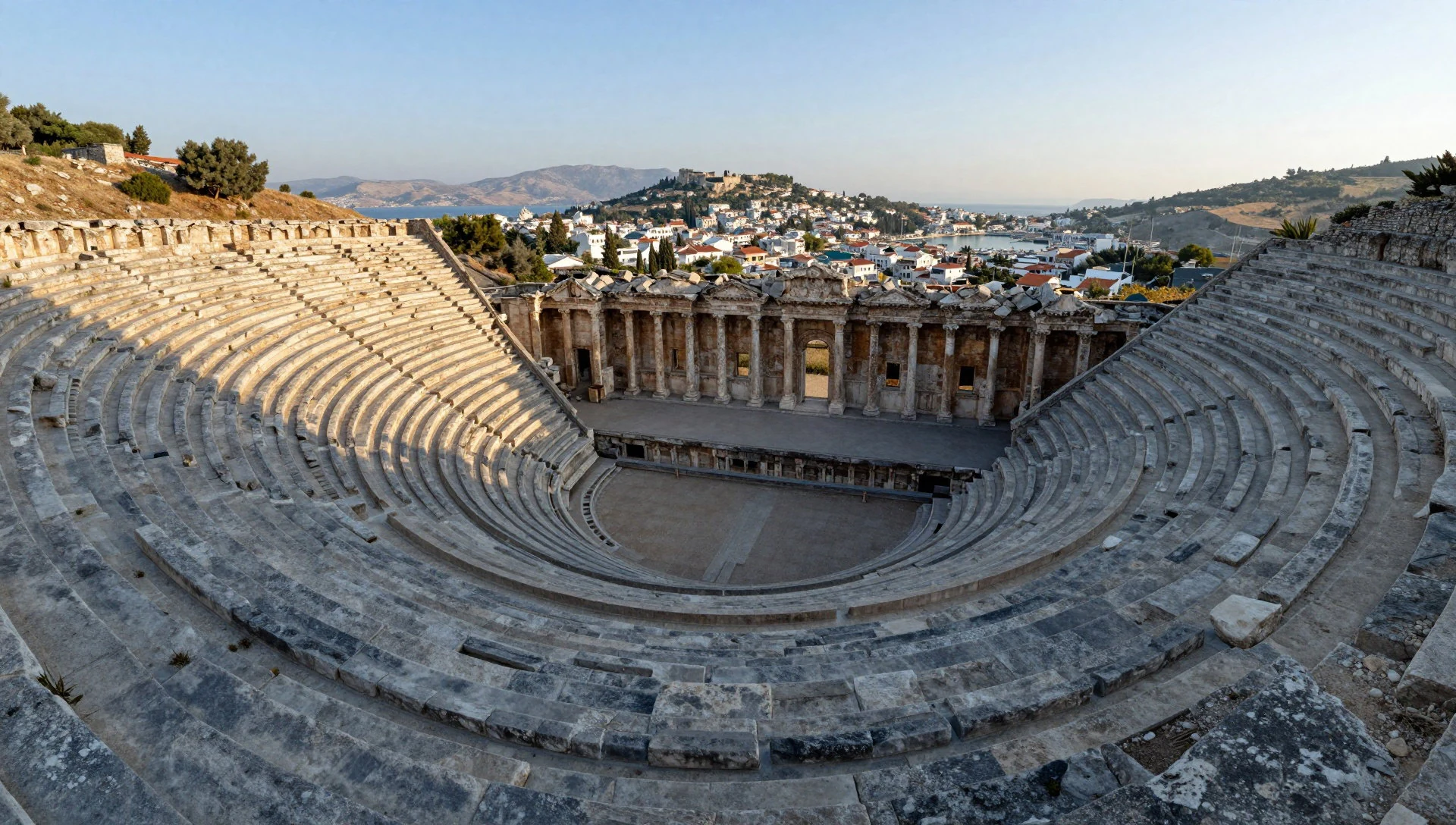
- Maritime Museum — Bodrum town
The Maritime Museum in Bodrum treats the town's life on the water rather than its ancient tombs. Displays follow the gulet, the traditional wooden sailing boat of this peninsula, and the hard trade of sponge-fishing, once a mainstay of local crews. Shells and other sea material fill out the story of a port that still works, even when the marina is full of holiday craft.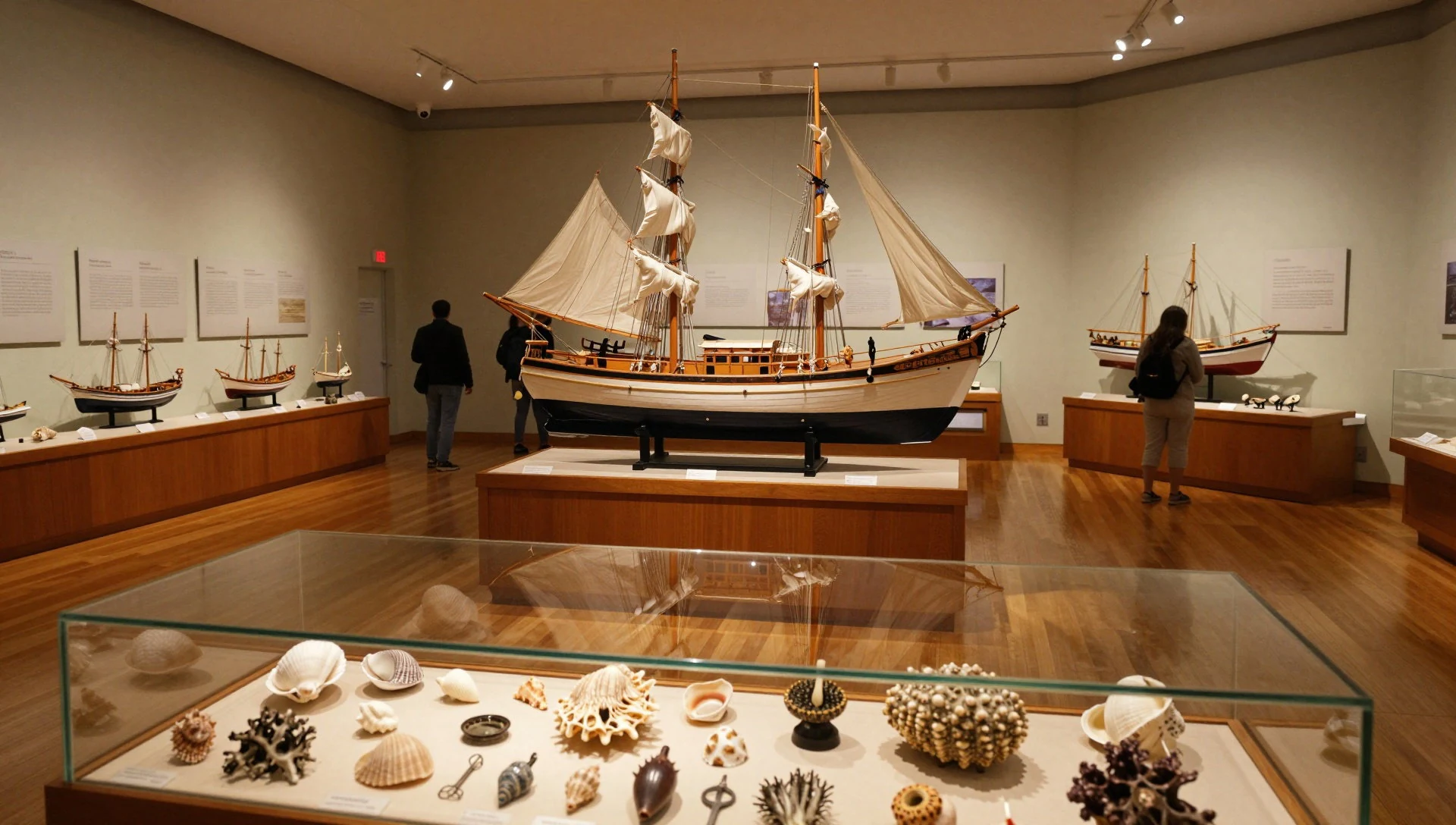
- Zeki Müren Art Museum — eastern side of town
The Zeki Müren Art Museum occupies a house in Bodrum that belonged to the singer-songwriter Zeki Müren. He was prolific, flamboyant and openly theatrical, a major figure in Turkish popular song, and the rooms keep that persona: costumes, photographs and the domestic setting of a star who chose this coast. The museum is small and personal, a change of pace from the castle and the ancient theatre.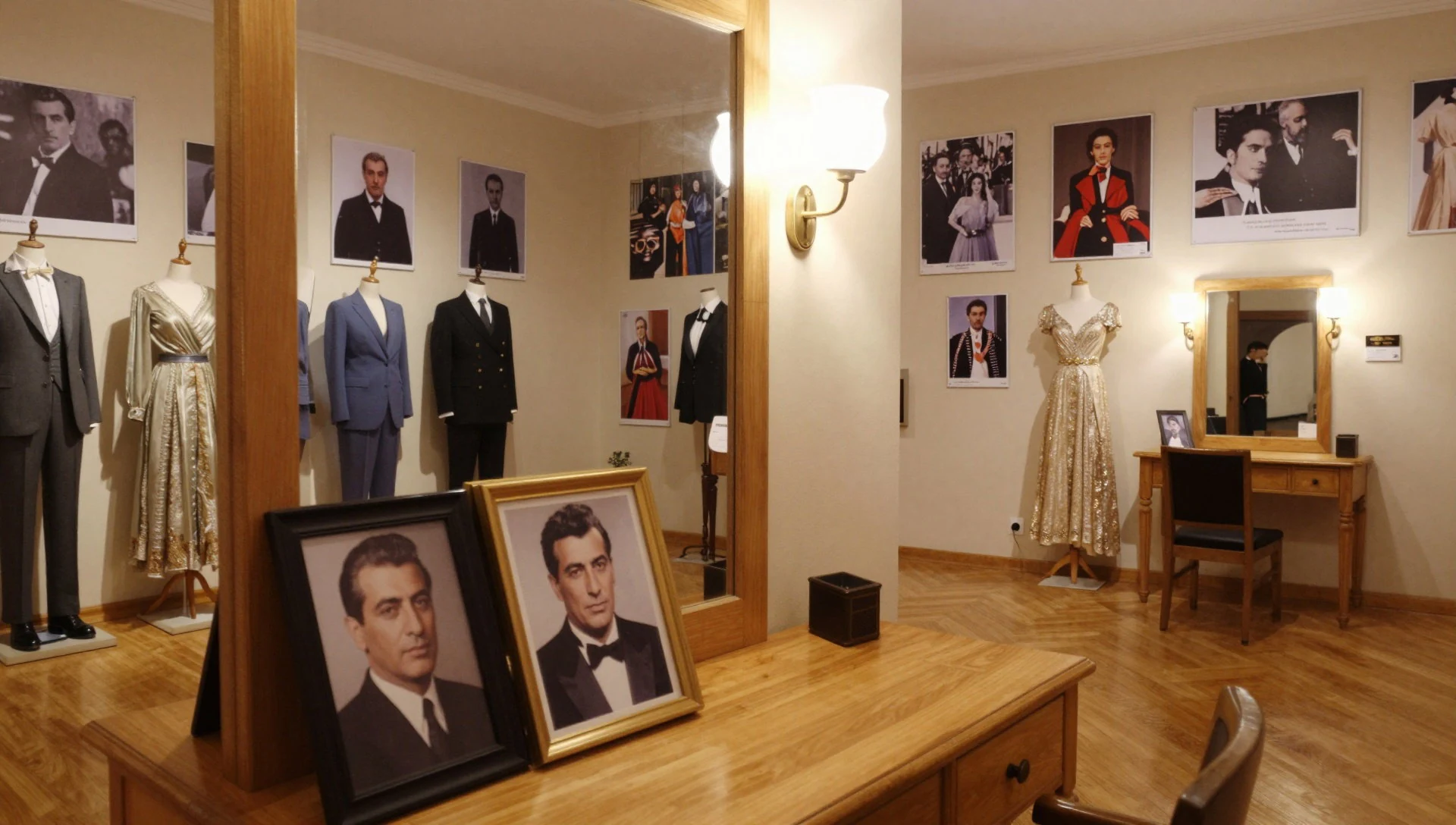
Culture
Bodrum's old houses are simple prisms, built from what the peninsula could supply: stone, wood, clay and cane. Their outside walls are almost entirely white, with blue reserved for doors, windows and small trim. The white is limewash. Local talk credits limewash with keeping insects and scorpions off the masonry, and credits a pale surface with reflecting heat, which matters in a town only about 10 metres above the sea. Blue, for many residents, is a guard against envy, kin to the Anatolian nazar and to an older Mesopotamian idea of the harmful glance.
That palette is now a rule, not only a habit. Muğla's municipality expects new buildings to be painted white before a permit is granted, and in 2006 the provincial governor, Temel Koçaklar, forbade any exterior colour other than white. The result is the even, bright town seen from the castle and the windmill ridges. Bodrum still mixes that controlled vernacular with a busy resort waterfront, so custom and holiday commerce sit in the same streets. Leave swimwear for the beach, and ask before you photograph people at their doors.
What to wear
Bodrum has no single court costume preserved as a uniform, but the older Aegean way of dressing still shows in the town: loose cotton and linen, light in weight, often pale so they throw off the sun the way the limewashed walls do. In the bazaar, older women may wear a headscarf and long sleeves while younger residents move through the same streets in ordinary summer clothes — T-shirts, dresses, shorts and sandals. Beachwear and the white town are two different wardrobes, kept a short walk apart.
What people wear now follows the marina as much as the village. Crews on gulets favour practical cotton, caps and deck shoes; holidaymakers add swimsuits, cover-ups and sunglasses. Evenings on the waterfront shift toward lighter dresses and open shirts, still informal. Fabrics that breathe matter more than any folk cut: cotton, linen and light synthetics, not heavy wool.
A visitor should copy that split. Swimwear belongs on the beach and the boat, with a shirt or wrap for the castle, the theatre and the bazaar. Covered shoulders and knees are the safer choice if a mosque visit is added. Footwear needs a grip for castle ramps and theatre stone; thin flip-flops struggle on those surfaces. A hat and a long-sleeved layer earn their place at midday, and a light layer is worth packing for windy gulf evenings even in the warm months.
What to eat
- Grilled fish — marina-front seafood eateries and castle-view fish tables
Grilled fish is the harbour meal in Bodrum: a whole fish or a fillet, cooked over heat and served with lemon and greens. It turns up at marina-front seafood eateries and at fish tables that look toward the castle.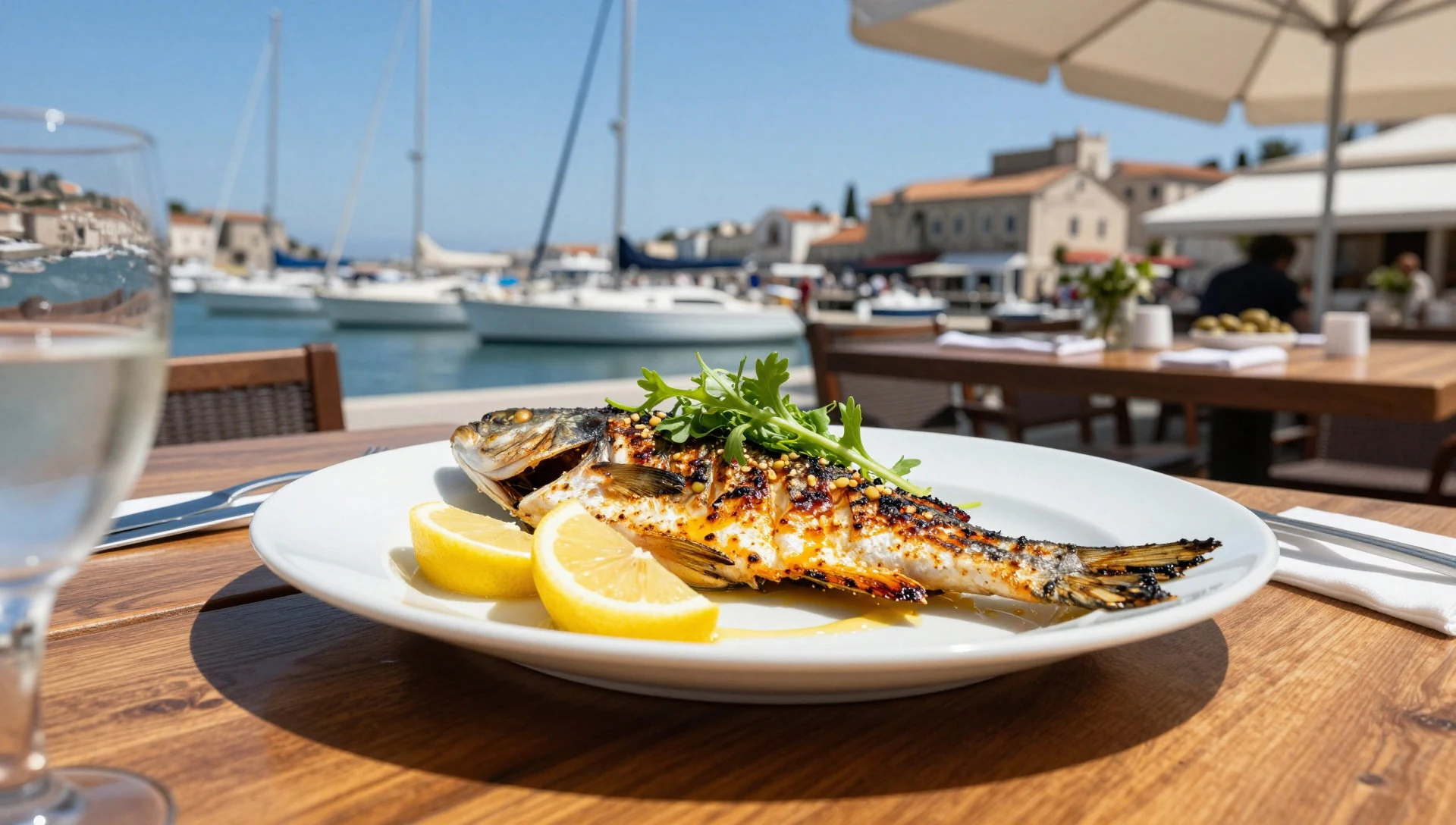
- Minced-meat flatbread — pide salons inland of the marina, near the bazaar
Minced-meat flatbread — sold in Bodrum pide salons and kin to the Levantine sfiha — is the everyday alternative to a fish meal. A thin round of dough carries mincemeat and is baked fast, so it suits a break from the bazaar.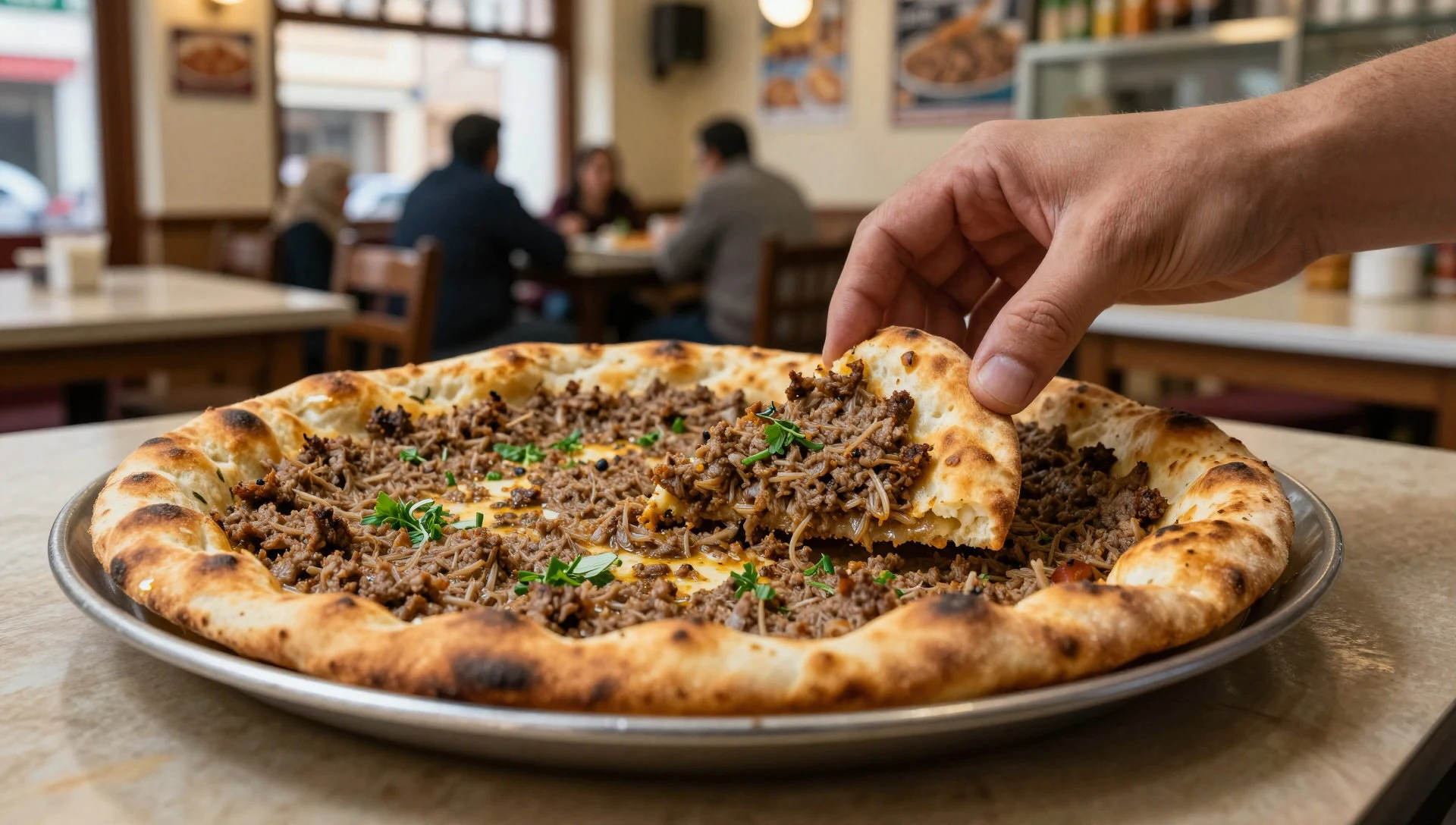
- Roast meat — garden eateries set back from the quay
Roast meat and steak are how many of Bodrum's garden eateries feed visitors who want something other than fish. The local pattern is simple: a grill or an oven, a salad, and a table set in a courtyard away from the quay. - Baklava — town bakeries that also sell bread
Baklava in Bodrum is a bakery sweet rather than a set-piece restaurant dessert: layers of pastry and nuts, cut into small sticky pieces and sold by the tray. Town bakeries that also turn out bread are the right place. - Pizza — casual eateries between the beach and the bazaar
Pizza fills a practical gap in Bodrum: informal eateries serve it alongside other international plates for visitors who want something familiar. It is not a local tradition, yet it is part of how the resort feeds a mixed crowd between beach and bazaar.
Plan it
Best time. March and April are the most comfortable months for the castle, theatre and bazaar, July and August the hottest, and December and January the wettest; the ferry from Kos runs throughout the year.
How long. three to four
Getting there. Flying visitors usually land at the airport that serves Bodrum: package groups are coached to their lodgings, while a local bus runs only irregularly to the intercity terminal at Torba and to downtown. İzmir and Dalaman are the alternatives, each about 3 hours away. Overnight coaches from Istanbul take about 11 hours, Ankara about 10 and Antalya about 7; from İzmir the buses are frequent. The new otogar, opened in 2022, stands about 5 km northeast of town at the Torba road junction, and the dolmuş ride in should be covered by the intercity ticket — confirm that when buying. A Kos operator, Tilos Travel, runs the crossing in about 25 minutes, twice a day, all year. Current airport links are worth checking on http://www.bodrum.bel.tr, because shuttle patterns change.
Budget. mid
Tips
- Book gulet days and high-summer lodgings ahead; package groups fill the peninsula.
- Walk the theatre and castle ramparts early, before heat and coach parties.
- At the new otogar, check that the dolmuş into town is included in the intercity ticket.
- Carry cash for bazaar stalls, dolmuş fares and small admissions; card acceptance is uneven.
- Agree an airport transfer before arrival, since the local airport bus runs irregularly.
Etiquette
- Keep swimwear to the beach and the boats; cover up in the bazaar, castle and theatre.
- Ask before photographing people, especially beside house doors.
- Leave the whitewashed walls untouched; exterior colour is regulated.
Nearby
Sources
- Wikidata Q172267 (CC0)
- Wikipedia (rev 1383567326) (CC BY-SA 4.0)
- Wikivoyage (rev 5395452) (CC BY-SA 4.0)
- Photo photos/01-sunset-over-bodrum-i.jpg (CC BY 2.5)
- Photo photos/02-bodrum-46216642894.jpg (CC BY 2.5)
- Photo photos/03-windmilinbodrum.jpg (CC BY 2.5)
- Photo photos/04-halicarnassus-mausoleum.jpg (CC BY 2.5)
- Photo photos/05-miniaturk-mausoleum-at-halicarnassus.jpg (CC BY 3.0)
- Photo photos/06-bodrum-panoramio-10.jpg (CC BY 3.0)
- Photo photos/07-bodrum-castle-2017.jpg (CC BY 4.0)
- Photo photos/08-the-theatre-of-ancient-halicarnassus-built-in-the-4th-centur.jpg (CC BY-SA 2.0)


