Valdivia
Valdivia, Chile
Valdivia is a green, rainy river city in southern Chile, where German-style wooden houses, Spanish forts, sea lions and craft beer share one waterfront.
The place
Valdivia sits in southern Chile at the meeting point of three rivers, the Calle-Calle, the Valdivia and the Cau-Cau. The sea is a short run downstream, past the coastal towns of Corral and Niebla, so the city feels half river port, half university town. About 150,000 people live in the city, and it has been the capital of the Los Ríos Region since 2007. It stands only about 5 metres above sea level, and the water is always close: along the promenade, under the bridges, and in the smell of the fish market.
The local economy rests on tourism, forestry, pulp, metalworking and brewing. The Austral University of Chile, founded in 1954, gives the centre a student energy, with cafés, bookshops and a botanic garden. Behind the waterfront, streets of timber houses with steep roofs show how much the nineteenth-century German settlers shaped the look of the place.
The feel is gentle rather than dramatic. Days are often grey and damp, the hills are thick with forest, and the river is busy with rowers, boats and sea lions that lounge near the market. Valdivia suits slow wandering, boat trips and long lunches more than a checklist of monuments. Summer brings free concerts and events along the riverside, while the rest of the year the city belongs mostly to its own residents.
Its story
Valdivia's story begins long before the Spanish. Excavations at Monte Verde, less than 200 km to the south, suggest people lived in this part of Chile many thousands of years ago, and some researchers think the first settlers arrived by boat rather than across a land bridge. By the time Europeans came, the Huilliche, a southern Mapuche people, lived here, and a large village called Ainil stood where the modern centre now is. They called the river Ainilebu.
The Spanish founded the city in 1552 and named it after Pedro de Valdivia. It became a remote outpost of the empire, together with Chiloé, and was later fortified heavily, with a chain of forts around the bay that the Viceroyalty of Peru paid for. Their ruins can still be explored today.
In the middle of the nineteenth century the port became the landing place for German immigrants, who settled in the town and the farmland around it. They brought breweries, tanneries, timber building and a taste for cakes, and the town's look still shows it.
The great shock came in 1960, when an earthquake of magnitude 9.5 struck southern Chile and badly damaged Valdivia. The city rebuilt, and the lasting mark is a modern town set among older streets, with a river that regularly reminds everyone how close the sea is.
What to see
- The river market and sea lions — Riverfront, city centre
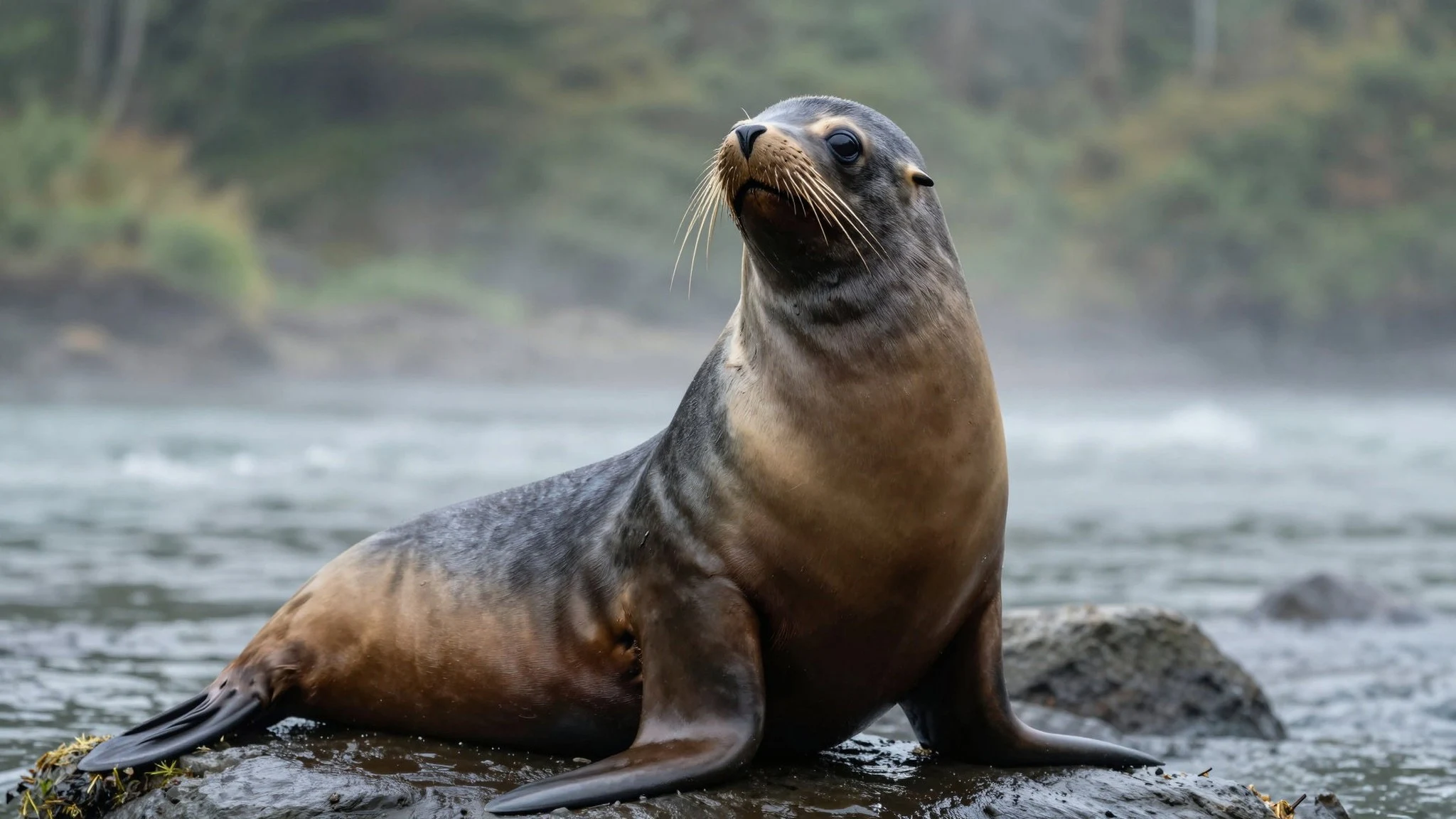
Valdivia's fish market stands on the riverbank, and it is one of the easiest places to see wildlife in any Chilean city. Sea lions and pelicans wait beside the stalls for scraps from the fishmongers, who sell small bags of snacks for feeding them. Go in the morning, when stalls are busiest.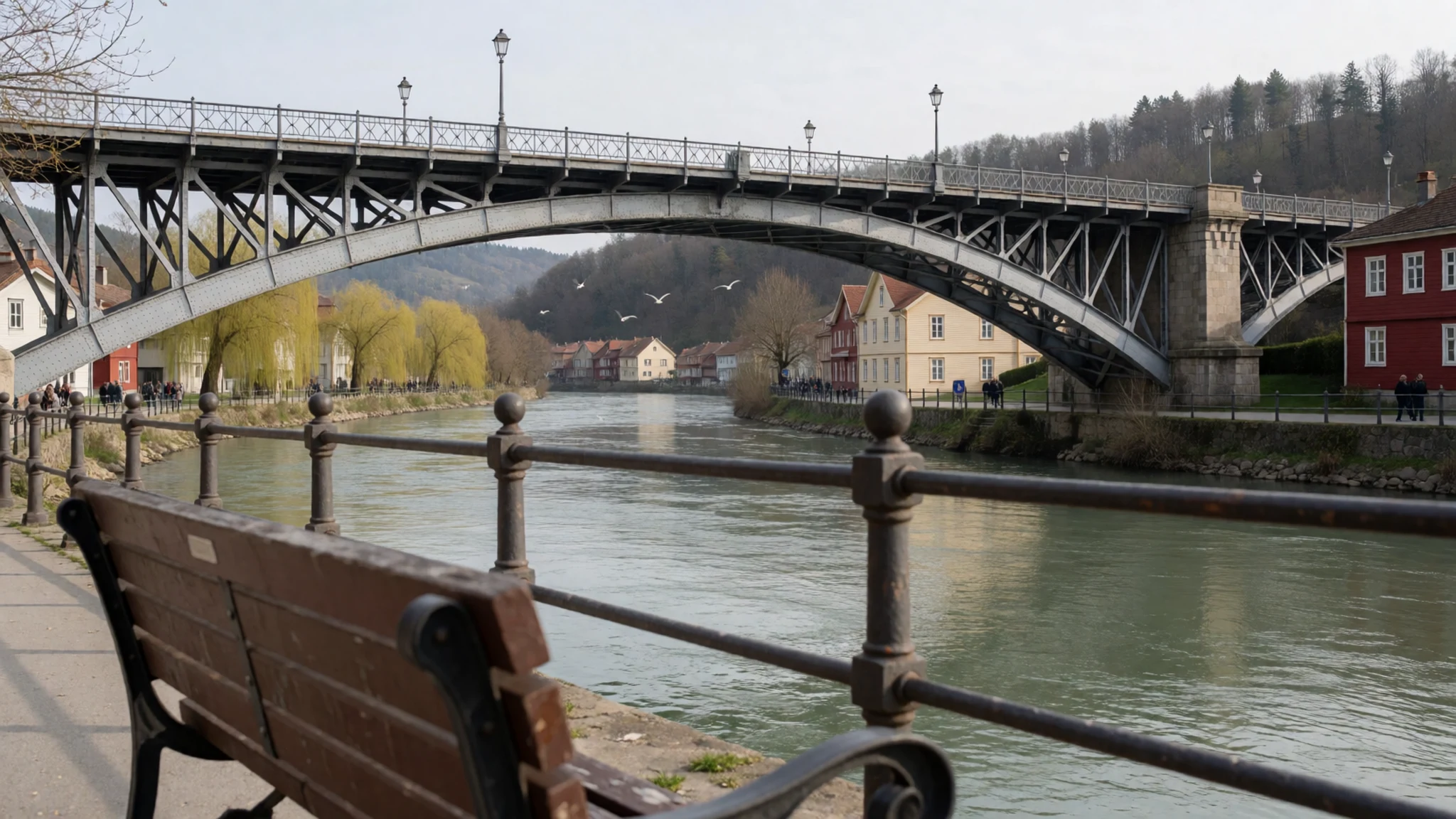
- Calle General Lagos — Near the Calle-Calle river
This quiet street has some of the best-kept German-style houses in town, with timber fronts, pitched roofs and wooden shingles. Many carry a small plaque giving the year they were built and what they are used for now. It is a good, flat walk of an hour or so, with cafés along the way.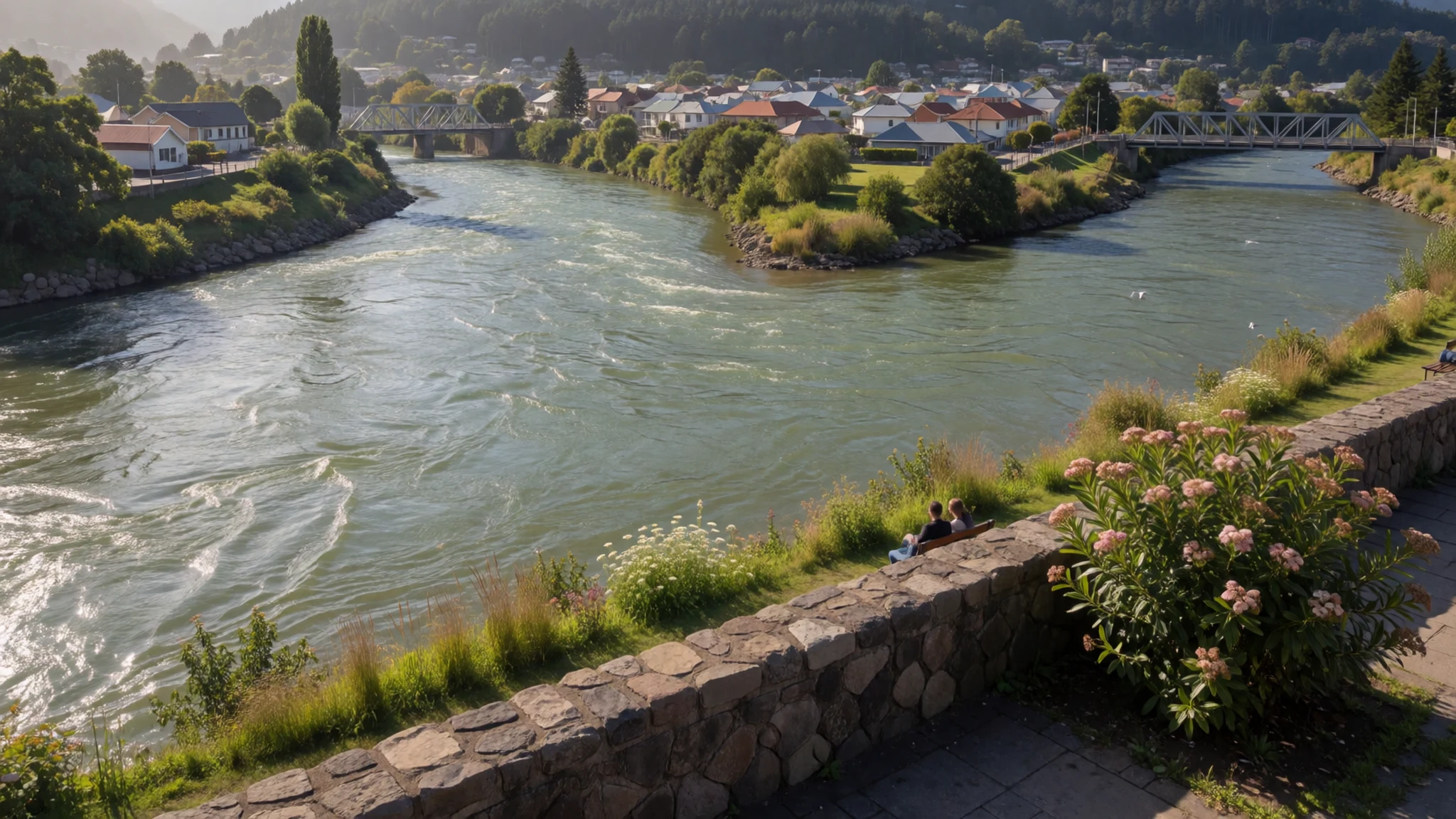
- Riverside bridges — Across the Valdivia and Cau-Cau rivers
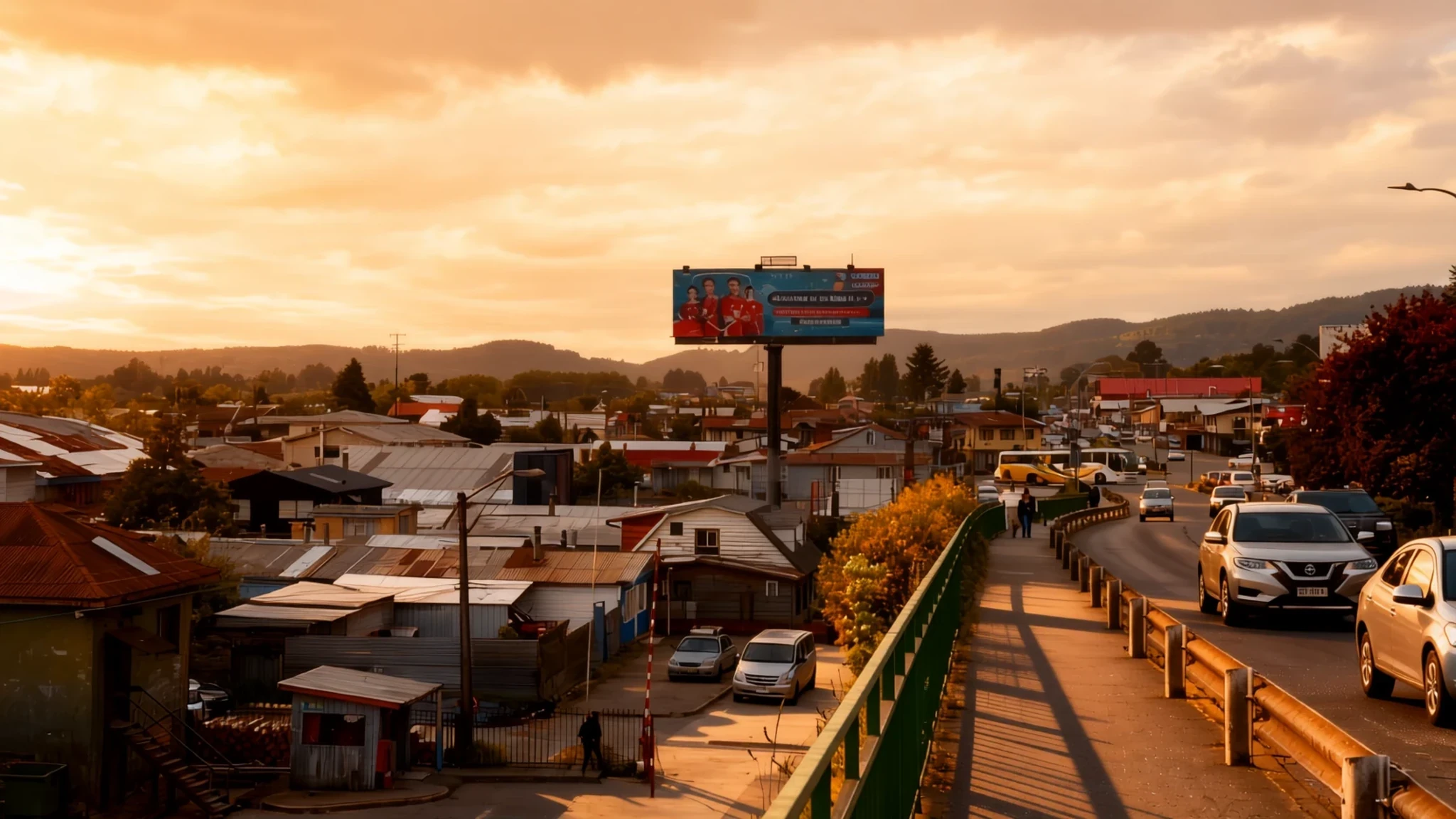
Valdivia is a city of bridges, and walking or driving across them shows how the three rivers shape everything. The Pedro de Valdivia Bridge gives a wide view over the water and rooftops, while the Cau-Cau bridge is a useful landmark on the far side. Late light over the river is the best time.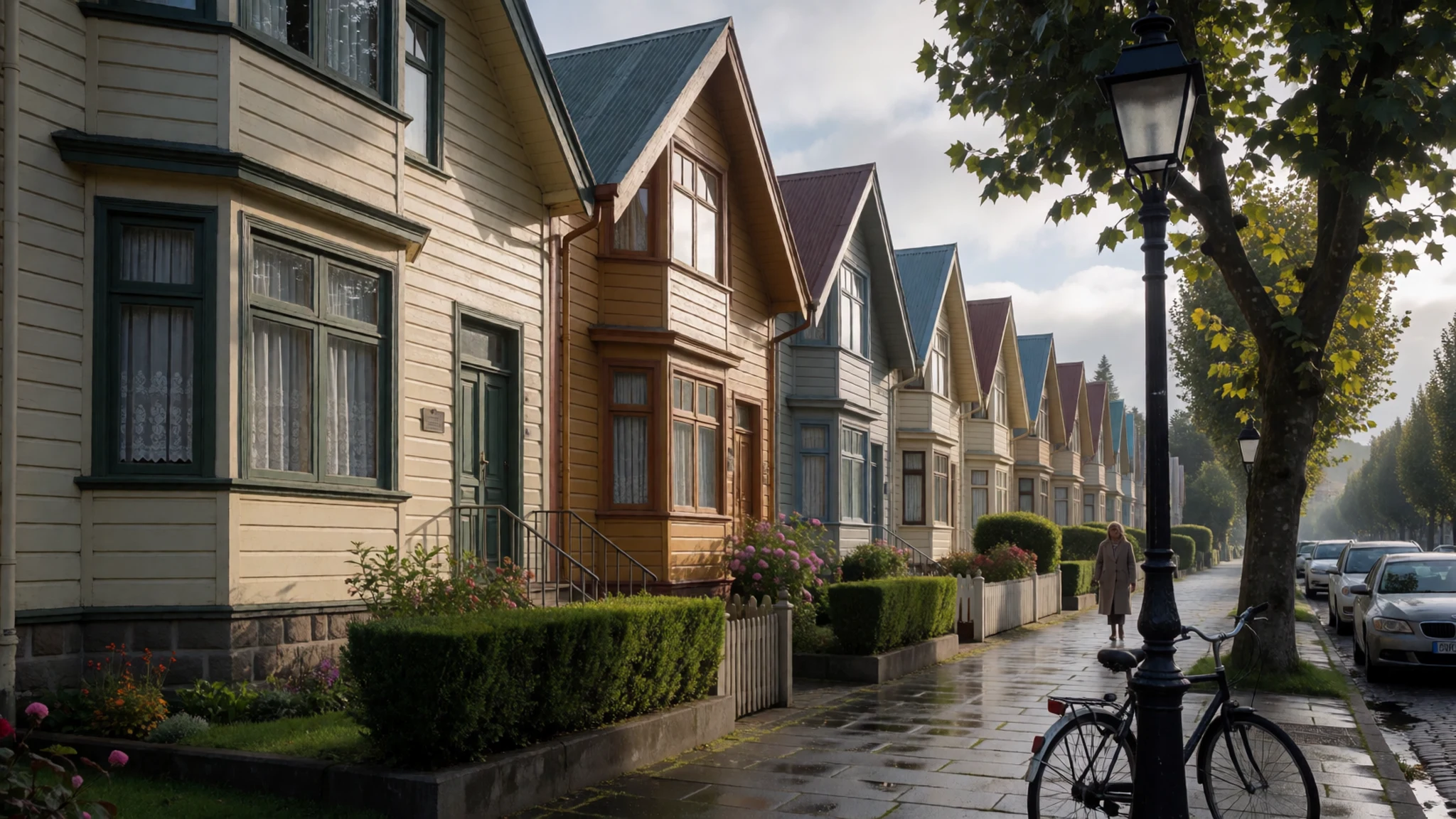
- Spanish forts of Corral Bay — Corral and Niebla, downstream
Many tour operators run boat trips from the waterfront to the ruined Spanish forts on the bay. Boats usually go out towards Corral, where the river meets the Pacific, and stop so passengers can wander the stone walls and forest paths. Commentary is often in Spanish only, so read up first.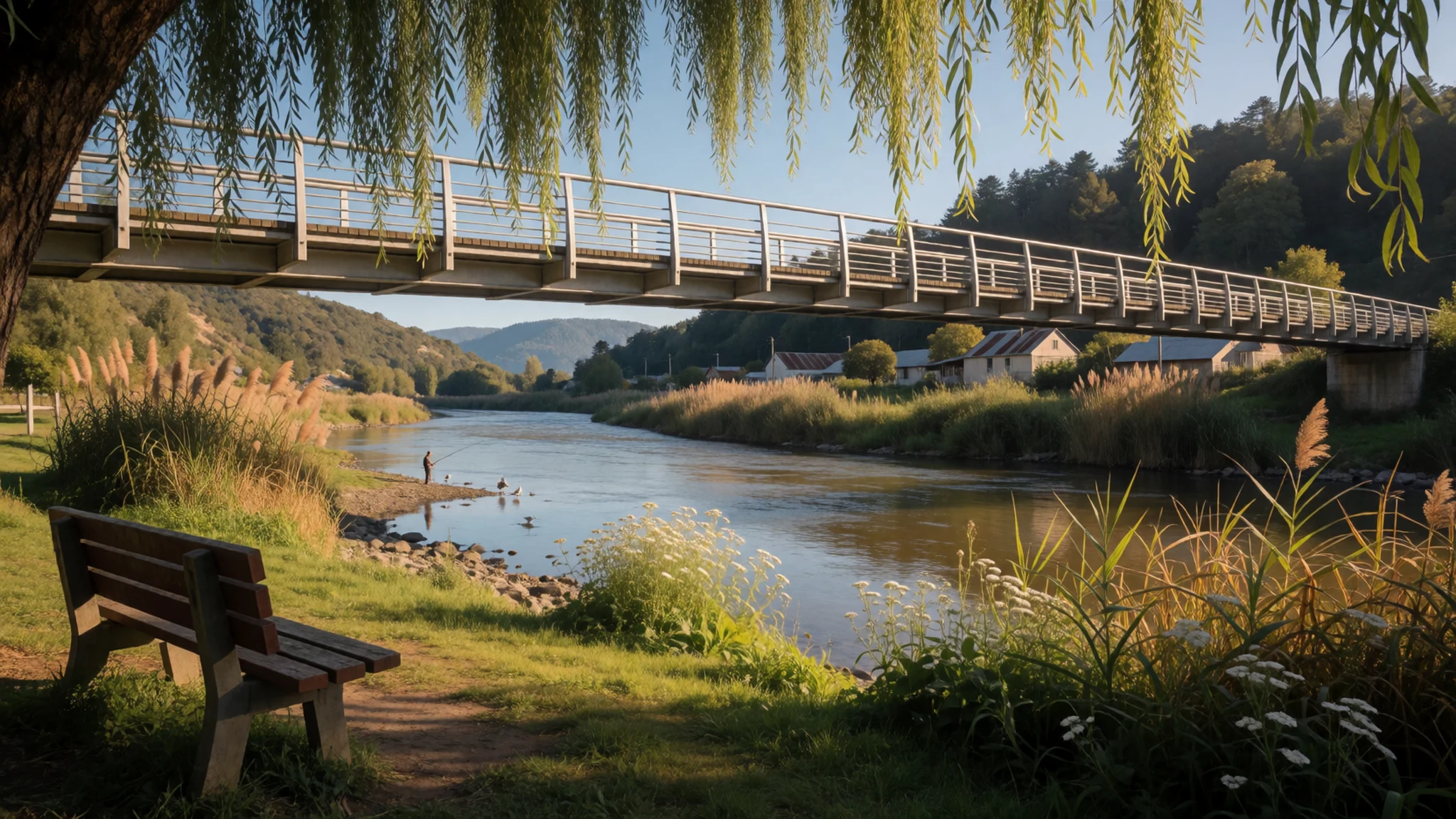
- Universidad Austral botanic garden — Isla Teja, across the Valdivia river
The university's botanic garden lies on an island in the river and feels like a slice of the surrounding forest brought into town. It is a calm place for a long walk among native trees, with birds and the sound of water. Check the university's official pages before visiting, as access can change.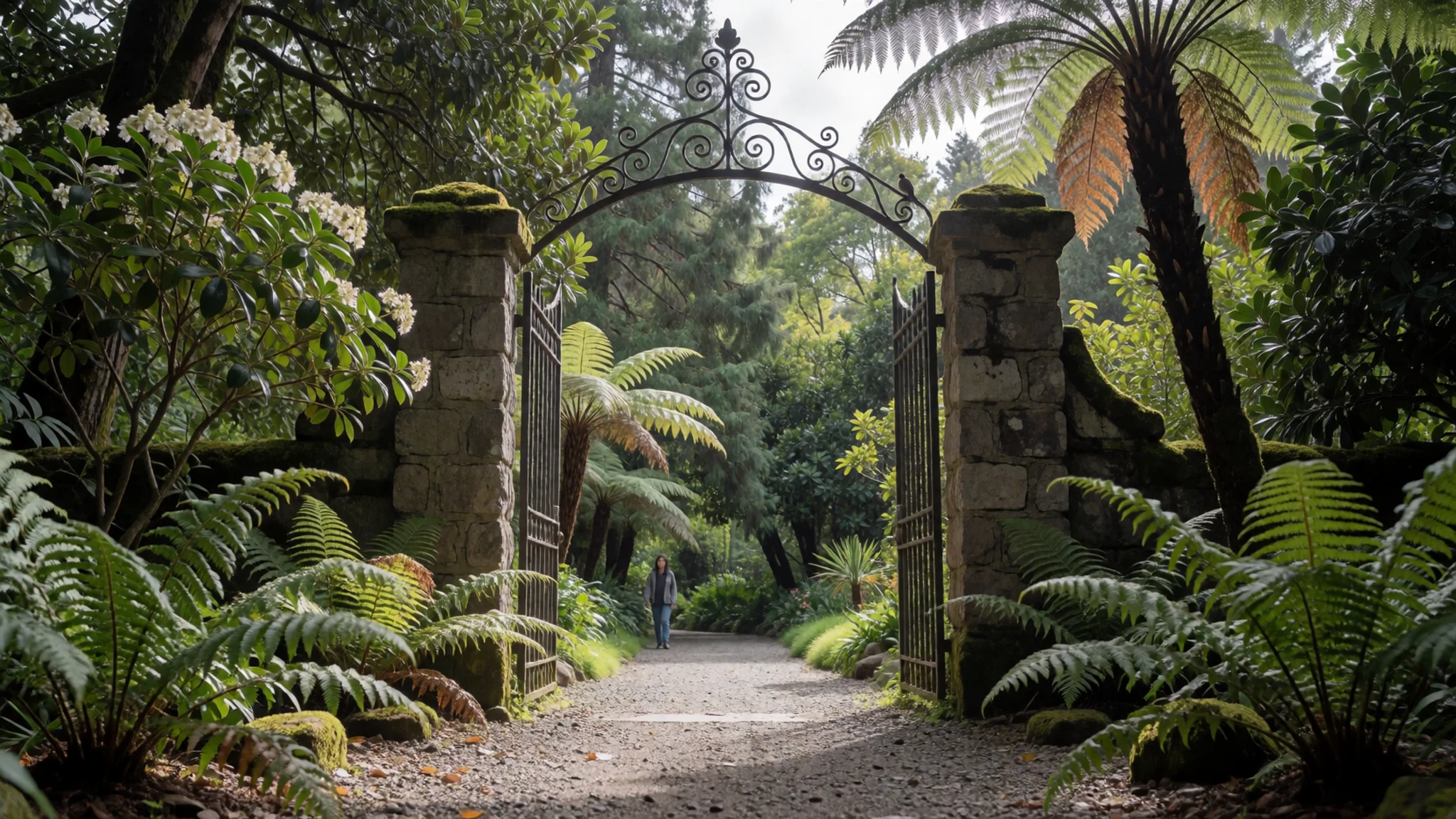
Culture
Valdivia is proud of its mixed past, and locals often describe it as the Pearl of the South. Two layers are easy to see: the Spanish colonial era, with its forts around the bay, and the German settlement of the nineteenth century, visible in the wooden houses, bakeries and breweries. Spain and Germany both keep honorary consulates in the city, a sign of how much both histories still matter.
The university adds a younger, bookish feel. Students fill the cafés, and the city hosts an international film festival each October that draws filmmakers and audiences from across Chile. Rivers are part of daily life, so rowing clubs, fishing boats and river cruises are as common as parked cars.
Summer is the social high point. In January and February the municipality puts on free concerts, sporting events and entertainment along the riverside. Halfway through February the season ends with Noche Valdiviana, the Valdivian Night, when the river is lit up and people gather by the water to celebrate.
Valdivians are polite and relaxed, and conversation is easy, though the pace is slower than in Santiago. Rain is a fact of life and nobody cancels plans for it.
When you feed the sea lions at the fish market, buy the snacks from the fishmongers and keep your distance, because the animals are wild and can bite.
What to wear
Valdivia has no single regional costume that people wear day to day, but two traditions sit behind its look. The Huilliche and wider Mapuche cultures are known for woven wool, often in dark reds, blacks and natural tones, and for silver jewellery worn by women at ceremonies. German settlers brought wool knitwear and sturdy outdoor clothing, and traces of that practical style remain. Traditional dress comes out mainly for festivals and cultural events.
What people actually wear is shaped by the weather. Locals dress in layers: fleece or wool jumpers, waterproof jackets, jeans and boots, with scarves in the cooler months. Students favour a casual outdoor style. For dinner or the film festival, the look is smart-casual rather than formal, and shorts and sandals appear only on the sunniest summer days.
Visitors should plan for rain in any month. Bring a proper waterproof jacket, a warm mid-layer and shoes with grip, since pavements and boat decks are slippery when wet. Light cotton is fine for sunny summer afternoons, but evenings by the river turn cool quickly. For forest trails, wear comfortable boots and trousers that can handle brush. There are no strict modesty rules in the city, though a covered shoulder is courteous when visiting a church.
What to eat
- Curanto — Family-run eateries and coastal ferias
Curanto is the dish most often named as typical of the region: a large helping of steamed shellfish served with a boiled sausage, a chicken leg and potatoes. It is hearty and meant to be shared. Look for it at traditional eateries and at coastal summer ferias.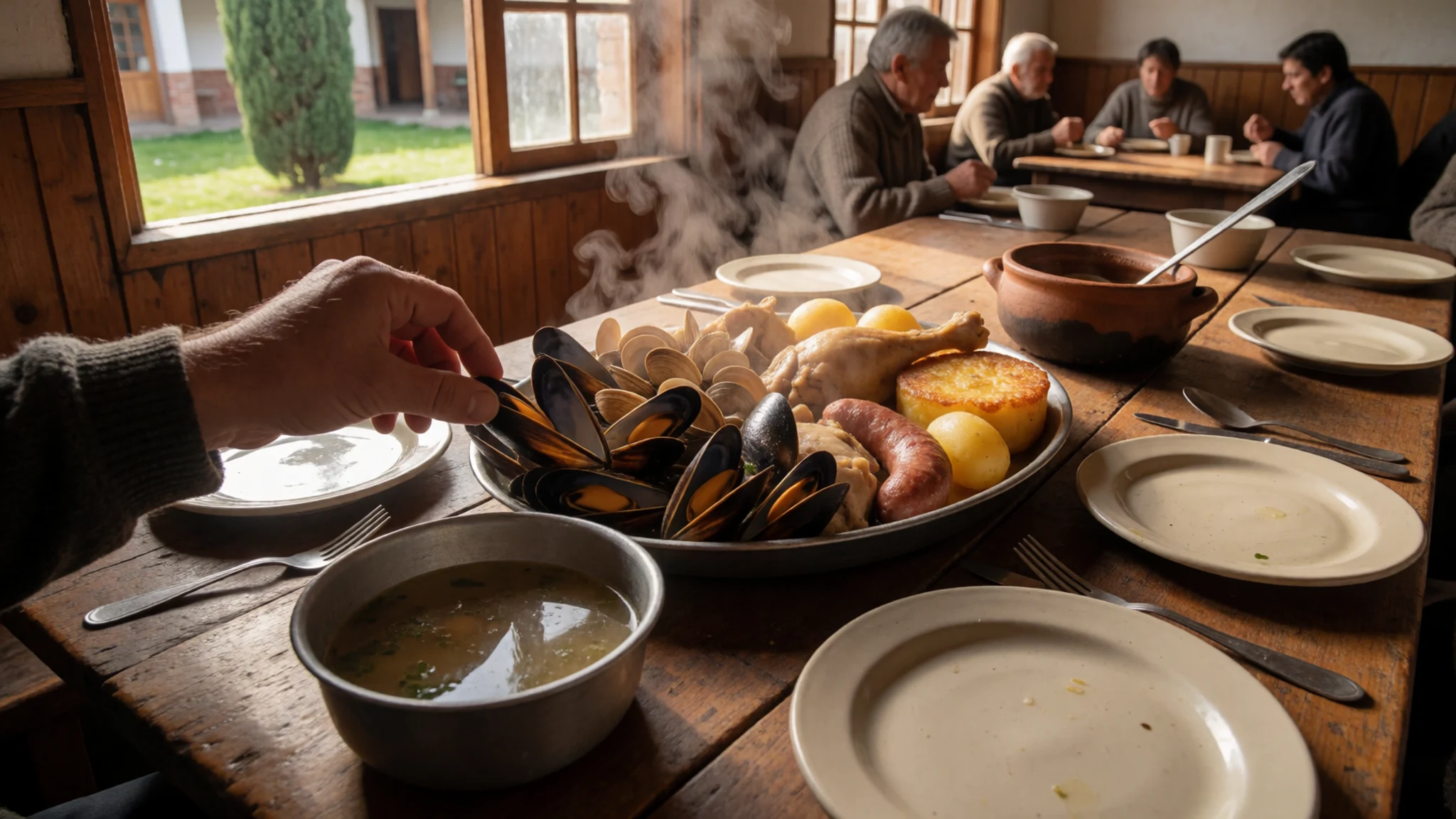
- Empanadas de mariscos — Niebla summer feria and bakeries
Seafood empanadas are folded pastry parcels filled with shellfish and baked or fried until golden. They make an easy snack on the move and an even better one by the sea. The stalls at Niebla's summer feria are a classic place to try them.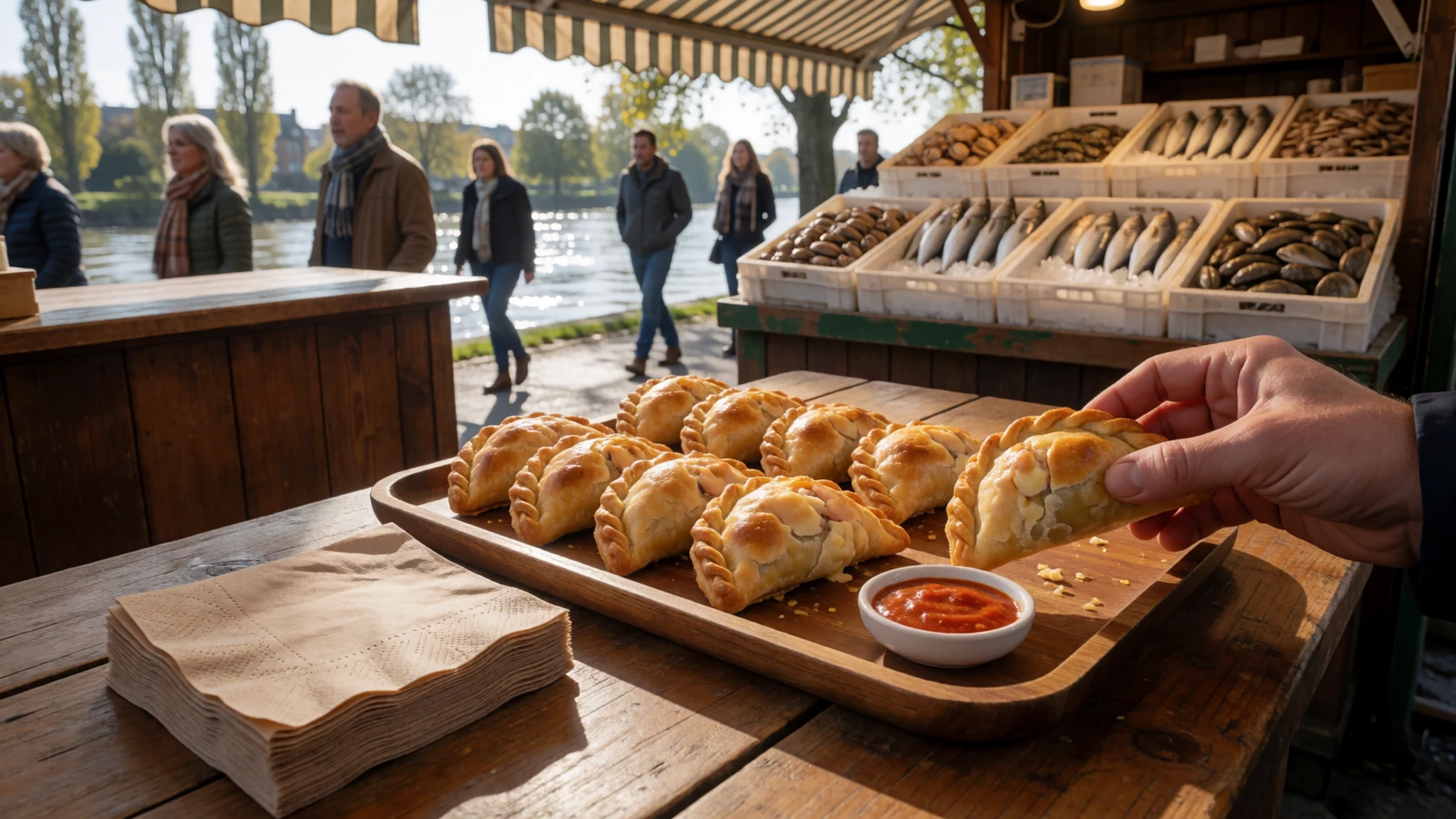
- Asado — Summer ferias and home-cooking eateries
Asado, meat grilled slowly over embers, turns up at the summer ferias on the coast and at family-run eateries around town. Order it with potatoes or a simple salad, and expect generous portions meant for sharing with friends. - Local craft beer — Brewpubs and taprooms near the river
Beer brewing is one of the town's long-standing industries, a legacy of the German settlers. Taprooms and brewpubs near the river pour local lagers, ales and darker styles, and most serve snacks, so an afternoon tasting flight is an easy way to pass a drizzly hour. - Kuchen — Cafés and bakeries in the centre
Kuchen is the German-influenced cake of southern Chile, usually a soft base topped with fruit such as apple or berries and often a little cream. It goes well with a mid-afternoon coffee, and cafés around the centre and university bake it daily.
Plan it
Best time. December to March is the warmest and driest stretch, with long days and free riverside events in January and February. The rest of the year is cooler and often wet, so the city is greener but wetter, and visits then need rain gear and flexible plans.
How long. 2–3
Getting there. Fly to Santiago or Puerto Montt, then continue by road. Long-distance buses run to Valdivia from both, taking a few hours from Puerto Montt and overnight from Santiago. By car, take Ruta 5 to Paillaco and then follow the road to the city. Local buses and taxis cover the last leg into the centre.
Budget. mid
Tips
- Book accommodation early for January and February, when events fill the riverside
- Visit the fish market in the morning for the best chance of sea lions
- Carry both cash and a card, as small stalls and ferias often prefer cash
- Take a rain jacket in every season, even when the forecast looks clear
- Check boat-tour times and languages before you book, as many commentaries are in Spanish only
- Look at the official city website, munivaldivia.cl, for event dates
Etiquette
- Keep a respectful distance from the sea lions and do not touch them
- Greet shopkeepers and stall holders before asking for anything
- Keep to marked trails and take litter with you in forests and on riverbanks
Nearby
Sources
- Wikidata Q160687 (CC0)
- Wikipedia: Valdivia (rev 1381909362) (CC BY-SA 4.0)
- Wikivoyage: Valdivia (rev 5421028) (CC BY-SA 4.0)
- Photo: View of Valdivia from the Pedro de Valdivia Bridge, Draceane (CC BY-SA 4.0)
- Photo: Montage of Valdivia, Wikiedro (CC BY-SA 4.0)
- Photo: Tomadevaldivia (Public domain)
- Photo: Valdivia after earthquake, 1960, Pierre St. Amand (Public domain)
- Photo: Valdivia, Loncoche, Region de los Lagos, map (Public domain)
- Photo: Valdivian sea lions, Albh (CC BY 3.0)
- Photo: Puente Caucau, Carlos Figueroa Rojas (CC BY-SA 4.0)
- Photo: Botanic Garden gate, Lin linao (CC BY-SA 2.5)


Wildlife
- Sea lion (animal)
The South American sea lion is a big, whiskery sea animal; the males wear a thick shaggy mane, rather like a lion, and dine on fish and squid-like creatures. Along Valdivia's riverside you may spot them near the feeding points, though no particular season or hour is promised. Watch them well by keeping your voice low in the quiet riverside corners, giving them room, and never pressing in with a crowd when you reach those spots.