Arica
Arica, Chile
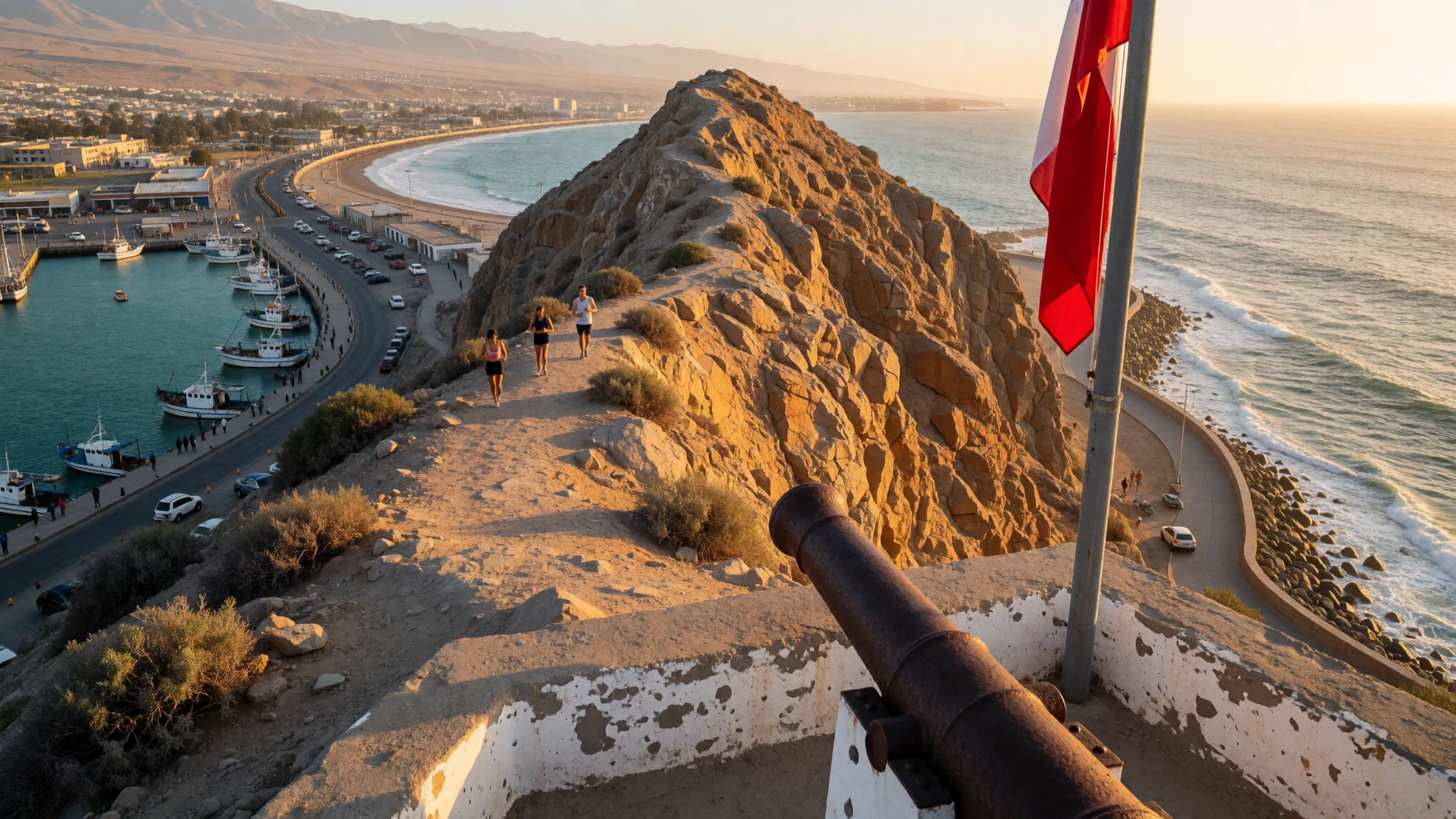
Visit Arica for its extraordinary coastal desert climate, ancient mummies, and vibrant cross-border trade heritage at the edge of the Pacific.
The place
Arica is a coastal commune and northernmost urban centre in Chile, situated within the Arica y Parinacota Region. Positioned precisely in the prominent curve of South America's western shoreline known as the Arica Bend, the settlement lies only a short distance south of the international boundary with Peru. Two distinct arid river valleys, Azapa and Lluta, cut through the surrounding desert terrain to converge near the municipality, providing vital agricultural yields such as olives and citrus fruits for broader distribution. As an essential maritime outlet, the port manages significant cargo and serves as a designated free port facility for neighbouring Bolivia, handling a substantial share of landlocked trade via rail corridors and highway connections.
The surrounding territory experiences an exceptionally arid climate with almost imperceptible annual rainfall totals. However, consistent maritime breezes off cold coastal waters temper atmospheric conditions, producing a mild, overcast desert environment rather than scorching heat. Because of these perpetual comfortable temperatures, residents across Chile refer to the municipality as the city of the eternal spring. Lifelong communities and regional travellers frequent the local beaches throughout the year, drawn by the steady climate and dramatic shoreline scenery beneath the massive rocky promontory that defines the maritime horizon.
Its story
Arica holds a remarkably deep human history, with archaeological discoveries indicating continuous habitation by diverse native groups for millennia. Among these early populations were the Chinchorro people, renowned globally for pioneering intricate artificial mummification techniques that predate ancient Egyptian practices by thousands of years. Their preserved remains have been unearthed quite recently, occasionally discovered buried just beneath the modern urban landscape.
Following European exploration, Spanish forces established formal control over the territory under the leadership of captain Lucas Martinez de Begazo. The crown subsequently elevated the settlement with a grand administrative title reflecting its growing commercial importance. During the colonial era, the locality functioned as the primary maritime outlet for mineral wealth extracted from distant highland silver mines, most notably Potosí. This strategic logistical role positioned the port as a vital node within the Spanish imperial trade network. Centuries later, geopolitical conflicts reshaped the regional borders during the War of the Pacific, transferring administrative governance permanently to the Chilean state following diplomatic agreements decades later.
What to see
- Catedral de San Marcos — Civic centre
Designed by the celebrated French architect Gustave Eiffel during the nineteenth century, this striking metal church was prefabricated and shipped across the ocean to serve the local community. It stands today as an iconic national monument right in the civic centre, featuring distinctive architectural ironwork that draws curious visitors from all over.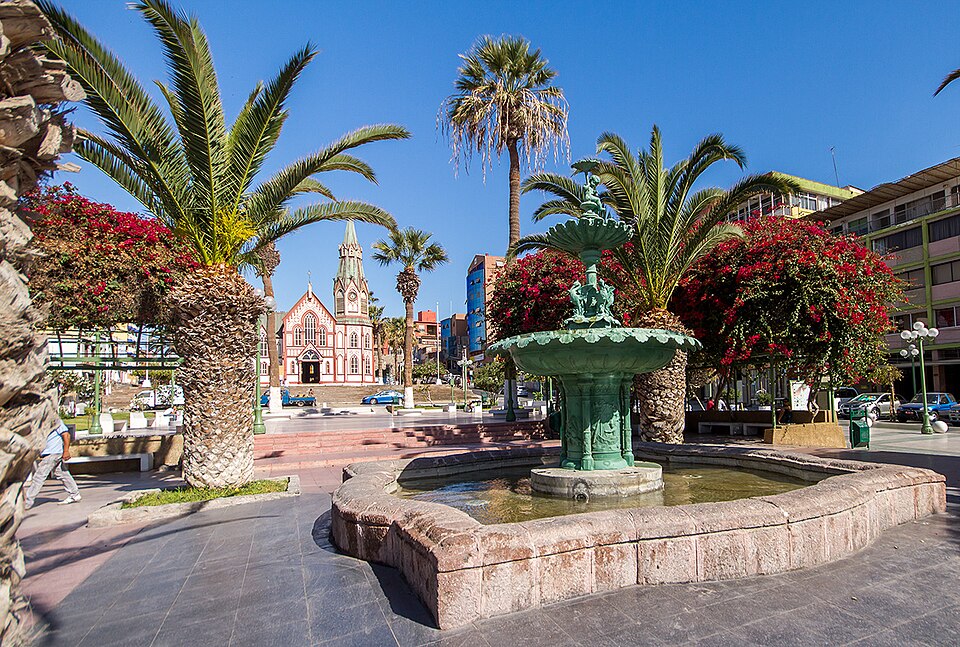
- Morro de Arica — Coastal headland
Rising steeply above the Pacific shoreline, this massive historical headland towers over the active harbour and downtown streets below. Climbing to the summit rewards visitors with panoramic vistas stretching across the coastline towards the distant Andean mountains, while serving as a poignant reminder of nineteenth-century military conflicts.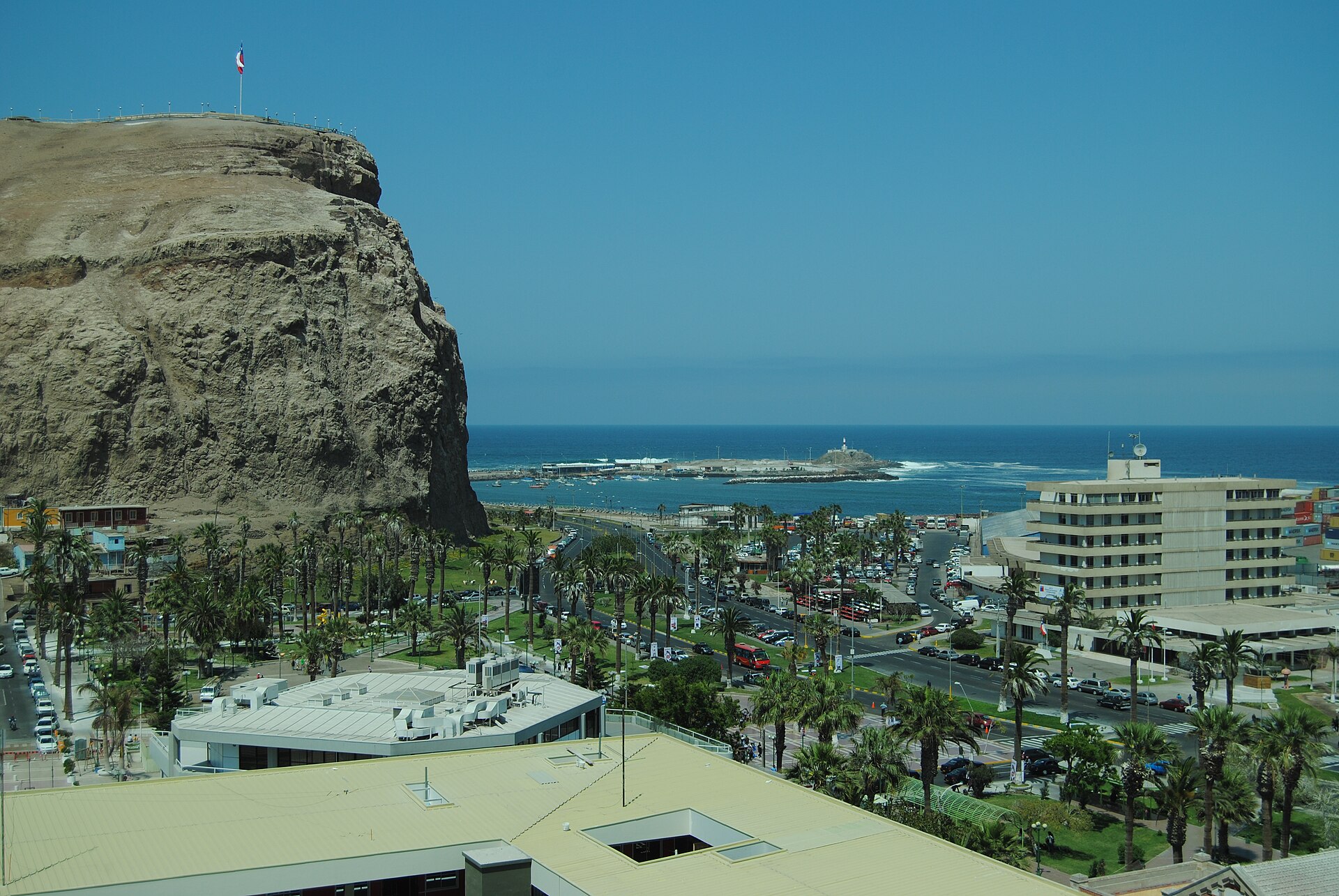
- Plaza Colón — Downtown
Positioned directly beside the historic cathedral, this landscaped public square forms the social heart of the municipality. Local residents regularly gather beneath the shaded walkways for weekend relaxation, public celebrations, and casual daily socialising, making it an ideal spot to observe everyday urban life unfold.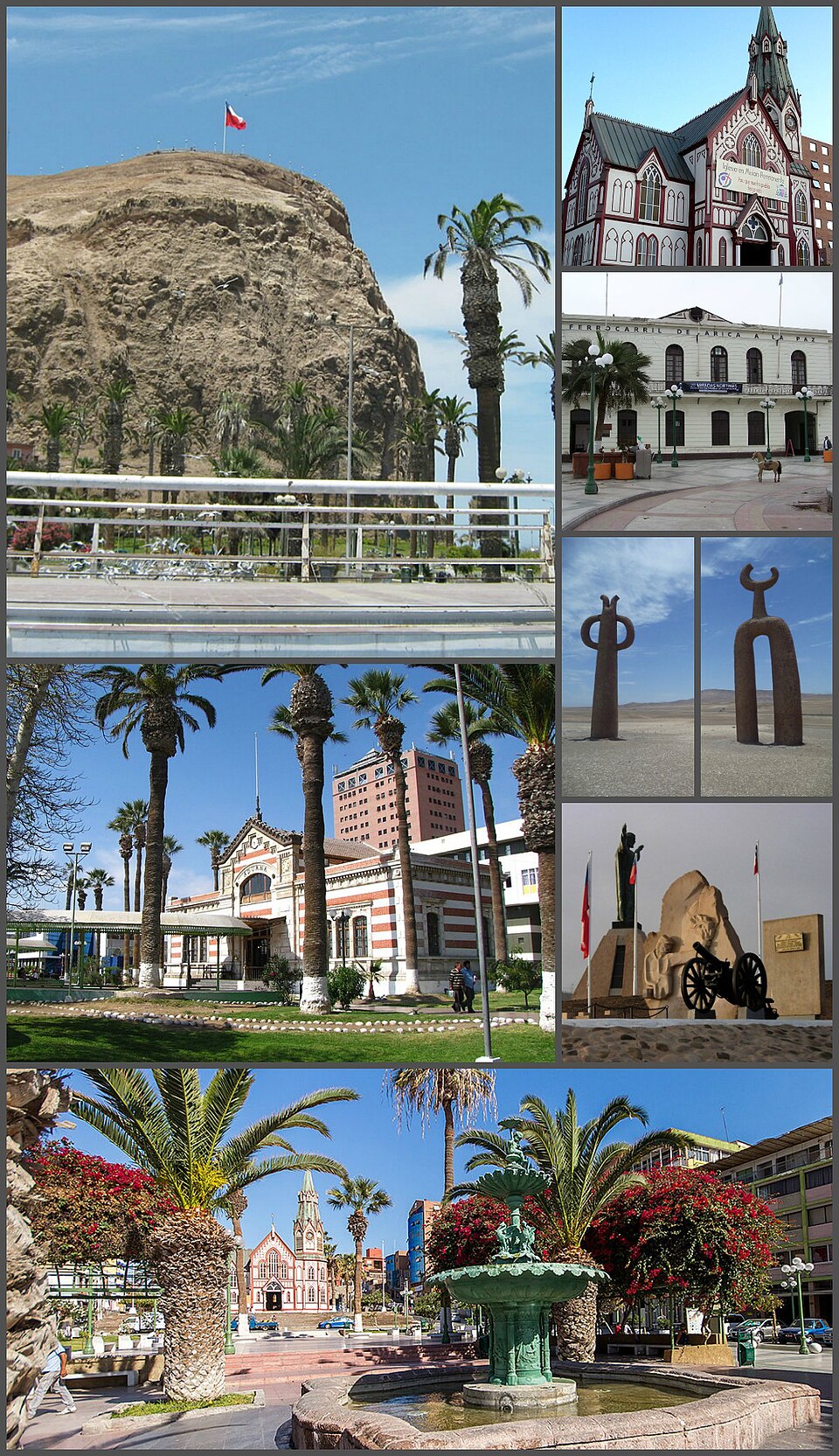
- Museo Arqueológico San Miguel de Azapa — Azapa Valley
Located within the neighbouring agricultural valley, this institution houses an extensive collection of ancient artifacts chronicling millennia of regional indigenous culture. Visitors can examine world-famous preserved mummies, textiles, and pottery, alongside outdoor displays featuring ancient rock petroglyphs carved into the valley walls.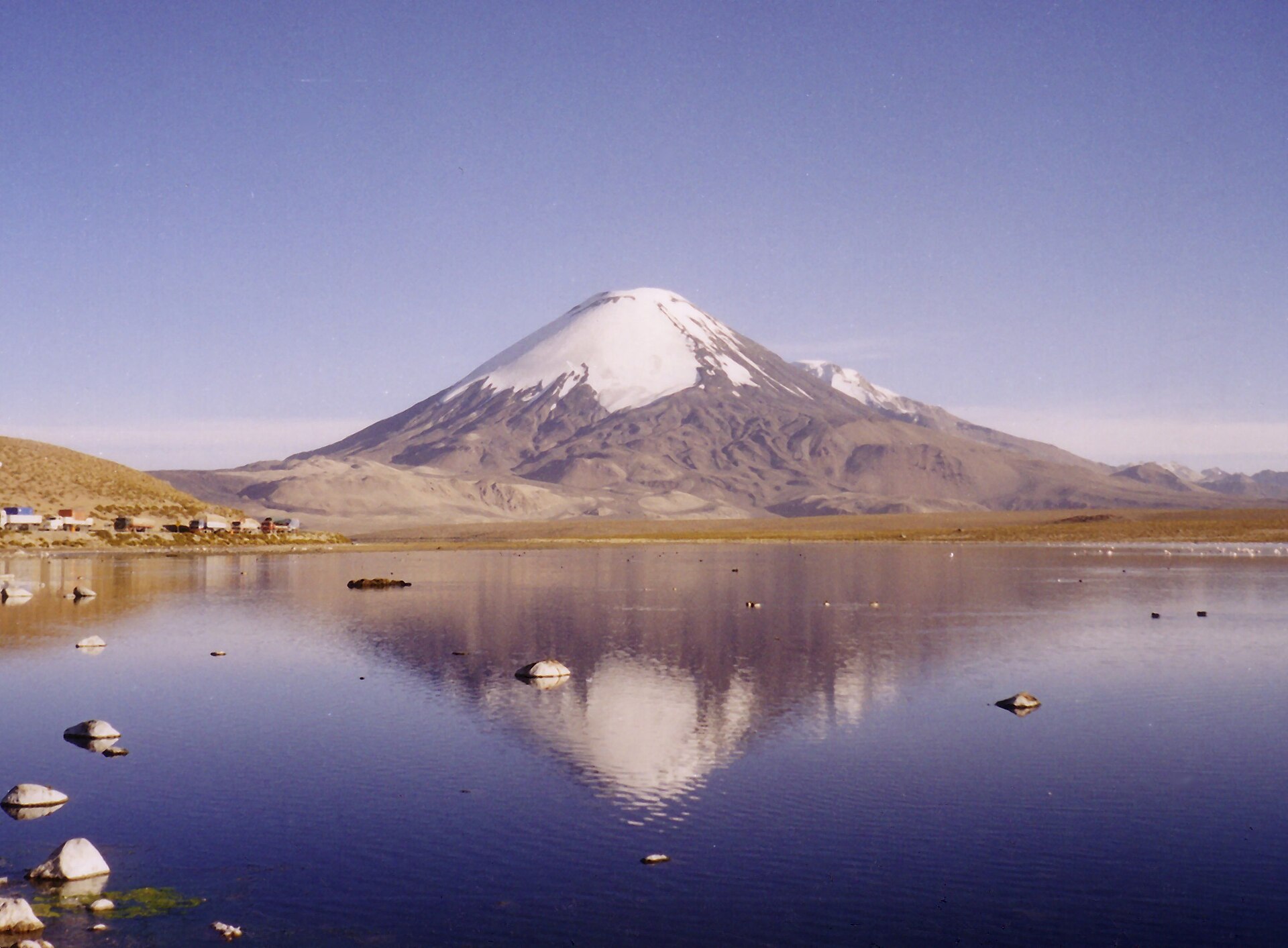
- Old Customs House — Port district
Another remarkable structural legacy engineered during the nineteenth century, this historic administrative building reflects the port's golden age of maritime commerce. The carefully preserved pavilion now functions as a cultural exhibition space, highlighting the heavy international trade and shipping heritage that shaped the municipal economy.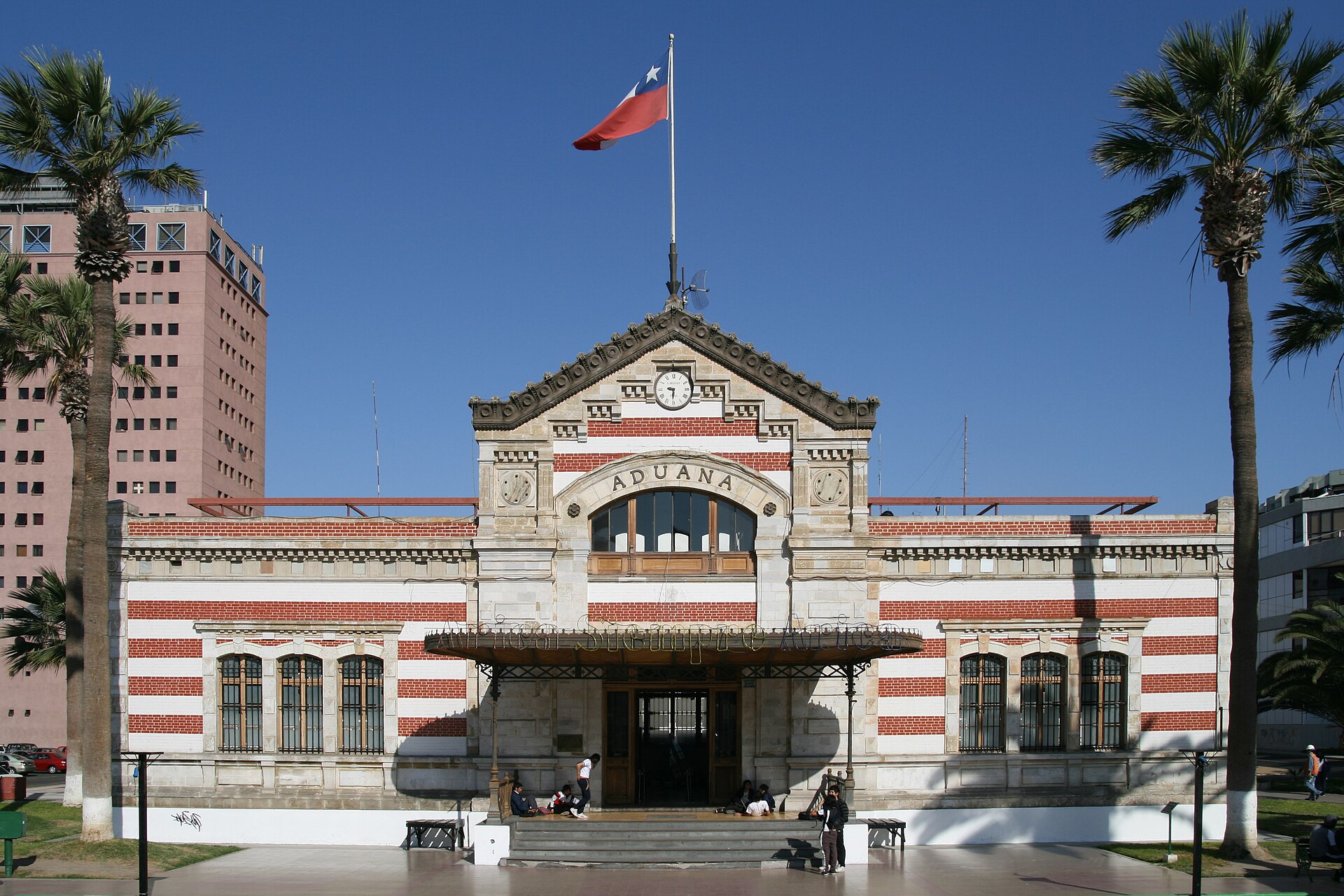
Culture
Arica maintains a distinct cultural identity shaped by its unique geography at the crossroads of Chile, Peru, and Bolivia. Andean traditions blend smoothly with coastal Chilean customs, visible in regional festivals, local music, and lively markets where cross-border influences meet. Traditional Andean textiles featuring colourful geometric patterns woven from alpaca and llama wool reflect centuries of highland heritage, while coastal residents maintain a relaxed maritime lifestyle centred around surfing and outdoor gatherings. The community values polite hospitality, and social interactions routinely begin with friendly greetings. Visitors should always greet shopkeepers and service staff with a polite 'buenos días' or 'buenas tardes' before making inquiries.
What to wear
Traditional attire across the northern reaches of Chile draws heavily from Andean heritage, featuring warm woollen ponchos, woven carrying cloths called llicllas, and traditional hats crafted by indigenous artisans to combat intense highland sun and cool desert winds. In the coastal urban setting, daily attire is decidedly casual and practical, reflecting the mild desert climate. Residents and workers typically wear lightweight cotton shirts, trousers, and comfortable walking shoes suitable for sandy promenades and paved streets. Travellers visiting Arica should pack breathable layers for warm daytime sun alongside a light windbreaker or fleece for cooler coastal evenings. When exploring religious monuments or traditional community spaces, modest clothing that covers the shoulders and knees is appreciated.
What to eat
- Cheese empanadas — San Martin street eateries
Flaky, deep-fried or baked pastry turnovers generously stuffed with melted local cheese, enjoyed as a quick savoury snack or light lunch at downtown snack bars. - Assorted empanadas — Avenue Santa Maria bakeries
Traditional bakeries offer dozens of savoury fillings ranging from spiced minced meat and onions to vegetarian vegetable medleys, perfect for travellers on the move. - Chifa specialities — Baquedano street eateries
Chinese-Peruvian fusion dishes reflecting regional migration patterns, serving hearty noodle stir-fries and rice plates in modest, unpretentious neighbourhood dining rooms. - Coastal seafood — Sunday seaside restaurants
Fresh catches from the Pacific waters including local fish, shellfish, and ceviche preparations served at traditional weekend seafood dining spots along the harbour. - Bottled mineral water — Downtown supermarkets
Essential bottled hydration purchased from well-stocked neighbourhood supermarkets to ensure safe drinking water, as municipal tap water is generally not recommended for visitors.
Plan it
Best time. January to May and September to December offer pleasant mild temperatures and sunny skies, perfect for exploring coastal beaches and inland valleys without extreme heat.
How long. 2–3
Getting there. Arrive via Chacalluta International Airport with domestic connections from Santiago, or take long-distance intercity buses operating from southern Chilean hubs and neighbouring countries.
Budget. mid
Tips
- Purchase bottled mineral water from local supermarkets for daily hydration instead of drinking tap water
- Book long-distance night buses well in advance if travelling overland from Santiago or San Pedro de Atacama
- Carry local Chilean currency in cash for small purchases at markets, local buses, and border transport terminals
- Begin outdoor sightseeing and valley excursions early in the morning to avoid midday coastal glare
Etiquette
- Always greet shopkeepers and service workers politely with 'buenos días' before asking questions
- Respect local traffic and customs officials promptly when crossing international borders via shared taxis
Nearby
Sources
- Wikidata Q2203 (CC0)
- Wikipedia (rev 1375943933) (CC BY-SA 4.0)
- Wikivoyage (rev 5393786) (CC BY-SA 4.0)
- Photo 01 (CC BY 3.0)
- Photo 02 (CC BY-SA 4.0)
- Photo 03 (CC0 1.0)
- Photo 04 (Public domain)
- Photo 05 (CC BY-SA 2.5)
- Photo 06 (CC BY-SA 2.5)
- Photo 07 (CC BY 3.0)
- Photo 08 (CC BY 3.0)


