La Serena
La Serena, Chile
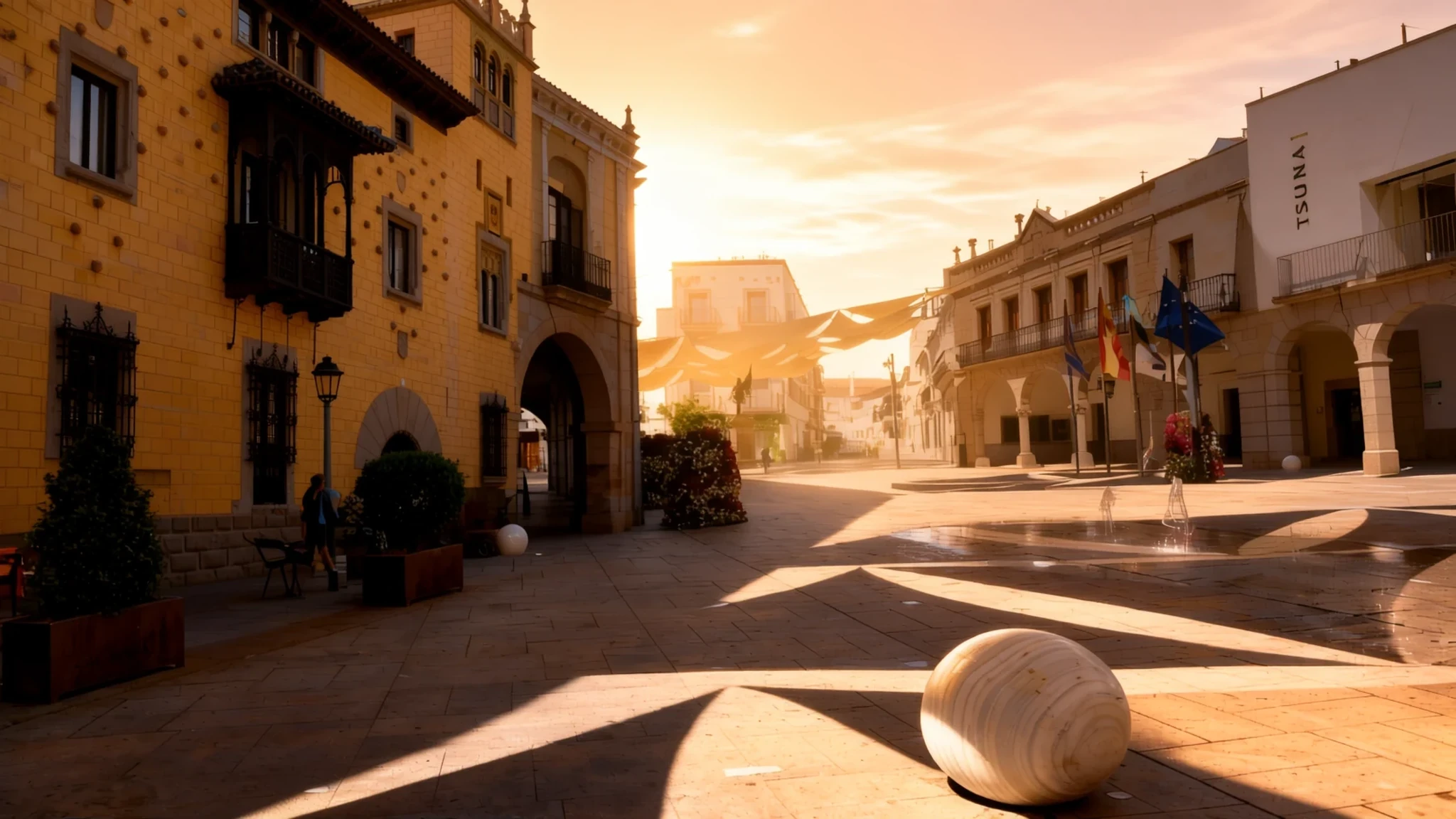
La Serena is an easy coastal base in northern Chile, with a historic centre, museums and beaches that feel like a seasonal playground.
The place
La Serena is a northern Chilean city and commune on the Pacific coast, the sort of place where the town’s shape is readable even from the promenade. The built-up areas step through ocean terraces—visible from the coastal strip, through the downtown core and towards the eastern sectors on higher ground—while the rest of the urban area spreads across small hills, valleys and plains.
The city is also a kind of hub: it’s the capital of the Coquimbo Region, home to the University of La Serena, and the headquarters of the Roman Catholic Archdiocese of La Serena. That civic weight shows in the streets around the old centre, where you’ll find churches, institutional buildings and a lively plaza culture.
Tourism is especially noticeable in summer when Chileans and Argentines arrive for beach time, festivals and general “leave town” energy. In practice, this means: more people, more noise and higher chances of long lines around the most central sights. If you visit in the shoulder months, the city feels more navigable—still calm enough to wander, but with enough open businesses to keep things moving.
La Serena’s coastline and terraces create an easy rhythm for sightseeing: start around the historic centre and museums, then work your way towards the sea-facing avenues and viewpoints. It’s also a practical base for regional day trips, from nearby islands to national parks, if you’d like to add landscapes beyond the city.
Its story
La Serena’s story begins with a pre-Hispanic village site, Viluma (or Vilumanque), before the Spanish arrived. Spanish authorities then chose this part of the coast as a strategic link: La Serena was founded by Pedro de Valdivia’s orders to provide a sea route for keeping contact between Santiago and Lima in the Viceroyalty of Peru. A settlement was laid out to shelter troops and support travel by ship.
The first establishment carried the name Villanueva de La Serena and is tied to dates that historians discuss, with the most commonly used founding year being 1544. Not long after, the settlement was destroyed and burned in a native uprising that began on 11 January 1549, killing almost all the Spaniards. Following the destruction, Pedro de Valdivia ordered Captain Francisco de Aguirre to rebuild the city later that year, on the exact ground that now hosts the Plaza de Armas.
From there, the city kept building its civic identity. The city received a royal decree that granted it the title of city status in 1552, and its patron saint remains connected to the re-established name, San Bartolomé de La Serena. Later on, La Serena continued to develop as a regional centre—eventually taking on university and church roles that still shape the urban feel today.
What to see
- La Serena Cathedral (Cathedral of San Bartolomé de La Serena)
La Serena Cathedral anchors the oldest core, associated with the city’s early foundation period. It sits beside the square area (including Plaza Juan Pablo II) and is known for stained glass brought from France, plus a bell tower dating to the 20th century. Go in for the quiet, especially outside peak summer hours.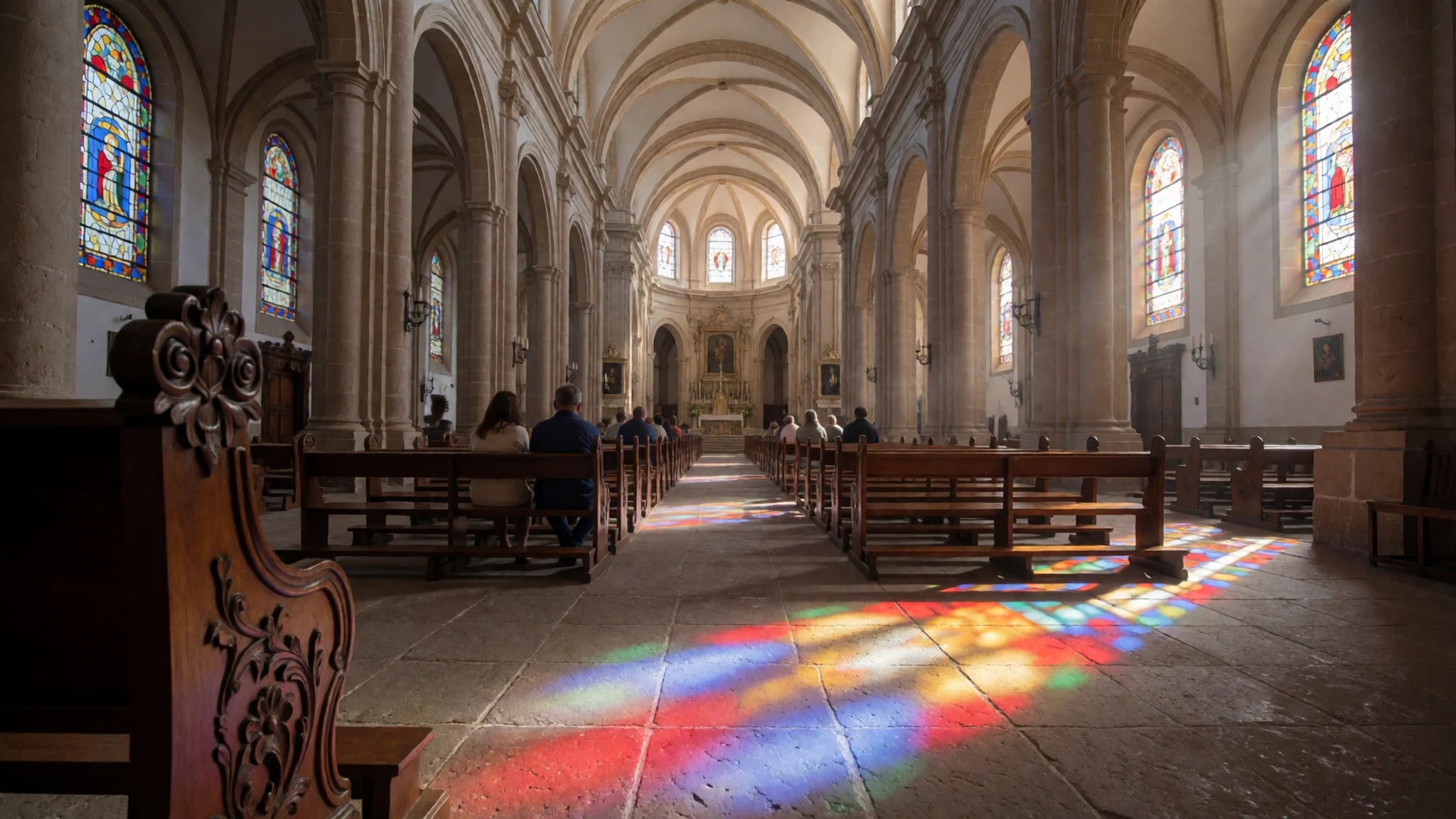
- Church of San Agustín (Iglesia de San Agustín)
The Church of San Agustín is an eclectic-style church linked to the Jesuits, founded in 1672. Its history includes periods of theft and fire damage, so the current structure is partly shaped by recovery and rebuilding. It’s a good stop when exploring on foot around the historic streets, as it adds texture beyond the main cathedral.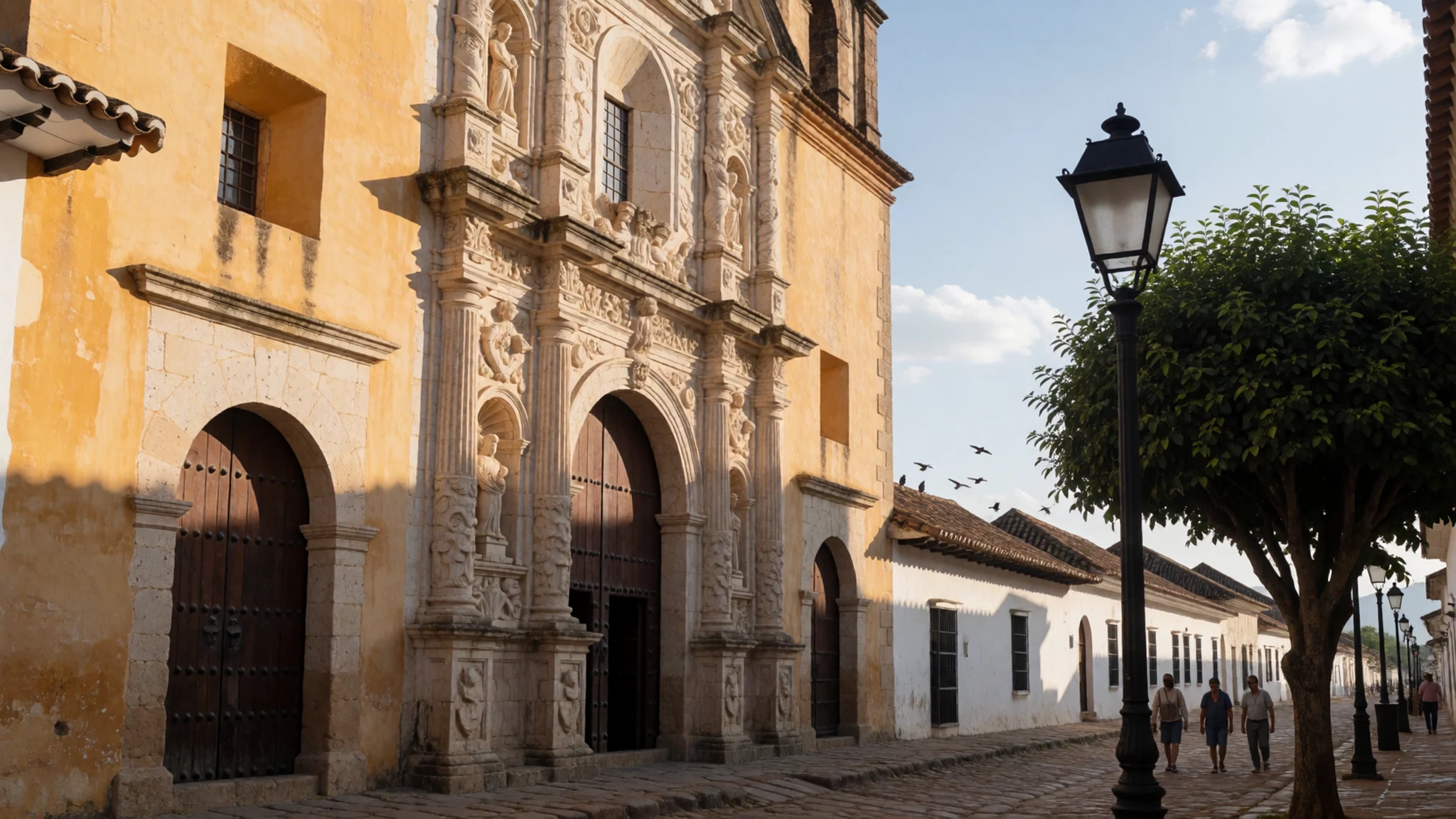
- House of Providence (Casa de la Providencia)
The House of Providence is a neoclassical building built in 1872. Visitors usually come for its preserved details, including stained glass windows and altars. It works well as a contrast point to older churches: while the style reads “later”, the craftsmanship still rewards slow looking, especially if you’re already in the central district.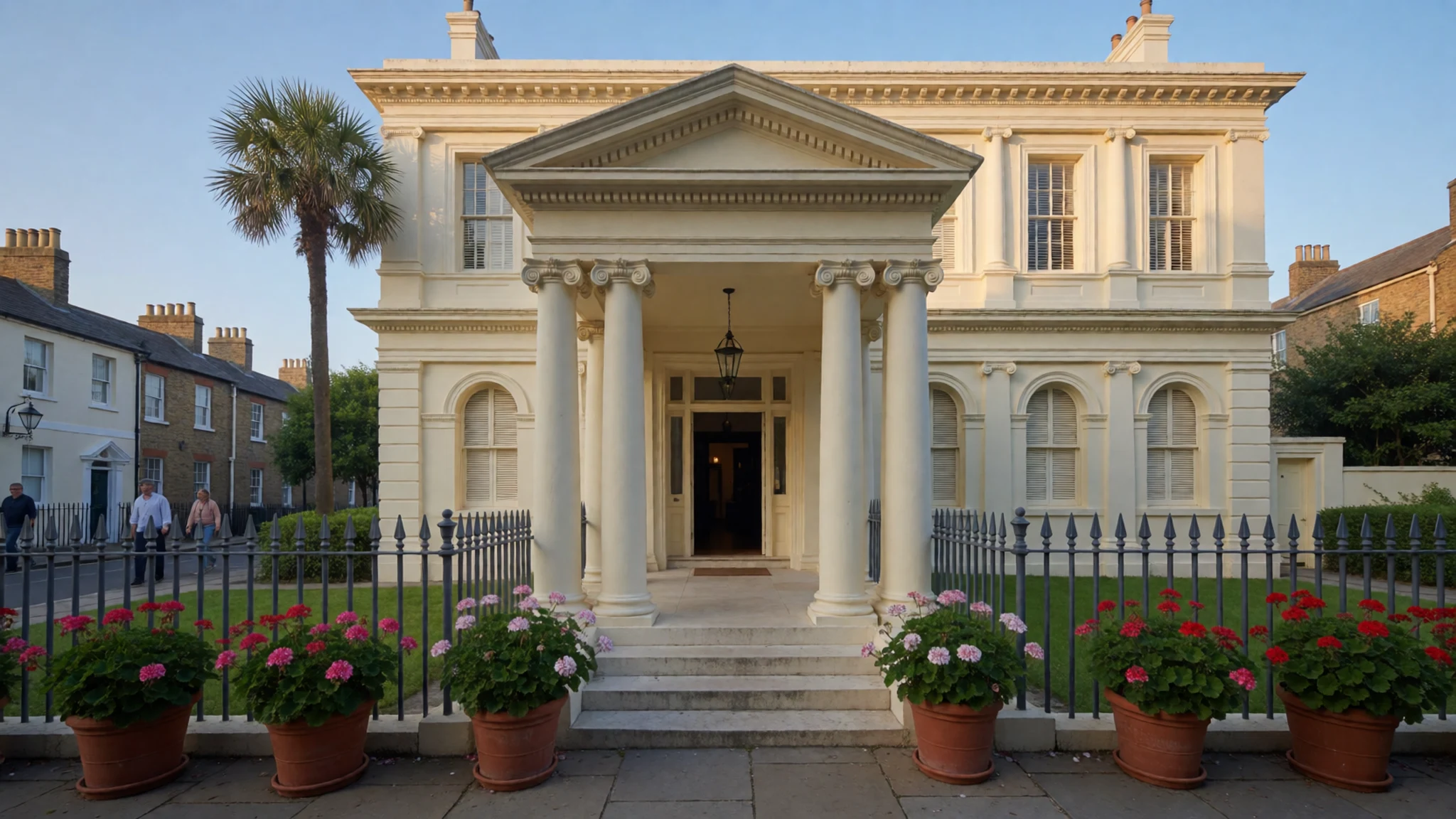
- Archeological Museum (Museo Arqueológico)
The Archeological Museum is geared towards regional pre-Hispanic culture and beyond, with collections grouped into archaeology and ethnography themes. The museum also features a broader number of items, which makes it a useful rainy-day option. Plan it after morning walking so you’re not museum-shopped at the hottest part of the day.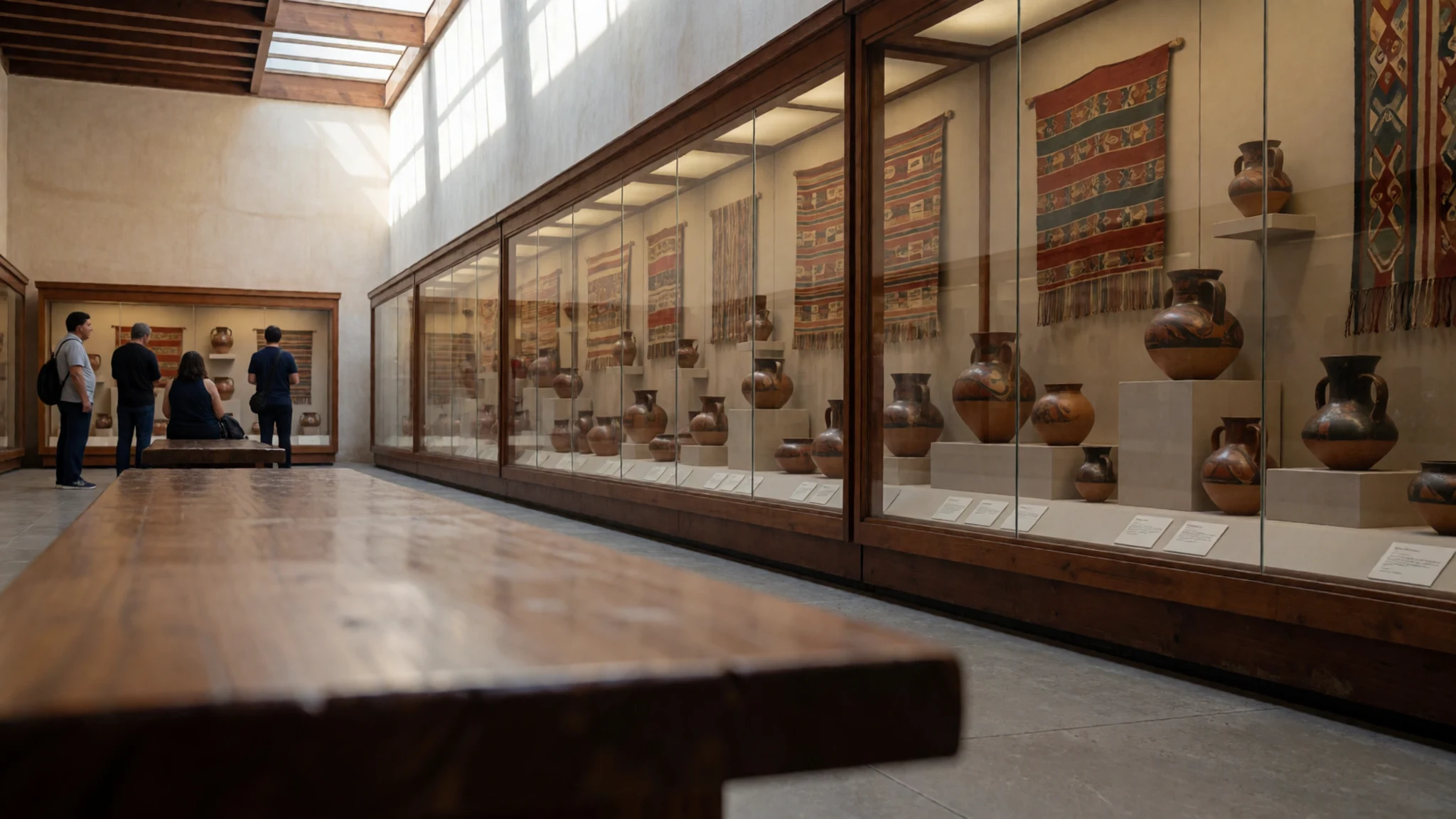
- Monumental Lighthouse (Faro Monumental) — Seafront / coastal viewpoint areas near the centre
The Monumental Lighthouse is a national monument and one of the clearest visual landmarks around the coast. It was built between 1950 and 1951, so it feels modern compared with the heritage churches inland. Pair it with sea air and sunset light—expect more people when the city is busy.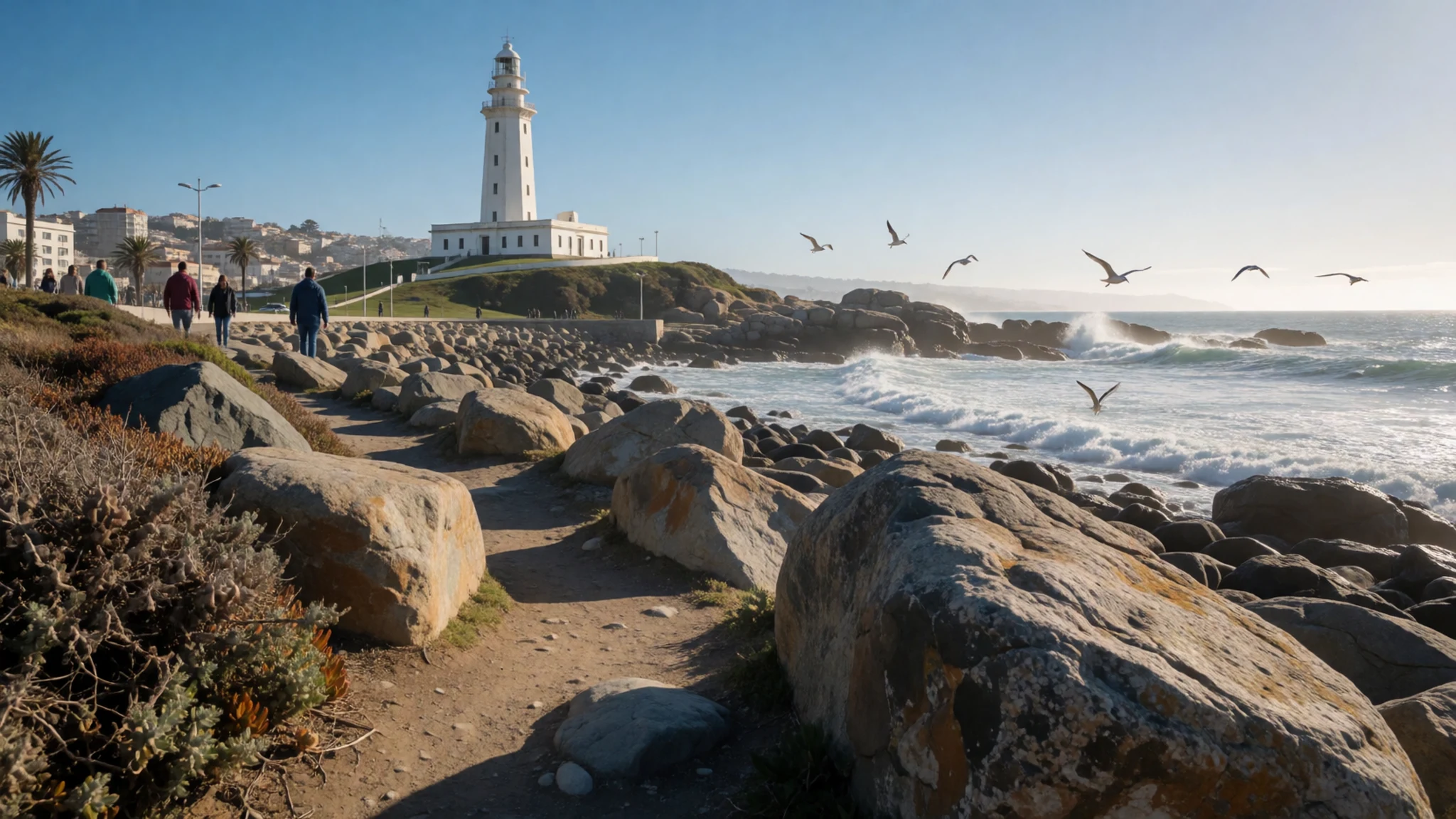
Culture
In La Serena, culture comes through in how the city keeps a hold on its early-planned identity while layering in everyday university and religious life. The cathedral area and surrounding blocks feel like the historic “gravity” of the town: plazas and church-front streets are where events gather, and where you’ll notice people taking time rather than rushing between stops.
Museums are another cultural anchor. If you’re visiting when schools are on holiday, expect busier galleries and more families during the middle of the day. In calmer months, you can move at a slower pace and actually read interpretive panels.
Religious spaces also shape how the city behaves. Inside churches, the atmosphere is quieter than on the street, and photography norms can differ by site and by whether services or events are taking place. The city’s coastal temperament matters too: in summer, the beach crowd brings a more social street energy, while in shoulder seasons the streets feel more balanced.
Visitor etiquette: Dress modestly and keep voices low inside churches, and don’t photograph during services or when staff indicate otherwise.
What to wear
La Serena’s style is straightforward: coastal weather, plenty of sun, and the occasional church visit. There isn’t one single “traditional dress” worn daily, but the region’s culture shows in how people dress for religious sites versus everyday life.
Traditional dress and textiles in northern Chile are often regional and community-specific, and you’ll mainly see them in cultural events rather than on a normal weekday. For visitors, the practical point is not to overthink heritage clothing, but to plan for modesty when entering churches.
What people wear now is a mix of casual summer pieces—light tops, shorts or skirts, comfortable footwear—for walking along avenues and exploring the central streets. During cooler evenings, people tend to add a light layer rather than heavy winter clothes.
What to wear as a visitor: bring breathable clothing for daytime, a light jacket for evenings, and shoes with grip for uneven pavements and slopes around the terraces. If you’re heading into churches, pack something that covers shoulders and knees so you can move through without awkwardness.
What to eat
- Seafood meals and grilled fish — Around the intersection of O’Higgins and Eduardo de la Barra
With La Serena’s coastal setting, seafood-focused plates are common—grilled fish, simple sides and sauces that don’t drown the flavour. Look for them around the central restaurant cluster near O’Higgins and Eduardo de la Barra.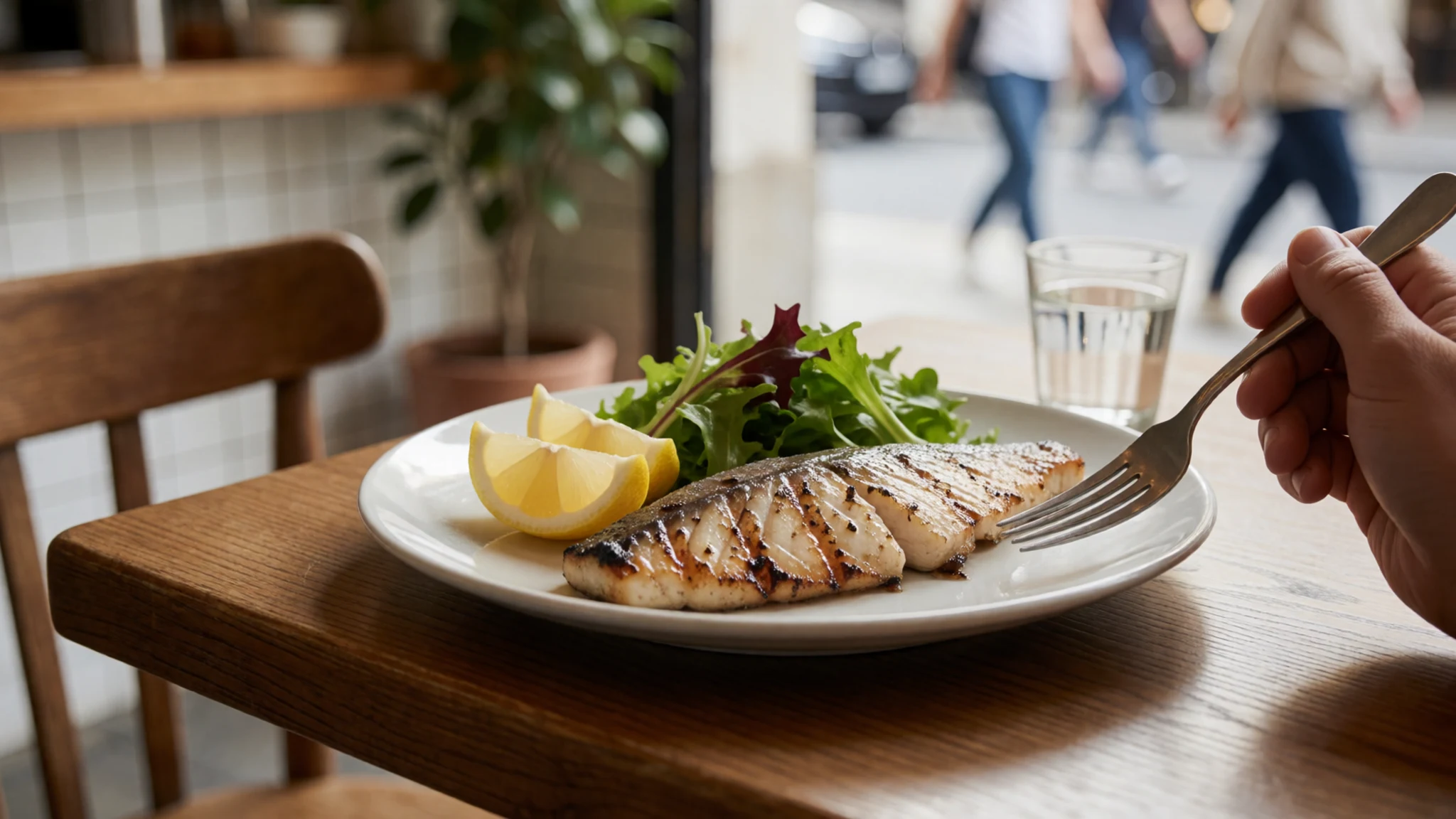
- Set lunches at local dining spots — Central restaurants in the O’Higgins and Eduardo de la Barra area
Many places offer a “menu del día” style set lunch, which is the easiest way to eat without a lot of decision-making. Even when you’re mainly interested in sightseeing, it helps you refuel efficiently near the centre.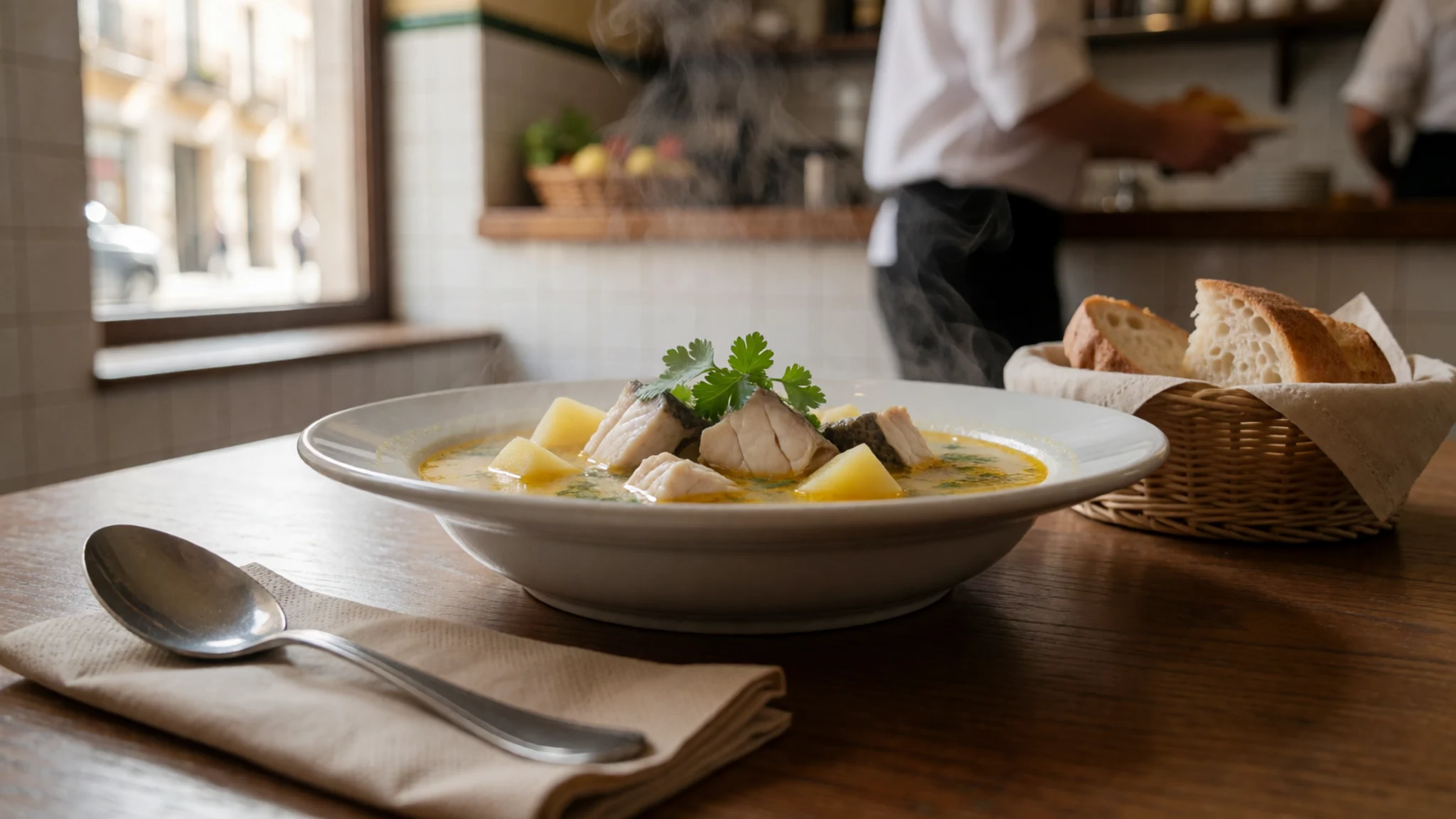
- BBQ meats from coal-hot plates — Central eateries near the main restaurant cluster
If you see places advertising BBQ style dining, go for the grilled meats and sides. The experience is as much about the heat and smoke as the food, which suits warm evenings when you want something hearty. - Regional vegetarian meals at Indian-style eateries — Restaurant strips around the main central intersection area
You can also find vegetarian options tied to plant-forward cooking, including curries and lighter sides. It’s a good counterbalance if seafood has dominated, and it’s usually easy to fit into an afternoon museum-and-walk day. - Quick bites and fast food-style options — The central streets around O’Higgins and Eduardo de la Barra
La Serena has plenty of quick stops for snacks and casual meals, especially near the busy central crossroads. These are handy when you’re moving between museums, churches and short coastal walks.
Plan it
Best time. March–April and October–November tend to be the most comfortable sightseeing months; summer brings peak beach crowds.
How long. 3–4
Getting there. Buses leave Santiago for La Serena frequently, with departures roughly every hour, and the journey takes around 7 to 8 hours. By plane, you can fly into La Serena via Santiago with direct flights; the city centre is where most accommodation concentrates.
Budget. mid
Tips
- Arrive early for the cathedral and museum areas to avoid the busiest summer footfall.
- Use the central blocks as your base for walking days, then add a coastal viewpoint in the late afternoon.
- If travelling by bus, expect longer days and plan meals around the trip timing.
- Carry water and sun protection for beach time; coastal sun can be relentless in summer.
Etiquette
- Keep voices low and dress modestly when entering churches.
- Be mindful with photography inside religious buildings—avoid blocking entrances or services.
- If you’re visiting during peak festival or summer periods, queue patiently around popular sights.
Nearby
Sources
- Wikidata Q14467 (CC0)
- Wikipedia (La Serena, Chile) (CC BY-SA 4.0)
- Wikivoyage (La Serena) (CC BY-SA 4.0)
- Photo: Montage de La Serena (CC BY-SA 4.0)
