Chillán
Chillán, Chile
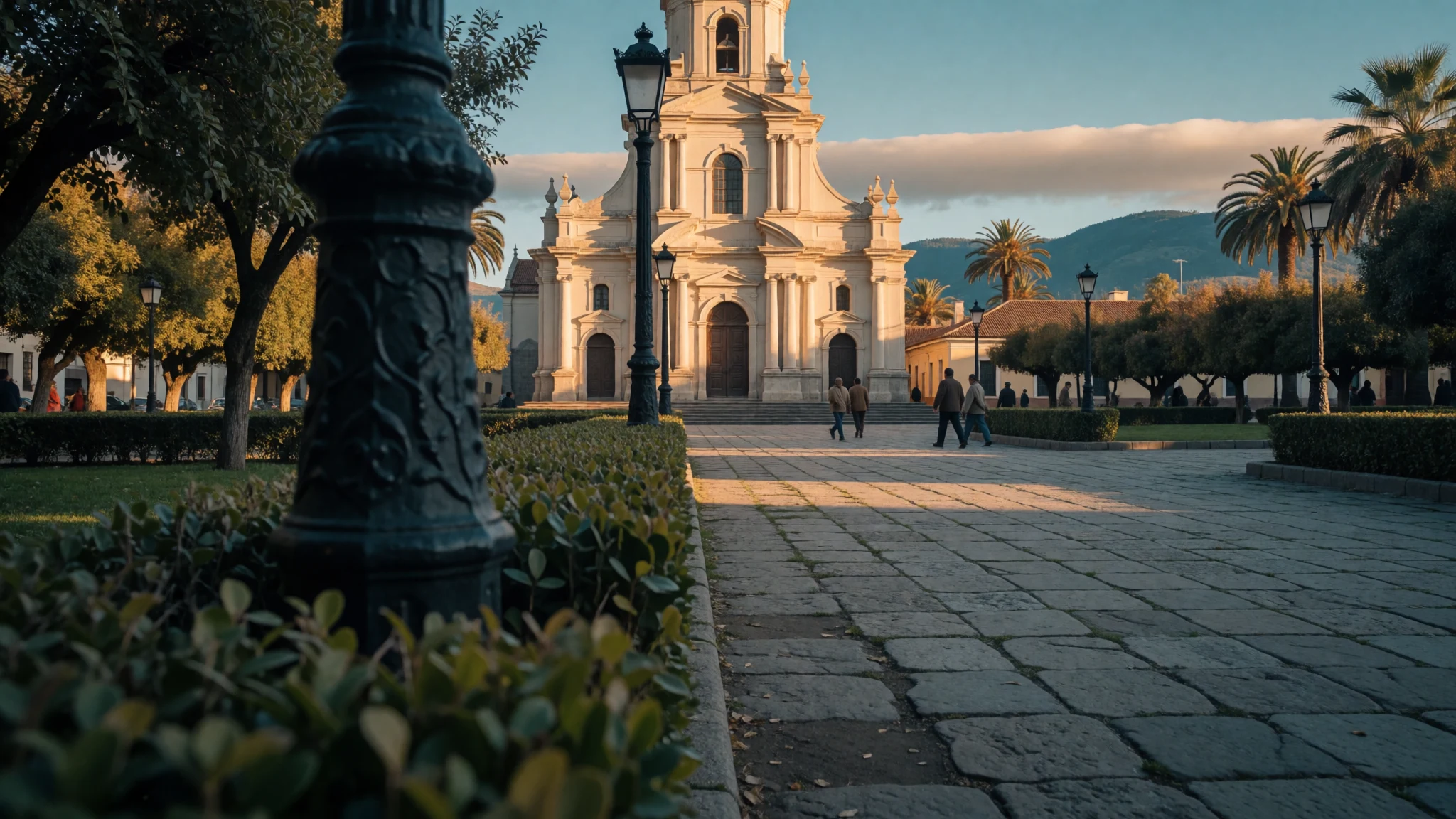
Chillán is a working market city in central Chile, where a sprawling open-air fair, rebuilt churches and nearby hot springs make a good base.
The place
Chillán is the capital of Chile's Ñuble Region, standing in the central valley at about 124 m above sea level, a few hours' journey south of Santiago. The city has about 190,000 residents and works mainly as a hub for the farming districts around it: the railway station, the intercity bus terminal and the highway all bring produce and people in. It is not a polished tourist town, and that is much of its appeal. Daily life is the attraction. The Chillán Market, a sprawl of open-air stalls running over several blocks, sells fruit, vegetables, crafts and clothes, and it stands alongside a modern enclosed shopping centre that handles more routine errands. The streets are low-rise and mostly gridded, with churches and civic buildings that largely date from the rebuilding after the 1939 earthquake. East of the city the Andes rise quickly. The Nevados de Chillán, the 'snowy peaks', draw skiers in winter and walkers and hot-spring bathers in warmer months, and Laguna del Laja National Park lies further on. One honest caveat concerns the air. In cold months many households heat with wood, and smoke can settle over the city on still evenings, which puts Chillán among the more polluted places in Chile for air quality. Summers are dry and warm; winters are wet and cool. The city suits travellers who want a regional base for the mountains, a proper market morning and a sense of provincial Chile without the crowds of the capital.
Its story
Chillán was founded in 1580 by the Spanish captain Martín Ruiz de Gamboa, at the site now called Chillán Viejo, and first carried the name San Bartolomé de Chillán. The shorter name won out. One account links it to a local word for the grey fox; another reads it as 'where the sun is sitting'. The land had earlier been home to the Chiquillanes, and the settlement spent its early decades under pressure from Mapuche and Pehuenche resistance to Spanish rule. During the Mapuche uprising of 1655 the town was besieged, and the settlers eventually abandoned it and fled north. Over time it recovered as a market and farming centre, with goods crossing the mountain passes from Patagonia and the Argentine pampas. The countryside suffered again in the wars of independence and the banditry that followed. Chillán also gave Chile its founding father: Bernardo O'Higgins was born here in 1778, and he declared independence in 1817 after the victory at Chacabuco. The city lies in earthquake country, and the great disaster came in 1939, when a quake killed more than 30,000 people and drew international aid. Rebuilding changed the town's face, and much of what visitors see today, from the cathedral to the civic murals, belongs to that recovery.
What to see
- St Bartholomew Cathedral — Central Chillán
The cathedral is Chillán's symbol, a modern concrete landmark raised after the 1939 earthquake rather than a colonial relic. It was declared a National Monument in 2014. Its bold shape stands out against the low skyline, and the surrounding central plaza makes an easy starting point for a walking day.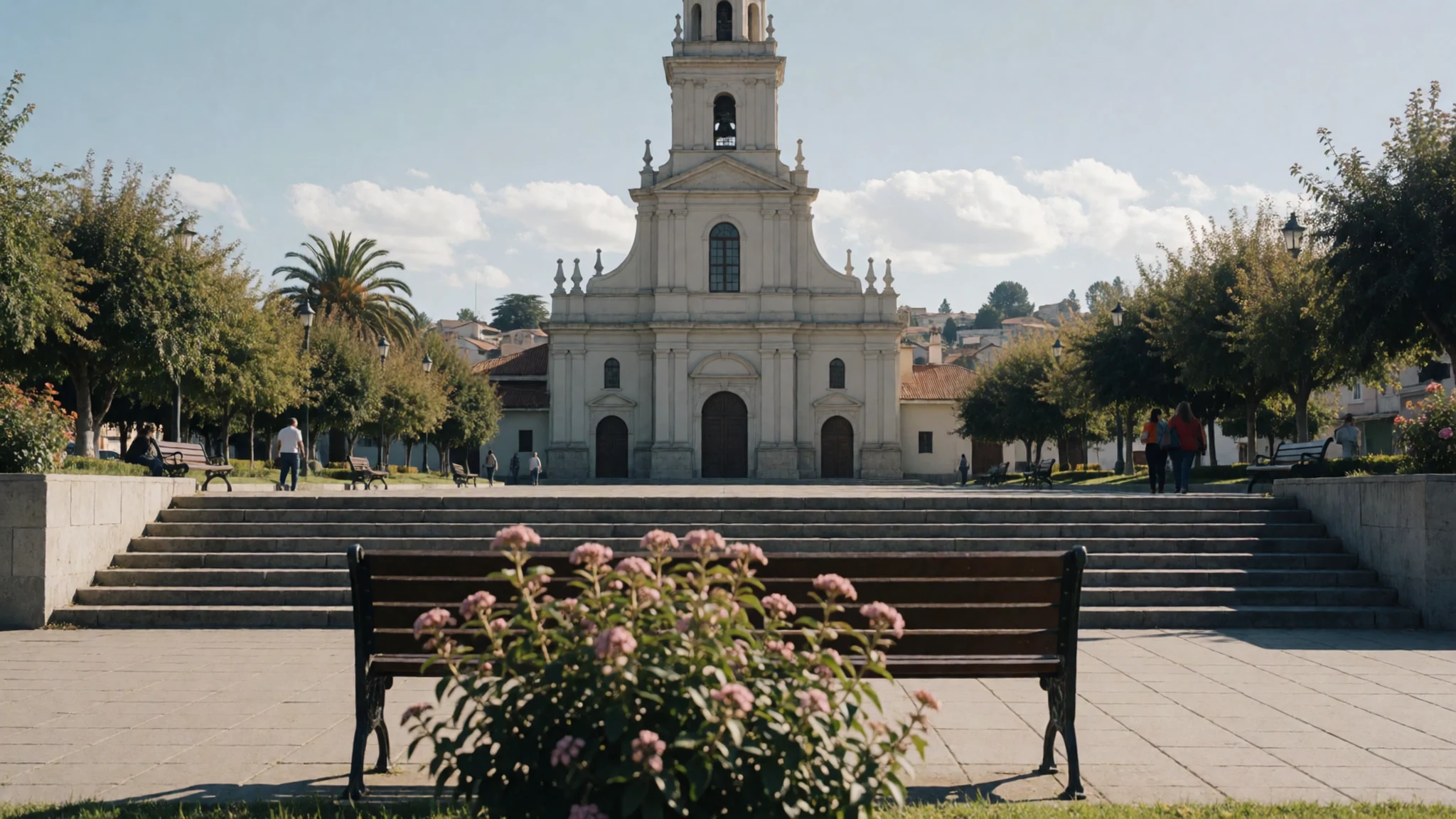
- Iglesia de la Virgen del Carmen — Central Chillán
Construction of this church began in 1910, and it came through the 1939 earthquake, which is rare among the city's older buildings. It is a National Monument of Chile and was restored in 2017. Visit for the architecture and as a reminder of what pre-quake Chillán looked like.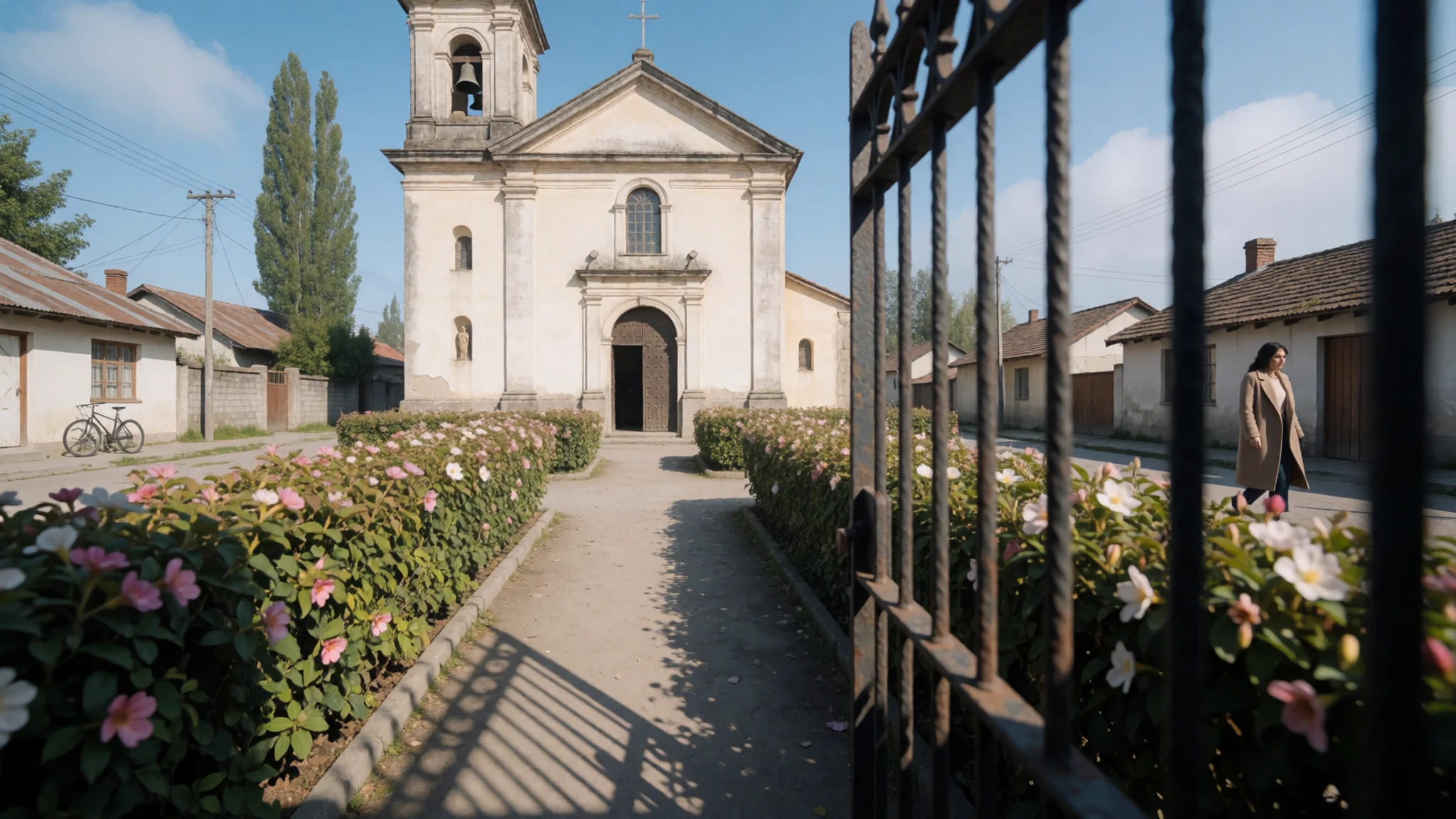
- Escuela México murals — Southeast Chillán
After the earthquake, Mexico sent muralists to Chillán, and the school building that carries the country's name holds their work. The library upstairs has David Alfaro Siqueiros's mural Death to the Invader. Xavier Guerrero also painted here. Check opening arrangements locally, as access to school buildings varies.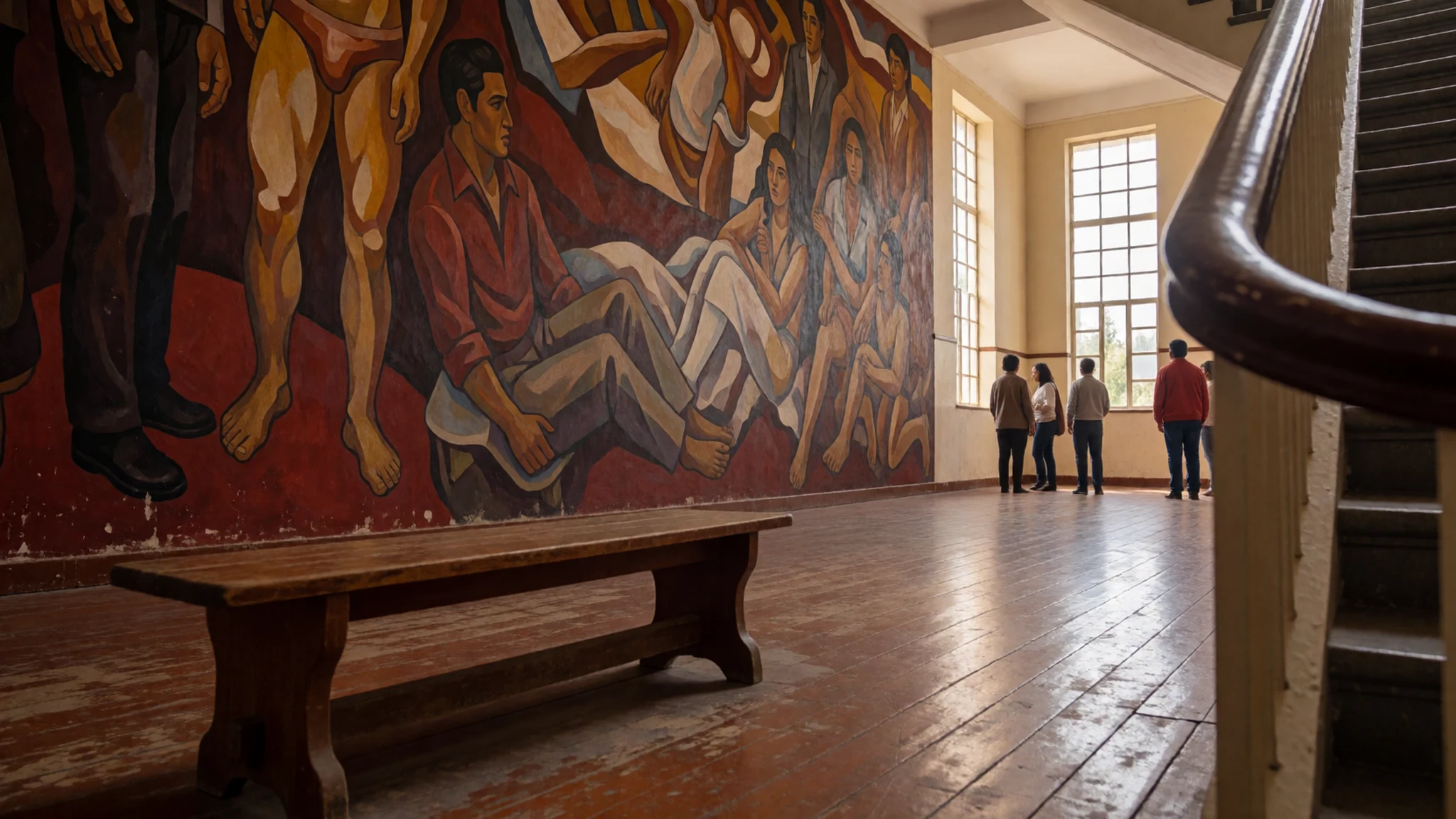
- Teatro Municipal — Central Chillán
The Teatro Municipal is Chillán's civic theatre, a public building in the city centre that hosts concerts, plays and local events. Check the programme on the municipal website before travelling, because performances are irregular. Even without a ticket, the façade is worth a look as part of a walk through the central streets.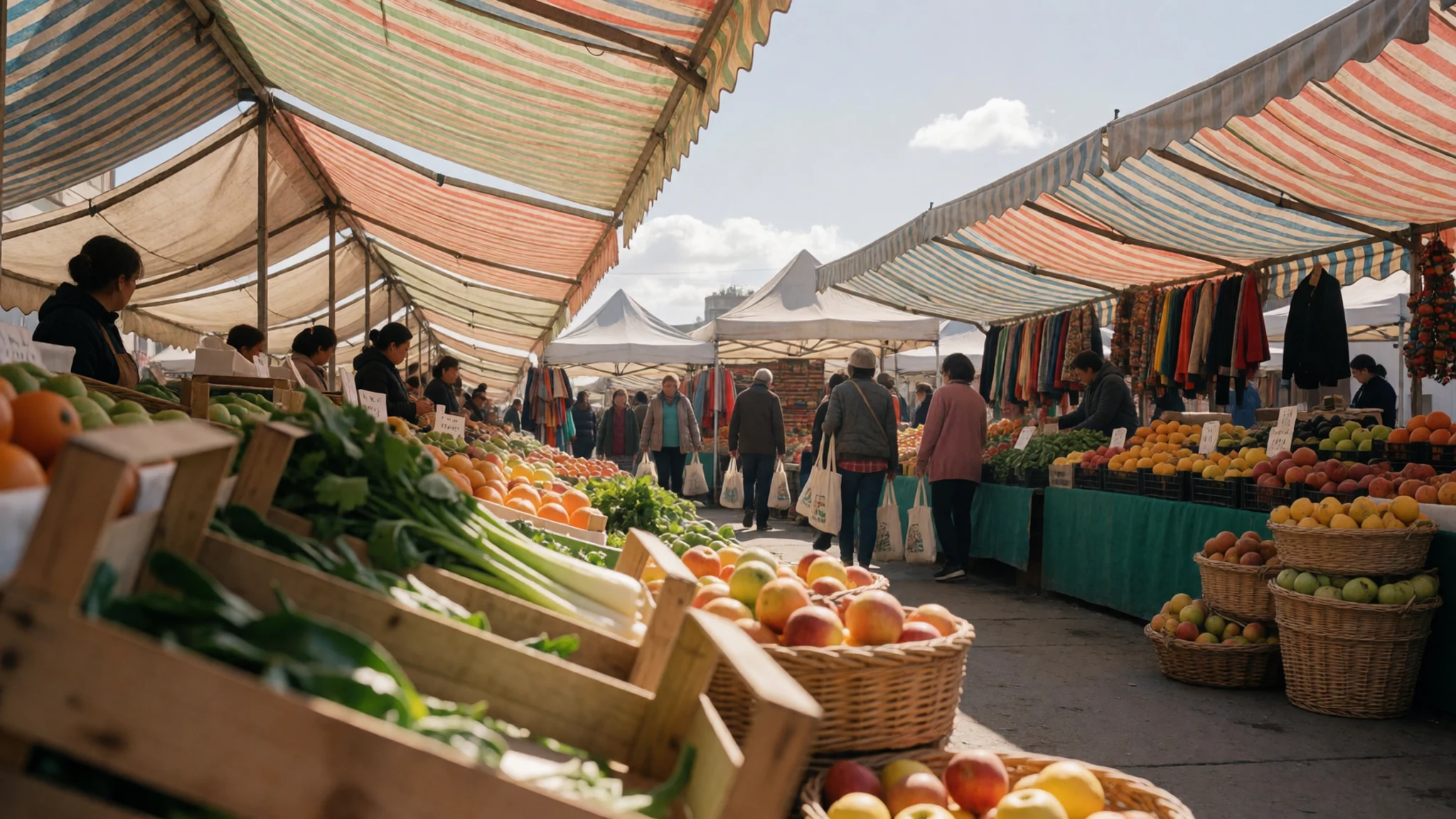
- Chillán Market — Central Chillán
The market is the heart of the city: an open-air farmers' market and street fair spread over several blocks. Fruit and vegetables dominate, with crafts, clothing and household goods mixed in. Go in the morning when stalls are busiest, and wander slowly, since the real sights are the people shopping and trading.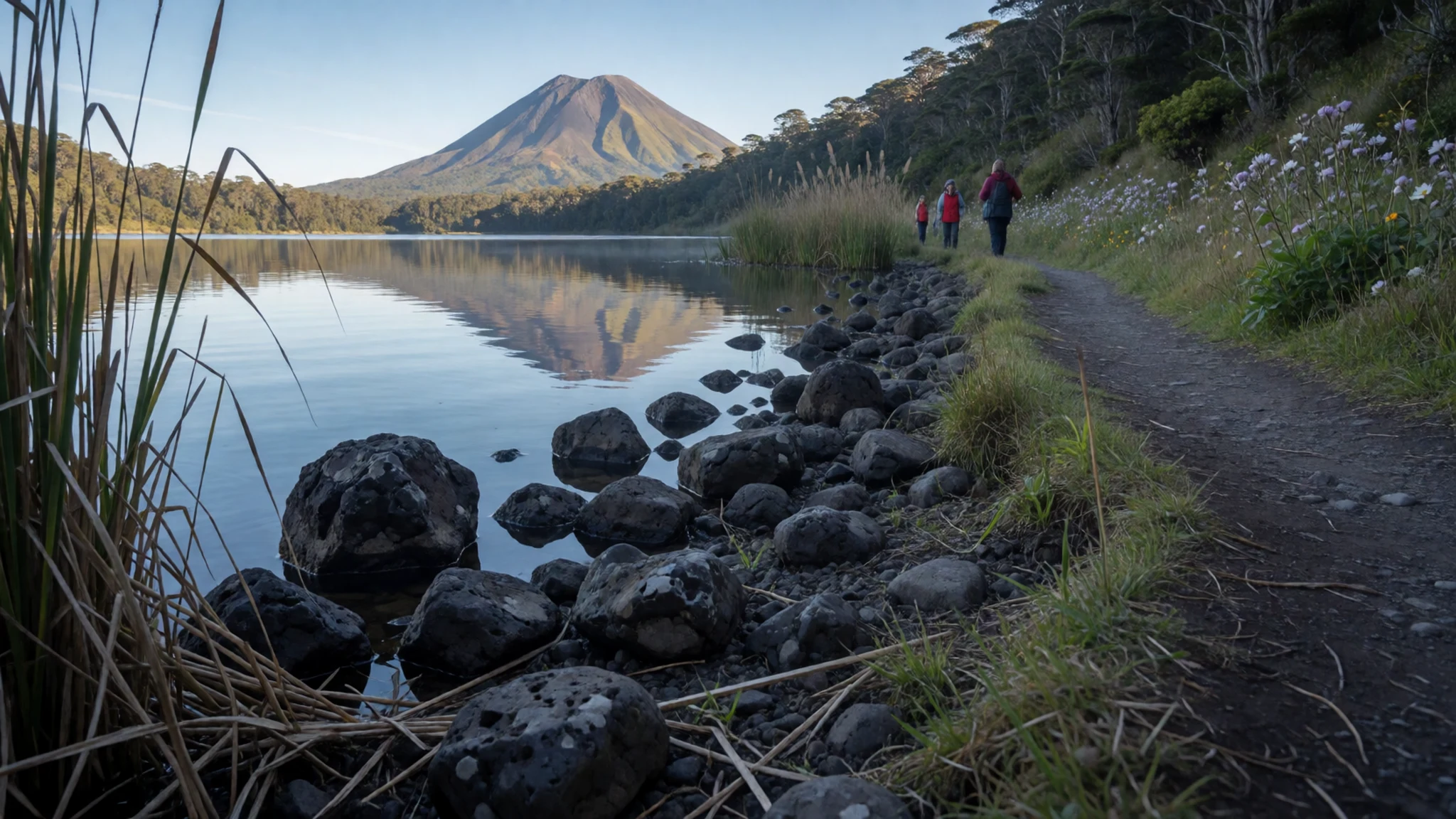
Culture
Chillán's culture is rural, practical and proud of its own people. This is a farming capital, and the rhythm of the year follows harvests, markets and country festivals more than museum seasons. The city also has a strong sense of national memory, because Bernardo O'Higgins was born here, and his name is on streets, plazas and school walls. The 1939 earthquake sits just as deep in local identity. Rebuilding drew international help, and the Mexican murals in the school are a lasting thank-you that residents still talk about. Religion shows in the churches that survived or were rebuilt, and in processions and devotions to the Virgin. Spanish is the working language, and a few polite phrases go a long way; people tend to be courteous and a little formal in shops and offices, with greetings expected before any request. Music and folk dance are part of local life, especially around national holidays in September, when flags, barbecues and traditional dress appear in the streets and parks. Conversations about the earthquake, politics or the region's history are welcomed if approached with curiosity rather than judgement. Winter evenings are quiet, with families indoors around wood stoves. Greet shopkeepers and stallholders with a friendly 'buenos días' before asking a price, and ask permission before photographing people at the market.
What to wear
Chillán's traditional dress belongs to the Chilean countryside, and the figure most associated with it is the huaso, the mounted farmhand of the central valley. The classic outfit includes a woven wool chamanto, a short poncho-like cape often worn at rodeos, a straw hat called a chupalla, a short jacket, boots and spurs. Women's festival dress features full, bright skirts with embroidered or ruffled detail. These costumes appear mainly during national holidays in September, at rodeos and at folk events, and local craft stalls sell woollen goods in similar styles. In daily life people dress simply and practically: jeans, jackets and sturdy shoes, with a smarter look for church, offices and the theatre. In winter, quilted coats, scarves and wool hats are common, as the season is wet and cool. A visitor should pack by season. In summer, light cotton clothing, sun protection and a hat suit dry, warm days, while evenings can cool. For winter, bring waterproofs, a warm layer and shoes with grip for wet pavements. Mountain trips need hiking boots and layers, and ski or snow gear can be hired near the slopes. Churches do not demand strict dress, but covered shoulders and modest shorts are polite. Comfortable walking shoes matter most, because the market involves hours on uneven pavements.
What to eat
- Longaniza — Chillán Market and local grills
Longaniza is a spiced pork sausage, and Chillán has long been known for its version. It is usually grilled and served with bread, potatoes or a simple salad. Look for it in butchers' counters and grill-style eateries around the central market area.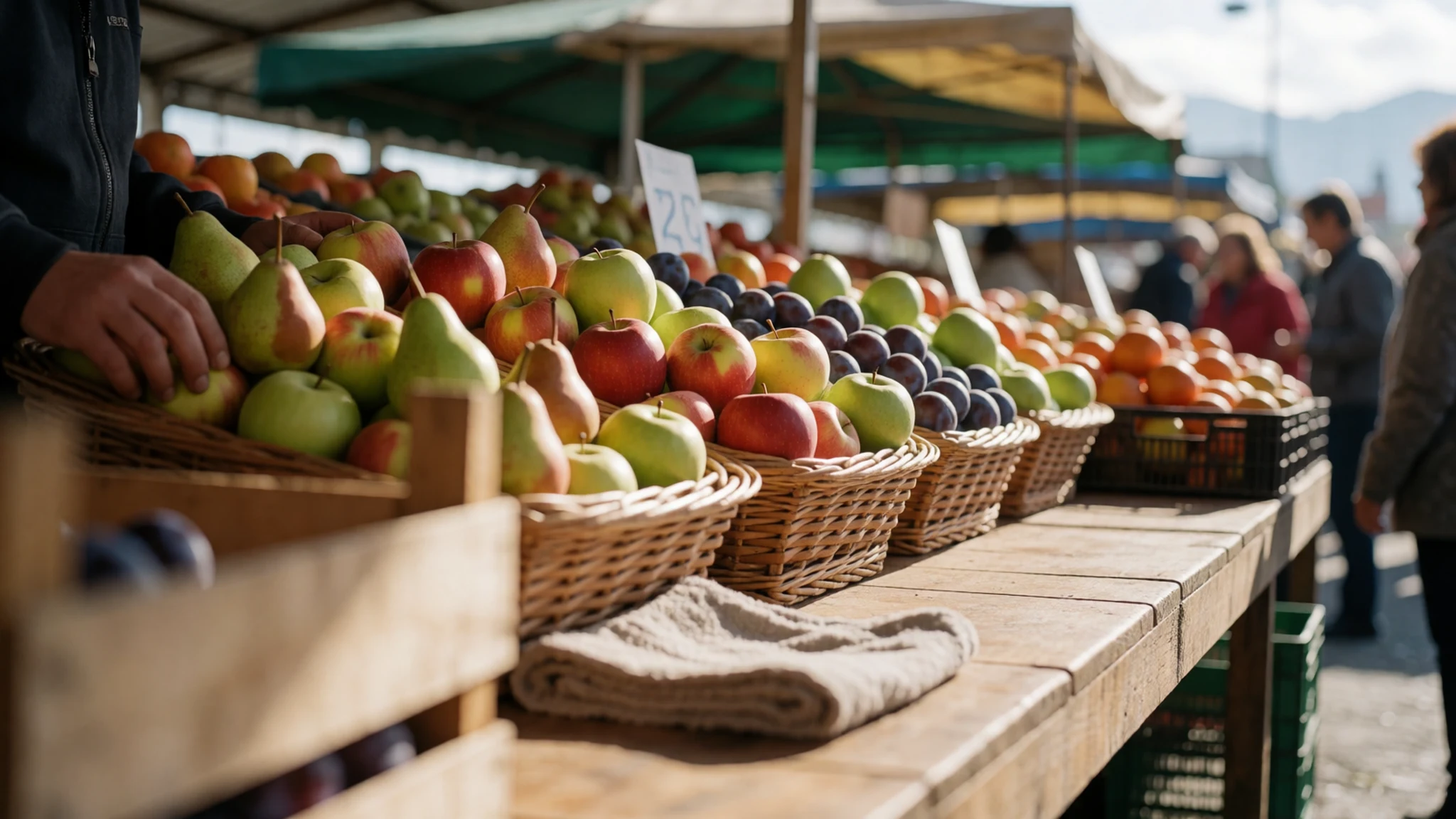
- Cazuela — Family-run eateries near the market
Cazuela is a country soup of broth with a piece of meat or chicken, potato, pumpkin, corn on the cob and rice or noodles. It is a comforting meal on wet winter days. Try it in the simple, family-run eateries near the market.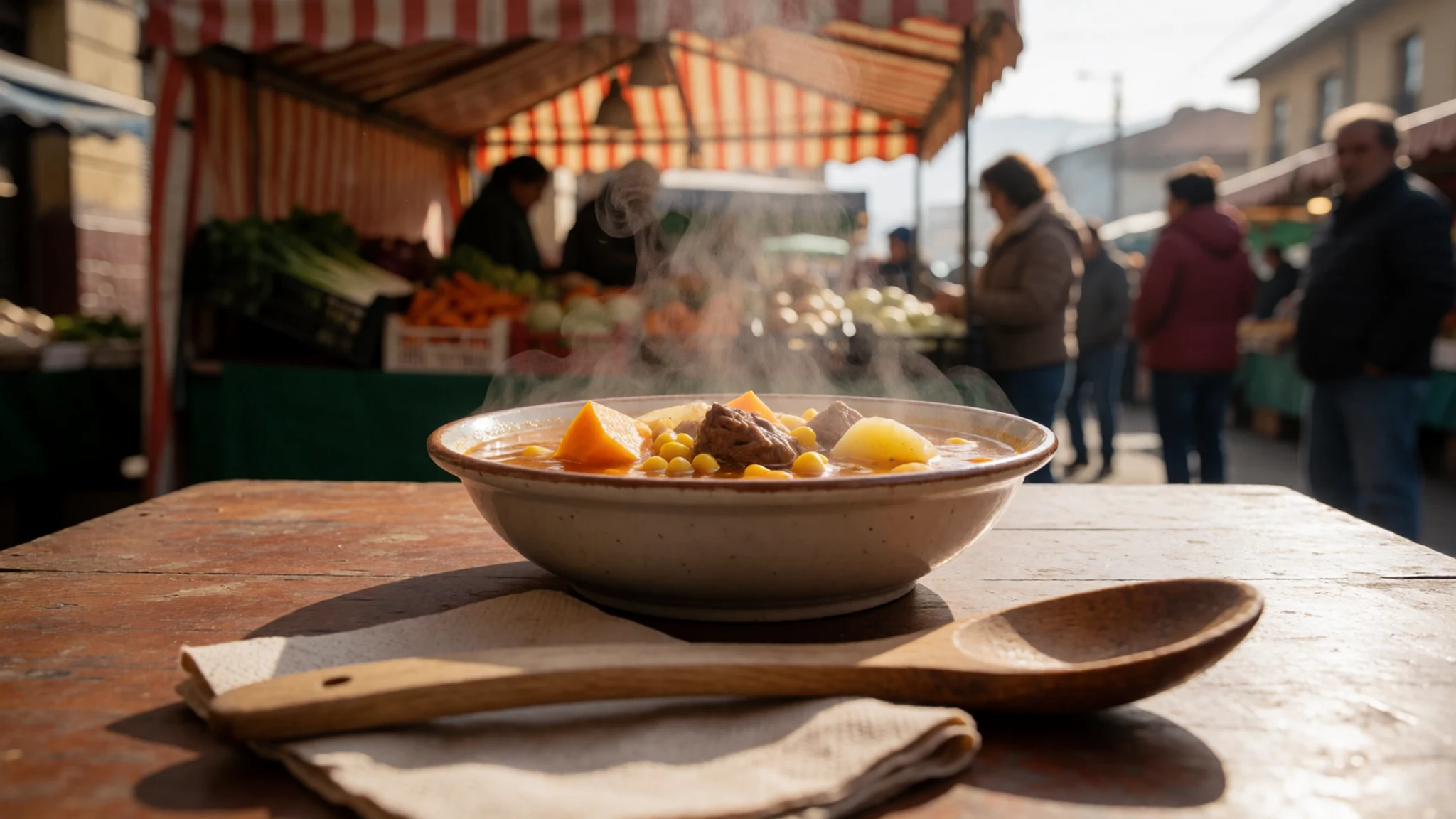
- Empanadas — Bakeries and market stalls
Chilean empanadas are baked or fried pastry parcels, and the classic filling, pino, mixes minced beef, onion, egg and olive. Cheese versions are common too. They make a quick, cheap snack, sold from bakeries and market stalls across the city. - Fresh fruit and vegetables — Chillán Market
Chillán sits in farming country, and the market's fruit and vegetable stalls show it. Seasonal produce is stacked high, from summer berries and stone fruit to autumn squash. Buy something to eat as you walk, and chat with the sellers about what is best that week. - Pastel de choclo — Traditional Chilean restaurants
Pastel de choclo is a baked dish topped with a sweetened corn paste, over a base of seasoned minced beef or chicken, onion, egg and olive. It is a summer favourite, when fresh corn is in season. Look for it in traditional Chilean restaurants.
Plan it
Best time. November to March, when summers are dry and warm and rain is rare, which suits the market, walking and mountain trips. Winters, especially May to July, are cool and wet, though that is the season for skiing and hot springs in the Nevados de Chillán.
How long. 2–3
Getting there. Fly to Santiago, then take the daily train south or a long-distance bus to Chillán; the city is also linked to Santiago by a modern highway. Within town, central sights are walkable, and taxis or local transport cover the rest.
Budget. low
Tips
- Visit the market in the morning, when it is liveliest
- Book mountain and ski transport in advance in winter, and check road conditions
- Carry some cash for market stalls, though shops and restaurants accept cards
- Bring layers: mountain weather changes quickly and evenings cool
- Check the official municipal website for events, theatre programmes and opening arrangements
Etiquette
- Greet people before asking for something in shops and at stalls
- Ask permission before photographing individuals at the market
- Dress modestly and keep quiet inside churches
Nearby
Sources
- Wikidata Q3774 (CC0)
- Wikipedia: Chillán (rev 1379922260) (CC BY-SA 4.0)
- Wikivoyage: Chillán (rev 5417001) (CC BY-SA 4.0)
- Photo: Ciudad de Chillán (GatoOH) (CC BY 3.0)
- Photo: Collage Chillán (Ceteeme) (CC BY-SA 4.0)
- Photo: Claudio Arrau (Allan Warren) (CC BY-SA 1.0)
- Photo: Catedral de Chillán (Cuidro) (CC BY-SA 4.0)
- Photo: Mall Arauco Chillán 2021 (José Joaquín Cortes) (CC BY-SA 4.0)
- Photo: Municipalidad de Chillán (Cuidro) (CC BY-SA 4.0)
- Photo: Teatro Municipal de Chillán (Cuidro) (CC BY-SA 4.0)
- Photo: Bomberos Chillán 2021 (José Joaquín Cortes) (CC BY-SA 4.0)


