Iquique
Iquique, Chile
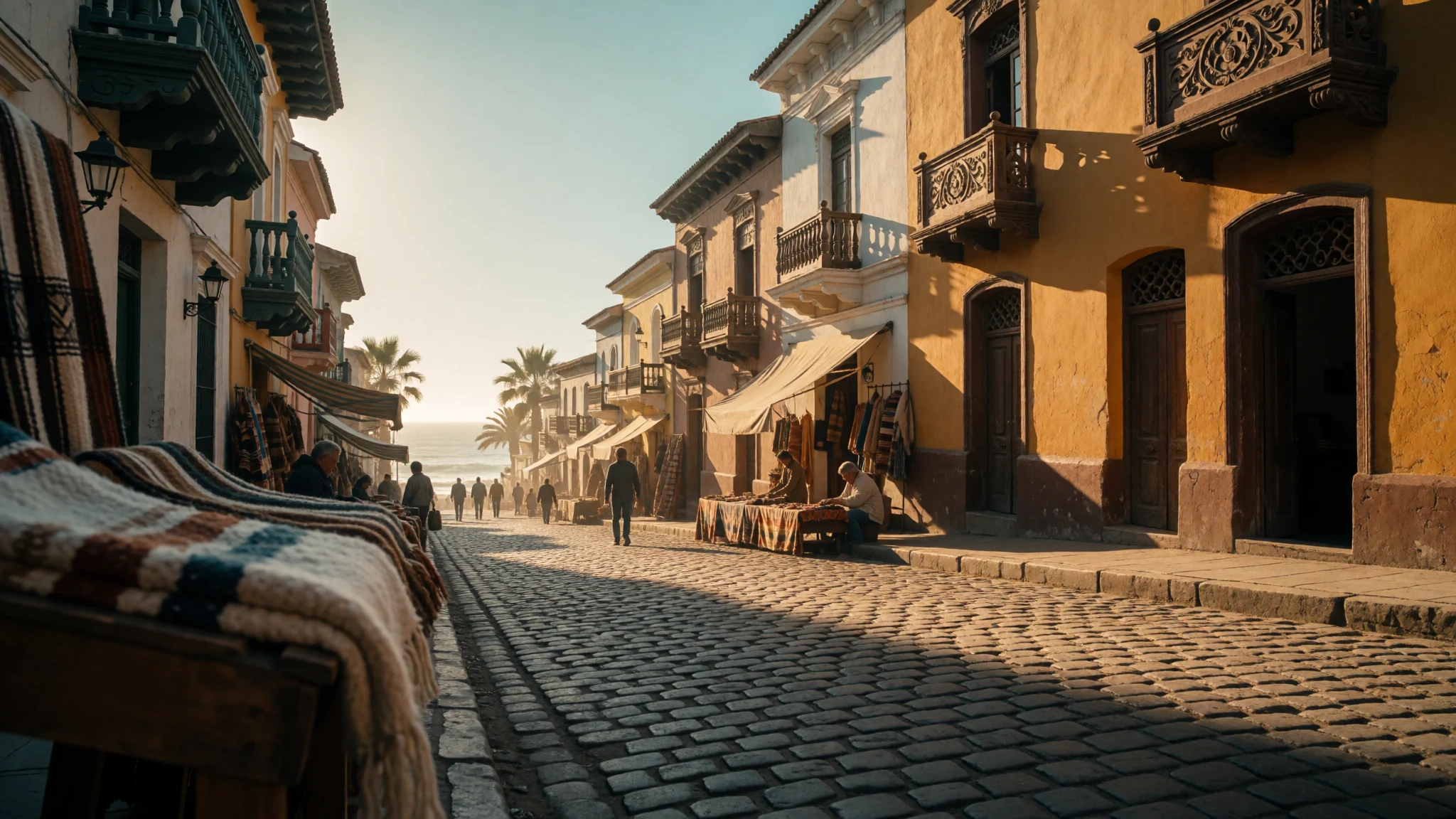
Iquique pairs Pacific beaches and a faded saltpetre-boom old town with the Atacama desert, a ghost town and a giant hill figure within easy reach.
The place
Iquique is a port city in northern Chile, capital of its province and of the Tarapacá Region. It has about 188,000 residents according to the facts block, and it sits almost at sea level, a narrow strip of streets between the Pacific and a steep, bare desert escarpment. Behind that wall of sand lies the Pampa del Tamarugal, part of the Atacama.
The name is usually traced to Aymara, with a meaning along the lines of 'land of dreams'. The dreams were mostly of money. The city grew on the back of saltpetre, the nitrate mined inland and shipped out through its harbour, and the grand timber houses of the old centre were built by merchants who got rich on it.
Today Iquique earns its living differently. It is one of Chile's two free ports, and its duty-free trade zone draws shoppers and traders from across the region. Copper mining, fishing and tourism fill in the rest. Visitors come for surf, paragliding off the dunes, and a long city beach, then drive inland for the desert.
The climate is the surprise. This is a desert city, with almost no rain and some years with none at all, yet the sea keeps temperatures mild and cloud often hangs over the coast. It is warm rather than scorching, and evenings can be cool.
The feel is that of a working port with a holiday streak: container cranes on one side, beachfront apartment blocks on the other, and in between a small, walkable historic quarter. It is not polished, and the contrasts are the appeal.
Its story
People lived on this coast long before any town existed. Archaeological evidence points to the Chango, fishing people, settling here thousands of years ago. The Spanish later founded a settlement, and for the colonial centuries the area belonged to the Viceroyalty of Peru, staying under Peruvian rule until the late nineteenth century.
What changed everything was mineral wealth: guano first, then sodium nitrate dug from the desert. Charles Darwin called in during the Beagle voyage and found a town short of basics such as water and firewood, which had to be hauled in from far away. He also visited a saltpetre works. Within a few decades the place had been transformed by the nitrate trade, drawing workers from elsewhere in Chile and entrepreneurs from Europe.
Border disputes with Bolivia led to the War of the Pacific, and a naval clash in Iquique's harbour on 21 May is now commemorated as Navy Day, a Chilean public holiday. The war ended with Chile taking this region from Peru.
The boom had a dark side. Early in the twentieth century, thousands of striking nitrate miners and their families gathered at the Santa María school in the city. The army opened fire on them. The massacre remains a powerful symbol of labour struggle in Chile and is remembered in songs and memorials.
Earthquakes are the other thread. The city has been shaken repeatedly, with notable quakes in the late nineteenth century and again in 2005 and 2014, the last a magnitude 8.2 event. The synthetic nitrate industry eventually undercut the mines, but the port adapted and carried on.
What to see
- Baquedano Street — Historic centre
A cobbled pedestrian street in the old centre, lined with nineteenth-century buildings in Georgian and Victorian styles adapted to the coast. Wooden façades, balconies and a heritage tram line make it a pleasant slow walk. Cafés and craft stalls fill it in the evenings.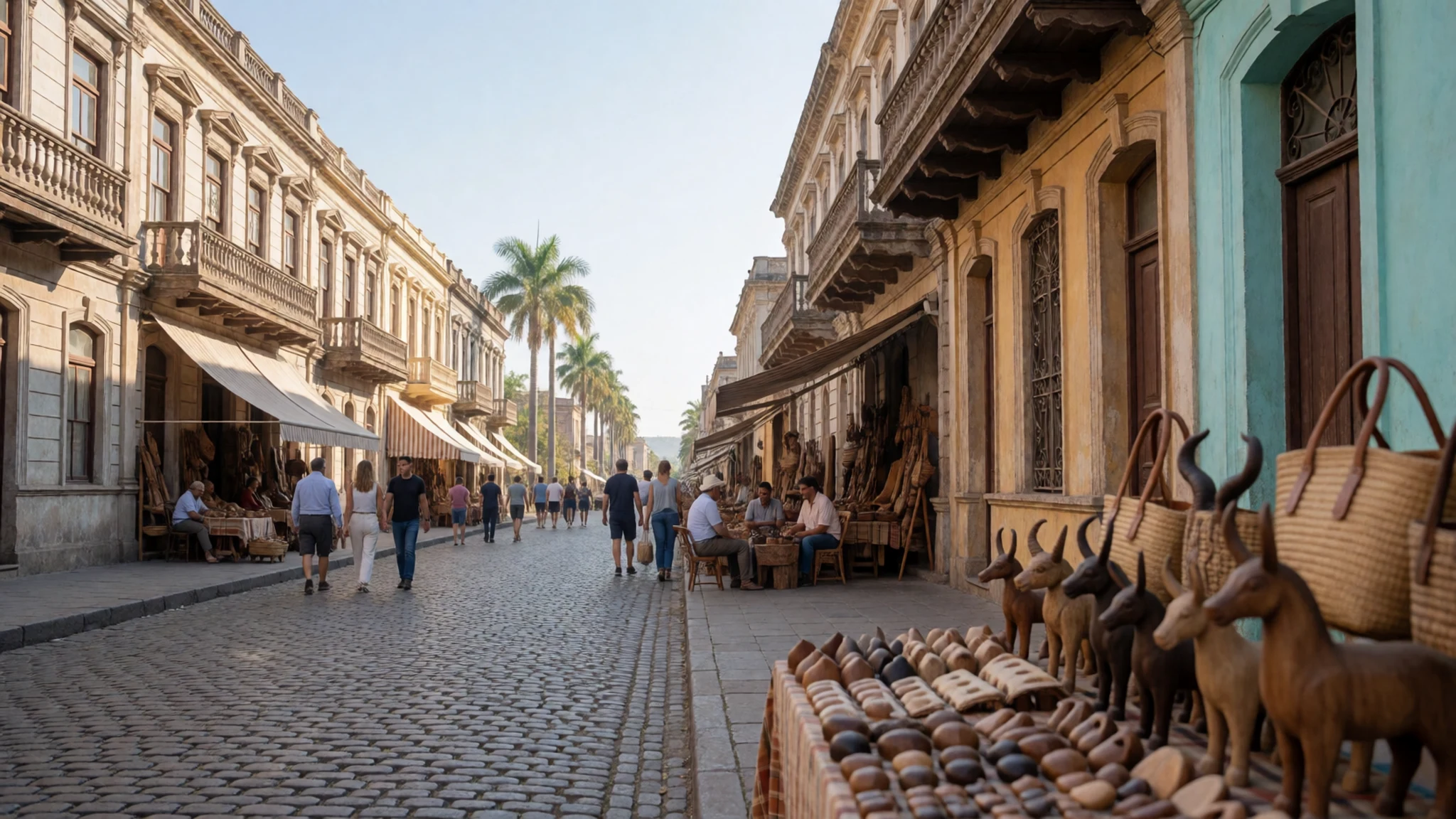
- Plaza Prat and the Teatro Municipal — Historic centre
The main square, ringed by saltpetre-era buildings, is where the city's old wealth shows most. The municipal theatre faces it, and the clock tower and bandstand add to the period feel. It is a good place to sit and watch local life.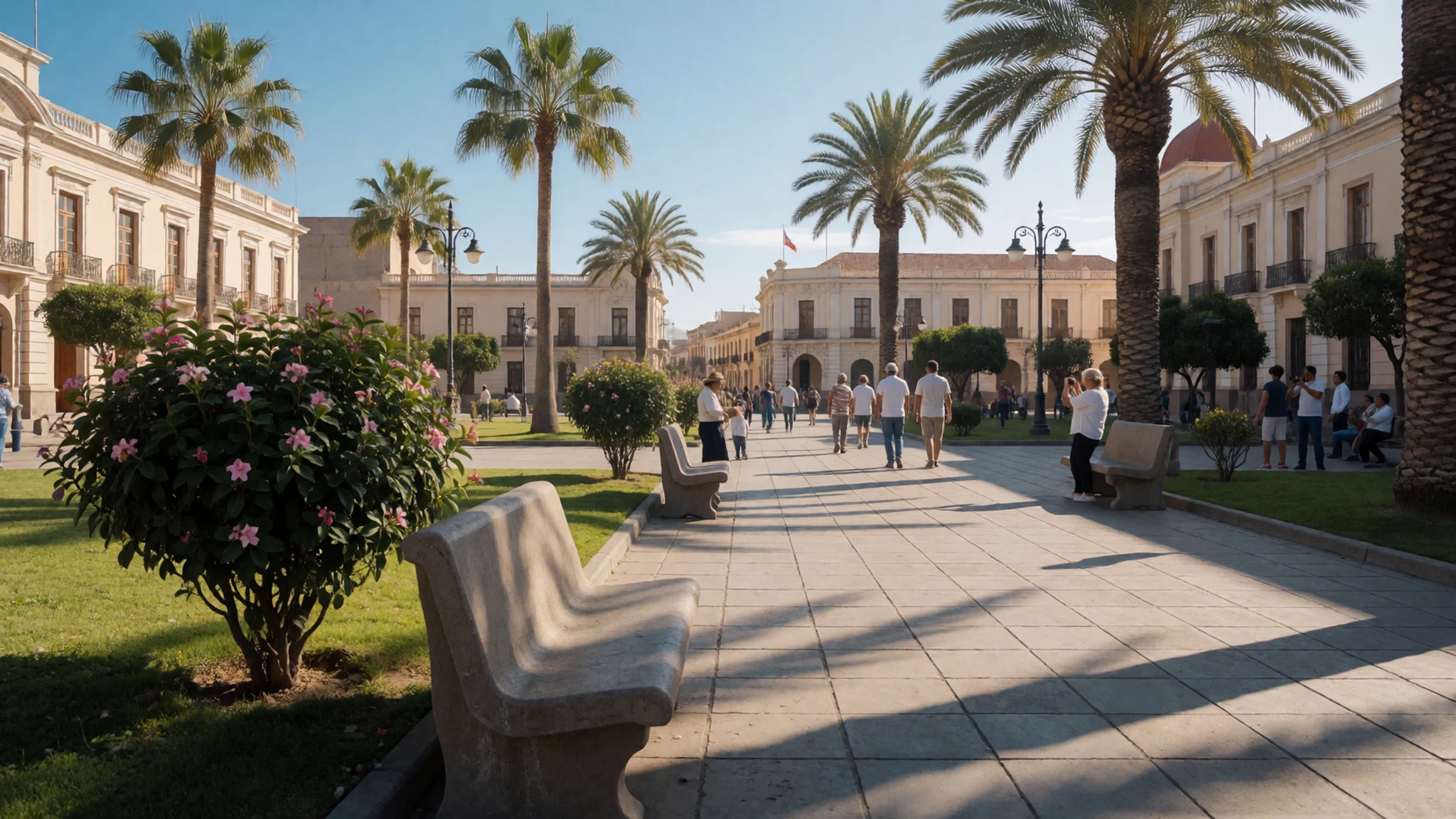
- Astoreca Palace — Historic centre
Often described locally as the most emblematic house in the city, this mansion belonged to a nitrate family and is now run by Arturo Prat University as a cultural extension centre. Its rooms show how the merchant class lived. Check opening arrangements before going.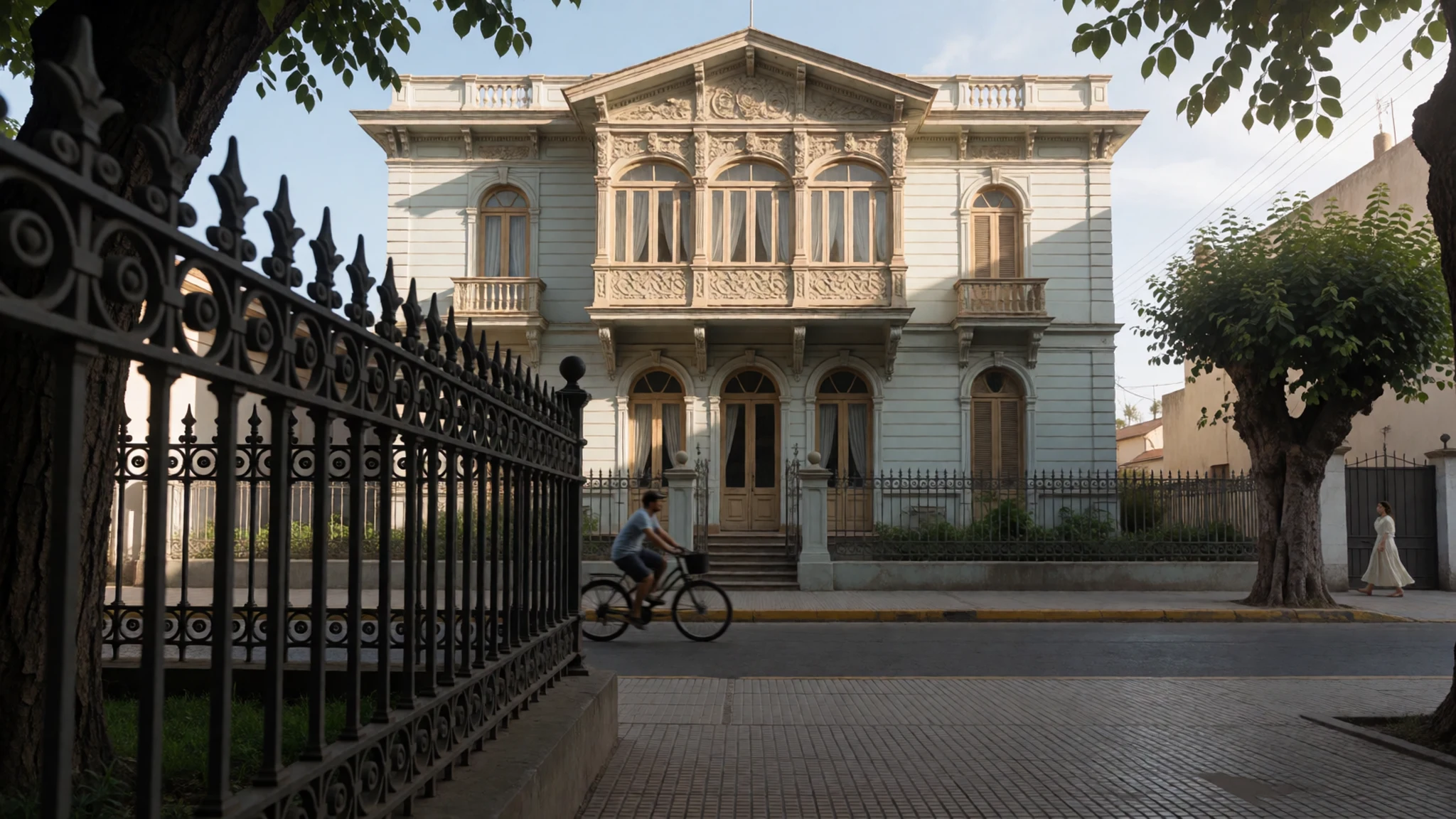
- Humberstone and Santa Laura works — Atacama desert, inland
A UNESCO-listed former saltpetre town in the desert, about 48 km east. Workers' houses, a theatre, a school and machinery stand in the dry air in remarkable condition. Go early, take water and a hat, and allow a few hours for the site.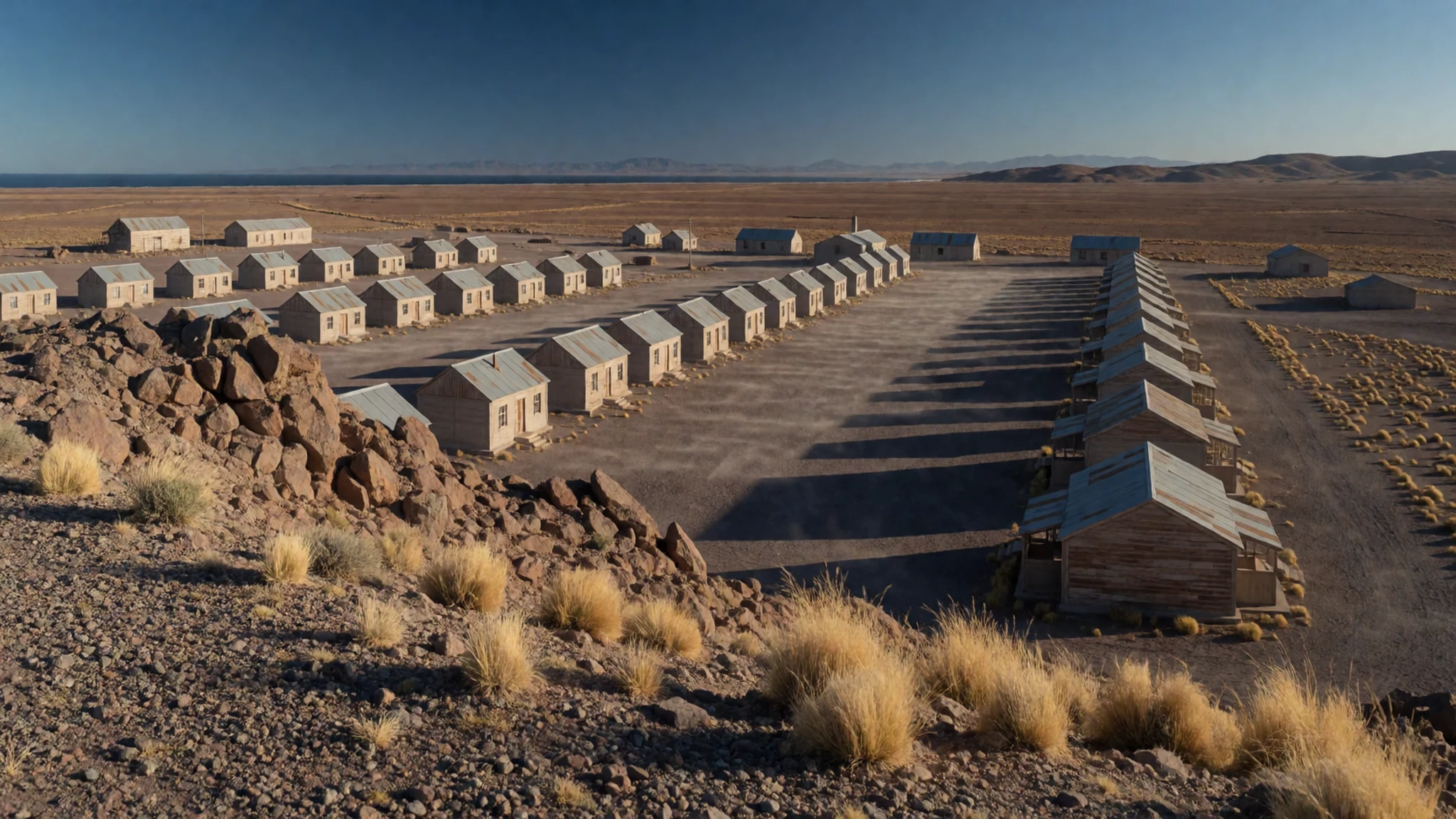
- Gigante de Atacama — Cerro Unita, inland
A huge geoglyph figure on a desert hillside, made hundreds of years ago. Seen from the road it is impressive but hard to take in whole; the best overall view comes from aerial imagery. It makes a good stop on a longer day through the pampa.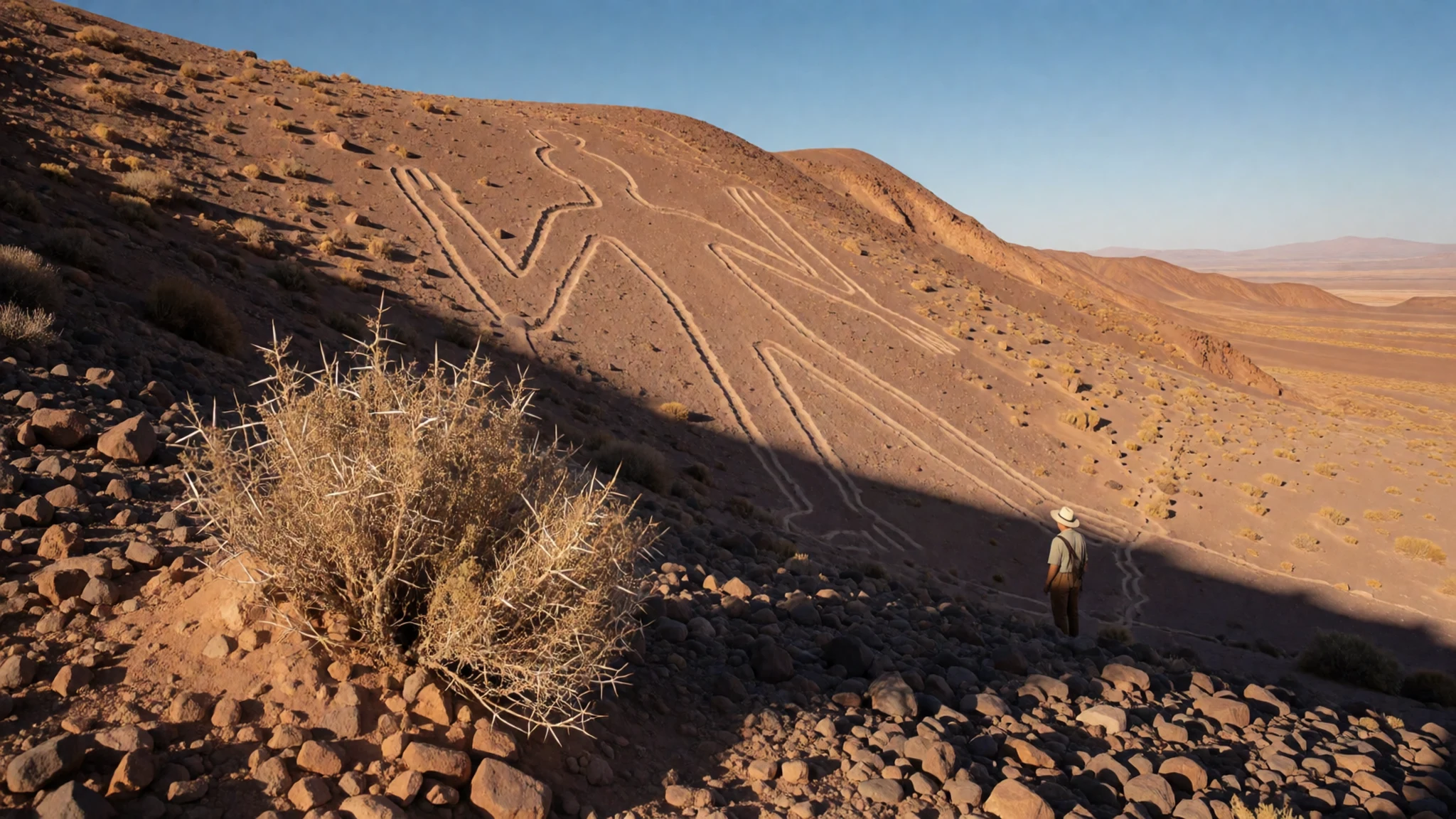
Culture
Iquique's culture is layered like its history. The old Aymara and Chango roots sit beneath the nitrate-era mix of Chilean migrants, Peruvians, Bolivians, Europeans and Chinese labourers, and the city still feels like a crossing point where several countries meet.
The labour movement is central to local identity. The Santa María school massacre of the early twentieth century is remembered with monuments, music and commemorations, and many families in the region trace their roots to the nitrate camps. Navy Day on 21 May is a major civic occasion tied to the harbour battle, with ceremonies and a strong naval presence.
Popular religion is lively too. Each year in July, the Andean pilgrimage and dance festival of La Tirana, in the desert inland, draws dancers in elaborate costumes and masks, devoted to the Virgin of Carmen. Brass bands and dance groups, known as bailes religiosos, also appear at local festivals.
Day to day, life is relaxed and coastal: families on the beach on summer weekends, surfers at dawn, and plenty of football. Spanish is spoken with a quick, clipped northern accent, and people are generally friendly with visitors who try a few words.
If you visit the Santa María school memorials or Humberstone, treat them as places of remembrance, and keep your voice low and do not climb on the machinery or the buildings.
What to wear
Iquique has no single everyday costume, but the region's festivals show its traditional dress. Dancers at religious fiestas wear richly embroidered, sequinned costumes, feathered or horned masks and capes, often in bright satin and velvet. In the highlands, Aymara communities still wear woven wool: ponchos, shawls and layered skirts in alpaca and sheep's wool, with hats suited to the sun and cold.
In the city, ordinary dress is casual and coastal. People wear jeans or shorts, T-shirts and trainers, with a light jacket in the evening. Beachwear is common near the sand but people dress more fully in the centre and for offices. Surf brands and football shirts are everywhere, and smarter outfits appear for evenings out.
For a visitor, think sun first. The coast is mild but the light is strong and clouds can burn off, so bring a hat, sunglasses and high-factor sunscreen. A light layer or windproof is useful for cool evenings and for the breezy seafront. Swimwear is fine on the beach, though cover up once you leave it.
If you head inland, wear closed, sturdy shoes for sandy, stony ground at Humberstone and the geoglyphs, with long sleeves or a scarf against the sun. The desert is much hotter by day and colder at night than the coast, so pack layers. Churches and memorials do not require special dress, but shorts and beachwear look out of place.
What to eat
- Ceviche — Fish market and harbour area
Raw fish cured in lime, onion and chilli, close to the Peruvian style, and a good fit for a port this close to the border. Order it at the seafood stalls and small eateries near the fish market and harbour.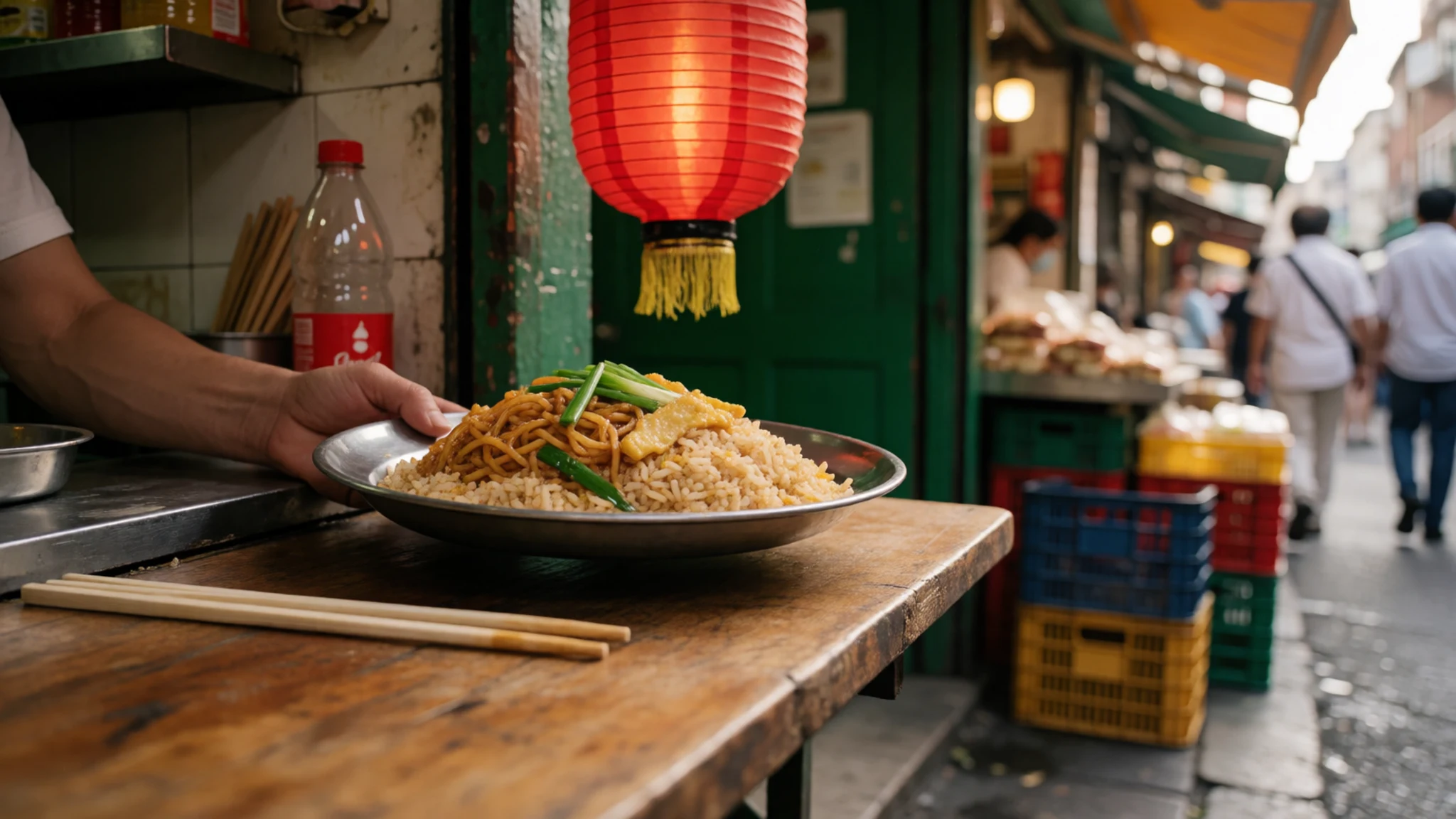
- Empanadas — Small shops in the centre
Baked or fried pastries filled with cheese, seafood or minced beef. They are a cheap and quick lunch, sold at small empanada shops across the central streets.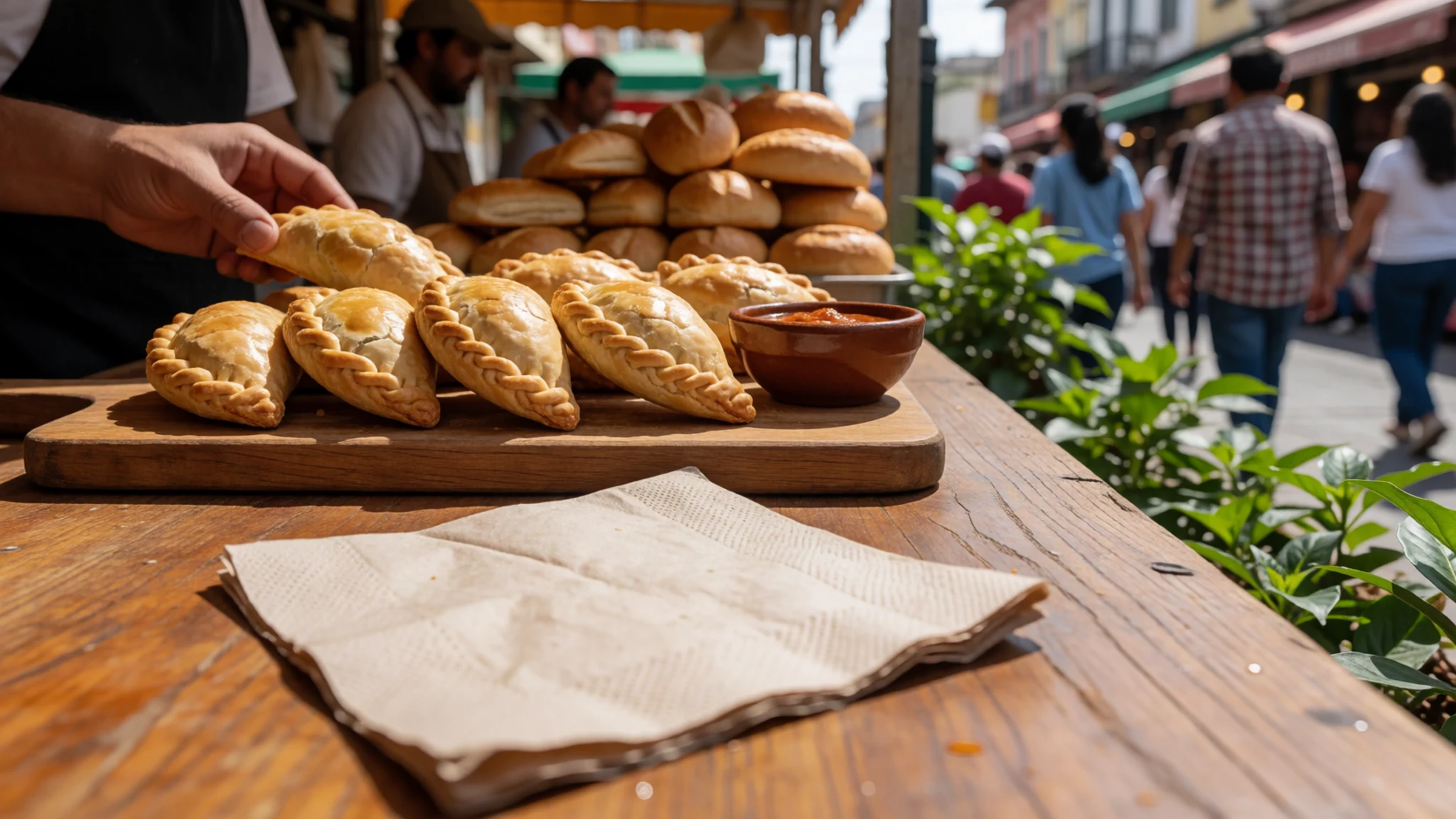
- Chifa — Around the Mercado, the city's Chinatown
Chinese-Peruvian cooking, such as stir-fried rice and noodles with local seasoning. It reflects the Chinese workers who arrived during the nitrate years. The streets around the central market are the place to look. - Chumbeque — Bakeries and sweet shops
A sweet from the Chinese-descended community: a soft, caramel-like pastry. It makes a good dessert or snack, and is typically sold in local bakeries and sweet shops. - Fresh grilled fish — Seafront and harbour eateries
Whatever the boats landed, usually served grilled with potatoes or rice and salad. Simple, filling and fresh, it is best at casual seafood restaurants along the coast.
Plan it
Best time. December–March for beach weather, when the coast is warm and sunny; the desert climate means almost no rain all year, so any month works, though winter can be cloudy and cool.
How long. 2–3
Getting there. Fly to Iquique's airport, which has frequent flights from Santiago and links with other Chilean cities and some international routes. Buses run from Arica, Antofagasta, Calama and Santiago (a very long ride), plus services from Bolivia. Taxis or a bus take you into the city.
Budget. mid
Tips
- Book summer weekends and holiday dates well ahead
- Go to Humberstone early to avoid the desert heat, with water and a hat
- Carry some cash for small eateries and market stalls
- Use sun protection even on cloudy days
- Check the municipality website, municipioiquique.cl, for events and opening details
Etiquette
- Greet people with a polite buenos días or buenas tardes
- Treat massacre memorials and Humberstone as places of remembrance
- Ask before photographing people at festivals
Nearby
Sources
- Wikidata Q14440 (CC0)
- Wikipedia: Iquique (CC BY-SA 4.0)
- Wikivoyage: Iquique (CC BY-SA 4.0)
- Photo: Iquique, Chile 2016 (Pietroluciano) (CC BY-SA 4.0)
- Photo: Combate Naval Iquique (Thomas Somerscales) (Public domain)
- Photo: Vista nocturna (PipeNacho1985) (CC BY-SA 4.0)
- Photo: Teatro Municipal (Mircalla22) (CC BY 3.0)
- Photo: Vista de Iquique (Diego Delso) (CC BY-SA 4.0)
- Photo: SRTM map (RAVL) (CC BY 3.0)
- Photo: Paseo Baquedano (Public domain)
- Photo: Plaza Prat Iquique (Public domain)


