Lauca National Park
Lauca National Park, Chile
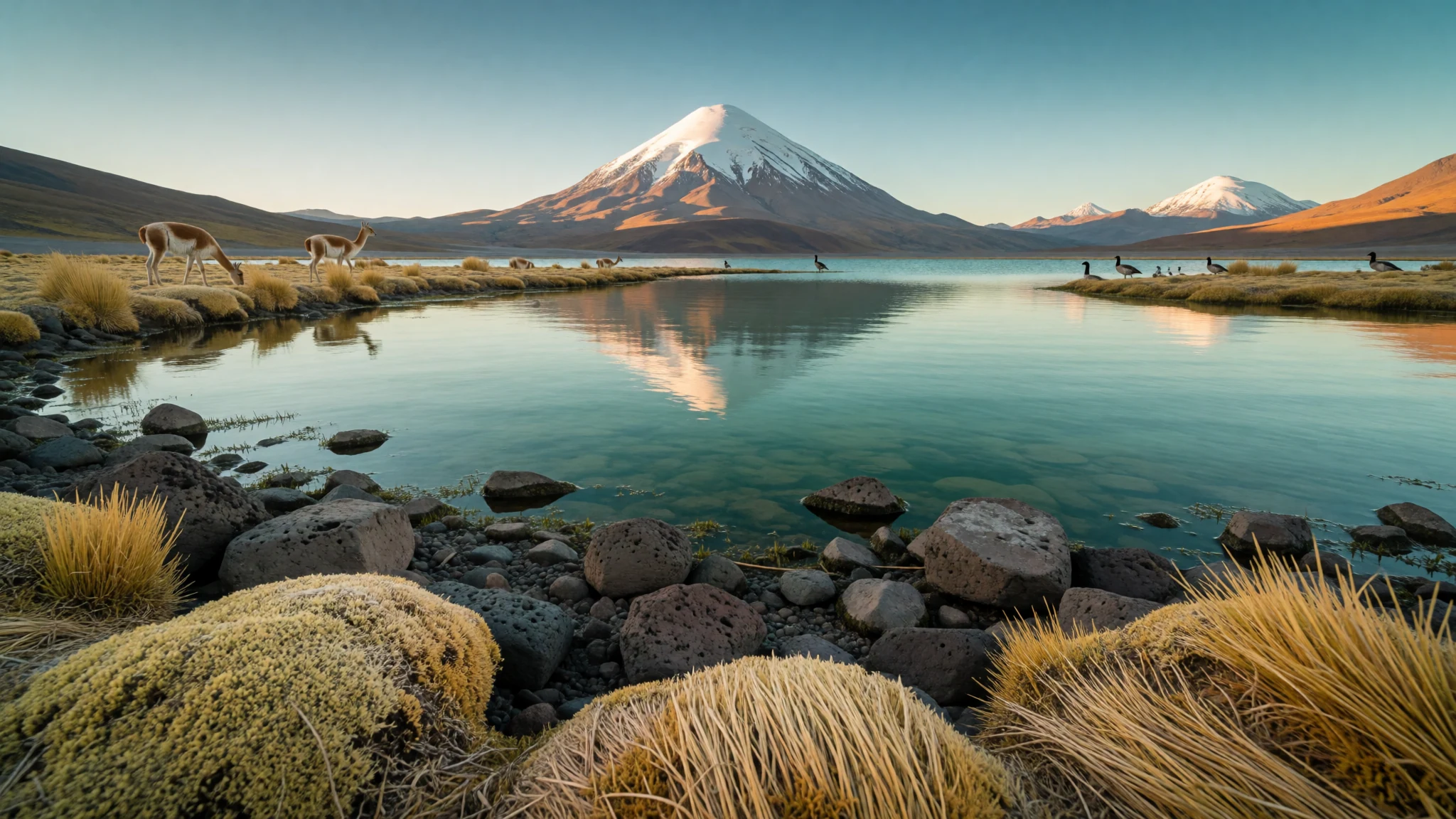
Lauca National Park offers staggering altiplano landscapes, emerald lakes, and soaring Andean volcanoes in Chile's rugged far north.
The place
Lauca National Park sits high in Chile's northern reaches, cradled by the Andean mountain range. This protected expanse is defined by vast altiplano plateaus and towering volcanic giants whose snowcapped summits dominate the skyline. Water is a defining feature here, collected in high-altitude lacustrine basins and meandering rivers that carve through the arid terrain. The park forms a continuous conservation corridor alongside neighbouring reserves, creating a vast sanctuary for high-altitude flora and fauna. Roads wind through this dramatic geography, connecting desolate plains with quiet wetlands and ancient settlements. Visitors navigating the area encounter an environment shaped by intense sunlight, thin air, and freezing winds, where weather shifts rapidly across the day. Despite its remote character, the terrain holds deep traces of human history, from ancient indigenous routes to colonial-era waystations that have endured centuries of isolation in the high cordillera.
Its story
Lauca National Park protects a landscape that has supported resilient communities for generations. Long before formal boundaries were drawn, indigenous groups traversed these high passes, herding camelids and establishing trade links between the Pacific coast and the Andean interior. The establishment of the park brought official recognition to a fragile ecosystem that had remained largely untouched by modern industrial shifts. Traditional ways of life persist in small settlements scattered across the reserve, where stone and adobe structures mirror the earthy tones of the surrounding slopes. The colonial past remains visible in stone-walled paths and historic chapels that blend indigenous craftsmanship with Spanish architectural influences. Scientific exploration followed the path of earlier traders, drawing botanists and geologists eager to study the unique adaptations of wildlife thriving at extreme elevations. Today, the park stands as a testament to the endurance of high-altitude heritage, balancing conservation mandates with the traditional grazing rights of local herders who continue to steward these windswept lands.
What to see
- Lago Chungará — Northern sector, near the international highway
Set against the snowy backdrop of the Payachata volcanic group, this massive body of water ranks among the highest lakes on earth. Its vivid green waters mirror passing clouds and towering peaks while hosting flocks of flamingos and waterfowl along its marshy shores.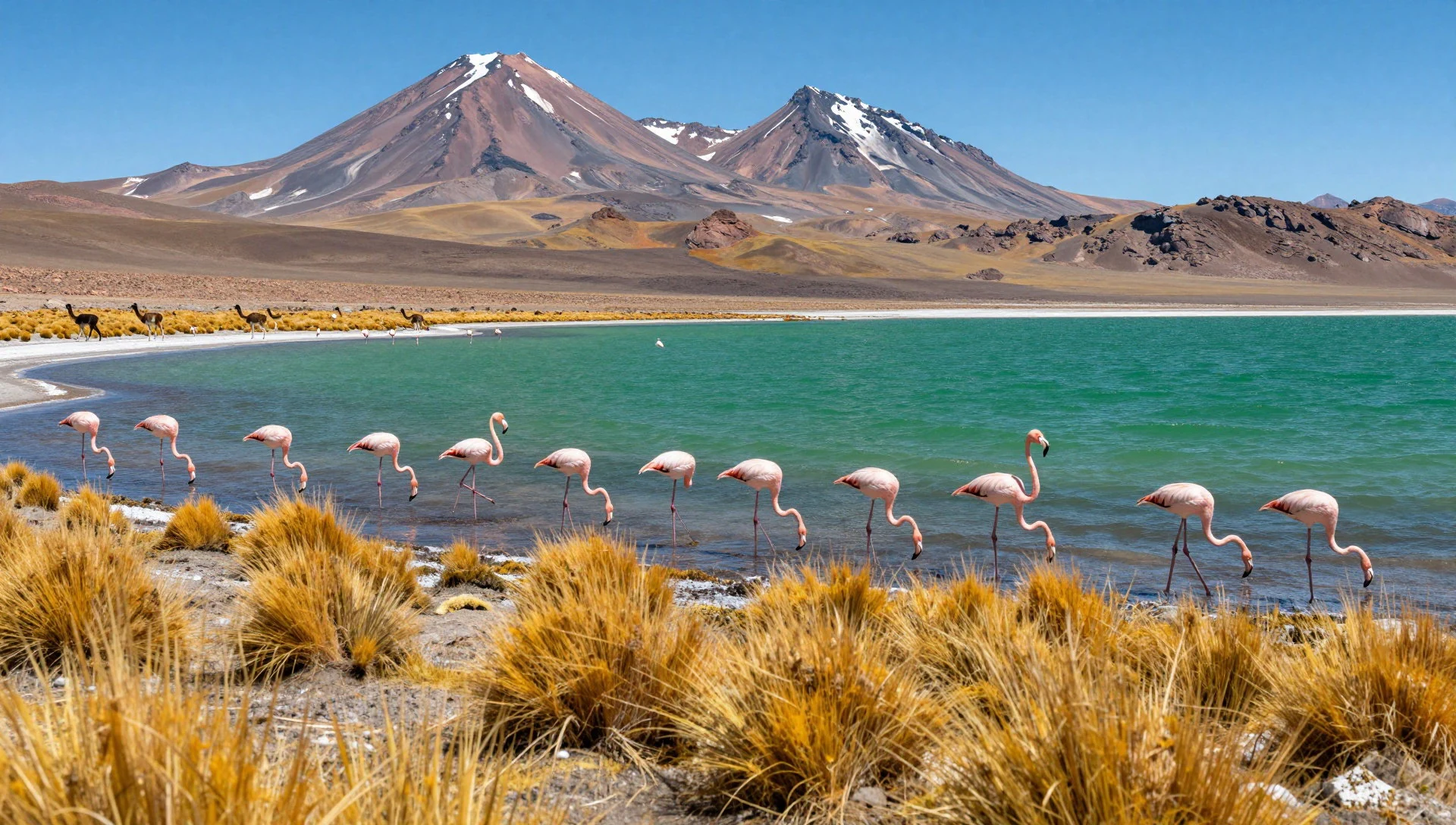
- Lagunas de Cotacotani — Northwest of Lake Chungará
A complex labyrinth of interconnected lagoons formed by ancient volcanic activity and glacial runoff. Small islets covered in coarse tussock grass rise from the blue water, creating an intricate maze that attracts numerous bird species and wandering herds of camelids.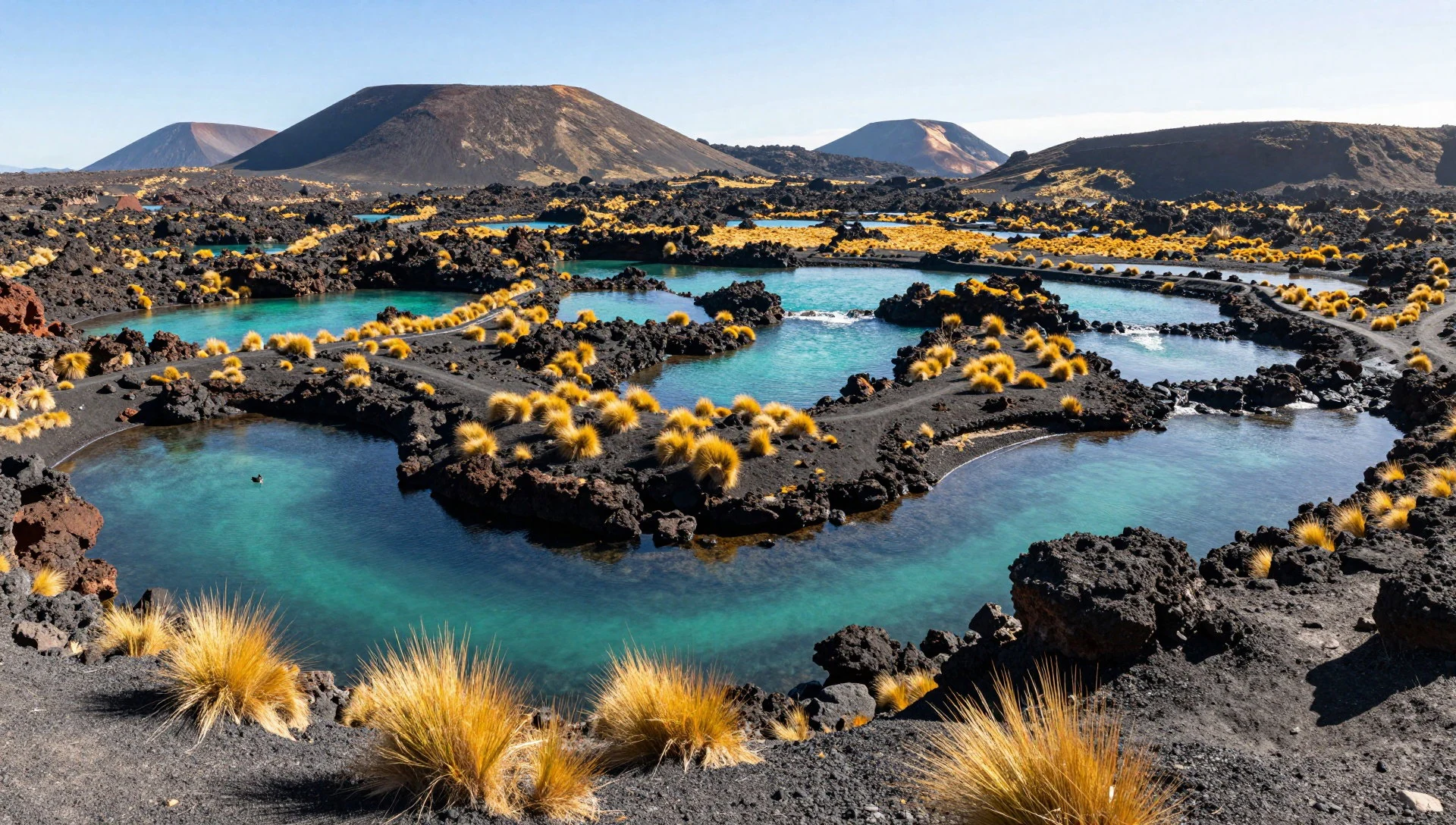
- Parinacota Village — Central park basin
A tiny historic settlement featuring whitewashed adobe houses and a distinctive seventeenth-century stone church topped with a thatched roof. The village provides a glimpse into traditional Andean pastoral life against the dramatic backdrop of nearby volcanoes.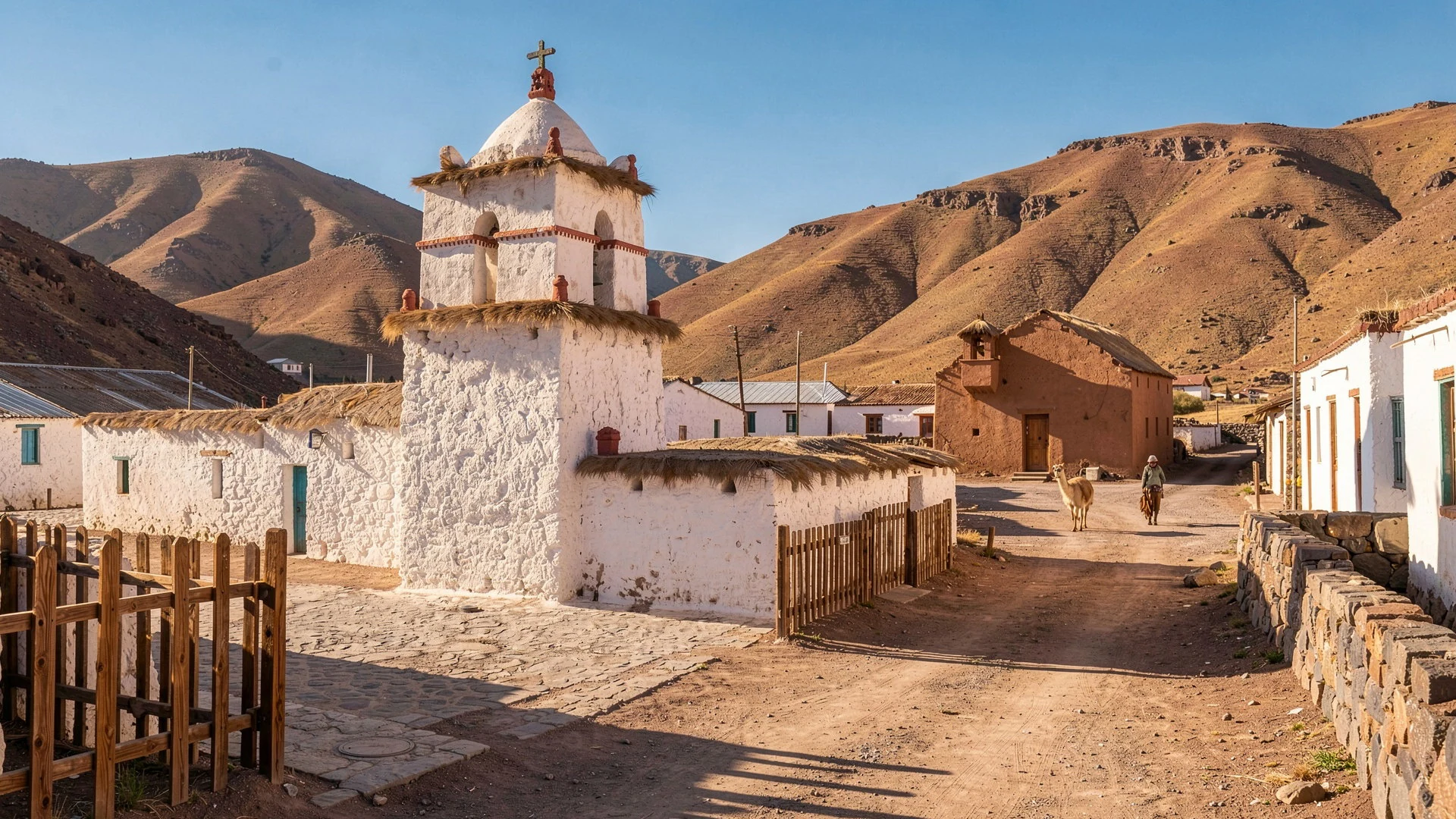
- Las Cuevas Hot Springs — Southern access route near Las Cuevas
Natural thermal waters bubbling up quietly near the archaeological trail shelters. Visitors can find modest constructed pools that offer a warm soak amidst the chilly, windswept high-altitude grasslands while keeping watch for grazing vicuñas nearby.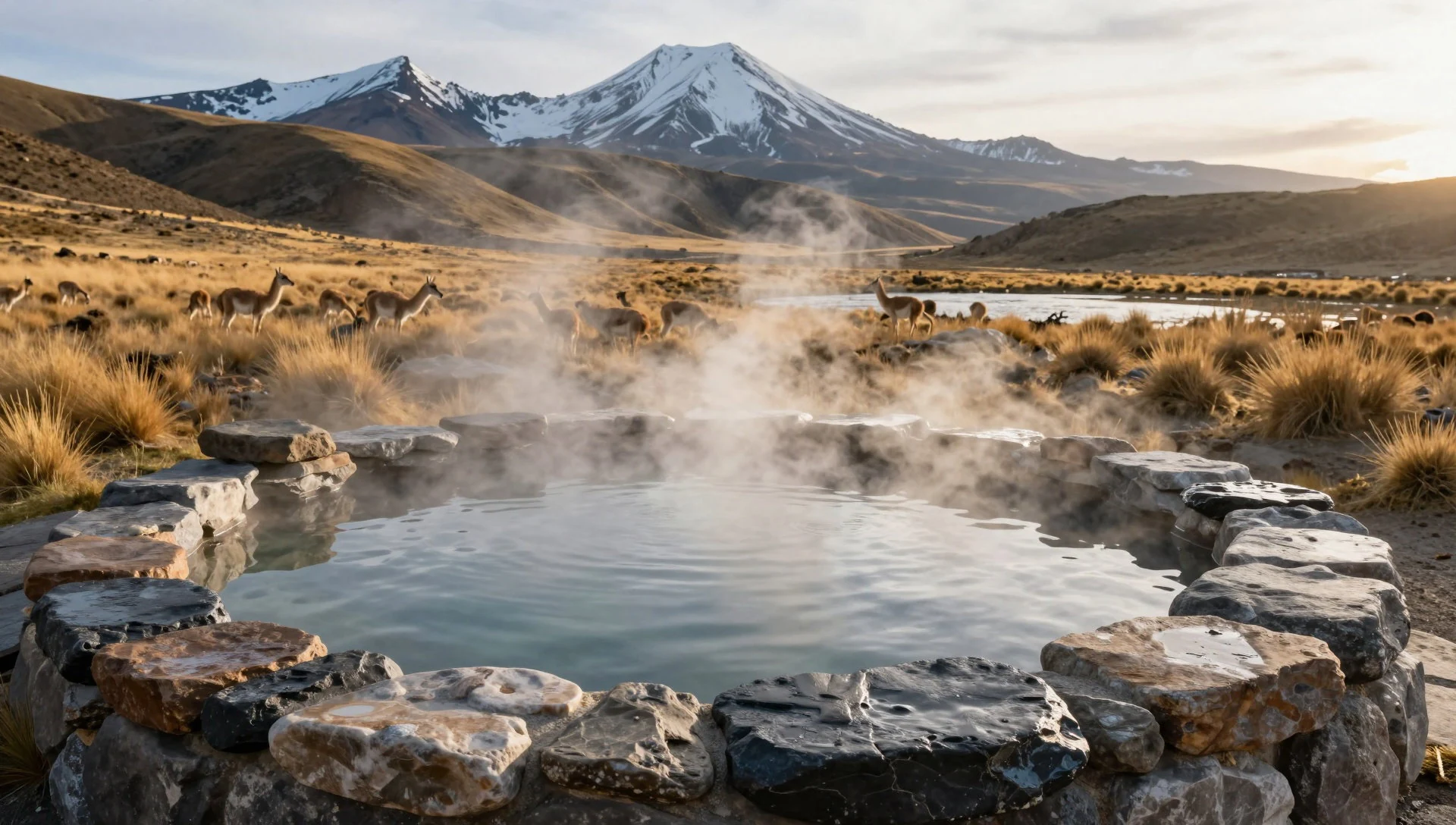
- Parinacota Marshland — Surrounding Parinacota village
A sprawling wetland fed by glacial streams where lush green vegetation contrasts sharply with the arid surrounding slopes. This damp basin serves as a vital feeding ground for local birdlife, including giant coots, upland geese, and several species of elegant flamingos.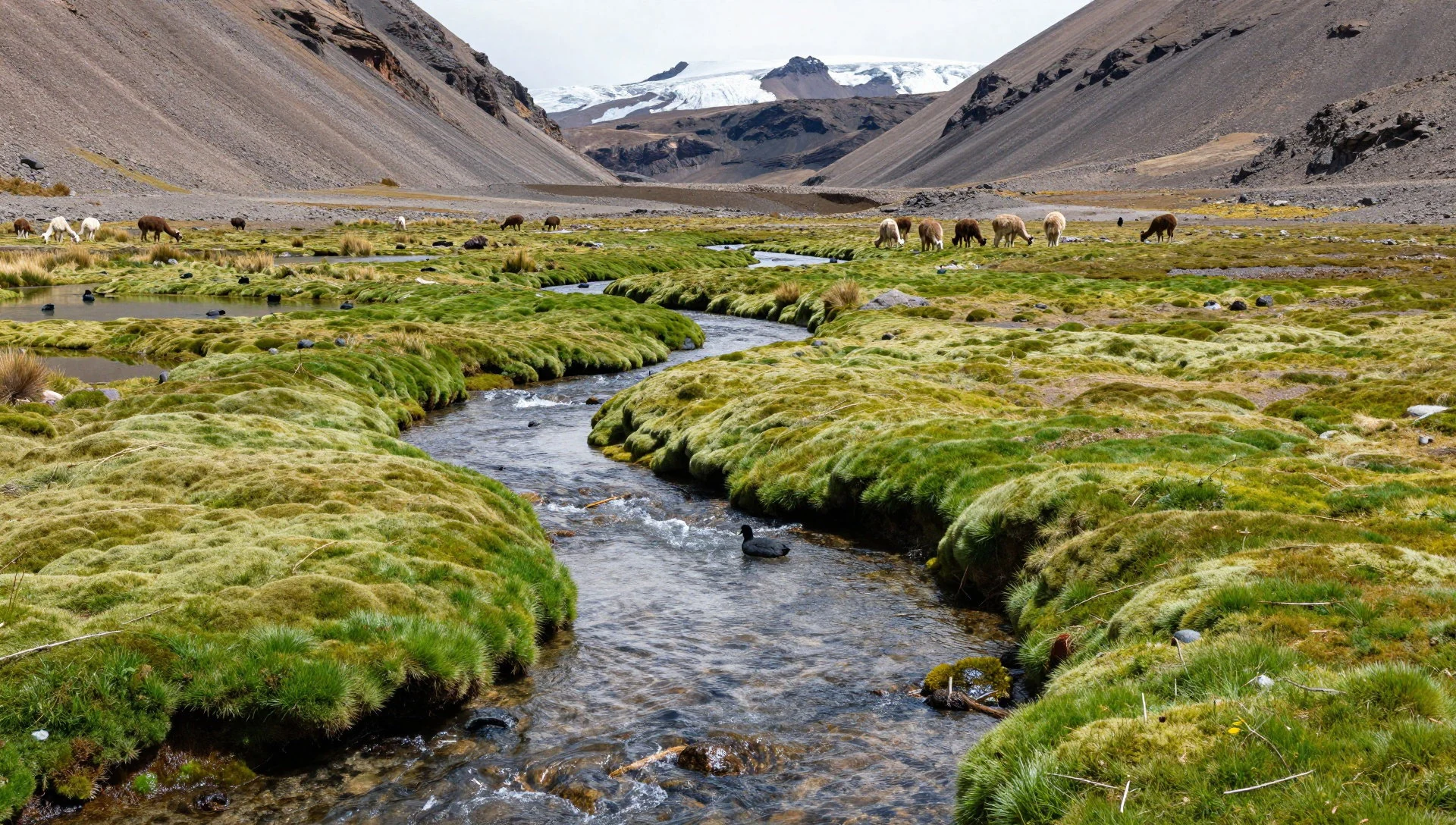
Culture
Lauca National Park is rooted in the traditions of Andean herding communities who have adapted to the severe demands of the high plateau for centuries. Local culture is expressed through textile weaving using alpaca and llama wool, traditional pastoral music played on indigenous flutes, and community festivals centred around ancient agricultural cycles. Spanish influences introduced during the colonial era merged with local customs, visible in the whitewashed feast-day chapels and communal governance structures found in settlements like Parinacota. Visitors should respect the quiet dignity of these mountain hamlets, where daily life follows the rhythms of the sun and livestock rather than tourist schedules. When attending local gatherings or entering sacred community spaces, always ask permission before taking photographs of residents or traditional ceremonies.
What to wear
In Lauca National Park, traditional pastoral dress reflects the practical needs of surviving extreme cold and intense solar radiation at high altitude. Herders and village residents traditionally wear thick, hand-spun woollen ponchos, layered skirts, and woven cloth sacks, crafted from the fleeces of domesticated llamas and alpacas to retain warmth against freezing winds. Modern inhabitants in the park and nearby towns now blend these heritage textiles with durable contemporary outdoor clothing, such as fleece jackets and sturdy work trousers. Travellers visiting the park must dress in technical layers, as temperatures can plunge below freezing at dawn before climbing sharply under the strong midday sun. Essential items include a windproof and waterproof outer shell, thermal base layers, a fleece beanie, UV-blocking sunglasses, and sturdy, broken-in hiking boots capable of handling rocky volcanic terrain and damp marsh edges.
What to eat
- Alpaca Stew — Basic road-stop eateries along the main highway
A hearty, slow-cooked meat dish prepared with root vegetables and local herbs, designed to provide warmth and sustenance against the biting cold of the high plateau.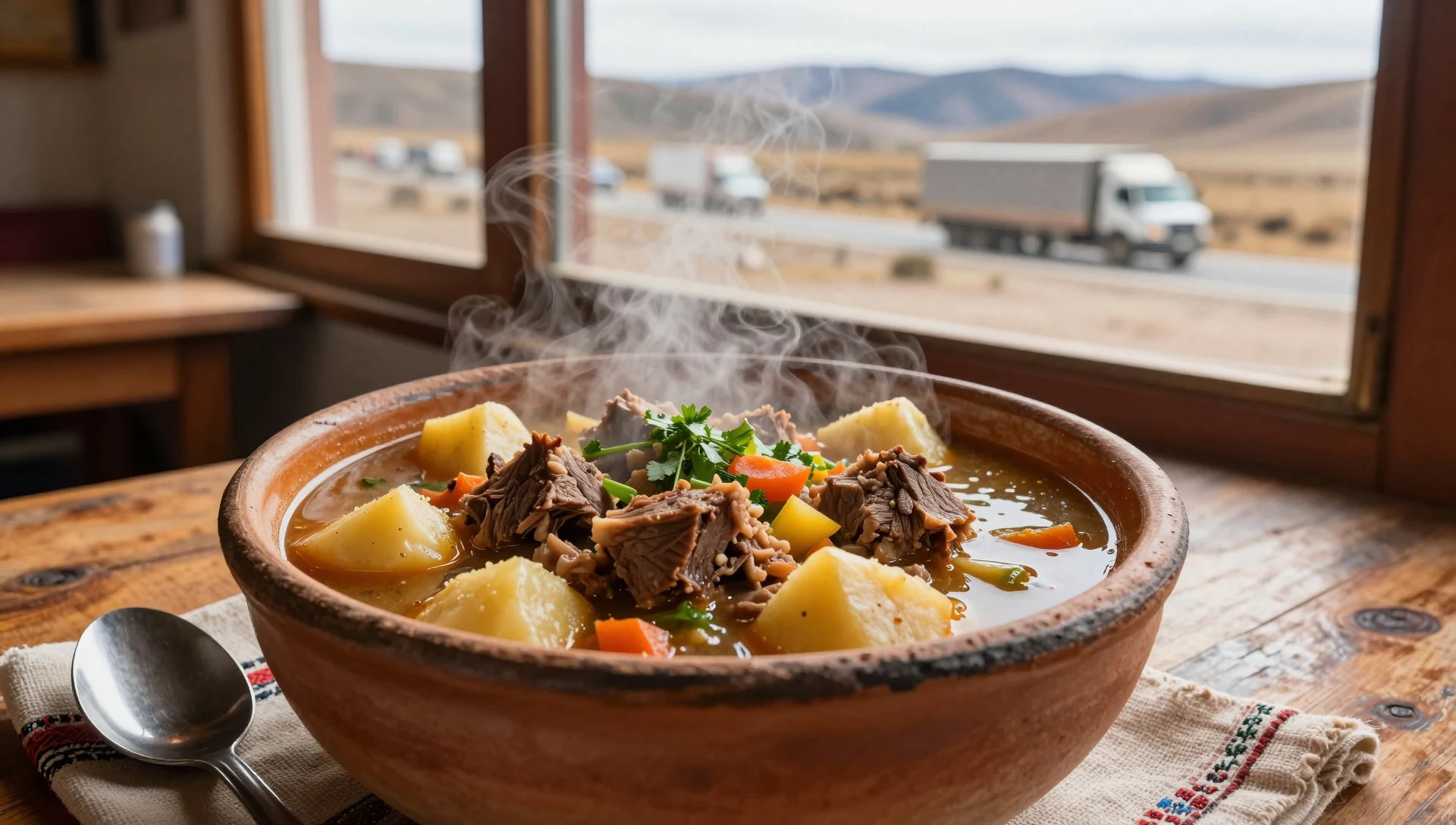
- Quinoa Soup — Small family-run outposts in the surrounding villages
A thick, nourishing broth featuring protein-rich Andean grains, potatoes, and native vegetables harvested from the valleys below the reserve.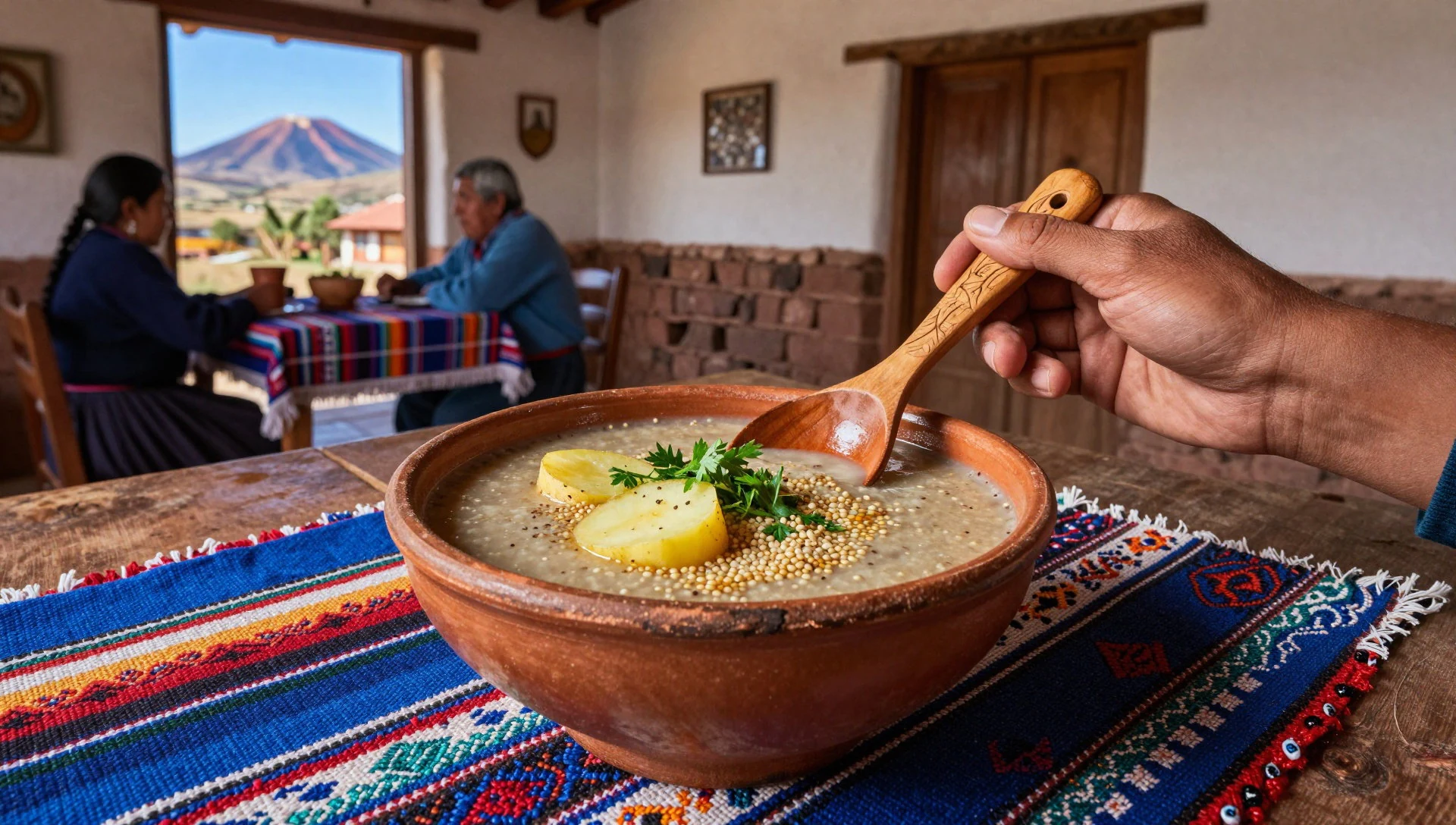
- Charqui — Local roadside stalls and small village markets
Traditional sun-dried salted meat made from llama or alpaca, historically carried by herders on long treks across the high mountain passes. - Coca Leaf Infusion — Every local roadside diner and mountain lodge
A warm herbal drink brewed from local leaves, traditionally consumed by travellers and guides to help mitigate the dizzying effects of altitude sickness. - Sopaipillas — Highway pullout canteens and roadside snack stands
Golden, deep-fried pumpkin pastries served hot, often enjoyed with a pinch of salt or pebre sauce during rest stops along the mountain route.
Plan it
Best time. March to April and October to November offer the most stable weather conditions and clearer skies, avoiding the deep winter snows and summer rains.
How long. 2–3
Getting there. Fly into Arica, then hire a reliable vehicle to drive up the main international highway into the park.
Budget. mid
Tips
- Spend your first night in nearby Putre to acclimatize to the extreme altitude before exploring further.
- Ensure your vehicle has a full tank of fuel before leaving Arica, as there are no petrol stations inside the park.
- Drink plenty of water throughout the day to combat dehydration in the thin, dry mountain air.
- Carry cash in local currency, as digital payment methods are unavailable in remote park villages.
- Start your journeys early in the morning to catch the clearest views of the volcanoes before afternoon clouds roll in.
Etiquette
- Always ask permission from villagers before photographing residents or private homes in the mountain settlements.
- Stay strictly on marked trails to protect delicate high-altitude wetland ecosystems and archaeological sites.
- Leave livestock gates exactly as you find them to prevent roaming herds from straying into protected marshes.
Nearby
Sources
- Wikidata Q935435 (CC0)
- Wikipedia (CC-BY-SA 4.0)
- Wikivoyage (CC-BY-SA 4.0)
- Photo 1 (CC BY-SA 2.5)
- Photo 2 (CC BY-SA 2.0)
- Photo 3 (CC BY-SA 2.5)
- Photo 4 (CC BY 3.0)


