Torres del Paine
Torres del Paine, Chile
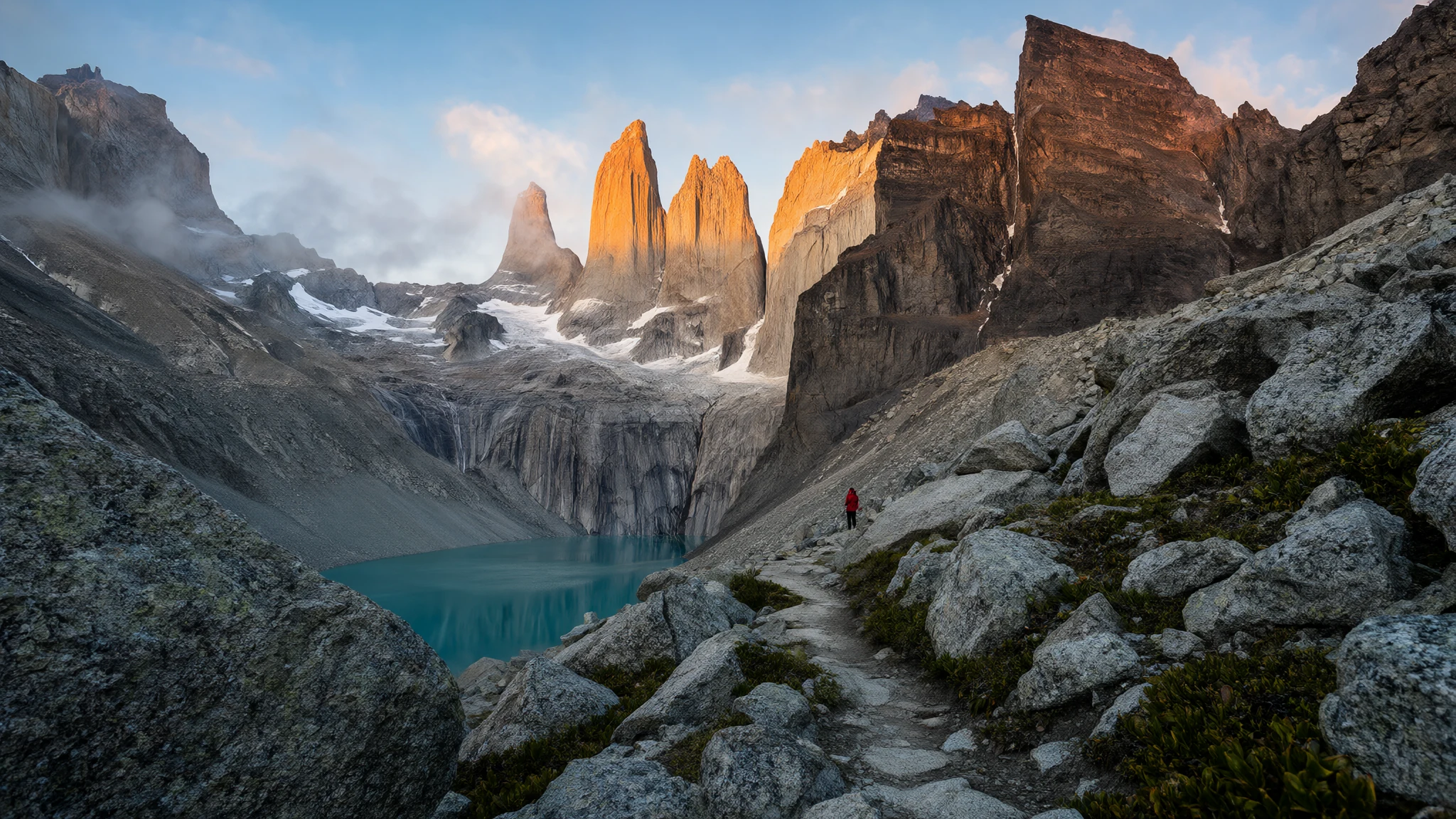
Torres del Paine offers dramatic granite peaks, sweeping steppes, and world-class trekking across the wilds of southern Chilean Patagonia.
The place
Torres del Paine National Park sits in the far south of Chilean Patagonia, protecting an extraordinary landscape where jagged mountains meet ancient glaciers, turquoise lakes, and rushing rivers. The Cordillera del Paine forms the dramatic centrepiece of this protected expanse, anchoring a wild frontier where Magellanic subpolar forests blur into expansive Patagonian steppes. The local name originates from the indigenous Tehuelche word for blue, pronounced pie-neh, reflecting the luminous hues of the glacial waters and towering ice fields.
Geography here is defined by sudden shifts and raw elements. The terrain bridges deep valley floors and soaring granite needles carved by ancient ice ages. Weather systems sweep in unhindered from the Southern Ocean, bringing famously fierce winds and rapidly changing skies that can cycle through bright sunshine, pelting rain, and dramatic squalls within a single afternoon. Visitors navigate a landscape that feels both ancient and untamed, where every ridge reveals a new perspective on ice-blue lagoons and towering rock faces.
While the park protects vast expanses of wilderness, it also serves as a major draw for international travellers seeking remote walking experiences. The infrastructure of paths, refugios, and designated campsites allows visitors to traverse the backcountry while keeping the surrounding ecosystem intact. Yet beneath the well-trodden trails lies a vast, unforgiving expanse of wilderness that demands respect from everyone who enters.
Its story
Torres del Paine has a short written history by European standards, beginning in earnest when Lady Florence Dixie published her travels in 1880. Describing the three distinctive granite monoliths she encountered, she referred to them as Cleopatra's Needles and secured her place among the earliest foreign visitors to record the area.
Decades followed with visits by notable European scientists and explorers, including Otto Nordenskjöld, Carl Skottsberg, and Alberto María de Agostini, who mapped and studied the challenging terrain. Aviation history was made here when Gunther Plüschow became the first person to fly an aircraft over the formidable Paine massif.
The formal protection of the landscape began when the park was established in 1959 under the name of Lake Grey National Tourism Park, later adopting its current title in 1970. Mountaineering exploration grew alongside conservation efforts. In 1976, British mountaineer John Garner teamed up with local rangers to pioneer the legendary Circuit trail, opening up the remote backside of the massif. A significant philanthropic contribution came in 1977 when Guido Monzino donated thousands of hectares to the Chilean government, helping to secure the park's permanent boundaries. UNESCO recognised the ecological importance of the region in 1978 by designating it a World Biosphere Reserve.
Human history here is also marked by fire. Major blazes in 1985 and again in 2005 severely scarred large tracts of native forest and steppe. These events left deep scars on the landscape, prompting authorities to implement strict regulations regarding fire safety and backcountry camping across all trails.
What to see
- Base de las Torres — Central sector
The iconic viewpoint looking up at the three sheer granite towers standing sentinel above a glacial lagoon. Reaching the final rocky moraine requires a steady climb from Campamento Torres, rewarding hikers with one of the most famous mountain vistas in South America.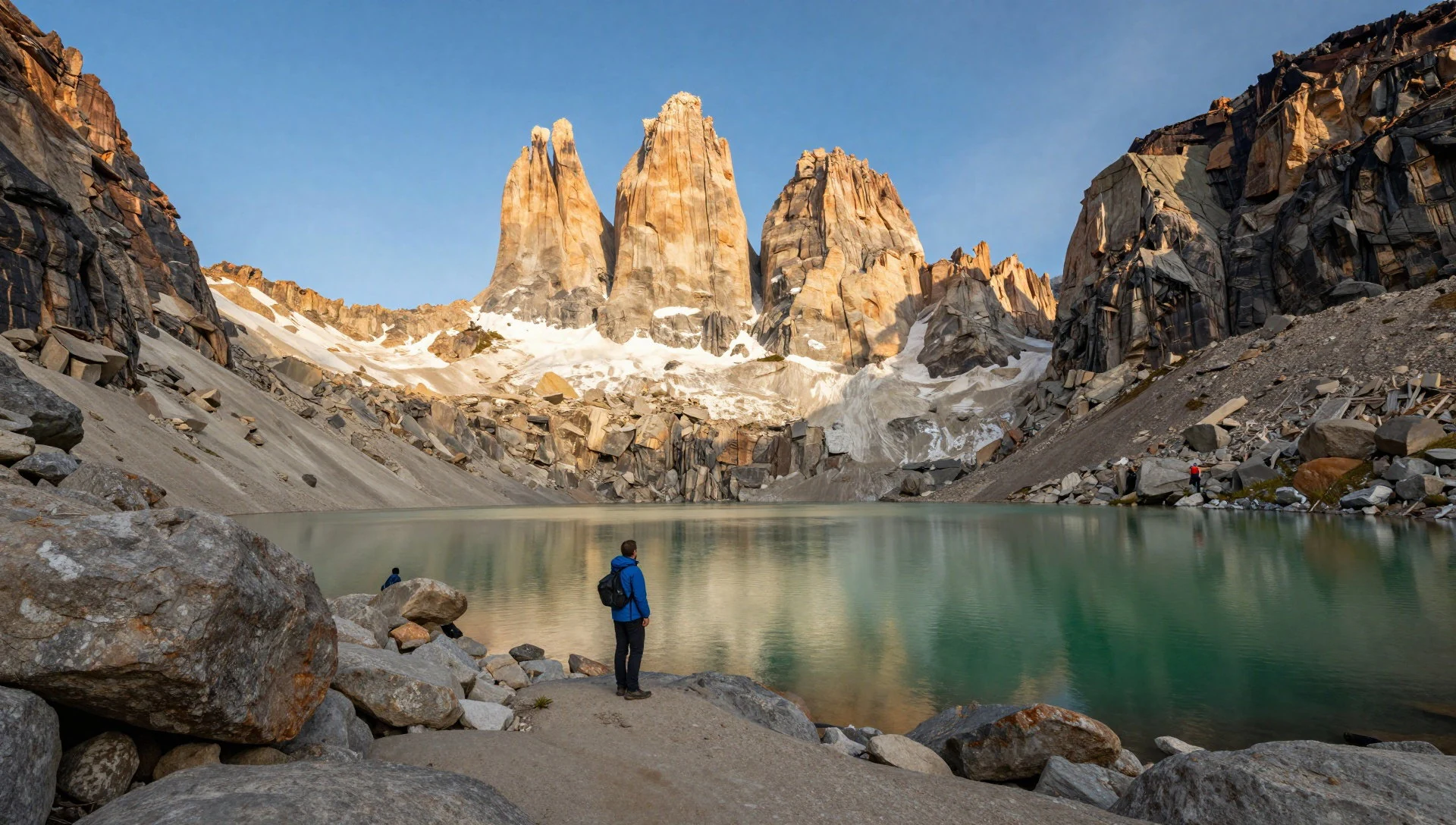
- Valle Francés — W Trek route
A dramatic glacial amphitheatre cradled beneath towering rock walls and hanging glaciers that periodically send thunderous avalanches tumbling down the slopes. Approached via a steady climb from Campamento Italiano, the trail winds through dense forest before opening into the heart of the massif.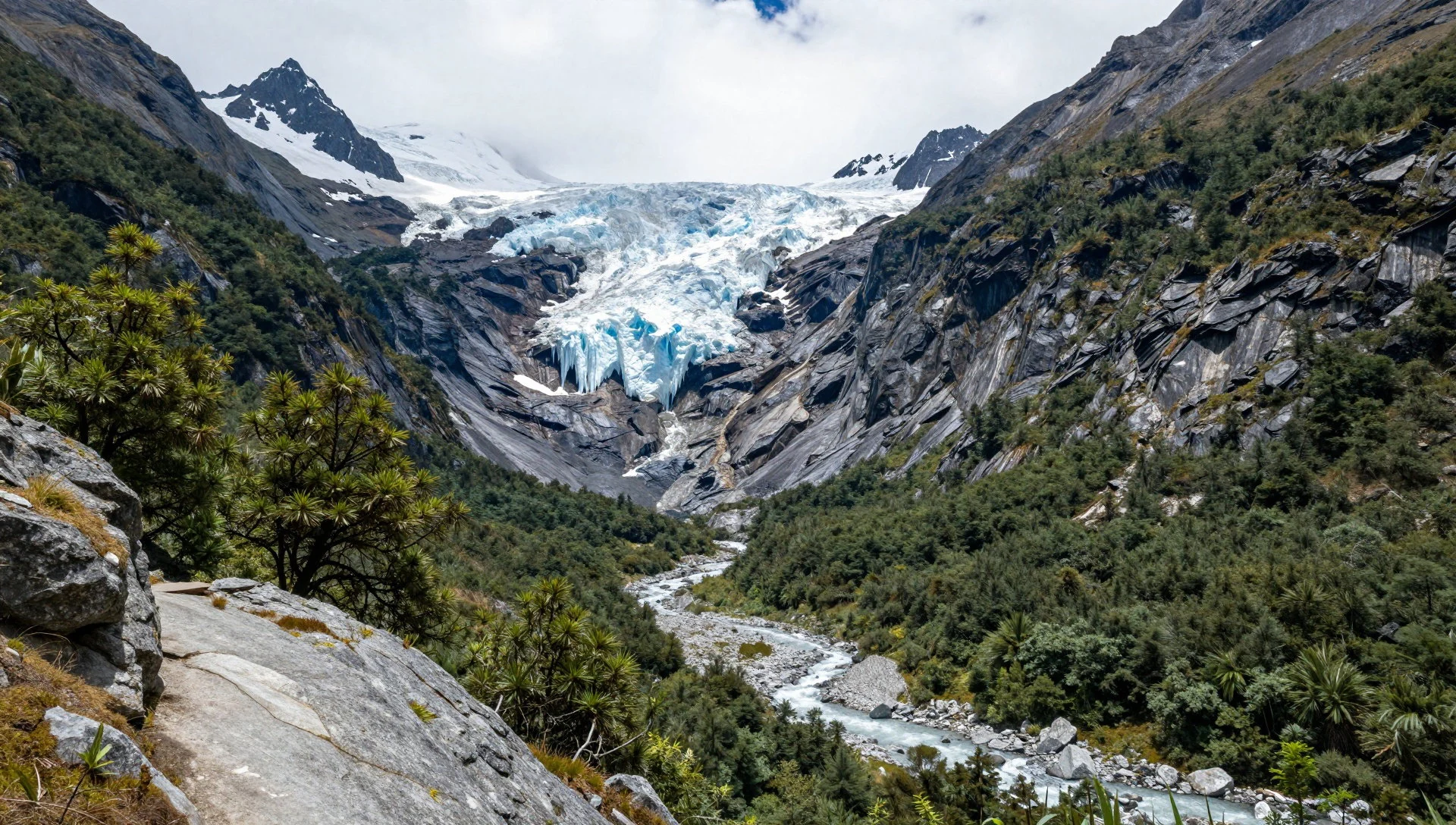
- Glacier Grey — Western sector
A massive tongue of ice stretching from the southern ice field, calving brilliant blue bergs into the grey waters of Lago Grey. Visitors can observe the shifting ice fronts from short walking tracks near Guardería Grey, suspension bridges, or from the dramatic vantage of the high mountain pass.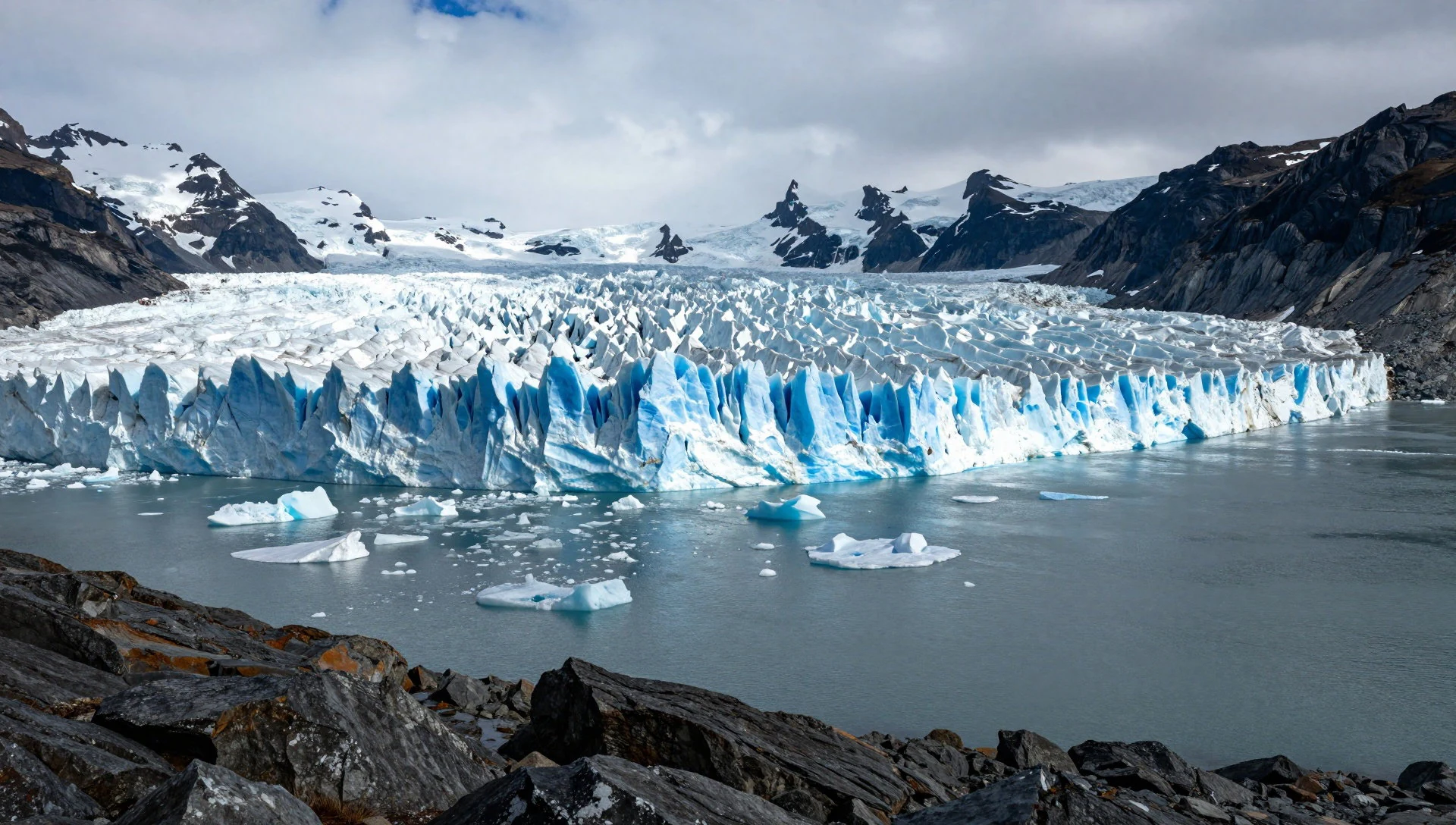
- Lago Sarmiento — Eastern park entrance
A sprawling steppe lake distinguished by its brilliant white shoreline mineral deposits and dramatic views across the entire Paine massif. The surrounding rolling plains frequently host herds of guanacos grazing against the backdrop of the jagged peaks.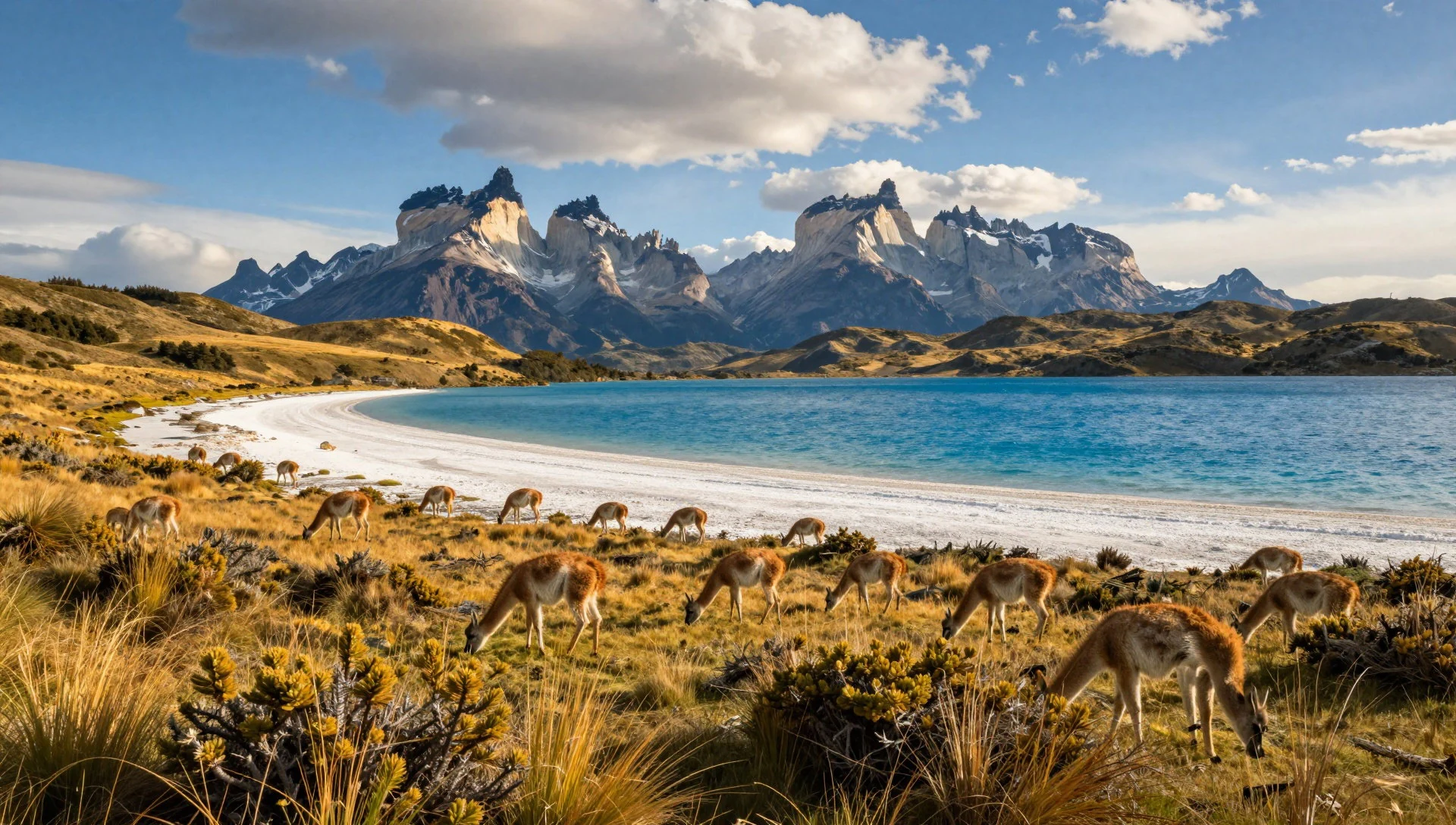
Culture
Patagonian culture in this southern corner of Chile is deeply rooted in the traditions of the gaucho and rural ranching life. While the national park itself is a protected sanctuary, the surrounding Magallanes region relies on livestock farming, horse breeding, and rugged outdoor resilience. Local communities maintain a quiet, welcoming hospitality born from living in a remote and demanding environment where neighbours depend on one another across vast distances.
The heritage of the indigenous Tehuelche people remains preserved in place names and local history, while modern Chilean influence brings a fondness for shared meals, strong coffee, and traditional roasted meats. Visitors quickly notice that life here moves to the rhythm of the weather rather than the clock, requiring flexibility and patience when transport or trekking plans are disrupted by gale-force winds or sudden downpours.
Always pack out every scrap of waste, avoid wood fires anywhere in the park, and cook only at refugio locations to protect the fragile Patagonian wilderness from fire.
What to wear
Traditional wear in the rural estancias and valleys of Patagonia draws directly from the practical demands of working horses across windswept plains and cold steppes. Gauchos wear durable woollen ponchos, heavy leather chaps known as chaparreras, wide-brimmed felt hats, and sturdy riding boots designed to withstand abrasive brush and mud. Natural wools and heavy cottons provide the primary textiles for warmth against the damp southern chill.
Today, locals working in tourism and ranching continue to rely on practical working attire, blending traditional leather goods with modern weather-resistant gear. When visitors arrive, the approach to clothing shifts entirely toward technical functionality. The climate demands a strict layering system: moisture-wicking base layers, insulating fleece or wool mid-layers, and a reliable windproof and waterproof outer shell. Sturdy, broken-in trekking boots with good ankle support are essential for navigating rocky moraines, uneven trails, and muddy paths. Hats that secure tightly under the chin are mandatory to prevent them from being swept away by the fierce Patagonian winds.
What to eat
- Patagonian Lamb — Local estancias and lodge dining rooms
Slow-roasted over open wood fires until the exterior is crisp and the meat is exceptionally tender, served at rural estancias and select park lodges.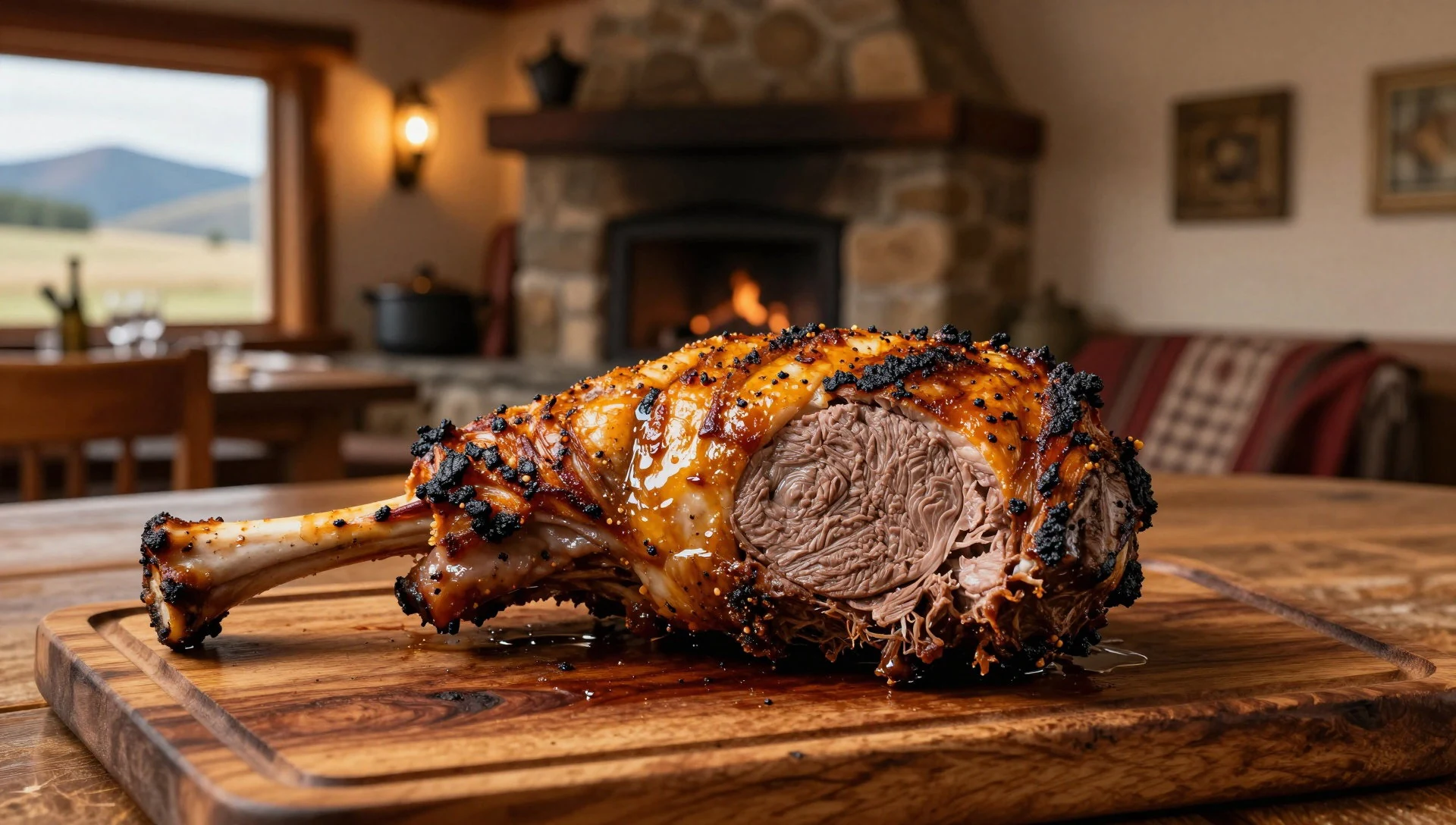
- Calafate Berry Delicacies — Refugio kiosks and village bakeries
Tart purple berries harvested from local shrubs, featured in jams, pastries, and artisanal craft beers.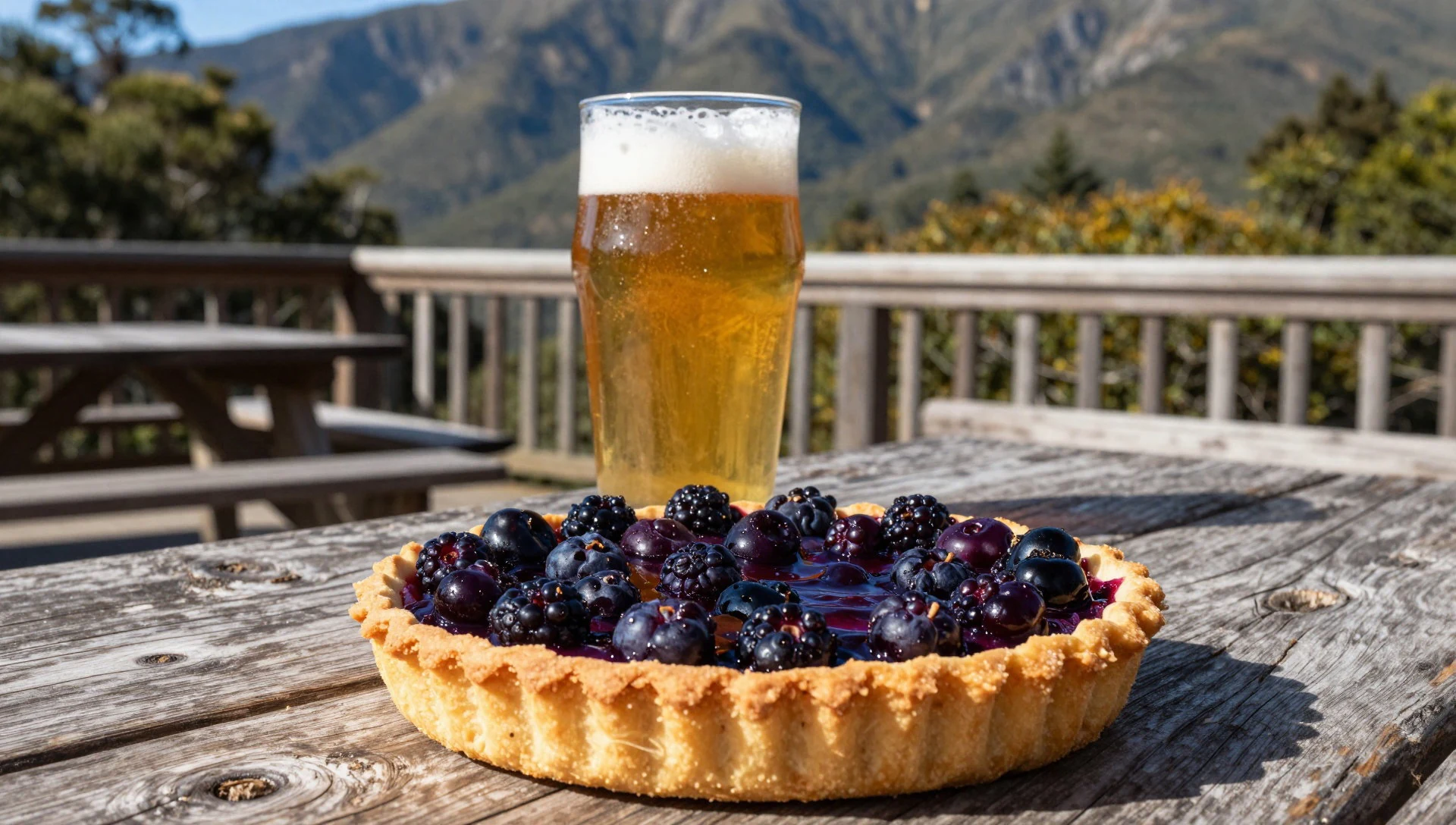
- Pisco Sour — Refugio bars across the W Trek
The classic Chilean cocktail made with grape brandy, freshly squeezed lime juice, sugar, and bitters, enjoyed by hikers at the end of a long trail.
- Empanadas de Pino — Park cafeterias and local bakeries
Traditional baked pastries stuffed with minced beef, onions, hard-boiled eggs, olives, and raisins, providing a hearty meal before a day on the trails.
Plan it
Best time. December to February brings the warmest weather and longest daylight hours, though strong winds peak during these summer months; March and April are among the wettest months, with around 165 mm of rain each.
How long. 4–7
Getting there. Fly into Punta Arenas or take a bus from Puerto Natales, which serves as the main overland gateway with road links to the park's entrance gates.
Budget. high
Tips
- Reserve all campsites and refugios ahead of time, as reservations have been mandatory since 2016
- Prepare for four seasons in one day by carrying windproof and waterproof layers at all times
- Carry sufficient cash for minor purchases, as card machines can fail in remote backcountry locations
- Stock up on fuel and food supplies in Puerto Natales before entering the park
- Respect all fire bans completely to prevent catastrophic wildfires
Etiquette
- Stay strictly on marked trails to protect fragile vegetation and prevent soil erosion
- Pack out all rubbish and toilet paper from the backcountry without exception
Nearby
Sources
- Wikidata Q901646 (CC0)
- Wikipedia (CC BY-SA 4.0)
- Wikivoyage (CC BY-SA 4.0)