Concepción
Concepción, Chile
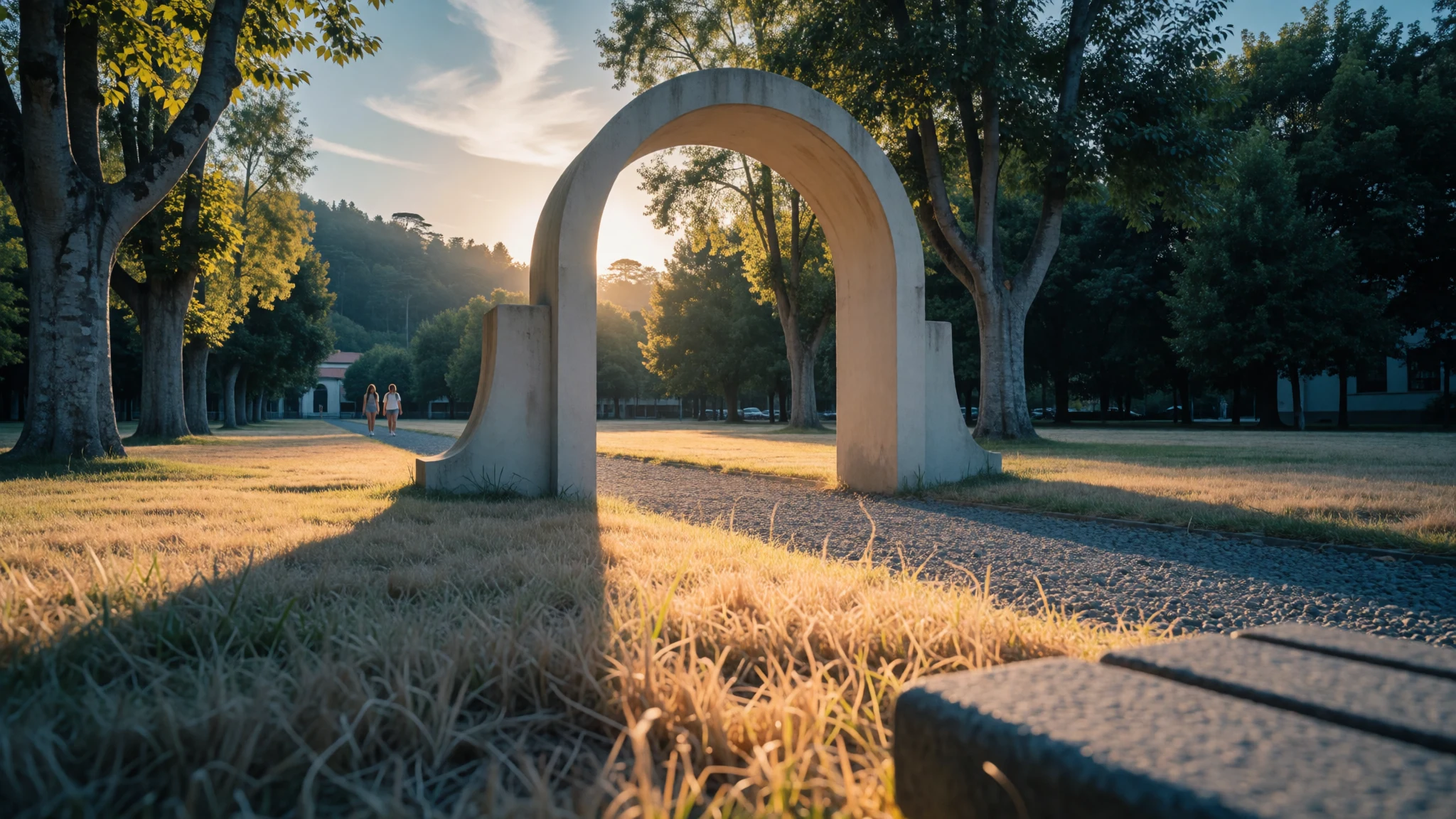
Concepción is a lively Chilean university and port city where Mapuche frontier history, earthquakes, student politics and Pacific coastline sit within a short bus ride.
The place
Concepción sits in south-central Chile, roughly 500 km south of Santiago, on lowland where the Biobío river reaches the Pacific. It is the capital of the Biobío Region and the core of a wider metropolitan area that takes in Talcahuano, San Pedro de la Paz, Hualpén and other neighbours, so the city proper blurs into its surroundings. About 217,500 people live in the commune itself, at an elevation of just 12 m, and the whole conurbation is far larger. Locals are called penquistas, a name that recalls Penco, the bay-side spot where the city began before it moved inland. The centre today lies in the La Mocha valley, with the wooded hill of Cerro Caracol rising close behind it. This is an industrial, working region that matters to Chile's domestic trade, and the city feels more like a port-and-university town than a resort. Students give the centre much of its energy, with bookshops, cheap lunches and late bars around the campuses. The climate is Mediterranean in type, with a dry, mild summer and a wet winter softened by the cold Pacific. Winter air can turn smoky, because many homes burn wood for heat. Concepción works best as a base for a few days: a lively city in its own right, with coastline, old coal-mining towns and river mouths within easy reach.
Its story
Concepción was founded in 1550 by Pedro de Valdivia, not where the city stands now but on the bay at Penco, a short distance north of the Biobío river. That river marked La Frontera, the line beyond which the Mapuche remained independent of Spain for centuries. The new town was therefore a military outpost from its first day, and it paid for the position. Mapuche forces overran and destroyed it in 1554, and it was destroyed again after being refounded the following year. Governor García Hurtado de Mendoza rebuilt it in 1557, landing troops and raising a fort on a rise known as the Alto de Pinto. For a time the settlement served as the capital of the Kingdom of Chile, and even after that it kept an unofficial role as the colony's military capital. The sea and the ground were also unkind to the site. A severe earthquake in 1751 left the bayside town so damaged that its people chose to relocate to the La Mocha valley, which is where the historic centre stands today. Early Spanish chroniclers noted that local Mapuche wore gold and silver bracelets and crown-like ornaments, a detail that hints at metalworking skills far older than the colony. Few Chilean cities have been rebuilt so often, and that habit of starting again still shapes the place.
What to see
- Universidad de Concepción — Barrio Universitario, north-east of the centre
The university campus is the best free wander in the city, with broad lawns, mature trees and the landmark medicine arch at one entrance. The Pinacoteca, the campus art gallery, is the main reason to go inside. Term time brings students and noise; January and February are quieter.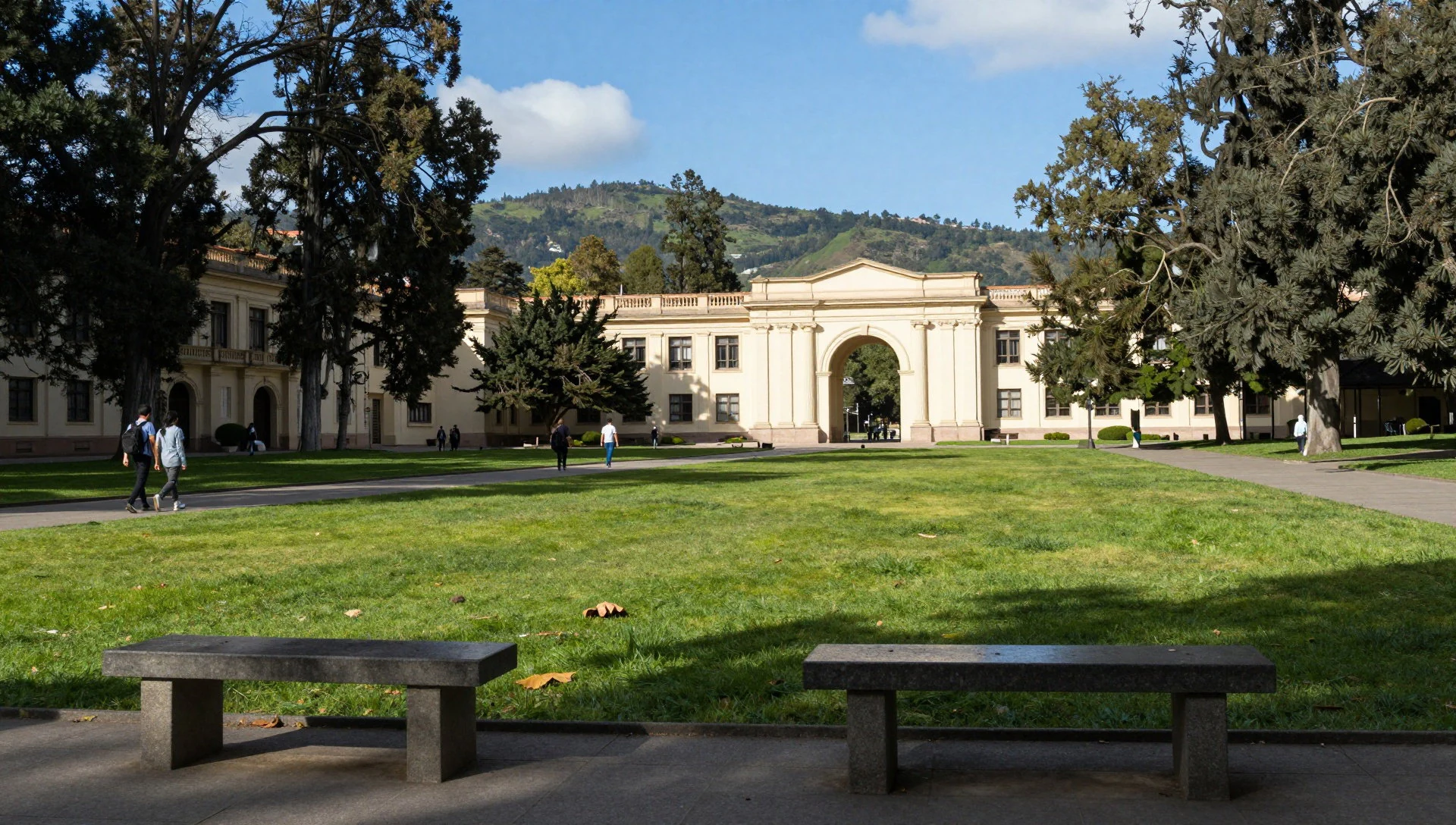
- Cerro Caracol and Mirador Alemán — Hillside above the city centre
A well-kept uphill path climbs through eucalyptus woodland to a stone lookout tower built by the city's German community in 1921. The view takes in the rooftops, the river plain and the bay. Go in the morning on a dry day, and carry water.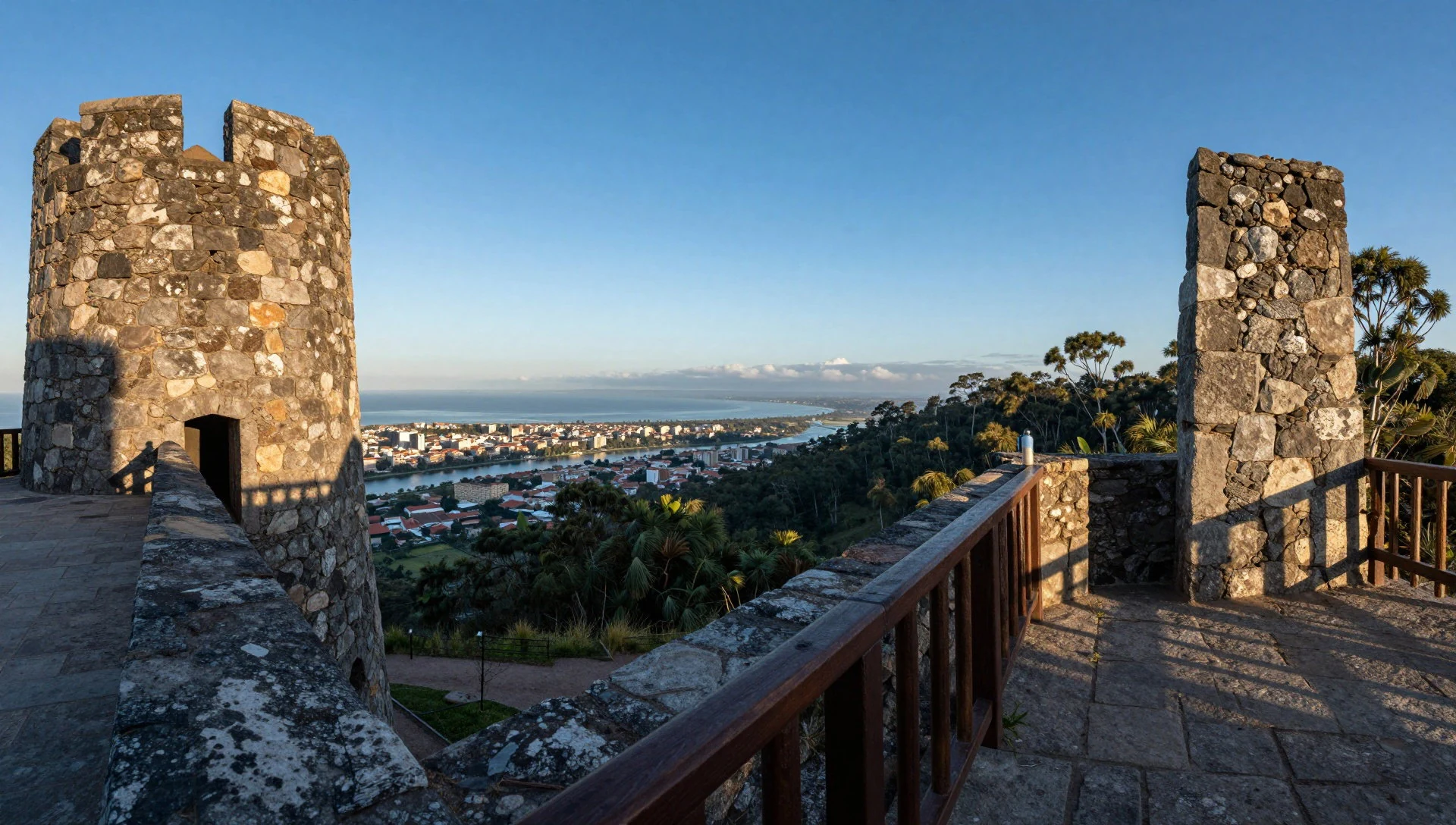
- Parque Pedro del Río Zañartu and Museo Hualpén — Hualpén, south-west of the centre
This coastal park holds an old house turned museum, filled with the collections of Pedro del Río Zañartu, a well-travelled landowner. Archaeological, natural and historical pieces are on show. Paths lead out to where the Biobío meets the Pacific, which makes it a good half-day trip by taxi or local transport.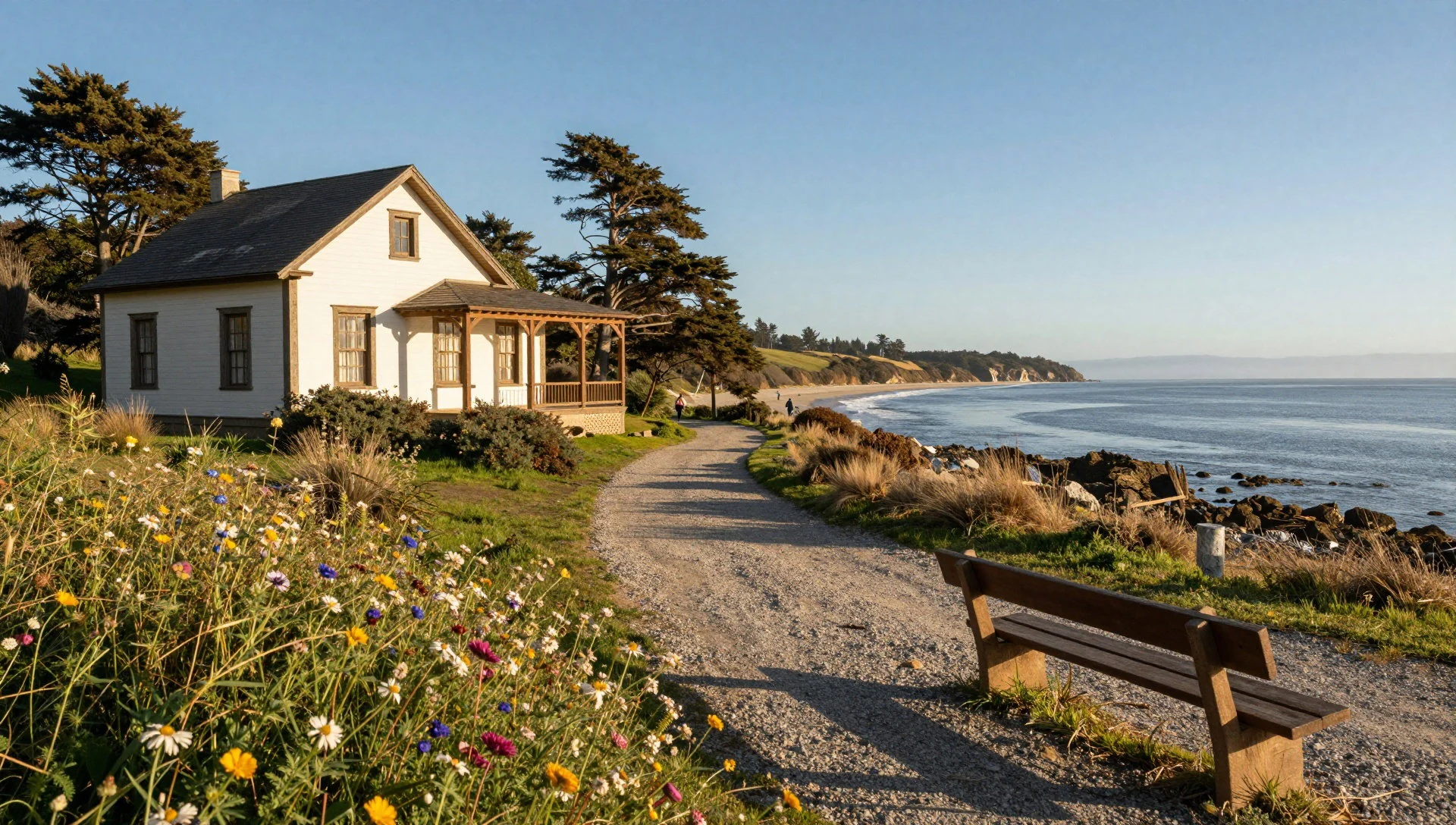
- Huáscar at Talcahuano — Naval base, Talcahuano
The Huáscar is an ironclad warship captured from the Peruvian navy during the Pacific War, now kept as a museum ship at the naval base in Talcahuano. Access rules depend on the base, so check opening arrangements locally before making the trip across the bay.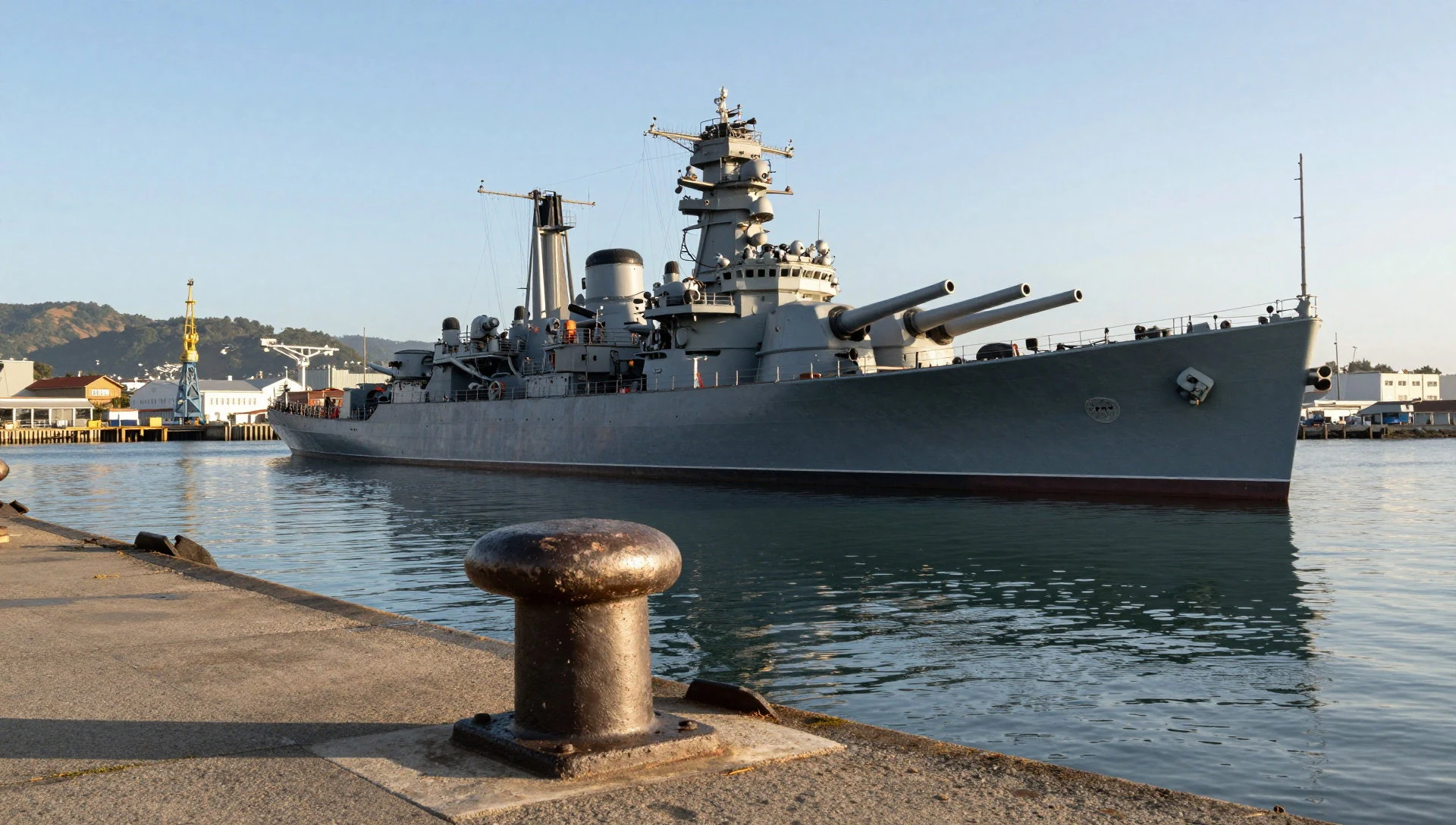
- Chivilingo hydroelectric plant — Near Lota, south of the city
Near the former coal town of Lota stands the plant that supplied Chile's first electric power, now a museum with a picnic area around it. It suits a slow day out, and pairs well with the mining history of the Lota coast. Check access and opening before setting out.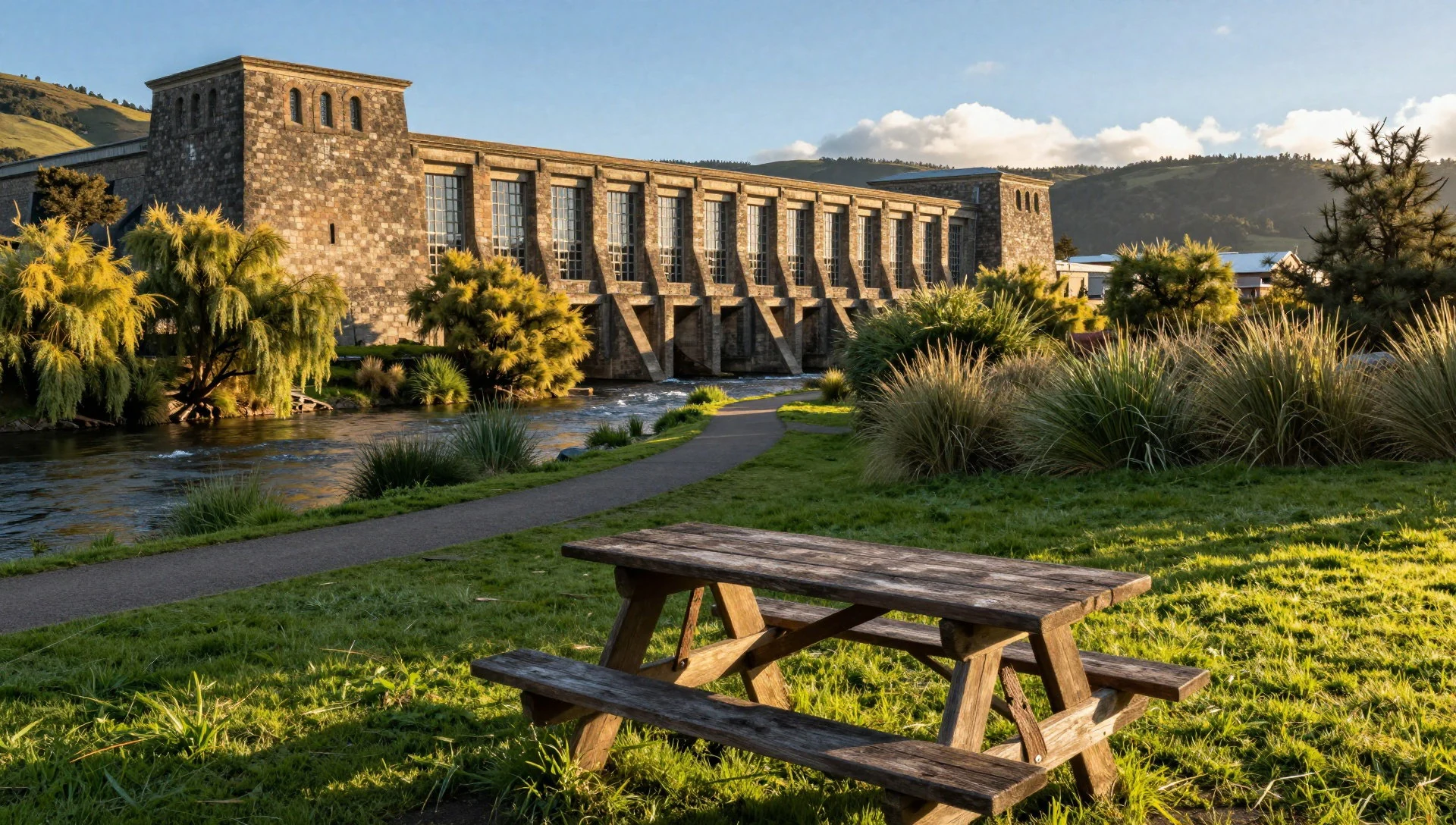
Culture
Concepción has a reputation for strong political and social activism, and the large student population keeps debate lively in cafés, on campuses and sometimes on the streets. Marches are common and usually peaceful, but the city can feel polarised on certain subjects. The Pinochet years and the Pacific War, in which Chile fought Peru and Bolivia, are sensitive topics, and many locals have personal or family stories attached to them. A visitor is better off listening than offering opinions. Because so many residents are students, a fair number understand some English, though a few words of Spanish are appreciated everywhere and make shop and bus conversations easier. The city is also shaped by its Mapuche neighbours, whose communities lie to the south, and by waves of German and other European settlers, which is why a German-style lookout tower and a German-style beer sit comfortably alongside Peruvian restaurants and Chilean hot-dog counters. Social life is informal and warm. Lunch is the main meal for many people, evenings start late, and groups of friends share jugs of beer or pisco cocktails for hours. Penquistas are proud of their university, their football and their hillside, and tend to respond well to genuine curiosity about the place. Keep political opinions about Chile's dictatorship and the Pacific War to yourself unless a local raises them first, and listen more than you speak.
What to wear
Concepción sits at the northern edge of Mapuche country, and the clearest traditional textiles in the region are Mapuche: woollen ponchos and blankets woven on upright looms, in natural and dyed tones, and heavy silver jewellery worn by women at ceremonies. Spanish chroniclers recorded gold and silver ornaments here in the sixteenth century, so metalwork has deep roots. Central Chile's rural horseman, the huaso, adds a woven wool poncho called a chamanto and a flat straw hat, usually seen at rodeos and national holiday celebrations rather than on city streets. In everyday life penquistas dress practically: jeans, trainers, knitwear, and a waterproof jacket from May to October. Students favour casual layers, and football shirts are common on match days. Smart-casual is enough for restaurants and bars, and nobody expects formality. Visitors should dress for a mild but changeable coastal climate. Summers are dry and pleasant, though evenings can turn cool, so bring a light jacket. Winters are wet, so a proper rain jacket and shoes with grip matter more than an umbrella, especially on the Cerro Caracol trails and wet pavements. Comfortable walking shoes suit hill paths and park visits. Churches and cultural sites have no strict dress code, but covered shoulders and knees are a sensible courtesy when entering the cathedral during services.
What to eat
- Completo — Sandwich counters and fast-food bars in the central streets
Chile's loaded hot dog, topped with mashed avocado, chopped tomato and a generous slick of mayonnaise. Concepción's lunch counters take it seriously, and locals have strong views on the best bar. It is cheap, filling and eaten standing up.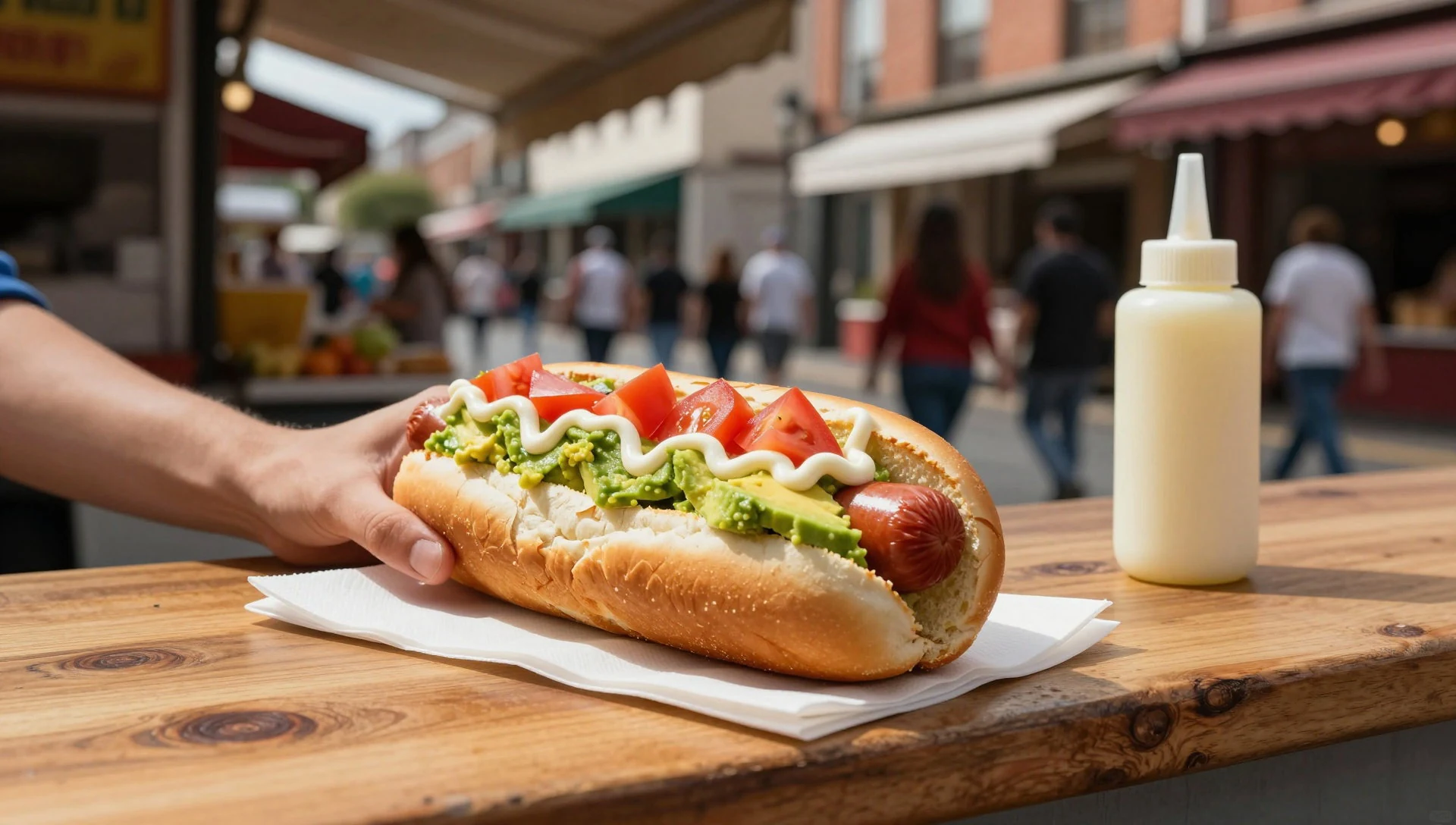
- Empanada de pino — Bakeries and street stalls near the centre
A baked pastry filled with minced beef, onion, egg and olive, a staple of Chilean celebrations. Bakeries sell them warm, often by the dozen at weekends. A good one is juicy and a little sweet from the onions.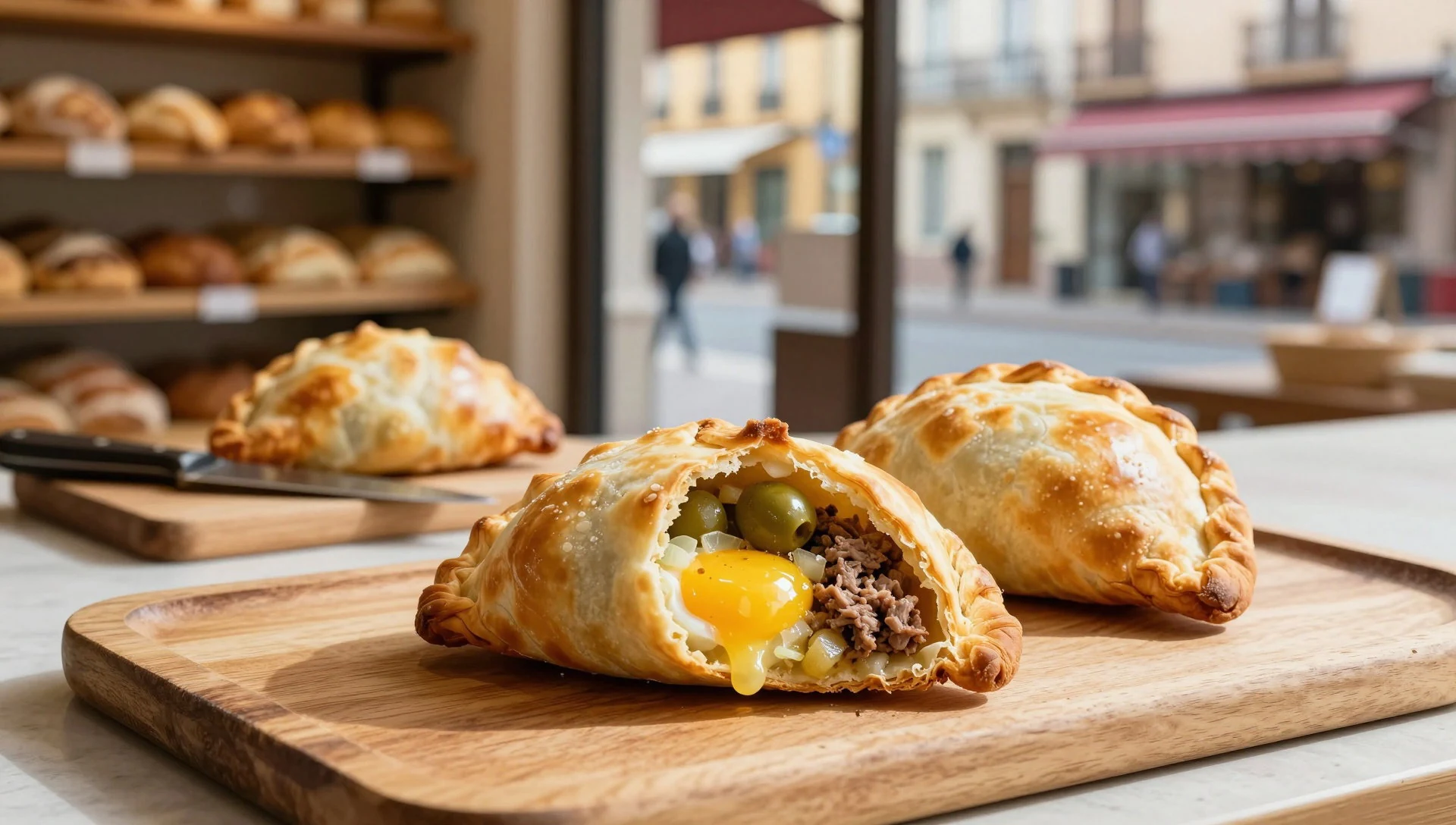
- Pastel de choclo — Traditional Chilean restaurants and family eateries
A baked dish of sweet corn paste spread over a filling of beef, chicken, onion and egg. It arrives in a clay bowl, bubbling at the edges. Summer menus feature it most, when fresh corn is in season. - Peruvian ceviche and seafood — Peruvian restaurants in the central districts
Concepción has Peruvian restaurants serving fresh fish and shellfish, often at fair prices for a city eatery of this kind. Ceviche, with its sharp lime marinade, is the dish to order. The Pacific is close, and it shows. - Pisco sour and piscola — Bars and nightlife streets near the university
Pisco sour blends grape brandy, lime and sugar, usually with a foam top. The piscola is simpler, pisco poured over cola, and drunk widely by students. Beer from the German-settled south is also easy to find, usually by the jug.
Plan it
Best time. November to March, when the weather is dry and mild; most of the year's rain falls between May and October, and winter air can be smoky.
How long. 2–3
Getting there. Concepción has its own airport, with flights from Santiago; otherwise take a long-distance bus from Santiago, about five hours with several departures through the day. Trains are slower and may involve a bus transfer. For a road trip, follow the Panamericana south and turn west near Chillán.
Budget. mid
Tips
- Book long-distance buses in advance around national holidays and school breaks
- Carry a rain jacket from May to October
- Use the morning for the Cerro Caracol hike, before it warms up
- Check museum and naval base opening arrangements locally before travelling to Talcahuano or Hualpén
- Carry some cash for small bakeries and market stalls
Etiquette
- Avoid bringing up Pinochet or the Pacific War unless a local does
- Greet shop staff and bus drivers before asking questions
- Stay clear of protest marches if you are not taking part
Nearby
Sources
- Wikidata Q1880 (CC0)
- Wikipedia: Concepción, Chile (rev 1384611564) (CC BY-SA 4.0)
- Wikivoyage: Concepción (rev 5424882) (CC BY-SA 4.0)
- Nicolas Sanhueza, Vista de la ciudad de Concepcion desde el norte (CC BY-SA 4.0)
- Gherm, arco de medicina udec (CC BY 3.0)
- Carlos Figueroa, Catedral de la Santísima Concepción (CC BY-SA 4.0)
- Clayolactico, UT 440 MC en Hualqui (CC BY-SA 1.0)
- Farisori, Plaza Perú (CC BY 3.0)
- U.S. National Imagery and Mapping Agency, Talcahuano, Concepcion, San Pedro de la Paz… (Public domain)
- Jojagal, Plano de la Bahía de Concepción del Reino de Chile en 1744 (CC0 1.0)
- Giulio Ferrario, Habillement des habitants de la Conception, Chile (Public domain)


