Tsambagarav
Tsambagarav, Mongolia
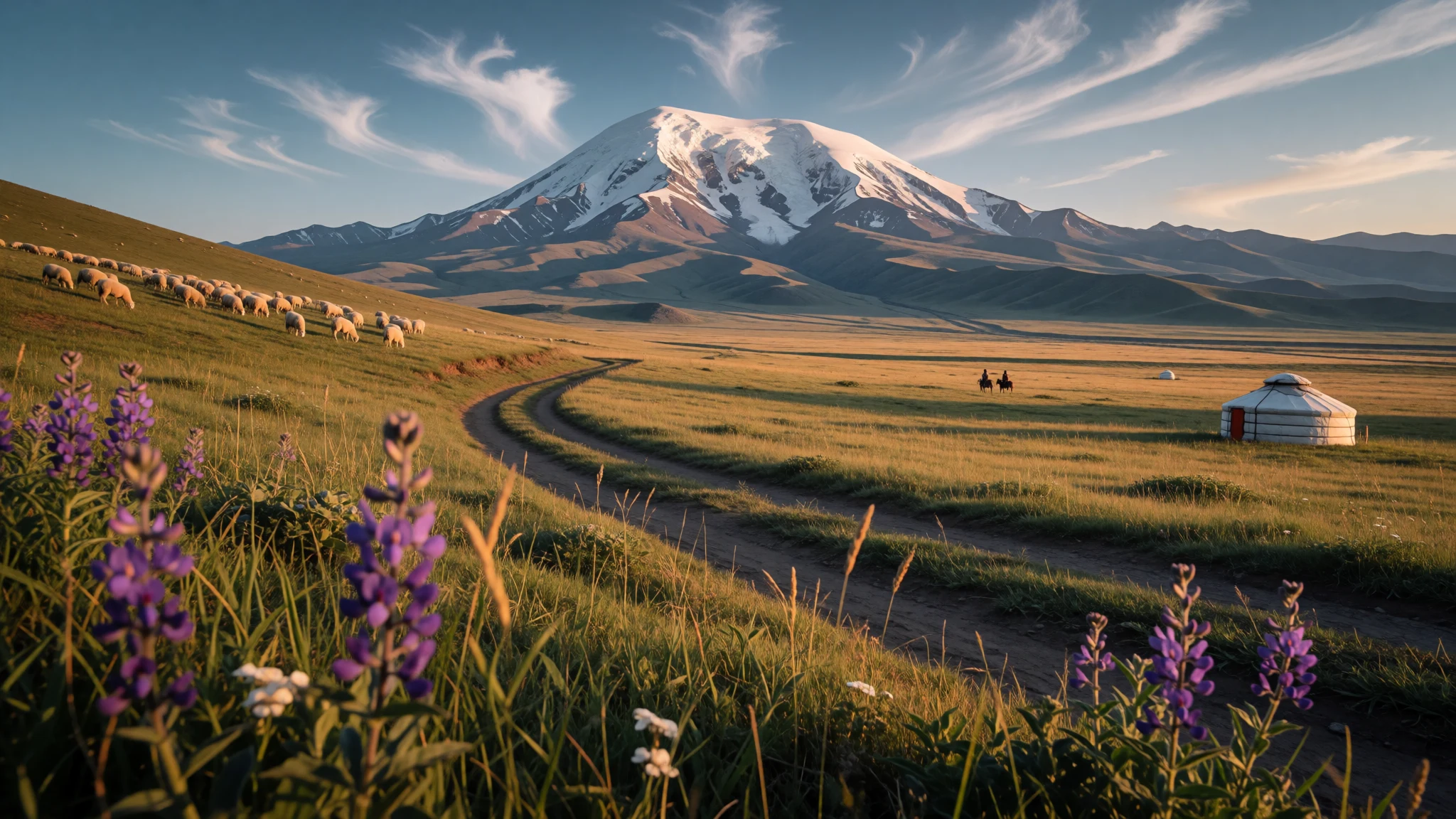
Tsambagarav is a lone, snow-covered Altai massif in western Mongolia, for those who want empty steppe, thin air and herding country.
The place
Tsambagarav is a snow-covered massif in the Altai Mountains of western Mongolia, on the boundary between Khovd Province and Bayan-Ölgii Province. Its highest point, Tsast Uul, reaches 4,193 metres, and the mountain has two named summits: Tsast Uul, whose name means 'snow-covered peak', and a second summit that carries the name Tsambagarav itself, a short distance to the east. Seen from the plains, the mountain reads as a single white block that stays pale long after the surrounding steppe has turned brown. That contrast makes it a landmark for the herders who live around it, and it is regarded in Mongolia as a sacred mountain for the surrounding region.
The country here is open and thinly settled. Valleys fall away from the flanks into dry grassland, where families move livestock between seasonal pastures and live in felt-covered gers. Villages are small and far apart, roads are mostly tracks, and the nearest towns of any size are the provincial centres of Khovd and Ölgii. Mobile signal comes and goes. Weather changes quickly at altitude: a warm afternoon can end in sleet, and snow is possible on the upper slopes in any month.
People come for different reasons. Some want a high-altitude climb among snowfields and ice; others are content with a slow drive around the foothills, a day walk to a viewpoint and a night in a herder's camp. Either way the place rewards patience more than speed. Distances look short on a map and turn out long on a track, so a trip here is better built around a driver, a guide and spare days than around a tight list of stops.
Its story
Tsambagarav has a short written history in English, and most of what is known comes from how people in the region have regarded the mountain. Mongolian tradition honours high peaks as places of spirit and protection, and this one, the white landmark of the western Altai, is counted among the regional sacred mountains. Herders mark such mountains with ovoo, cairns of stones and branches where offerings are left and prayers are said for safe travel and good pasture. The name Tsast simply describes what anyone can see: snow.
Mountaineering records are sparse. One documented ascent was made by an Italian party, Gianni Pais Becher, Gastone Lorenzini and Elziro Molin, who climbed both Tsast Uul and the Tsambagarav summit in June and July 1992. Four Mongolian companions are named alongside them in the record: Jndonpuncav, Gotov, Samubun and Battulga. The account is brief, and the mountain remains far less documented than the famous peaks of other ranges, which is part of its appeal for travellers who prefer not to follow a well-worn route.
The mountain looks over two provinces and over the Mongol and Kazakh families who graze their animals below it. Its meaning to them is not a matter of summit records. It is a weather-maker, a water source in the form of melting snow, a point on the horizon by which journeys are measured, and a presence that people greet with respect before they ask anything of it.
What to see
- Tsast Uul, the main summit — Altai Mountains, on the Khovd–Bayan-Ölgii boundary
The highest point of the massif, at 4,193 metres, is a snow-covered dome that dominates the horizon for a long way around. Few visitors climb it; the ascent needs snow and ice experience, acclimatisation and a local guide. Most simply view it from the valleys, ideally in clear morning light.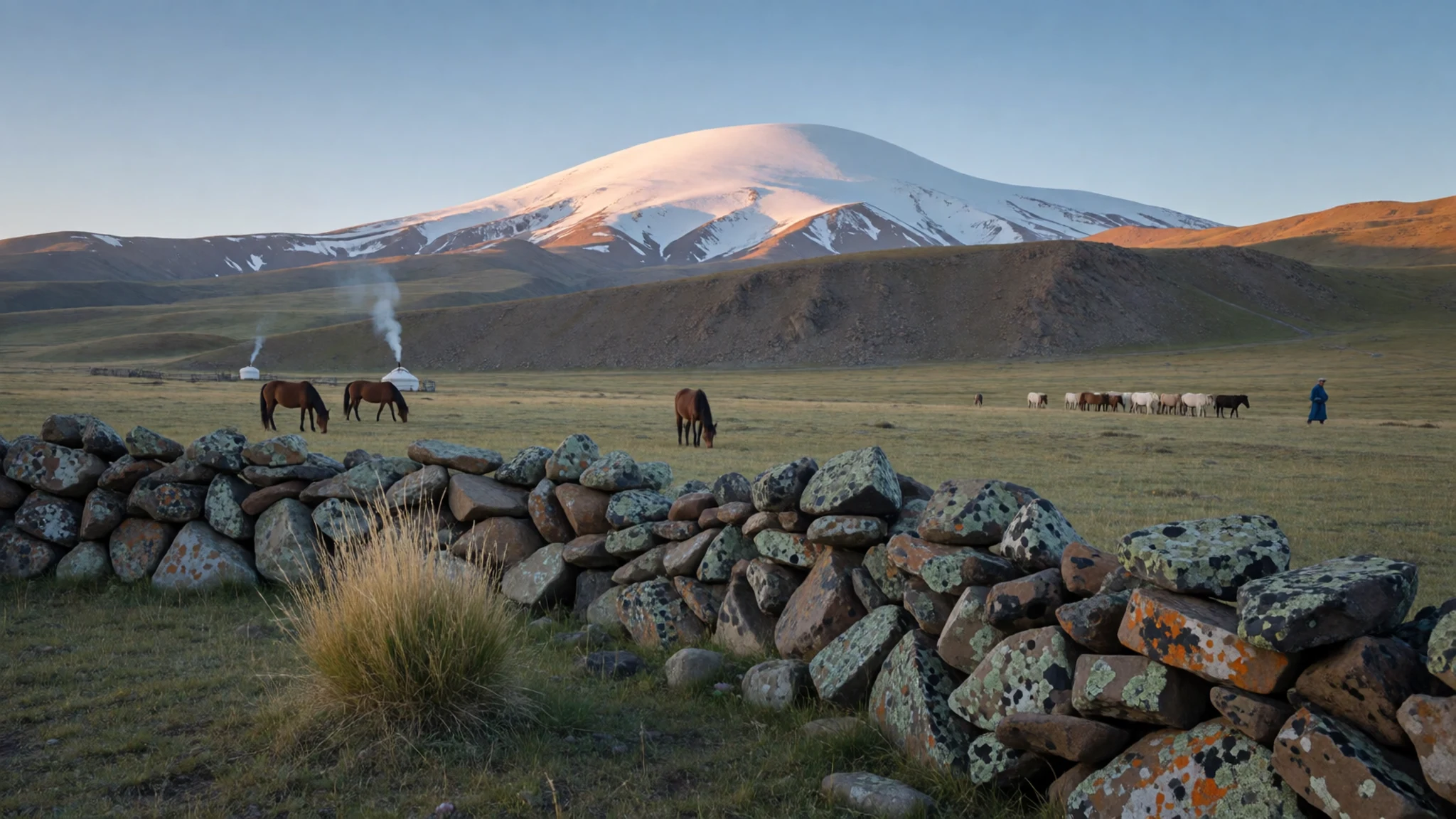
- The Tsambagarav summit — Eastern side of the massif
The second named peak lies a short distance east of Tsast Uul and shares the mountain's name. It gives a different profile of the massif, and the two summits together explain why the whole mountain looks so broad from the plains. Treat distances between them as a serious day on foot.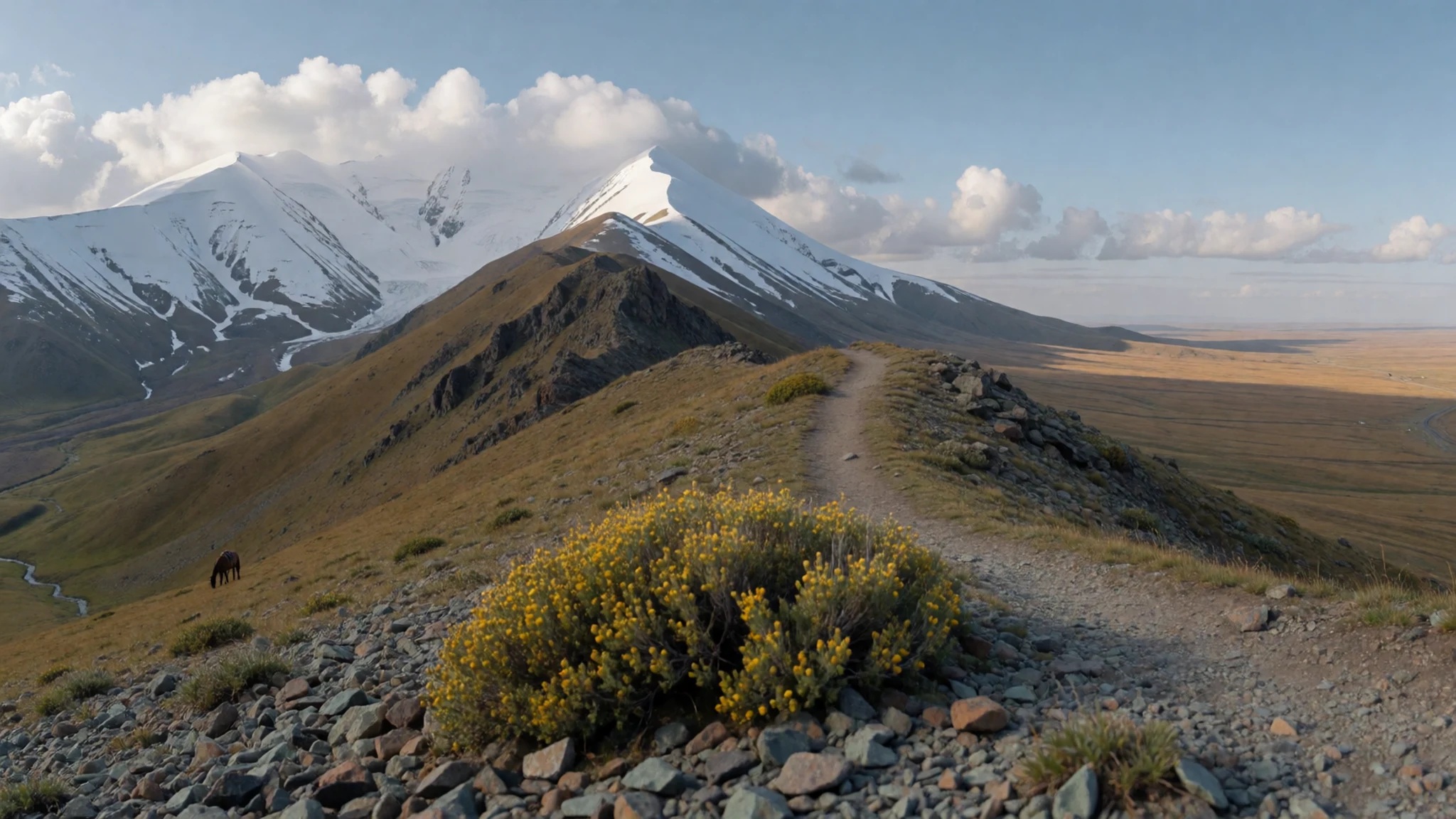
- The foothill valleys — Lower slopes, both provinces
The grassland valleys at the base of the mountain are the easiest way to see it. Tracks run between seasonal herder camps, with flocks of sheep and goats, horses and sometimes camels on the slopes. A slow loop by 4x4 or on foot, with stops for photographs, takes in the mountain from several sides.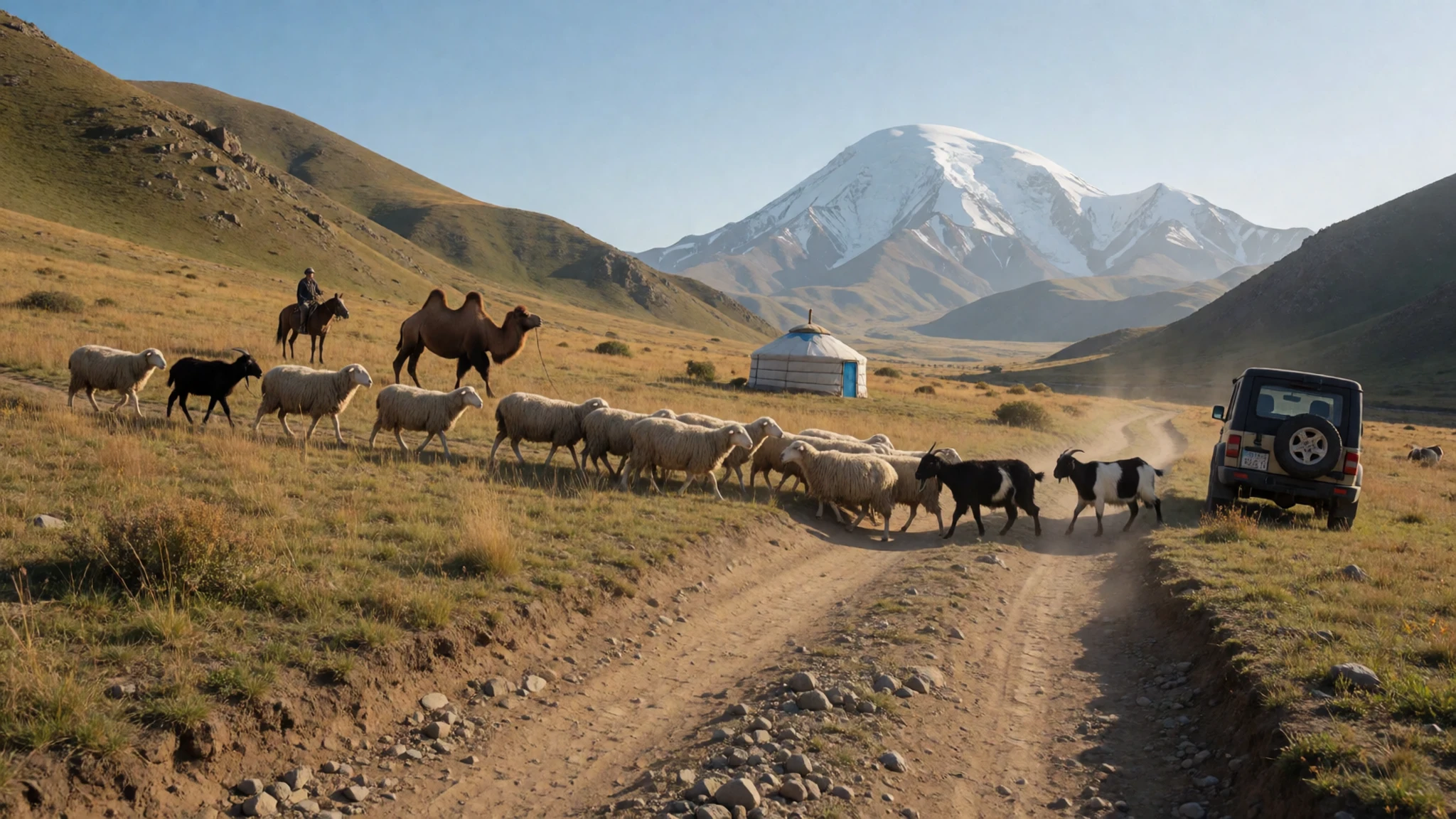
- Khovd town — Khovd Province, south-east of the mountain
The provincial centre of Khovd Province is the usual place to arrange a driver, buy supplies and stock up on cash before heading out. It has a market, simple eateries and a local museum worth a short visit. It also gives a feel for the mixed communities of the west.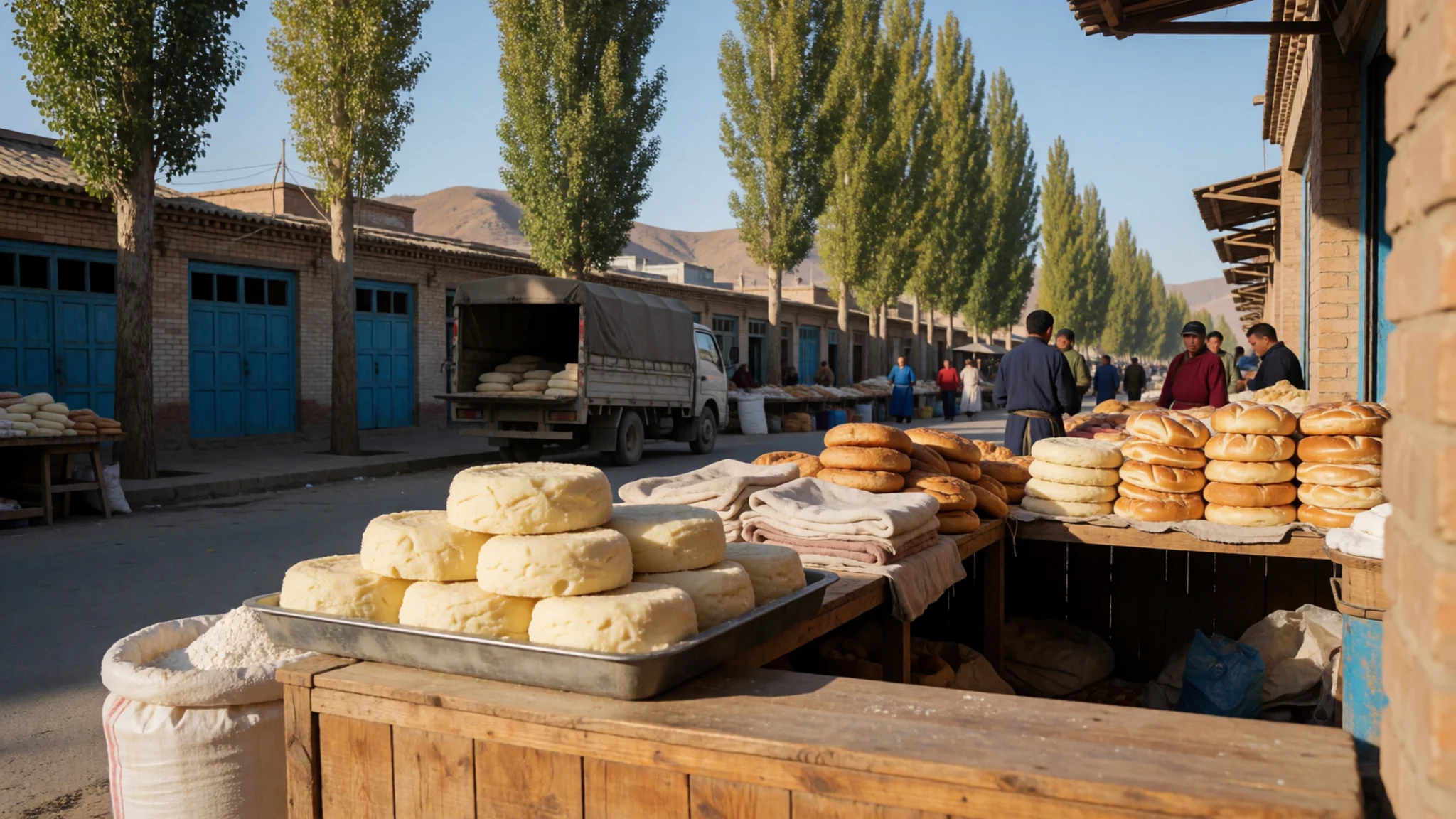
- Ölgii town — Bayan-Ölgii Province, north-west of the mountain
The centre of Bayan-Ölgii Province, home to a large Kazakh community, makes a lively base on the northern side of the range. Its bazaar sells felt goods, dried dairy and fresh bread, and local guides here know the surrounding mountain country well. Allow time to talk to people before leaving town.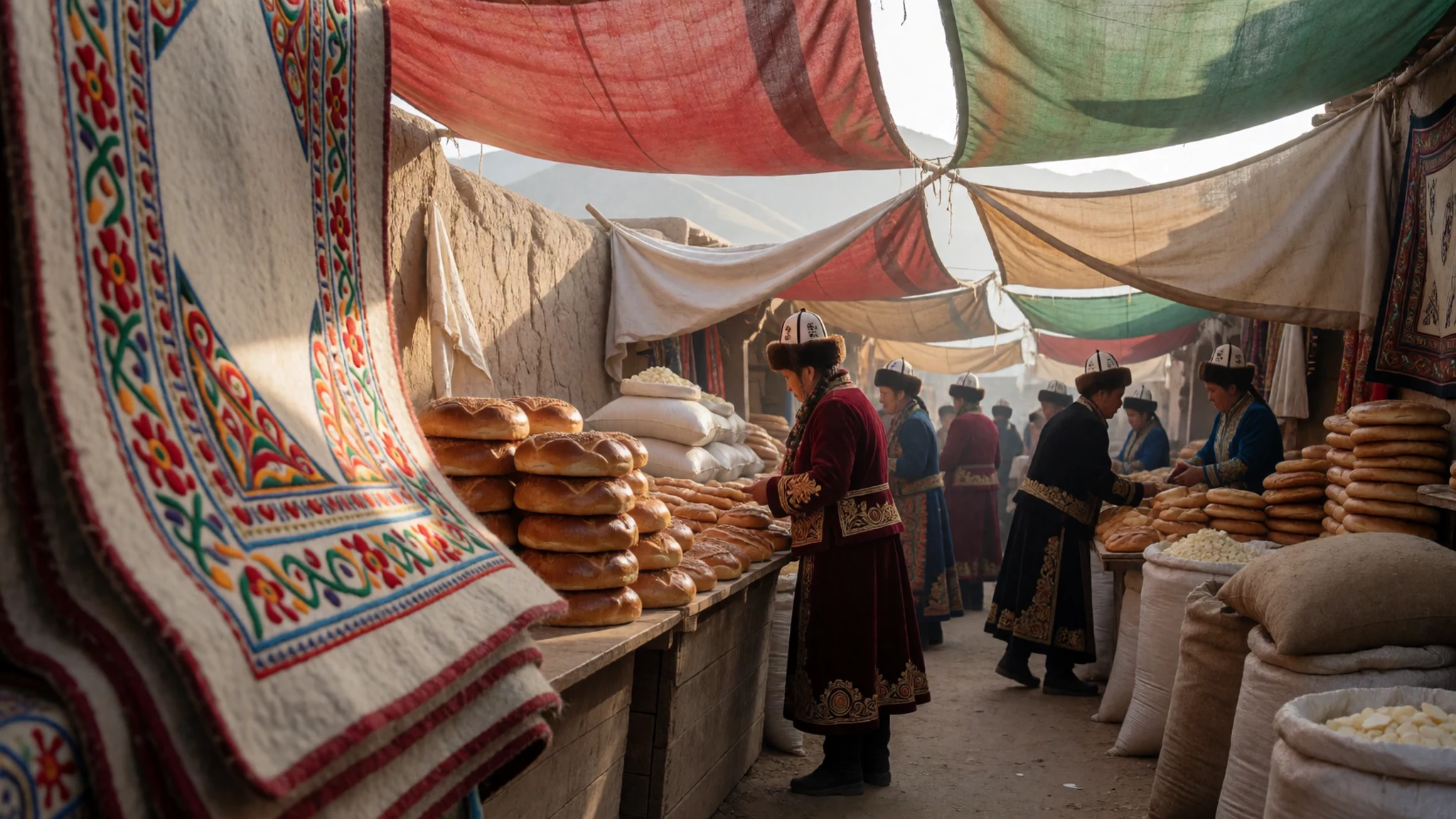
Culture
Tsambagarav sits where Mongol and Kazakh traditions meet, and the culture around it is shaped by herding. Families move with their animals through the year, setting up gers in summer pastures and retreating to more sheltered winter ground. Hospitality is a duty rather than a favour: a traveller arriving at a ger is expected to be offered tea, dairy products and a place to sit, and to accept them with thanks.
Mountain veneration runs through the region. Peaks are honoured as protectors of the land, and the Mongolian tradition of ovoo, stone cairns often decorated with blue cloth, marks passes and summits where travellers stop to pay respect. On the Mongol side, Buddhist and older shamanic ideas overlap; among Kazakh families in Bayan-Ölgii, Islam and a strong tradition of horse and eagle culture shape daily life. Songs, epic poetry and the two-stringed dombra or horsehead fiddle remain part of gatherings.
Visitors will find the pace unhurried. Greetings take time, questions about family and journey are normal, and a conversation can easily last through a pot of salted milk tea. Guides and drivers from the area are not only logistics but a way into this social world, and treating them as such makes a trip richer.
When you reach an ovoo, walk round it clockwise, leave the stones as you found them, and never take anything from it or climb on it.
What to wear
Tsambagarav country has two strands of traditional dress. Mongol herders wear the deel, a long wrap-over robe closed at the right shoulder and tied with a sash, made from cotton, silk or heavy wool-lined cloth depending on the season. Kazakh families in Bayan-Ölgii favour richly embroidered felt and velvet, with fur-trimmed hats and long coats; embroidered wall hangings and felt rugs are made from sheep's wool. These clothes are worn most at festivals, weddings and national holidays, and by older people in daily life.
In practice, most people now wear practical modern clothing: jeans, fleeces, padded jackets, rubber boots or leather riding boots, with a deel pulled on over the top in cold weather. Herders working on horseback dress for wind and dust above all, and a scarf or cap is nearly universal.
Visitors should dress for the mountain rather than for the town. Even in midsummer the nights are cold and the weather can turn within an hour, so bring layers, a windproof and waterproof shell, a warm hat and gloves, and strong sun protection for the thin air. Sturdy broken-in boots suit the rough ground; a climber needs proper mountaineering boots and equipment. Modest dress is appreciated in villages and when visiting families, so covering shoulders and knees is polite. Leave jewellery and showy gear at home; it is unnecessary and out of place.
What to eat
- Suutei tsai (salted milk tea) — Herders' gers and eateries in Khovd and Ölgii
Tea boiled with milk and a pinch of salt, offered as soon as a guest enters a ger. It is warming and filling, and refusing it entirely can seem rude. Expect it at any herder's camp and in the eateries of Khovd and Ölgii.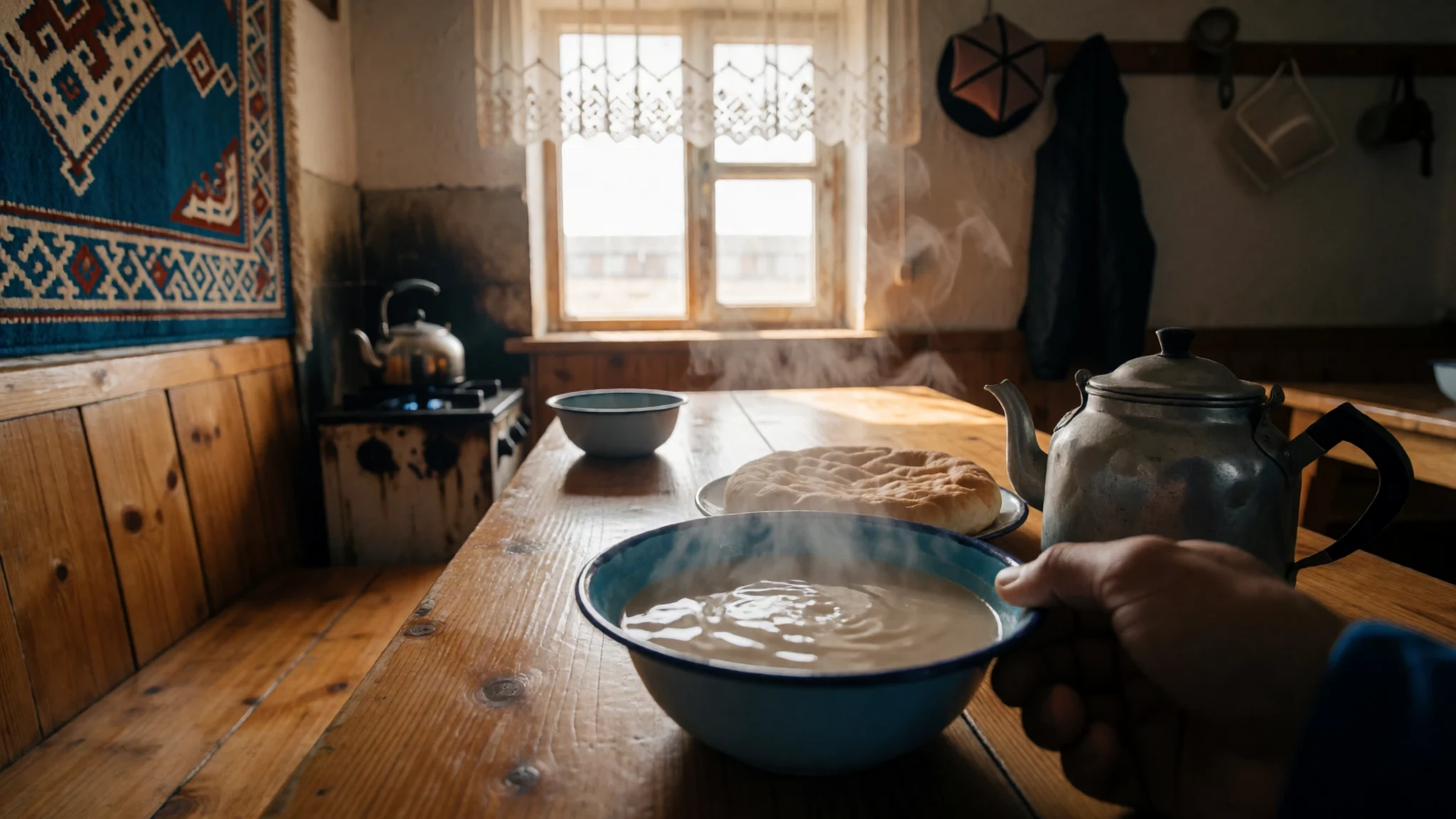
- Boiled mutton — Family gers and village eateries
Plain boiled sheep meat on the bone, seasoned with little more than salt, is the classic dish of the steppe, and is often served for guests. Meat is eaten with a knife, cut away from the bone. It tastes of the grass the animals graze.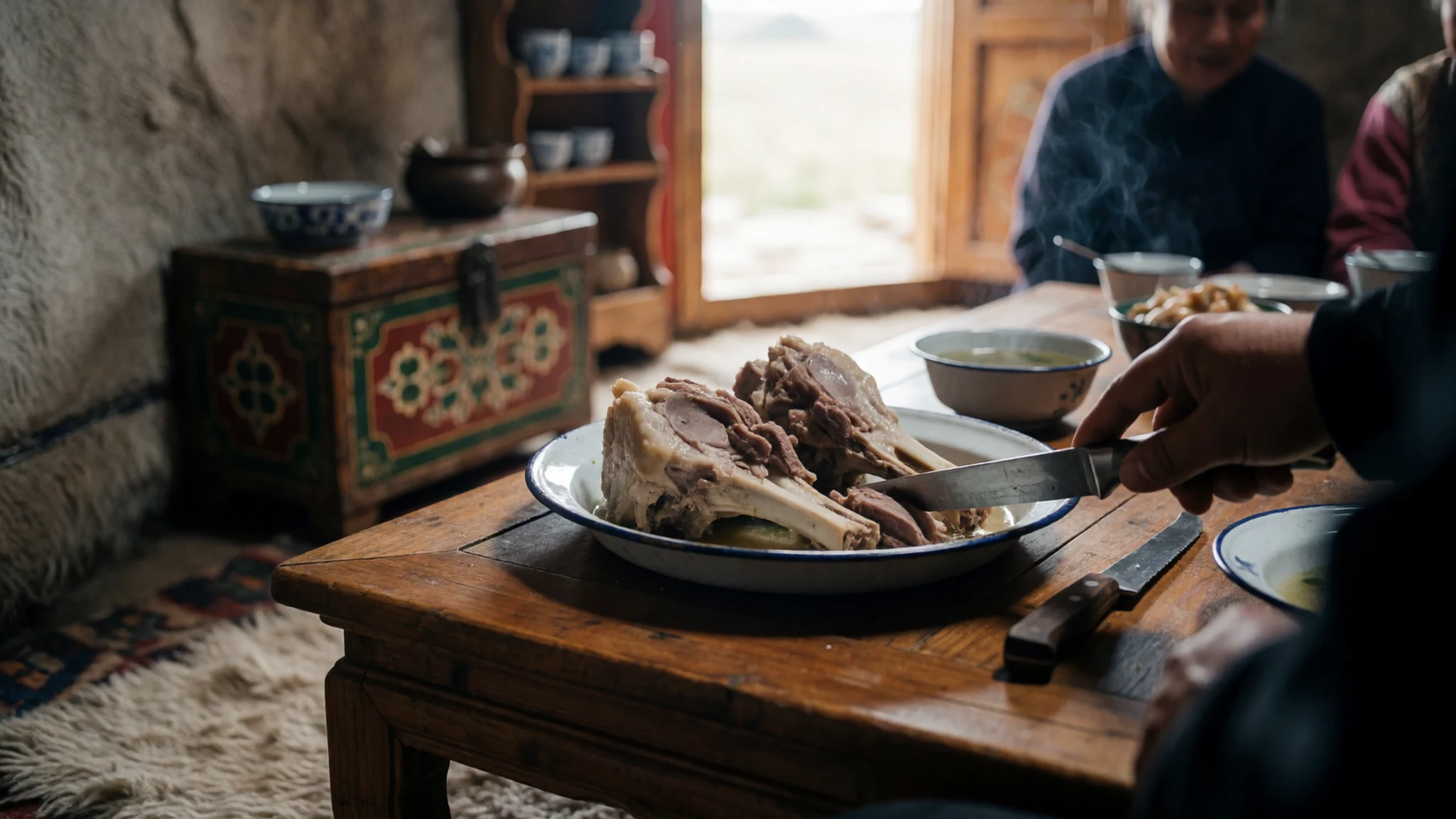
- Beshbarmak — Kazakh households and eateries in Ölgii
A Kazakh dish of boiled meat served over wide, flat noodles with onion broth. It is made for gatherings and special guests, and is eaten by hand in traditional settings. It appears most often in the Kazakh households and eateries of Bayan-Ölgii. - Aaruul and other dried dairy — Ger camps and the bazaars of Khovd and Ölgii
Hard, sour dried curds that keep for months and travel well, eaten as a snack on long journeys. They are an acquired taste, chalky and tangy. Offered in gers, they are also sold in bags at local markets. - Baursak — Kazakh homes, bakery stalls and the bazaar in Ölgii
Small pieces of fried dough, golden and slightly chewy, served alongside tea in Kazakh homes and at celebrations. They are easy to eat in quantity. The best are fresh and warm, from a family kitchen or a bakery stall.
Plan it
Best time. June to early September, when days are warmest and tracks are usually passable; the mountain keeps its snow and the weather can still turn cold or wet at short notice. Winters are long and very cold, making travel and climbing hard.
How long. 4–6
Getting there. Fly from Ulaanbaatar to Khovd or Ölgii (check airline schedules, as services vary by season), then continue by 4x4 with a local driver along tracks towards the mountain. The last leg is slow and the route depends on weather, so build in spare time.
Budget. mid
Tips
- Hire a local driver and, for any climb, a guide who knows the glaciers and weather; do not attempt the summit without snow and ice experience
- Allow time to acclimatise before going high, as the summit is 4,193 metres
- Carry cash and enough food, water and fuel for the trip, since shops and cash machines are few outside the provincial centres
- Check weather and track conditions with locals before leaving, and ask the local authorities about any permits needed
- Start walks early, since afternoon weather can change fast and mobile signal is unreliable
Etiquette
- Walk clockwise round ovoo and leave offerings and stones as they are
- Accept tea or food offered in a ger with both hands, and ask before photographing people or their animals
- Take all rubbish out with you and keep water sources clean
Nearby
Sources
- Wikidata Q4503067 (CC0)
- Wikipedia: Tsambagarav (rev 1371762371) (CC BY-SA 4.0)
- Tsambagarav Mountain in July — Altaihunters, via Wikimedia Commons (CC BY 3.0)
- Relief map of Mongolia — NordNordWest, derivative work Виктор_В, via Wikimedia Commons (CC BY 3.0)
- Wikivoyage (CC BY-SA 4.0)

