Trnava
Trnava, Slovakia
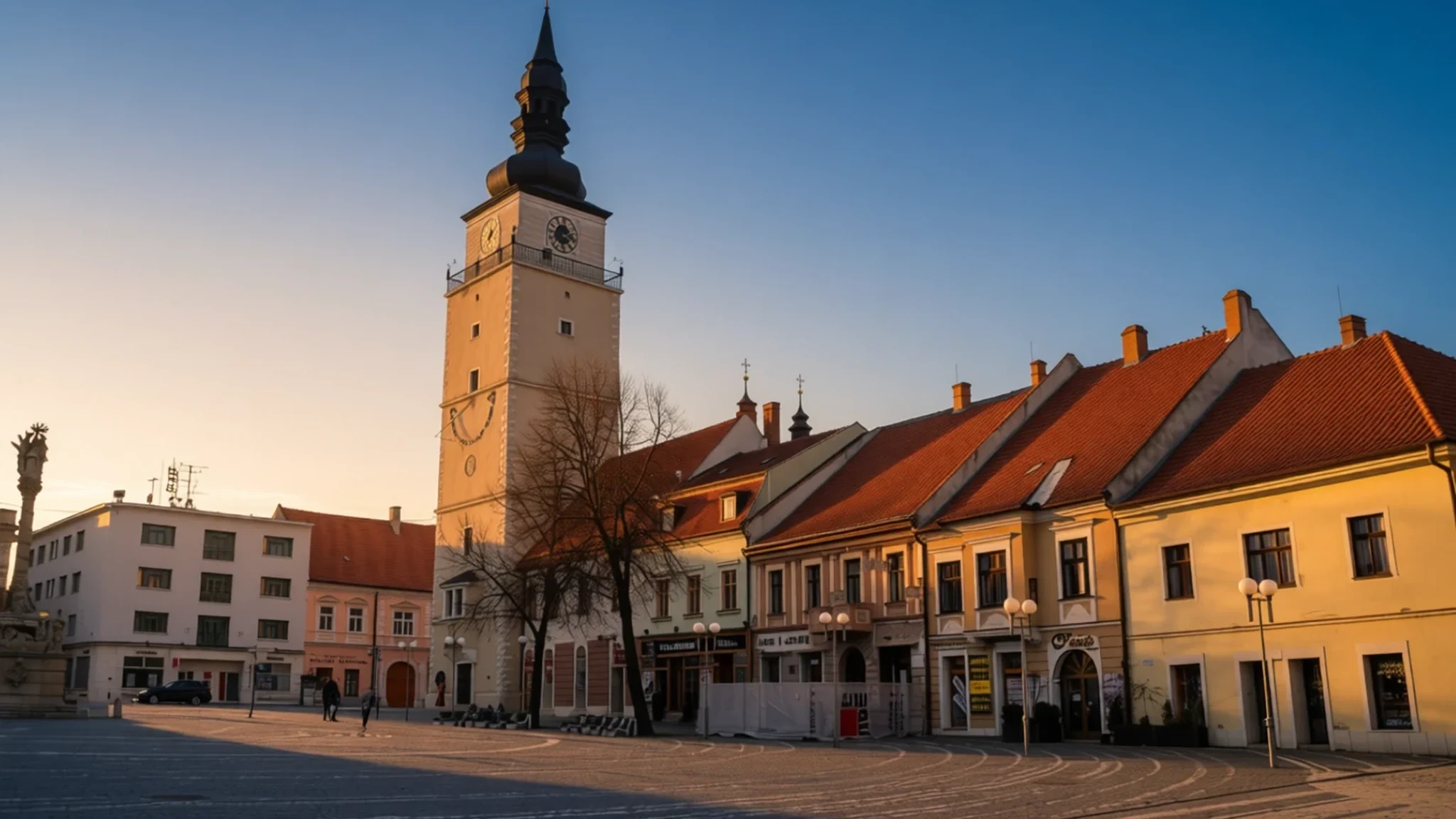
Trnava is a compact, walkable Slovak town of churches, a medieval street plan and good local beer, an easy day from Bratislava.
The place
Trnava sits in the flat Danubian Lowland of western Slovakia, on the small Trnávka river, at an elevation of 144 metres. Bratislava is the nearest big city, and the town works as a quiet regional capital for the Trnava Region. With a population of 63,184, it feels like a place where people live and work rather than one arranged for visitors.
The old centre is the reason to come. Its lanes still follow the outline of the medieval walls, and inside them stand so many churches that the town has long carried the nickname "Little Rome", or Malý Rím in Slovak. The seat of a Catholic archbishop gives the nickname some weight. Other names turn up on old maps and in older books: Tyrnau in German and Nagyszombat in Hungarian, a reminder of how many empires and languages have passed through.
The climate is continental, with four clear seasons. Summers are warm, winters cold, and the in-between months are the pleasant ones for walking. The land around is open farmland, with the Little Carpathians rising to the west and the Považský Inovec hills to the north-east, so wine villages and castles are within easy reach.
Trnava is also an industrial town. Mechanical engineering has been its trade since the early twentieth century, and you notice it at the edges, where factories and housing blocks sit beyond the old core. The centre itself is small enough to cross on foot in a few minutes. Expect few tour groups, café terraces in the main square and a pace that is calm even in high season.
Its story
Trnava's history begins with a crossroads. In the Middle Ages a market settlement grew where one route ran from Bohemia towards Hungary and another from the Mediterranean towards Poland. Traders passing through gave the place its early wealth, and farming gradually gave way to crafts, manufacture and commerce.
The first written mention dates from 1211. In 1238 the king granted Trnava a town charter, and it was the first town in what is now Slovakia to receive one. That gave its citizens civic privileges and set it apart from the villages around. German settlers had been invited by the Hungarian crown in the early thirteenth century, and more arrived after the Tatar invasion of 1242, bringing skills and shaping the town's character. By the turn of the thirteenth and fourteenth centuries a part of Trnava was ringed by long defensive walls, and their line still decides the shape of the historic centre.
The town later became a seat of learning. It had a university by the seventeenth century, and the religious and educational institutions of that period explain the density of churches and the Little Rome name. Its position within the Kingdom of Hungary and then the Habsburg monarchy meant it was known by several names, which is why Tyrnau and Nagyszombat still appear in old records.
Industry arrived at the start of the twentieth century, and mechanical engineering remains the town's reputation across the country. The result is a place layered with trade, faith, learning and factory work, with each layer still visible on the street.
What to see
- Trojičné námestie and the Holy Trinity column — Old town centre
Trnava's main square is the natural starting point, a broad pedestrian space with cafés, a Holy Trinity column and the town tower at one end. It is best seen early, before the terraces fill. The surrounding façades show how a market town dressed itself over the centuries.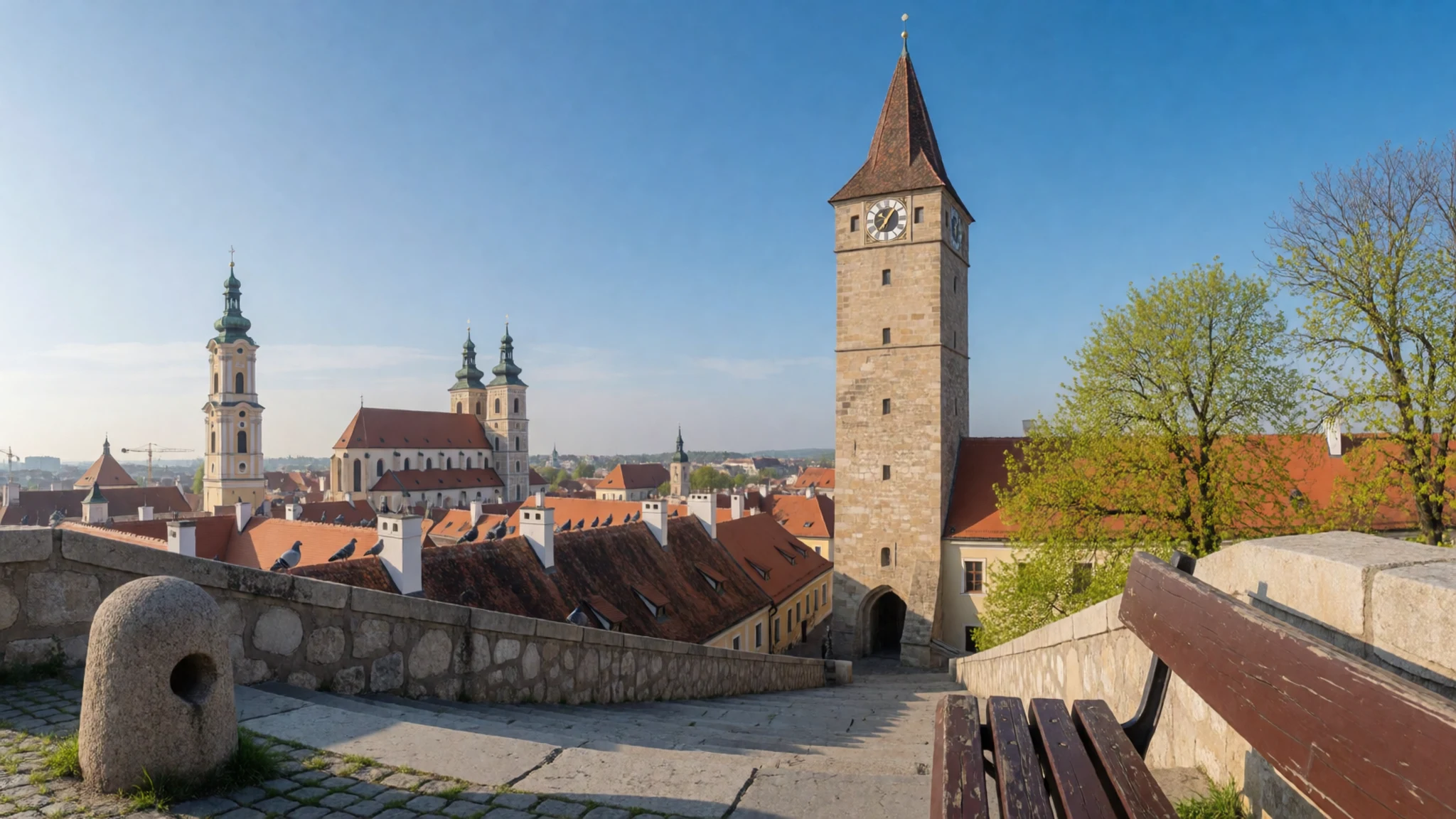
- City Tower — Trojičné námestie
The tower rises over the square and can be climbed for a view across the old town's rooftops and church spires, towards the flat plain beyond. Tickets are sold at the tourist office on the ground floor. Check the opening times with the office before planning a visit.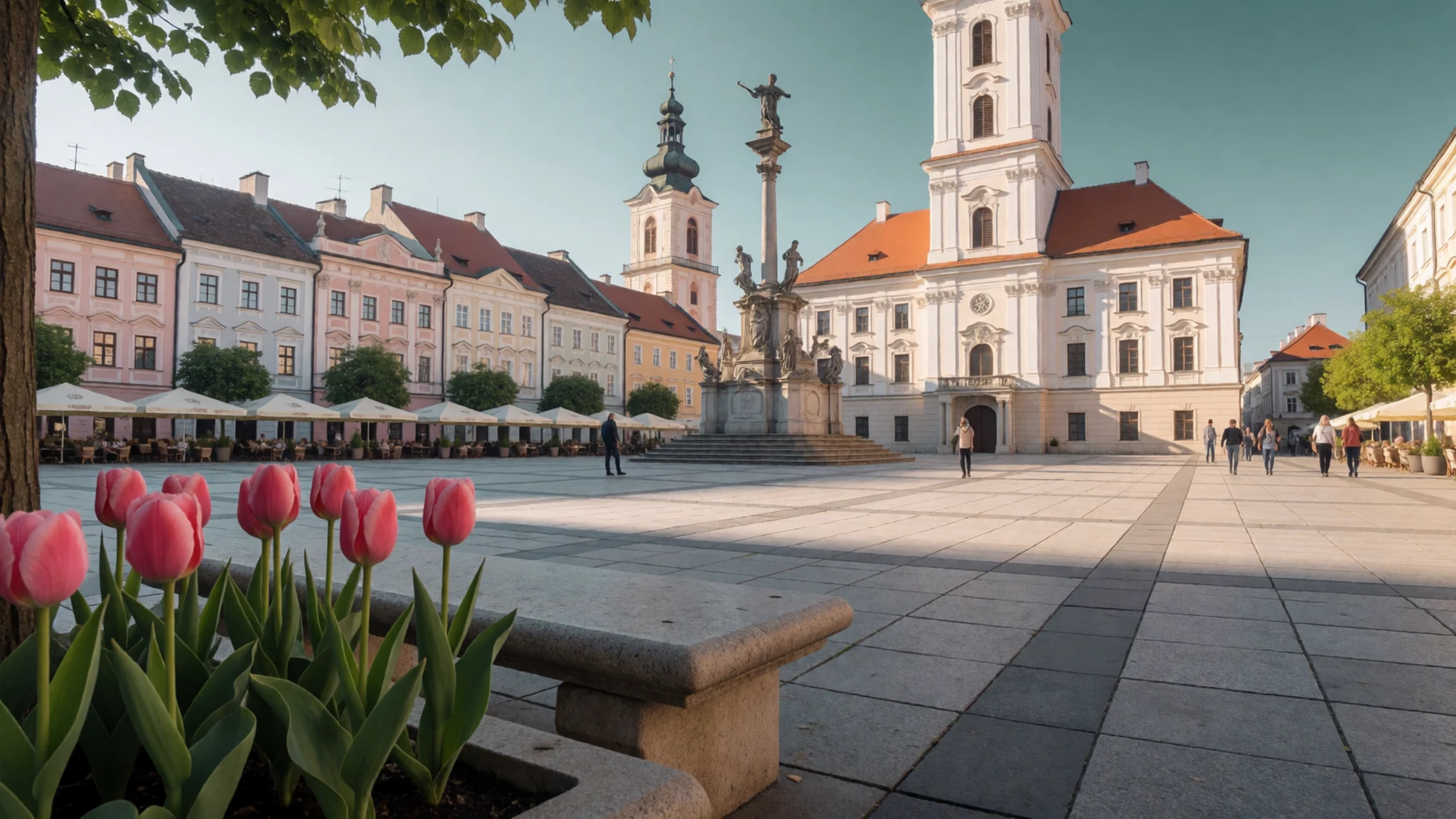
- Cathedral of St John the Baptist — North of the square
The cathedral of the Archdiocese of Trnava was consecrated in 1637. It is the most important of the town's many churches, and the visit shows why Trnava is called Little Rome. Go inside for the scale, and expect quiet during services.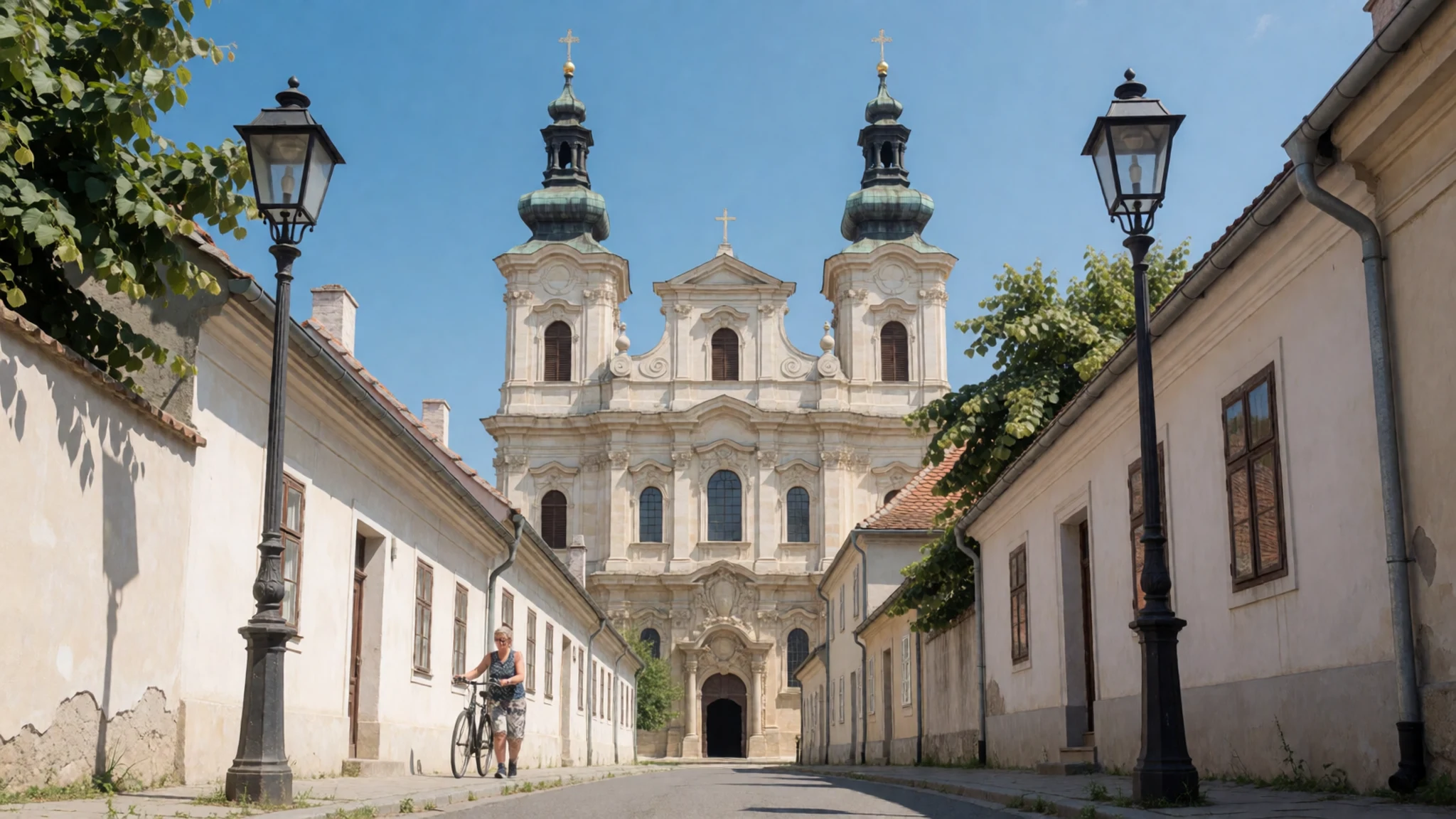
- Basilica of St Nicholas — Eastern old town
This large church stands at the eastern edge of the old centre and is one of the landmarks you see while walking the line of the former walls. It rewards a slow loop outside, then a look inside if it is open. Pair it with the nearby synagogue for a sense of the town's different communities.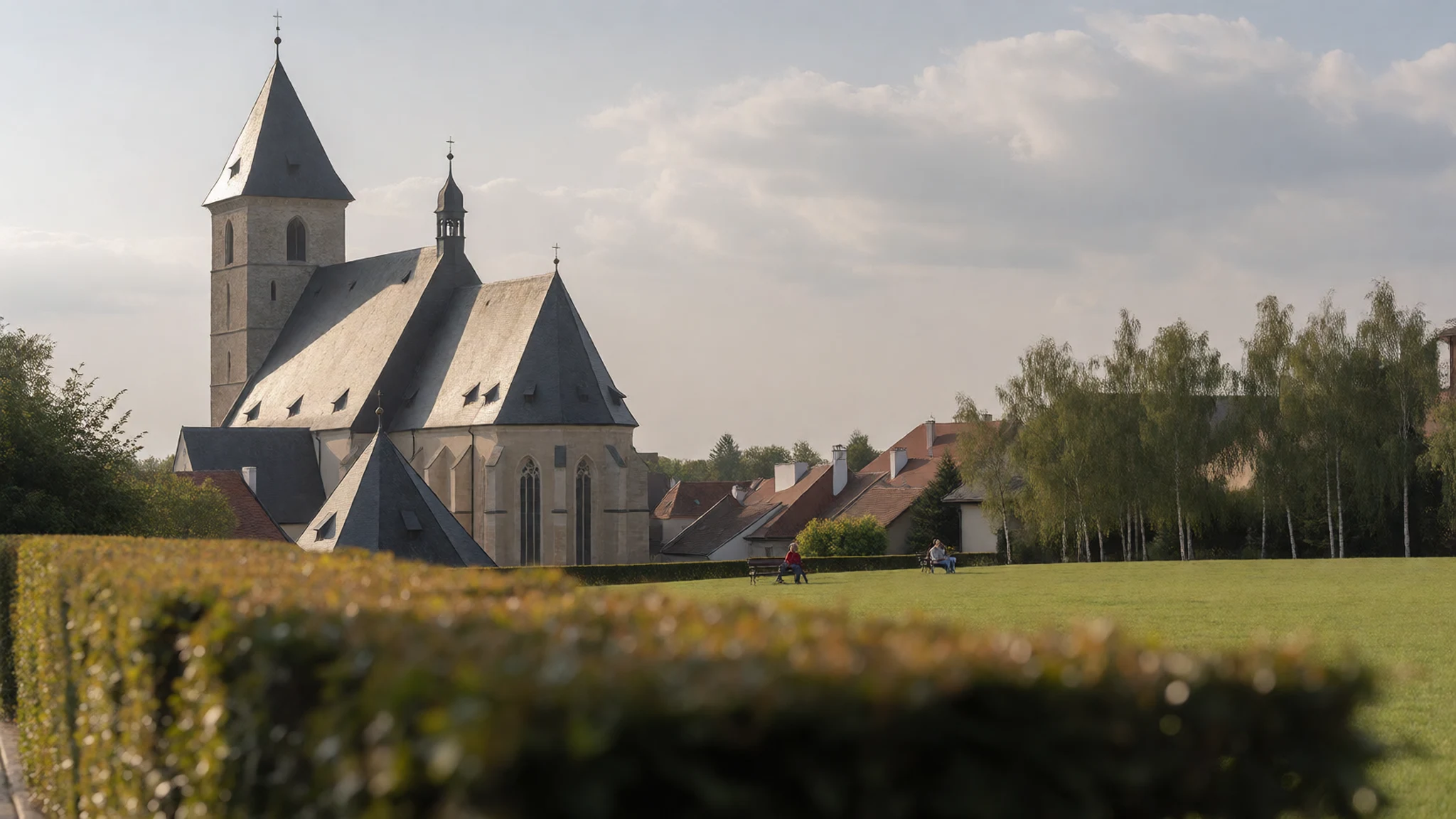
- Synagogue — Near the eastern walls
An oriental-style synagogue built in 1891, it is a reminder that Trnava has had a Jewish community as well as a Catholic one. The style, with its decorative arches, stands out among the baroque churches nearby. Check locally for opening arrangements and exhibitions before visiting.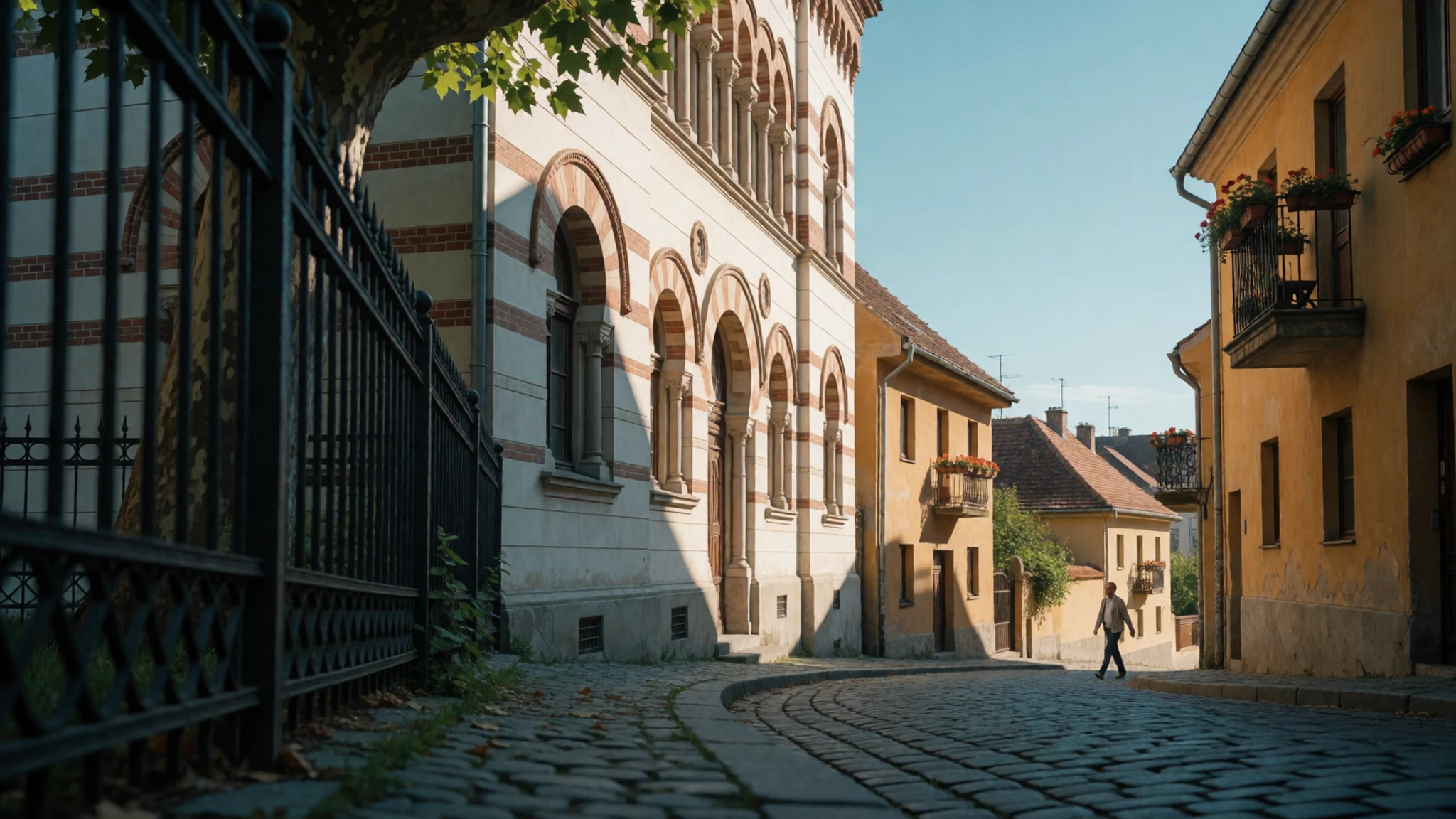
- University and Town Hall — Old town
Trnava's university past still shows in the buildings around the old centre, and the town hall is a good example of civic architecture on the square. Photograph both from the street, then use the pedestrian zone to move between them at an easy pace.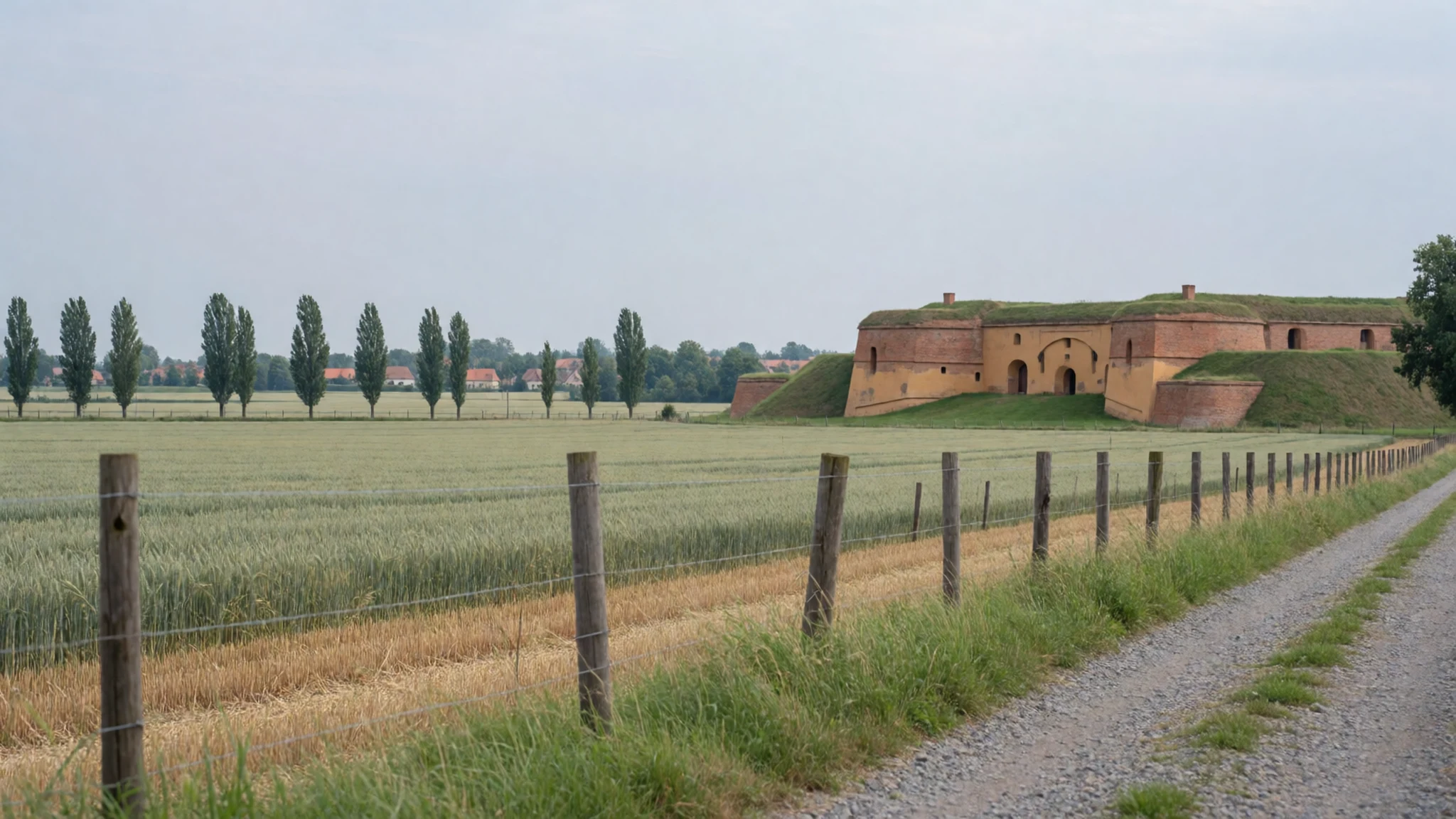
Culture
Trnava's culture rests on faith, learning and a mixed Central European past. The Catholic tradition is strong, which explains the many churches and the archbishop's seat, and church bells and processions are part of ordinary town life. The university tradition, dating to the seventeenth century, gives the town a sense of being a place of books as well as trade.
Literature and film have used the town. The scholar János Zsámboky, born here, wrote a Latin poem to his birthplace in the sixteenth century. Jožo Nižnánsky's 1938 novel Trnava, ruža krvavá, or The Bloody Rose, set a story in the time of Rákóczi's War of Independence, and Juraj Červenák placed his historical mystery Lovec čertov in the town and its surroundings. The 1957 Slovak film Posledná bosorka, The Last Witch, is set in Trnava in the eighteenth century.
The Ján Palárik Theatre is a professional Slovak-language company with a permanent stage in the centre, and is worth checking for performances if you read or follow Slovak. Football is also a local passion, and FC Spartak Trnava play in the top Slovak league, with the national team using the stadium for home matches.
The town has long been shaped by Slovak, German and Hungarian speakers, which is why you will see several names for it in old records. Today Slovak is the everyday language, and a few words of greeting go a long way.
When you go into a church in Trnava, dress modestly, keep your voice low and do not walk around or take photographs during a service.
What to wear
Trnava has no single famous costume of its own, but western Slovakia has a long folk-dress tradition built on linen, wool and cotton, with embroidered blouses, pleated skirts, aprons and waistcoats for women, and white shirts, felt or woollen trousers and vests for men. This kind of dress now appears mainly at folklore festivals, weddings, church feast days and in museum displays, rather than on ordinary days. The West Slovak Museum is a sensible place to look for local examples.
Everyday clothing in the town is plainly European and practical. Locals wear jeans, jackets, trainers and smart-casual clothes for cafés and the theatre, and you will see office wear on weekdays since many people commute to Bratislava. Evenings out are neat rather than formal.
For a visitor, dress for a continental climate. Summers are warm, so light cotton and a hat are enough, with a thin layer for evenings. Winters are cold, so bring a proper coat, gloves and a hat, and shoes with grip because pavements can be icy. In spring and autumn, carry a light waterproof, since showers can arrive without warning.
Footwear matters more than clothes here. The old centre is paved with cobbles and stones, and you will walk a lot, so comfortable closed shoes are best. For churches, cover shoulders and knees, and carry a light scarf or shawl so that you can do so quickly after a day in warm weather. Beyond the old town, trainers or light walking shoes will suit the nearby hills and castle grounds.
What to eat
- Sessler beer — The Sessler brewery restaurant, north of the centre
Trnava is one of the few Slovak towns with its own beer brand. The Sessler brewery lies just north of the centre, on the road called Pri Kalvárii, and has its own restaurant. A glass is the simplest way to taste the town.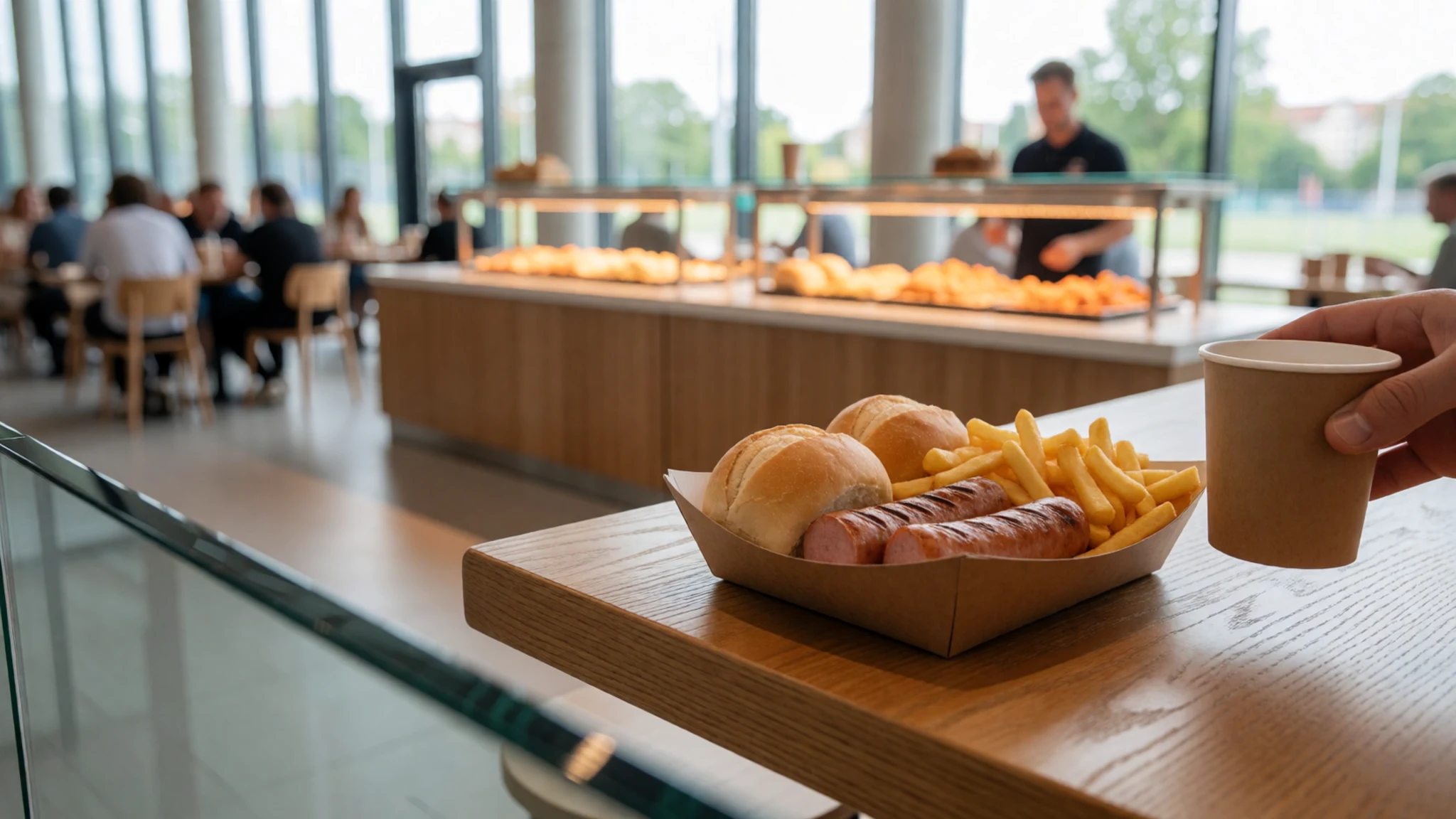
- Halušky — Traditional Slovak restaurants in the old town
Small potato dumplings, usually tossed with soft sheep's cheese and bits of bacon, are the national dish and a filling lunch. Order them at any traditional Slovak restaurant in the centre, and expect a generous portion that suits a cold day.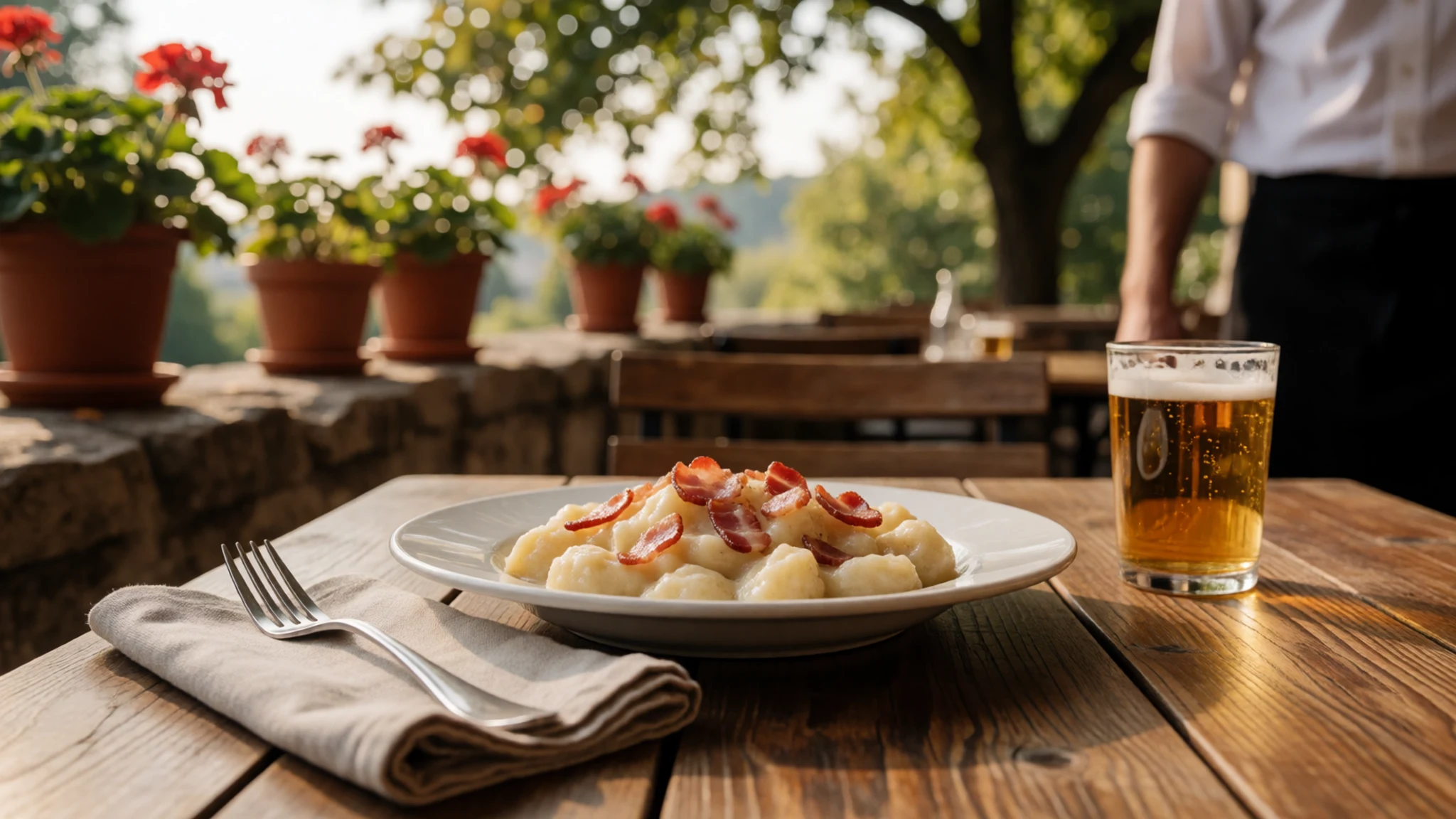
- Vyprážaný syr — Pubs and family restaurants across the centre
Slices of cheese coated in breadcrumbs and fried, served with chips or potatoes and tartare sauce. It is an easy vegetarian option and widely found on menus around town, popular as a casual dinner with a beer. - Kapustnica — Traditional restaurants, especially in colder months
A sour cabbage soup, often with sausage, associated with winter and festive meals. It is hearty, tangy and good value, and it suits a cold day spent walking the old town. Look for it as a starter on traditional menus. - Café and cake on the square — Terraces on Trojičné námestie and the pedestrian zone
Trnava's main square and pedestrian streets have cafés where locals meet over coffee and pastries. It is a pleasant way to rest between churches, and prices are modest compared with western Europe. Sit outside in warm weather and watch the square.
Plan it
Best time. May, June and September are the most comfortable, with warm days and four distinct seasons giving good walking weather. July and August can be hot, while winters are cold, though a December visit suits those who like quiet streets and seasonal food.
How long. 1–2
Getting there. Fly into Bratislava Airport, about 40 km to the south, or Vienna International Airport. From Bratislava, buses run to Trnava at least once an hour and take about 50 minutes, and the bus station sits next to the railway station near the centre. Direct buses also link Trnava with Prague, Vienna and Munich. From either station the old town is a short walk.
Budget. mid
Tips
- Visit the City Tower early and check ticket arrangements at the tourist office on the square
- Trnava works well as a day trip from Bratislava, but staying overnight gives the quiet evenings
- Check opening times for churches, the synagogue and museums on the official site, https://www.trnava.sk/
- Wear comfortable shoes for cobbles, and carry a light layer in every season
- Use the nearby castle at Smolenice for a half-day trip into the Little Carpathians
Etiquette
- Dress modestly and stay quiet in churches
- Do not photograph people at services
- Greet shopkeepers and staff with a short Slovak hello when you enter
Nearby
Sources
- Wikidata Q26175 (CC0)
- Wikipedia: Trnava (rev 1383748383) (CC BY-SA 4.0)
- Wikivoyage: Trnava (rev 5357433) (CC BY-SA 4.0)
- Photo: Trojičné námestie, Pavel Briatka (CC BY-SA 2.5)
- Photo: Trnavská – mesto kultúry a vzdelanosti, Rudo Mlich (CC BY-SA 4.0)
- Photo: Slovakia Trnava Town Hall (Public domain)
- Photo: Square of Holy Trinity and a Town Tower, Radovan Bahna (CC BY-SA 4.0)
- Photo: Town Hall, Radovan Bahna (CC BY-SA 4.0)
- Photo: University in Trnava, Radovan Bahna (CC BY-SA 4.0)
- Photo: City Arena Trnava, Lolo8899 (CC BY-SA 4.0)
- Photo: Pešia zóna Trnava, Radovan Bahna (CC BY-SA 4.0)


