High Tatras
High Tatras, Slovakia
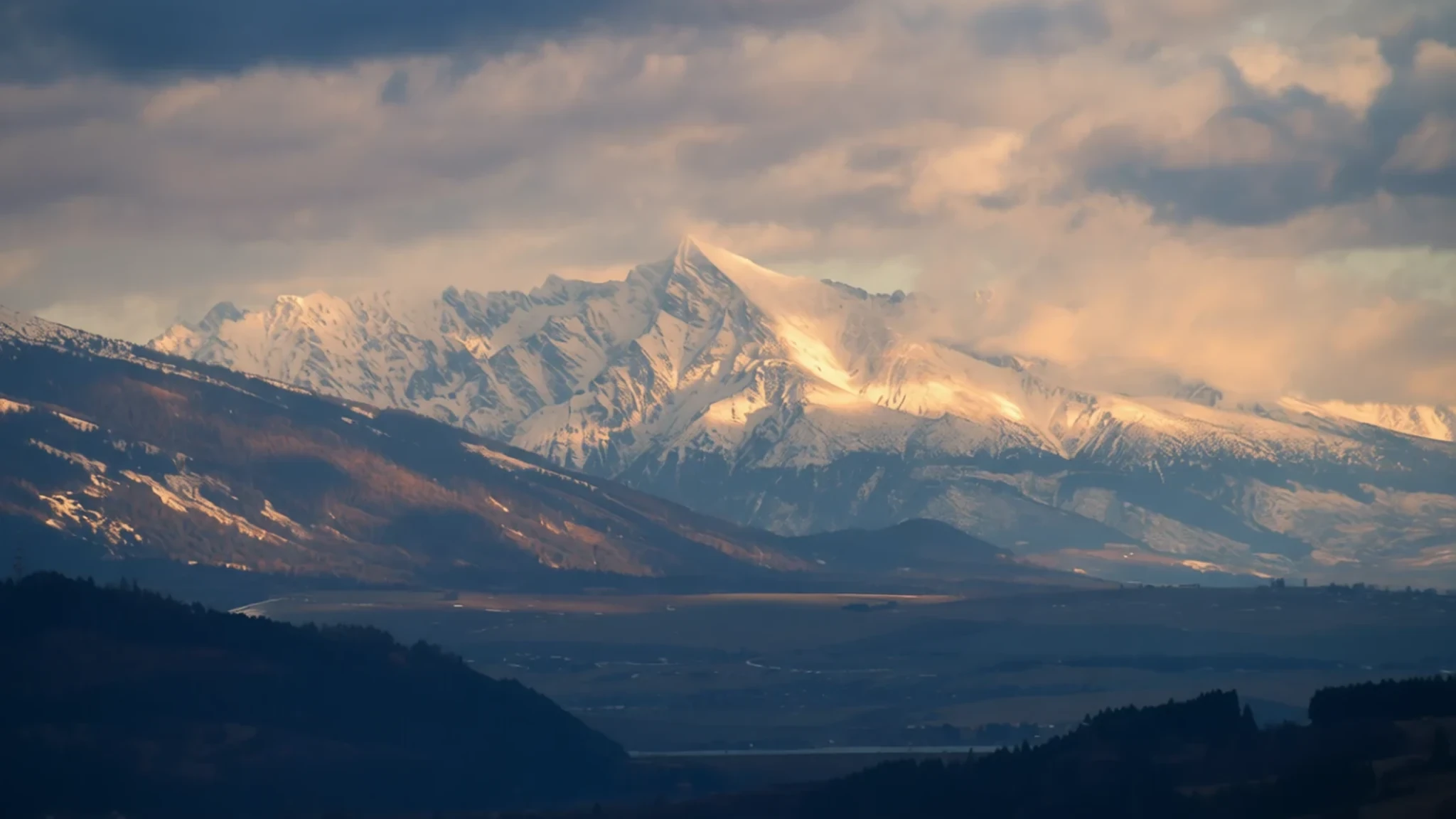
A compact alpine range on the Slovak–Polish border, with the highest summits in the Carpathians and a long season for hiking.
The place
The High Tatras, or Vysoké Tatry in Slovak, form a compact mountain range along the border between northern Slovakia and southern Poland. Most of the range lies in Slovakia, in the Prešov Region, and so do its highest summits. Gerlachovský štít rises to 2,655 metres, the highest point in the whole Carpathian system. The Belianske Tatras lie to the east and the Western Tatras to the west, while the range drops steeply to the Podtatranská basin on the south, where most of the towns and railway stops sit.
What sets the range apart is its alpine character. Across the entire Carpathians, only the High Tatras and the Southern Carpathians have true alpine habitats, and the High Tatras hold 29 peaks above 2,500 metres. Glacier-carved valleys hold a string of mountain lakes, and the high ground is home to the Tatra chamois, a goat-antelope found nowhere else. Alpine marmots whistle across the scree, while brown bears, lynx and wolves live in the forests, though they are seldom seen by walkers.
Plant life follows the altitude. Spruce and larch give way to Swiss pine near the treeline, and rare species such as the endemic Tatra scurvy-grass grow among the rocks. Marked trails and mountain huts open through the summer, and the range also draws winter visitors to its ski areas. Weather changes quickly at height, so the peaks deserve respect in any month.
Its story
The story of the range is partly a story of borders. For centuries the Tatras sat at the edge of different kingdoms and empires, and the valleys on each side developed their own customs, trades and building styles. Shepherds grazed their flocks on the high meadows, woodcutters worked the lower slopes, and local guides learned the routes that later became the climbing and hiking paths.
The range became a protected place within the memory of a few generations. In 1948 Slovakia created Tatra National Park on its side of the border, and Poland followed with its own park in 1954. Together the two parks are often described as the first cross-border national park in Europe, and they now sit inside a shared biosphere reserve. The protection was a response to the plants and animals that live only in these mountains, including the chamois, whose survival was a real concern.
Winter tourism grew alongside the rail links. Ski areas developed at Štrbské Pleso, Starý Smokovec and Tatranská Lomnica, and the town of Poprad became the gateway to the Slovak resorts. On the Polish side, the Górale highlanders, whose distinctive culture is rooted in the Tatra valleys, kept their music, dress and farming traditions alive while visitors arrived in growing numbers. Today the range balances those two stories, with hikers and skiers sharing the same valleys as the people who have always worked them.
What to see
- Popradské pleso — Tatranská magistrála path, above Štrbské Pleso
A glacial mountain lake at about 1,494 metres, set on the Tatranská magistrála path. It is among the most visited spots in the range, and many hikes start here, so arrive early in summer to find a quiet shore. The lake sits in a basin under the peaks and makes a good first walk for those still getting used to altitude.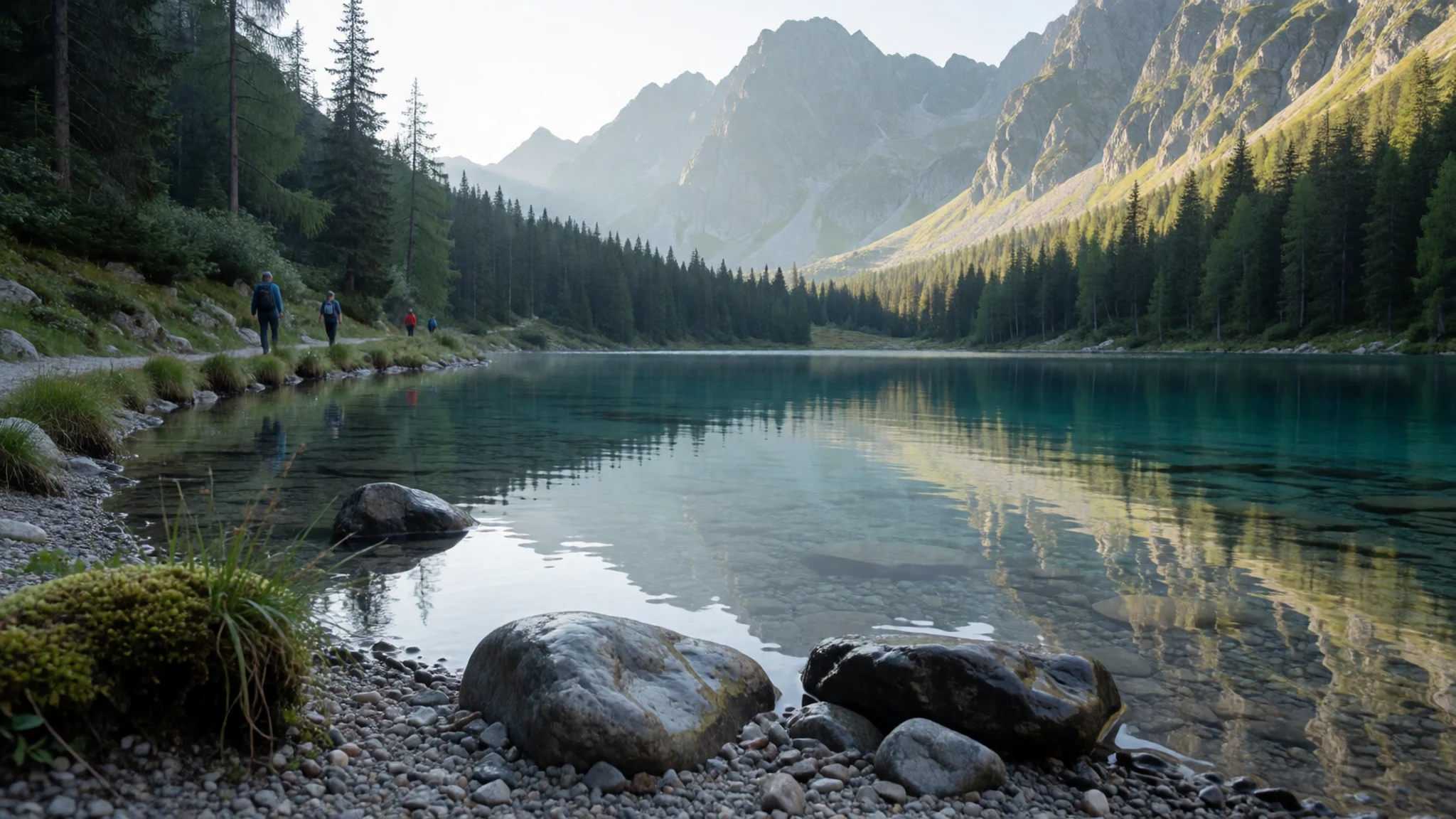
- Rysy — Slovak–Polish border ridge
The highest mountain in Poland, most often climbed from the Slovak side. Walkers usually stop at the alpine hut a short distance below the top before the final climb. Reaching the summit is the goal for many, since the Polish border marker sits on the peak. Allow plenty of time and carry warm layers, because the wind on top can be cold even in summer.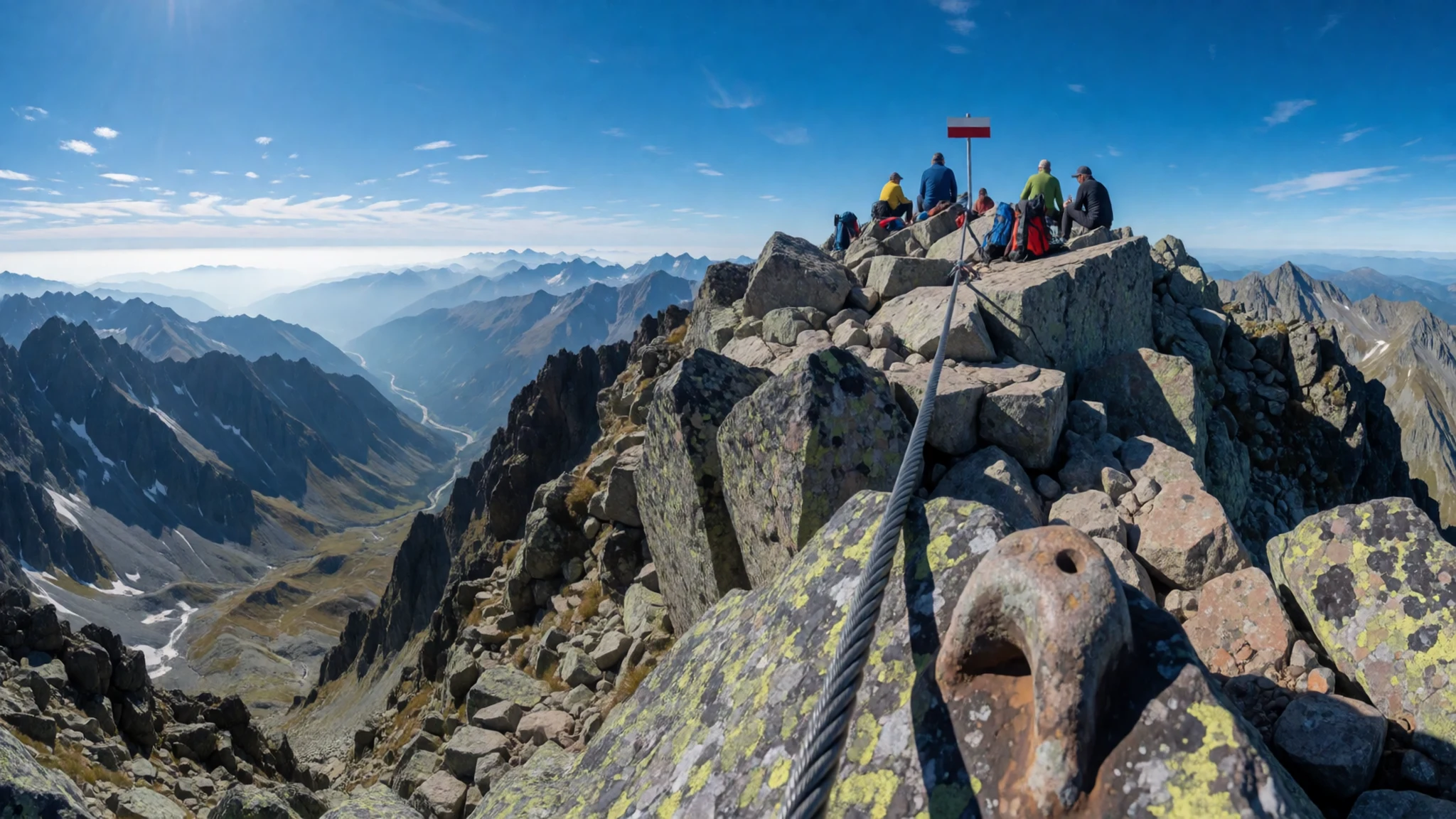
- Bielovodská dolina — Western side of the range, above Zakopane's border valleys
A long, open valley, widely regarded as the most Alpine of the valleys in the range. Its scale makes it a good full-day walk, with meadows, streams and steep walls rising on either side. The path is usually quieter than the approaches to the busiest lakes, so it suits walkers who want space and a sense of wilderness.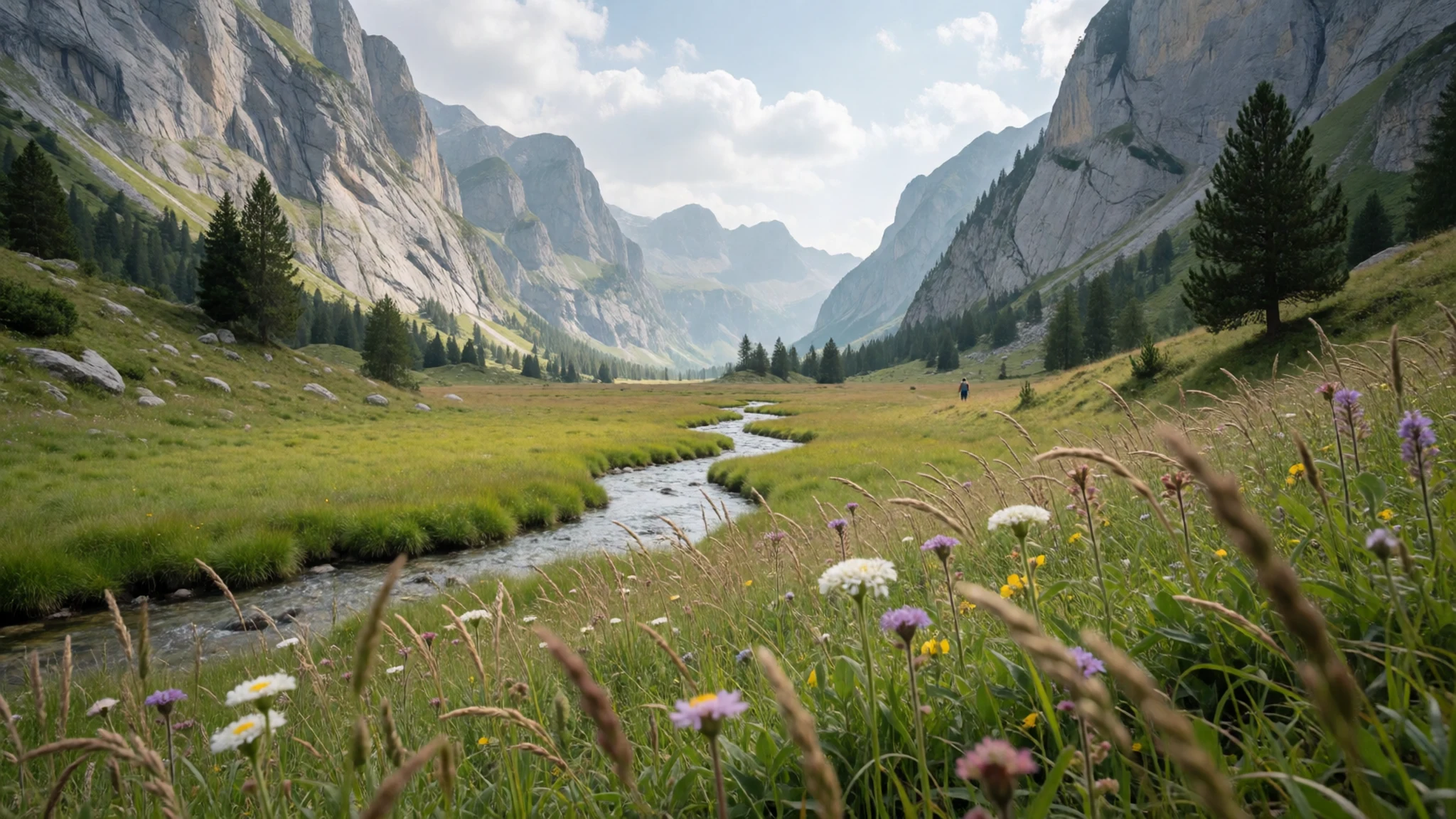
- Veľké Hincovo pleso — Kôprová valley, Slovak side
The largest ice-formed lake in the Tatras, a glacial basin that feels remote even though many walkers reach it. From the shore, a stroll of around an hour and a half leads towards Kôprovský štít for those with the energy. Combined with the Kôprová valley, the walk becomes a long round trip best started early.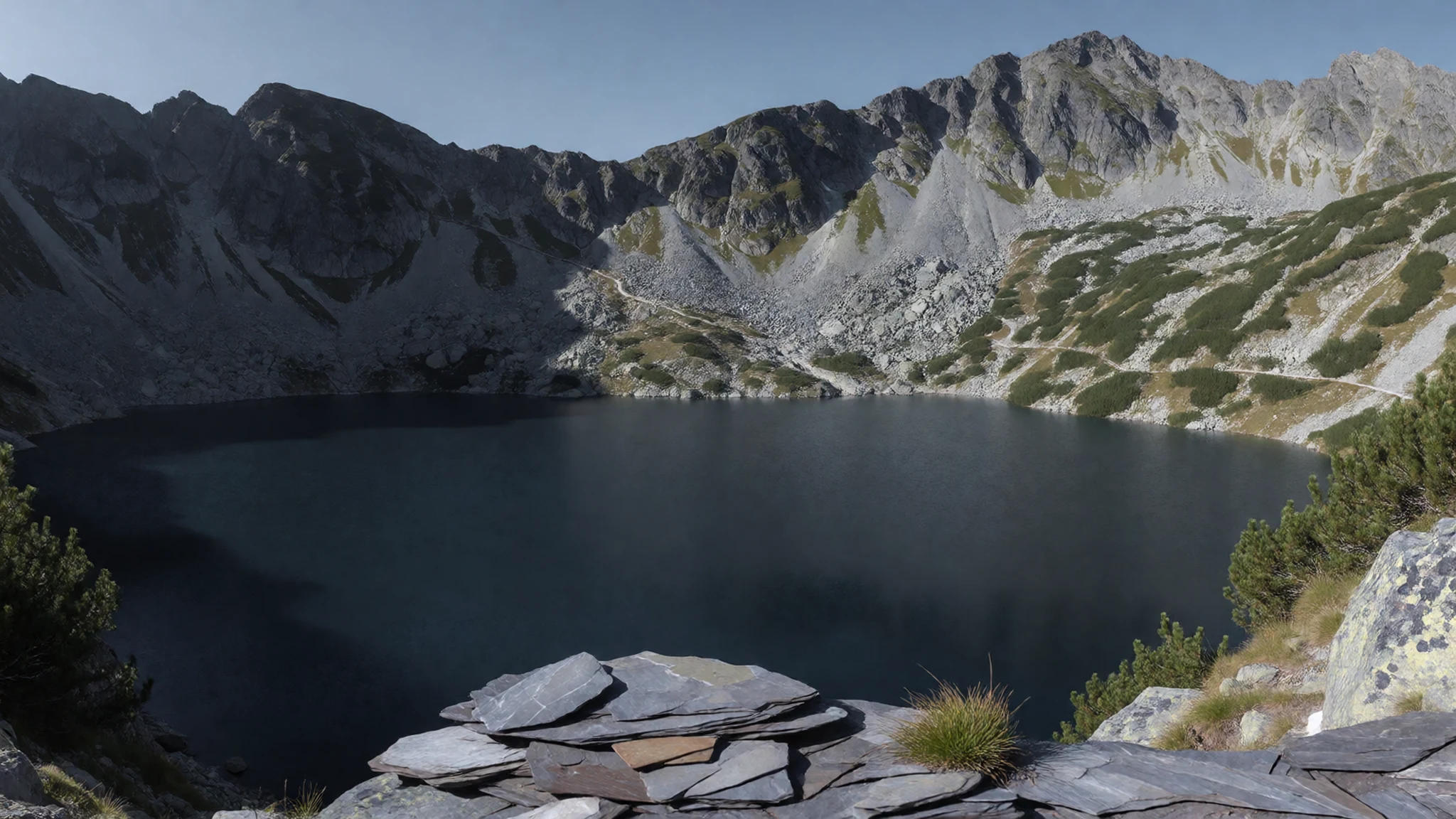
- Kriváň — Central High Tatras, Slovak side
A sharp, picturesque peak that is widely treated as a symbol of both the range and Slovakia. Its outline is familiar across the country and often appears in art and print. Few walkers climb it without a guide or experience on steep ground, so admire it from the valleys first and then plan a route that matches your ability.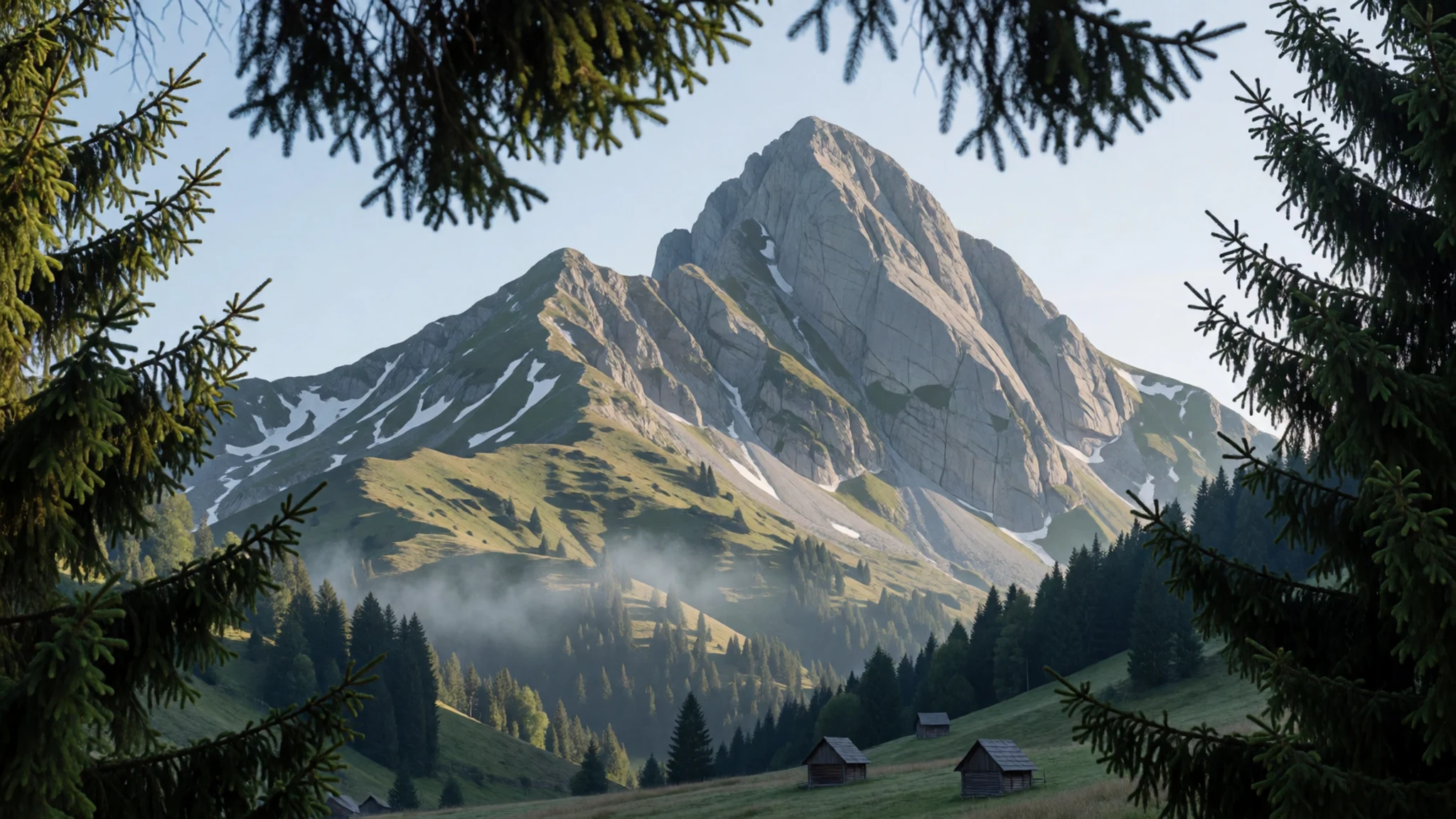
Culture
The Górale, the highland people of the Tatra valleys, have a distinctive traditional culture that remains visible in the Polish towns and villages at the foot of the mountains. Their music, embroidery and folk festivals are held with pride, and they mark the seasons of pasture and harvest in ways that outsiders often find moving. Life in the valleys has long balanced farming, herding and, more recently, tourism, and many families who run guesthouses or ski schools trace their roots to shepherding.
The mountains are also a shared habitat that the two national parks work hard to protect. Trails are marked for a reason, and rangers ask visitors to stay on them to keep fragile alpine plants and nesting birds undisturbed. Wildlife is part of the experience, but it is not a performance, so approach marmots and chamois only from a distance and never offer them food. Keep to marked trails, and never feed the marmots or chamois, because animals that learn to expect food can become dangerous to themselves and to walkers.
What to wear
Traditional Górale dress around the Polish side of the High Tatras is built from wool, linen, felt and leather. Men traditionally wore white linen shirts, dark woollen trousers, sheepskin-lined vests and broad-brimmed felt hats decorated with cords. Women wore embroidered blouses, full skirts and aprons, often with a woollen bodice in bright colours. The leather footwear called kierpce, soft and laced, is still the most recognisable regional item. These outfits appear now at festivals, weddings and folk performances in Zakopane and nearby villages rather than in everyday life.
Everyday dress in the resorts is practical and largely modern. Locals and visitors alike wear waterproof shells, fleece layers, hiking trousers and sturdy boots, with knitted hats and gloves in winter. Traditional costume is worn for celebrations, and it is more often seen on stage or at folk events than on the trails.
For a visit, dress for the weather rather than the resort. Mountain temperatures can drop sharply even in summer, so pack layers, a windproof jacket and a warm hat, and wear boots with good grip for wet rock and loose scree. In the valley towns, ordinary casual clothes are fine, and no formal dress is expected at mountain huts or restaurants.
What to eat
- Bryndzové halušky — Traditional restaurants in Poprad and the resort villages
Small potato dumplings tossed with soft sheep's cheese and topped with crisp bacon bits. It is Slovakia's best-known mountain dish and sits well after a long walk. Look for it in traditional restaurants in Poprad and the resort villages of Starý Smokovec and Tatranská Lomnica.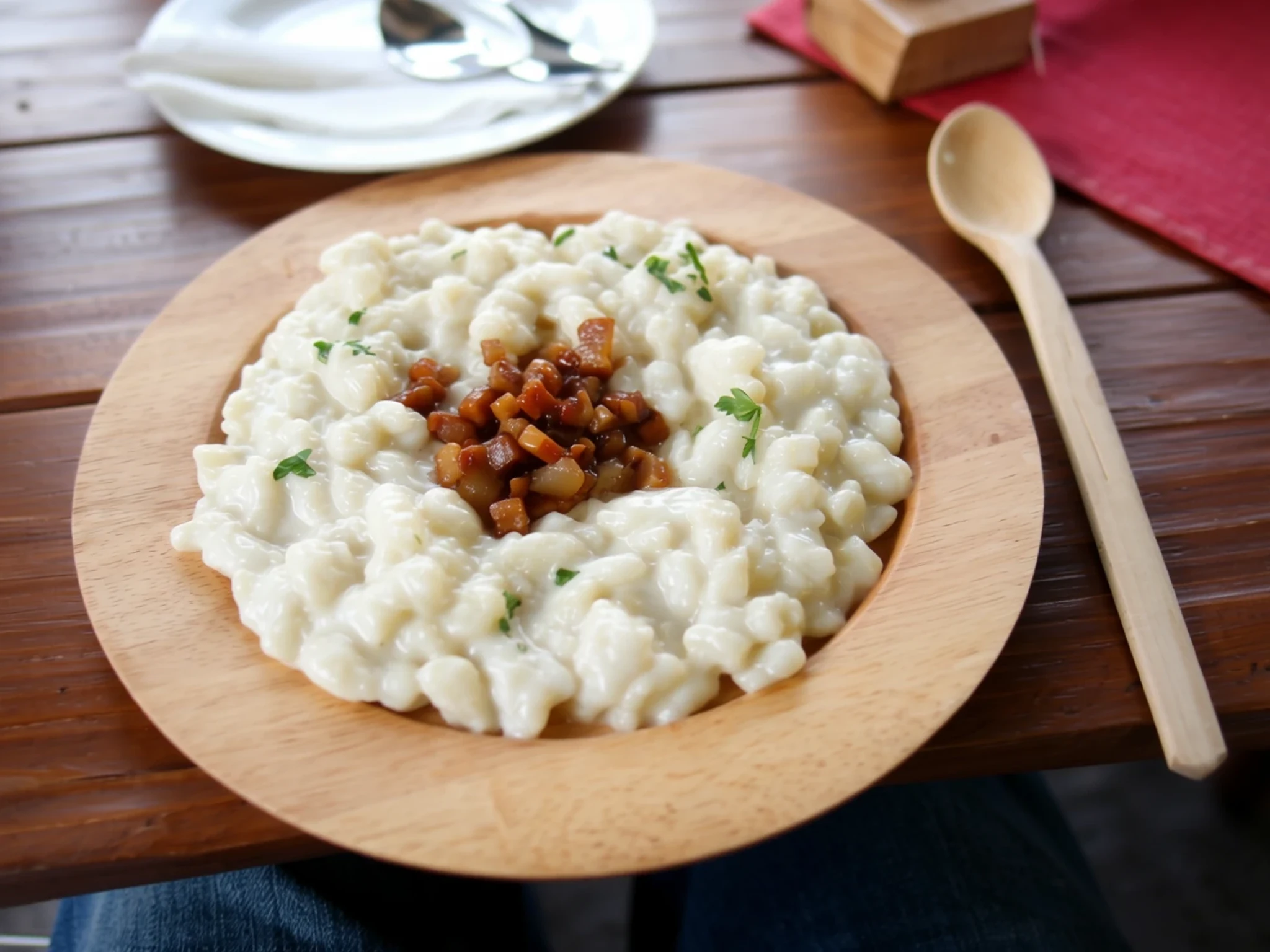
- Oscypek — Stalls along the main pedestrian street in Zakopane
A smoked sheep's cheese shaped into carved wooden moulds, with a firm rind and a salty, smoky flavour. It is usually grilled and served with cranberry or plum jam. Vendors sell it grilled from stalls along the main pedestrian street in Zakopane.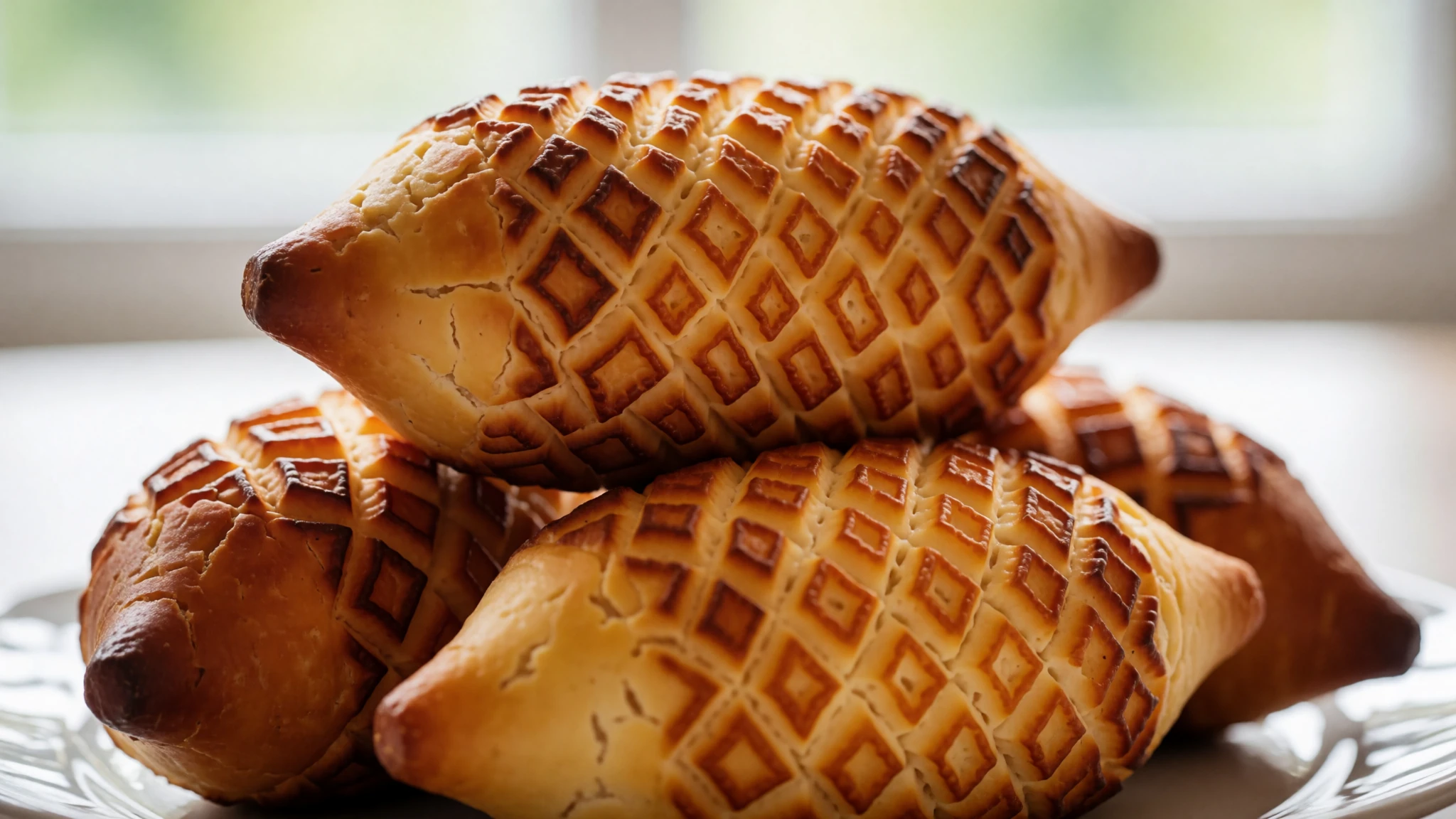
- Kwaśnica — Family-run eateries and mountain restaurants in Zakopane
A sour cabbage soup, often made with smoked meat and served hot in a bowl of thick bread. It is a Podhale speciality and works well on a cold day in the valley. Look for it in mountain restaurants and family-run eateries in Zakopane. - Žinčica — Mountain huts and cottages in summer
A tangy, thin drink made from the whey left after sheep's cheese is produced. It is refreshing after a steep climb and tastes quite sharp to first-time visitors. You will find it at mountain huts in summer, where it is often served in a simple cup. - Lakeside trout — Restaurants near the lakeshores and along the valley roads
Freshwater trout, grilled or fried and served simply with potatoes and a squeeze of lemon. Mountain lakes and streams supply much of the local fish, so the dish reflects the landscape. Restaurants near the lakeshores are the easiest places to find it on a day out.
Plan it
Best time. July to September suits hiking, when the huts are open and most paths are clear of snow. Late spring can still bring snow to the high ground, and autumn cools quickly. Winter suits skiers, with cold conditions and snow lasting into spring.
How long. 3–4
Getting there. Poprad-Tatry station is the main rail gateway, with express IC trains running between Bratislava and Košice stopping there. From Poprad-Tatry, a local rail line runs to Starý Smokovec, Tatranská Lomnica and Štrbské Pleso. The nearest airports need a longer transfer by road or rail, so check the onward connection before booking.
Budget. mid
Tips
- Check hut and chairlift opening dates before you set out, since many huts open only in summer
- Start early in summer, because afternoon storms often build over the peaks
- Carry some cash, since small mountain huts and kiosks may not take cards
- Pack warm layers even in summer, as the summit air can feel close to freezing
Etiquette
- Stay on marked trails inside the national park
- Do not feed the marmots or chamois
- Take all rubbish back down the mountain
Nearby
Sources
- Wikidata Q690323 (CC0)
- Wikipedia, High Tatras (rev 1369148332) (CC BY-SA 4.0)
- Wikivoyage, High Tatras (rev 5314633) (CC BY-SA 4.0)
- Panorama of The High Tatras from Veľká, Kristo (CC BY-SA 2.5)
- Tatry Panorama01xxx, Unknown author (CC BY 3.0)
- Frozen Morskie Oko 2019, kallerna (CC BY-SA 4.0)
- Młoda kozica tatrzańska, Mateusz Iskrzyński (CC BY-SA 4.0)
- Mountaineers in High Tatry mountains winter, Wikimol (CC BY 3.0)
- Kriváň, Achernar (CC BY 3.0)
- Rysy 006, Milan Bališin (CC BY-SA 4.0)
- Zabia dolina lake, Stevage (CC BY-SA 2.5)


