Slovak Karst National Park
Slovak Karst National Park, Slovakia
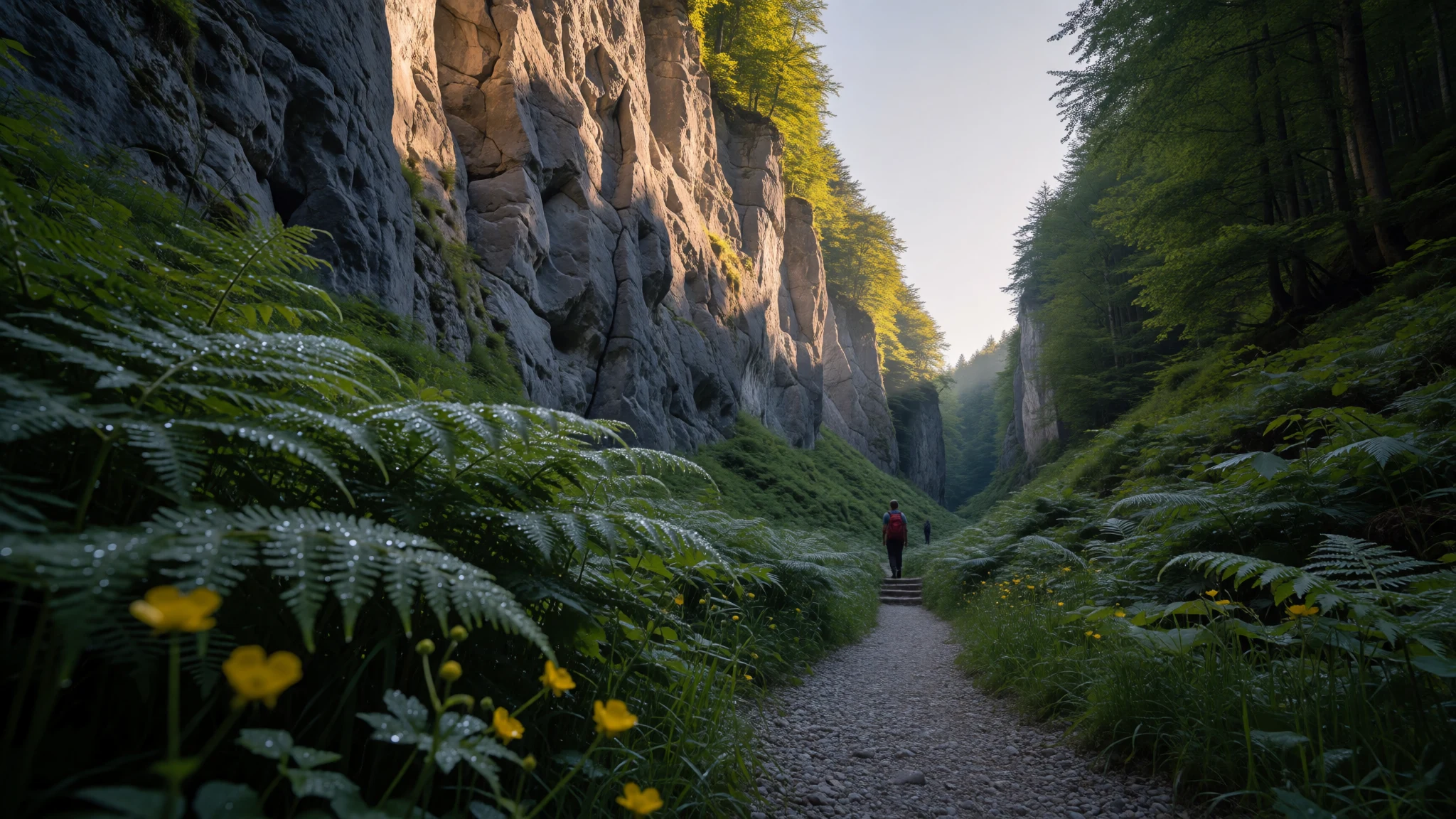
Slovak Karst National Park offers quiet limestone plateaus, a deep canyon, castle ruins and caves, all reached by ordinary buses and trains from Košice.
The place
Slovak Karst National Park occupies a limestone upland in south-eastern Slovakia, in the Košice region, with the Hungarian border along its southern edge. It spreads across the districts of Gelnica, Rožňava and Košice-okolie, and the protected core is ringed by a wider buffer zone. This is a landscape that is easier to read from underground than from the road. Rain and meltwater have spent an immense time dissolving the rock, so the plateaus are dotted with sinkholes, cone-shaped hills, dry valleys and blind valleys where streams simply vanish. Beneath them run the caves, and the deepest shafts drop far below the surface; Čertova diera, the Devil's Hole, reaches 186 m. More than 700 caves are known across this park and the neighbouring Aggtelek area in Hungary, though only a handful are open to visitors. Above ground the mood is quieter than in Slovakia's high mountains: wooded ridges, meadows, small villages, a deep canyon at Zádielska dolina, and castle ruins on the hilltops. Walking is gentle to moderate rather than alpine, which suits families and slow travellers. Bases such as Rožňava, Krásnohorské Podhradie, Jasov and Turňa nad Bodvou have lodging, and buses and trains run from Košice and Rožňava, though services thin out in the villages. Eating options are modest and mostly sit along the main roads and in the towns. The official site, https://www.npslovenskykras.sk/, is the place to check which caves are open.
Its story
Slovak Karst National Park has a shorter official history than its landscape suggests. The area was protected as a landscape reserve from 1973, and in 1977 it entered UNESCO's Man and the Biosphere programme, becoming the first Slovak biosphere reserve. Full national park status followed on 1 March 2002. The reason for all this attention lies in the rock. Limestone laid down in ancient seas was lifted, cracked and slowly dissolved by water, leaving chambers, ice-filled hollows and galleries hung with mineral formations. The caves do not respect the modern border: the Domica system continues into Hungary as the Baradla cave beneath Aggtelek, so the two countries' protected areas are really one underground landscape divided by a line on the map. Human history is layered on top. Castles such as Krásna Hôrka watched over the valleys, the ruins of Turniansky hrad still crown a hill, and the estate at Betliar shows how Hungarian noble families lived on their lands. Near Slavošovce, a railway tunnel was begun and never finished, and it survives as an odd relic that people now walk through with torches. The park's story is therefore partly geology, partly cross-border cooperation, and partly the slow decision that a quiet limestone upland deserved protection in its own right.
What to see
- Domica — Near the Hungarian border, southern part of the park
Domica is a cave on the Slovak side of a system that continues into Hungary as Baradla. Visits are guided, and a short boat ride on the underground water is part of the experience when conditions allow. The air stays cool even in summer, so a warm layer is sensible. Check the park website for tour times.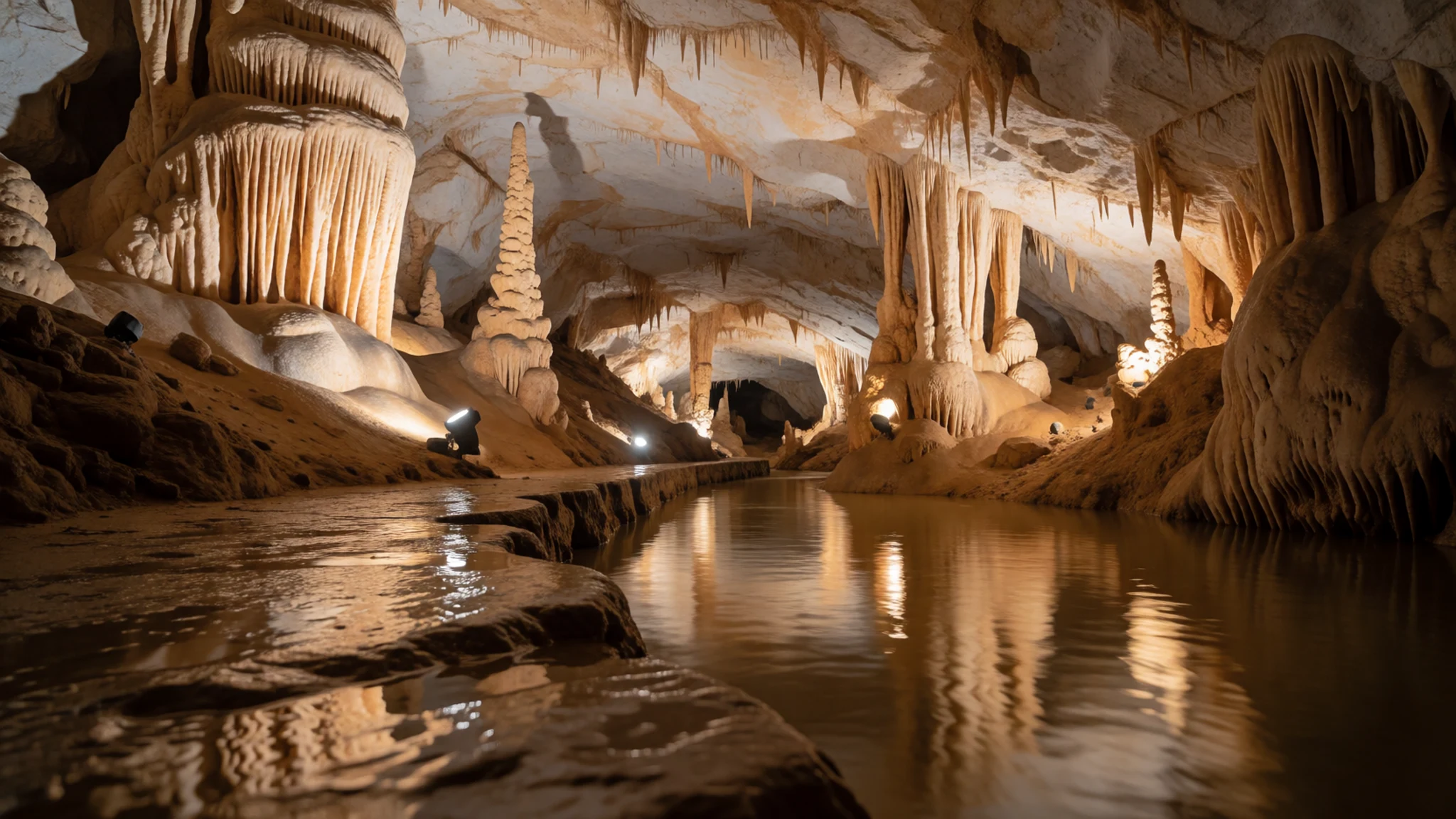
- Ochtinská aragonitová jaskyňa — Western part of the park, near Rožňava
Ochtinská aragonitová jaskyňa is a small cave whose chambers are decorated with aragonite formations, a rarity that very few caves in the world share. The guided visit is short but memorable. The cave is closed from November to March, so autumn and winter trips need planning. Confirm opening on the official site before travelling.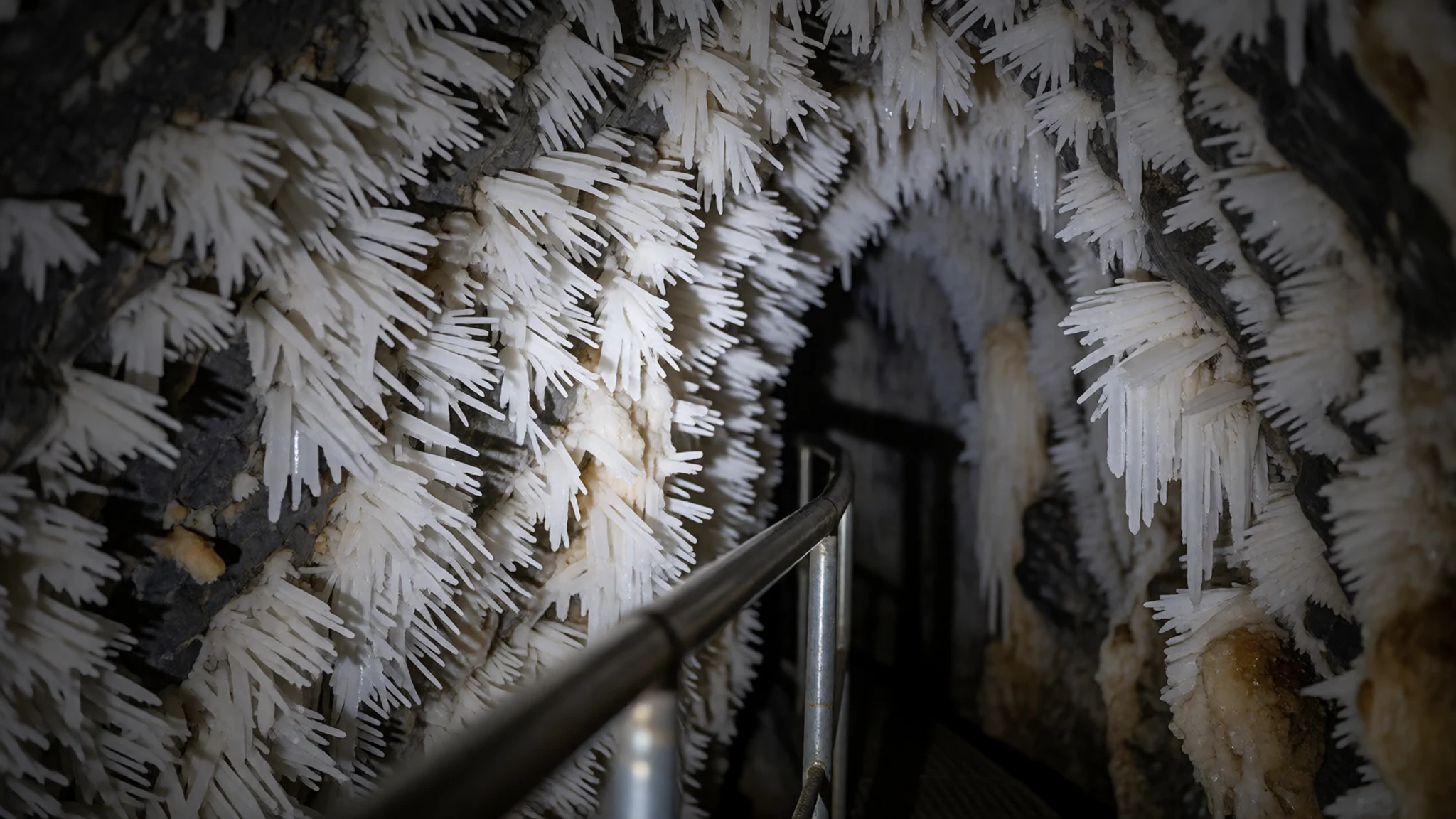
- Silická ľadnica — Silica plateau, central park
Silická ľadnica is an ice cave on the plateau near Silica, where ice persists through the warm months. It is freely accessible, which is unusual for caves, but visitors must keep to the designated path. The cold air at the entrance is a welcome relief on a hot July afternoon, and the walk up through the woods is easy.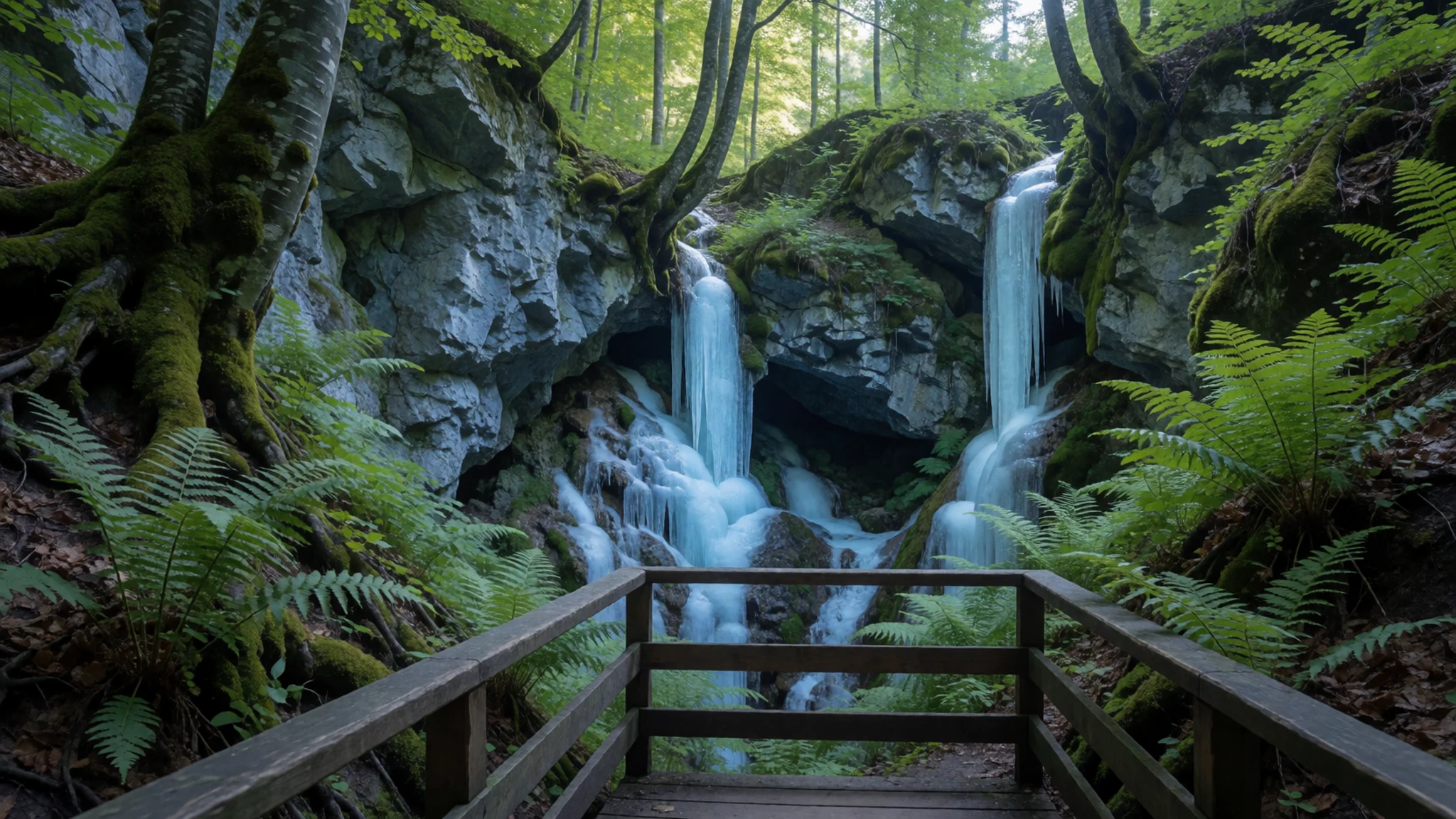
- Zádielska dolina — Near Turňa nad Bodvou, eastern park
Zádielska dolina is a narrow karst canyon whose rock walls rise steeply, leaving only a slim gap at the bottom in places. A path follows the valley floor. A basic hut partway up serves soup, beer and snacks, but only at weekends in the tourist season, so carry water and food.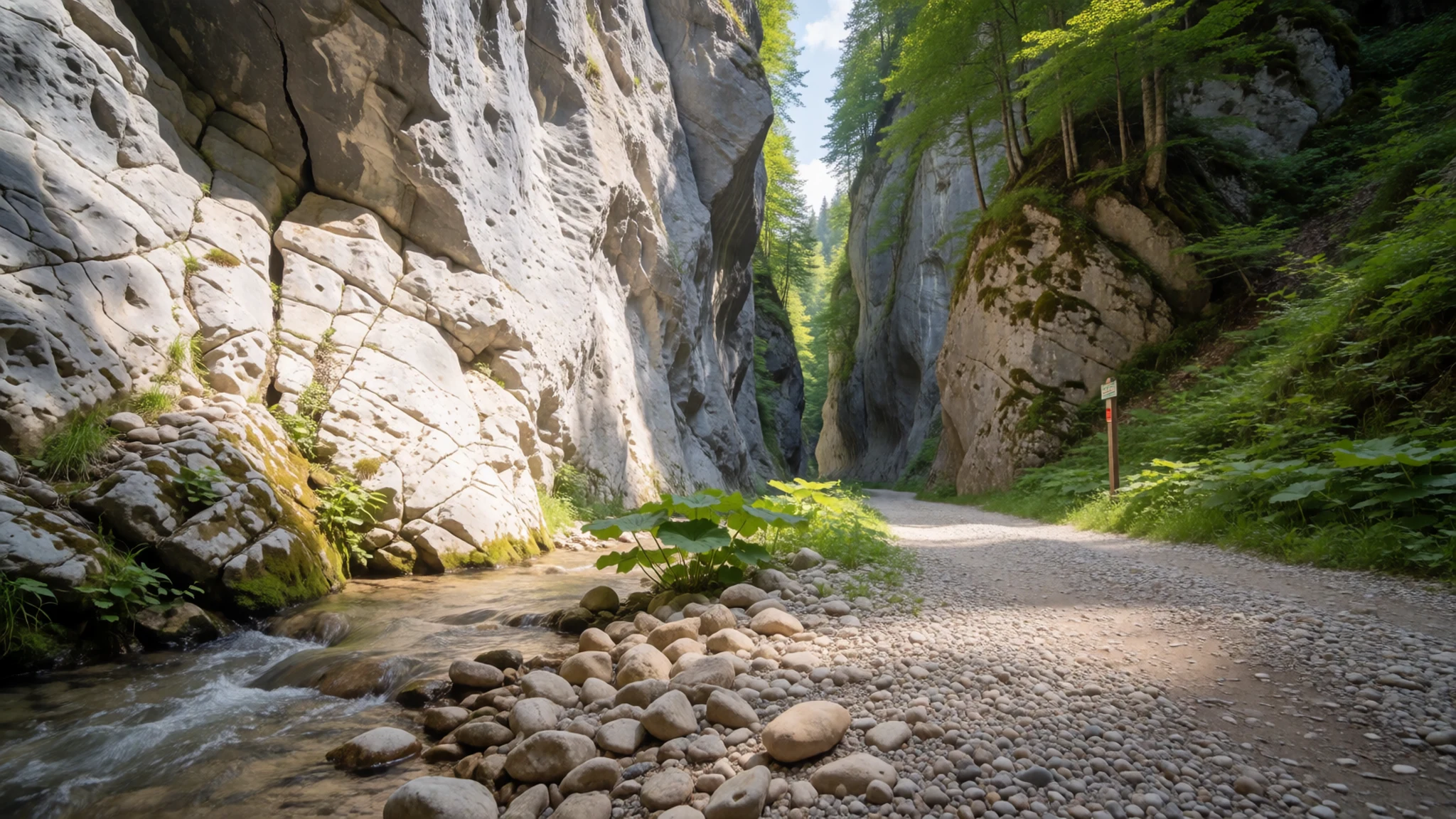
- Krásna Hôrka — Krásnohorské Podhradie, Rožňava district
Krásna Hôrka is the castle above Krásnohorské Podhradie and one of the most recognisable buildings in the area. A fire damaged it in recent years and it has been reported closed to the public, so treat it as a view from the village and check the official site for any reopening.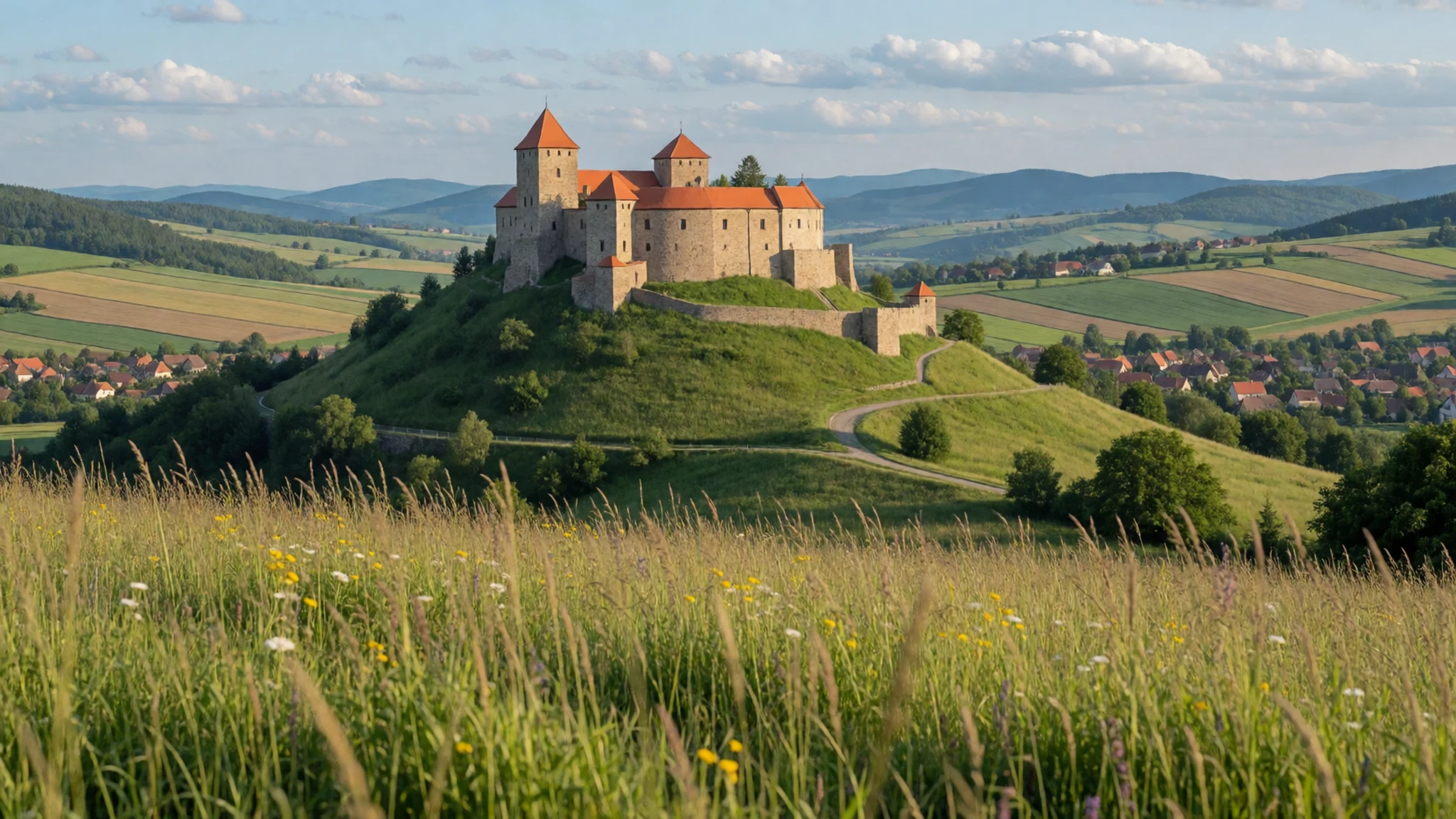
- Betliar — Near Rožňava
Betliar is a manor with an exhibition about the life and culture of the Hungarian nobility, set in a pleasant park with a small waterfall. It pairs well with a cave visit and makes a sensible choice for a wet day, when canyon paths and plateau trails turn slippery.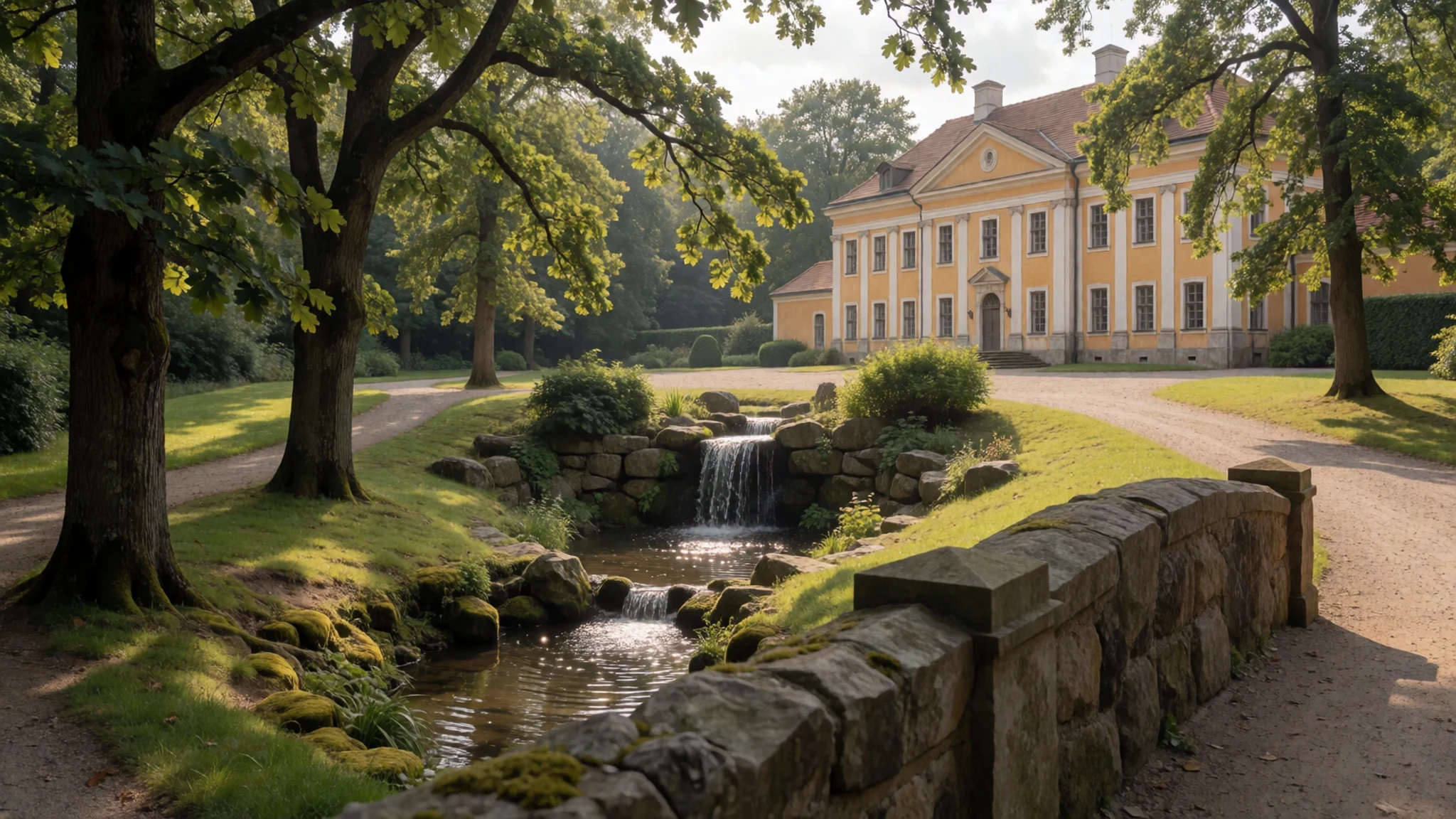
Culture
Slovak Karst National Park sits in a borderland, and its culture reflects that. Slovak and Hungarian names appear side by side on maps and in family histories, and the caves of Domica and Aggtelek are known by different names on either side of the frontier. Villages in the region are small, with churches at the centre and fields or woodland close by. Some communities are partly Romani, such as the village of Hačava near the Hájske waterfalls, and visitors are best served by treating them like any other place where people live and work rather than as a sight. The landscape also has a strong tradition of caving and hiking. Local clubs have explored the underground for generations, and guided cave tours are run with care because formations are fragile and the cave air is sensitive to disturbance. Estates such as Betliar record the lives of landowning families, while castle ruins mark an older, more contested border country. Life moves at a country pace: shops in villages close early, weekends bring day-trippers from Košice, and conversation over soup and a beer is normal in the few huts and inns. Do not expect polished visitor facilities everywhere, and be ready to plan around opening times. In caves and on the Silická ľadnica path, stay on the marked route, do not touch the formations, and ask before photographing people in the villages.
What to wear
Slovak Karst National Park lies in a region where traditional dress belongs to festivals, weddings, church days and folk ensembles rather than daily life. Slovak folk costume is typically built from linen, wool and sometimes felt, with embroidered blouses, pleated or layered skirts, waistcoats and ribbons, and details differ from one area to the next. It is worth asking locally about the Gemer tradition rather than assuming one pattern. Day to day, people in the towns and villages wear plain, practical clothes: jeans, fleeces, work jackets and sturdy boots, with smarter outfits for church and family occasions. Hikers dress as they do across central Europe, in layers and waterproofs. Visitors should plan around the terrain and the caves. Closed shoes with grip are essential, because limestone paths turn slick after rain and cave floors are wet. Caves stay cool in every season, so bring a fleece even in July, and a light waterproof for the plateaus. Carry a good headlamp if you plan to try the unfinished railway tunnel near Slavošovce. Summer afternoons can be hot on open ground, so a hat and sun cream help. For churches and village visits, covered shoulders and knees are respectful but not strictly policed. Swimwear is not needed here, since this is a hiking and caving destination.
What to eat
- Bryndzové halušky — Village inns and roadside restaurants
Small potato dumplings tossed with soft sheep's cheese and often topped with fried bacon. This is Slovakia's best-known comfort dish and a sensible fuel after a day on the plateaus. Order it at village inns and restaurants along the main roads.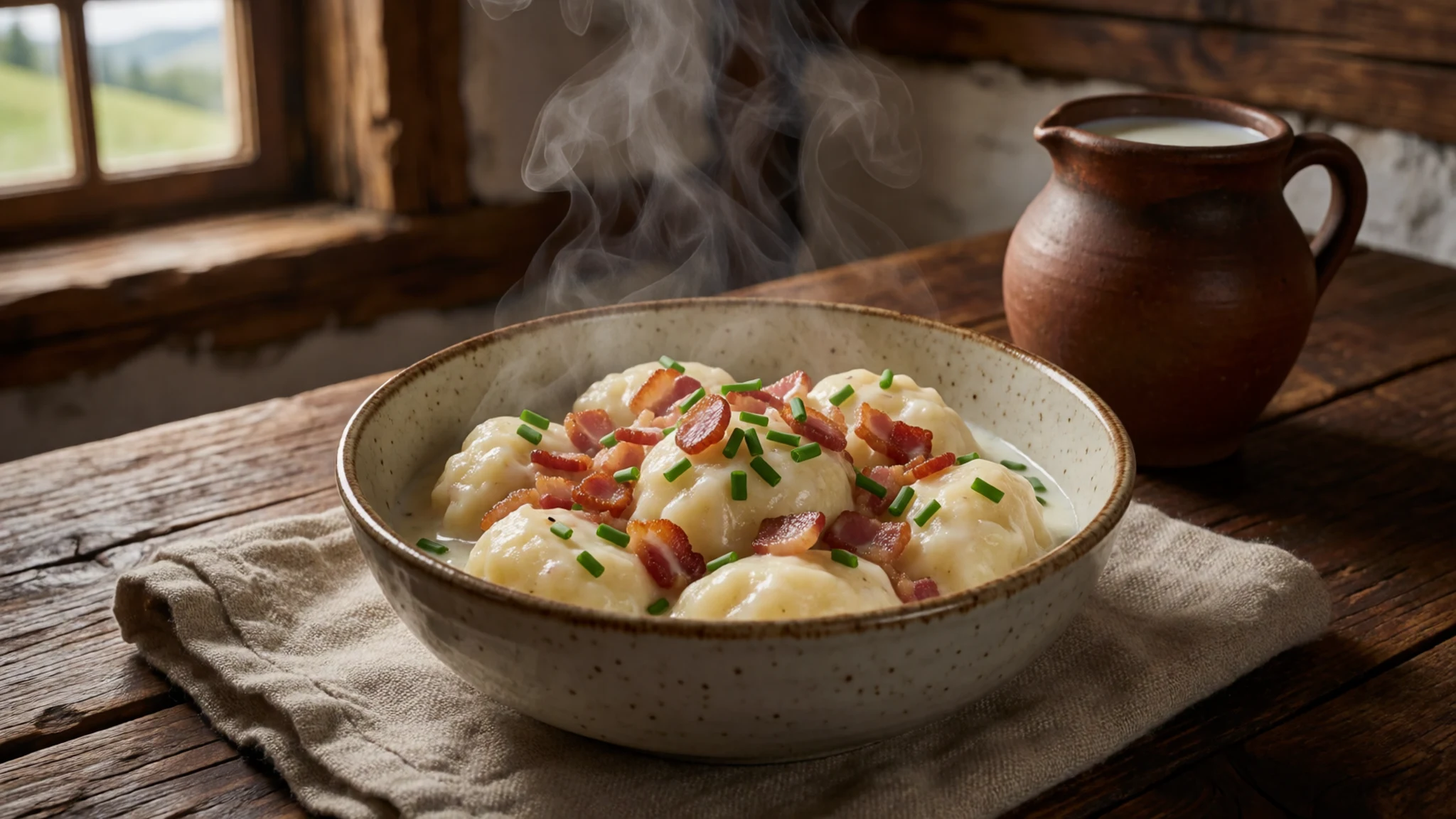
- Kapustnica — Restaurants in Rožňava and larger villages
A sour cabbage soup, usually with smoked meat or sausage and sometimes a spoonful of cream. It is hearty, warming and common on cooler days, and suits the cave-and-canyon weather. Look for it on menus in Rožňava and the larger villages.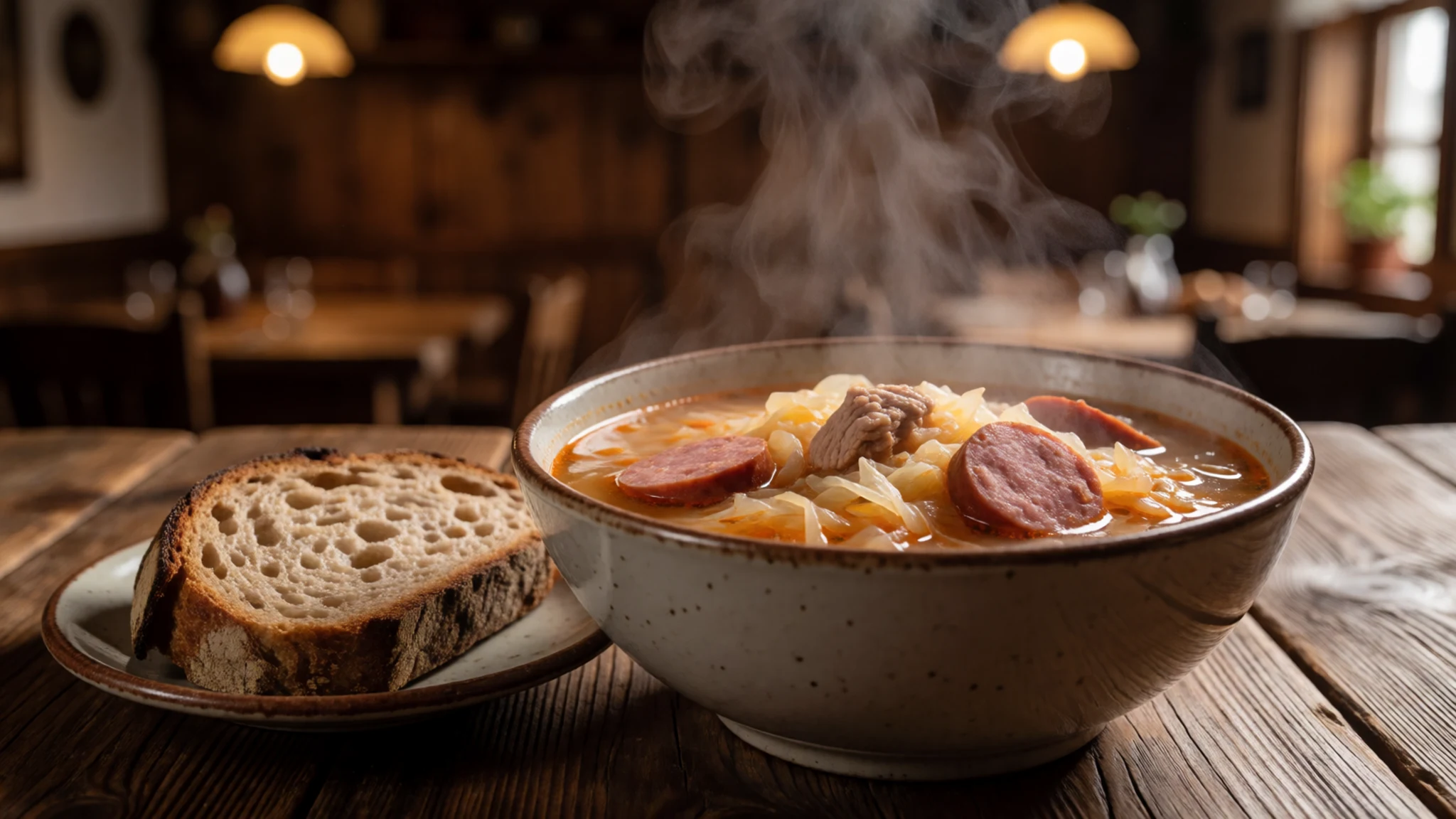
- Guláš — Town restaurants and lunch eateries
A paprika-rich stew of beef or pork, reflecting the region's long ties with Hungary. It is usually served with bread or dumplings. Order it in a town restaurant or eatery where locals eat lunch, and ask what the day's version includes. - Lokše and langoše — Village fairs and roadside stalls
Lokše are thin potato pancakes, rolled around fillings, while langoše are deep-fried dough rounds topped with garlic, cheese or sour cream. Both are filling snacks that turn up at festivals and fairs, and sometimes at roadside stalls near busier trailheads. - Hut soup and a beer — Hut in the Zádielska valley
The simple hut in the Zádielska valley serves basic soup, beer and snacks, open at weekends in the tourist season. It is not a destination meal, but it is a welcome stop. Carry your own food in case it is shut.
Plan it
Best time. Late spring to early autumn, roughly May–June and September–October, when walking is comfortable and the caves are mostly open. Summer can be warm on the plateaus, while the caves stay cool. Ochtinská aragonitová jaskyňa is closed from November to March, and other caves may run reduced schedules in winter.
How long. 2–3
Getting there. Fly into Košice, the nearest large city, then take a bus or train towards Rožňava or a village near the park. Local buses are less frequent in smaller villages, so many visitors hire a car or plan around timetables for the last leg.
Budget. low
Tips
- Check opening times and tour schedules for each cave on the official site, https://www.npslovenskykras.sk/, before you set out
- Bring a warm layer for caves and sturdy shoes with grip for wet limestone
- Carry water and food on Zádielska dolina, where the hut opens only at weekends in season
- Take a good headlamp if you plan to walk through the unfinished Slavošovský tunel
- Allow time for slow rural bus connections and keep some cash for small village eateries
Etiquette
- Stay on marked paths in caves and at Silická ľadnica, and never touch the formations
- Ask before photographing people in villages, especially in smaller communities
- Greet shopkeepers and fellow walkers with a friendly hello, which is the local custom
Nearby
Sources
- Wikidata Q1351150 (CC0)
- Wikipedia: Slovak Karst National Park (rev 1362186134) (CC BY-SA 4.0)
- Wikivoyage: Slovak Karst National Park (rev 5327033) (CC BY-SA 4.0)