Bratislava Castle
Bratislava Castle, Slovakia
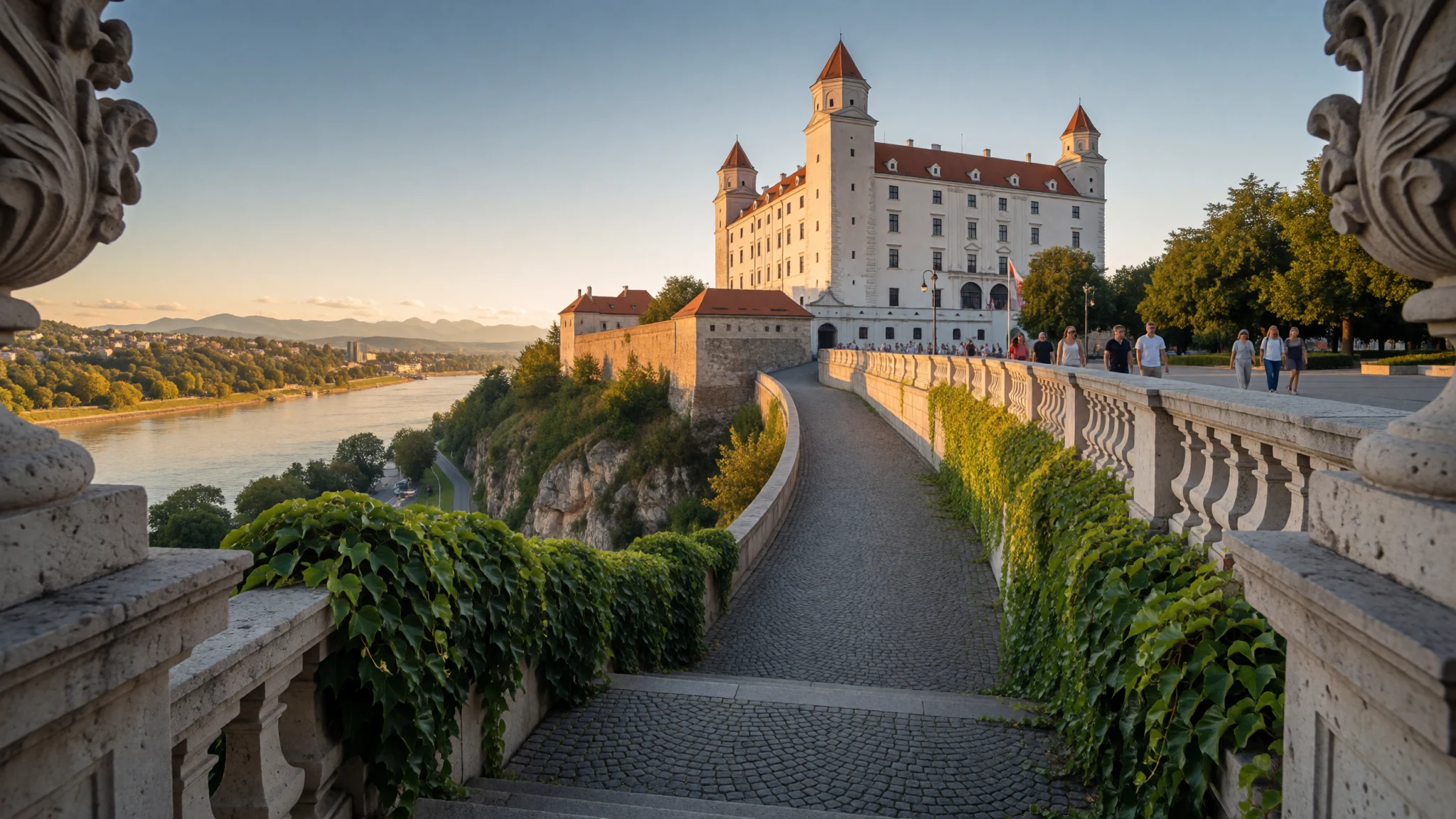
Bratislava Castle is a white, four-towered fortress on a rocky hill above the Danube, with wide views over Slovakia, Austria and, on clear days, Hungary.
The place
Bratislava Castle stands on a rocky spur at the edge of the Little Carpathians, directly above the Danube, and from almost anywhere in the old town it is the building the eye returns to. The shape is blunt and simple: a rectangular block with a tower at each of its four corners, whitewashed and plain beside the decorated churches and squares below. Locals sometimes joke that it looks like an upturned table, and the comparison is fair.
The reason for the site is geography. The hill overlooks a river crossing and sits where the Carpathian foothills meet the approaches to the Alps, so traders, armies and settlers have all passed beneath it. Today the castle holds museum displays, a baroque garden and a restaurant, and the terraces give long views over the river, the city, across the border into Austria and, in clear weather, towards Hungary.
Downhill lies the medieval centre, with narrow winding lanes and two main squares, Hlavné námestie and Hviezdoslavovo námestie. Across the river spread the concrete housing blocks of Petržalka, a very different Bratislava and worth a look from the ramparts for the contrast.
The walk up from the old town is short but steep. The castle is busiest around midday in summer, when tour groups arrive, and calmest early in the day or on weekday evenings in spring and autumn. Opening hours and ticket details change, so the official site, http://www.bratislava-hrad.sk/, is the place to check before going.
Its story
Bratislava Castle crowns a hill that people have used for thousands of years, long before the present building. The reasons are practical. The hill rises beside a ford on the Danube, at a junction of routes running from the Balkans and the Adriatic towards the Rhine and the Baltic, including the old Amber Route. Anyone controlling the height could watch all of it.
The earliest known builders belonged to the Boleráz culture, who fortified a settlement here around 3500 BC. It served as a kind of acropolis for villages in what is now the old town. Later, in the Early Iron Age, the Kalenderberg people cut a building into the rock itself, and the hill again acted as a refuge and centre for the settlements below.
The Celts took over in the following centuries. After 125 BC the hill was the acropolis of an oppidum, a fortified town, of the Celtic Boii. Roman influence followed along the Danube frontier, and the remains of a Roman military camp, Gerulata, can still be visited on the city's southern edge.
The facts record 1431 as the castle's founding date, which marks a major stage in its building rather than the start of use of the hill. Over the centuries the fortress was rebuilt and reshaped, and many legends have gathered around it. The present white block, with its four towers, is the latest layer on a very old site.
What to see
- Castle courtyard and history museum — Castle Hill
Bratislava Castle's main building holds exhibitions of the Slovak National Museum, including the Treasure Chamber, and the courtyard of the royal palace is a calm space to start. Allow time for the exhibitions, then walk the outer terraces for views over the river and the roofs of the old town below.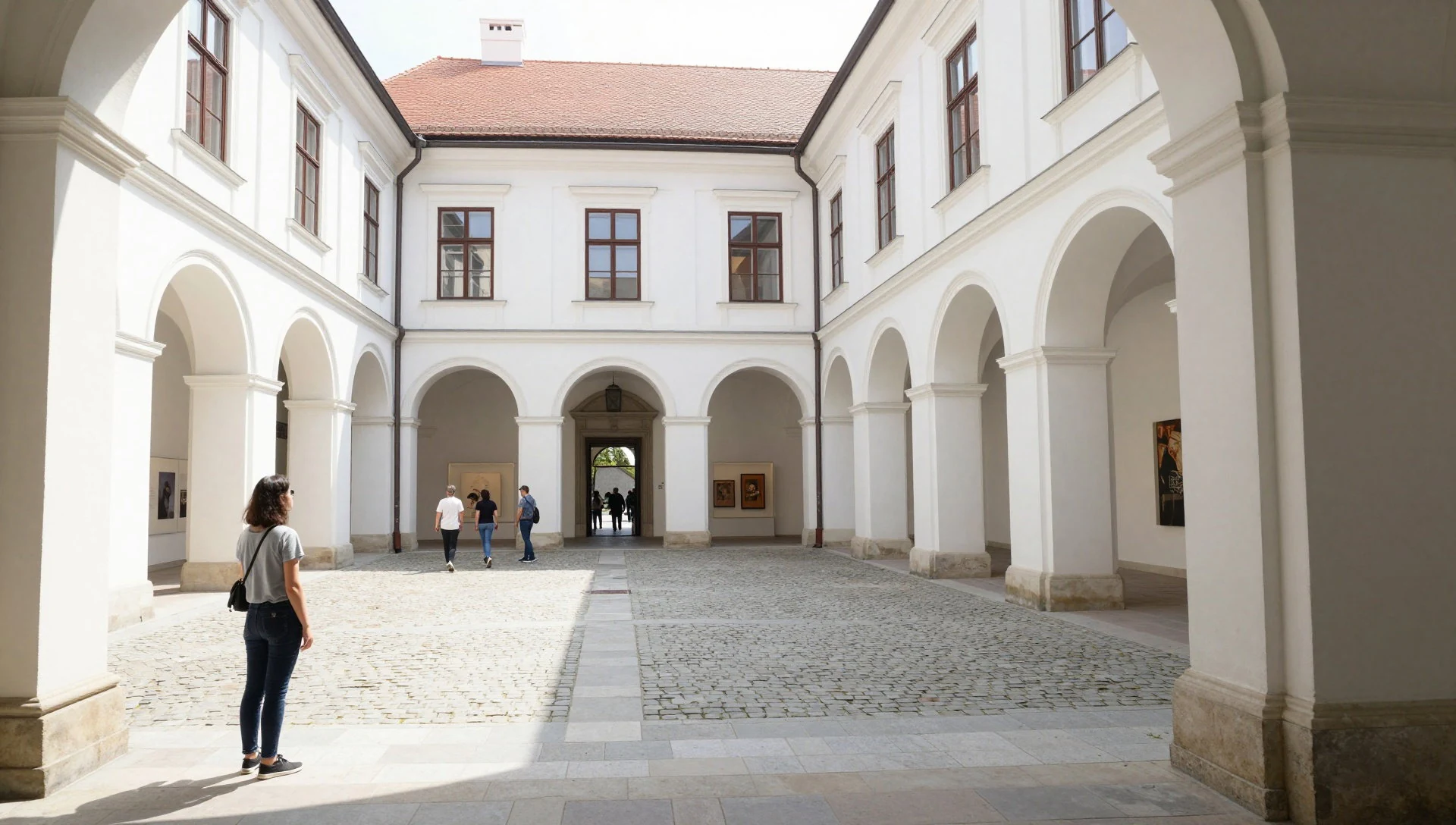
- Castle gardens — Castle Hill
The baroque garden at Bratislava Castle is laid out in formal lines on the slopes beside the walls. It is a good place to sit after the museum, and the paths give changing angles on the towers, the Danube and the housing blocks across the river.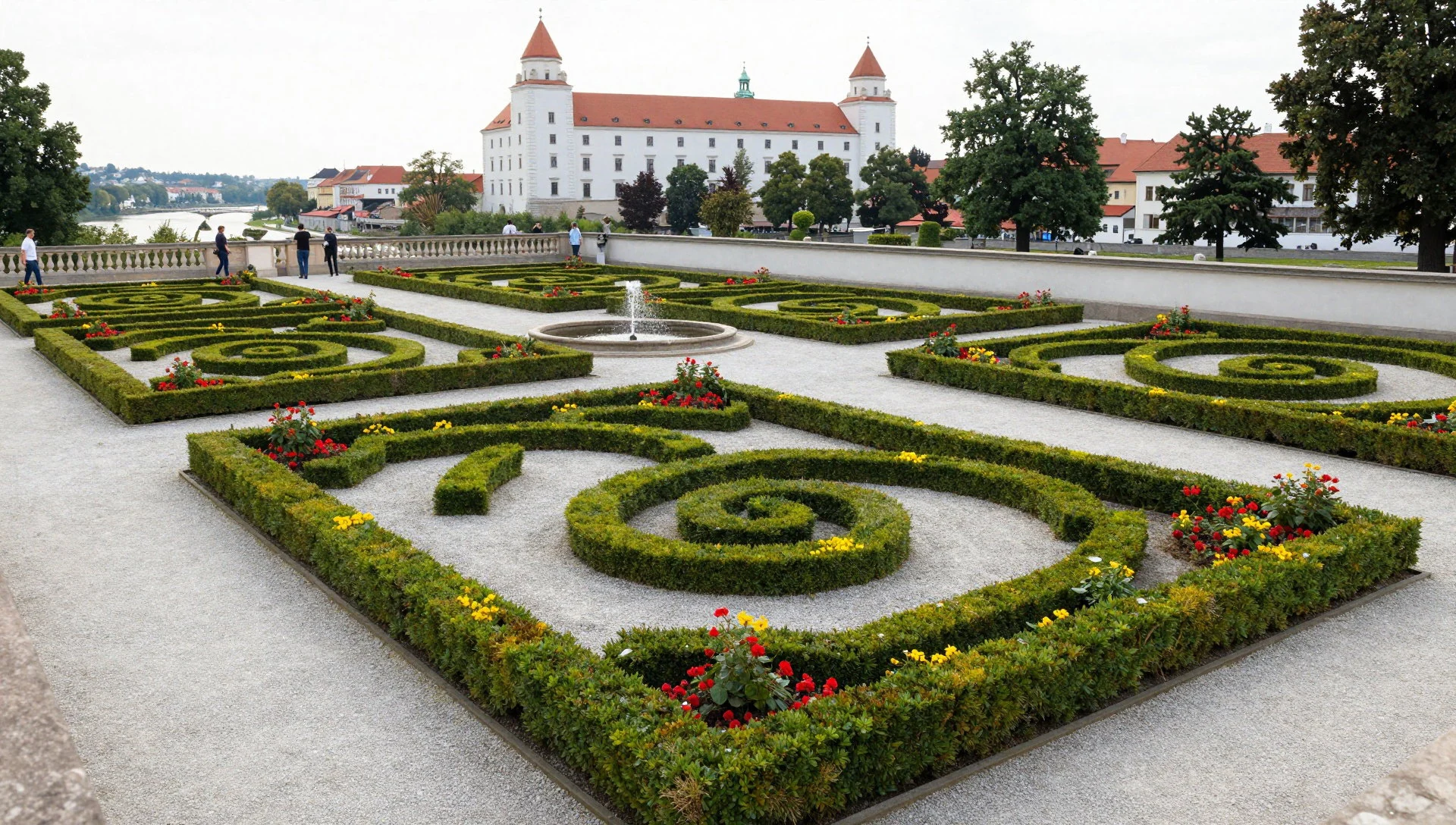
- Slovak National Gallery — Danube embankment
The Slovak National Gallery sits on the embankment between the old bridge and the new one, a short walk from the castle hill. Its permanent collections cover Slovak and European medieval art, and temporary shows change, so the gallery's own site is worth checking.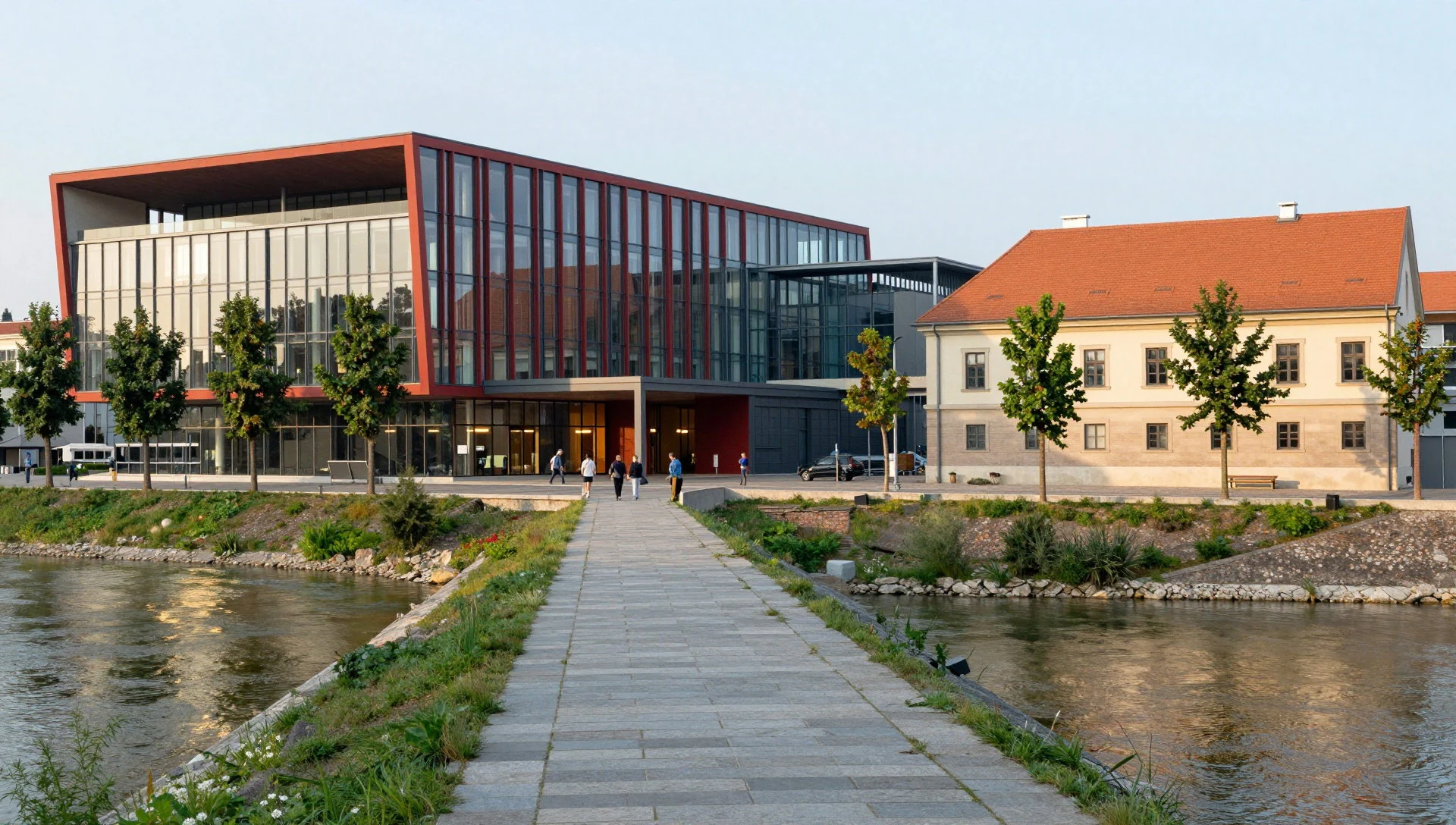
- Red Crayfish Pharmacy Pharmacological Museum — Old town
This small museum in the old town is devoted to the history of medicine and the apothecary's trade. It suits a short stop between the castle and the squares, especially on a wet day when the terraces are less appealing.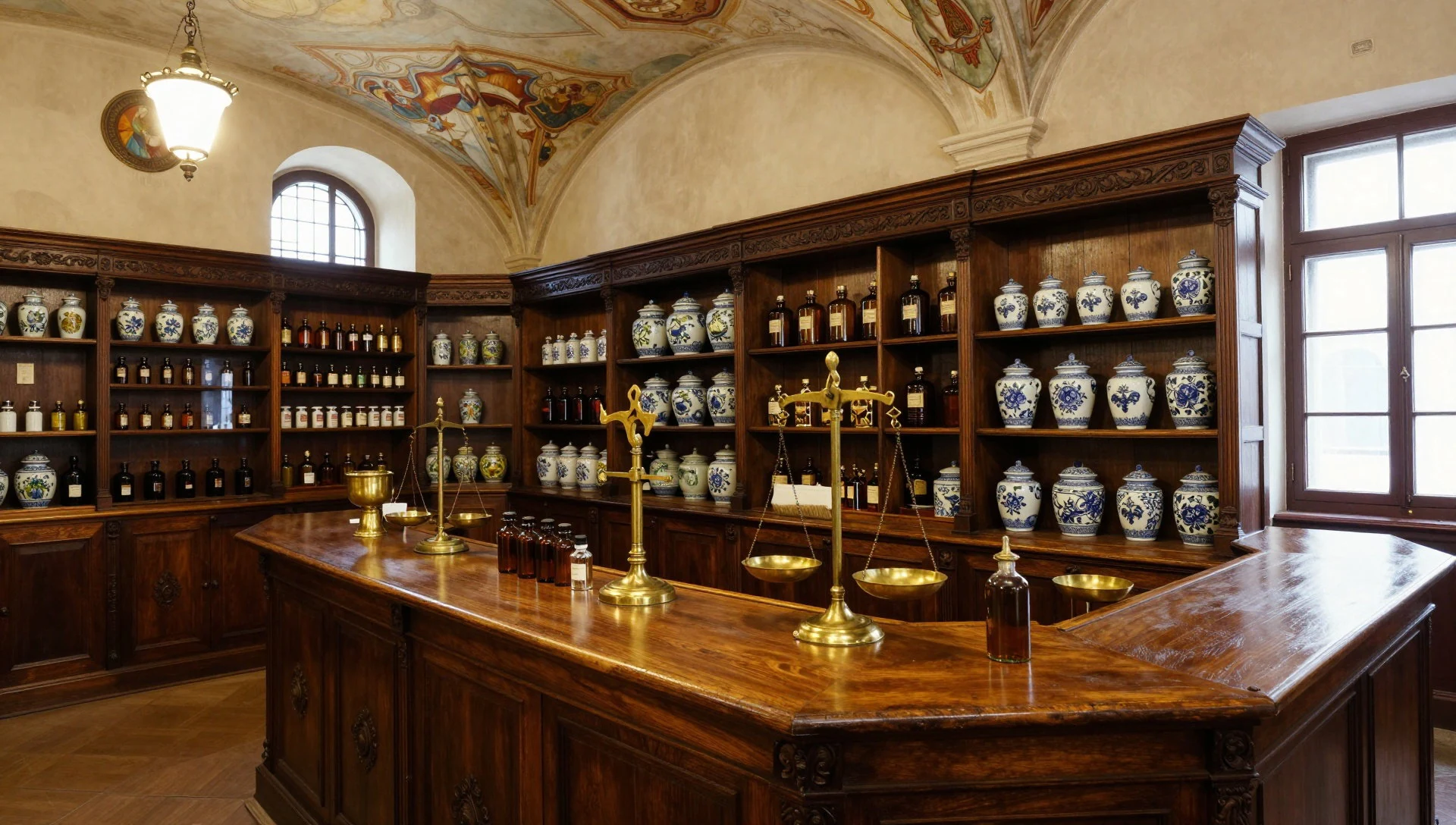
- Gerulata Roman camp — Southern Bratislava
Gerulata is an ancient Roman military camp on the southern side of Bratislava, with archaeological finds on display. It links the Roman frontier on the Danube to the long story of the castle hill and is best reached by public transport or taxi.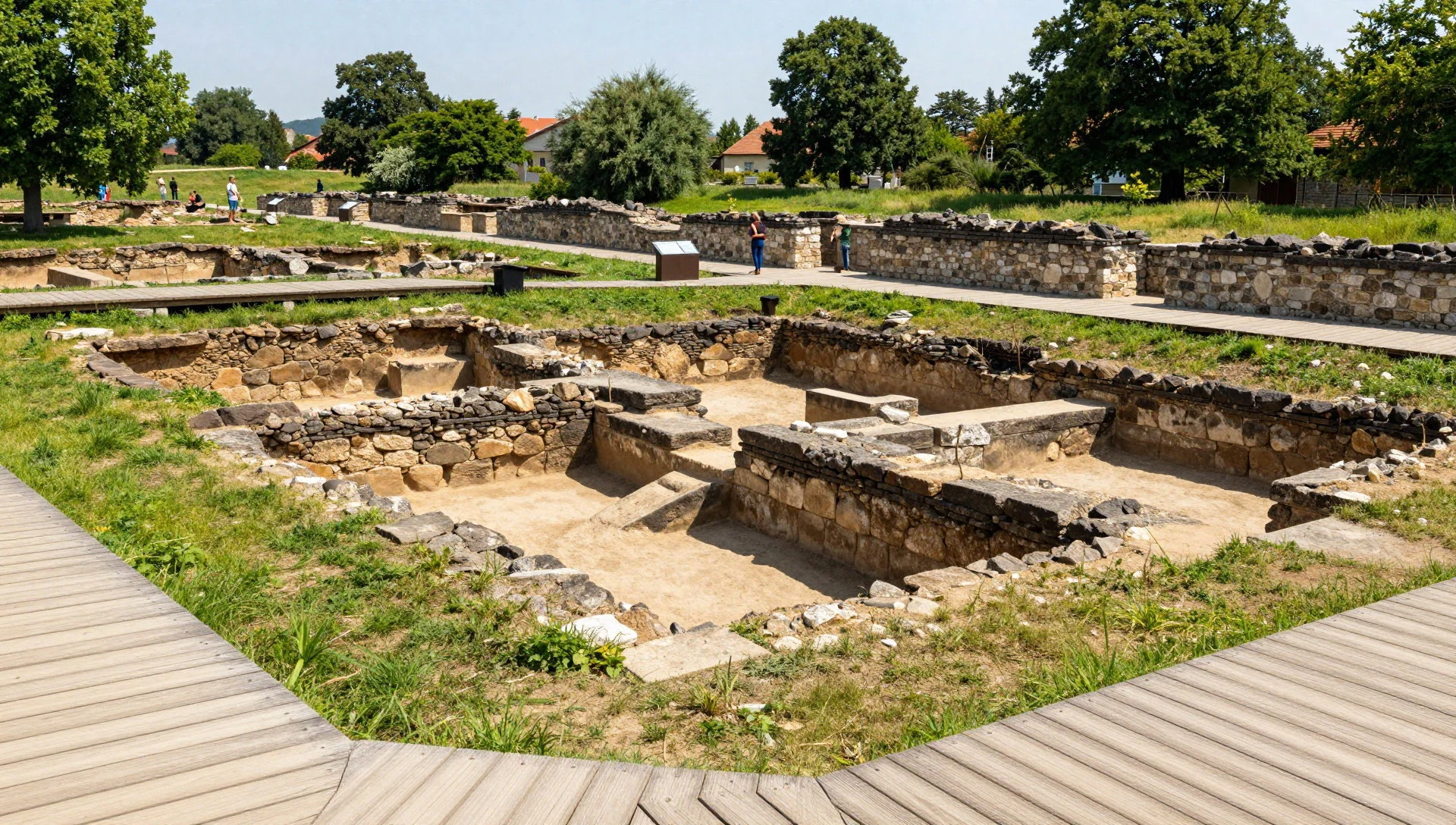
Culture
Bratislava Castle is the city's visual anchor, and Slovaks treat it as a civic symbol as much as a monument. Bratislava is the capital, and the castle appears on souvenirs, in local stories and in the way people give directions: if the hill is behind you, you are heading the wrong way.
The city has a mixed past. The same streets carry German, Hungarian and Slovak names, and the castle is known as Bratislavský hrad in Slovak, Pressburger Burg in German and Pozsonyi vár in Hungarian. Hearing all three at a ticket desk or in a museum label is normal and reflects centuries of shared history.
Everyday culture is relaxed and polite. Cafés fill with conversation rather than loud music, and Slovak pubs are the usual place to meet for beer and simple food. Museums, galleries and small collections are part of ordinary weekends, and the city has a strong habit of free open-air events in the squares during warmer months. Wine from the vineyards close to the city is a point of local pride.
Beyond the old town, the concrete estates across the river show another side of Slovak life, built in the communist era and still home to many residents. They are lived-in neighbourhoods, not curiosities, so photograph the skyline rather than people's windows.
At Bratislava Castle, keep your voice low in the museum rooms, stay on the marked paths in the gardens, and greet staff with a simple "dobrý deň" before asking for help.
What to wear
Bratislava Castle's region has a rich folk-dress tradition, called kroj, which varies from village to village across Slovakia. Women's costume typically combines an embroidered linen or cotton blouse, a pleated or gathered skirt, a bodice or vest, and an apron, often in wool or fine cotton with coloured stitching. Men wore linen shirts, felt or wool trousers, waistcoats and hats. These outfits now appear at weddings, festivals, church holidays and performances by folk ensembles rather than on ordinary days.
What people wear in Bratislava now is mainstream European city dress: jeans, trainers, simple jackets, smart casual for restaurants and office wear in the business districts. Winters are cold, so coats, hats and scarves are common from late autumn, while summer brings light cottons and sunglasses. Nobody dresses up for the castle, and you will see everything from hiking boots to office clothes.
Visitors should plan around the terrain and the season. The old town is cobbled and the castle hill is steep, so flat, grippy walking shoes matter more than style. Bring layers, because the hilltop terraces are windy even on bright days, and add a waterproof in spring and autumn. In summer, take a sun hat and water, as the ramparts offer little shade. Churches in the old town are active places of worship, so carry a light scarf or shirt to cover bare shoulders when going in.
What to eat
- Bryndzové halušky — Traditional pubs and eateries along Obchodná street in the old town
Small potato dumplings tossed in soft sheep's cheese, called bryndza, and usually topped with crisp bacon. This is the dish Slovaks call their own, and it makes a filling lunch after the castle climb. It is rich, so share if you are unsure.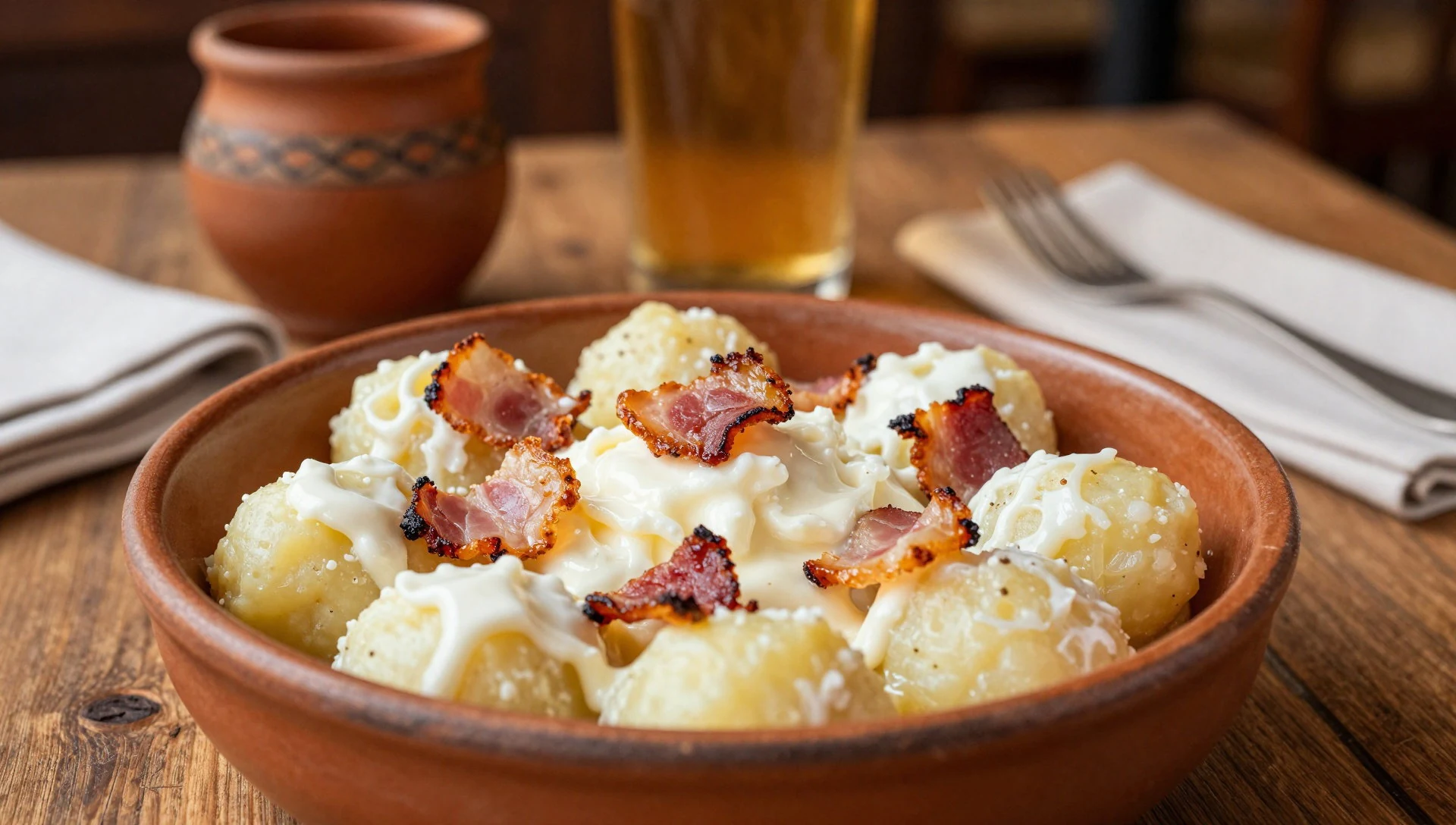
- Kapustnica — Traditional Slovak eateries and pubs in the old town, mainly in cooler months
A sour cabbage soup, often cooked with smoked sausage, dried mushrooms or smoked meat. It is closely tied to winter and Christmas, but cold-weather menus carry it widely. The flavour is tangy and smoky, and it warms you after wind on the castle terraces.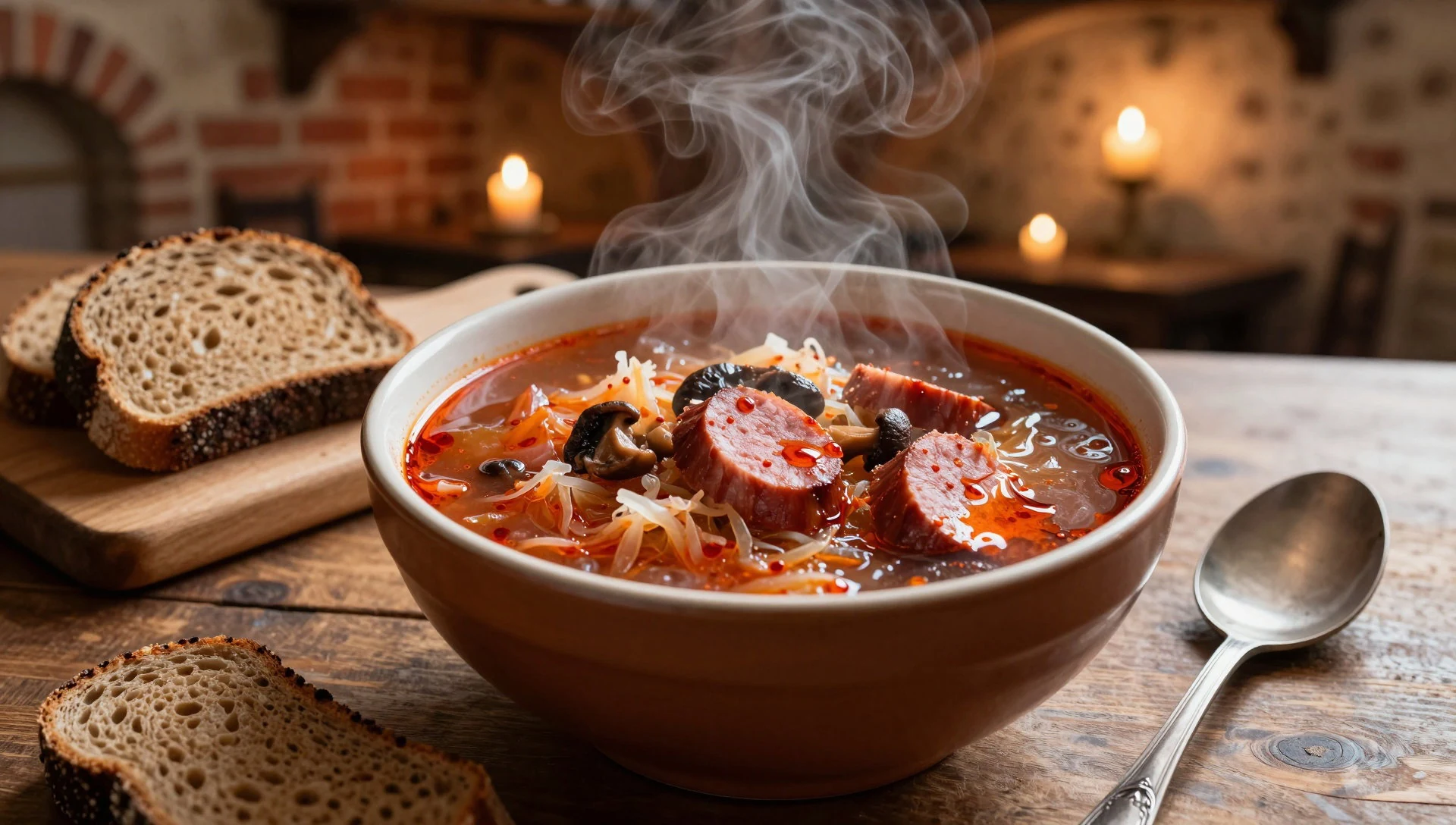
- Vyprážaný syr — Pub kitchens and street food stalls near the main squares
Breaded, fried cheese served with chips and tartare sauce, or tucked into a bun. It is simple, cheap pub and street food, and a common vegetarian option. Expect it hot, salty and crunchy outside, soft inside. - Lokše — Seasonal markets and festival stalls in the old town squares
Thin, soft potato pancakes rolled around fillings such as goose liver or sweet poppy seed and sugar. They are a regional speciality, often seen at festivals and seasonal markets, and make a good savoury or sweet snack on the move. - Bratislavské rožky — Bakeries and cafés in the old town
Crescent-shaped pastries filled with ground walnut or poppy seed, named after the city. They go well with coffee and travel easily in a bag, so they suit a morning at the castle or a picnic in the gardens.
Plan it
Best time. March, October and November are the most comfortable months, with mild weather and clear views from the ramparts; July and August are the hottest and busier, and winter is cold, with the hilltop windy.
How long. 1–2
Getting there. Fly to Bratislava Milan Rastislav Štefánik Airport, then take bus 61 (N61 at night) to the central train station, or change at Trnavské mýto for a tram into the centre. Buses from the airport also run to Vienna. The last leg is a short, steep walk uphill from the old town.
Budget. low
Tips
- Arrive at the airport early if flying with Ryanair and checked luggage, as the queue can get long
- Buy bus tickets before boarding, as drivers do not sell them; the stop machines take euro coins, and the terminal machines also take notes and cards
- Check the official website, http://www.bratislava-hrad.sk/, for opening hours and tickets before you go
- Visit early on weekdays to avoid midday tour groups, and wear grippy shoes for the cobbles and slope
Etiquette
- Keep your voice low in the museum rooms and stay on marked garden paths
- Ask before photographing people up close, especially residents of the housing estates across the river
- Greet staff with a quick hello in Slovak before asking questions
Nearby
Sources
- Wikidata Q593311 (CC0)
- Wikipedia: Bratislava Castle (rev 1379372947) (CC BY-SA 4.0)
- Wikivoyage: Bratislava (rev 5424481) (CC BY-SA 4.0)
- Photo: South view of Bratislava Castle, C.Stadler/Bwag (CC BY-SA 4.0)
- Photo: Southeast view of Bratislava Castle, C.Stadler/Bwag (CC BY-SA 4.0)
- Photo: Slovakia city tour of 2022, drone video (CC BY 3.0)
- Photo: Southeast view of Bratislava Castle, C.Stadler/Bwag (CC BY-SA 4.0)
- Photo: Bratislava Castle, 2010, Groume (CC BY-SA 2.0)
- Photo: Royal Palace courtyard, Steven Lek (CC BY-SA 4.0)
- Photo: Gardens of Bratislava Castle, Sintakso (CC BY-SA 4.0)
- Photo: Bratislava Castle, August 2019, Bobby-John de Bot (CC BY-SA 4.0)


