Grassalkovich Palace
Grassalkovich Palace, Slovakia
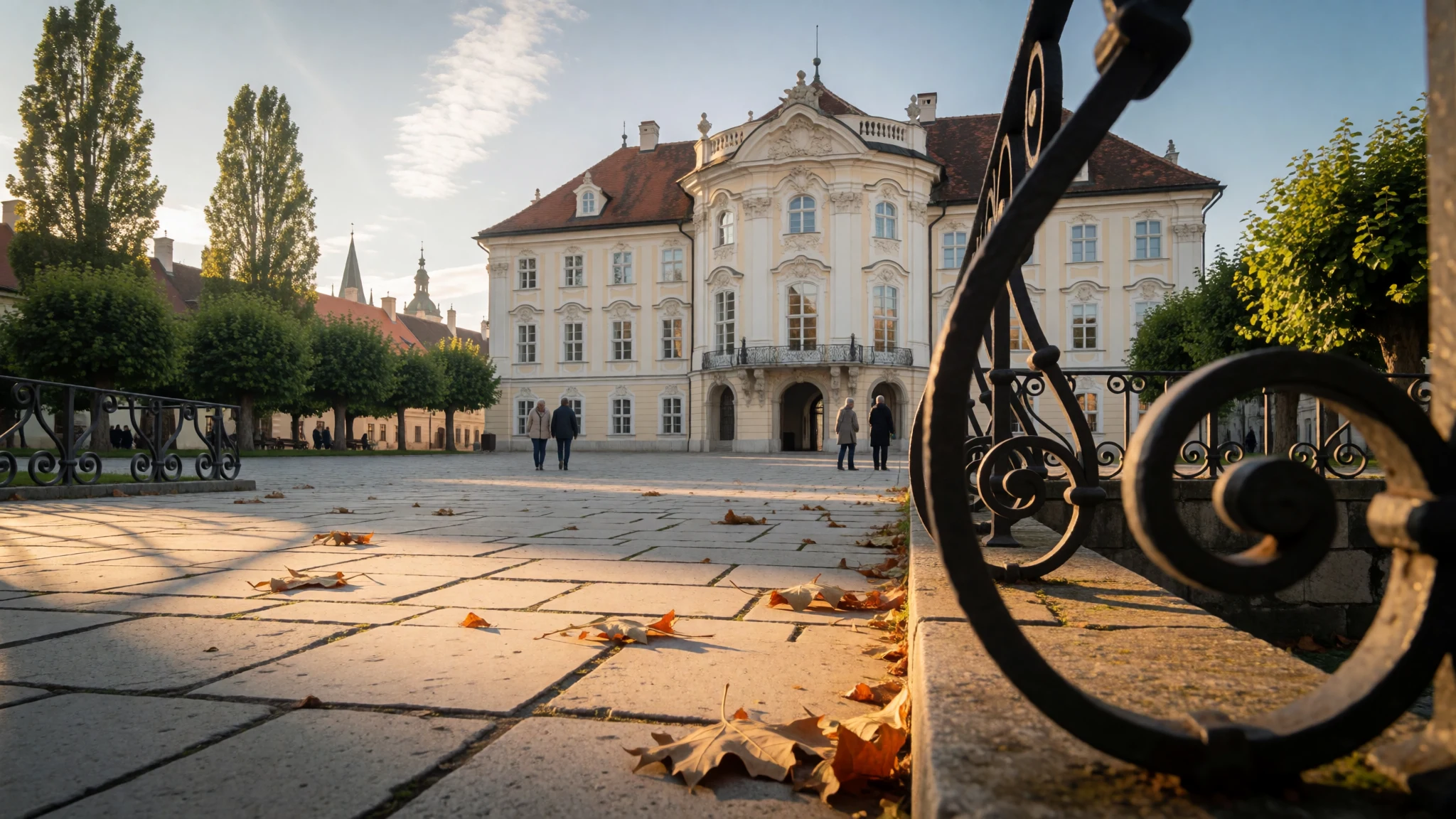
Grassalkovich Palace is a Rococo summer palace in Bratislava where Haydn once conducted and a president now lives and works.
The place
Grassalkovich Palace stands on Hodžovo Square in Bratislava, a short walk from the old town, and today it is the official residence of Slovakia's president. That makes it a working seat of state rather than a museum, which shapes how it is seen: most visitors look at it from the square, through the railings, rather than from inside. The building is a Rococo summer palace, the late, lighter phase of Baroque, with a formal French garden laid out behind it. Its neighbour is the Episcopal Summer Palace, so the square has a quiet, official feel, quite unlike the busier old-town squares of Hlavné námestie and Hviezdoslavovo námestie. Bratislava itself sits on the Danube, with a hilltop castle above the river, winding medieval lanes and many historic churches. Across the water, the Petržalka housing estate shows a very different chapter: communist-era concrete blocks stretching on for a long way. The palace belongs to the older, courtly layer of the city, from the time when Bratislava was known as Pressburg and served as the Hungarian capital. Wikidata gives 1765 as the founding date. The region around the city is prosperous, and that shows in the cafés, galleries and new building. A sensible visit pairs the palace with the old town and the castle, with the riverside galleries as an easy extension. Because it is a presidential office, access to the grounds and interiors can change, so a first look from the square is the realistic expectation.
Its story
Grassalkovich Palace was built in the mid-eighteenth century for Antal Grassalkovich, a Hungarian aristocrat of Croatian descent and a close friend of Empress Maria Theresa. He headed the Royal Hungarian Chamber, a post close to a finance minister, and needed a proper residence in the capital. Pressburg, as Bratislava was then called, held that role for Hungary until 1848. The architect was Andreas Mayerhoffer, who gave the house many rooms and a grand staircase. The chapel carries frescoes by Joseph von Pichler.
The palace soon became a centre of Baroque music in the city. Grassalkovich kept his own orchestra, and Prince Esterházy lent him his favourite conductor, Joseph Haydn, who premiered some of his work here. Because Grassalkovich was loyal to the Habsburg court, the house also hosted balls and receptions for it. Haydn is recorded as conducting when one of Maria Theresa's daughters married Albert of Saxe-Teschen, then governor of the Kingdom of Hungary.
The building has kept its social reputation. Tradition holds that Ľudovít Štúr, a leading figure of the Slovak national revival, first declared his love to Adela Ostrolúcka at a ball given by Archduke Stephen Francis Victor, son of the Palatine Joseph. Old photographs in the Fortepan archive show the palace when it served as the residence of Archduke Frederick of Habsburg-Teschen, before it became the home of Slovakia's head of state.
What to see
- Palace façade and Hodžovo Square — Hodžovo Square, city centre
The pale Rococo front, with its forecourt and railings, is the main sight and can be seen at any time from the square. Honour guards appear on state occasions, so a diplomatic visit can add a little ceremony. Check official notices before hoping for interior access.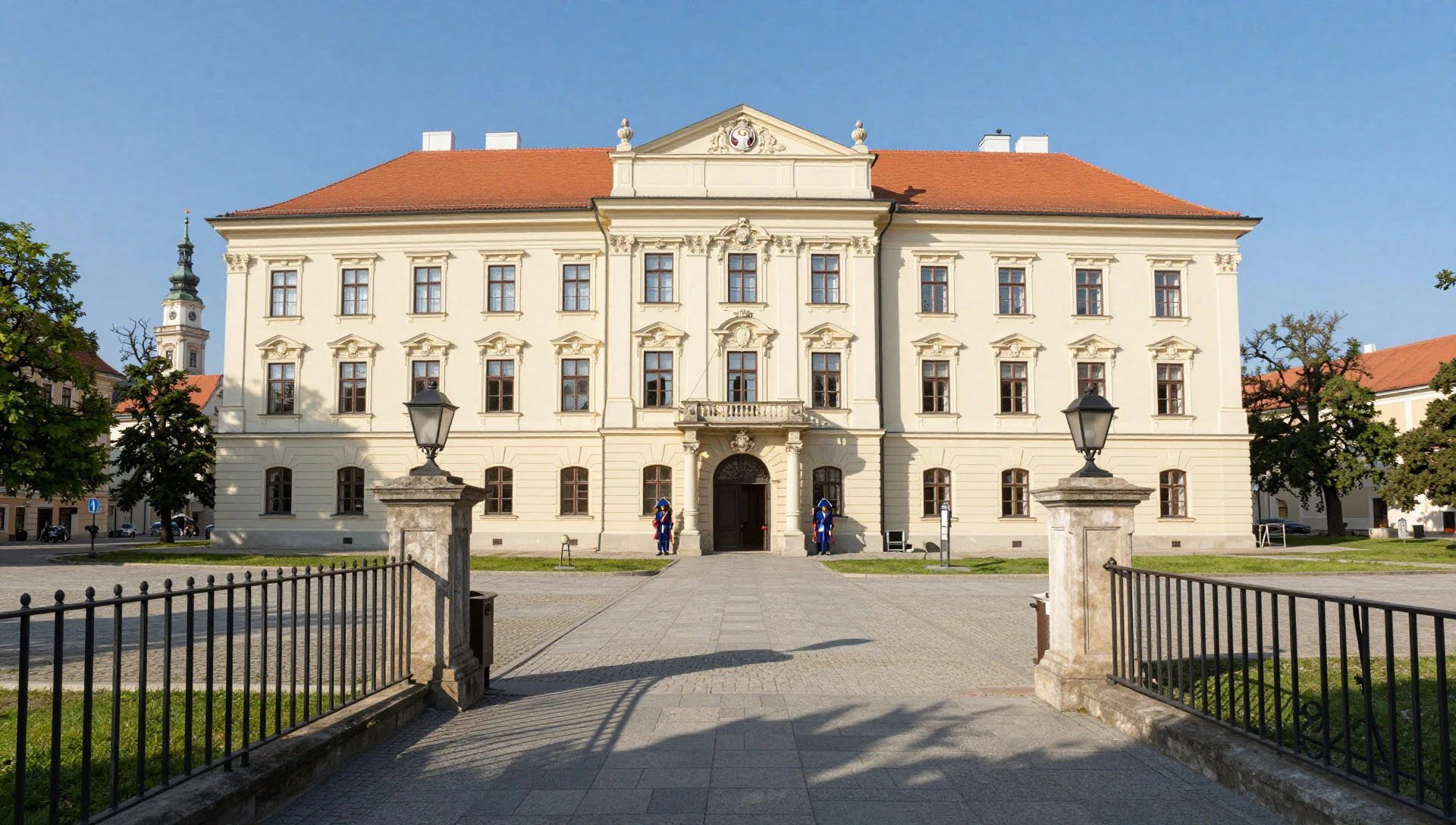
- The French garden — Behind the palace, city centre
Behind the palace lies a formal French-style garden, with clipped geometry that matches the Rococo house. Opening arrangements for a presidential garden can change without much notice, so treat it as a bonus and look for current information from the official presidential office before planning around it.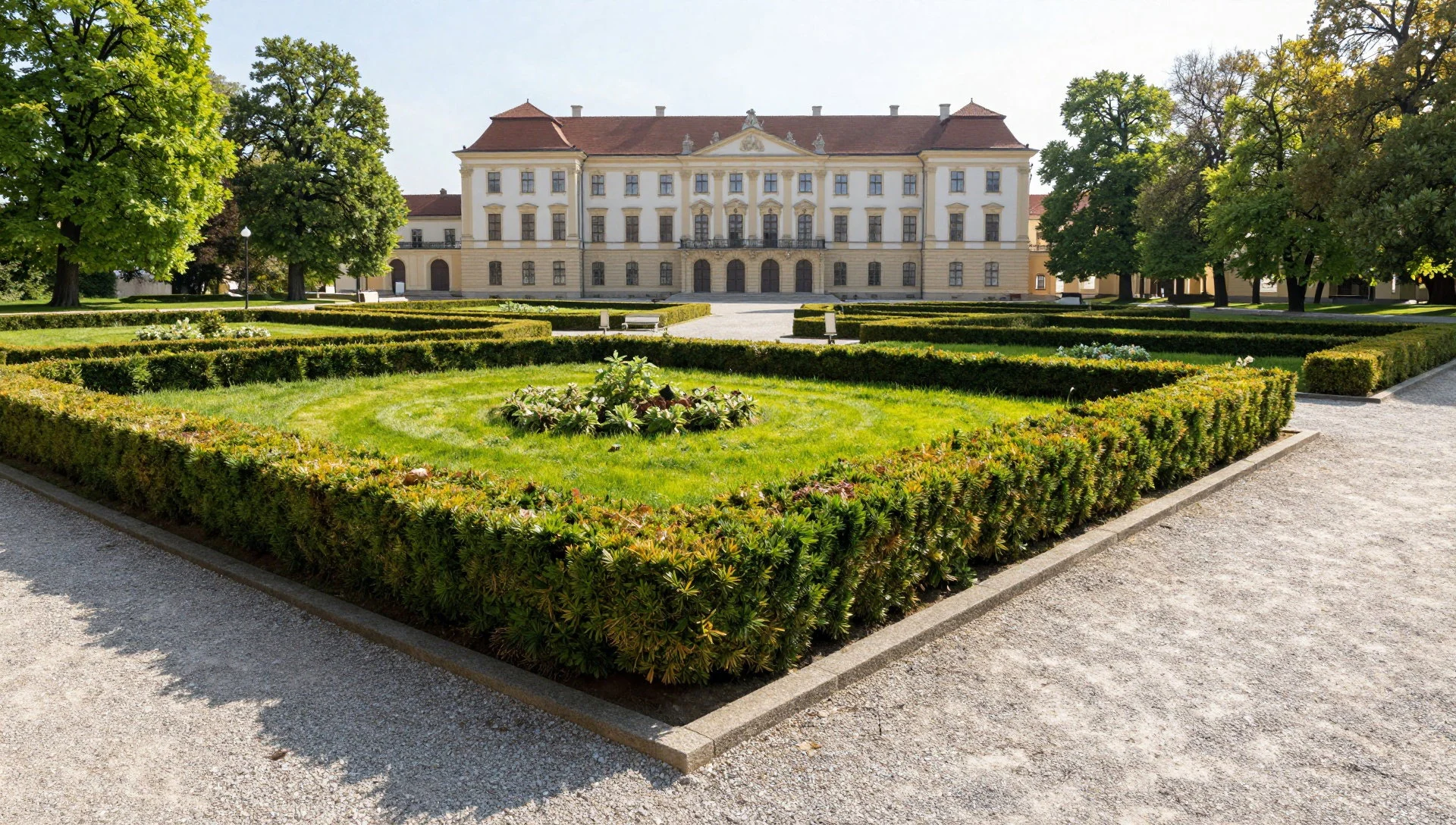
- Bratislava Castle — Castle hill, above the old town
The castle sits on a hill beside the Danube and holds the Museum of Bratislava History and a Baroque garden. A restaurant there stays open into the evening after the tours end. The views over the river and the old town make it a natural follow-up to the palace.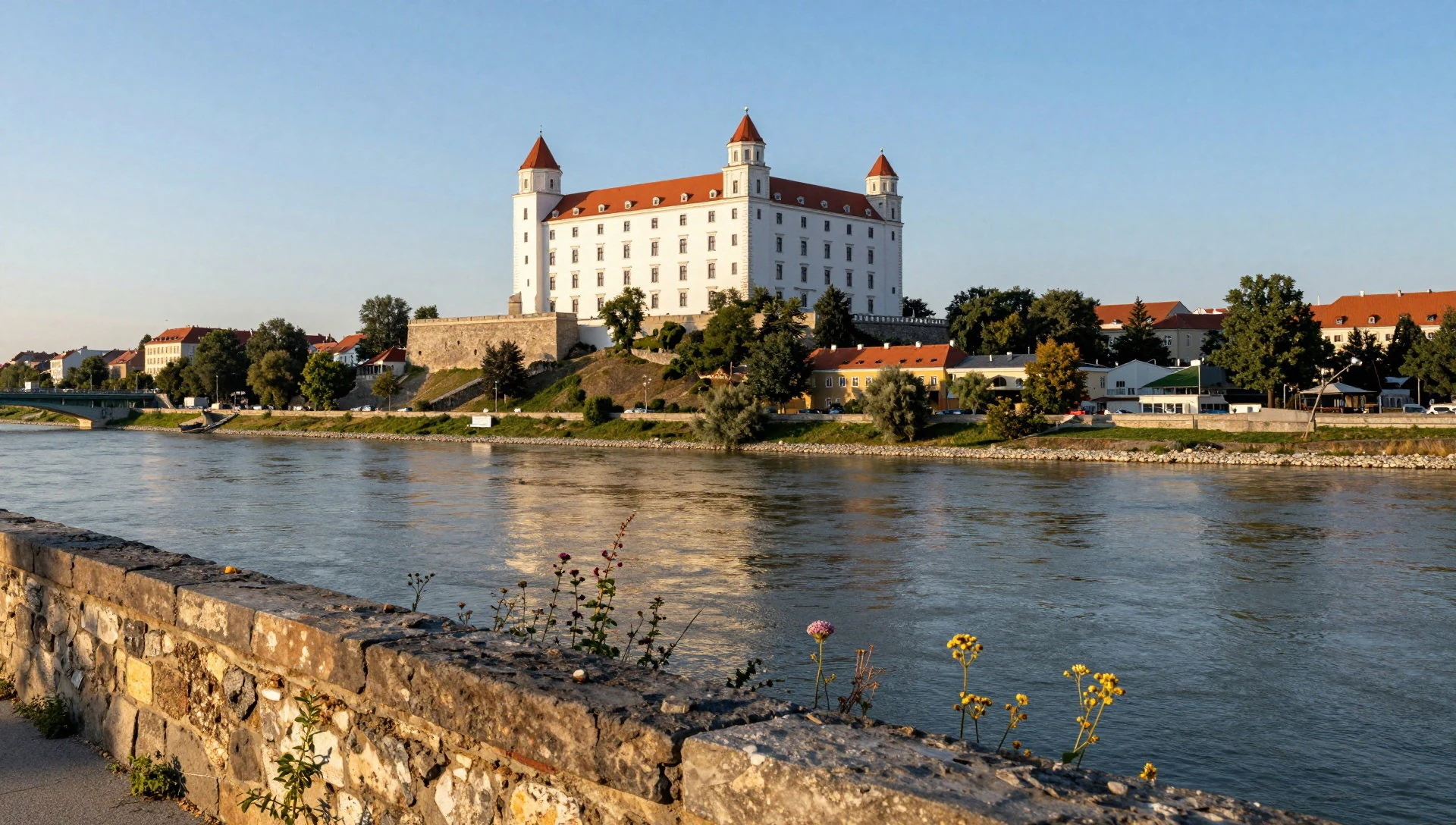
- Slovak National Gallery — Danube embankment
Set along the embankment between the Old Bridge and the New Bridge, the gallery holds permanent displays of Slovak and European medieval art, plus temporary exhibitions that change. It is a good indoor choice for a hot afternoon or a wet day, and it keeps the riverside walk going.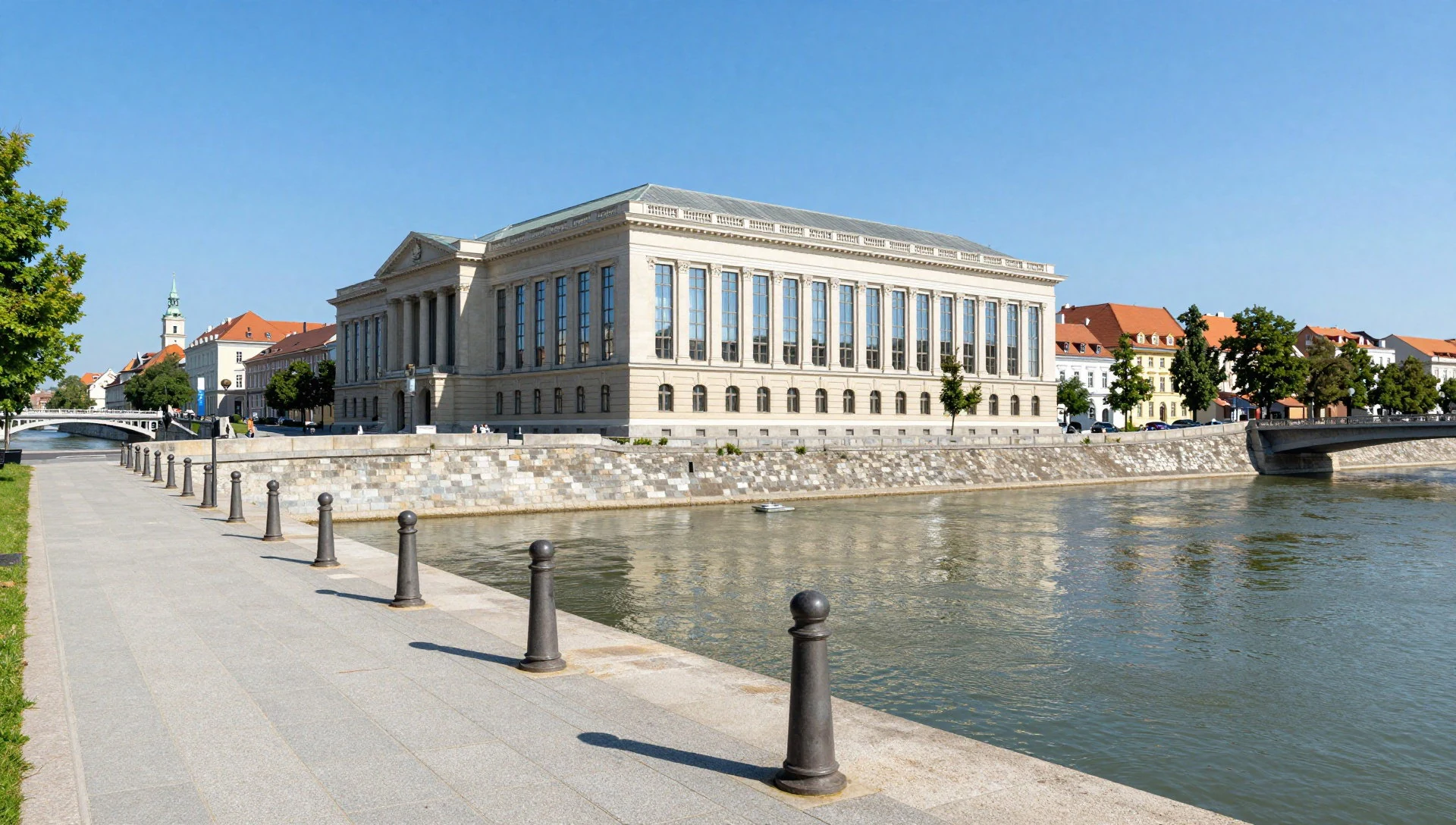
- Bratislava City Gallery — Old town
This gallery is a smaller option for historical paintings and sculpture, along with temporary shows. It sits within easy walking distance of the old town and the palace, so it fits into a short stroll. Check the gallery's own website for current exhibitions before going.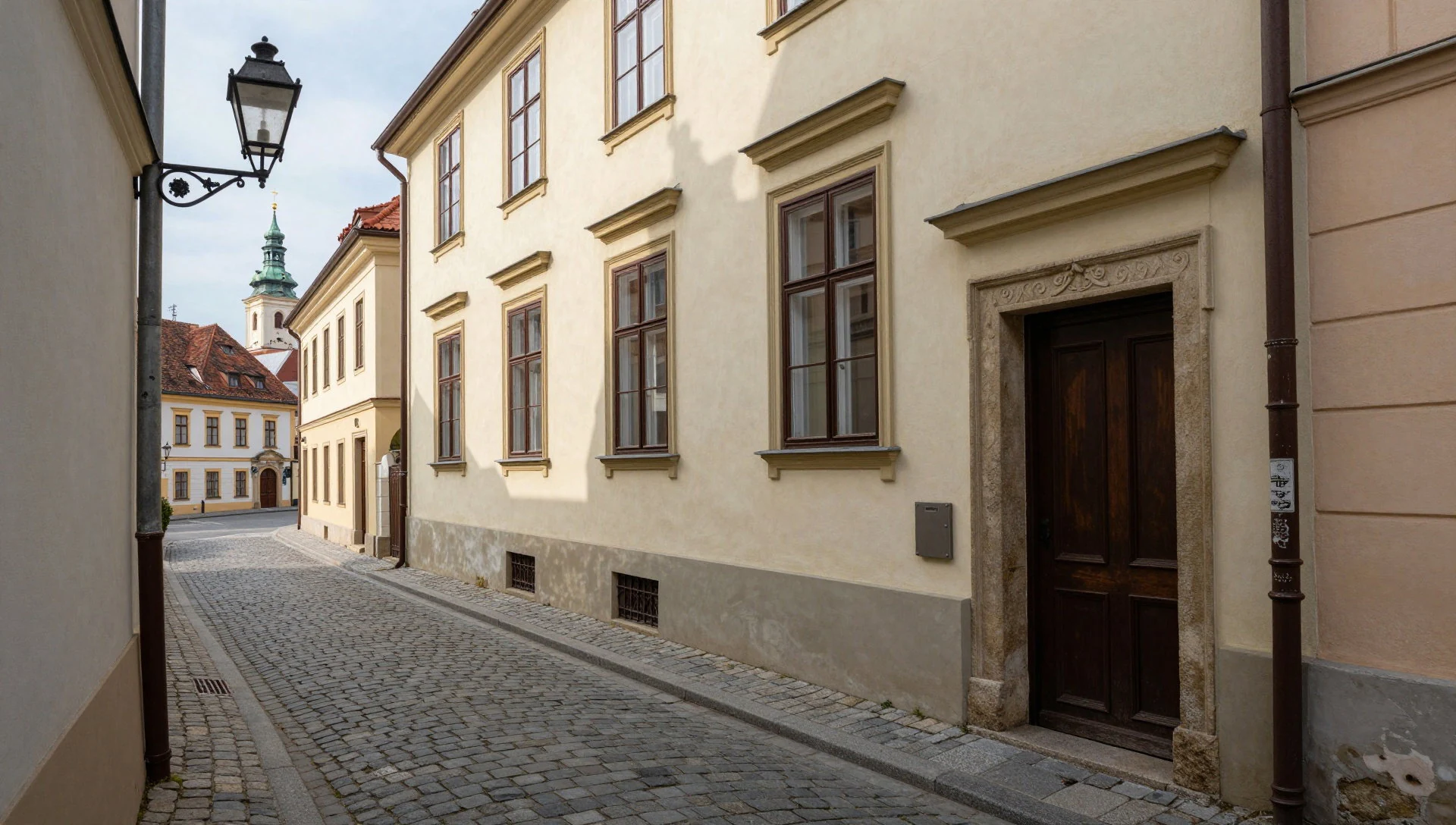
Culture
Grassalkovich Palace carries two kinds of culture at once: the music and manners of a Habsburg-era court, and the formal life of a modern republic. In the eighteenth century the house was a stage for concerts, balls and family occasions, and Haydn's connection to it still gives the city a point of musical pride. The palace is also tied to the national story, since the romance of Ľudovít Štúr and Adela Ostrolúcka is often told in Slovakia as part of the Slovak revival of the nineteenth century.
Today the building is where the president lives and works, so ceremonial life continues. State visits bring honour guards and receptions, and the square can briefly close or fill with officials. Most Slovaks treat the building with ordinary civic respect rather than awe. Bratislava's wider culture is a mix of Central European café life, wine from the nearby vineyards, folk traditions and the leftover marks of the communist era, which locals discuss with dry humour. A walk from this square to the old town shows how many layers the city holds in a small area.
Because the palace is a working official residence, stay behind the railings and barriers, follow any instruction from the guards or police, and do not photograph security staff at close range or fly a drone over the building.
What to wear
Grassalkovich Palace sits in a city where traditional dress is now mostly seen at festivals and folklore events, not on the street. Slovak folk costume, known as kroj, varies by region. Typical elements include embroidered blouses of linen or cotton, pleated skirts, waistcoats of wool or felt, and bright ribbons. Blue-dyed block-printed cloth, called modrotlač, is a well-known craft textile. Wearers put on these outfits for village celebrations, dance groups and national occasions. At the palace itself, state receptions bring formal dress and uniforms for the honour guard.
Day to day, people in Bratislava dress much as in other Central European cities: smart casual, layers, dark colours in winter, light cotton in summer. Business clothes are common around the government buildings, and the old town leans towards neat but relaxed.
For a visitor, comfort comes first. The old town has cobbled and uneven stones, so supportive flat shoes matter more than anything else. Winters can be cold and damp, so bring a proper coat, hat and gloves. Summer days are warm, so choose breathable fabrics and carry a light layer for air-conditioned galleries. A scarf or shawl is useful for churches, where covered shoulders are appreciated. Nothing special is required near the palace, but neat clothing suits the formal surroundings, and a compact umbrella helps in changeable weather.
What to eat
- Bryndzové halušky — Slovak pubs on Obchodná street and in the old town
Small potato dumplings tossed with soft sheep's-milk cheese and usually topped with crisp bacon. Often called Slovakia's national dish, it is hearty and salty. Look for it at the traditional pubs along Obchodná street and in old-town Slovak eateries.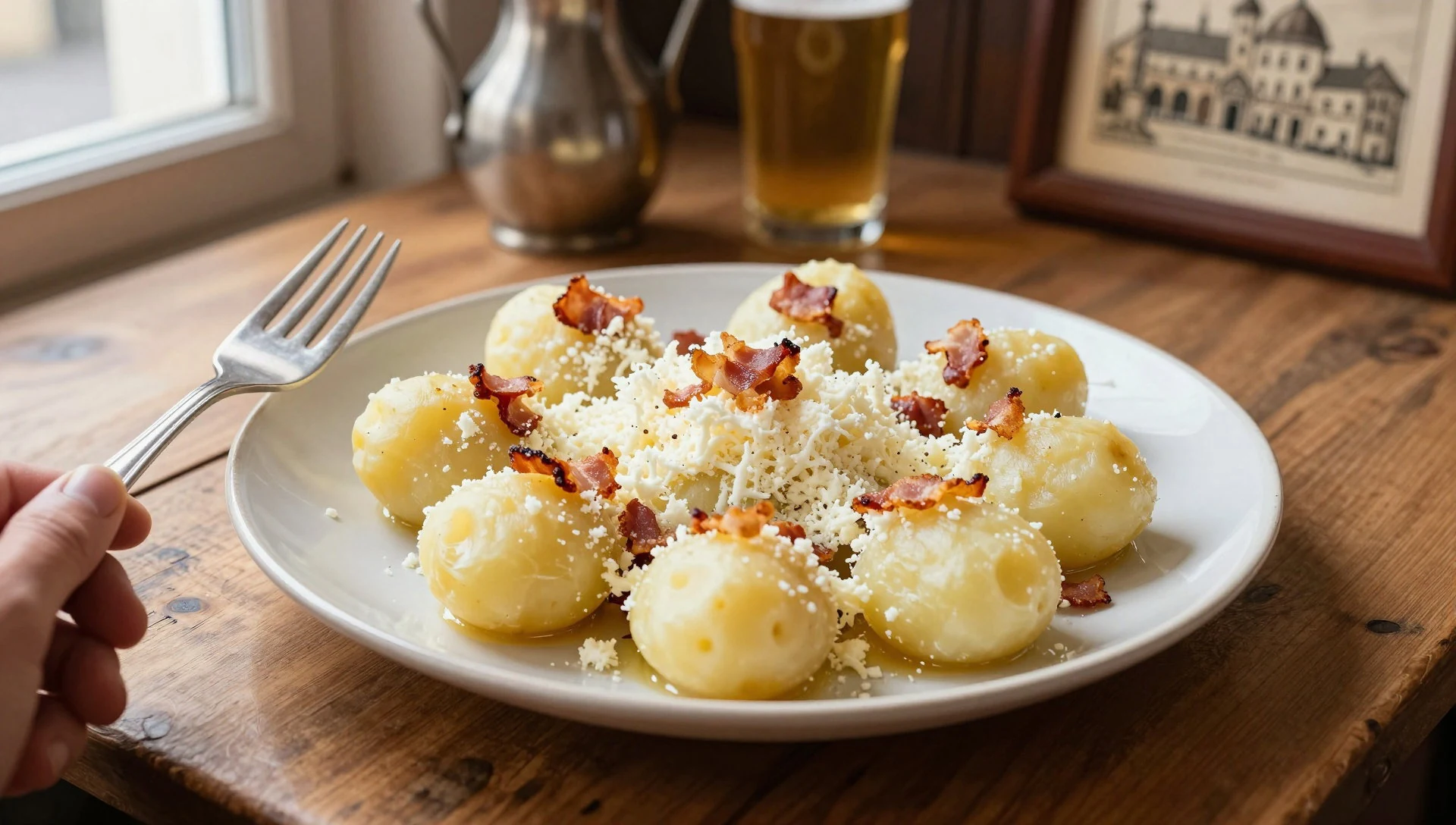
- Kapustnica — Traditional Slovak eateries in the old town
A sour cabbage soup, often with smoked sausage or dried mushrooms and sometimes a splash of cream. It is a winter comfort food and a Christmas tradition in many homes. Traditional eateries in the old town usually offer a version on cold days.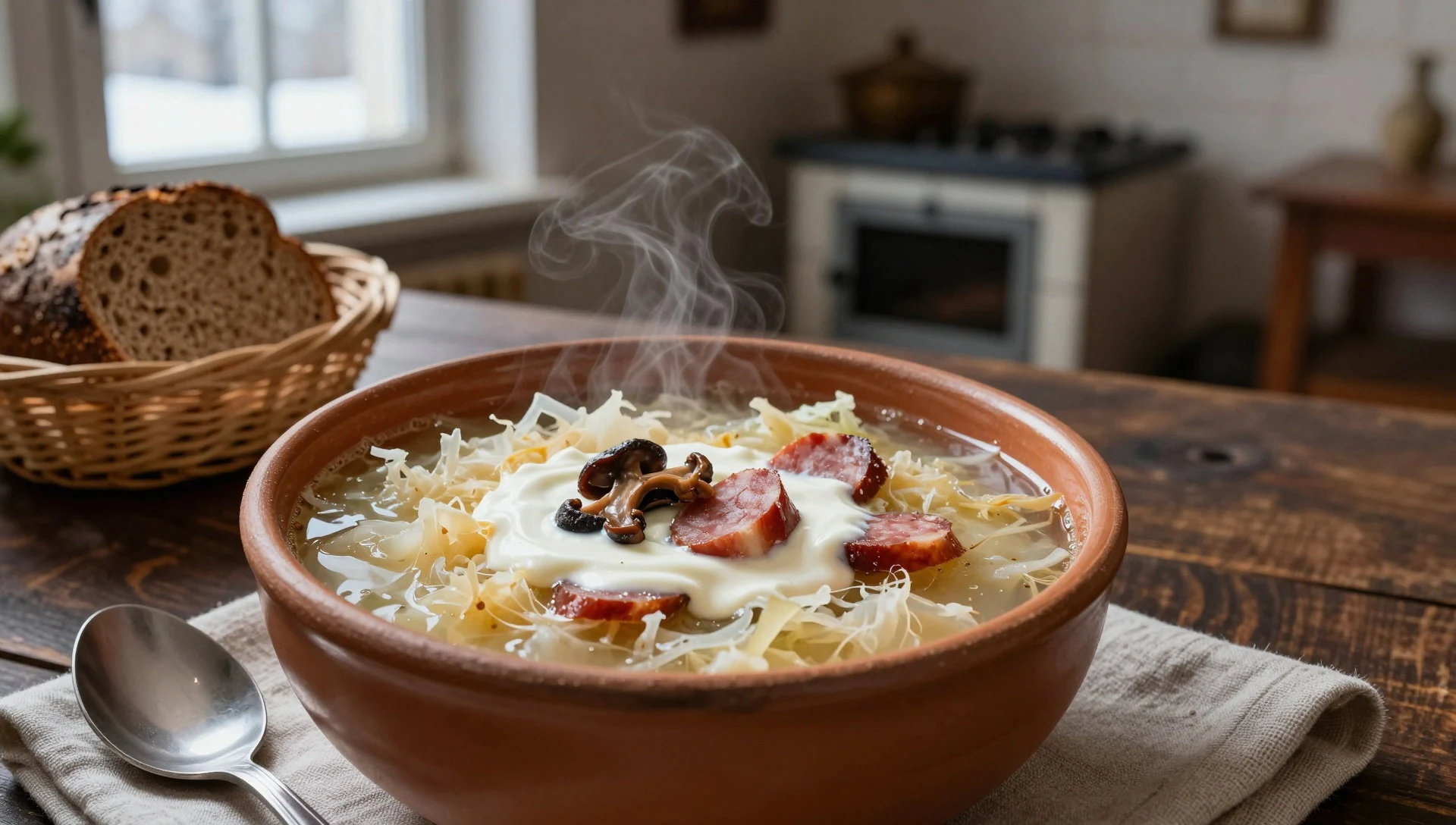
- Pirohy — Casual Slovak restaurants near the centre
Filled dumplings, usually stuffed with potato and cheese or sweet cabbage, and served with fried onion or sour cream. They are plain, filling and good value, and often appear on the lunch menus of casual Slovak restaurants near the centre. - Smažený syr — Pubs and street kiosks in the centre
Breaded, fried cheese served with chips or boiled potatoes and tartare sauce. It is a classic pub order and a simple option for vegetarians. Pubs and street kiosks in the centre both serve it, usually with a local beer. - Langoš — Seasonal markets and street stalls around the old town
A large round of deep-fried dough, rubbed with garlic and topped with cheese or sour cream. It is eaten warm and messy, often at fairs and markets. Look for it at seasonal markets and stalls around the old town.
Plan it
Best time. Late spring (May–June) and early autumn (September) are usually mild and good for walking the old town and the castle hill; summer can be hot, and winter is cold and grey, though Christmas markets add atmosphere.
How long. 1–2
Getting there. Fly to Bratislava Milan Rastislav Štefánik Airport, then take the municipal bus to the central railway station (Hlavná stanica), or change to a tram for the city centre. The palace is a short walk from the old town. Buy tickets in advance, since drivers do not sell them, and carry euro coins for the stop machines.
Budget. mid
Tips
- Arrive at the airport early if flying with Ryanair and checked luggage, as queues at the small terminal can get long
- Carry euro coins for bus-stop ticket machines; the terminal machines also take banknotes and cards
- Check the official presidential office website for current access to the palace and garden before you plan around them
- Start with the palace square and old town in the morning, and save the castle hill for the afternoon light
- Wear comfortable shoes for the cobbled lanes and carry water in warm months
Etiquette
- Stay behind the railings and barriers at the palace and follow guards' instructions
- Avoid photographing security staff at close range, and do not fly a drone over the building
- Keep voices low on the square during official ceremonies and give honour guards space
Nearby
Sources
- Wikidata Q568640 (CC0)
- Wikipedia: Grassalkovich Palace (rev 1383017613) (CC BY-SA 4.0)
- Wikivoyage: Bratislava (rev 5424481) (CC BY-SA 4.0)
- Photo: Diego Delso, Palacio Grassalkovich, 2020 (DD 24) (CC BY-SA 4.0)
- Photo: Diego Delso, Palacio Grassalkovich, 2020 (DD 21) (CC BY-SA 4.0)
- Photo: Diego Delso, Palacio Grassalkovich, 2020 (DD 18) (CC BY-SA 4.0)
- Photo: Fortepan 83419, Pozsony, Grassalkovich-kastély (CC BY 3.0)
- Photo: Fortepan 83420, Pozsony, Grassalkovich-kastély, rear view (CC BY 3.0)
- Photo: Grassalkovich Palace (2) (CC BY 3.0)
- Photo: Kobi Gideon, Isaac Herzog state visit to Slovakia, September 2023 (CC BY 3.0)
- Photo: U.S. Department of State, Secretary Pompeo meets Slovak President Kiska (Public domain)


