Košice
Košice, Slovakia
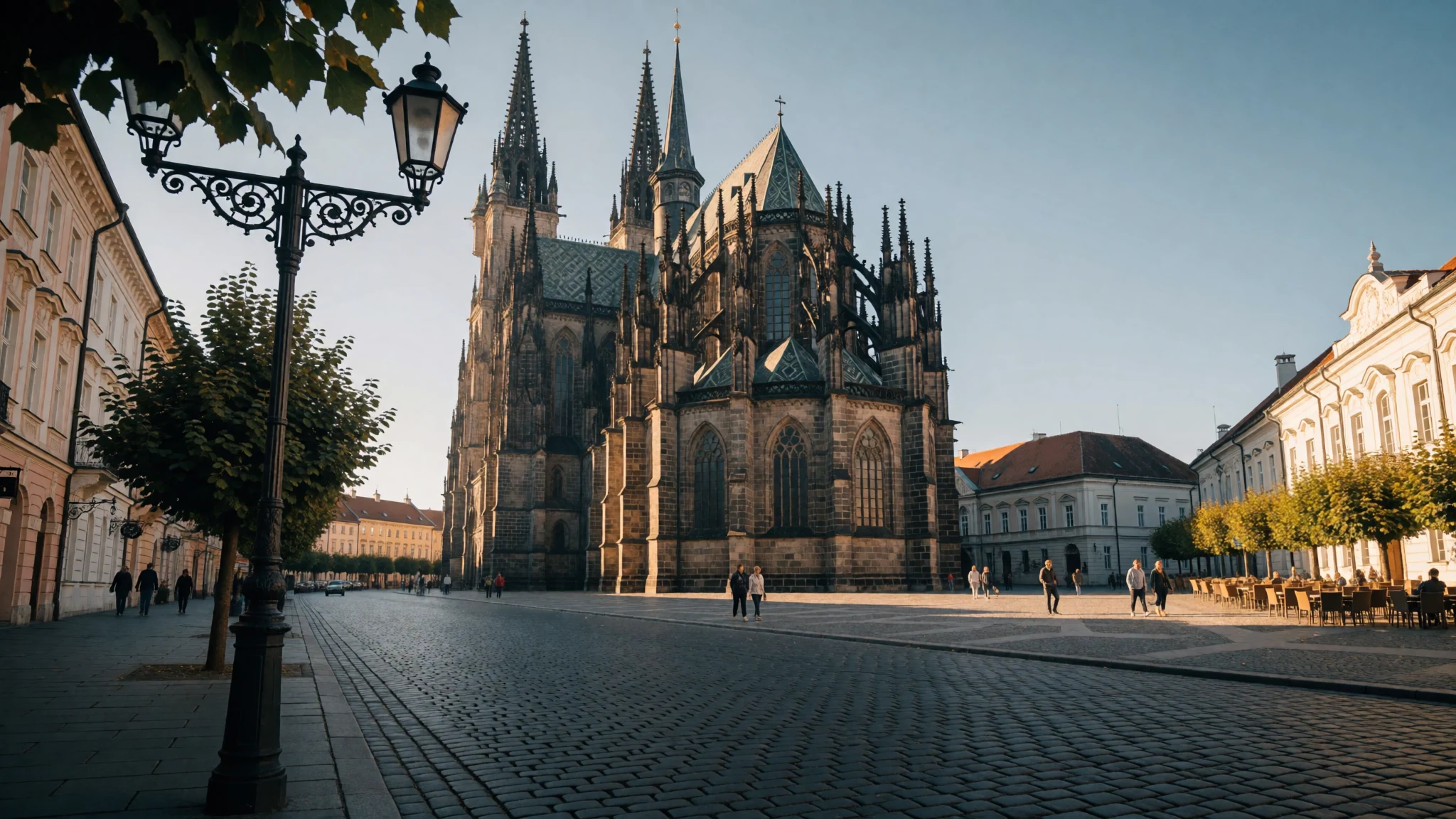
Košice offers a magnificent Gothic core, a long lens-shaped central thoroughfare, and a rich history as eastern Slovakia's vibrant economic and cultural heart.
The place
Košice sits gracefully along the river Hornád where the eastern reaches of the Slovak Ore Mountains meet the lowlands, close to international borders. As eastern Slovakia's economic and cultural hub, Košice functions as a regional capital supporting universities, dioceses, museums, and galleries alongside industrial works. The settlement layout follows a grand, elongated lens-shaped central street lined with aristocratic townhouses, ecclesiastical monuments, and leafy pavement cafés. Visitors exploring Košice discover the largest protected historical zone in the country, featuring architectural styles spanning Gothic, Renaissance, Baroque, and Art Nouveau epochs. Beyond the historic core, the municipality operates as a major industrial centre while maintaining wide pedestrian avenues that invite unhurried strolling. The surrounding geography creates a distinct microclimate for the region, cradled by hills that moderate the continental weather patterns. Travellers arriving in Košice encounter a welcoming urban landscape where Hungarian, Slovak, and Roma heritages intertwine harmoniously across theatres, musical ensembles, and neighbourhood eateries. The city layout encourages exploration on foot, as major sights cluster tightly around the central spine, allowing visitors to absorb centuries of architectural ambition without needing constant transport. Parks and public squares punctuate the urban fabric, providing shaded respite during warm afternoons when locals gather outdoors to converse and enjoy the relaxed pace of eastern Slovak life.
Its story
The story of Košice stretches back through centuries of shifting political allegiances, border redrawings, and cultural amalgamations. Archaeological findings indicate human presence here since the end of the Paleolithic era, while written documentation formally acknowledges the royal village of Villa Cassa. Following the Mongol devastation, monarchs invited German settlers to repopulate and rebuild the region, establishing administrative foundations that shaped the urban plan. During the medieval and early modern periods, Košice functioned as two distinct settlements, Lower Kassa and Upper Kassa, which eventually merged around the wide central boulevard. The municipality spent centuries within the Kingdom of Hungary, experiencing periods under Habsburg rule, Transylvanian princes, and Ottoman-backed rebel factions seeking autonomy. Each ruling power left architectural and cultural imprints on the town, visible in the fortifications, palaces, and civic buildings that survived numerous conflicts. Through the nineteenth and twentieth centuries, Košice transitioned through successive state formations, including the Austro-Hungarian Empire, early twentieth-century republics, wartime administrations, and post-war federations, before becoming a cornerstone of modern independent Slovakia. This complex heritage forged a resilient civic identity, celebrated today through its preserved monuments, museums, and vibrant community traditions that honour every chapter of the city's remarkable historical evolution.
What to see
- Cathedral of St. Elizabeth — Hlavná ulica
Dominating the main square, the Cathedral of St. Elizabeth stands as Slovakia's largest church. This magnificent Gothic structure features soaring vaulted ceilings, intricate stone carvings, and soaring spires that define the city skyline. Visitors can explore the cavernous interior, admire the preserved altarpieces, and climb the tower for sweeping panoramic views across the historic core and surrounding rooftops.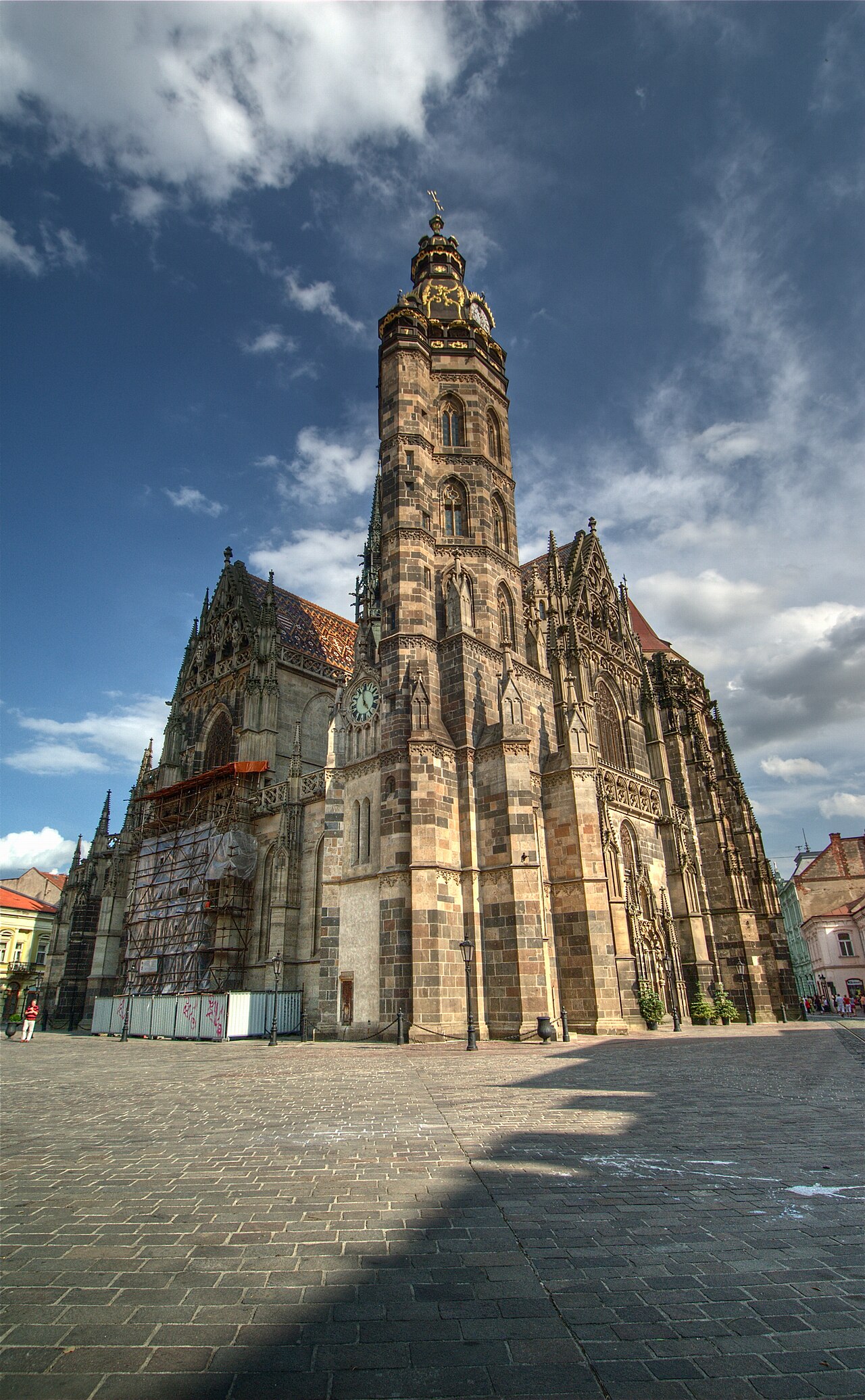
- East Slovak Museum — Nemecká ulica
Established as one of the country's oldest and most significant cultural repositories, the East Slovak Museum preserves extensive collections documenting regional heritage. Housed in an architecturally striking historic building, the galleries showcase archaeological finds, numismatics, and fine art exhibitions that trace the complex civilizational shifts across eastern Slovakia from prehistoric times through the industrial era.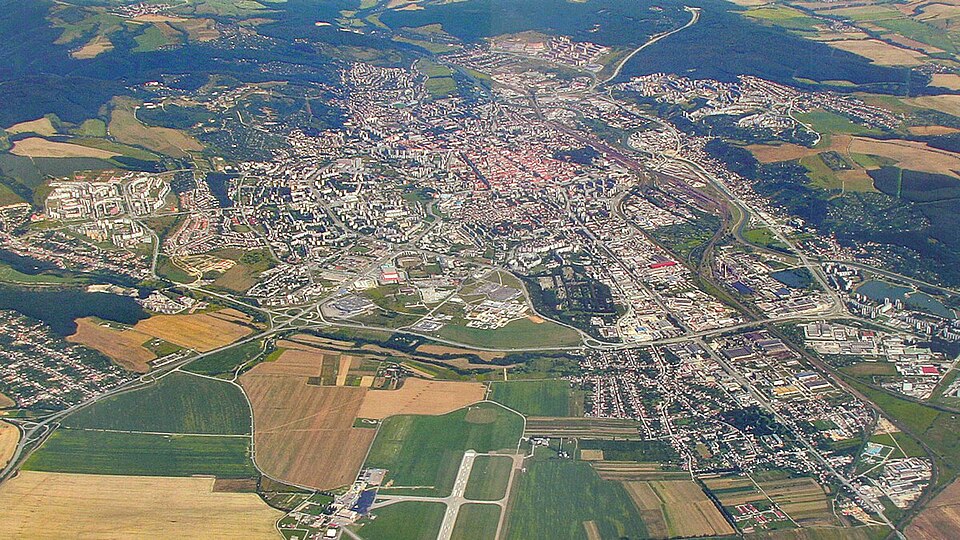
- Mikluš's Prison — Hrnčiarska ulica
Formed by joining two medieval Gothic houses into a single grim municipal complex, Mikluš's Prison offers a fascinating glimpse into the darker side of civic history. Operating as a gaol for centuries, the building now serves as an exhibition space under the East Slovak Museum, featuring atmospheric dungeons, torture chambers, and historical displays named after the town's legendary executioner.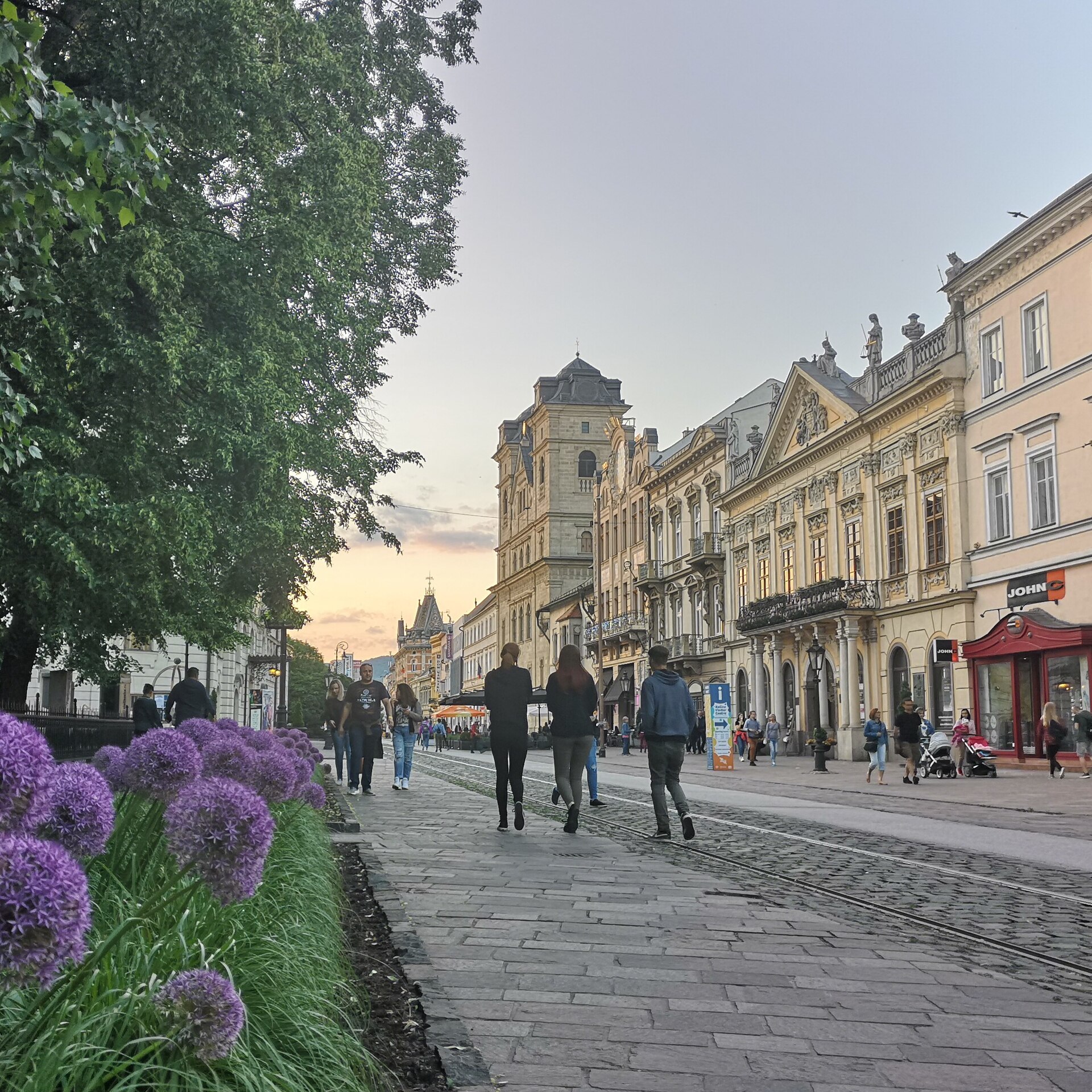
- Košice State Theatre — Hlavná ulica
Located prominently in the heart of the pedestrian zone, the Košice State Theatre is a stunning architectural masterpiece. Presenting professional drama, opera, and ballet ensembles, the institution anchors the local performing arts scene. Visitors can admire the ornate neo-baroque exterior adorned with elaborate mouldings and sculptures before attending a world-class theatrical performance inside the lavishly decorated auditorium.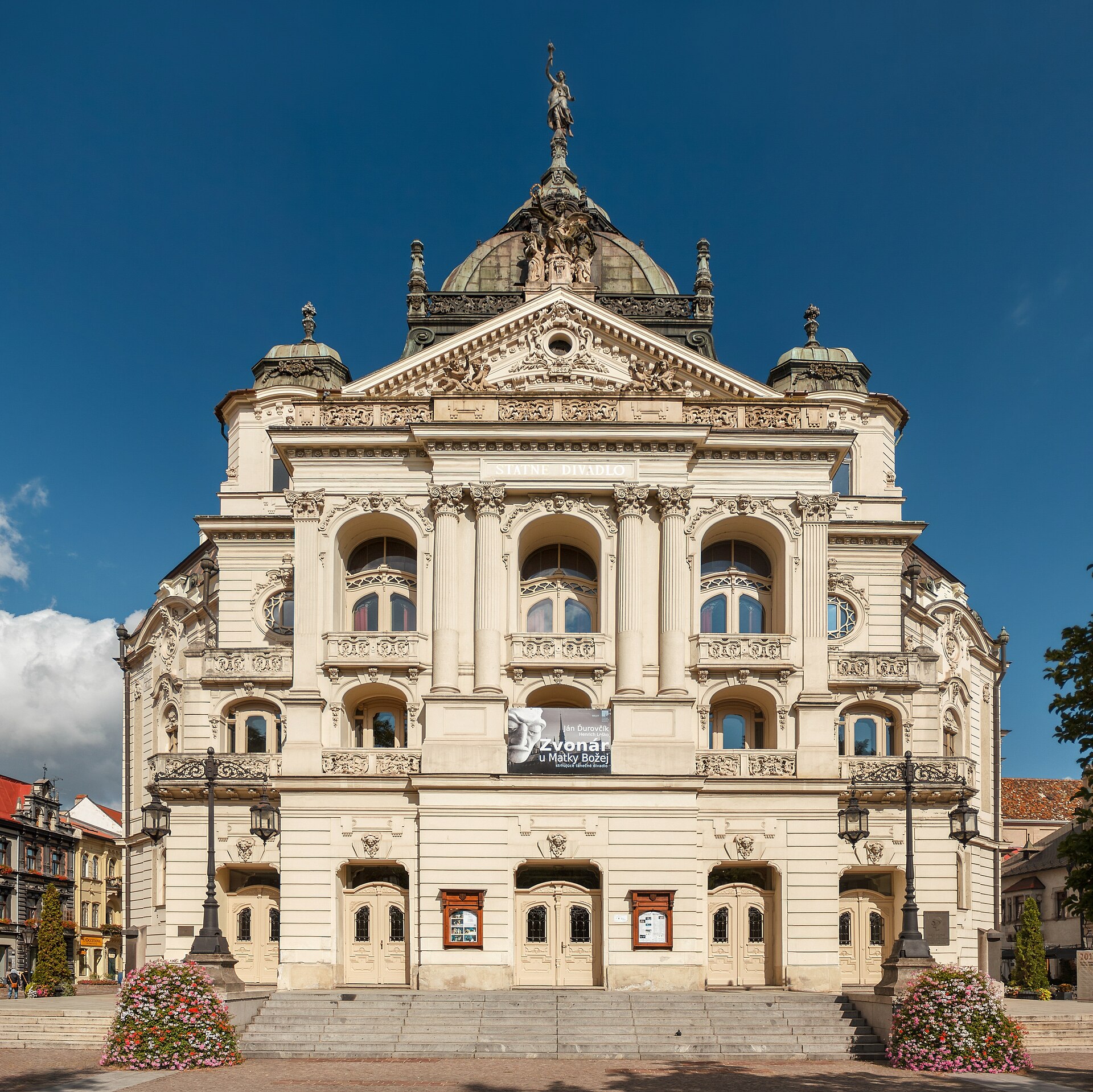
- Lower Gate Archaeological Complex — Hlavná ulica underground
Buried beneath the bustling surface of the main thoroughfare, the Lower Gate Archaeological Complex reveals the subterranean remnants of the medieval fortifications. Visitors descend into these excavated subterranean chambers to inspect original stone walls, defensive gateways, and defensive bastions dating back to the thirteenth century, providing a direct tactile connection to the city's ancient military engineering.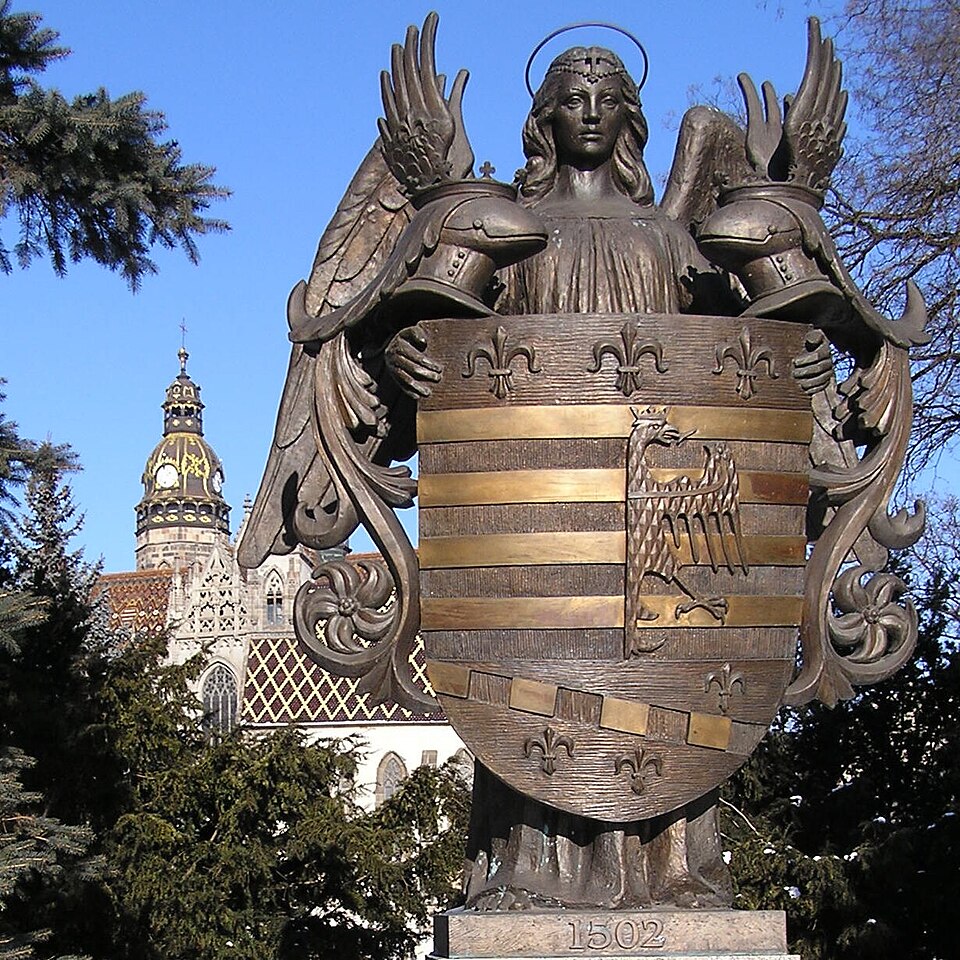
Culture
Performing arts thrive across Košice, supported by a rich tapestry of institutions including the State Philharmonic and specialised troupes representing the local Hungarian and Roma minorities, such as the Thália Theatre and Romathan Theatre. Artistic expression here reflects centuries of multicultural convergence, where Slavic, Hungarian, and Central European traditions blend seamlessly into daily life. Traditional customs endure through regional music, folk crafts, and seasonal festivals that animate the public squares throughout the year. When attending performances at historical venues or entering sacred spaces, maintain a quiet demeanour and dress modestly out of respect for local traditions.
What to wear
Traditional attire in the region features intricately embroidered linen blouses, heavy woollen waistcoats, and pleated skirts or trousers adorned with vibrant geometric motifs unique to eastern Slovakia. While traditional garments are now reserved for folk festivals, historical celebrations, and cultural dance performances, everyday street wear in Košice is modern, practical, and European in style. Locals favour comfortable denim, tailored jackets, and versatile layers suitable for shifting continental weather. Visitors should pack comfortable walking shoes with sturdy soles to navigate the uneven cobblestones of the historic centre, along with a waterproof jacket for sudden showers and warm layers for cool evening temperatures.
What to eat
- Opekané rezance — Casual Asian bistros along the central commercial streets
These savoury, wok-fried Asian style noodles are a popular, budget-friendly comfort food dish found across casual bistros in the city centre. Prepared with crisp vegetables and savory seasonings, they offer a quick and satisfying meal for travellers on the go. - Stone-baked pizza — Independent pizzerias near the main boulevard
Crafted with hand-thrown dough and baked in traditional stone ovens, these large pizzas feature creative toppings and bubbling cheese. They are served hot and fresh in lively local pizzerias dotted around the historic pedestrian squares. - Falafel and hummus — Specialty Mediterranean eateries in the old town
Crisp, herb-infused chickpea falafel served alongside velvety, tahini-blended hummus provides a wholesome Middle Eastern culinary option. These dishes are freshly prepared in specialty eateries located within easy walking distance of the central monuments. - Artisanal gelato — Gelato parlours lining Hlavná ulica
Handcrafted Italian-style ice cream available in a wide rotation of seasonal fruit and rich cream flavours. These frozen treats are served from sparkling display cabinets in popular gelaterias situated right along the main promenade. - Stuffed flatbread kebab — Fast-casual kebab shops near transport nodes
Warm pita bread packed with seasoned grilled meat, crisp salad greens, and a choice of fries, rice, or garlic sauces. These hearty snacks are a staple of late-night and quick-service food stalls throughout the urban centre.
Plan it
Best time. May to September offers the most pleasant weather for exploring the historic centre, with long warm days and lively outdoor café terraces, while winter brings cold, snowy conditions.
How long. 2–3
Getting there. Fly into Košice International Airport, or take a regional train from Bratislava; alternative connections include shared minibuses or buses from Budapest, Vienna, and Krakow.
Budget. mid
Tips
- Explore the main pedestrian street early in the morning before crowds gather
- Wear comfortable flat shoes suitable for walking on historic cobblestones
- Keep some cash handy for small museum entry fees and market stalls
- Check the official city tourism website for up-to-date exhibition schedules
Etiquette
- Dress modestly when entering churches and historical sacred monuments
- Greet shopkeepers and service staff politely when entering local establishments
Nearby
Sources
- Wikidata Q25409 (CC0)
- Wikipedia Košice (CC-BY-SA 4.0)
- Wikivoyage Košice (CC-BY-SA 4.0)