Orava Castle
Orava Castle, Slovakia
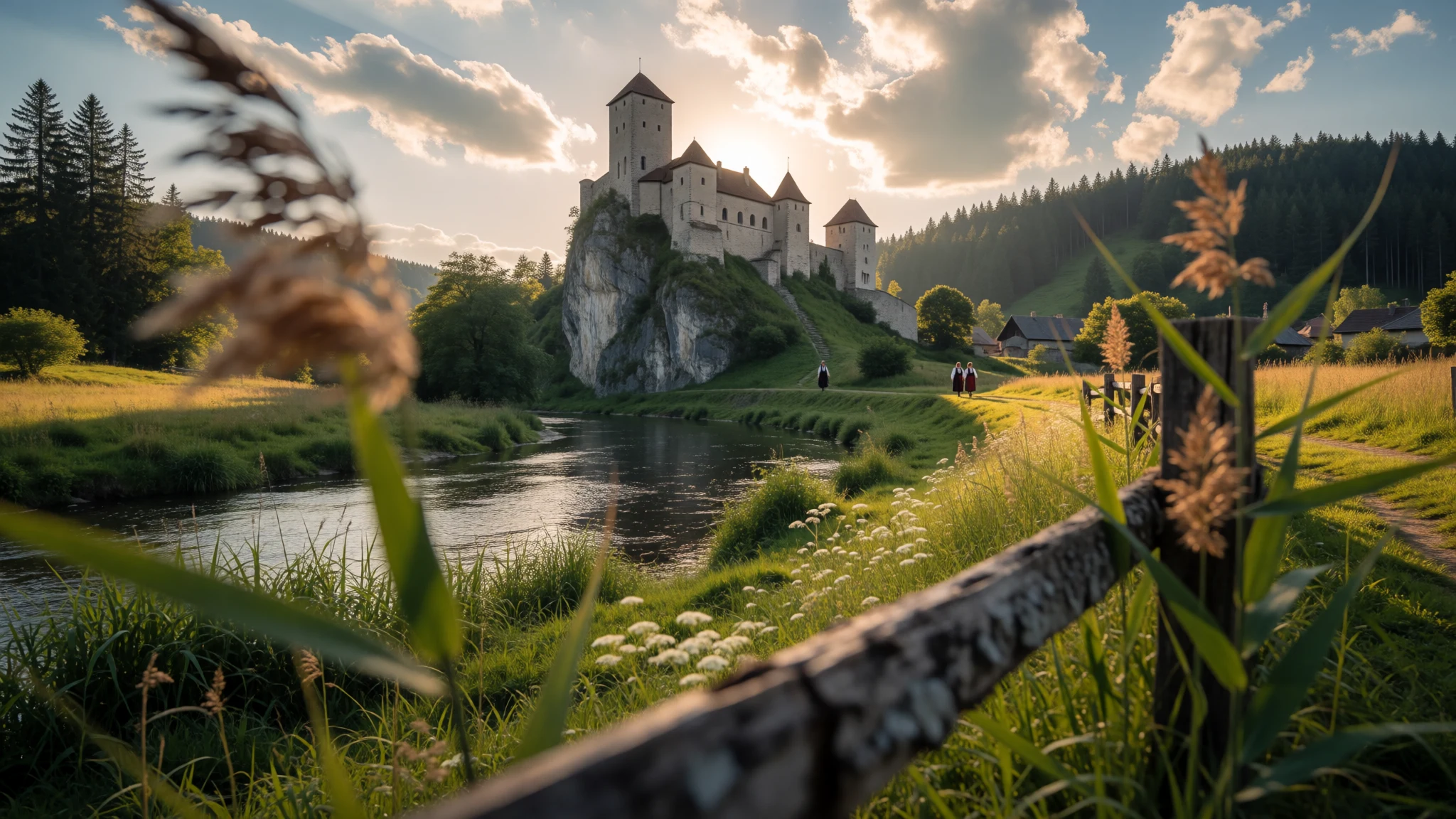
Orava Castle sits on a steep rock above the Orava river, a medieval fortress that Nosferatu's film-makers borrowed for a vampire's lair.
The place
Orava Castle (Oravský hrad) stands in northern Slovakia on a limestone spur above the river Orava, beside the village of Oravský Podzámok. Seen from the road, it seems to grow out of the rock. Courtyards, towers and walls climb the ridge in three tiers, known as the lower, middle and upper castle, and each follows the shape of the ground beneath it. Nobody would have drawn this plan on level land; it is what happens when builders keep adapting a fortress to a cliff over many generations.
The castle dates its beginnings to 1241, when a wooden stronghold was raised on the rock after the Mongol invasion of the Kingdom of Hungary. Stone replaced timber over the following centuries, and the styles on view run from Romanesque and Gothic through to Renaissance work and later Neo-Gothic touches. The oldest parts belong to the thirteenth century and the last big additions to the early seventeenth.
Today it is a museum rather than a home. A visit means climbing, because the route threads through gateways, stairs and narrow passages up to the highest courtyard, so sturdy footwear matters more than a guidebook. Opening hours, tickets and guided-tour arrangements change from year to year; the official page on the Orava Museum website, https://www.oravskemuzeum.sk/expozicie/oravsky-hrad/, is the place to check.
Film history adds another thread. The 1922 film Nosferatu used the castle for scenes of the vampire's lair. The country around is green, hilly and quiet, with hiking and winter skiing in the nearby hills, and the town of Dolný Kubín is the usual base for galleries, a library and a few places to eat.
Its story
The story of Orava Castle begins with the rock itself, a limestone spur ringed by the river Orava and a smaller stream, the Račová, which people used as a refuge long before any stronghold stood there. A timber fort on the crag gave way to a stone castle, first recorded in 1267, though for a time only the ground floor was masonry and the upper storeys were still wooden.
By 1370 the castle was the administrative centre of Árva county within the Hungarian kingdom, and in the fourteenth century it gained a tall multi-storey tower that served as the last refuge if the outer defences fell. Later in the fifteenth century King Matthias Corvinus ordered a residence wing and a square to be built in the Middle Castle.
The sixteenth century brought the biggest change, driven by fear of the Ottomans. John of Dubovec took the castle in 1534 and modernised it for cannon: a half-round tower at the top, then two large round gun bastions in the middle castle in 1539, and a five-storey palace on the open ground beside the old tower. A new gate with a ditch and drawbridge was finished in 1543.
The Thurzo family, wealthy from mining, took charge in the middle of that century and rebuilt a great deal; the castle reached its present form in 1611. A fire in 1800 ended its life as a residence. It then decayed for generations, until after the Second World War it was protected as a national monument.
What to see
- The castle from the river road — Oravský Podzámok
A good first view of Orava Castle comes from the road and riverbank below the village, where the walls look stacked on the cliff and the limestone seems barely wide enough to carry them. From the north the site looks almost impossible. Pause here before climbing, to understand why building it took centuries.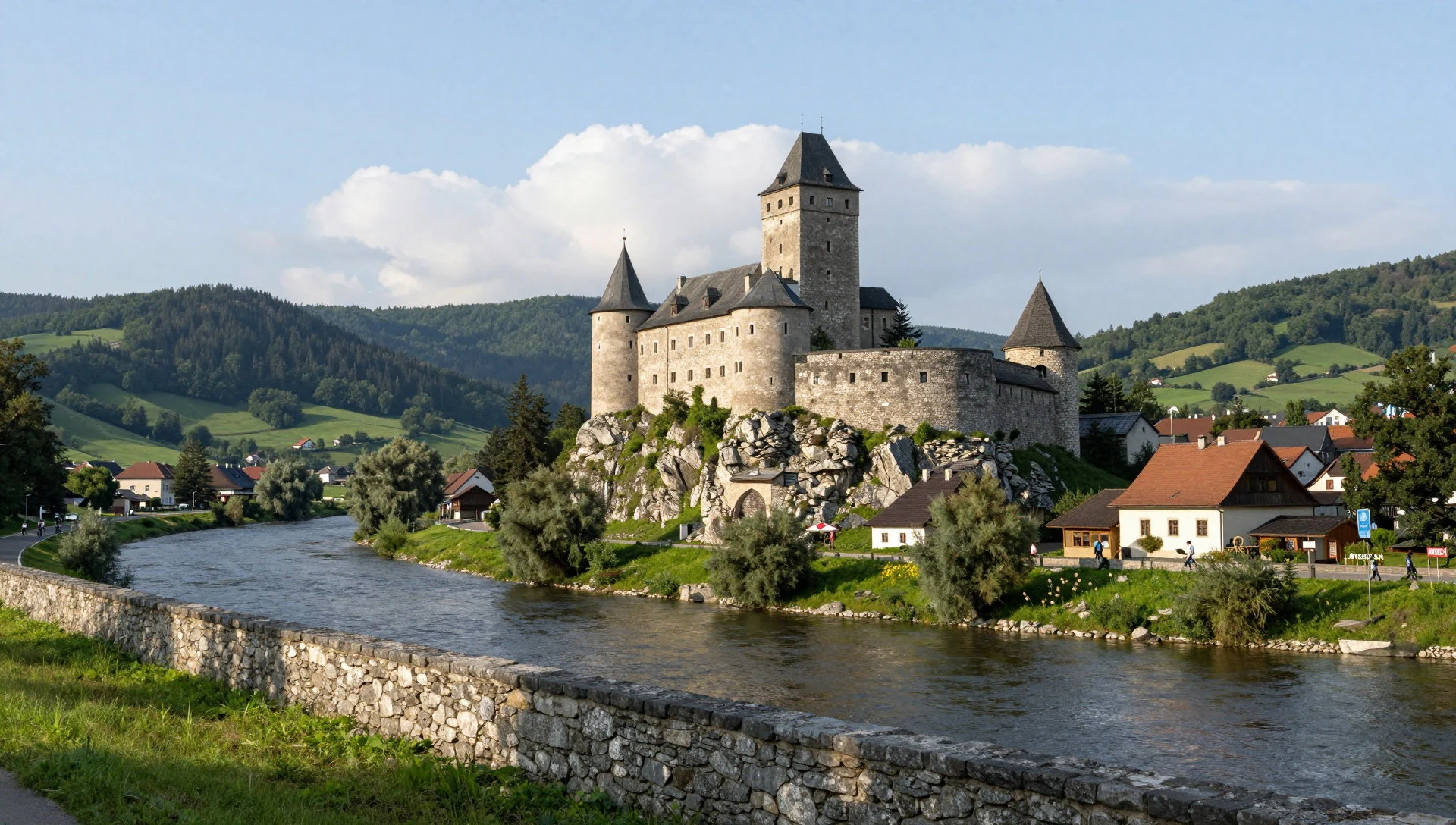
- The upper castle and tower — Oravský Podzámok
The highest part of Orava Castle holds the old tower, the last-resort keep of the medieval fortress, and the half-round bastion added in the sixteenth century. The climb is steep and has many steps, but it rewards with a view down the stacked courtyards and across the river valley. Allow time and keep hands free.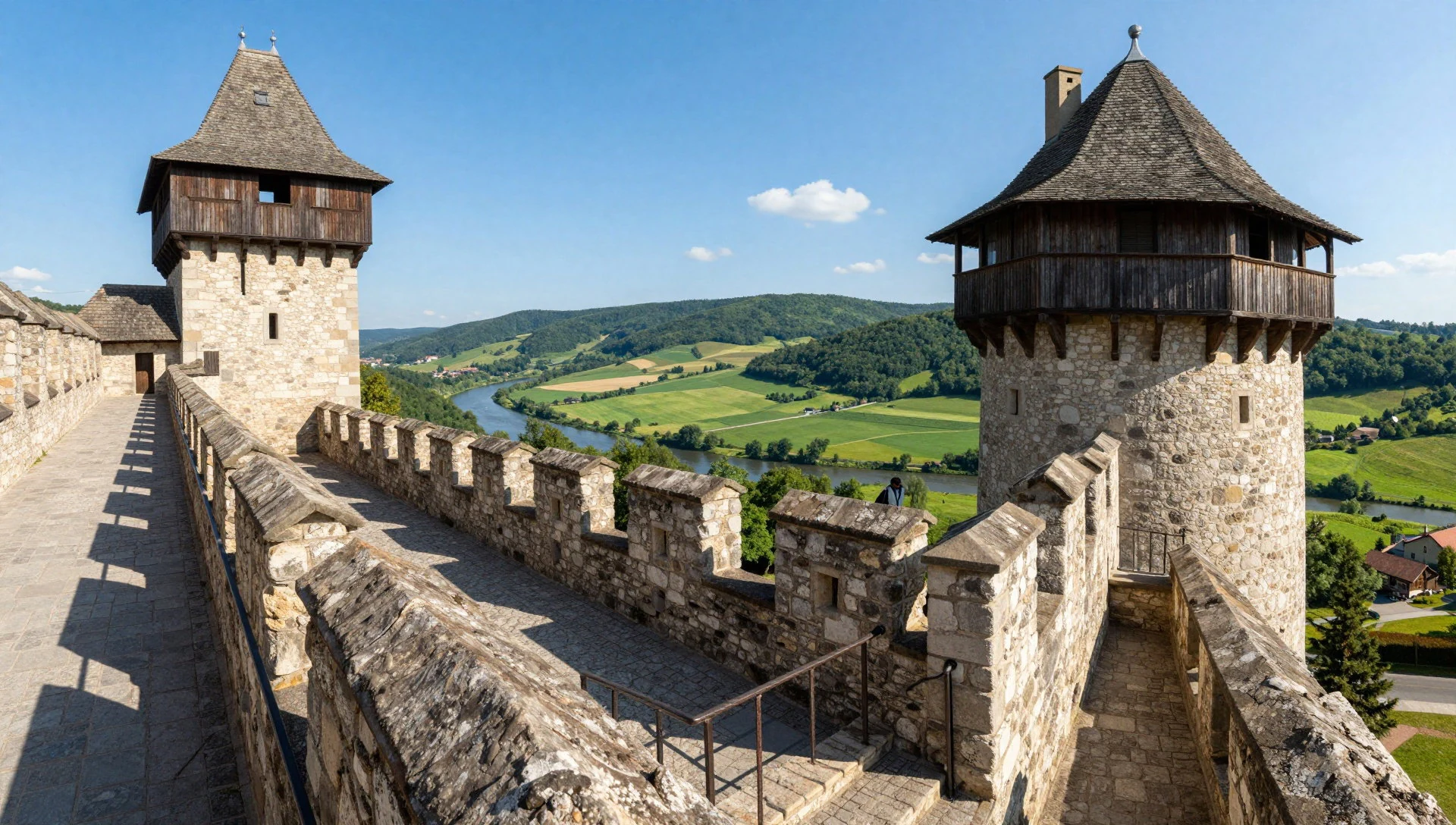
- Dolný Kubín square and St Catherine church — Dolný Kubín
Dolný Kubín, a town in the Orava region, has a small main square where most of its historic buildings stand. Among them is the Gothic church of St Catherine, built in the fourteenth century. It makes an easy, useful break from the castle and a look at ordinary town life.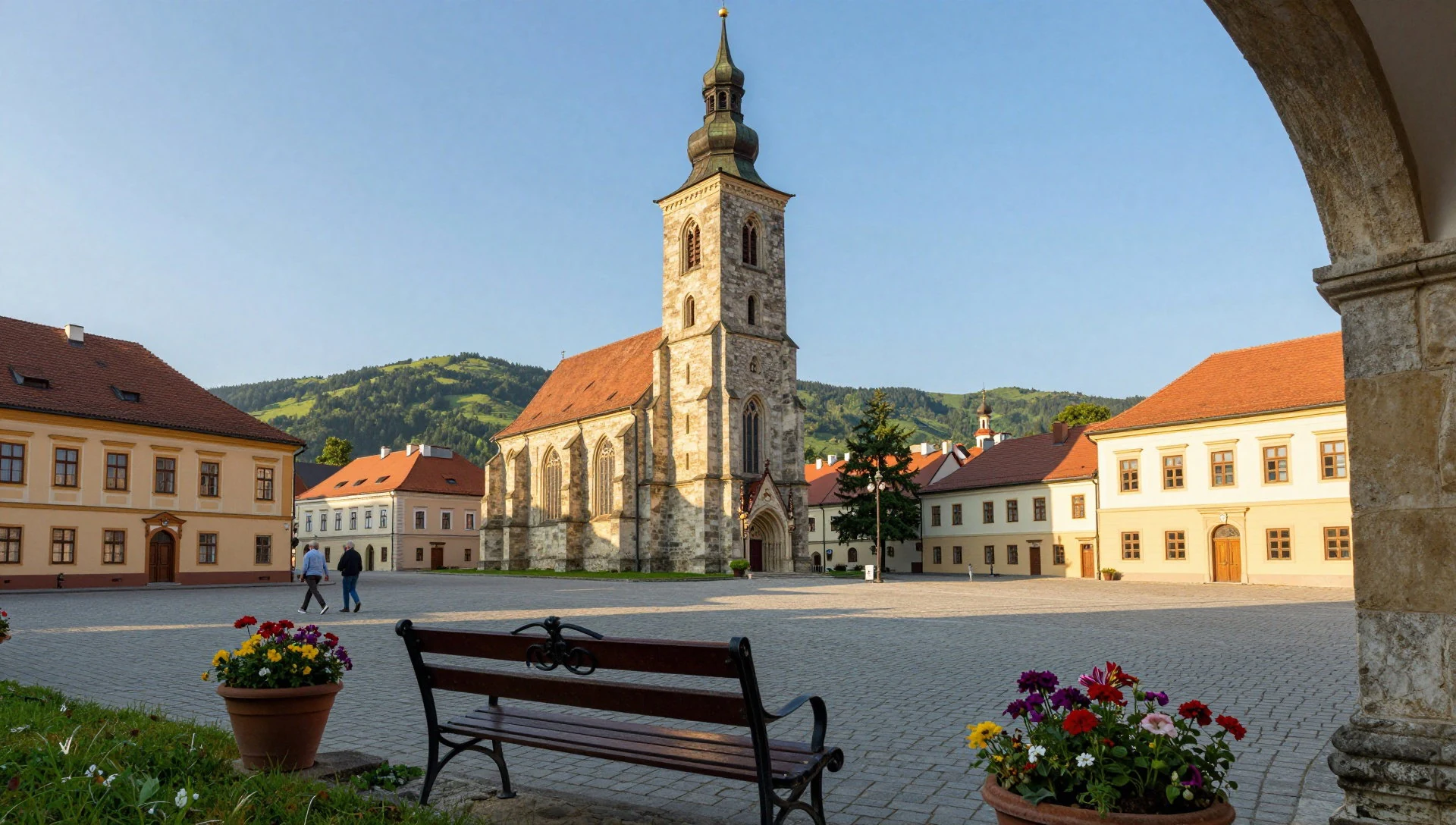
- Orava Gallery and Čaplovič Library — Dolný Kubín
Two cultural stops sit close to Dolný Kubín's square. The Orava Gallery shows art from the fifteenth to the twentieth century, while the Čaplovič Library holds newspapers, books and maps printed between the fifteenth and nineteenth centuries, alongside the P. O. Hviezdoslav Museum. Check opening arrangements before going.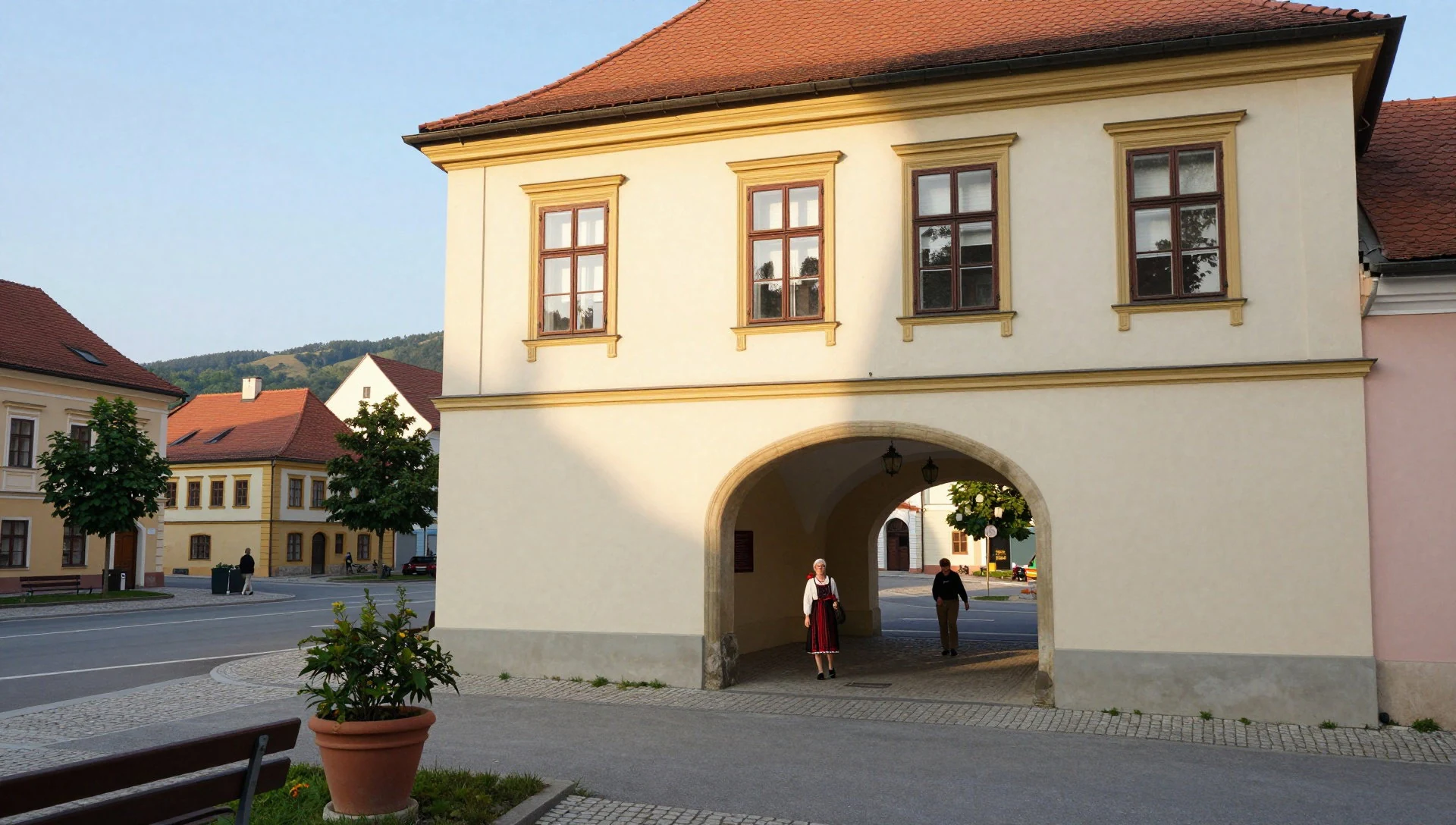
- Leštiny wooden church — Leštiny
Leštiny, a village in the Orava area, has a wooden Lutheran church of the 'articular' type, built around 1688. It is a quieter and very different sight from the stone castle: timber, small in scale and plain inside. Confirm access locally before making a special trip.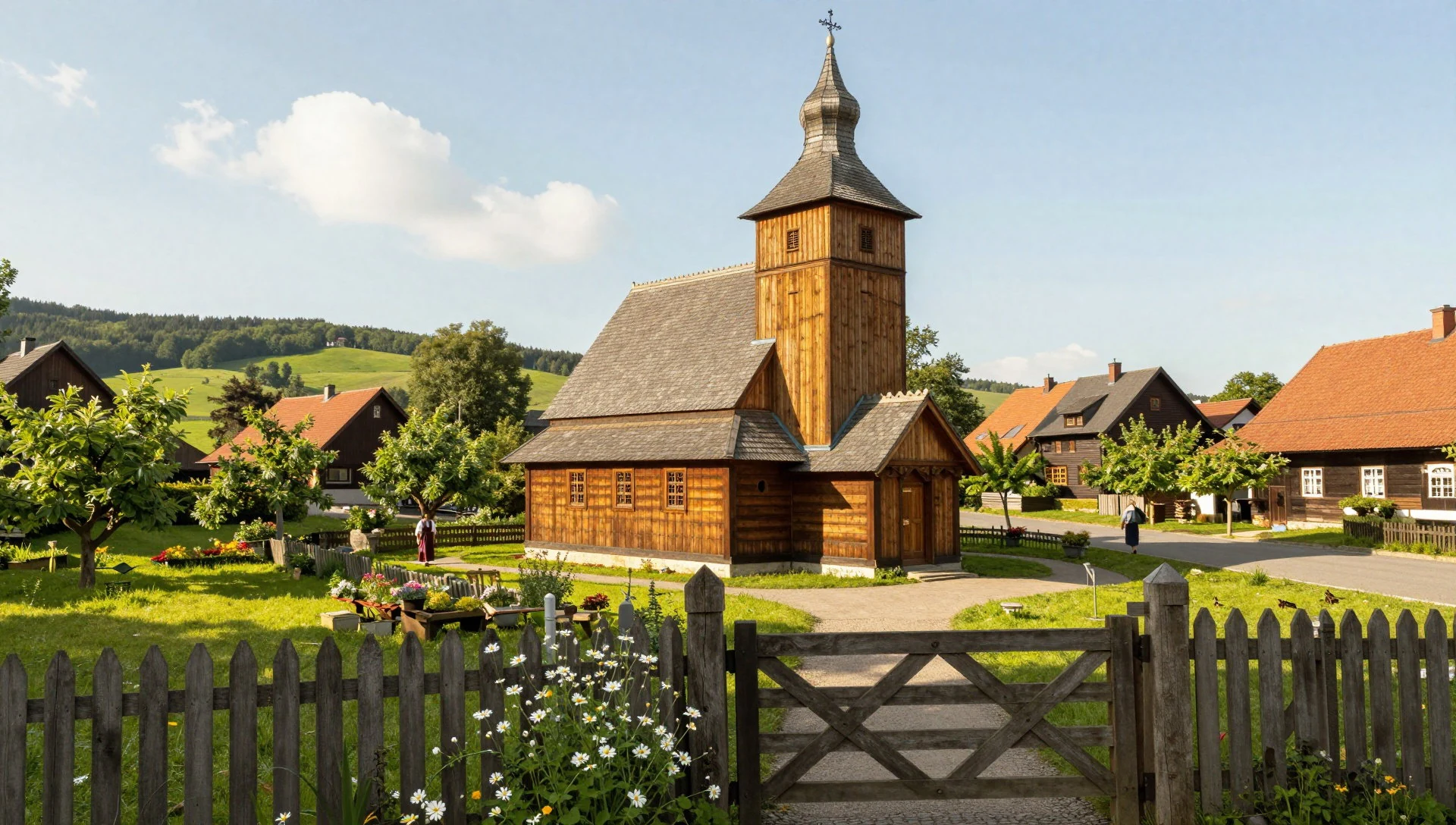
- Hills for walking and skiing — Hills around Dolný Kubín
Beyond the castle, the hills offer walking and, in winter, skiing. Kubínska hoľa is used for both, Orava Magura for hiking, and the Chočské vrchy include a prominent, easily recognised peak. Routes and conditions change with the season, so ask locally before setting out.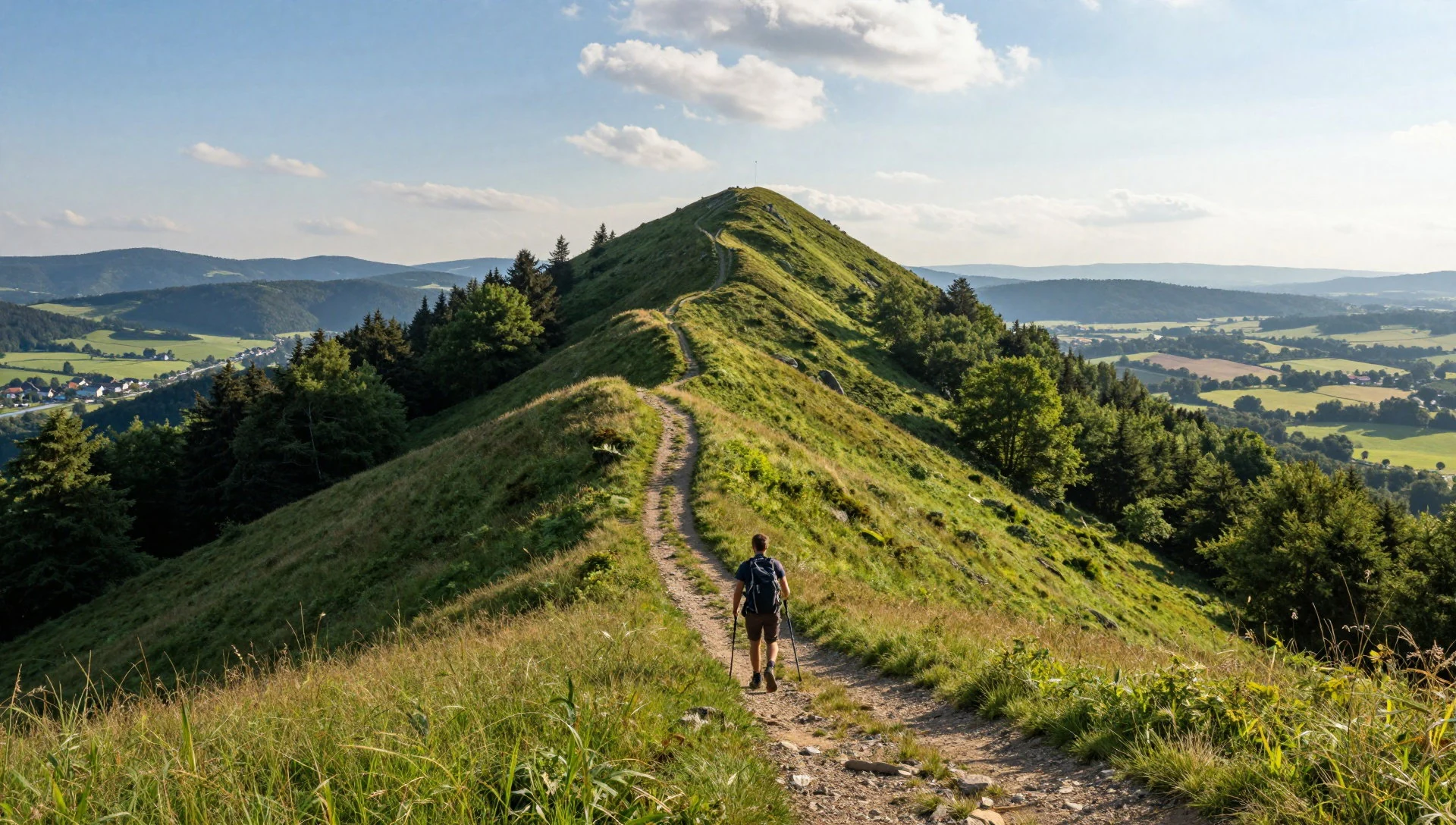
Culture
Orava Castle is a heritage site in a region where Slovak, Hungarian and Polish histories meet. Its names in each language, Oravský hrad, Árva vára and Zamek Orawski, hint at that mix: the castle was raised within the Kingdom of Hungary, while the valley below now belongs to Slovakia, not far from the Polish border.
Everyday culture in the Orava area centres on the river valley and the mountains around it. The wooden Lutheran church at Leštiny shows how timber shaped religious building here, and the galleries and library in Dolný Kubín keep the region's art and printed record. Hiking in summer and skiing in winter are part of how the area spends its free time.
The castle also carries a second reputation. Since the 1922 film Nosferatu, it has been linked with vampire stories, and horror fans visit for that reason. The building's own history of border counties, Ottoman worries and mining families gives the walls more to say than the film does, and the museum exhibitions are the place to hear it.
Language helps in small ways. A simple 'dobrý deň' (good day) on entering a shop, café or guesthouse is noticed and appreciated, and goes further than waiting to be spoken to in English.
Inside the castle, stay on the marked visitor route and follow staff instructions about photography and flash, because the rooms hold historic objects that are easily damaged.
What to wear
Traditional dress in the Orava region, below the castle, is part of the wider Slovak folk costume known as kroj, and details change from village to village, so the local version is best seen in a regional museum rather than described from a distance. In general, shirts were made from home-woven linen or hemp, and skirts, trousers and waistcoats from wool cloth or felt, with embroidery, ribbons and sheepskin for the cold months. These outfits now appear at weddings, church festivals, folk-music evenings and in dance ensembles rather than daily life.
What people actually wear now is plain and practical. Orava is hill country with cool weather for much of the year, so locals dress in jeans, fleeces, padded jackets and walking shoes, with a tidier look for church or town. Winter brings proper boots, hats and gloves.
Visitors should plan around the climb and the weather. Orava Castle is reached over stone steps and slopes, so shoes with a good grip matter more than style, and a rain jacket and warm layer are useful even in summer because mountain weather changes quickly. In winter, boots with a sturdy sole are sensible for icy paths. For churches in the area, such as the wooden one at Leštiny, cover shoulders and knees and, for men, take off hats as a courtesy. Elsewhere, casual outdoor clothes are entirely normal.
What to eat
- Bryndzové halušky — traditional restaurants and mountain huts
Small potato dumplings tossed in soft sheep's-milk cheese called bryndza and topped with fried bacon. It is widely treated as Slovakia's signature dish and fills up hikers well. Look for it at traditional restaurants in Dolný Kubín and at mountain huts.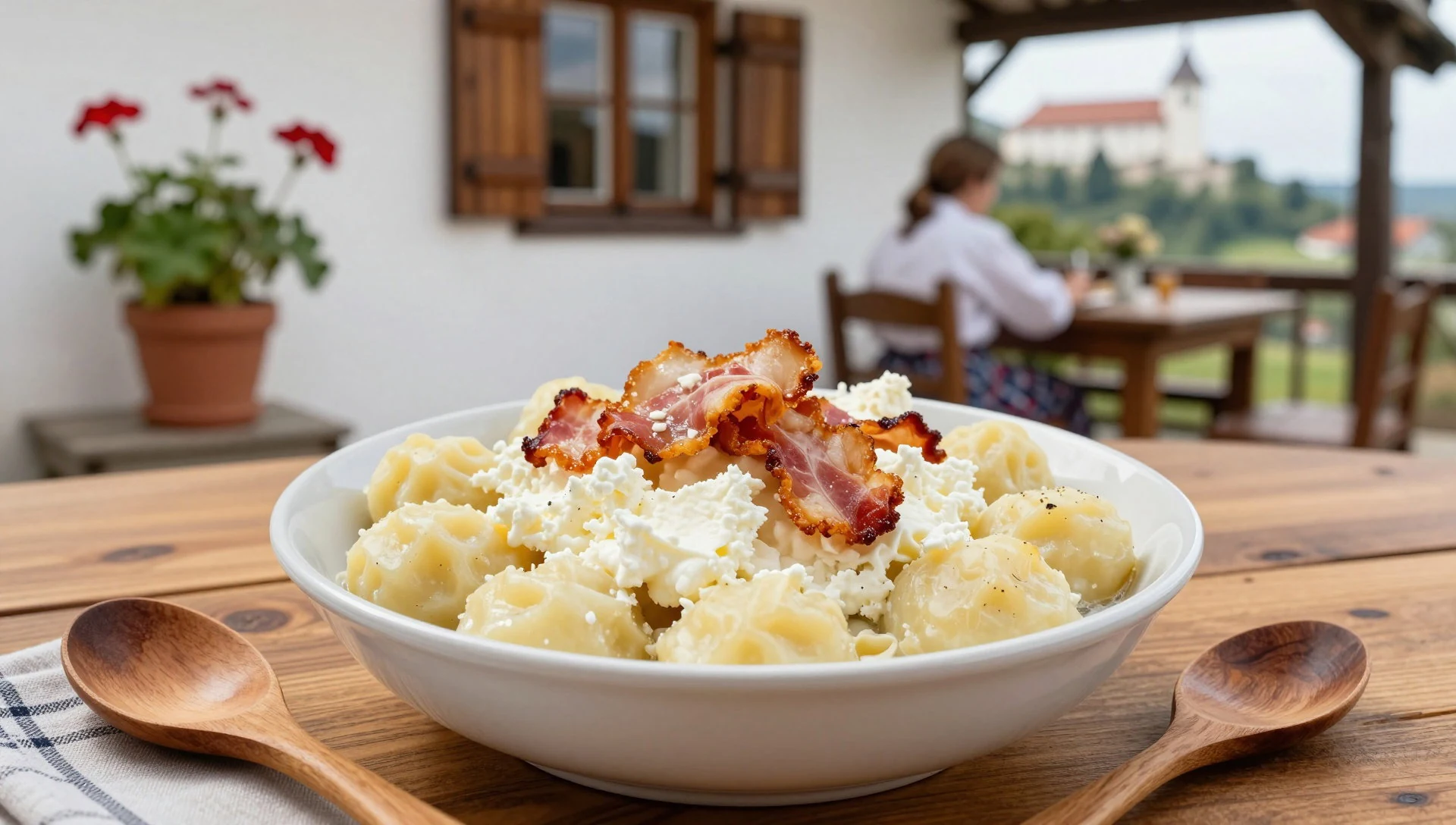
- Kapustnica — village eateries and family-run restaurants
A sour, smoky cabbage soup built on sauerkraut, often with sausage or dried mushrooms. It is a winter comfort dish and a Christmas tradition in many homes. Village eateries and family-run restaurants in the Orava area tend to serve it in the colder months.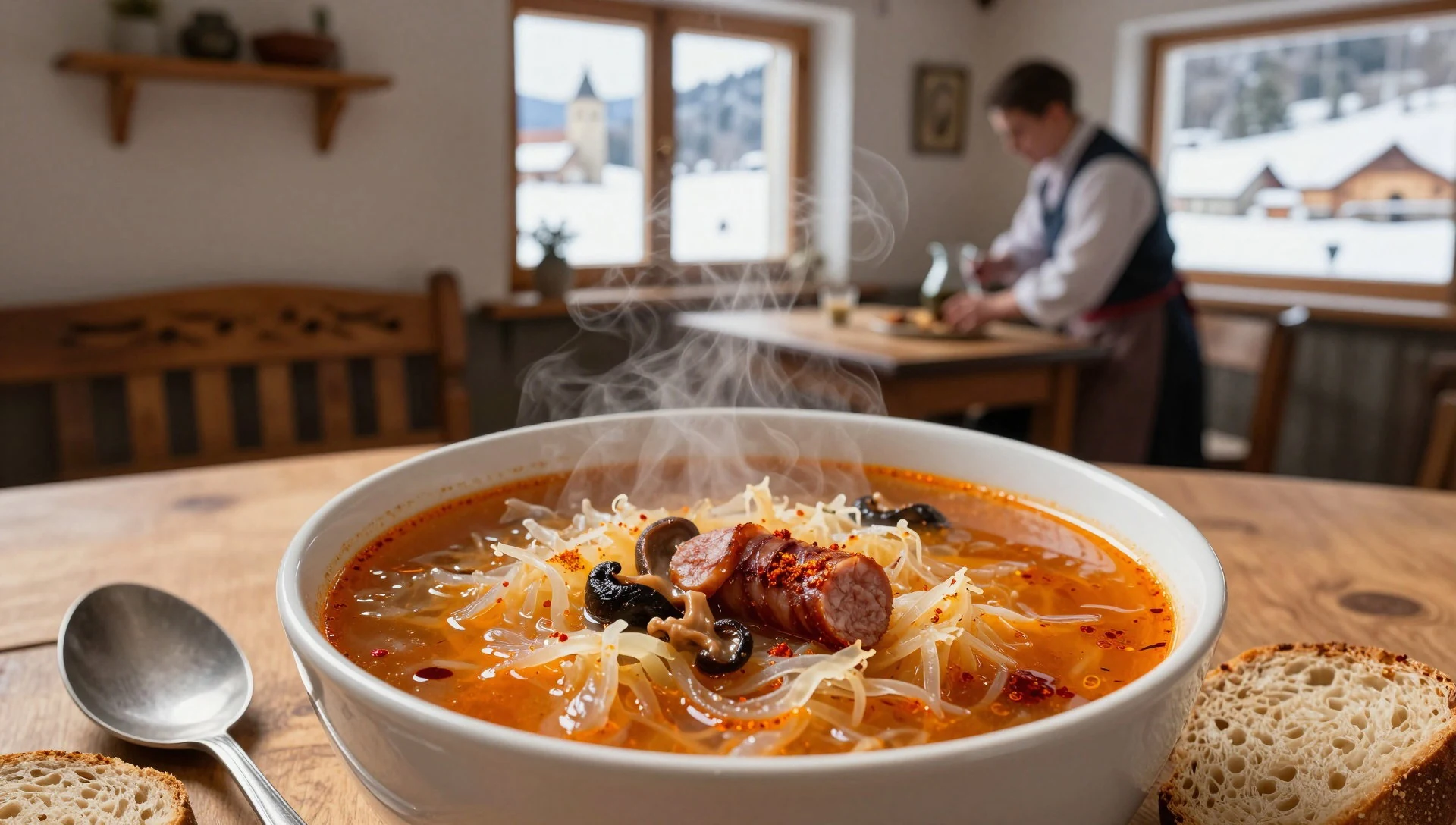
- Oštiepok — market stalls and farm shops
A firm smoked cheese pressed in decorative moulds, salty and savoury. It is eaten sliced or grilled, with bread or a spoonful of cranberry jam. Market stalls and farm shops in the region sell it, and it is polite to ask for a taste before buying. - Vyprážaný syr — pubs and casual restaurants
Cheese coated in breadcrumbs and fried until crisp, served with chips or boiled potatoes and tartare sauce. Simple and filling, it appears on the menu at most pubs and casual restaurants, and is an easy choice after a day of climbing. - Pirohy — home-style restaurants and festival stalls
Half-moon dumplings filled with potato and cheese, cabbage or something sweet, often finished with fried onion or cream. Home-style restaurants and festival food stalls serve them, and they suit vegetarians if the bacon topping is left off.
Plan it
Best time. May to September suits walking and the steep climb to the castle, with July to September the warmest months and September–October bringing autumn colour to the hills. Winter brings snow and skiing in the nearby hills but short days and icy steps. Check the official site for seasonal opening arrangements.
How long. 1–2
Getting there. Intercity trains and buses run from most major Slovak cities towards the Orava area; Ružomberok is nearby and Dolný Kubín is the regional town. The castle stands above the village of Oravský Podzámok, so finish with a short local bus or taxi connection and confirm times locally.
Budget. mid
Tips
- Check the official site, https://www.oravskemuzeum.sk/expozicie/oravsky-hrad/, for opening times, tickets and tours before travelling, as these change by season.
- Arrive early on summer weekends, because the narrow stairs and passages slow down once groups arrive.
- Wear shoes with good grip: the route is a steady climb on stone steps that can be slippery when wet.
- Carry water and a rain layer, since weather in hill country changes quickly.
- Keep a little cash as well as a card for small cafés and village shops.
Etiquette
- Greet people with 'dobrý deň' when entering shops, cafés and guesthouses.
- Follow staff instructions on photography and flash inside the castle exhibitions.
- Keep voices low and cover shoulders and knees in village churches.
Nearby
Sources
- Wikidata Q29894 (CC0)
- Wikipedia: Orava Castle (rev 1379620315) (CC BY-SA 4.0)
- Wikivoyage: Orava Castle (rev 5246274) (CC BY-SA 4.0)
- Photo: JBZamekOrawski_v2.jpg (Jurbox) (CC BY-SA 2.5)
- Photo: Oravský hrad (celkový pohled) (Lynx1211) (CC BY-SA 4.0)
- Photo: Árva - Castle (Civertan) (CC BY-SA 2.5)
- Photo: Oravsky hrad from the N (Vid Pogacnik) (CC BY-SA 4.0)
- Photo: Orava castle panorama 01 (Paweł Kuźniar) (CC BY-SA 1.0)
- Photo: 027 41 Oravský Podzámok, Slovakia (Michal Gorski) (CC BY 3.0)
- Photo: 2012-05 Oravský Podzámok (Ralf Lotys) (CC BY 3.0)
- Photo: A view from the castle (Stanisław Ludwiński) (CC BY 3.0)


