Prešov
Prešov, Slovakia
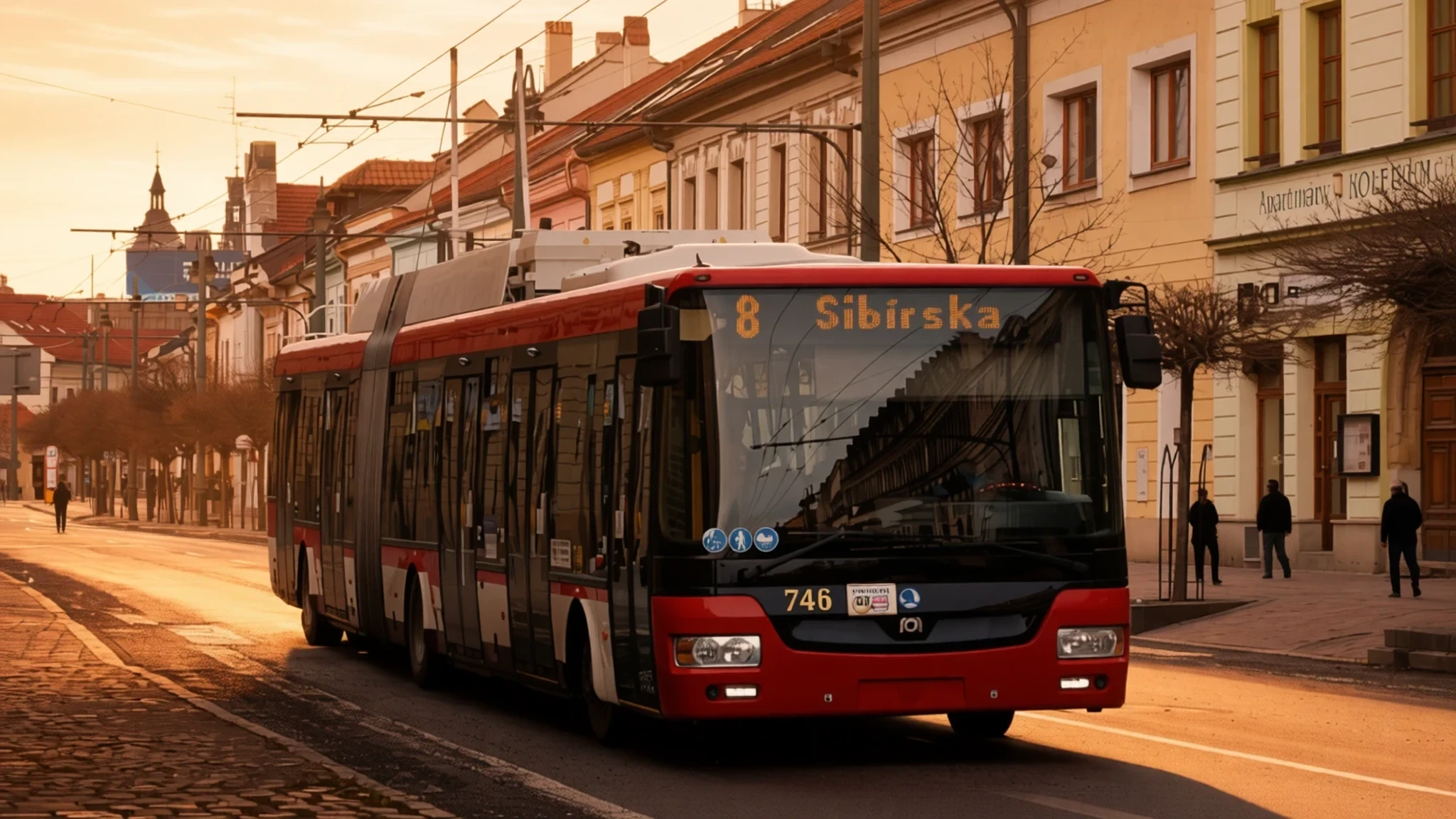
Prešov is a calm eastern Slovak town of burgher houses, churches of several traditions and a salt-mining past, a short ride from Košice.
The place
Prešov sits in north-eastern Slovakia, at the northern edge of the Košice Basin, where the Torysa river meets its tributary the Sekčov. It is the administrative seat of the Prešov Region and the historic centre of the Šariš area. About 81,000 people live here, which makes it a proper city but one that still feels manageable on foot. The elevation is 255 metres, so summers are warm and winters properly cold, with a humid continental climate.
The heart of the place is the long, narrow main street, Hlavná ulica, a wide pedestrian spine lined with townhouses in faded pastels and anchored by the co-cathedral of St Nicholas. Cafés spill onto the pavement in warm months, and the whole old town can be crossed in a few minutes. Behind the main street, lanes and courtyards are quieter.
Hills ring the town: the Slanské vrchy to the south-east, the Čergov range to the north and the Bachureň to the west. Košice, the region's larger city, lies to the south, and the two share a metropolitan area, so many people live in one and work in the other. Poland is a short drive north, and Hungary is further south.
Prešov is not a headline destination. It has no big-ticket monument, and that is part of its appeal: visits are unhurried, prices are gentle, and the crowds that fill better-known central European towns are absent. It works well as a base for the region or as a slow stop between Košice and the Tatras.
Its story
The Prešov area has been lived in for a very long time; mammoth bones and tools found nearby are around 28,000 years old, and settlement here has been continuous since the 8th century. The town as people know it took shape after the Mongol invasion of 1241, when King Béla IV of Hungary invited German colonists to repopulate the region. Prešov became a German-speaking settlement and, in 1347, was raised to the rank of royal free town by Louis the Great.
Trade was the engine of its growth. In 1412 Prešov helped found the Pentapolitana, a league of five towns that cooperated in commerce. A school is recorded here from 1429, a sign of a confident, literate burgher class.
The Ottoman victory of 1526 broke the old Kingdom of Hungary and turned Prešov into a border town. Over the following decades it passed between rival powers: Habsburg Royal Hungary on one side, and states usually backed by the Ottomans, including the Principality of Transylvania, on the other. Despite that instability, the town prospered through trade with the Polish–Lithuanian Commonwealth.
In the 16th century merchants brought vines from the nearby Tokaj region, and German-Hungarian, Polish and Greek wine traders settled here. That mixture of peoples and faiths still shows in the churches, the street plan and the town's habit of wearing its many layers quietly.
What to see
- Co-cathedral of St Nicholas — Hlavná ulica, old town
The Gothic co-cathedral of St Nicholas dominates Hlavná ulica in Prešov. Its tower can be climbed in season for a view across the roofs of the old town to the hills beyond. Inside, the vaulted nave is calm and cool. It is the natural place to begin a walk.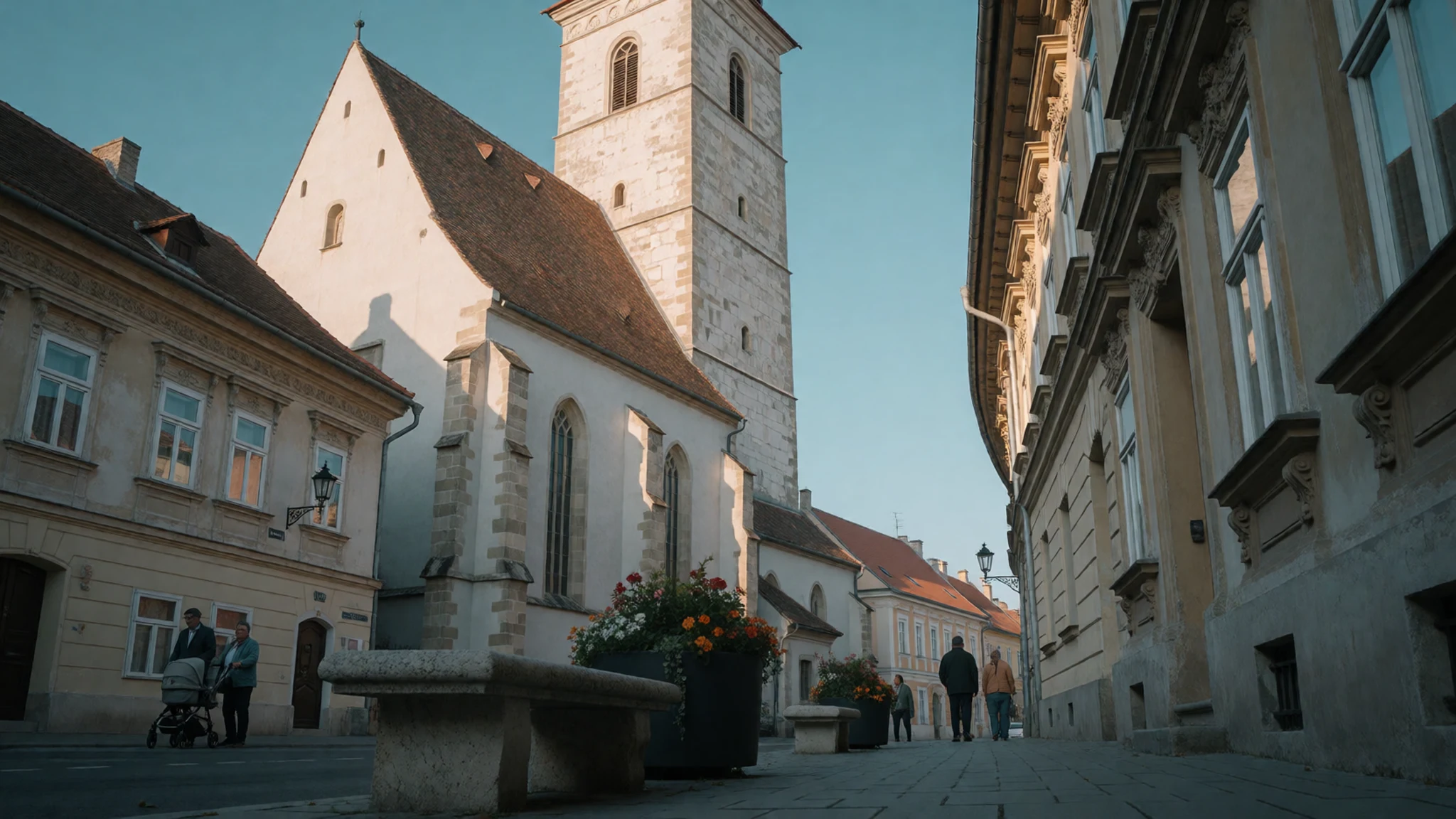
- Greek Catholic cathedral of St John the Baptist — South of the old town centre
The seat of the Greek Catholic archeparchy in Prešov, this cathedral shows the eastern-rite side of the town. Interiors in this tradition are richly painted and centred on an icon screen. It is a short stroll from the main street and rewards a quiet look.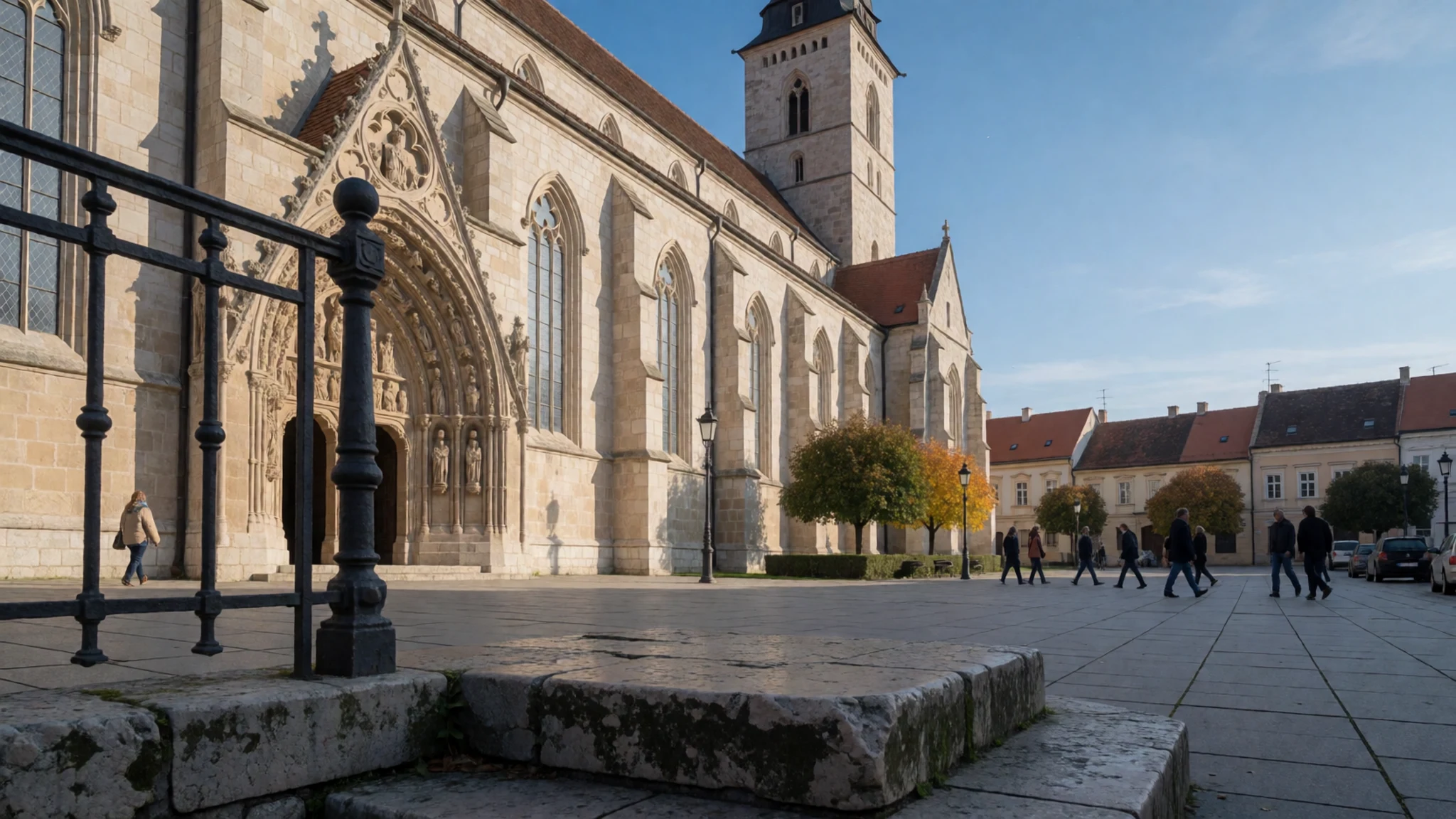
- Orthodox Synagogue and Museum of Jewish Culture — Near the old town
This synagogue and museum recall the Jewish community that was part of Prešov's life for generations. Displays of ritual objects and local history give context to a community largely lost in the twentieth century. It is a thoughtful, small-scale visit; check the opening times before going.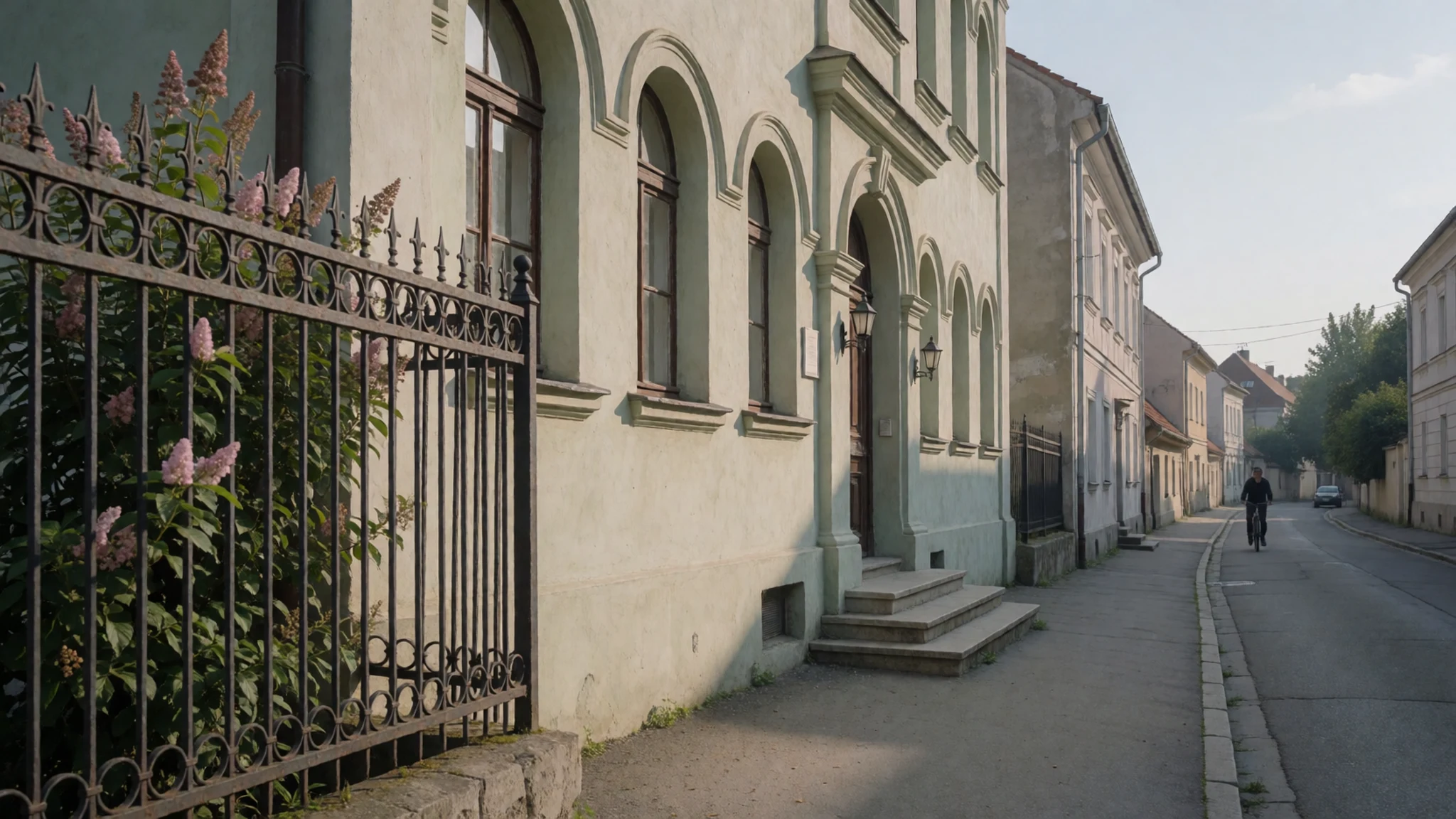
- Šariš Gallery — Old town edge
The Šariš Gallery is the city's museum of fine art, a good wet-weather stop. It shows regional painting and sculpture and helps explain how Prešov saw itself over the centuries. Allow an hour or so, and check the official site for current exhibitions and opening times.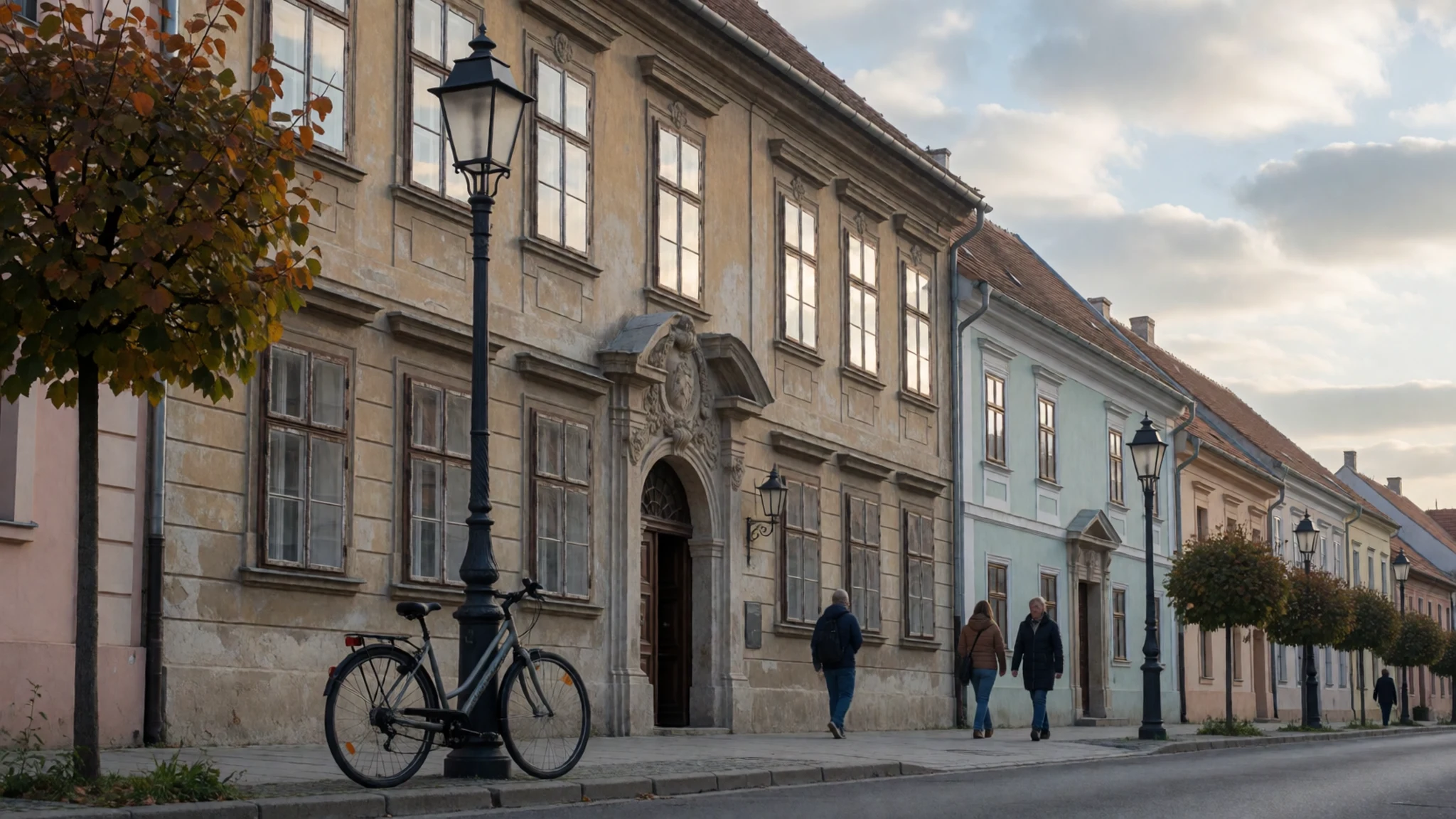
- Solivar salt-mining museum — Solivar, south-east of the centre
Solivar, on the edge of the city, preserves the story of salt extraction that once fed local trade. The open-air museum has wooden mining structures and tools, and the setting is green and quiet. It is best reached by bus or taxi, and suits a relaxed half day.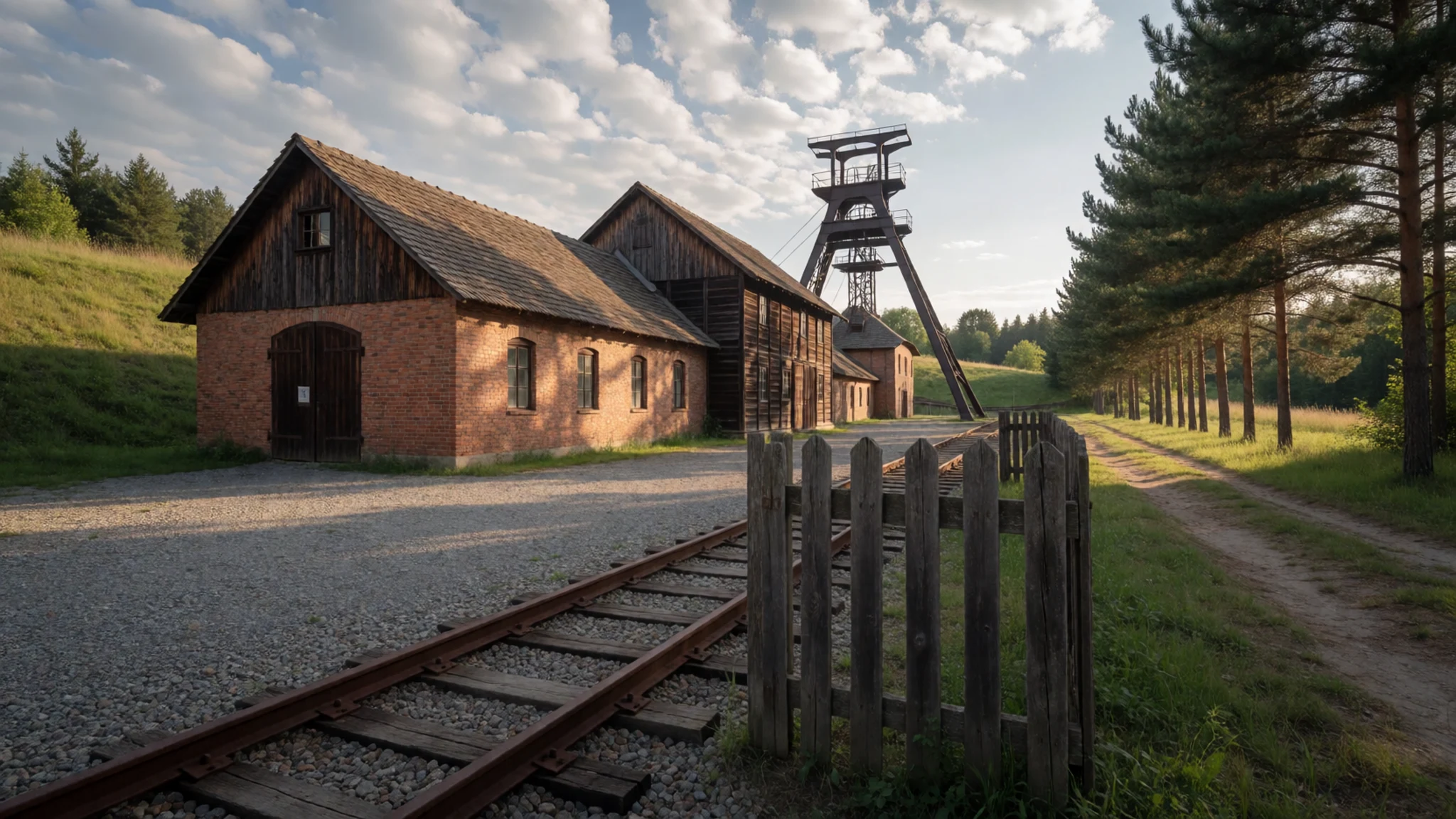
Culture
Prešov is a town of many churches, and that tells you most of what you need to know about its culture. It is the seat of a Roman Catholic co-cathedral, of a Greek Catholic archeparchy founded in 1815, of an Orthodox diocese and of a Lutheran diocese. Two theological faculties, one Greek Catholic and one Orthodox, belong to the University of Prešov, so students and clergy are part of ordinary street life.
The Orthodox cathedral of St Alexander Nevsky was built between 1946 and 1950 in a traditional Russian style, a reminder that the east of Slovakia sits on a cultural border between Latin and Byzantine Christianity. Greek Catholics follow the eastern liturgy but are in communion with Rome, which explains the icon screens and sung services.
The census in 2011 recorded a majority of Roman Catholics, with Greek Catholics, Lutherans and Orthodox as smaller but visible groups, and a growing share of people with no declared faith. In practice that means churches are used, not just visited: Sunday mornings bring families in their best clothes, and bells set the rhythm of the old town.
Student life, café culture and a lively programme of local festivals give the city a youthful side, while the pace stays slow and courteous. Greetings are polite and a little formal.
When entering a church during a service, stay quietly at the back, keep your voice low and do not take photographs of worshippers.
What to wear
Prešov's traditional dress belongs to the wider Šariš and eastern Slovak folk tradition. Women's costume typically combines a embroidered linen blouse, a pleated or gathered skirt, an apron and a bodice, often in wool and linen with bright thread; men wore linen shirts, wool trousers and felt or leather accessories. These outfits now appear mainly at folk festivals, church feast days, weddings and performances by local ensembles, and the details vary from village to village.
Everyday clothing in the city today is practical and fairly understated: jeans, trainers, jackets and good coats in winter, with students adding a casual, creative edge. People dress a little more smartly for church, the theatre and family occasions, but nobody expects formality from a visitor.
For a trip, the climate is the main guide. Summers are warm, so light cotton and a hat help, while evenings can cool, so carry a thin layer. Winters are cold and humid, calling for a warm coat, hat, gloves and shoes with grip on icy pavements. Rain is possible in any season, so a compact umbrella is useful.
Comfortable shoes matter: the old town is cobbled and paved, and the hills and Solivar reward walking. For churches, cover shoulders and knees, and remove hats when entering, which keeps you comfortable and respectful during services.
What to eat
- Bryndzové halušky — Traditional restaurants around Hlavná ulica
Small potato dumplings tossed with soft sheep's cheese and topped with crisp bacon, the dish most Slovaks name as their own. Order it in a traditional Slovak restaurant in the old town; portions are generous and filling.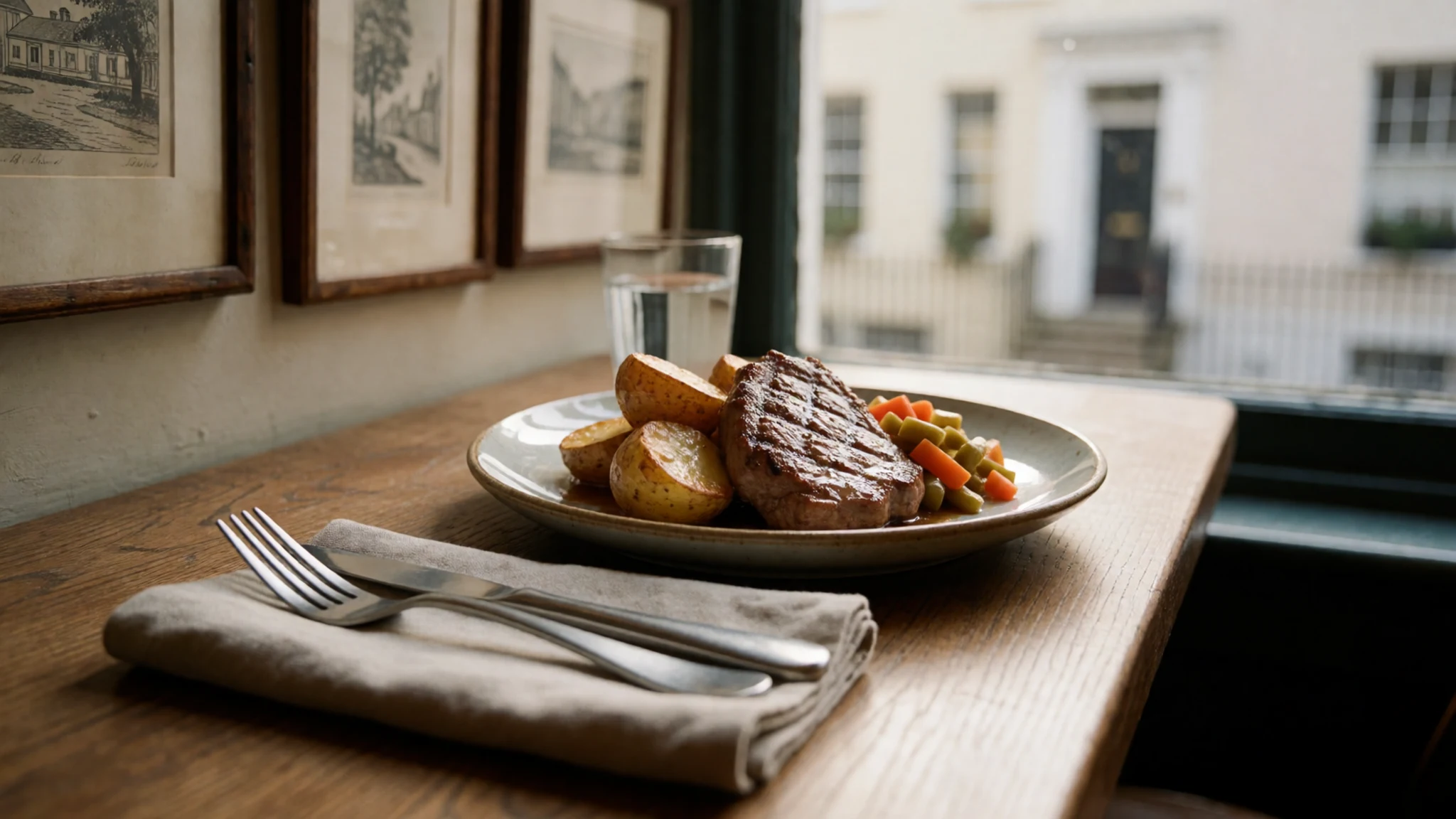
- Kapustnica — Local eateries and pubs in the old town
A thick, sour cabbage soup with smoked sausage or meat, often served at Christmas but found year-round in homely eateries. It is warming on cold days and usually comes with bread, making a full meal. - Pirohy — Lunch restaurants and canteen-style eateries
Filled dumplings, usually with potato and cheese, sometimes with cabbage or sweet fillings, and often topped with fried onion or sour cream. They reflect the region's links to Poland and Ukraine, and are easy to find at simple lunch places. - Tokaj-region wine — Wine bars and cellar restaurants in the old town
Prešov's wine trade has a long history, and wines from the nearby Tokaj region still appear on local lists. Sweet and dry styles both turn up. Ask for a recommendation and pair it with cheese or dessert at a wine bar. - Café and cake — Pavement cafés along Hlavná ulica
Cafés on and around the main street serve strong coffee with cream cakes, strudel and poppy-seed pastries. It is the gentlest way to spend an afternoon, watching the pedestrian street from a terrace in fine weather.
Plan it
Best time. May–June and September–October, when it is warm without being hot and the old town's terraces are open. Winters are cold and damp, though the Christmas decorations in front of the co-cathedral are pretty; July and August can be hot and humid.
How long. 1–2
Getting there. Fly to Košice, about 34 km to the south, then take a train or bus to Prešov. Prešov also has direct road links by the D1 motorway. The train and bus stations are about ten minutes from the centre by foot or short ride.
Budget. low
Tips
- Take the early train or bus from Košice for a relaxed day trip
- Check opening times for museums and the tower on the official site, presov.sk
- Carry some cash for small cafés and market stalls, though cards are common
- Wear shoes with grip, as cobbles get slippery in rain and frost
- Combine Prešov with Košice and the Solivar museum for a fuller regional trip
Etiquette
- Keep voices low and avoid flash photography inside churches
- Greet shopkeepers and café staff with a short dobrý deň
- Do not photograph worshippers during a service
Nearby
Sources
- Wikidata Q26119 (CC0)
- Wikipedia: Prešov (rev 1382325218) (CC BY-SA 4.0)
- Wikivoyage: Prešov (rev 5414982) (CC BY-SA 4.0)
- Konkatedrála svätého Mikuláša, Ing.Mgr.Jozef Kotulič (CC BY-SA 4.0)
- Prešov, Traveltipy (CC BY 2.5)
- Christmas, Prešov, Ing.Mgr.Jozef Kotulič (CC BY-SA 4.0)
- Muzeum, Draco QQQ (CC BY 3.0)
- Eperjes - Church, Civertan (CC BY 3.0)
- Prešov, Staré mesto, Infitter (CC BY-SA 4.0)
- Meštianske domy, Doko (CC BY 3.0)
- Mapa Transilvánie 1606, William Ward (Public domain)


