Trésor Regional Nature Reserve
Trésor Regional Nature Reserve, France
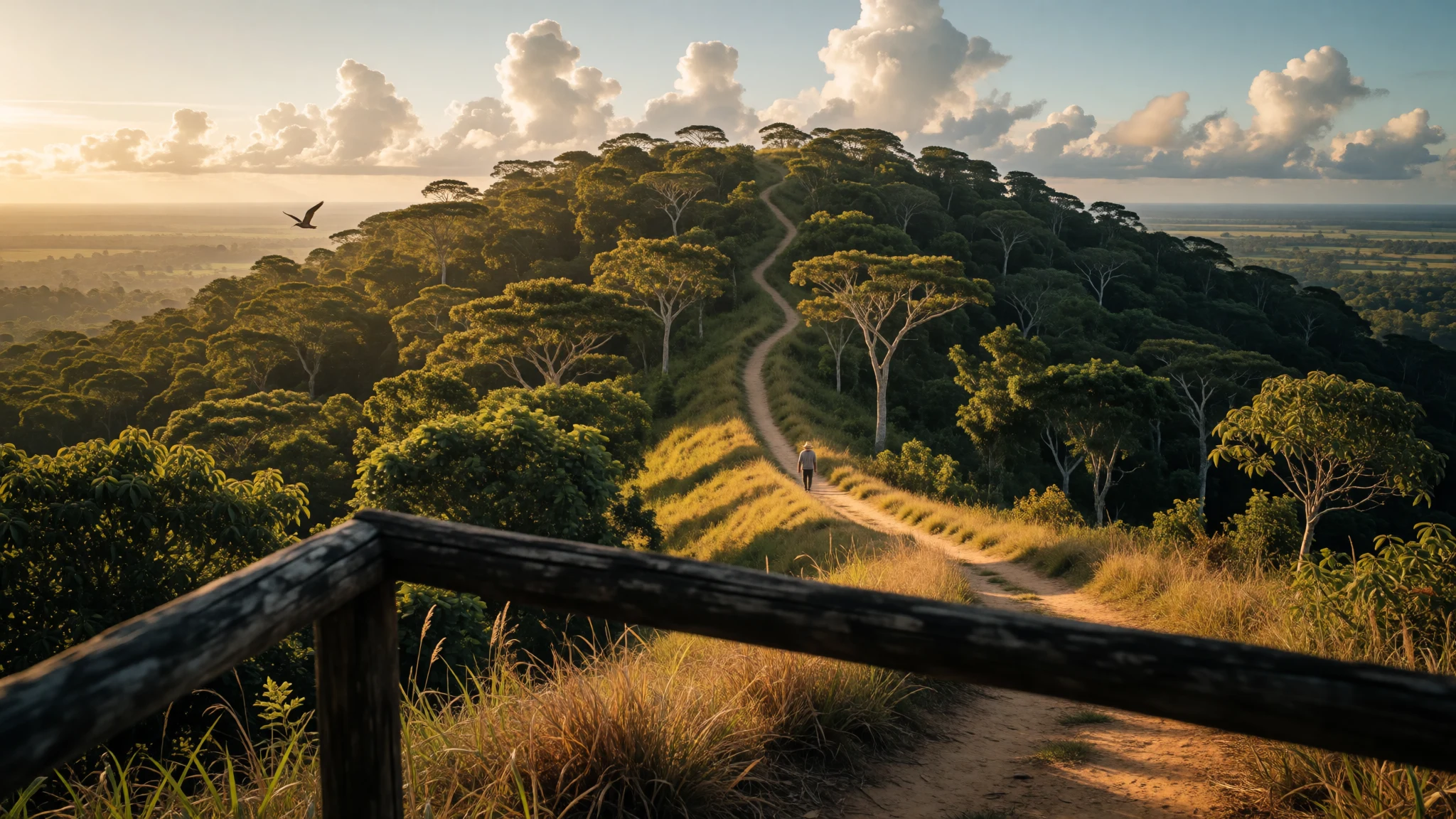
Trésor is a quiet forest reserve on the flank of Kaw Mountain in French Guiana, for slow walking, birdsong and a wide green view.
The place
Trésor Regional Nature Reserve lies in the east of French Guiana, the French overseas department on the north-eastern shoulder of South America. The reserve sits on the flank of Kaw Mountain and shares a boundary with the national Kaw-Roura Marshland Nature Reserve, so the two together protect a continuous gradient from forested slope towards wetland. It is reached by road from the commune of Roura, about 20 kilometres away, along the departmental road RD6, where a small visitor house stands at the entrance.
This is not a mountain in the Alpine or Himalayan sense. Kaw Mountain is a forested ridge rising out of otherwise low, flat country, and its appeal is the contrast: from the viewpoints the canopy rolls out in every direction with very little sign of people. The climate is equatorial, so warmth and humidity are constants and the real variable is rain. Under the trees the light is dim and green, the air is still, and sound does most of the work: frogs, insects, birdcall, and now and then the crash of something unseen in the leaf litter.
Trésor is a regional reserve, set up in 2010, which makes it a different kind of protected area from the national reserve beside it. Anyone planning a visit should expect a place for quiet walking and watching rather than a park with a long list of attractions. What is open, guided or restricted changes, so the reserve's official site is the place to confirm details. Mobile coverage can be patchy, the nearest sizeable town is some distance away, and planning ahead matters more here than in most protected areas.
Its story
Trésor Regional Nature Reserve is a young protected area in a long-settled corner of French Guiana, and its story is largely one of keeping what was already there. The slope of Kaw Mountain was forest long before it was a reserve, and the people who lived and travelled around it, Amerindian communities first, then colonists, river-going Maroon communities and later arrivals, relied on the surrounding creeks and rivers far more than on roads.
French Guiana's colonial past is often told through its penal settlements on the coast. The country around Roura has a quieter record of small farms, river trade and, in recent decades, new communities such as the Hmong village of Cacao, whose farmers brought vegetable growing and textile traditions from Laos by way of refugee camps. The forest around them stayed largely intact, which is part of why the area drew the attention of conservationists.
The reserve itself dates from 2010. In France a regional authority can designate a regional nature reserve to protect land that matters locally, without needing national status, and Trésor was created on that basis next to the national marshland reserve. The logic is practical: a wetland is only as healthy as the slope and forest feeding it, so protecting the hillside next to the marsh makes more sense than treating them separately.
The name is the French word for treasure, though the reason for choosing it is not something this reading can vouch for. English-language documentation on the reserve is thin, so the official site is the best guide to its current management and history.
What to see
- Maison de la Réserve at the RD6 entrance — Entrance on the RD6, near Roura
The visitor house on the RD6 is the sensible first stop at Trésor. It is where to ask which paths are open, whether a guide is available and what the weather has done to the ground. Treat it as a briefing point and a way to check conditions before heading into the forest.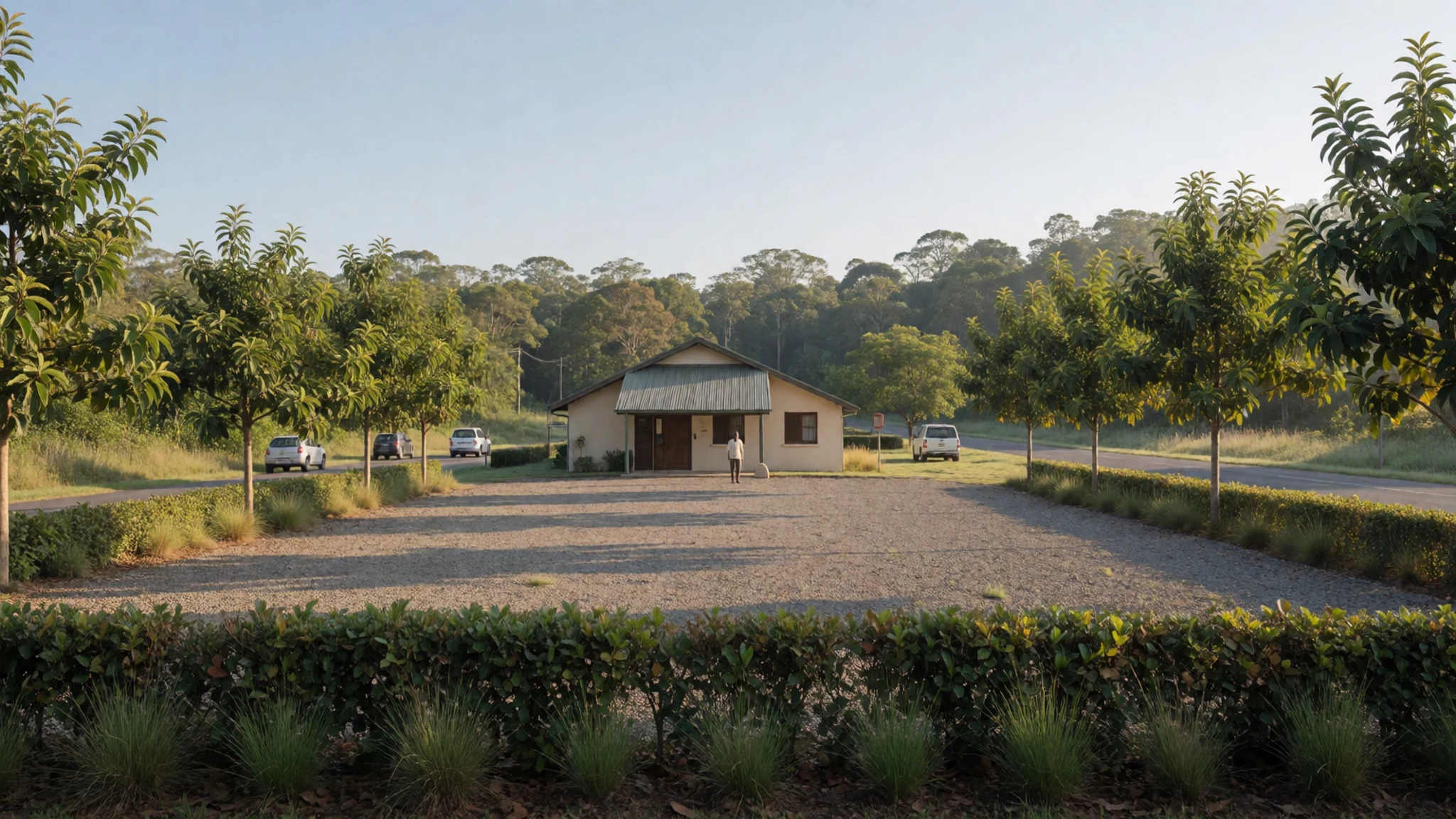
- Views from Kaw Mountain — Flank of Kaw Mountain
Kaw Mountain rises as a forested ridge above flat country, and the outlook from its flank shows how much unbroken canopy still surrounds Trésor. Clear mornings give the best visibility; by afternoon cloud and humidity often soften the view. Bring binoculars, because distance is what makes the scene.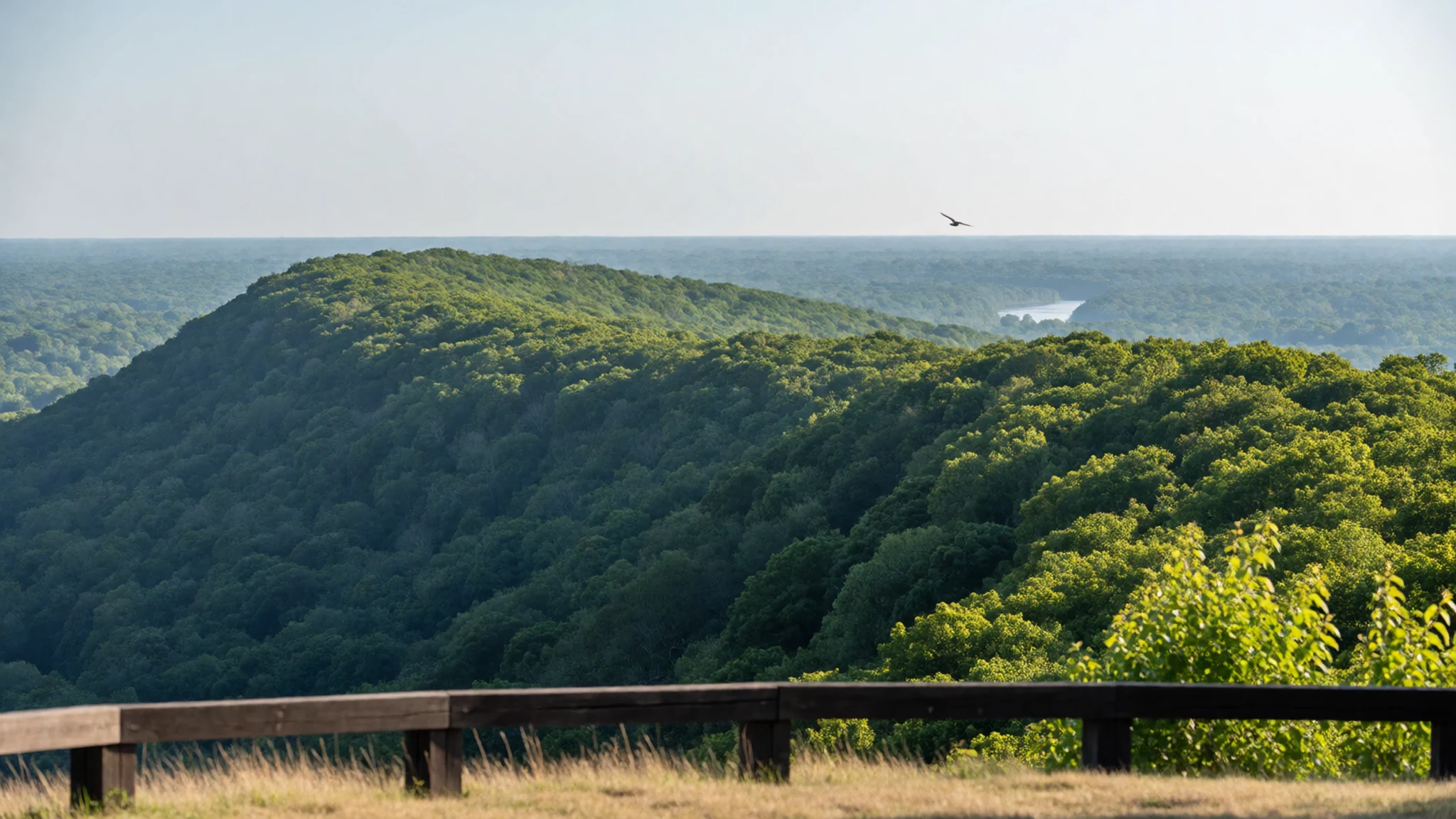
- Forest walking routes — Within the reserve
The reserve's value is in slow walking under the canopy, listening for birds, frogs and insects and watching the forest floor. Routes and conditions vary with the rains, so ask at the visitor house which are suitable on the day. Go early, keep to marked paths and expect mud.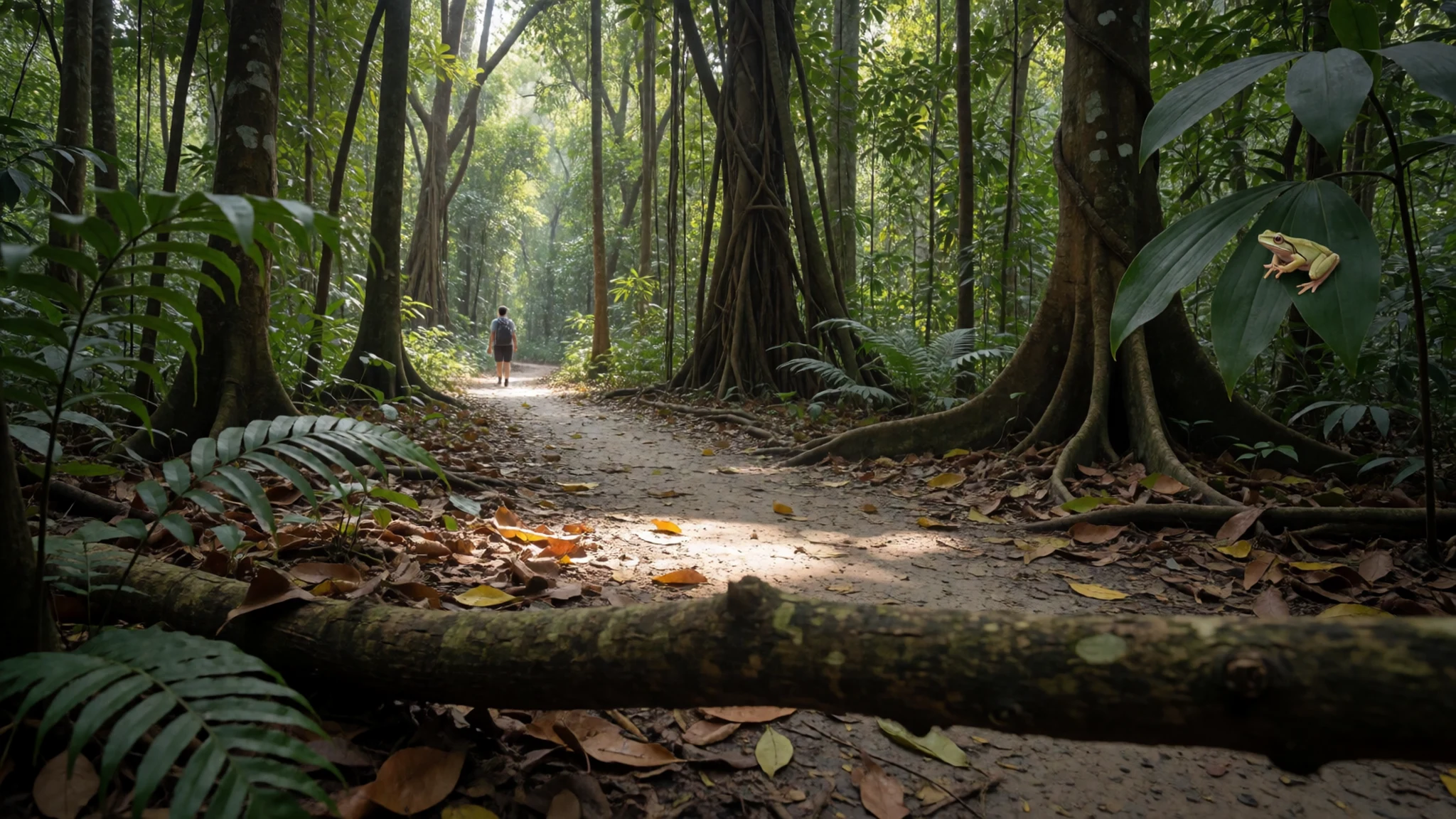
- The RD6 road through Roura — Roura commune
The drive along the RD6 is part of the visit, passing from the Mahury river area into forest and farmland. Roura is the nearest commune and a useful place to stop for supplies before the reserve. The road is open and scenic, but traffic and weather can change quickly.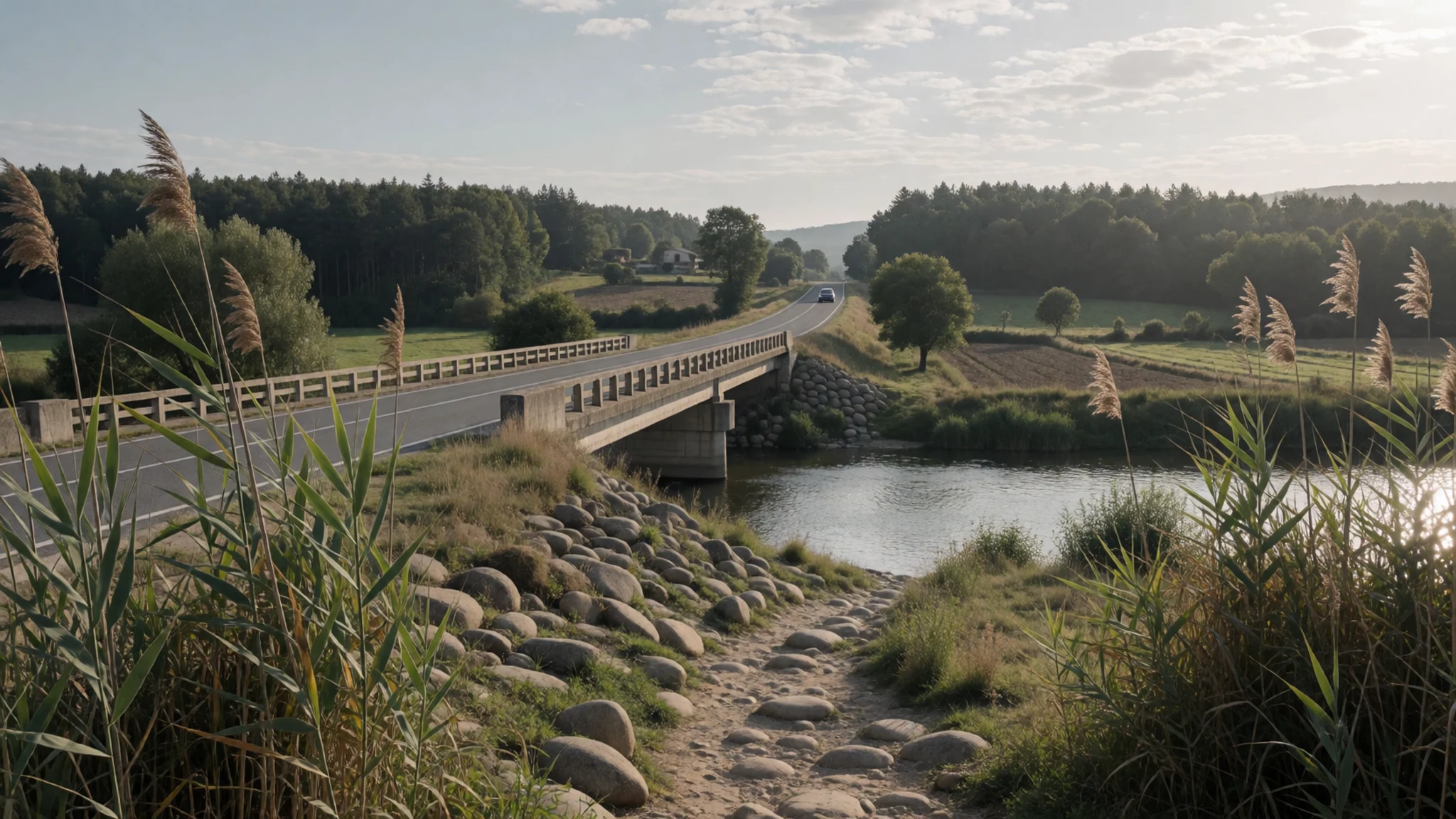
- Edge of the Kaw-Roura marshland — Adjoining national reserve
Trésor's neighbour is the national Kaw-Roura Marshland Nature Reserve, where forest gives way to wetland. Access to the marsh is usually by guided boat trips arranged separately, so it suits a second day. Check what is currently offered and who runs it, and book before travelling.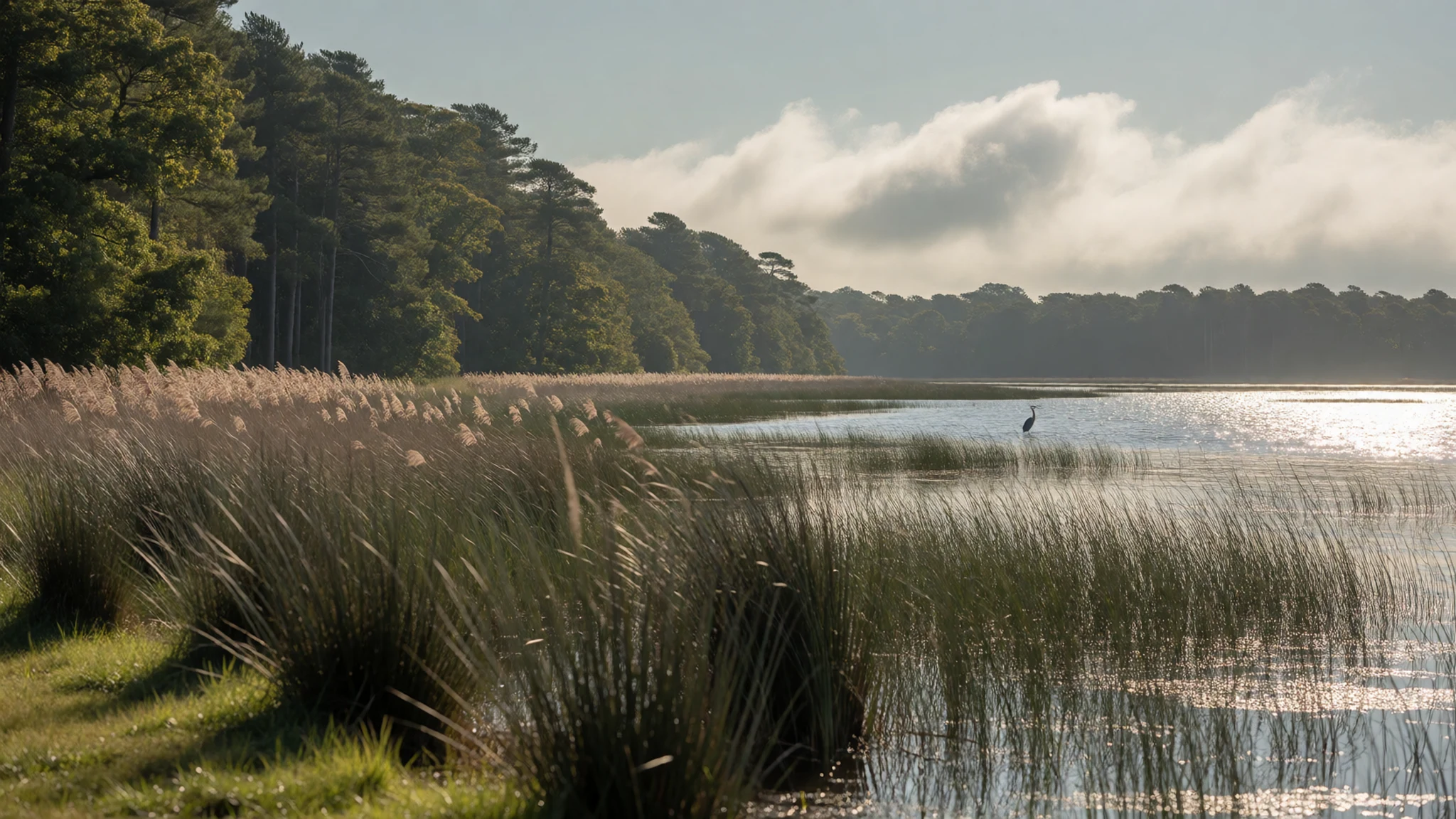
Culture
Trésor Regional Nature Reserve sits in a part of French Guiana where several cultures overlap, and the area around Roura reflects that. French is the official language and the daily framework, with Guianese Creole spoken widely alongside it. Amerindian peoples, Maroon river communities descended from escaped enslaved Africans, Creole families, Hmong settlers and more recent arrivals from Brazil, Haiti and elsewhere all shape the region. A short drive from the reserve, the Hmong village of Cacao is known for its vegetables, its embroidered textiles and its Laotian cooking.
The forest itself carries cultural weight. Many communities have long used plants, fish and game from it, and conservation rules can sit awkwardly beside those habits. That is worth remembering when meeting local people: a reserve is a protected area for visitors but also someone's neighbourhood, and the rules on collecting, hunting and fishing are not casual.
Life here moves at an equatorial pace. Mornings start early to beat the heat, midday slows, and a greeting before any request is the norm. Carnival is the great social season in Cayenne and the larger towns, but the dates and form change, so anyone timing a trip around it should check locally. In the countryside around the reserve, evenings are quiet and services close early.
Stay on the marked paths, take nothing out of the forest, and always ask before photographing people in villages or markets.
What to wear
Trésor Regional Nature Reserve is a forest destination, so clothing here is mostly about practicality, but the region's textiles are worth knowing. In Guianese Creole tradition, the kotomisi is a formal women's dress, usually worn with a madras headtie and gold jewellery at festivals, weddings and Carnival events. Maroon communities use the pangi, a bold striped or patchwork cloth wrapped as a skirt or shoulder cloth, and Amerindian communities are known for beadwork. The Hmong in Cacao embroider story cloths and panels by hand, sold at the village market.
Everyday dress now is light and casual: cotton T-shirts, shorts or lightweight trousers, flip-flops in town, and French-style summer clothes in Cayenne. Traditional dress mostly appears at celebrations, in cultural performances and on market stalls rather than on ordinary days.
For a visit to the reserve, dress for heat, humidity, insects and mud. Long, lightweight, quick-drying trousers and long sleeves protect against bites and scratches better than shorts. Closed shoes or light walking boots with good grip are far more useful than sandals on wet forest ground. A wide-brimmed hat, a thin waterproof layer and a spare dry top for the drive back are worth packing. Cotton jeans stay wet for hours and are best avoided. Modesty norms are relaxed, though covering up for villages and markets is courteous, and insect repellent matters as much as any garment.
What to eat
- Bouillon d'awara — Creole eateries and seasonal events around Cayenne
A rich stew built on the orange pulp of the awara palm fruit, usually with smoked fish, chicken, crab and vegetables. It is a festive dish tied to Easter in French Guiana. Look for it at Creole family-run eateries and seasonal events around Cayenne and Roura.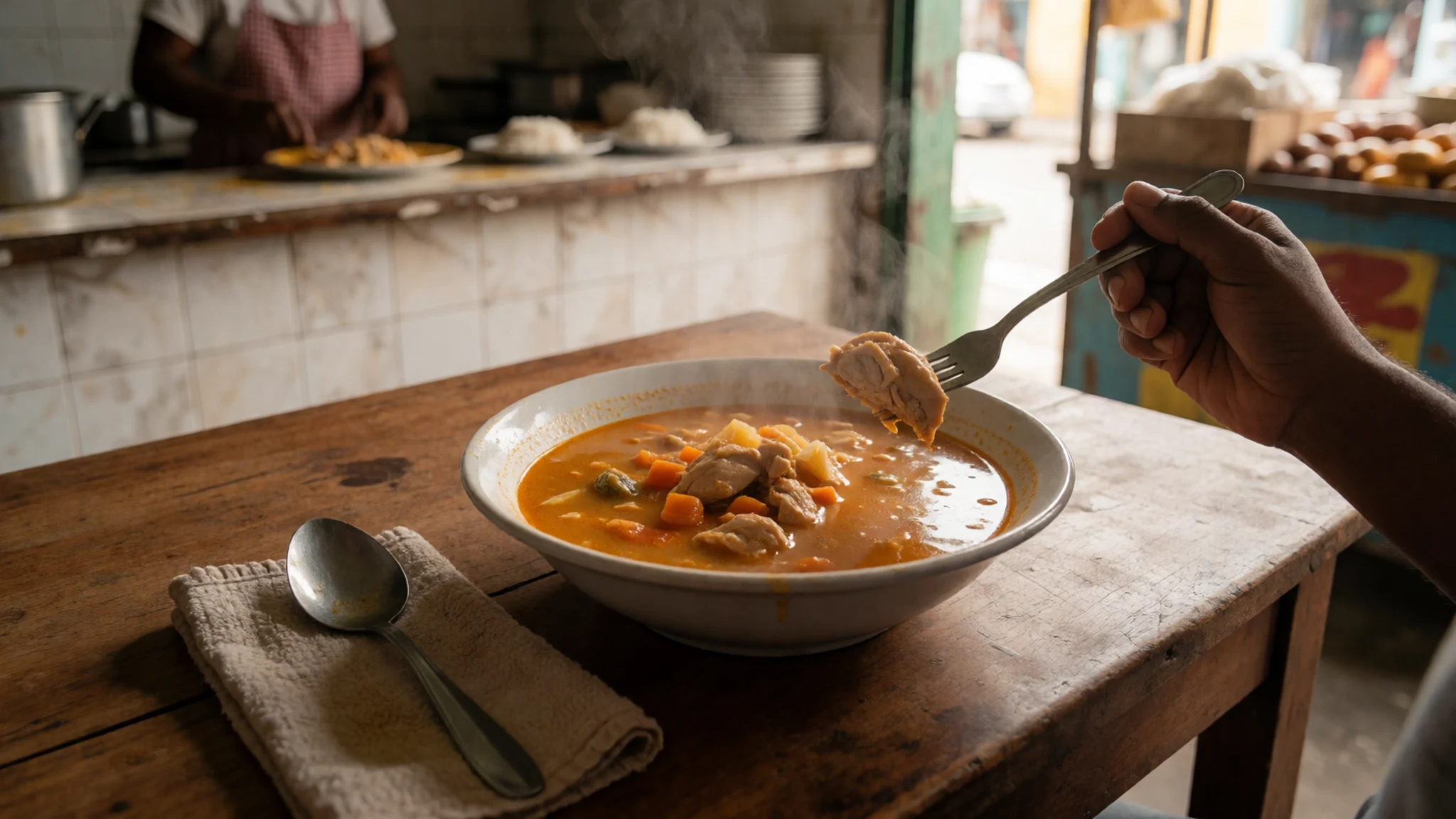
- Colombo — Creole restaurants and lunch counters in Cayenne
A mildly spiced curry-style dish of chicken, pork or fish with vegetables, flavoured with the colombo spice blend that came through Caribbean and Indian-Ocean links. It resembles a gentle Indian curry. Order it at Creole restaurants and local lunch counters, usually with rice.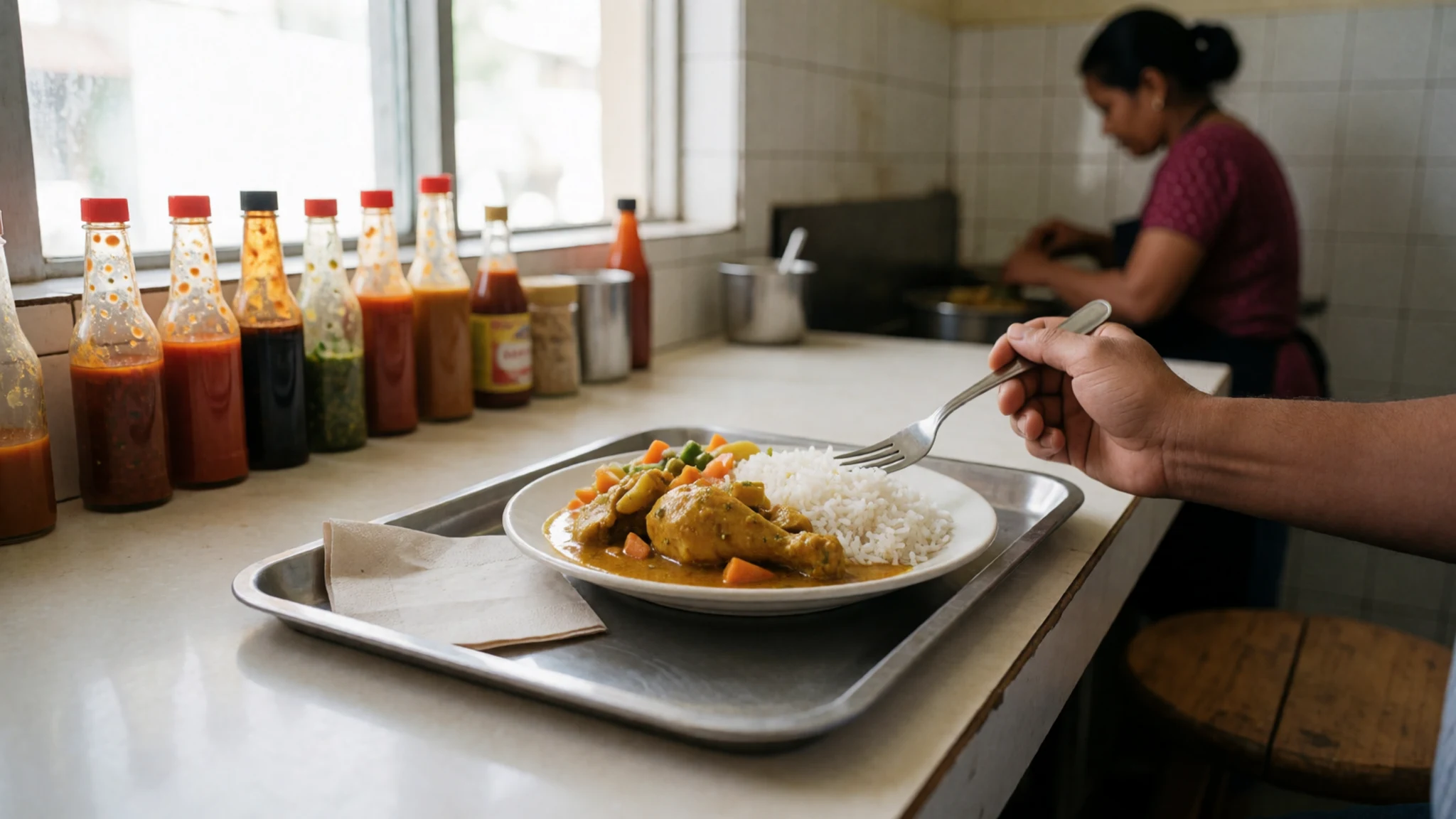
- Blaff — Coastal eateries and restaurants near Cayenne
Fish or seafood poached briefly in a herb-and-chilli broth with lime, thyme and spring onion. It is light and fresh, which suits the climate. Ask for the catch of the day at coastal eateries and small restaurants along the roads out of Cayenne. - Hmong dishes at Cacao — Cacao village market, Roura commune
The village of Cacao is known for Hmong cooking, including noodle soups, spring rolls, bo bun and stir-fried vegetables grown locally. The weekend market is the usual place to eat. Check the market's current days before travelling. - Grilled fish with cassava — Riverside and roadside eateries in the Roura area
Freshwater and sea fish grilled over a wood fire and served with cassava in forms such as couac, the toasted granules eaten across the Guianas. Simple riverside and roadside eateries serve it, often with a hot pepper sauce on the side.
Plan it
Best time. August to November is generally the drier part of the year in French Guiana, so paths are firmer and cloud lifts more often. The rest of the year brings heavy rain and mud, though a short drier spell often falls in February or March. Heat and humidity are present all year.
How long. 1–2
Getting there. Fly to Cayenne–Félix Eboué Airport, the main airport of French Guiana, then drive towards Roura and continue on the RD6 to the reserve entrance. Public transport to the entrance is limited, so hire a car or arrange a guided transfer, and check with the reserve first.
Budget. mid
Tips
- Check the official site (http://www.reserve-tresor.fr/) before travelling for access, guides and current conditions.
- Start walks early, when it is cooler and wildlife is more active.
- Carry plenty of water, insect repellent and a rain layer, and tell someone your route.
- Fill the fuel tank and buy supplies in Cayenne or Roura, as services near the reserve are limited.
- Carry some cash as well as cards, since small places may not take cards.
Etiquette
- Stay on marked paths and take nothing from the forest.
- Keep noise low so wildlife stays visible.
- Ask before photographing people in villages and markets.
Nearby
Sources
- Wikidata Q15196359 (CC0)
- Wikipedia: Trésor Regional Nature Reserve (CC BY-SA 4.0)
- Wikivoyage: French Guiana (CC BY-SA 4.0)
- Maison de la Réserve Régionale Trésor (Entrée RD6), JF.Szpigel (CC BY-SA 4.0)
- Vue depuis la Montagne de Kaw, Esperanto2000 (CC BY 3.0)
- French Guiana relief location map, Sting (CC BY 3.0)
- The road D 6 in French Guiana, Cayambe (CC BY 3.0)
- Périmètre de la RNR Trésor, Pmau (CC BY-SA 4.0)


