Bibracte
Bibracte, France
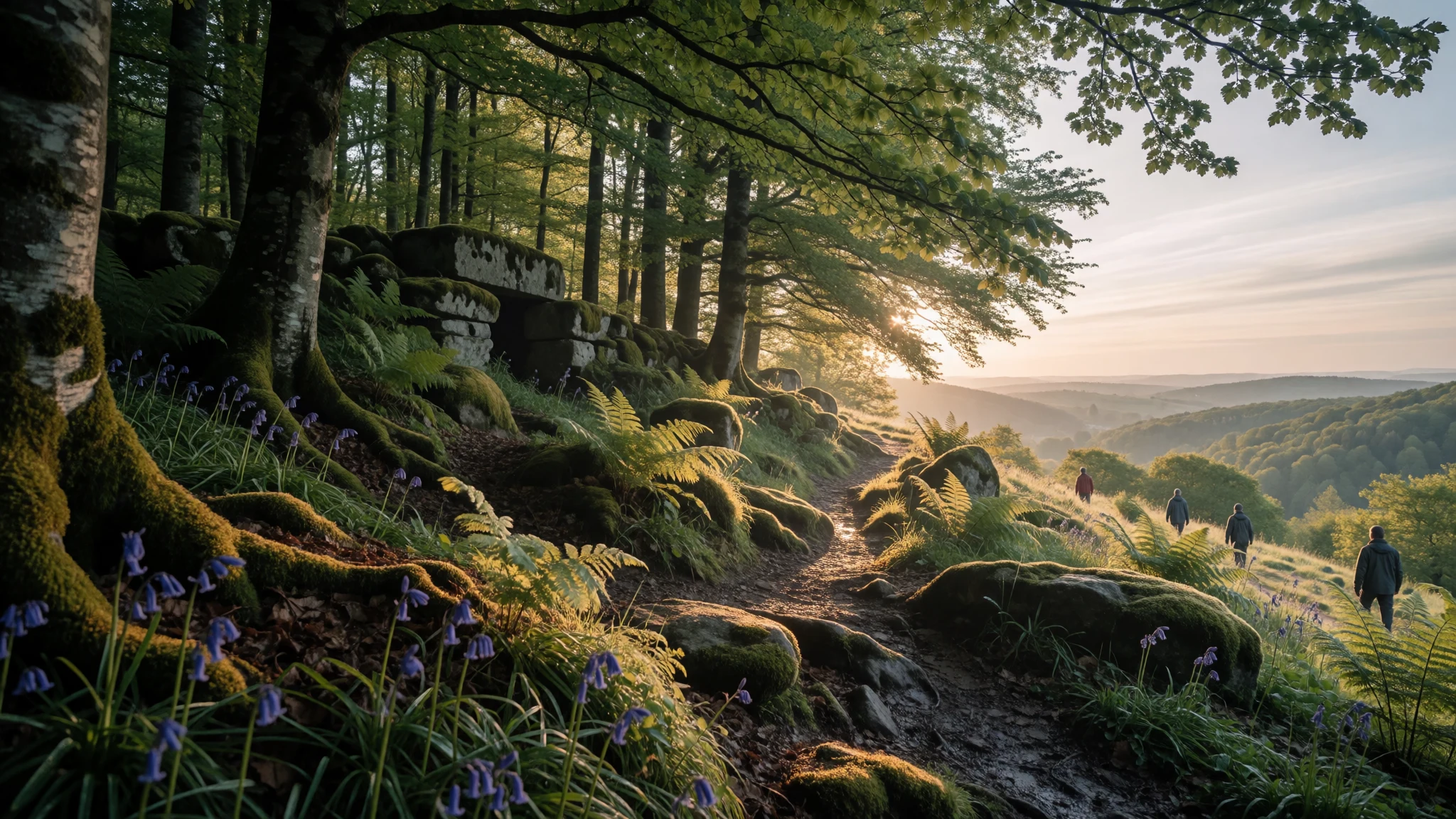
Explore the forested heights of Mont Beuvray to walk through the ancient capital of the Aedui, one of the most significant Celtic hillforts in Europe.
The place
Bibracte sits high upon the wooded slopes of Mont Beuvray, deep within the green folds of the Morvan Regional Natural Park in the Burgundy region of France. This sprawling archaeological site was once a magnificent Gallic oppidum, serving as the principal stronghold and political heart of the Aedui tribe during the Late Iron Age. Long before the Roman legions reshaped the map of Western Europe, this fortified mountaintop held immense strategic and economic power, functioning as a thriving urban centre where thousands of artisans, traders, and warriors lived and worked behind massive stone ramparts.
Today, the ancient city rests in profound quietude beneath a thick canopy of beech and oak trees. Designated as a Great Site of France, the mountaintop merges dense forest trails with ongoing archaeological excavation trenches, offering visitors a rare window into the sophisticated civilization of the La Tène culture. Unlike many ancient capitals buried beneath modern cities, Bibracte was largely left undisturbed after its abandonment, allowing modern researchers to uncover remarkably preserved foundations of domestic quarters, artisan workshops, and monumental public spaces. At the foot of the mountain, a contemporary museum provides deep context through extensive collections of Celtic artefacts, imported Mediterranean amphorae, and detailed models of the ancient fortifications. The landscape here feels remarkably atmospheric, especially when morning mist weaves through the ancient beech trees and clings to the moss-covered granite stones of the old ramparts.
Its story
The story of Bibracte is tightly bound to the dramatic collision between Celtic independence and Roman expansion. Founded around the end of the third century BCE, the settlement grew rapidly into a bustling metropolis protected by an impressive double defensive perimeter. Because the Aedui tribe maintained a privileged diplomatic status as friends of the Roman people, commerce flourished, bringing luxury goods such as Italian wine into the workshops and homes of the Gallic elite.
The fateful turning point arrived in the first century BCE. In fifty-eight BCE, Julius Caesar famously defeated the migrating Helvetii forces just south of the oppidum, cementing Roman influence in the region. A few years later, in fifty-two BCE, the Gallic tribes gathered at Bibracte in a momentous assembly to unite against the Roman invader, bestowing supreme military command upon Vercingetorix. Despite this fierce resistance, Caesar ultimately prevailed at Alesia and treated the city with relative leniency, even wintering within its walls to write his accounts of the Gallic Wars.
Following the final conquest, however, the geopolitical realities of the region shifted dramatically. Around fifteen BCE, during the reign of Emperor Augustus, a new Roman city named Augustodunum was founded nearby, offering flatter terrain and better access to major trade routes. The inhabitants of Bibracte gradually migrated down the mountain to the new settlement, leaving the ancient hilltop quiet and abandoned, save for occasional rural rituals, medieval festivals, and the eventual arrival of nineteenth-century archaeologists eager to unearth Europe's buried Celtic past.
What to see
- The Rebout Gate
Inspect the reconstructed main entrance to the oppidum, where modern experimental archaeology demonstrates the ingenious construction of the ancient Murus Gallicus timber-laced stone wall.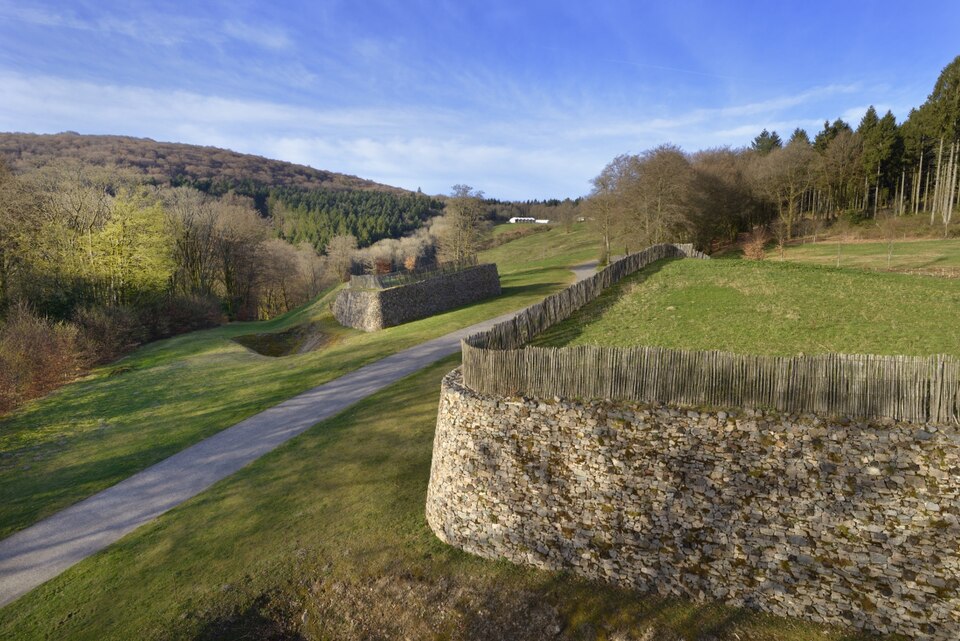
- The Musée de Bibracte
Begin your journey at this striking contemporary museum situated at the base of Mont Beuvray, housing rich collections of weapons, jewellery, coins, and everyday Celtic pottery.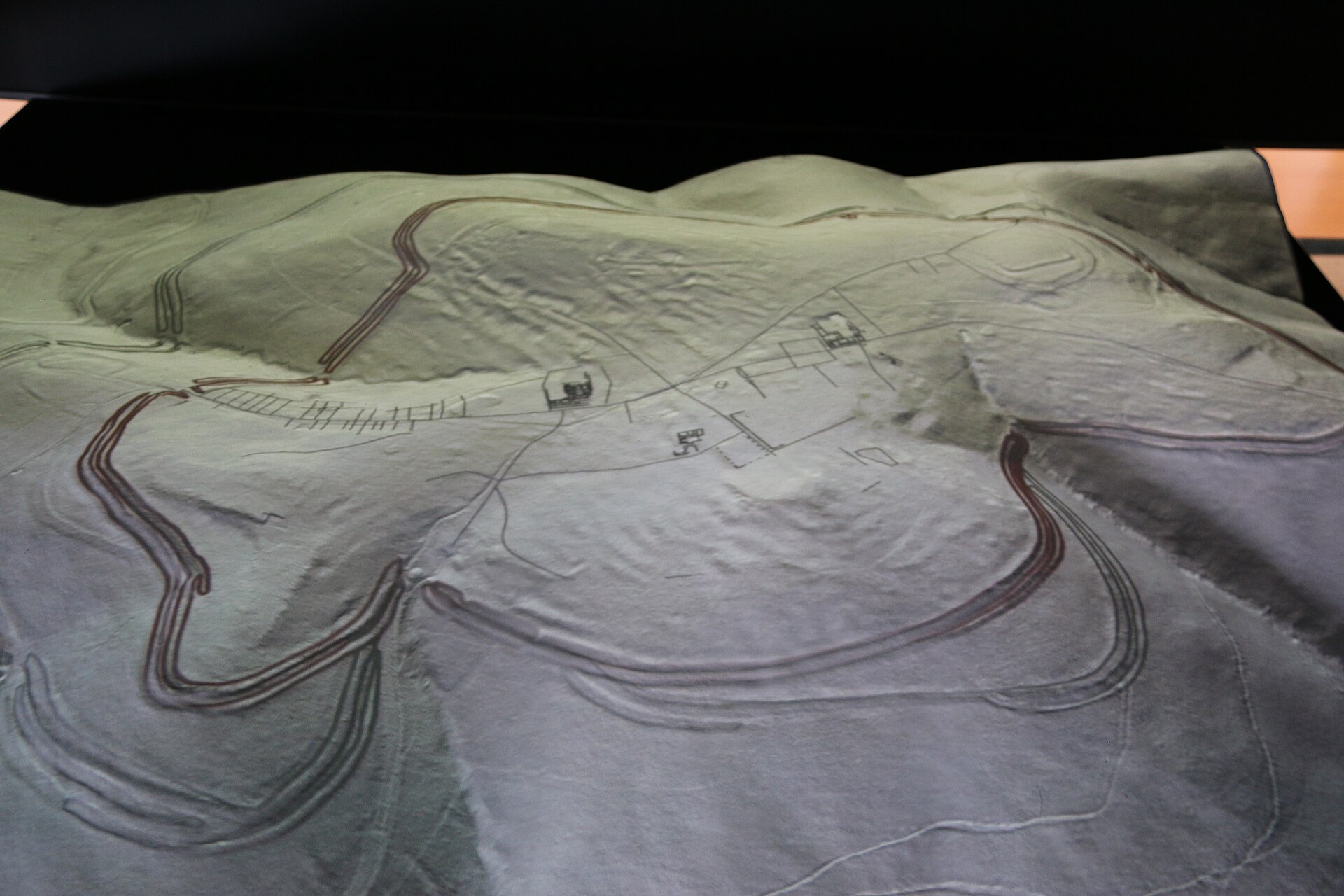
- Domus PC 1 Excavation
Wander through the foundations of a large aristocratic Roman-style townhouse discovered on the heights, illustrating how local elites adopted Mediterranean architectural styles after the conquest.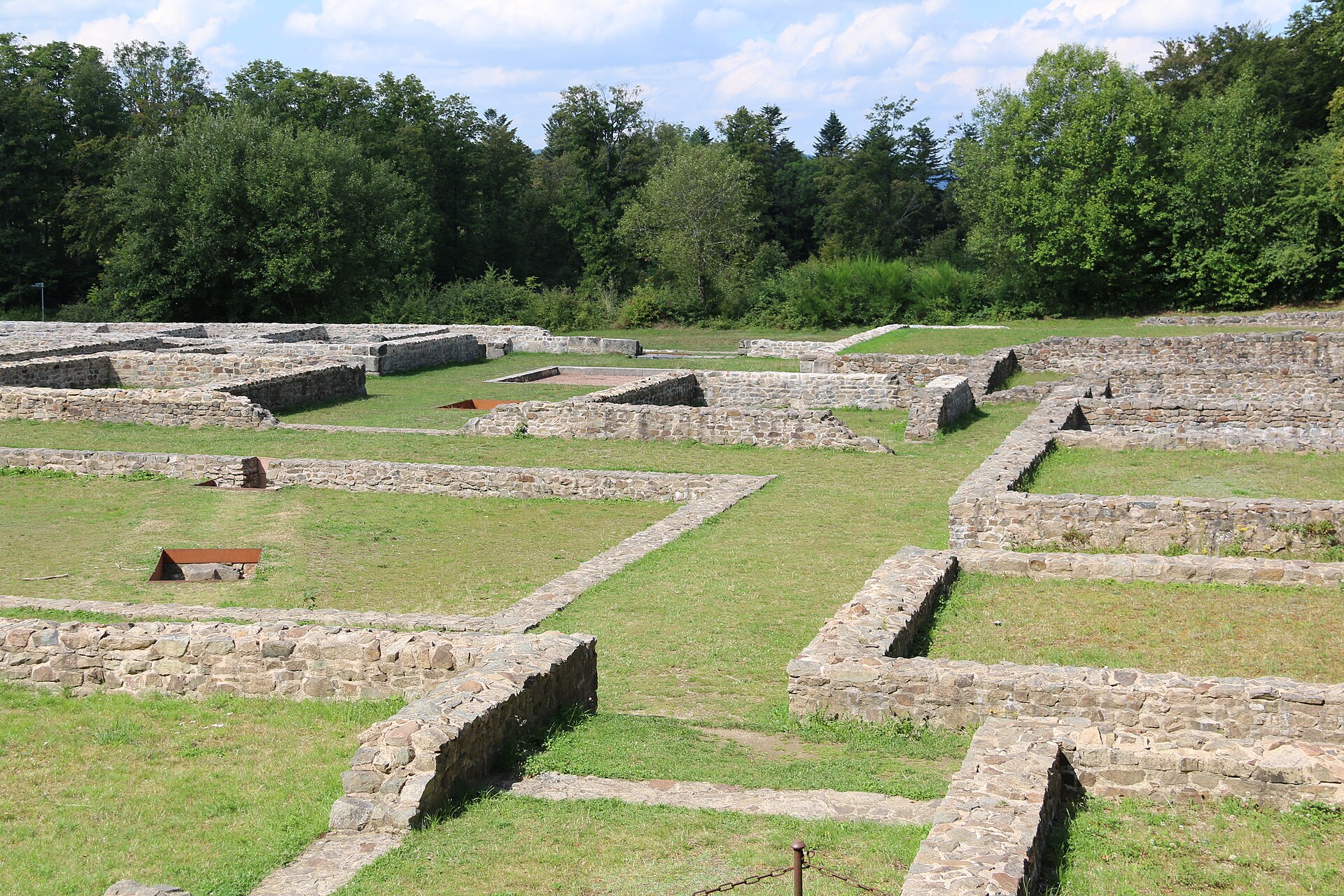
- The Summit Viewpoint
Climb to the highest point of Mont Beuvray to experience sweeping panoramic vistas over the rolling hills of Burgundy and the surrounding Morvan forests.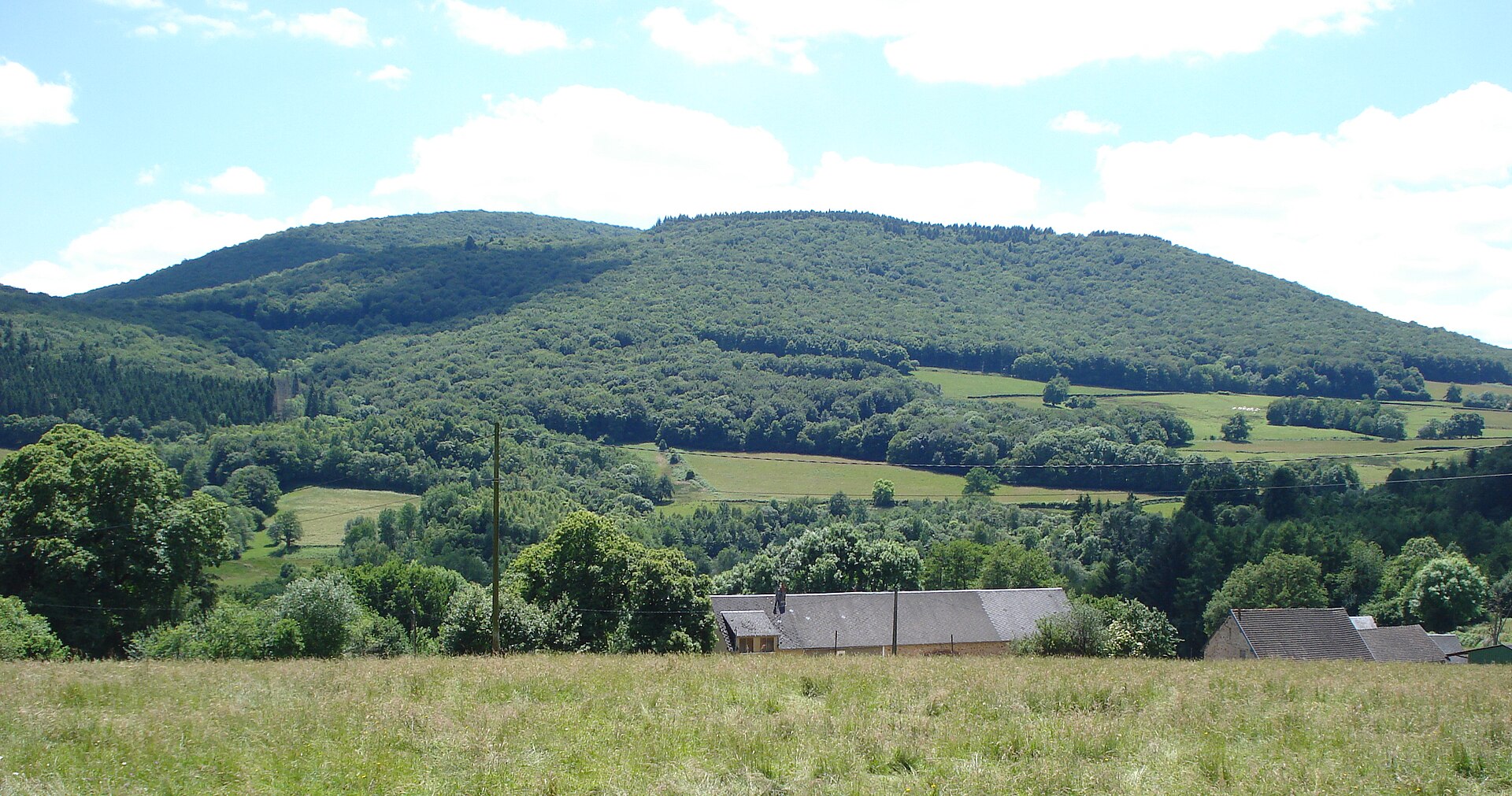
Culture
The cultural identity of Bibracte is deeply rooted in modern European scientific cooperation and the celebration of Celtic heritage. For generations, the villages surrounding Mont Beuvray have maintained a distinct rural Burgundian character, marked by strong agricultural traditions, local wine-making, and hearty regional gastronomy. In the nineteenth and twentieth centuries, pioneering French archaeologists such as Jacques-Gabriel Bulliot and Joseph Déchelette transformed the mountain into a cradle of modern European archaeology, shifting scholarly understanding away from mere treasure hunting toward careful stratigraphic excavation.
Today, the site functions as an international training ground where young researchers from universities across Europe gather every summer to uncover new secrets of the oppidum. This collaborative spirit gives the surrounding area an academic yet welcoming atmosphere, blending quiet forest solitude with lively intellectual exchange. Visitors will find that local residents take immense pride in their ancient heritage, often sharing stories of the Gallic tribes during village festivals and cultural gatherings held throughout the warmer months. When exploring the active excavation areas on the mountain, always keep to designated paths and respect all protective barriers around ongoing archaeological digs.
What to wear
Modern visitors to Bibracte should prioritise practical outdoor attire above all else. Because the archaeological site is spread across the forested slopes of Mont Beuvray, sturdy walking boots or hiking shoes are essential for navigating damp woodland trails, uneven stone foundations, and muddy paths after rain. The Morvan climate can be changeable, with cool forest breezes and sudden mountain showers, so dressing in waterproof layers with a reliable windbreaker or fleece jacket is strongly recommended throughout spring and autumn.
Locals and visitors in the surrounding Burgundian countryside generally dress in casual, functional European rural wear for day-to-day life, switching to neat smart-casual clothing when visiting traditional village restaurants or regional wine cellars. Traditional historical dress is rarely seen outside of dedicated cultural festivals or museum reenactments, where actors don replica Gallic wool tunics, bronze torcs, and woven cloaks based on archaeological textile fragments recovered from nearby peat bogs and graves.
What to eat
- Burgundy Truffled Gougères — Local village bakeries and country inns around Saint-Léger-sous-Beuvray
Savour these warm, savory choux pastry puffs infused with local cheese, often enjoyed as an aperitif in traditional village bistros across the Morvan countryside. - Boeuf Bourguignon — Traditional roadside auberges and family-run restaurants throughout the Burgundy region
Enjoy a hearty, slow-cooked beef stew simmered in rich local red wine with mushrooms, onions, and bacon, perfect after a long hike through the mountain forest. - Époisses Cheese — Country markets and cheese shops in Autun and surrounding villages
Sample this pungent, creamy artisanal cow's milk cheese washed in marc de Bourgogne, renowned for its rich flavour and soft texture. - Kir Burgundian Aperitif — Any traditional café or terrace bar in the local valleys
Refresh yourself with a classic regional drink made from chilled white aligoté wine mixed with sweet blackcurrant crème de cassis.
Plan it
Best time. May to September offers the most pleasant weather for hiking the forested trails and exploring the outdoor archaeological zones.
How long. 1–2
Getting there. Take the train to Autun or Le Creusot, then continue by local taxi, regional bus, or rental car to Mont Beuvray.
Budget. mid
Tips
- Wear sturdy waterproof hiking boots for walking the uneven forest tracks
- Bring a light waterproof jacket as mountain weather changes quickly
- Allow enough time to visit both the mountaintop site and the museum at the base
- Check opening hours in advance if visiting during the shoulder seasons
Etiquette
- Stay strictly on marked paths to protect fragile archaeological excavation sites
- Take all litter with you to preserve the pristine nature of the regional park
Nearby
Sources
- Wikidata Q650053 (CC0)
- Wikipedia (rev 1376823084) (CC BY-SA 4.0)
- Photo 01-bibracte-mont-beuvray-17.jpg (CC BY-SA 4.0)
- Photo 02-mus-e-de-bibracte-21.jpg (CC BY-SA 4.0)
- Photo 07-la-porte-du-rebout-principal-acc-s-l-oppidum-de-bibracte-au-.jpg (CC BY-SA 4.0)
- Photo 04-amphores-de-vin-de-bibracte.jpg (CC BY-SA 4.0)
- Wikivoyage (CC BY-SA 4.0)


