Angel Falls
Angel Falls, Venezuela
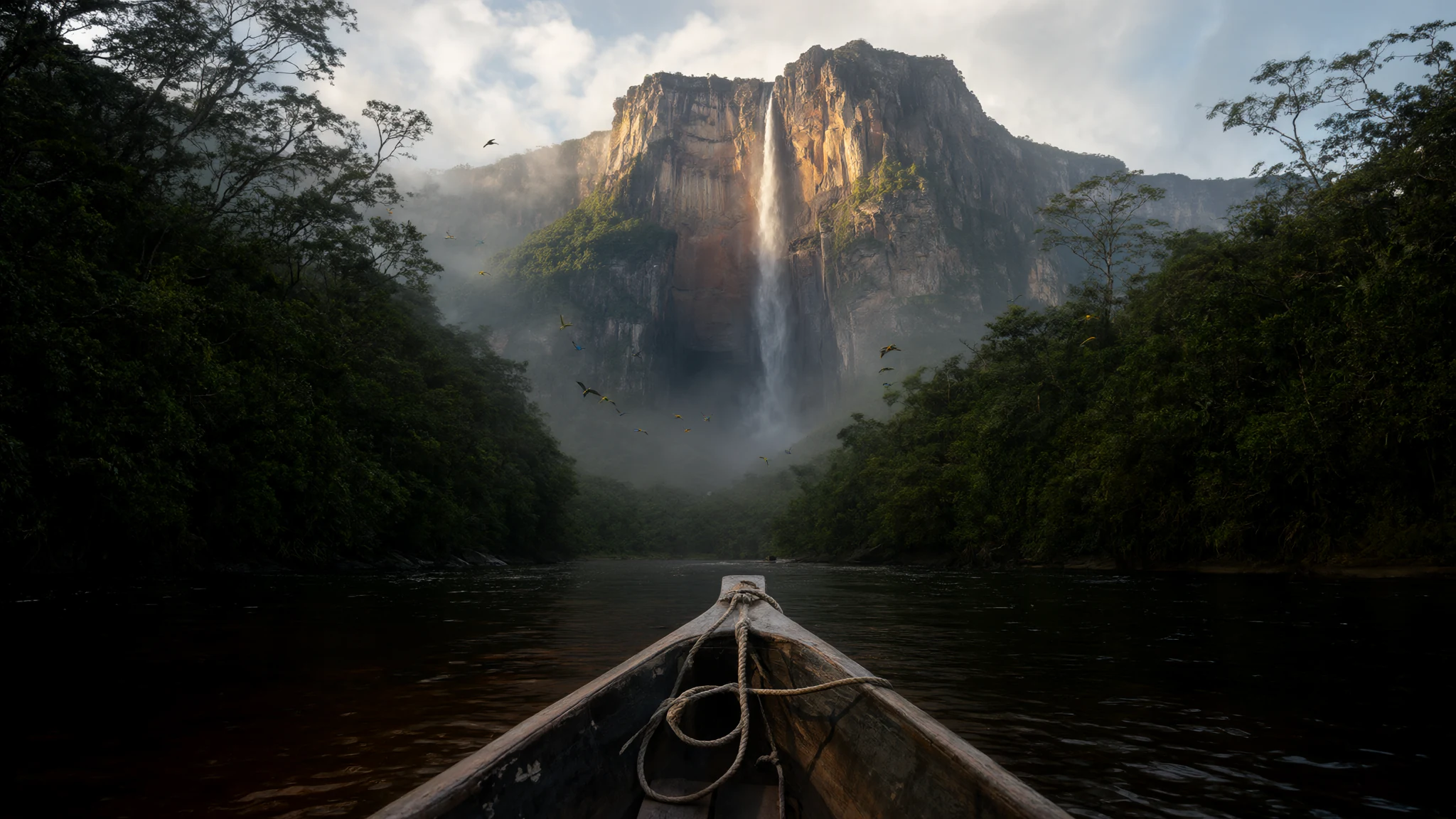
Visit Angel Falls to witness the world's tallest uninterrupted waterfall plunging from a colossal tabletop mountain deep within the Venezuelan jungle.
The place
Angel Falls stands as a magnificent geographic marvel in Venezuela, plunging from the summit of the Auyán-tepui mountain deep inside the vast territory of Canaima National Park. Located within the remote expanses of Bolívar State, the waters cascade down an immense vertical drop into the gorge below. This protected reserve covers an enormous territory across the Gran Sabana region, characterised by dense jungle terrain, meandering rivers, and dramatic sandstone massifs known locally as tepuis. The surrounding wilderness remains exceptionally isolated, with very few roads penetrating the deep southern interior. Travellers must journey by small aircraft to reach the remote airstrips before transferring to motorised wooden canoes operated by experienced local guides. These river journeys depend entirely on seasonal water levels, winding through dark, tannin-stained waterways flanked by lush rainforest and wall-like rock faces. The sheer scale of the landscape humbles every visitor who makes the arduous trek. Every element of the environment speaks of ancient geological forces that carved the massive table mountains out of the ancient Guiana Shield over millions of years. Visitors find themselves surrounded by unbroken wilderness, where the constant roar of distant water and the calls of tropical birds create an atmosphere of profound remoteness far removed from modern urban life.
Its story
Angel Falls has a history woven from indigenous heritage, colonial exploration, and twentieth-century aviation daring. For generations, the local Pemon people knew the landmark intimately, calling it Kerepakupai Merú or Körepakupai Vená. European accounts began centuries earlier when explorers traversed the region searching for fabled cities of gold, though reliable modern discovery of the falls occurred when American aviator Jimmie Angel flew over them while searching for valuable ore beds. Several years later, Angel attempted to land his aircraft directly on the marshy summit of the Auyán-tepui, damaging the landing gear and forcing his party on an eleven-day trek back to civilisation through difficult terrain. Word of the adventure spread rapidly, and the spectacular cataract was formally named in his honour. Decades later, his vintage aircraft was dismantled and airlifted off the mountain top by helicopter, while his ashes were later scattered over the cascading waters. In the modern era, national discussions have sought to honour indigenous roots by emphasising traditional Pemon names for the nation's most famous natural landmark. This complex heritage links ancient indigenous custodianship with the modern history of bush pilots and jungle exploration, creating a layered narrative that remains deeply tied to the rugged terrain of Bolívar State.
What to see
- Auyán-tepui Summit — Canaima National Park
This immense tabletop mountain forms the sheer precipice from which the waters begin their famous plunge. The plateau features unique highland flora, strange rock formations, and marshy terrain where early aviation pioneers once attempted to land their small aircraft.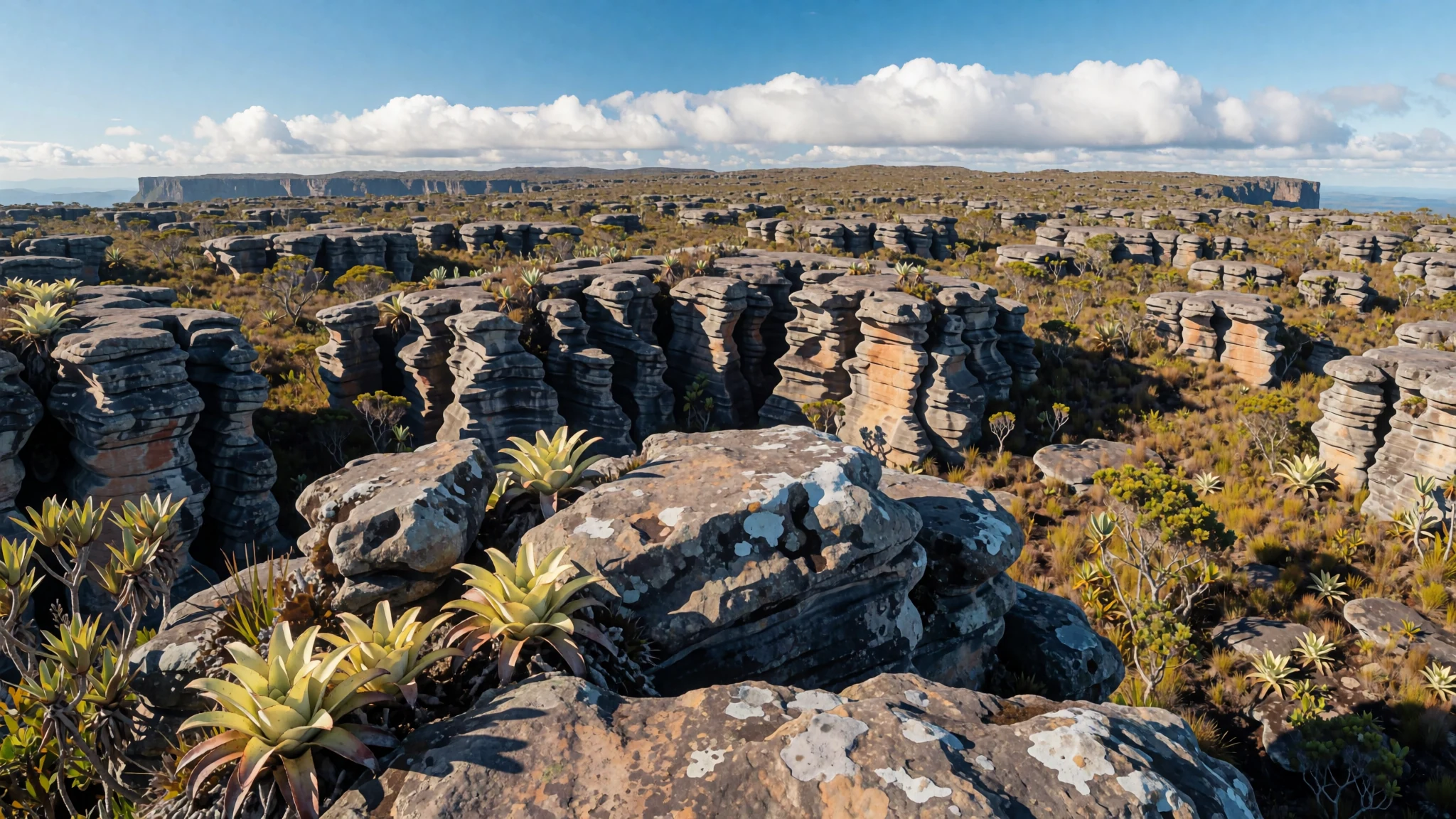
- Canaima Lagoon — Canaima Village
A wide, reddish lagoon fed by several powerful waterfalls near the main jungle settlement. Visitors gather here to board wooden motorized canoes for the multi-day river expedition upstream towards the base of the massive cataract.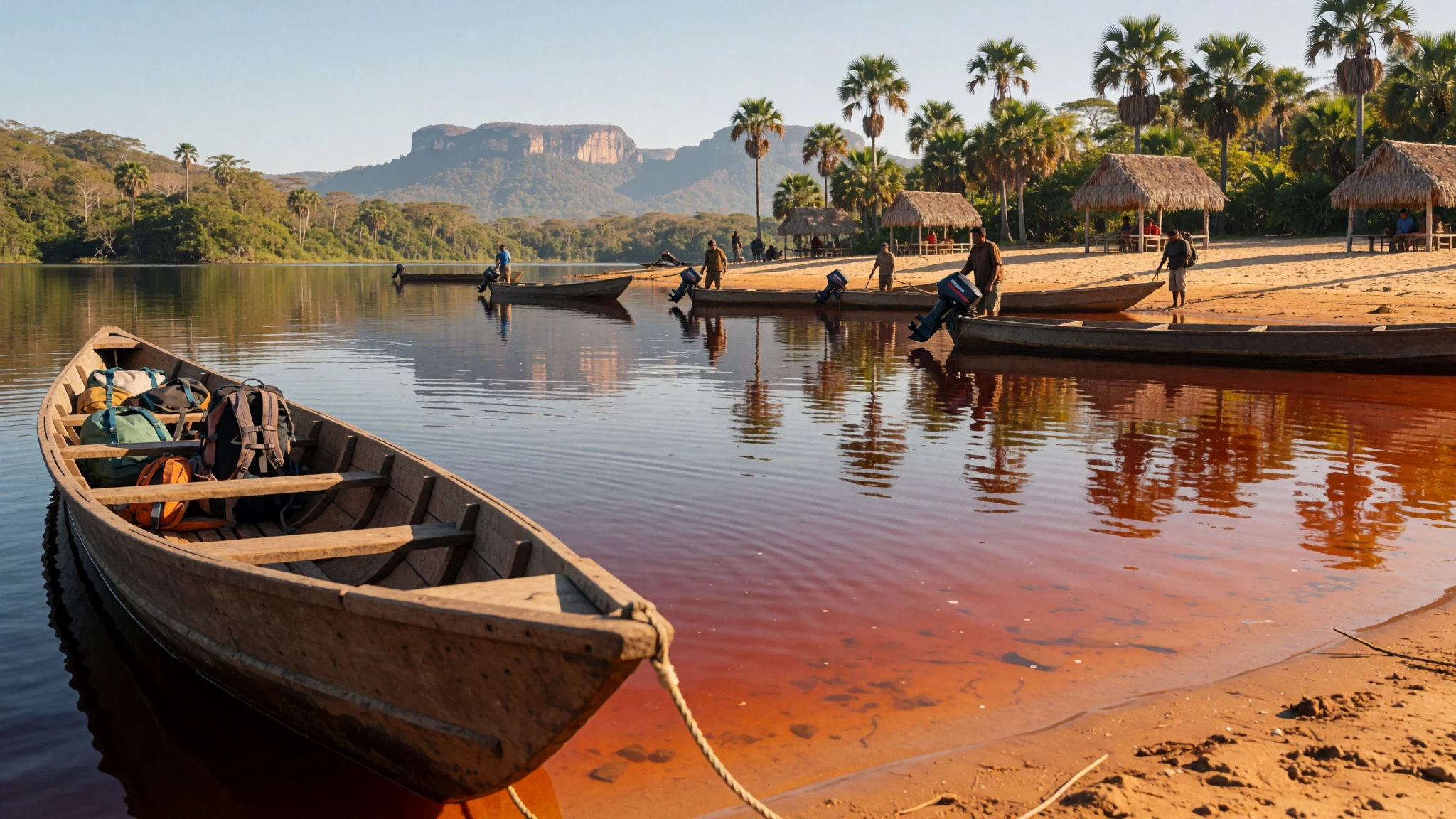
- Churún River — Gran Sabana
A winding tributary river that carries the rushing waters onward through dense tropical rainforest. Navigating these boulder-strewn waters requires immense skill from local Pemon boatmen during the wet season months, when the river runs high enough for canoes.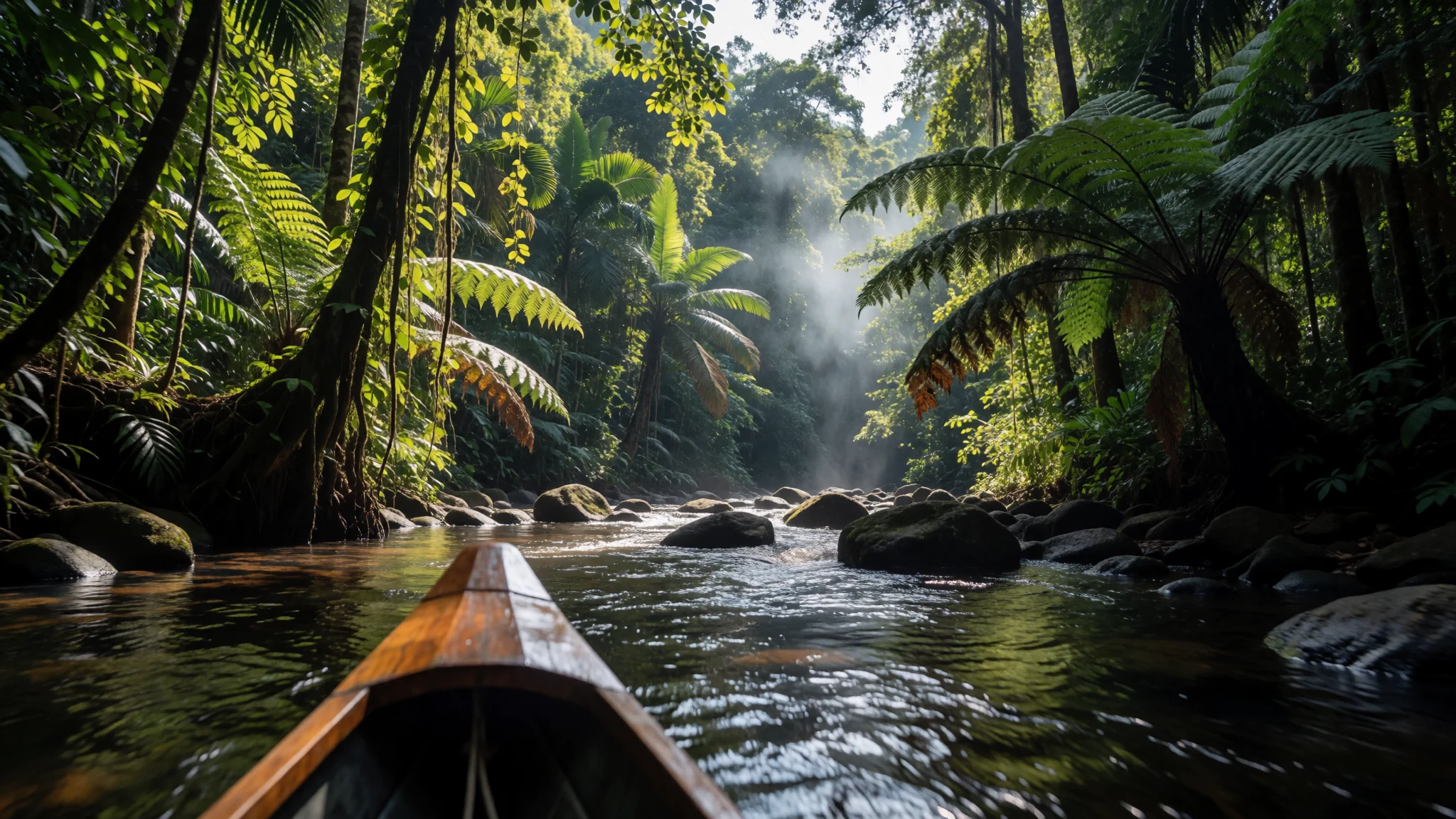
- Base Lookout Point — Angel Falls Base
A rocky viewpoint situated directly beneath the towering cliff face where visitors gaze straight up at the massive vertical drop. The air here fills with a fine mist and roaring sound as the water shatters against the boulders far below.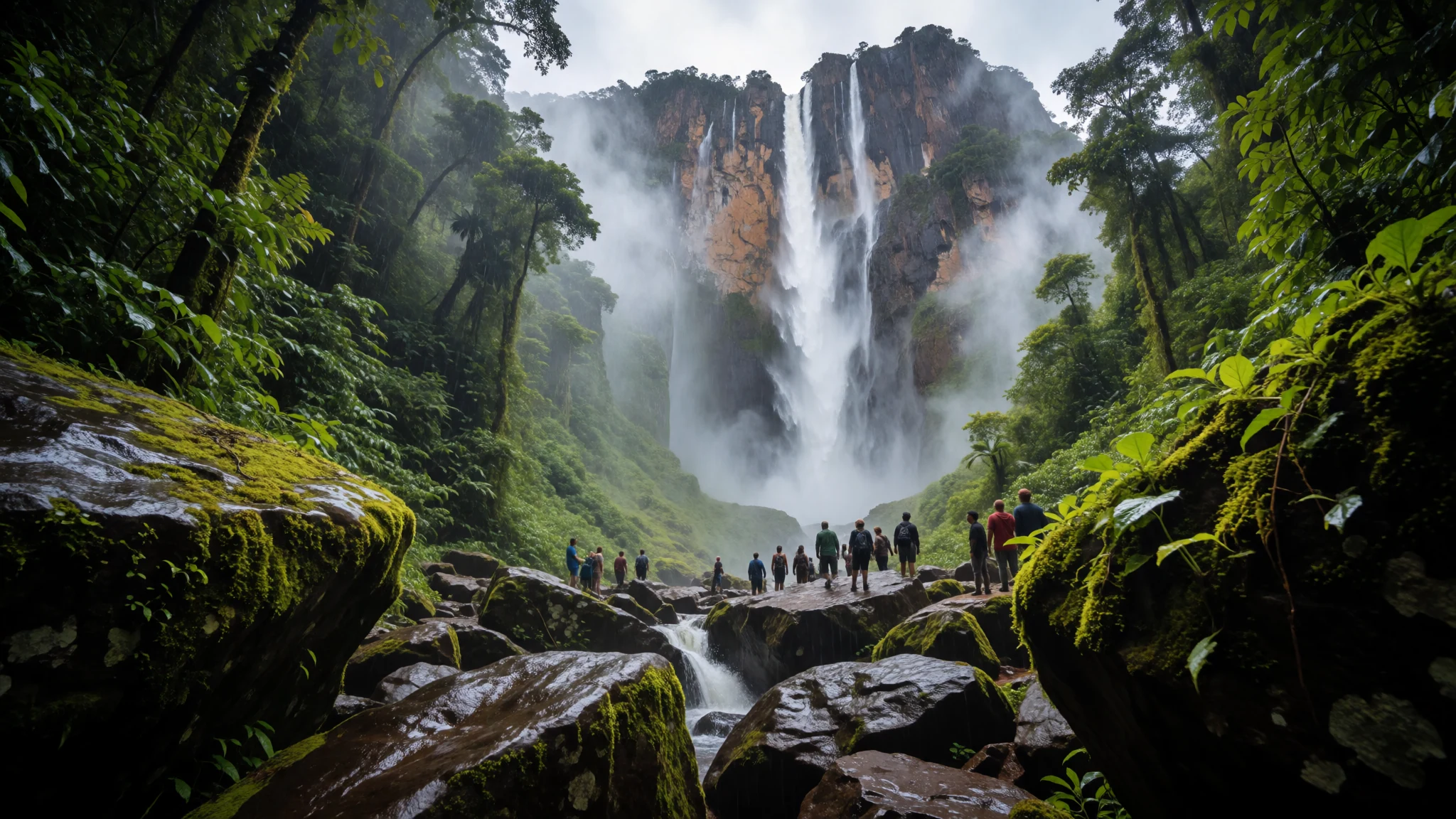
- Orinoco River Basin — Bolívar State
The massive drainage network that eventually receives the outflow from the smaller rivers originating near the tepuis. This vast watershed defines the geographical extent of the wider southern territory.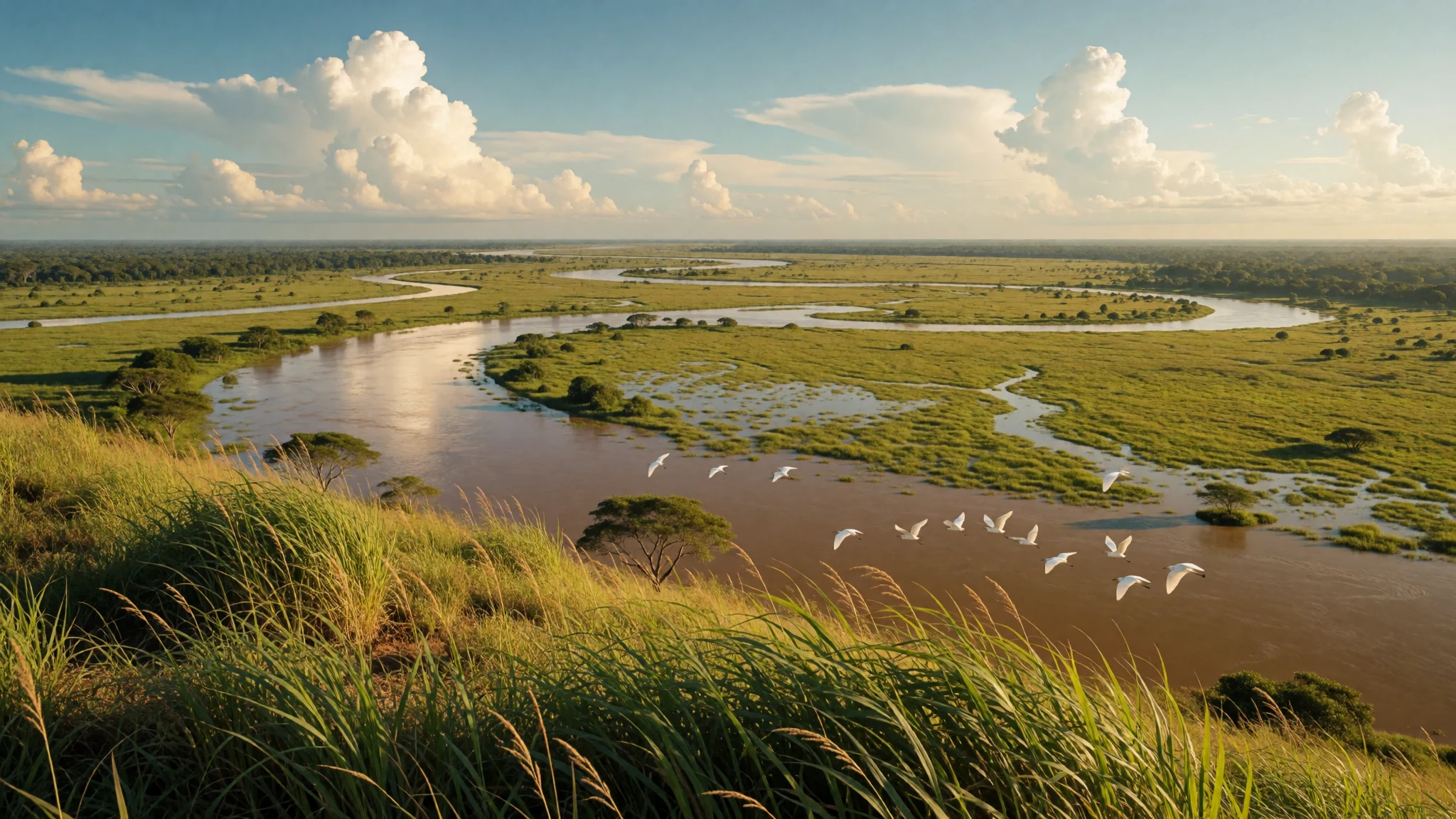
Culture
Angel Falls and the surrounding Canaima region are deeply intertwined with the cultural heritage of the Pemon people, who have inhabited these ancient highlands for generations. Their worldview is rooted in deep spiritual connections to the tepuis, which are regarded as sacred living entities and the homes of ancestral spirits. Traditional community life revolves around communal gathering, storytelling, and sustainable stewardship of the rainforest. Visitors to the region encounter a warm, welcoming culture among the local guides and lodge operators, who are eager to share knowledge of native plants, animal tracking, and river navigation. Traditional handicrafts include woven baskets, wooden carvings, and beadwork made from local forest materials. When visiting indigenous communities or entering sacred natural areas, travellers are expected to show profound respect for local customs and traditions, seeking permission before taking photographs of individuals. Always ask permission before photographing local Pemon residents or entering community spaces.
What to wear
At Angel Falls and throughout the remote communities of Canaima National Park, traditional indigenous dress has largely given way to practical, weather-appropriate clothing suited for tropical wilderness travel. Historically, the Pemon people wore minimal lightweight garments adapted to the hot, humid jungle climate, often utilising natural plant fibres and traditional body adornments for ceremonies. Today, local residents and indigenous guides generally wear durable modern casual wear, including lightweight trousers, cotton shirts, and sturdy footwear suitable for humid outdoor work. For visitors heading to Angel Falls, fashion is entirely functional rather than decorative. Packing should focus on quick-drying synthetic clothing, long sleeves to protect against insects and strong sun, and waterproof layers for sudden tropical downpours. Sturdy trekking boots with good grip are essential for navigating slippery jungle trails and rocky riverbanks. A wide-brimmed hat, UV-blocking sunglasses, and high-performance insect repellent complete the necessary gear for exploring this remote South American environment safely and comfortably.
What to eat
- Arepas — Local lodges and riverside base camps
Thick round maize flour patties grilled or fried until crisp on the outside and soft within. They are commonly stuffed with shredded beef, cheese, or black beans, providing a hearty meal at camp before heading out on river excursions.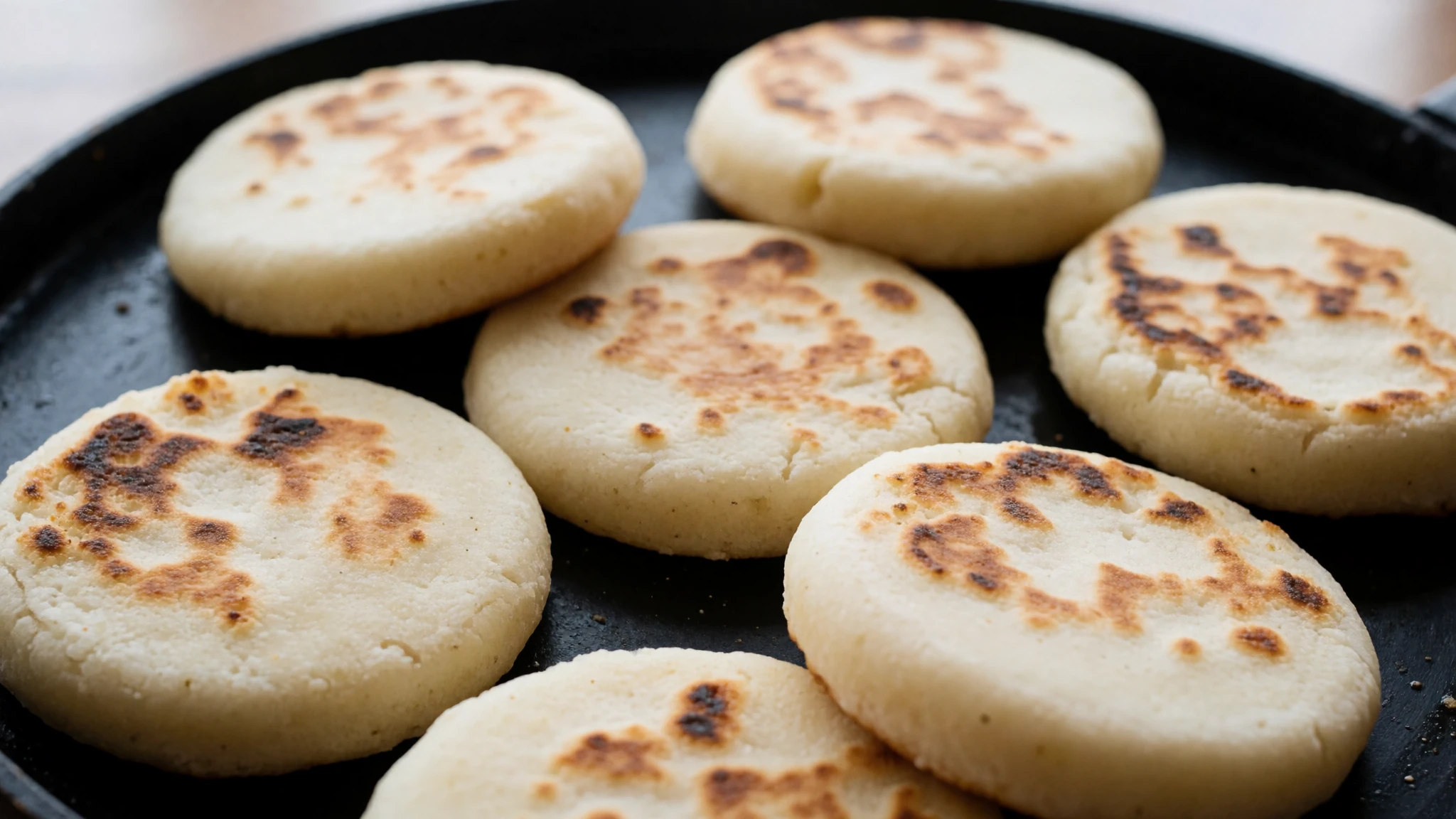
- Cachapas — Canaima village eateries
Sweet corn pancakes cooked on a hot griddle until golden brown and folded over a thick slab of fresh local white cheese. They offer a comforting, energy-rich taste of traditional Venezuelan cooking.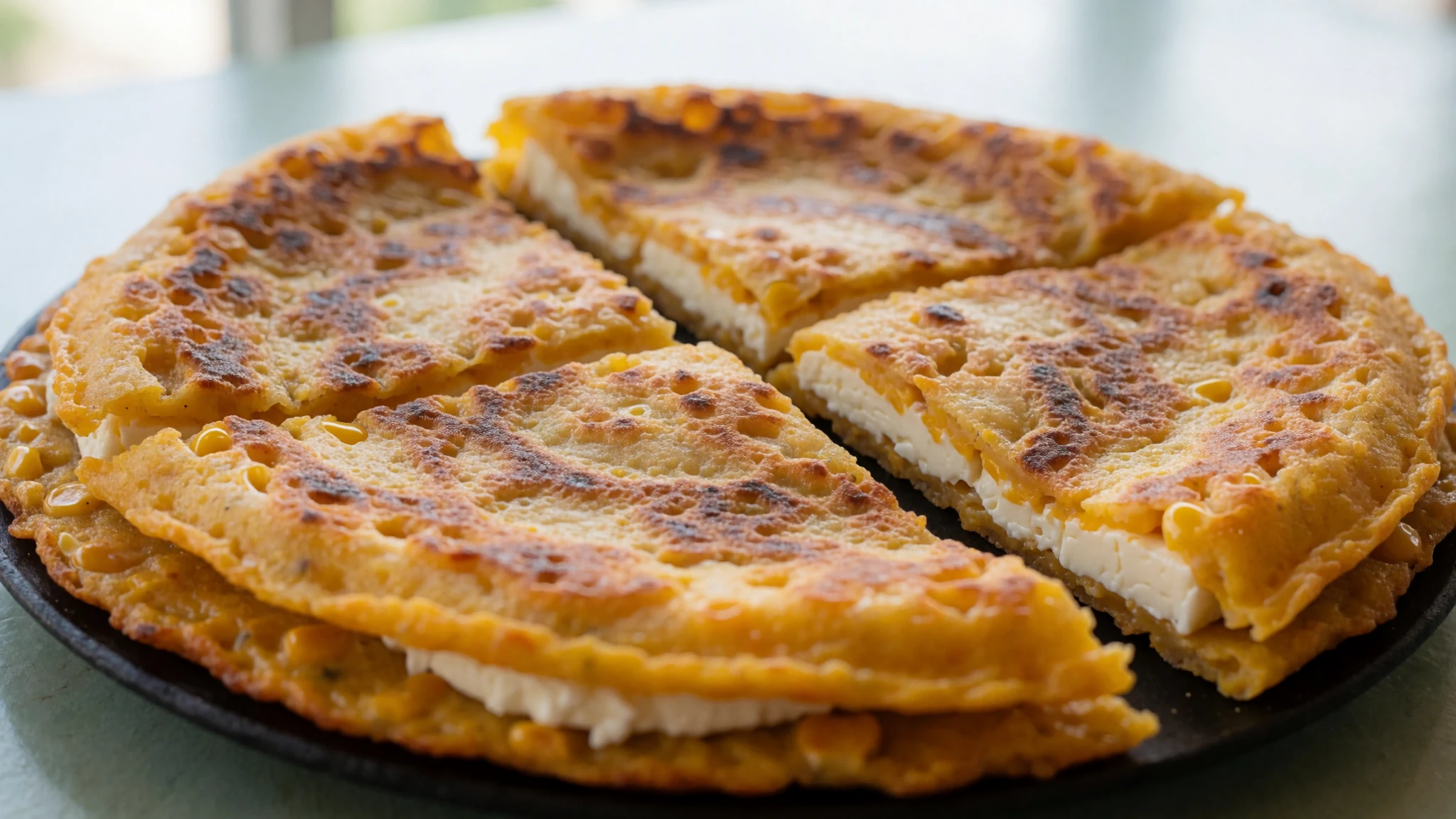
- Casabe — Pemon community kitchens
Crispy, flat unleavened bread made from bitter yucca flour, traditionally prepared by indigenous communities across the region. It is often served alongside stews or used to scoop up savoury local sauces. - Sancocho — Base camp dining areas
A thick, warming soup prepared with beef, chicken, or river fish combined with plantains, yuca, maize, and local herbs. It is typically served hot after a long day of boating on the jungle rivers. - Fresh Tropical Fruit — Riverside markets and jungle lodges
Juicy locally harvested papayas, mangoes, pineapples, and sweet plantains that provide refreshing hydration and natural energy during hot days spent exploring the Gran Sabana wilderness.
Plan it
Best time. June to December for river trips when water levels allow canoe navigation; the dry season from December to March features lower water volume.
How long. 3–4
Getting there. Take a domestic flight from Maiquetia Airport, Puerto Ordaz, or Ciudad Bolívar to Canaima camp, followed by a motorized river canoe journey.
Budget. high
Tips
- Book your jungle expedition and domestic flights well in advance through licensed operators
- Prepare for rugged, isolated conditions with very limited infrastructure
- Pack lightweight, quick-drying clothing and reliable rain gear for sudden tropical downpours
- Bring ample cash in small denominations for local fees and artisan crafts
Etiquette
- Always respect sacred tepui sites and follow your Pemon guide's instructions closely
- Ask permission before photographing local residents
Nearby
Sources
- Wikidata Q80299 (CC0)
- Wikipedia (rev 1378883448) (CC-BY-SA 4.0)
- Wikivoyage (rev 5261329) (CC-BY-SA 4.0)