Galápagos Islands
Galápagos Islands, Ecuador
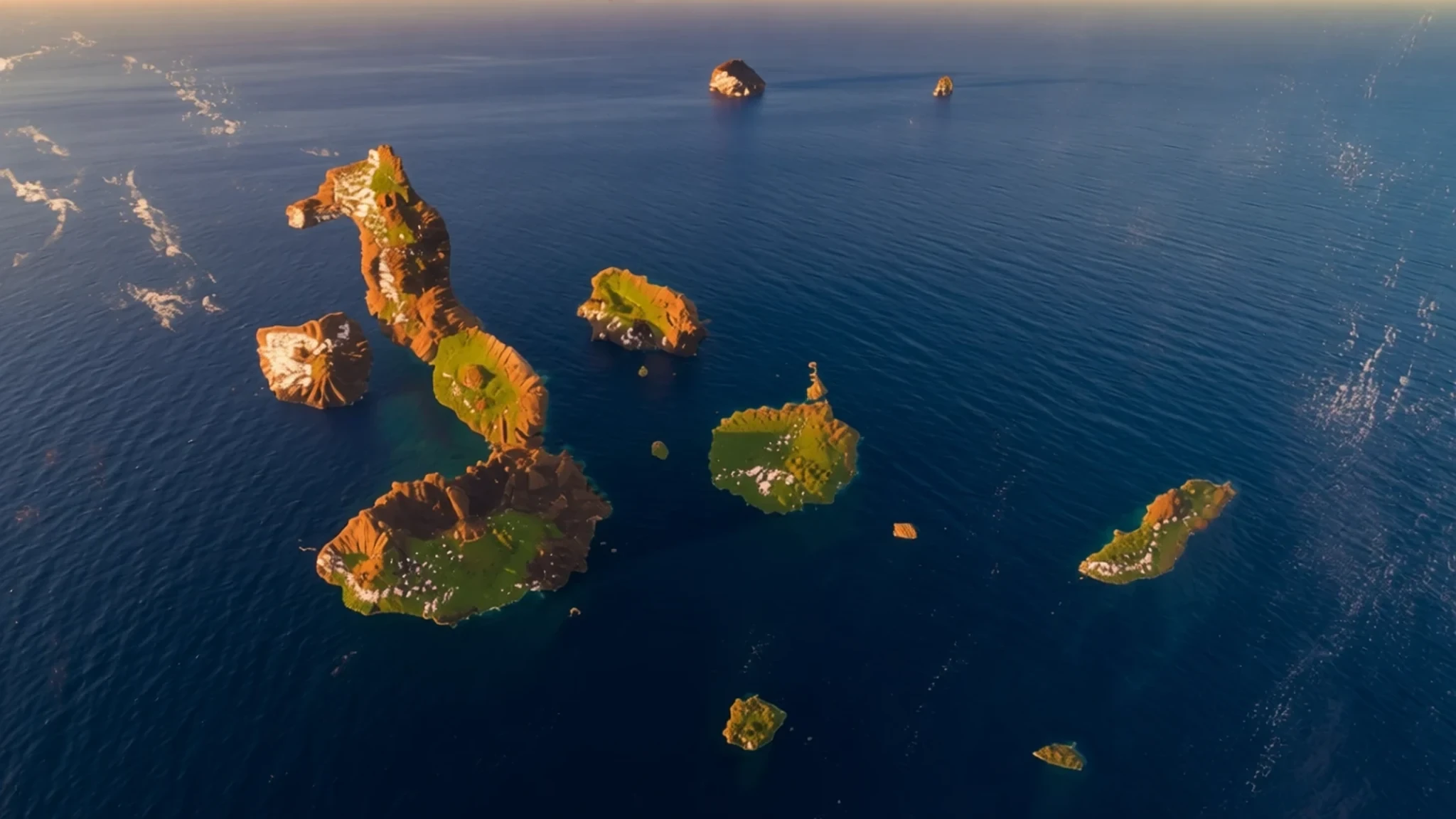
The Galápagos Islands offer incomparable wildlife encounters across volcanic landscapes that shaped modern evolutionary science in the Pacific Ocean.
The place
The Galápagos Islands form an isolated volcanic archipelago in the Eastern Pacific, resting squarely across the equator far off the coast of mainland South America. Administered as part of Ecuador, these isolated landmasses support a small permanent population concentrated primarily across three main administrative cantons. Geologically dynamic and remote, the chain is built from dark basaltic lavas, dramatic calderas, and arid coastal zones that transition into lush, mist-shrouded highlands in the interior.
What sets the Galápagos apart from any other destination on Earth is the startling lack of fear displayed by its endemic creatures. Because these islands evolved for millennia without large mammalian predators, marine iguanas, blue-footed boobies, and lumbering giant tortoises go about their daily lives entirely unbothered by human observers. This unique evolutionary laboratory famously inspired naturalists during the nineteenth century, forever altering our understanding of biology and natural selection. Today, the entire archipelago operates under rigorous national park protections and marine reserves designed to safeguard fragile terrestrial and underwater ecosystems from modern pressures while welcoming curious travellers from across the globe.
Its story
Long before European vessels stumbled upon these remote shores, the Galápagos sat largely untouched by human habitation. Early maritime visits remain shrouded in dispute, with historians debating whether ancient South American seafarers or legendary Inca expeditions ever reached the archipelago. The islands' formal recorded history began by chance when a Spanish bishop drifted off course while journeying southward along the Pacific coast.
Throughout the golden age of maritime piracy, buccaneers recognised the strategic isolation of the Galápagos, using sheltered bays as hidden anchorages to repair vessels and provision ships with fresh water and giant tortoises. These early visitors unwittingly altered the local ecology by introducing goats, rats, and feral animals that ravaged native species. By the nineteenth century, scientific exploration replaced exploitation. Naturalists and mapping expeditions arrived to study the astonishing diversity of finches, tortoises, and mockingbirds inhabiting the different islets. The insights gathered here provided the foundational evidence for revolutionary theories on evolution, cementing the archipelago's place in scientific history.
What to see
- Charles Darwin Research Station — Puerto Ayora, Santa Cruz Island
Situated in Puerto Ayora on Santa Cruz Island, this important facility serves as the scientific heart of the archipelago. Visitors can explore informative natural history exhibits, observe ongoing conservation projects, and learn about regional habitat restoration efforts while viewing mature land tortoises up close.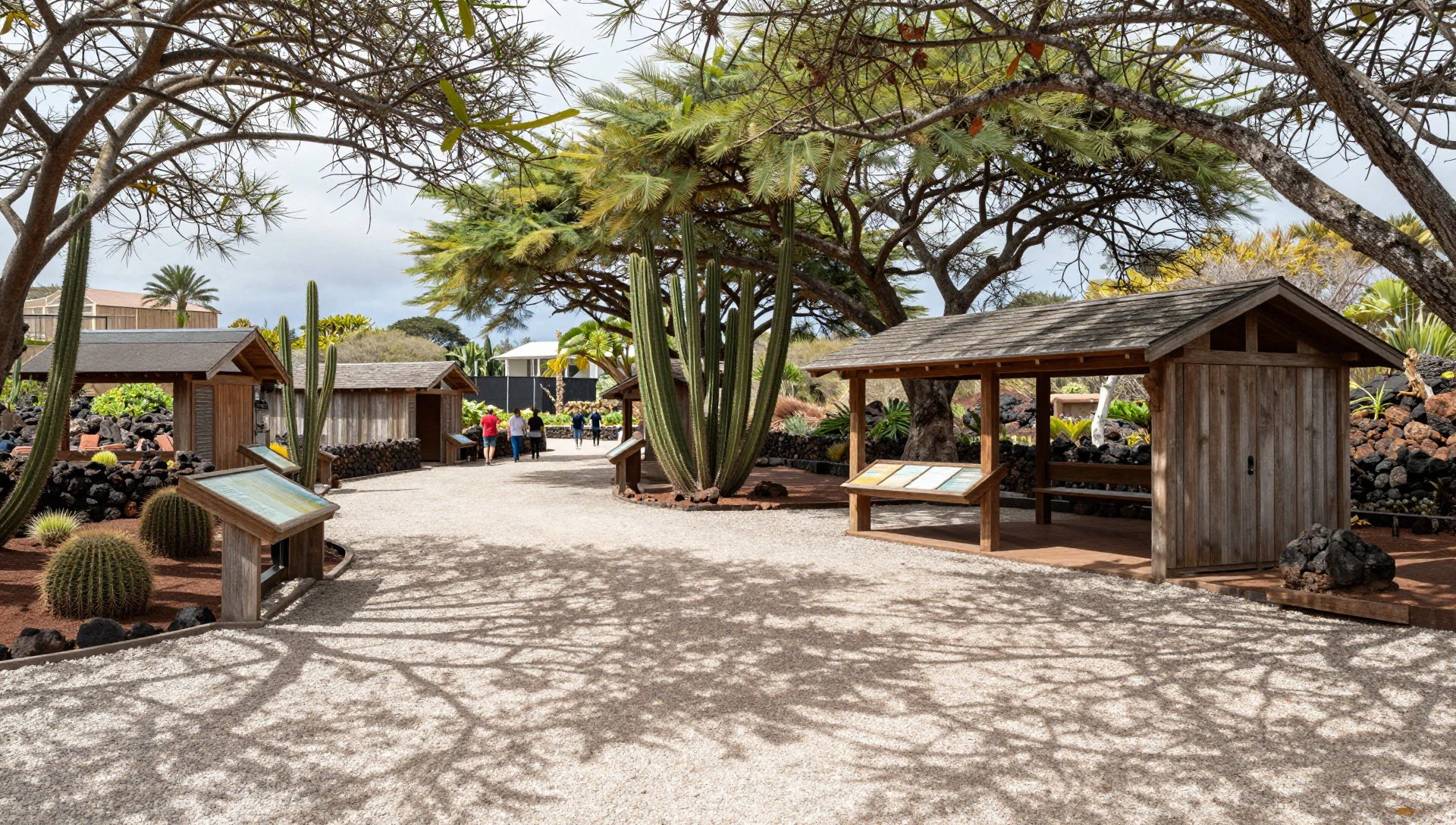
- Galapagos Interpretation Centre — Puerto Baquerizo Moreno, San Cristóbal Island
Located in Puerto Baquerizo Moreno on San Cristóbal Island, this cultural and educational hub guides visitors through the complex geological formation, human history, and natural evolution of the archipelago. Well-designed outdoor trails loop through native dry forests down to scenic coastal viewpoints.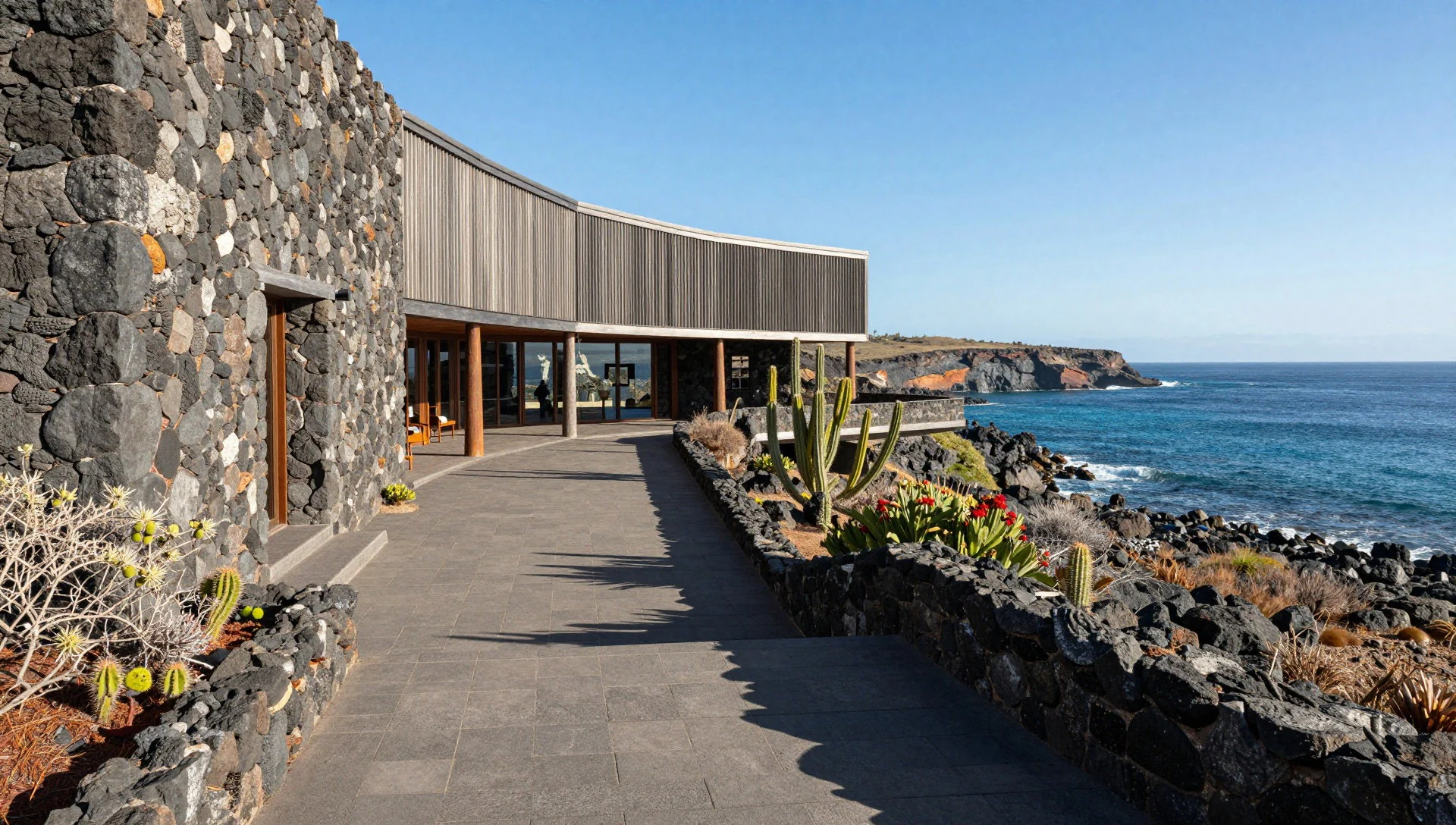
- Tortoise Breeding Centre — Puerto Villamil, Isabela Island
Found near Puerto Villamil on Isabela Island, this dedicated conservation site works tirelessly to rebuild declining populations of giant tortoises. Wooden boardwalks meander past shaded enclosures where visitors can witness hatchlings and juveniles before they are eventually returned to the wild.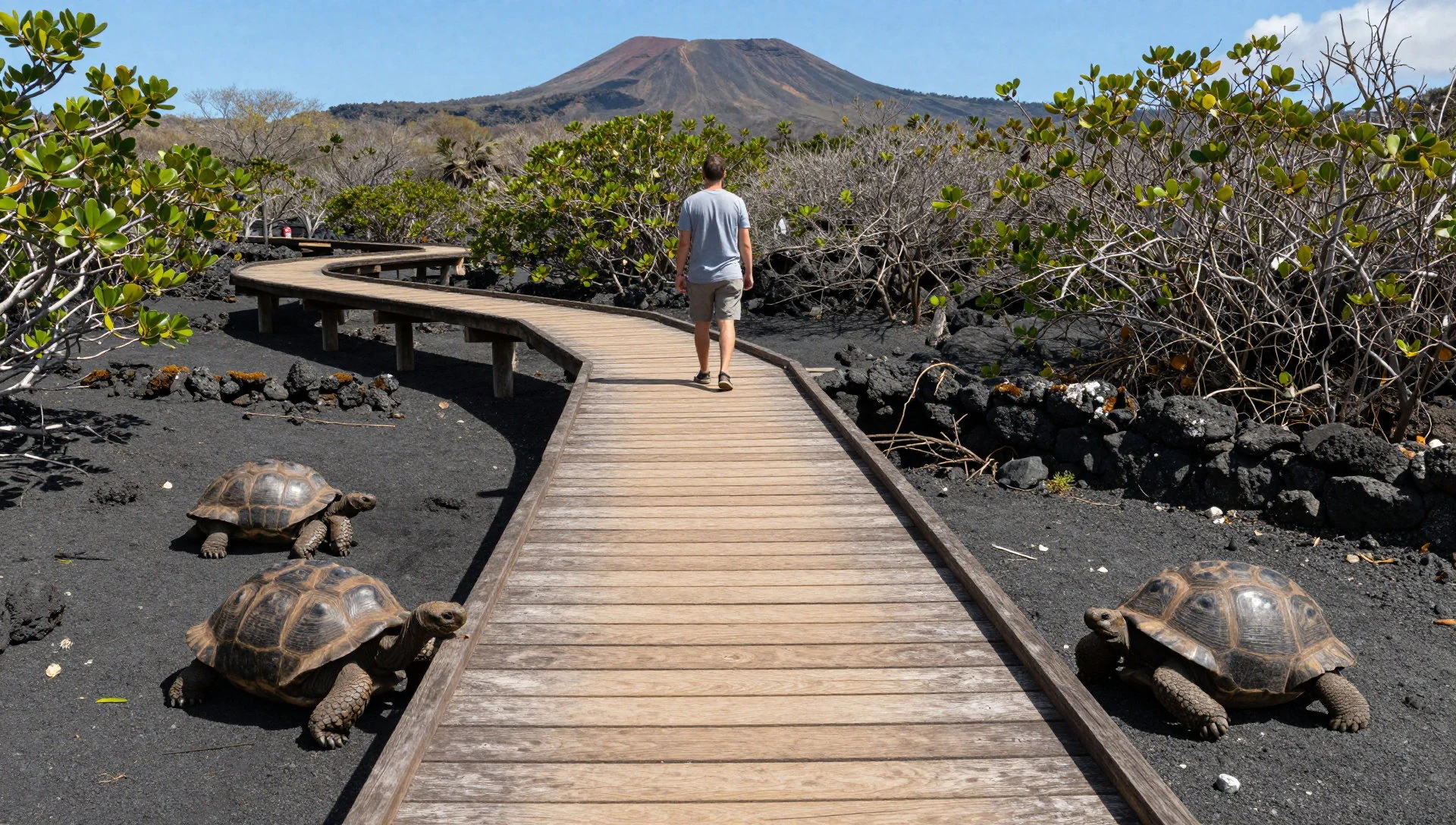
- North Seymour Island — North Seymour Island
This flat, uplifted volcanic block offers one of the most vibrant wildlife spectacles in the entire region. Visitors follow a marked loop trail past dense nesting colonies of blue-footed boobies and magnificent frigatebirds, often having to pause while land iguanas bask directly across the path.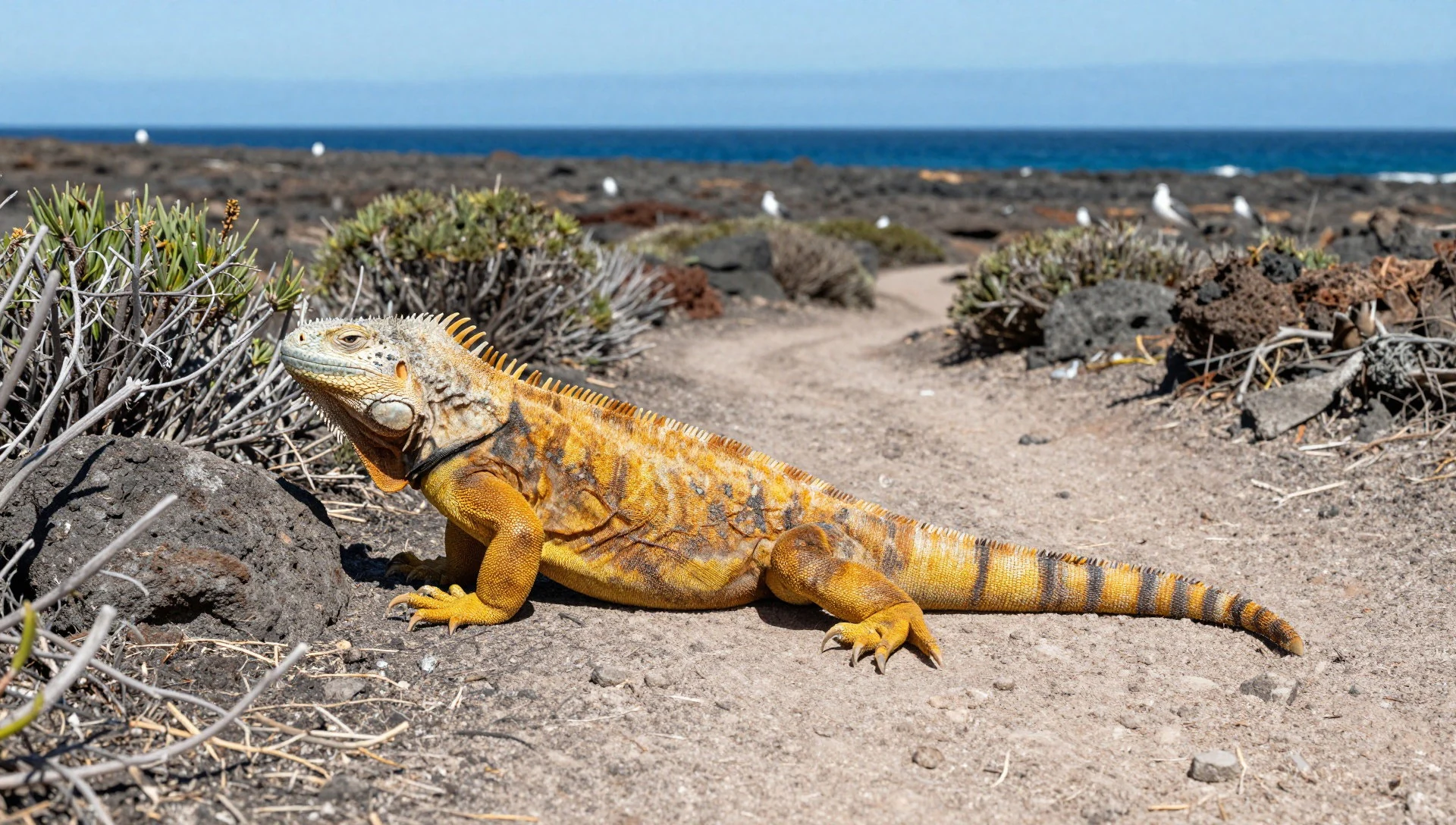
- San Cristóbal Highlands — San Cristóbal Island
Rising above the arid coastal fringes, the lush green highlands of San Cristóbal feature freshwater crater lakes and rolling mist-covered hills. This fertile interior provides a tranquil refuge where wild giant tortoises roam freely through rolling pastures and dense highland vegetation.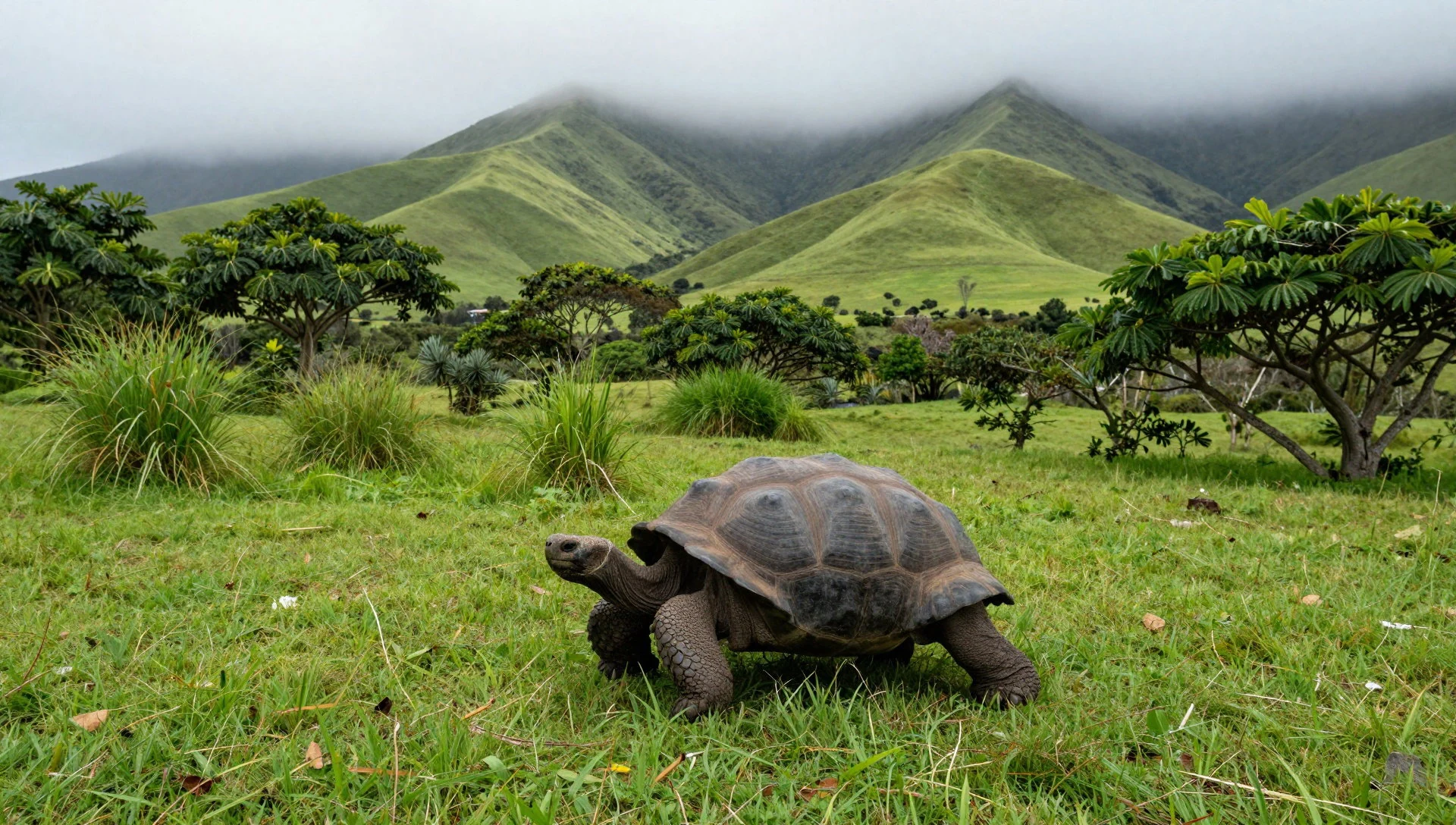
Culture
Life across the Galápagos is deeply intertwined with marine conservation, fishing traditions, and sustainable community living. The local population descends largely from mainland Ecuadorian settlers, fishermen, and scientists who have built tight-knit communities centred around port towns like Puerto Ayora and Puerto Baquerizo Moreno. Conservation ethics permeate daily routines, with residents acutely aware that their livelihoods depend entirely on protecting the delicate ecosystems surrounding them. Visitors will encounter a welcoming, unhurried atmosphere where community markets and family-run eateries celebrate coastal traditions. Because natural resources are strictly managed, residents and authorities work hand in hand to monitor introduced species and preserve native wildlife habitats. Always maintain a respectful distance of at least two metres from any wild animal and never attempt to feed or touch them.
What to wear
Traditional dress across the Galápagos Islands is practical and unpretentious, reflecting the warm equatorial climate and active coastal lifestyle rather than elaborate historical costumes. Locals working in towns and tourism generally wear comfortable, breathable cotton clothing, lightweight shirts, and sturdy footwear suited for walking on uneven surfaces and volcanic terrain.
Modern everyday attire for residents and visitors alike prioritises sun protection and comfort. Lightweight linen shirts, shorts, breathable trousers, and wide-brimmed hats are standard daily wear. For visitors exploring the islands, proper packing requires quick-drying activewear, rash guards for snorkelling, sturdy walking shoes or trekking sandals with good grip, and a waterproof windbreaker to handle sudden coastal drizzles. Modest casual wear is appropriate for dining in local eateries and exploring town streets after sunset.
What to eat
- Ceviche de Camarón — Local waterfront stalls and seaside eateries in Puerto Ayora
A refreshing local favourite featuring tender shrimp marinated in lime juice, tossed with red onions, tomatoes, and fresh coriander, served alongside crunchy toasted maize or plantain crisps.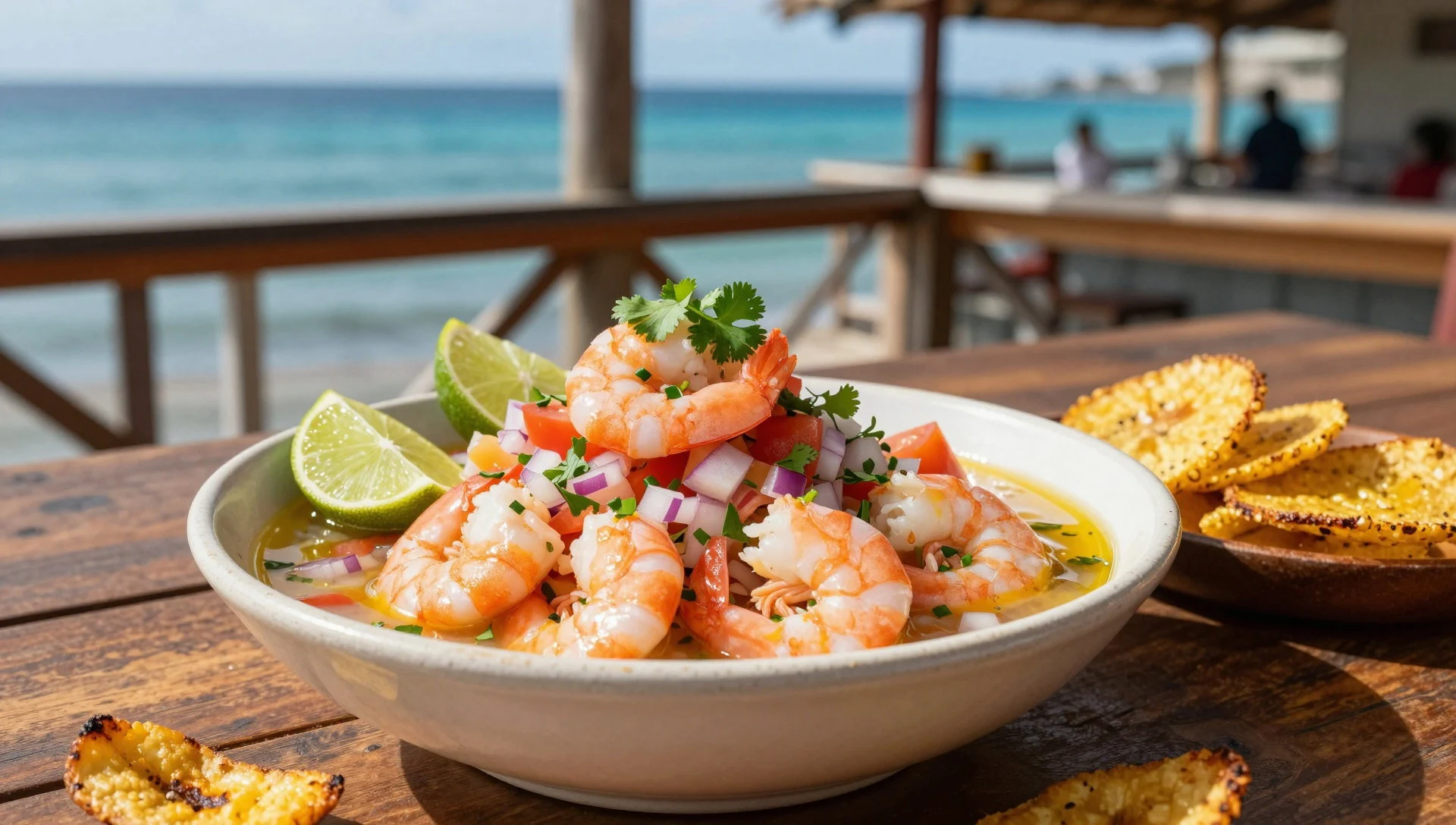
- Encocado de Pescado — Family-run restaurants in Puerto Baquerizo Moreno
Fresh catch of the day gently simmered in a rich, aromatic sauce made from fresh coconut milk, onions, peppers, and mild spices, traditionally served with white rice and fried plantains.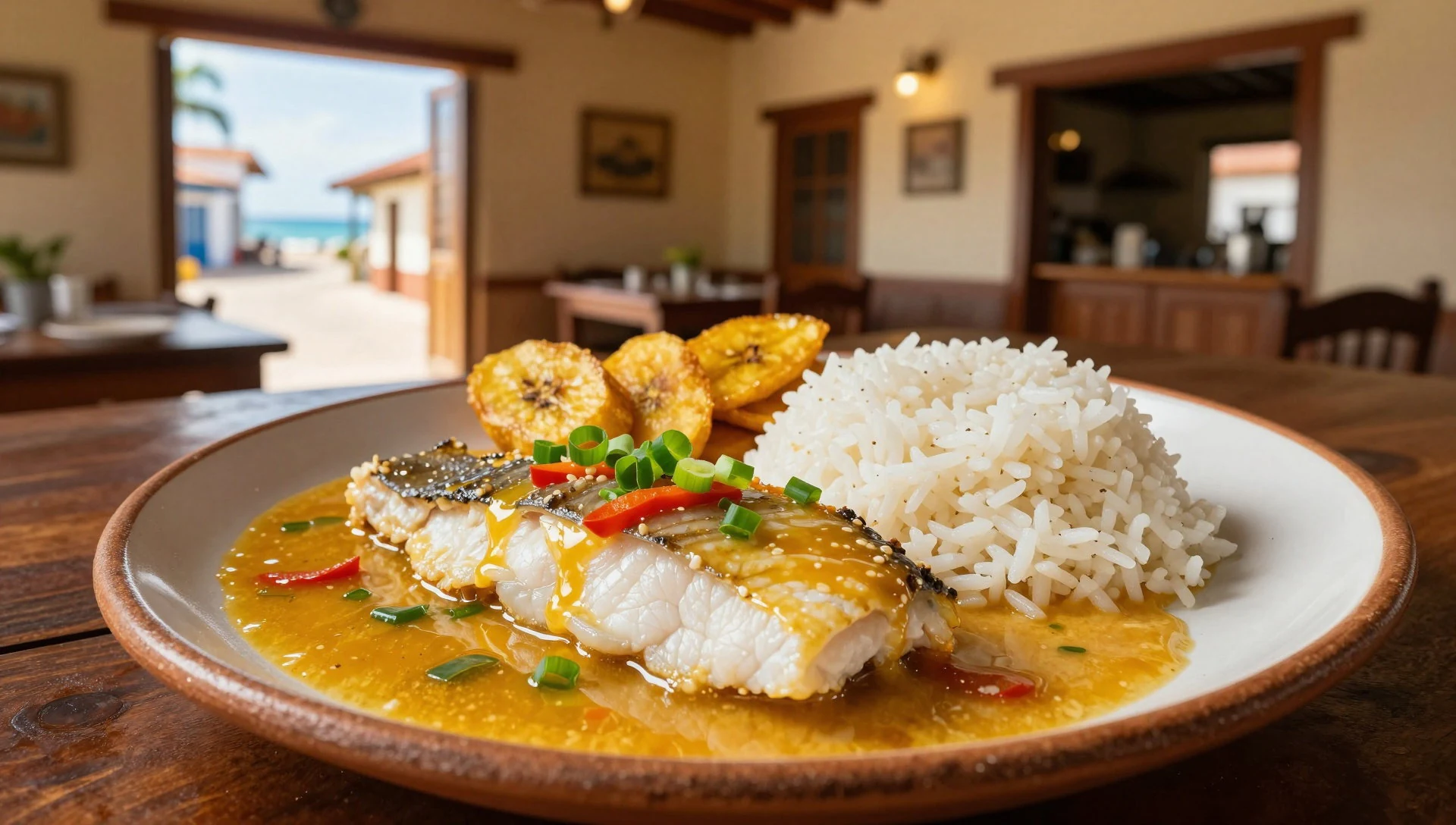
- Arroz con Pollo — Traditional neighbourhood lunch spots across Isabela Island
A comforting classic of tender chicken pieces braised with rice, garlic, onions, peas, and bell peppers, seasoned with local herbs and served piping hot with a fresh side salad.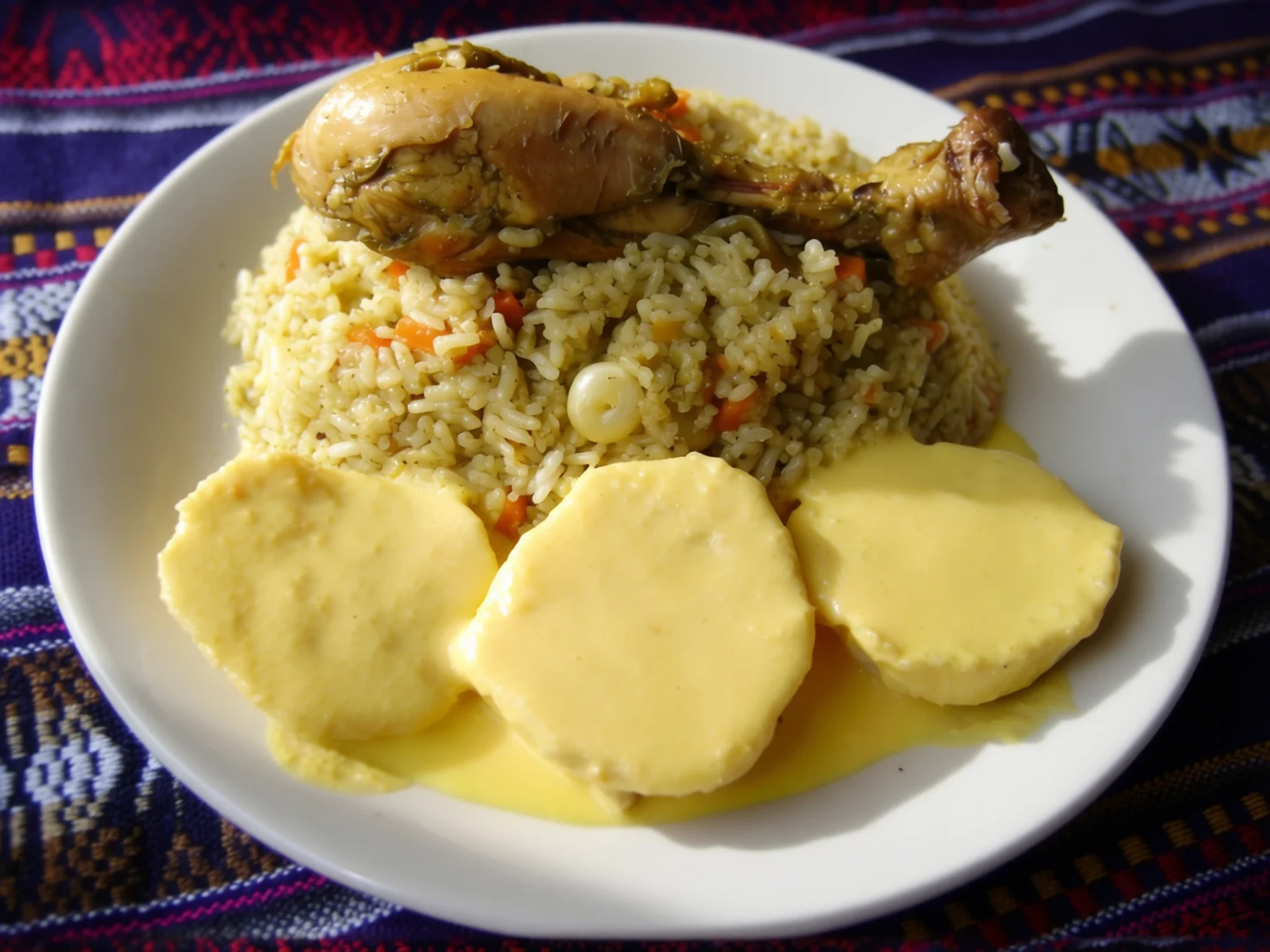
- Bolón de Verde — Morning markets and neighbourhood breakfast cafés
Mashed green plantain dumplings stuffed with savoury cheese or fried pork rinds, shaped into dense spheres and fried until golden and crisp, popular for a hearty morning meal. - Canchita — Any traditional coastal restaurant or evening food stall
Crunchy toasted corn kernels lightly salted and served as a complimentary appetiser before meals, offering a satisfying snack while waiting for freshly prepared seafood dishes.
Plan it
Best time. December to May brings warmer waters, sunny skies, and calm seas ideal for snorkelling; June to November brings the cooler garúa season with steady winds, frequent coastal drizzles, and active seabird breeding.
How long. 5–7
Getting there. Fly from mainland Ecuador via Quito or Guayaquil to airports on Baltra Island or San Cristóbal Island, followed by short airport shuttle buses and passenger ferries to the main towns.
Budget. high
Tips
- Book national park excursions and cruise itineraries months in advance
- Pack reef-safe sunscreen and a sturdy dry bag for wet island landings
- Carry sufficient cash, as ATMs in smaller towns can be unreliable
- Start morning walks early to beat the midday equatorial heat
Etiquette
- Keep at least two metres away from all wildlife at all times
- Stay strictly on marked trails and never remove sand, shells, or volcanic stones
Nearby
Sources
- Wikidata Q38095 (CC0)
- Wikipedia (CC BY-SA 4.0)
- Wikivoyage (CC BY-SA 4.0)