Biarritz
Biarritz, France
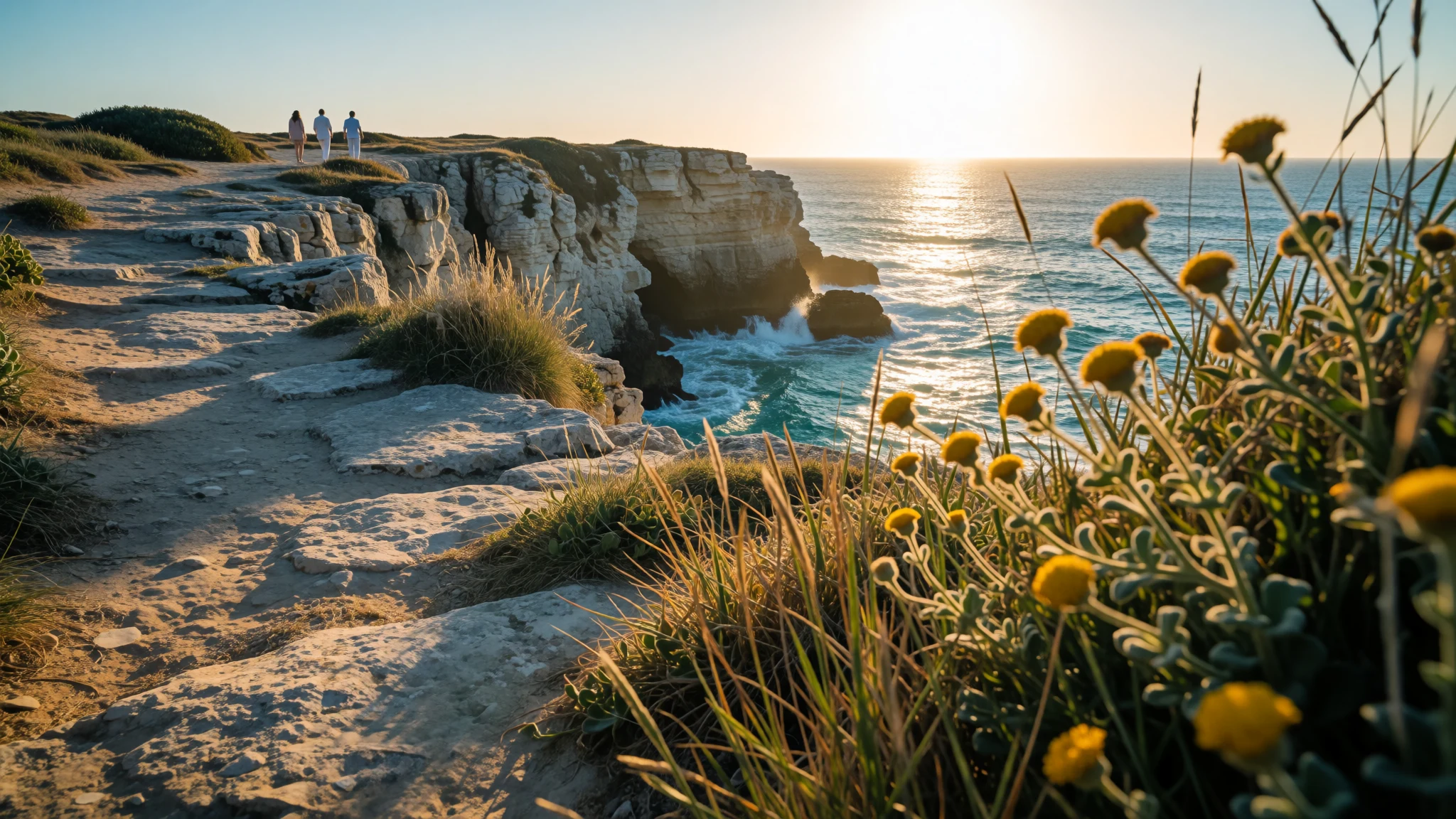
Biarritz offers Atlantic surf, an empress's palace hotel and Basque food on one compact stretch of the French coast, close to Spain.
The place
Biarritz sits on the Bay of Biscay in the French Basque Country, in the Pyrénées-Atlantiques department of Nouvelle-Aquitaine. It has a population of 26,206, and the town centre lies only about 27 metres above sea level. Bayonne and Anglet are its direct neighbours, so on the ground the three run into one another along the coast, and the Spanish border is a short drive south. Historically the town belongs to the province of Labourd. What gives Biarritz its character is the mix. It is a resort built for an empress, with a grand palace hotel and seafront casinos, set beside a surf scene that is relaxed, wetsuited and cheerfully scruffy. Rocks stand out in the sea, headlands split the beaches into separate pockets, and the light changes fast when Atlantic weather rolls in. The climate is temperate oceanic: mild winters, warm but rarely scorching summers and rain at any time of year. It is a wet corner of France, so a dry day is never guaranteed. In July and August the main beach is packed and the lanes behind it fill with day-trippers from Spain and the rest of France. Spring and autumn are calmer, the sea still carries swell, and restaurants have free tables. The centre is compact enough to cross on foot in an easy morning, though the hills make it a workout. Basque and French names sit side by side on signs, a reminder that this is a border culture as much as a resort.
Its story
People lived around Biarritz long before anyone thought of it as a resort: stones from the Middle Palaeolithic show the area was occupied in that distant age. The name first appears in writing in a Bayonne cartulary of 1186, as Bearids, and a variant spelling, Beiarrids, follows some years later. The first settlement grew on high ground to the south and inland, near the église Saint-Martin, the town's oldest church. In the medieval period the area was caught up in the politics of Aquitaine. After Eleanor of Aquitaine married Henry II of England in 1152, English kings became overlords of the duchy, and Gascony and the Basque coast were drawn into an Anglo-French world. Two population centres are recorded in those centuries, which suggests a scatter of communities rather than one town. The change that made modern Biarritz came in the mid-nineteenth century, when the Empress Eugénie's liking for the coast led to the building of what became the Hôtel du Palais, around 1855. Royalty and aristocrats followed, casinos opened along the front, and a fishing community turned into a fashionable seaside town. A share certificate for the Grand Casino Municipal, issued in 1900, survives as a trace of that boom. Surfing arrived much later and gave the town a second identity, so the story now runs from empress to board-riders with little embarrassment about either.
What to see
- Grand Plage — Town centre seafront
Biarritz's main beach lies in front of the casino and the old seafront hotels, with a wide promenade above it. It is the most crowded stretch in summer, so go early or in the evening. The esplanade gives the best overview of the bay, the headlands and the Atlantic swell.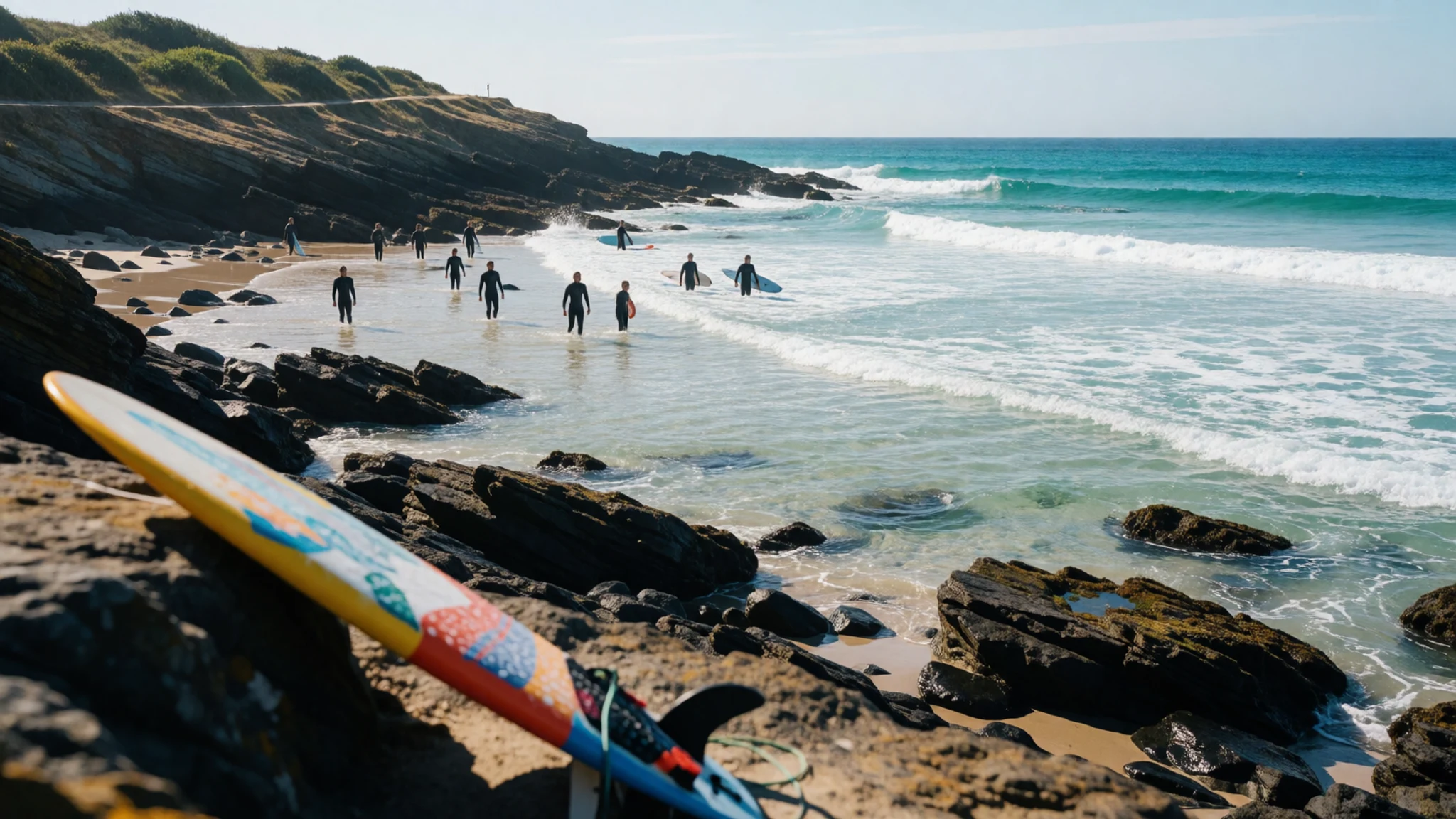
- Côte des Basques — South of the centre
This long surfers' beach runs below the clifftop road. At high tide there is almost no sand left, while at low tide it opens into a broad, excellent surf spot. Check tide times before walking down, and watch beginners' lessons along the shoreline.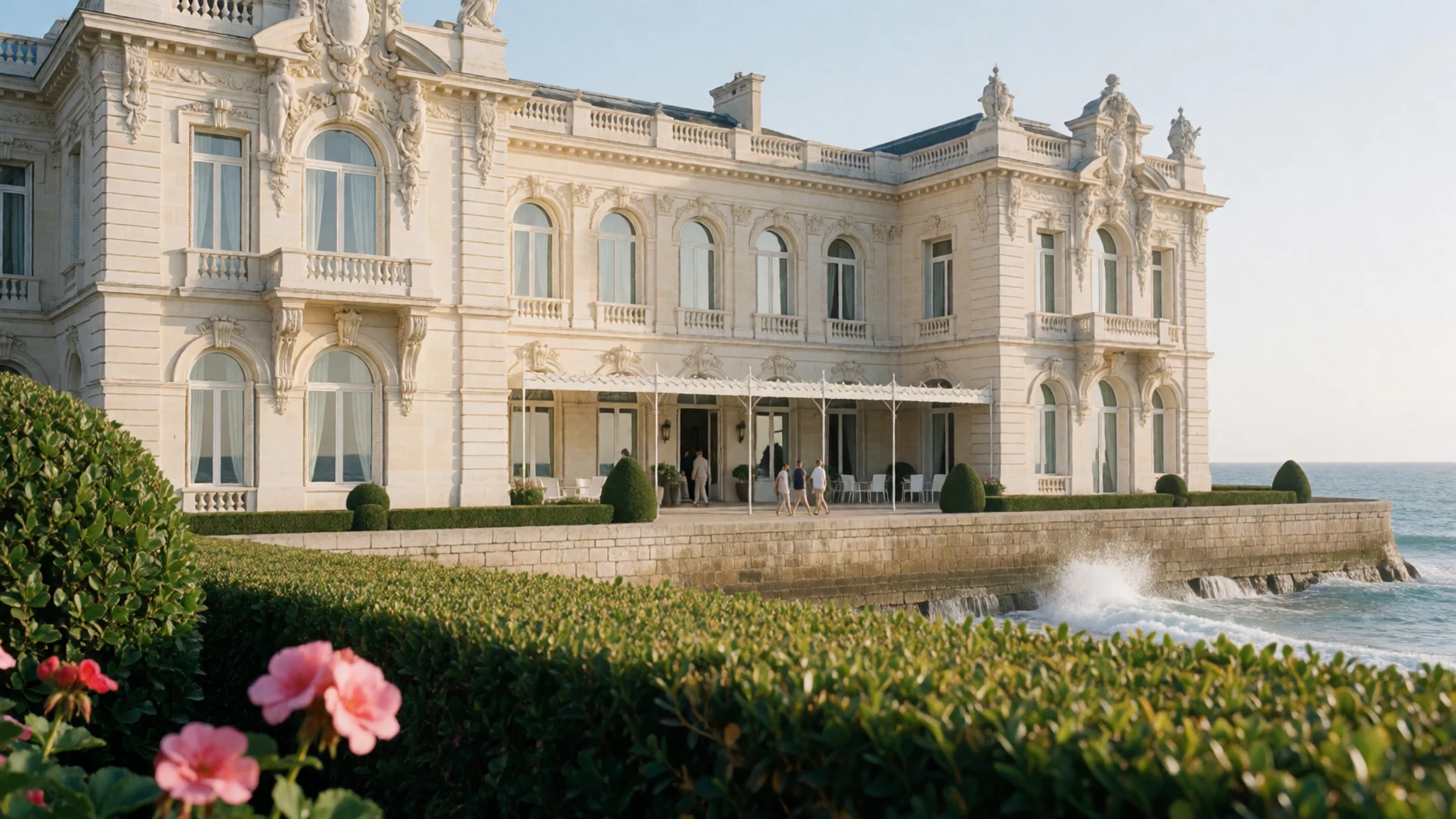
- Hôtel du Palais — Grande Plage seafront
The palace hotel started life as a seaside villa for the Empress Eugénie, built around 1855, and still dominates the front. Non-guests can admire the façade and grounds from the street and the beach. Check the hotel's own site if you want to look inside or book a table.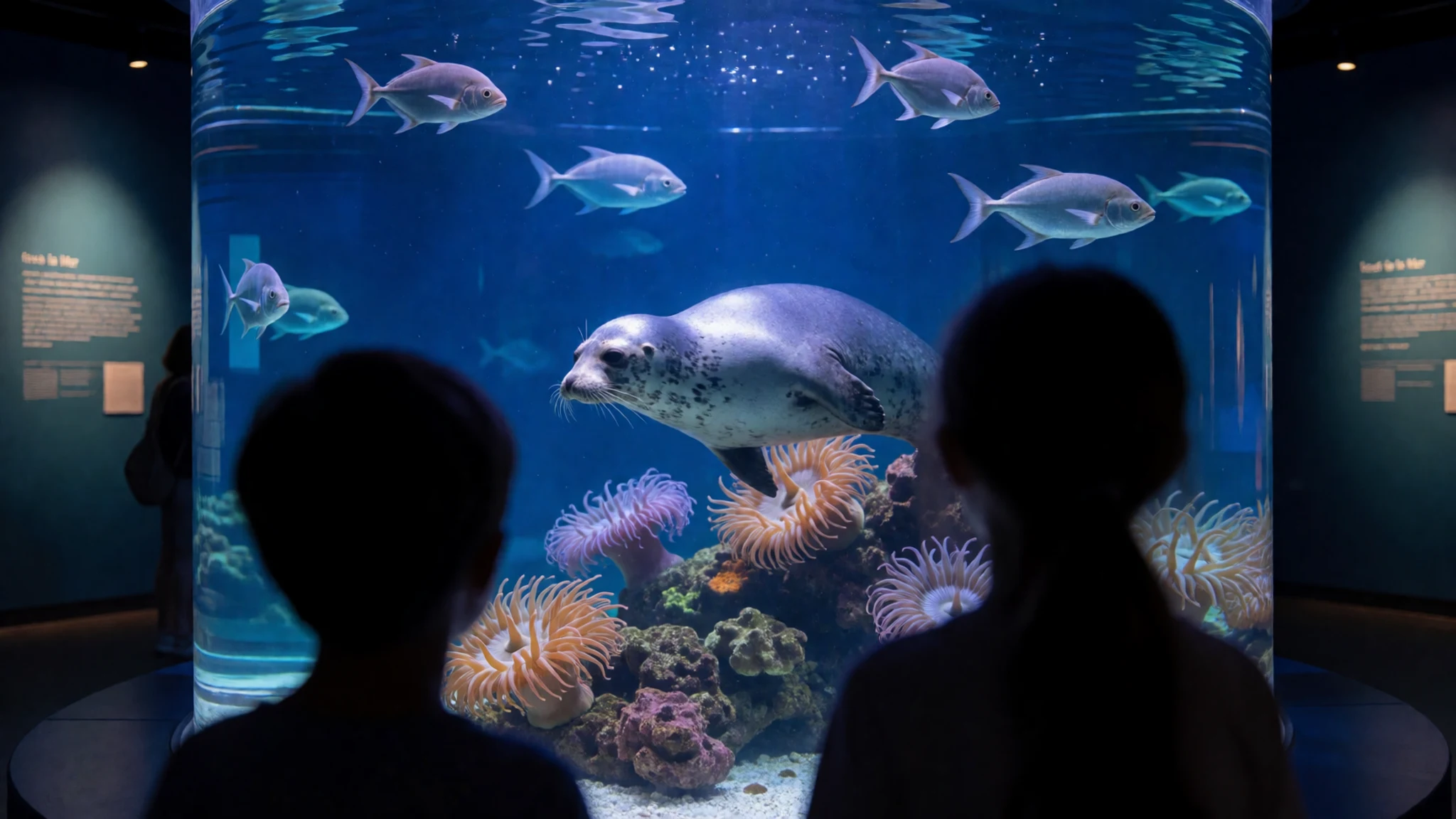
- Port Vieux and the coastal rocks — Old port, west of the centre
A small, sheltered beach near the Esplanade du Port Vieux suits swimming when the surf beach is closed. Walking the clifftop paths nearby brings you to the rocks standing in the sea, which are the town's most photographed view, especially in late light.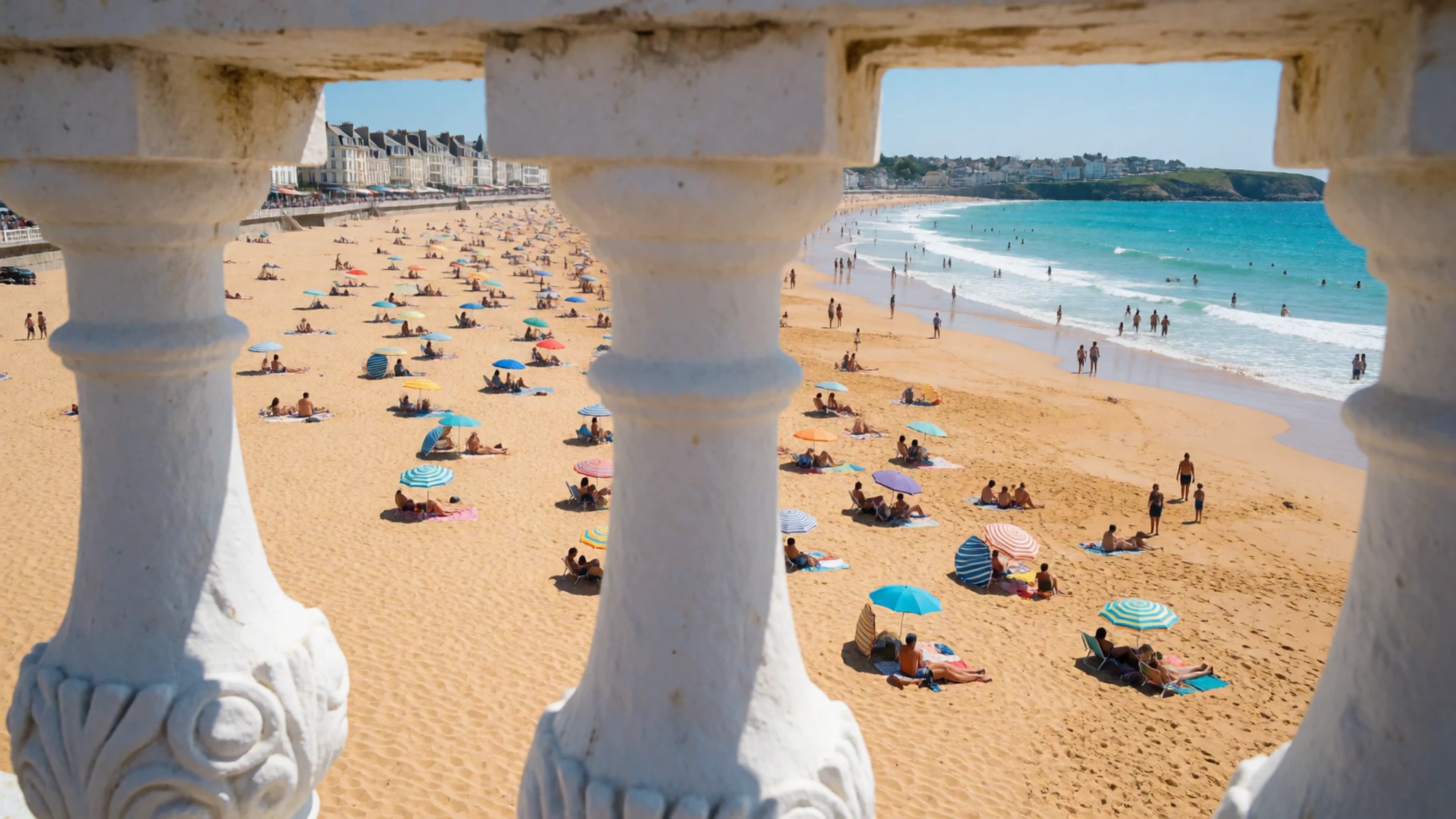
- Museum of the Sea — Rocher de la Vierge headland
The seafront museum has aquariums with fish, anemones, sharks and seals, along with displays on fishing in earlier centuries, birds and whaling. It works well on a wet day and with children. Opening hours and prices change, so check the official site for current details.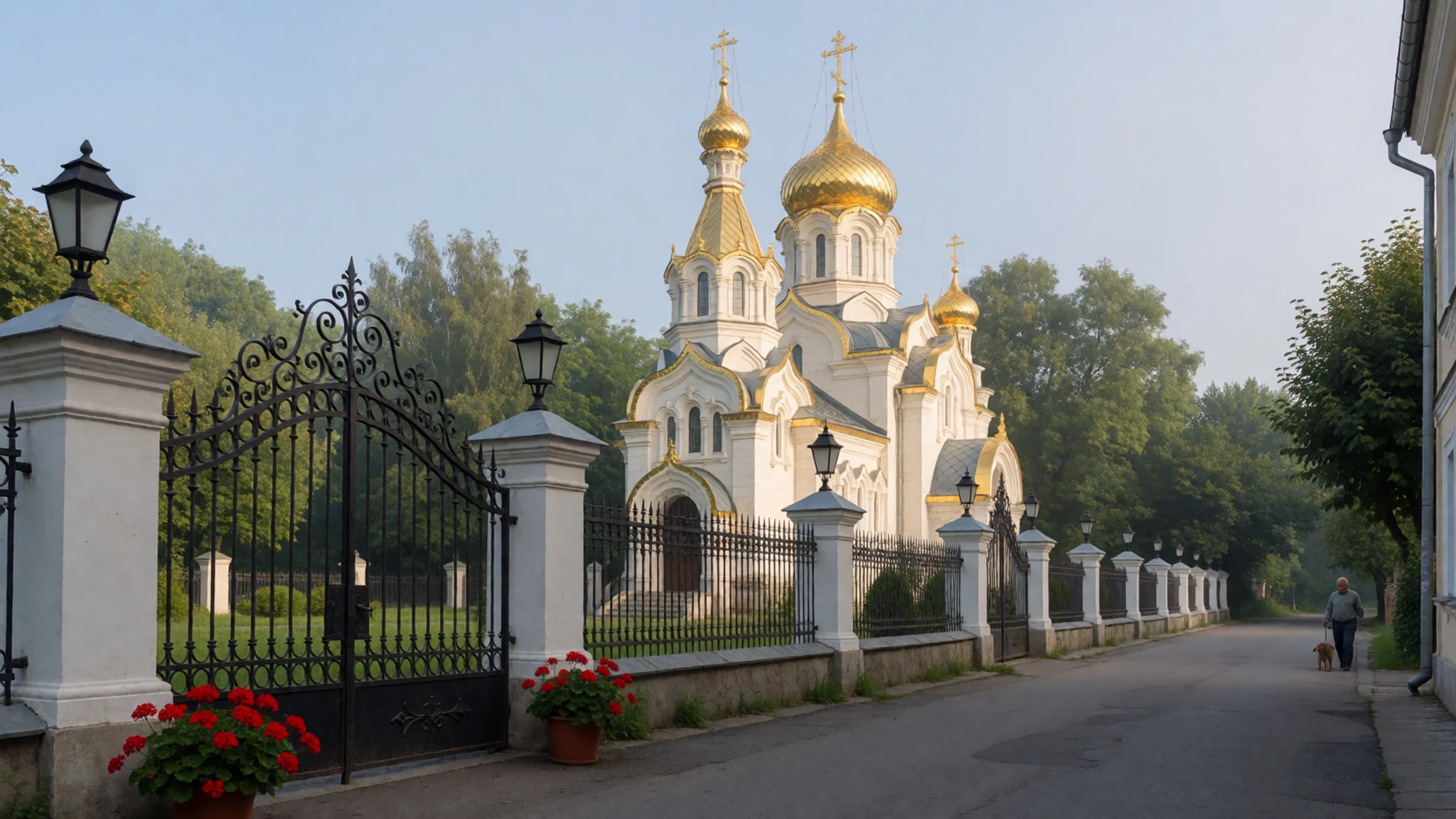
Culture
Biarritz stands on a cultural seam. It shares its position between Gascony and the Basque Country with neighbouring Bayonne and Anglet, and historians still disagree over whether its original tongue was Basque or Gascon. A linguistic atlas treats it as a Gascon town, yet a mid-nineteenth-century survey placed the northern edge of Basque here, with some districts using it daily. French took over through the twentieth century, but since the 1990s the town hall has backed Basque language and culture, while private groups such as the Gascon association Ací Gasconha keep the other tradition alive. Bilingual signs and local festivals reflect that revival. The town has two further cultural layers. One is imperial and Belle Époque: a palace hotel, casinos, a Russian Orthodox church and villas that recall the aristocratic visitors who made it fashionable. The other is surf culture, which brought boards, wetsuits and a sociable beach routine to the same shoreline, and which sits easily beside the grander buildings behind it. The Museum of the Sea and a museum of Asian art give shelter on grey days, and rain is part of the local rhythm, so cafés fill quickly when a shower arrives. Greet staff with a bonjour before asking anything in a shop or café, and in the water give way to the surfer already standing on the wave.
What to wear
Biarritz borrows its traditional dress from the wider Basque Country. The best-known pieces are the txapela, a flat wool beret, and espadrilles, canvas shoes with rope soles, known locally as alpargatas. Striped Basque linen, woven in bold bands, turns up in tablecloths, tea towels and summer shirts. At festivals in the area the classic outfit is white clothing with a red neckerchief and sash, worn mostly on feast days and at folk performances rather than in daily life. Day to day, Biarritz dresses for the sea. Wetsuits, board shorts, hoodies and rubber sandals are ordinary wear near the beaches, while in the evening the town leans smarter, with linen shirts, light jackets and neat shoes for the casino and hotel bars. Visitors should treat the weather as changeable: bring a windproof, a light waterproof and an extra layer for evenings, even in summer. Swimwear belongs on the beach, so put on a shirt and shoes for cafés and shops, and cover shoulders and knees when stepping into a church. Flat shoes with grip help on wet rocky paths and the steps down to the beaches, and a sun hat and sunscreen matter because the Atlantic glare is strong on clear days.
What to eat
- Gâteau basque — Bakeries and pâtisseries around the centre
A tender, buttery cake filled with either almond cream or black cherry jam. It is a staple of the region's pâtisseries and is easy to carry on a beach walk. Try slices from a good local bakery rather than a packaged one.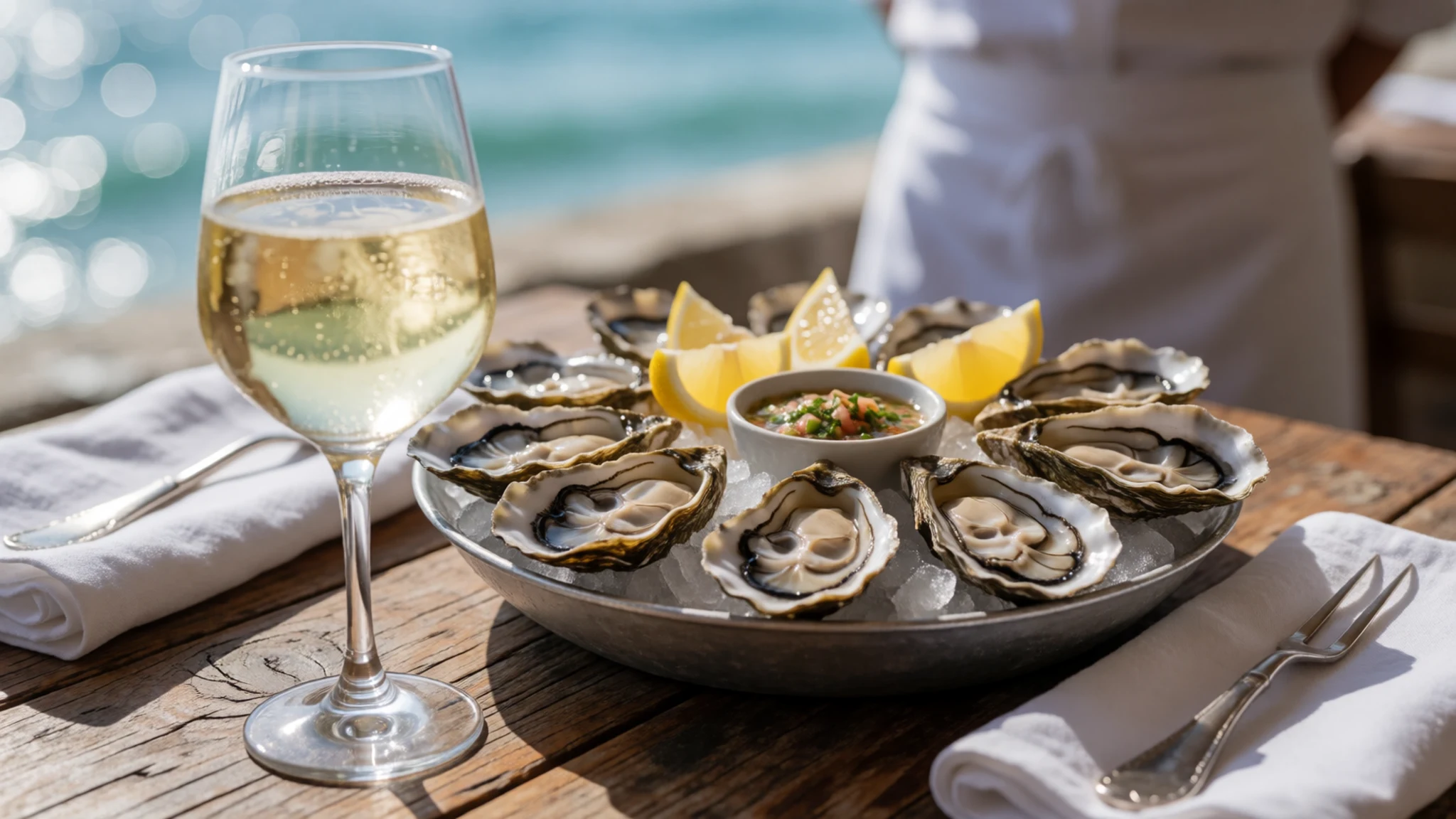
- Piperade — Bistros and brasseries in the old town
A soft stew of sweet peppers, tomatoes and onion, often topped with eggs or served beside ham or grilled fish. It is a Basque everyday dish with a gentle heat, and a reliable lunch for vegetarians when made without meat.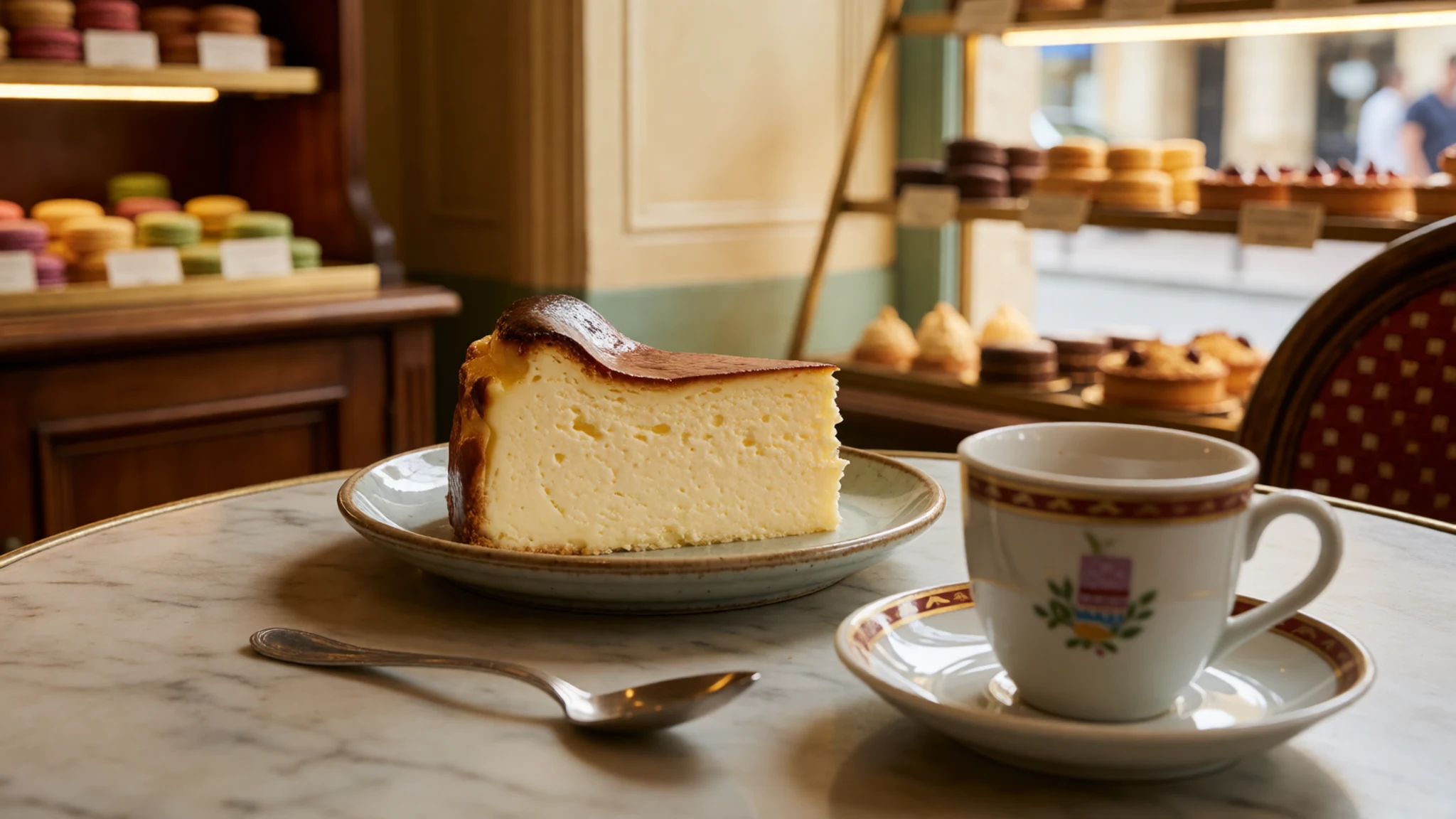
- Axoa — Traditional Basque restaurants
A slow-cooked dish of minced or diced veal with onion and the region's mild chilli pepper, usually served with potatoes or rice. It is a warming, home-style Basque plate, best in cooler months when the wind comes off the sea. - Ttoro — Fish restaurants near the old port
A Basque fish stew made from the day's catch with tomato, peppers and garlic. Local cooks vary the recipe, so no two bowls match. It is a good way to taste what the nearby fishing boats bring in. - Jambon de Bayonne and market produce — The covered market hall, Les Halles
Cured Bayonne ham, local cheeses, peppers and fresh fruit all appear at the covered market, and make a good picnic for the cliffs. Go in the morning when stalls are fullest and the produce is at its best.
Plan it
Best time. May–June and September–October bring mild weather, workable surf and fewer crowds. July and August are the busiest and most expensive months, with packed beaches. Rain is possible at any time of year because the climate is temperate oceanic.
How long. 2–3
Getting there. Biarritz has its own regional airport, and Bordeaux and Bilbao are alternatives if flights are cheaper. The TGV runs direct from Paris several times a day, a long half-day journey; check the SNCF website for timetables. Biarritz station is outside the centre, so take a local bus or taxi to the seafront. Driving from Paris takes a full day.
Budget. high
Tips
- Book summer accommodation well ahead, as July and August fill quickly
- Visit the Grand Plage early in the morning or in the evening to avoid the crowds
- Check tide times before heading to the Côte des Basques, as the sand disappears at high tide
- Swim only where lifeguards are on duty and heed the flags, as Atlantic currents can be strong
- Carry a card for most places, with some cash for market stalls
Etiquette
- Say bonjour when entering a shop, café or bakery
- Respect lifeguard flags and give way to surfers in the water
- Cover up when entering churches and put a shirt on away from the beach
Nearby
Sources
- Wikidata Q132790 (CC0)
- Wikipedia: Biarritz (rev 1385926817) (CC BY-SA 4.0)
- Wikivoyage: Biarritz (rev 5395084) (CC BY-SA 4.0)
- Photo: 00_1466 Biarritz - Frankreich, W. Bulach (CC BY-SA 4.0)
- Photo: Biarritz, View from Esplanade Elisabeth II, Nicolas G. Mertens (CC BY-SA 4.0)
- Photo: The Cape of Biarritz, Geheimnisträgerin (CC BY-SA 4.0)
- Photo: Façade de l'Hôtel du Palais, Roberto Chamoso G (CC BY 3.0)
- Photo: Grand Casino Municipal de la Ville de Biarritz, 1900 (Public domain)
- Photo: Biarritz, le marché, Harrieta171 (CC BY 3.0)
- Photo: Biarritz town hall at sunset, Christian David (CC BY-SA 4.0)
- Photo: G7 Biarritz surfing demonstration, The White House (Public domain)


