Amédée Island
Amédée Island, France
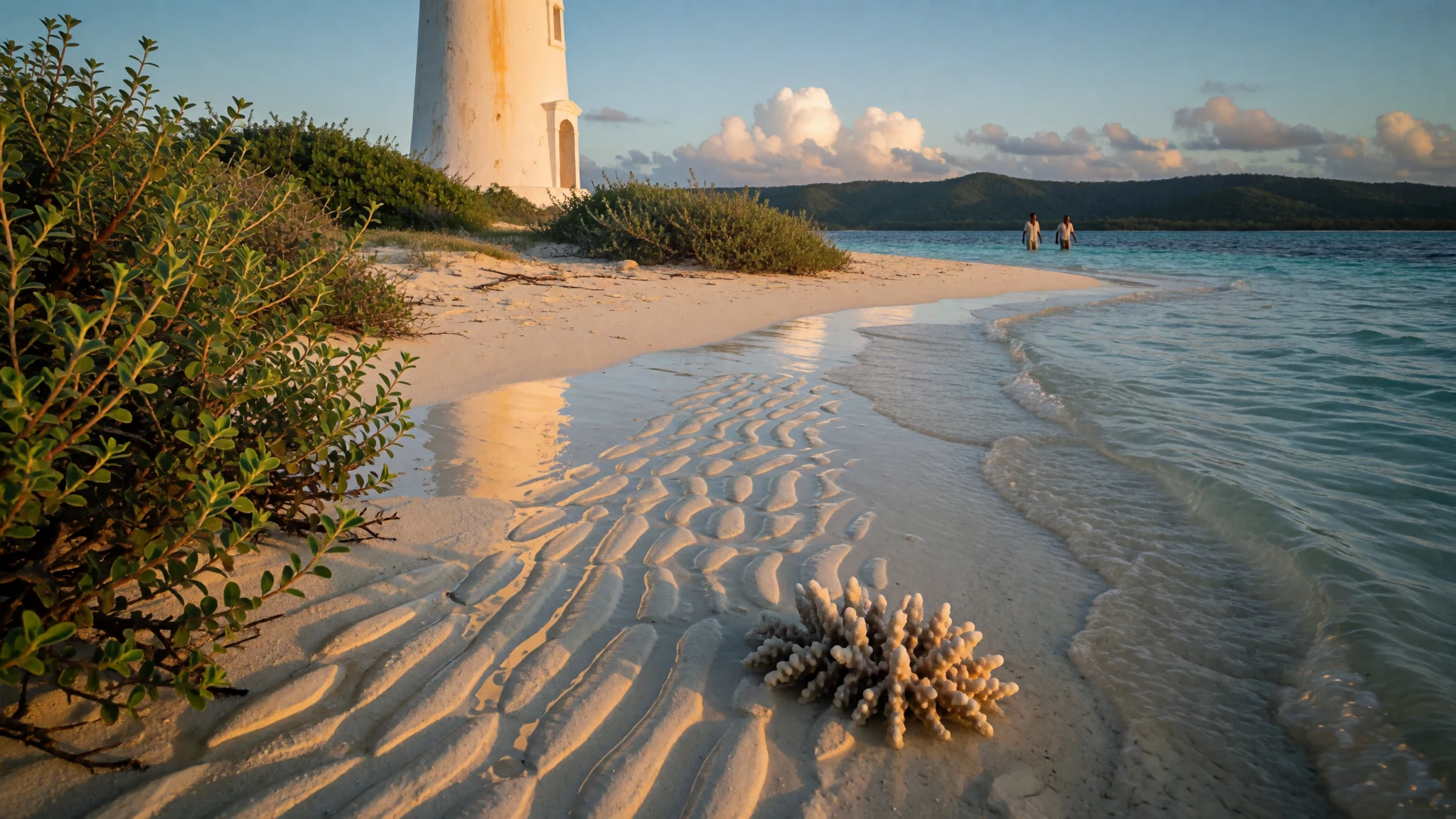
Amédée Island is a small lagoon islet with a lighthouse, calm clear water and an easy boat day out from Nouméa.
The place
Amédée Island is a small islet in the lagoon off the southern coast of Grande Terre, New Caledonia, a short boat ride from Nouméa. Its best-known landmark is a lighthouse that rises above low vegetation and pale sand, and the island's identity is built around that tower and the water surrounding it. The lagoon belongs to the New Caledonia Barrier Reef, a UNESCO-listed system that wraps around Grande Terre and the Île des Pins. Inside that ring the sea is calm, shallow and clear, which is why the islet works so well for snorkelling, swimming and doing very little on the sand. Politically the place sits in a French territory with its own special status: New Caledonia makes most of its own rules, while defence and foreign policy stay with Paris. The result is an unusual mix of French bakeries and Pacific lagoon, Melanesian custom and metropolitan habits. Amédée is not a wilderness. It is a small, managed excursion spot, so expect other boat parties, shade that fills early and a day whose rhythm is set by the boat rather than the tide. The sun is strong, the shallows hold sea snakes and urchins, and the reef is fragile enough that care matters. Those who want more of the main island can pair the trip with Nouméa's waterfront and the cultural centre on the edge of town.
Its story
Amédée Island lies in a territory whose history shaped everything around it. Britain and France both settled New Caledonia in the early nineteenth century, but France claimed the main island in 1853 and ran it as a penal colony from 1864 for roughly four decades. Convicts and later free settlers produced the Caldoche community, while the Kanaks, the Melanesian people of the islands, had lived there long before any ship arrived and still hold chiefly authority recognised by French law. Nickel mining brought labourers from Vietnam, China and Indonesia about a century ago, adding another layer to the population. France has governed these islands as an overseas territory since 1956. Tension over land and independence grew until violence flared on and off between 1976 and 1988, a period still called The Events, Les Événements. It reached its worst point in 1988 on Ouvéa, where Kanak independence activists seized gendarmes and a firefight left 25 people dead. The Matignon Accords of that same year gave the islands wide autonomy and brought a fragile calm. Today New Caledonia writes most of its own rules, with France keeping defence and foreign affairs, and referendums on independence have returned majorities against it, though the argument has not gone away. A lagoon day trip steps lightly into this unfinished conversation, even if the lighthouse and the clear water suggest only leisure.
What to see
- Amédée lighthouse — Amédée Island
The lighthouse is the reason most people come to Amédée Island, and it stands out clearly against the flat, sandy setting. It makes a natural focal point for photographs and for orientation while wandering the islet. Go early or late when the light is softer and fewer boat parties are ashore.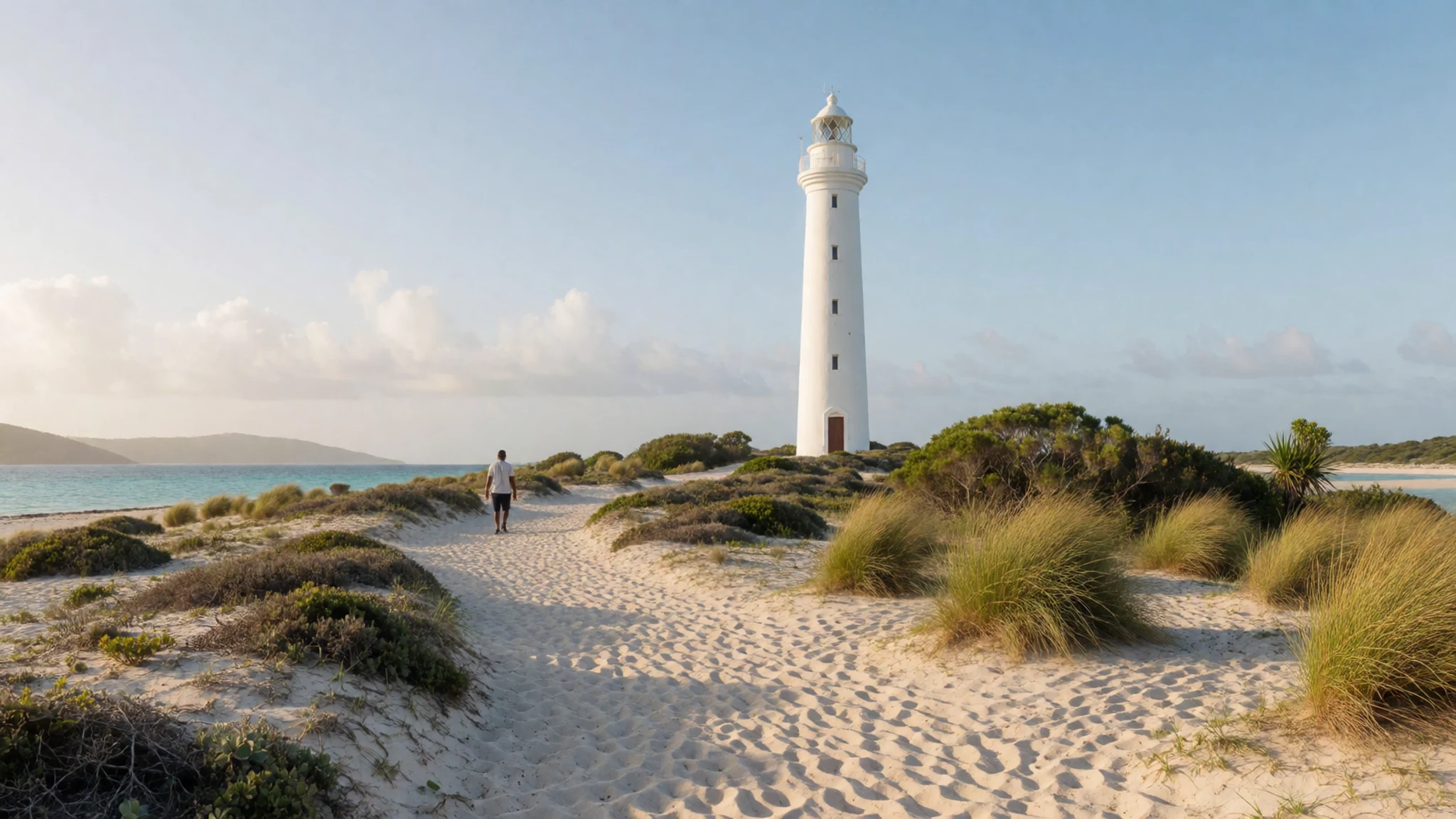
- Lagoon snorkelling — Waters around Amédée Island
The shallow water around the islet is the main activity, with calm conditions suited to families and first-timers. Wear a rash vest against the sun and keep fins and hands clear of coral, which scrapes badly. Sea urchins are common, and sea kraits sometimes drift through the shallows, so give them space.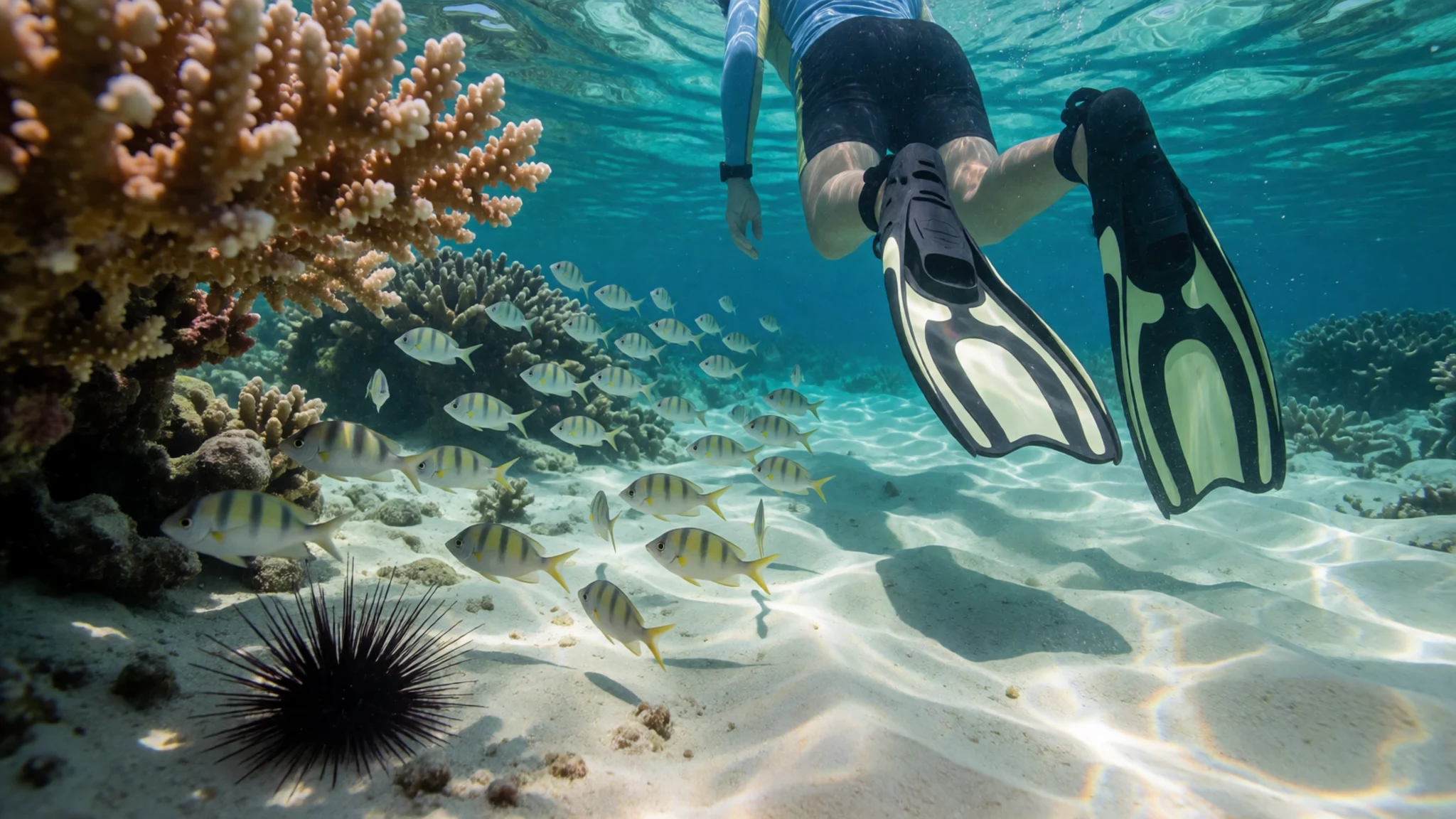
- Îlot Canard — Anse Vata, Nouméa
A small islet just off Anse Vata, Îlot Canard is a gentle place to practise snorkelling before committing to a longer boat day. It is close to Nouméa's beach strip, so it combines easily with a morning on the sand and a lunch in town.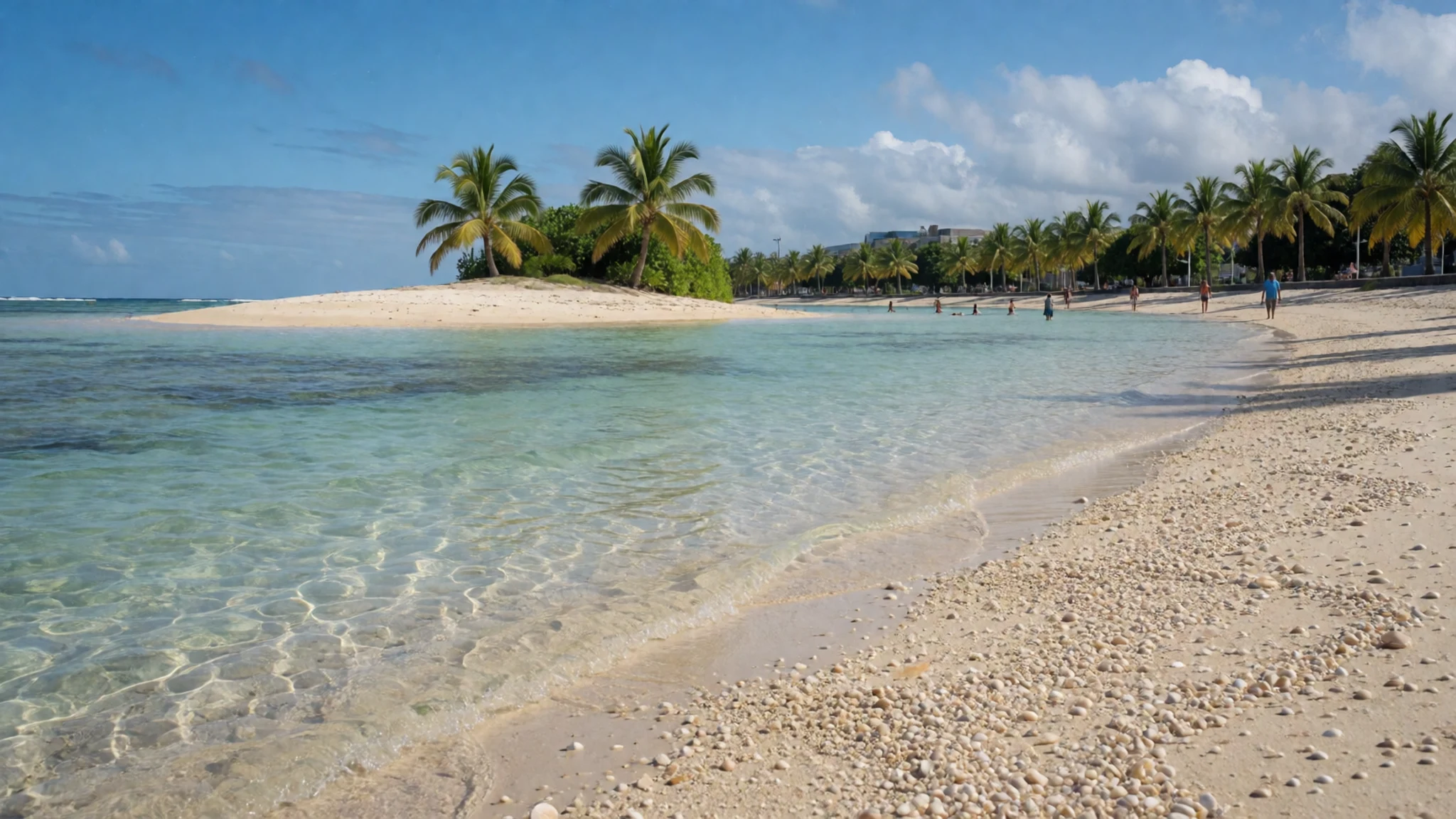
- Baie des Citrons and Anse Vata — Nouméa peninsula
These two beaches along the Nouméa peninsula form the town's seaside promenade. They suit an evening stroll, a swim or a coffee after the island trip, and they are lively at weekends. The sheltered water is easy for children, though weekend crowds build in the afternoon.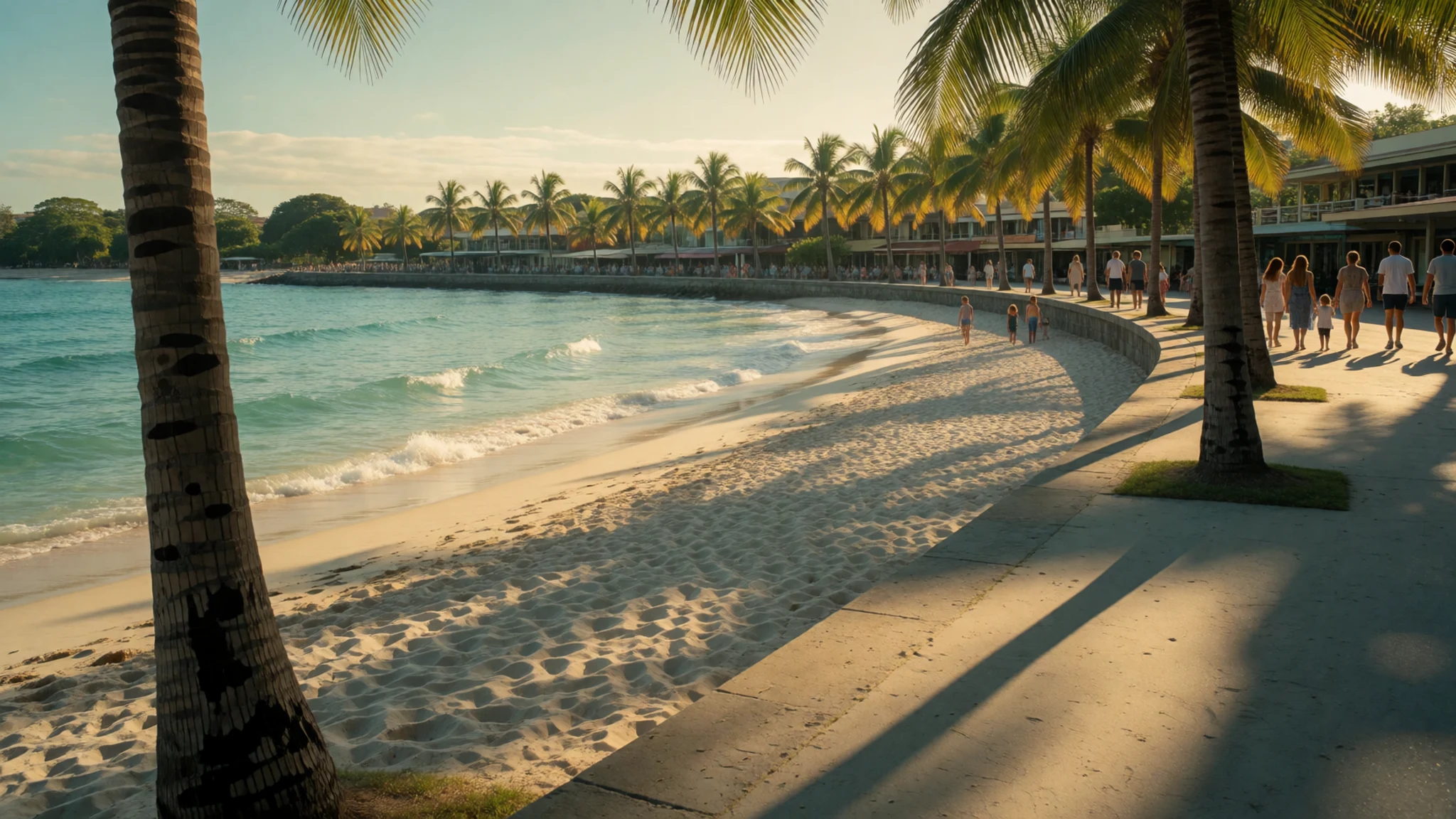
- Tjibaou Cultural Centre — Near Nouméa
Designed by the Italian architect Renzo Piano and given by the French government, this centre celebrates Kanak culture and gives context that a beach day cannot. Allow a full morning, check the official site for opening details, and treat it as the best way to understand the people whose islands these are.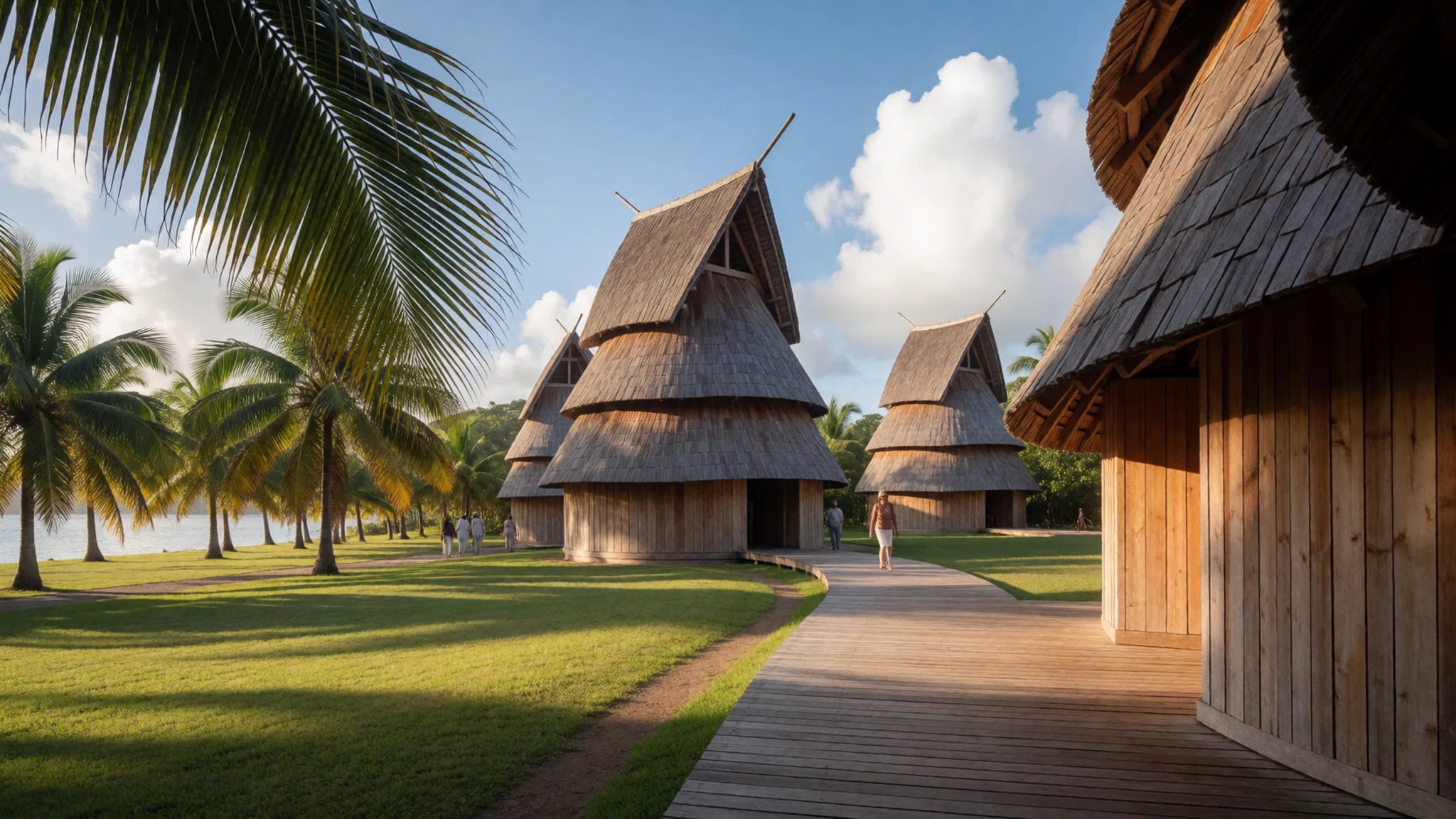
Culture
Amédée Island sits within a society where French habits and Kanak custom live side by side. Most people are Christian, with Catholicism the main denomination, and on Sundays the great majority of shops and businesses close while families go to church. Nouméa and the tourist beaches are relaxed, but outside them attitudes tend to be conservative, and that applies to dress and to public behaviour alike. Kanak communities hold chiefly authority that French law recognises, and many people still live in tribes beyond the capital. Visiting tribal land is governed by la coutume, a customary protocol of greeting, asking permission and offering a small gift, and it is best done through a guide or host who can explain what is expected. Everyday manners follow French lines. Conversations open with a bonjour by day or a bonsoir at night, and skipping the greeting reads as brusque. Among Melanesian communities it is common to greet strangers in the street, and ignoring that greeting is taken as rude. People also keep a polite distance, about a handshake's length, so crowding someone in conversation can feel intrusive. The lagoon excursions are tourist-friendly, yet the wider island rewards modest dress, patience and quiet courtesy. Always begin with a bonjour, return any greeting offered in the street, and ask permission before entering tribal land, where la coutume sets how visitors are received.
What to wear
Amédée Island is a beach destination, so most of what is seen there is swimwear, but the wider culture has its own dress. Among Kanak women the long, loose cotton dress known as the robe mission, introduced in the missionary era and worn in bright prints, remains common at church and community occasions. The pareo, a wrapped cotton cloth shared across the Pacific, is worn for the beach and for relaxed days. Ceremonial dress for Kanak events draws on woven plant fibres, shell and feathers, and is worn for custom ceremonies rather than daily life. Day to day in Nouméa, people dress much as in provincial France: light cotton shirts, linen, shorts, sandals and the occasional smart outfit for dinner. Outside the capital, clothes become more modest, with knees and shoulders covered. A visitor heading to the island needs swimwear, a long-sleeved rash vest, a wide-brimmed hat, strong sun protection and reef-safe sandals or water shoes, since coral and urchins make bare feet risky. Bring a light shirt or wrap for the boat, where wind and spray cool quickly, and put on modest clothes once back on the main island, especially if visiting a tribe, a church or a village. Away from the tourist beaches, covering up is simply good manners.
What to eat
- Bougna — Tribal gatherings and cultural events outside Nouméa
A Melanesian feast of meat, fish or chicken with yam and sweet potato, wrapped in banana leaves and cooked under hot stones. It is a dish for gatherings and festivals, so look for it at cultural events or through a tribal host.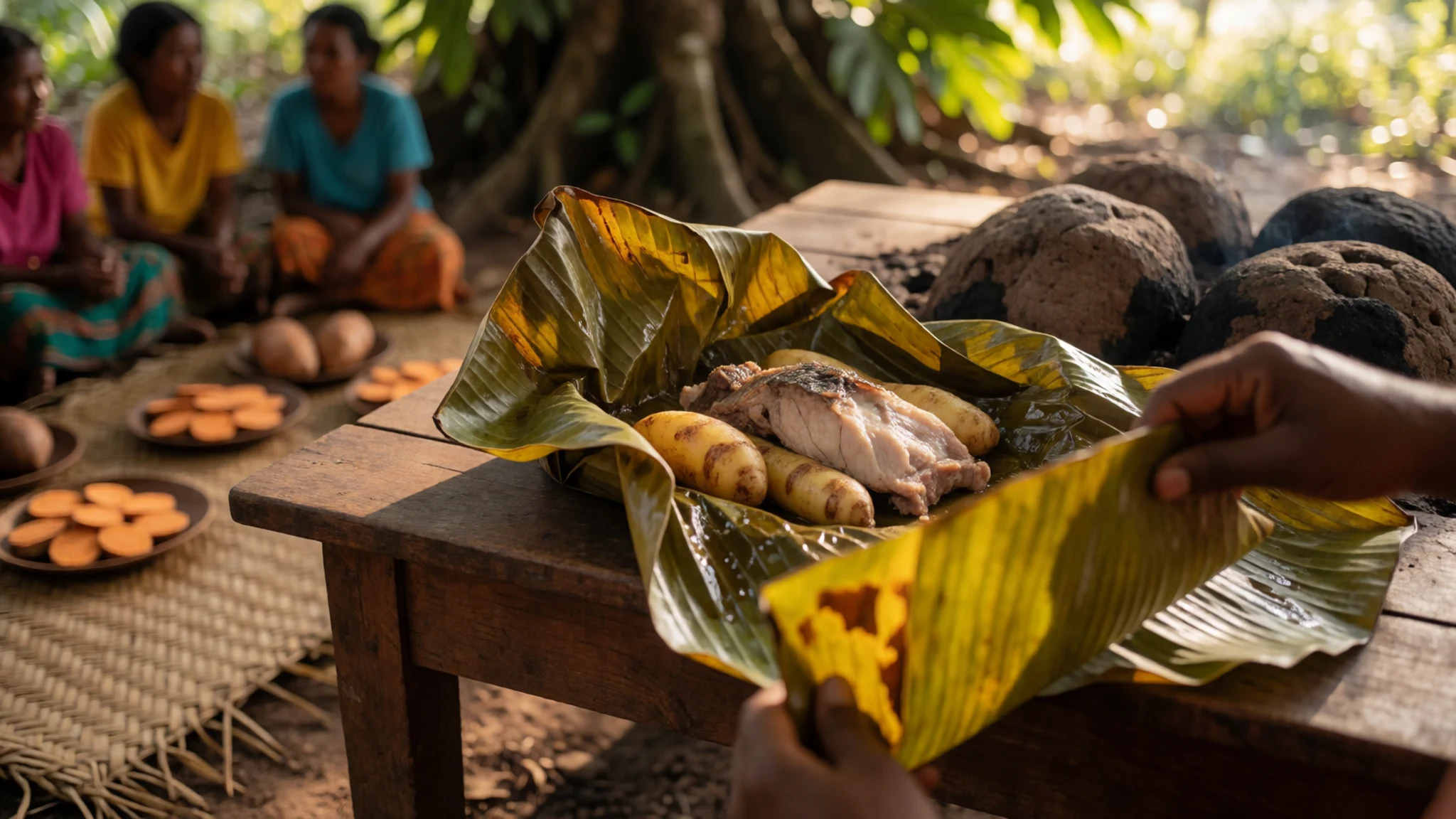
- Porc au sucre — Snack counters, the budget eateries of Nouméa
Pork in a sweet soy sauce, a nod to the Asian communities who came to work in the nickel mines. It is typically served with rice or tucked into half a baguette, and it makes a filling, good-value lunch.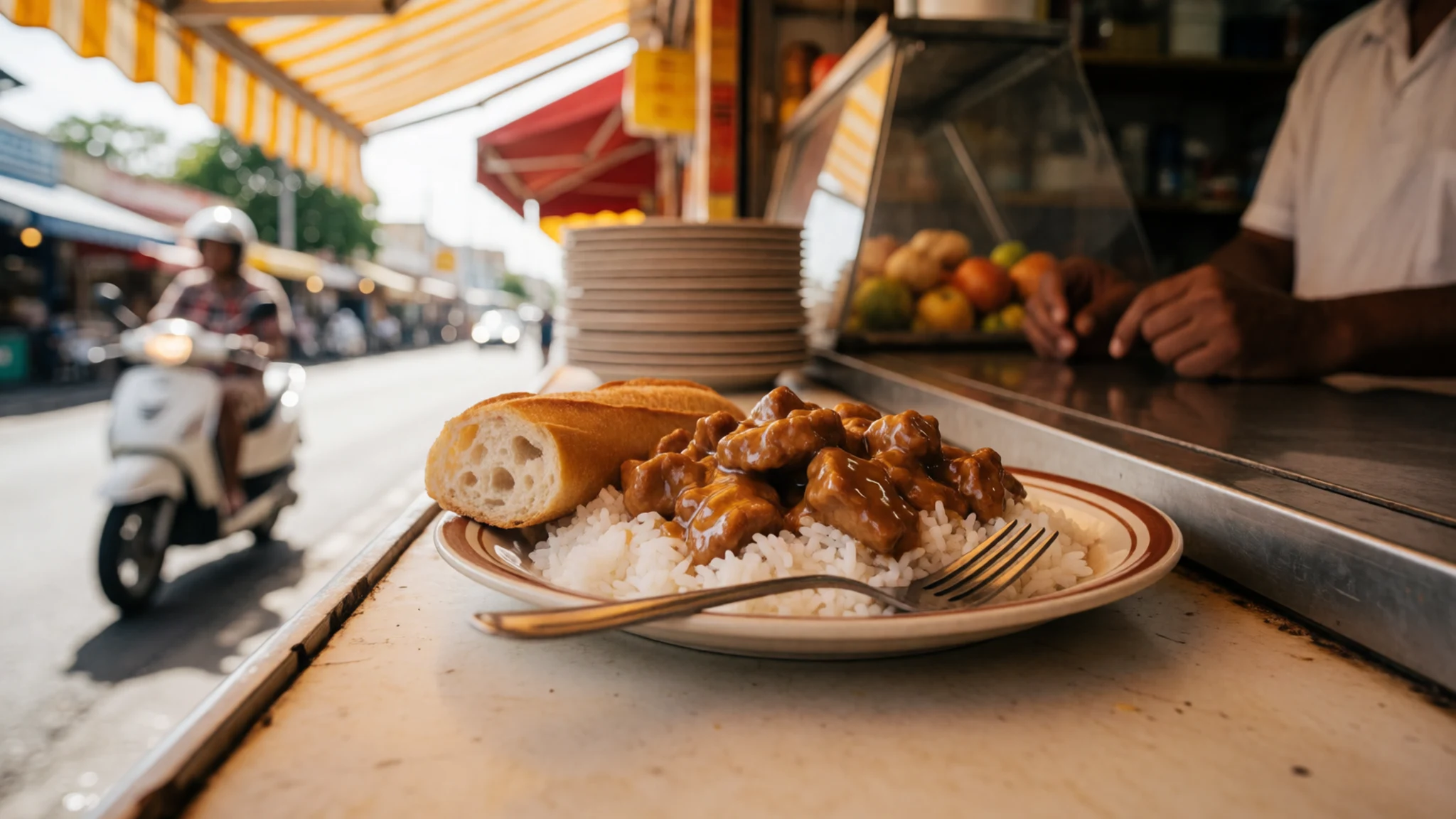
- Croque madame — Snack counters and café-style eateries
The French classic of ham, cheese and toast topped with a fried egg appears all over New Caledonia. It is dependable fuel for a boat day and sits alongside other hot sandwiches on short, simple menus. - Fresh lagoon seafood — The weekend morning market (marché) in Nouméa
Tuna, shrimp and crab are the local seafood to look for, sold fresh and often cooked simply with lime or garlic. Markets also offer local fruit, which tastes noticeably better than imported produce. - Coconut crab — Seafood restaurants around Nouméa
This large land crab is a prized dish in the Pacific and appears on some restaurant menus. Ask where it was sourced, as availability and rules vary, and treat it as an occasional indulgence rather than a daily staple. - Kava — Kava bars, usually marked by a red light outside
A mildly numbing, earthy drink made from the root of a Pacific plant, served in small bowls and finished at once. It is much cheaper than beer and is drunk quietly, so take it slowly on a first try.
Plan it
Best time. September to November is the usual sweet spot, with warm sunny days and calmer conditions before the hotter, wetter and more humid months that bring cyclone risk later in the year. Check a current forecast and sea conditions before booking a boat.
How long. 3–4
Getting there. Fly into Nouméa, the main gateway to New Caledonia; flights from Metropolitan France need a stopover in Asia. From the city, a short boat trip across the lagoon reaches the island, so confirm the operator and departure point locally.
Budget. mid
Tips
- Book the island boat ahead in busy seasons and check the operator's current schedule and terms on its official site
- Carry a reef-safe sunscreen, a hat and drinking water, as shade can be limited
- Pack cash and a card, because small markets and snack counters may prefer cash
- Check the customs and biosecurity flyer before arriving, as several items are restricted
- Eating out is costly, so use markets, bakeries and snack counters for lunches
Etiquette
- Greet people with bonjour or bonsoir and return greetings in the street
- Do not touch or stand on coral, and keep clear of sea snakes and urchins
- Ask before entering tribal land and follow la coutume
Nearby
Sources
- Wikidata Q24932272 (CC0)
- Wikivoyage — New Caledonia (rev 5399121) (CC BY-SA 4.0)
- Wikipedia — New Caledonia (CC BY-SA 4.0)
- Amédée lighthouse, New Caledonia — Eustaquio Santimano (CC BY 2.5)

Wildlife
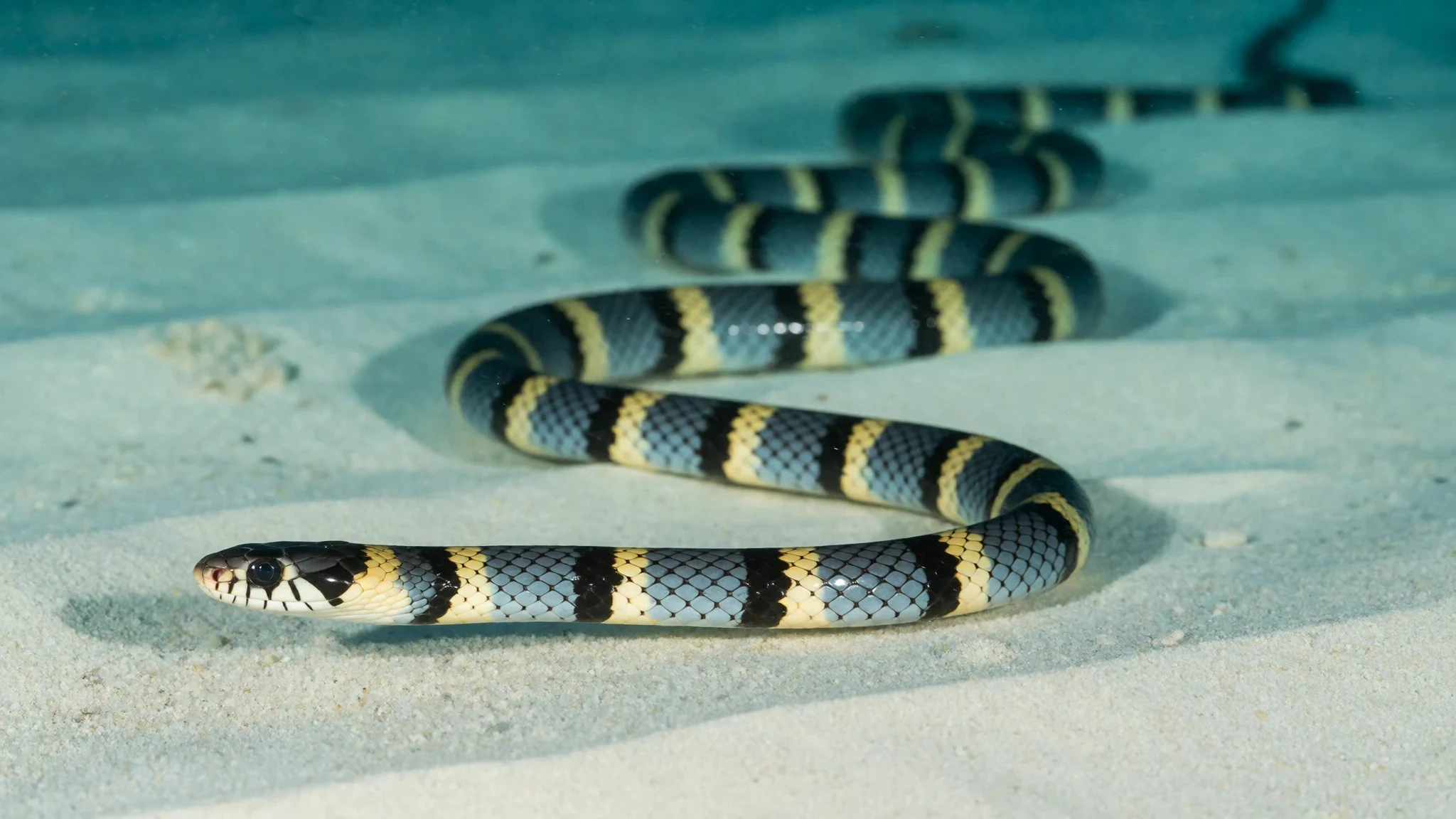
- Yellow-lipped sea krait (animal)
Picture a black-striped snake with a yellow nose and a tail like a little paddle, swimming through warm seas: that is the yellow-lipped sea krait, and its venom is very strong. At Amédée Island it sometimes drifts through the shallows, though no particular season or time of day can be promised. Please watch from a generous distance, stay calm and quiet, and let it go its own way. Never feed it or try to touch it, and always give it plenty of space.