Tortola
Tortola, United Kingdom
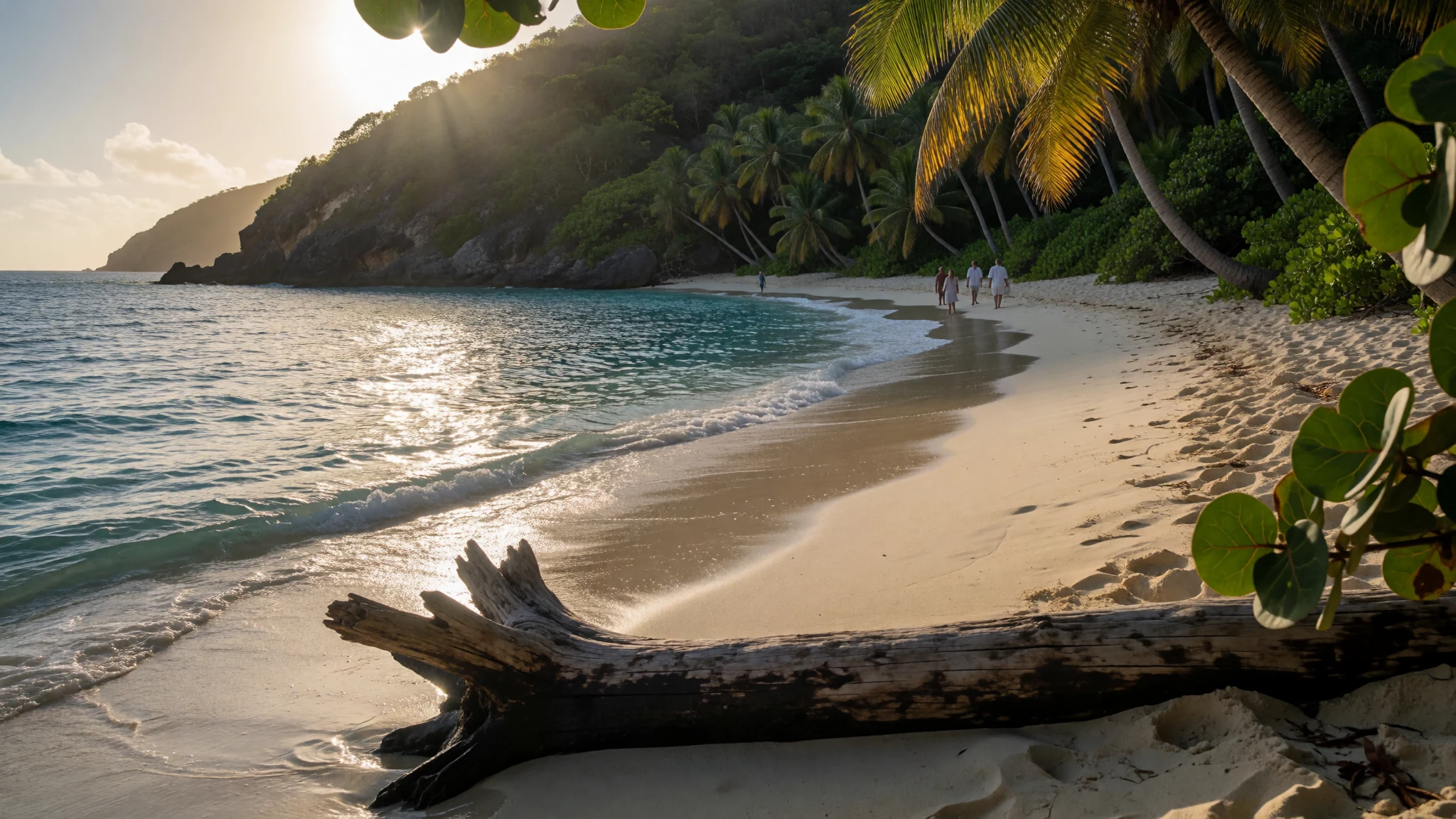
Tortola holds Road Town, the capital of the British Virgin Islands, and a chain of bays between steep green ridges.
The place
Tortola is the island that holds Road Town, capital of the British Virgin Islands, a British overseas territory in the eastern Caribbean. The land runs roughly east to west, a chain of steep ridges with bays tucked into both coasts. Road Town sits on the south shore, where the harbour takes ferries, cargo, cruise ships and the small craft that hop between islands. Marinas along that southern water, including Nanny Cay, are home to the charter fleet: sailing is ordinary work here, not only a holiday. The north coast takes more Atlantic swell. Cane Garden Bay, Apple Bay and Lambert Beach each open between headlands, with hills dropping almost straight to the sand. Off the eastern tip, Beef Island is tied to Tortola by a bridge, and the airport stands on that smaller island, so arrivals meet the water before they meet the town. Inland, the slopes turn greener and damper. Narrow roads twist between villages, churches and patches of forest, and the air up there feels less salty than on the beach. Trade winds blow across the island for much of the year, which keeps the heat moving even when the sun is high. Rain falls in short hard showers, more often from late spring into autumn, when tropical storms are a real planning fact. In the drier months the sea looks clearer and the harbour is fuller. People commute, shop and launch boats beside visitors, so a quiet beach morning can end in ridge-road traffic and a crowded waterfront. The distances are modest, but the hills make every bay feel distinct.
Its story
Tortola's story runs from indigenous communities through European rivalry and plantation labour to a modern turn towards the sea. Indigenous communities lived among these islands long before European ships began using the channels as a route and a hiding place. The islands changed hands among European powers; the British claim is the one that lasted, and Tortola became the administrative centre of what is now the British Virgin Islands. Sugar and other plantation crops reshaped the hills. Enslaved Africans built that economy, and their descendants shaped the language, food, worship and music that Tortola still recognises as its own. After emancipation, estate agriculture faded and many families turned to fishing, small farming, trade and seafaring. The harbour at Road Town stayed the practical heart: goods, news and people moved by boat, because the sea was the road. Pieces of silver coin still turn up in the ground, reminders of an age when Spanish-American currency circulated through Caribbean ports, including this harbour. Tourism, bareboat charter and offshore services later grew up beside fishing and government. The charter trade tied Tortola to sailors who barely sleep ashore: marinas filled, provisioning became a local craft, and neighbouring isles sat a day-sail away. Hurricane damage at places such as Nanny Cay remains part of living memory, and rebuilding the waterfront is a familiar cycle rather than a single event. Tortola is a small capital island where a cruise ship, a fishing boat, a congregation and a yacht crew can share a harbour on the same morning.
What to see
- Cane Garden Bay — North shore
Cane Garden Bay is a north-shore beach on Tortola that day boats often aim for, a long curve of sand with hills tight behind it. Beach bars set out chairs, local bands play on busy afternoons, and the anchorage fills with visiting yachts. The water is usually calm enough for a swim. An early arrival finds quieter sand; by mid-afternoon the bay is social and shade is scarce.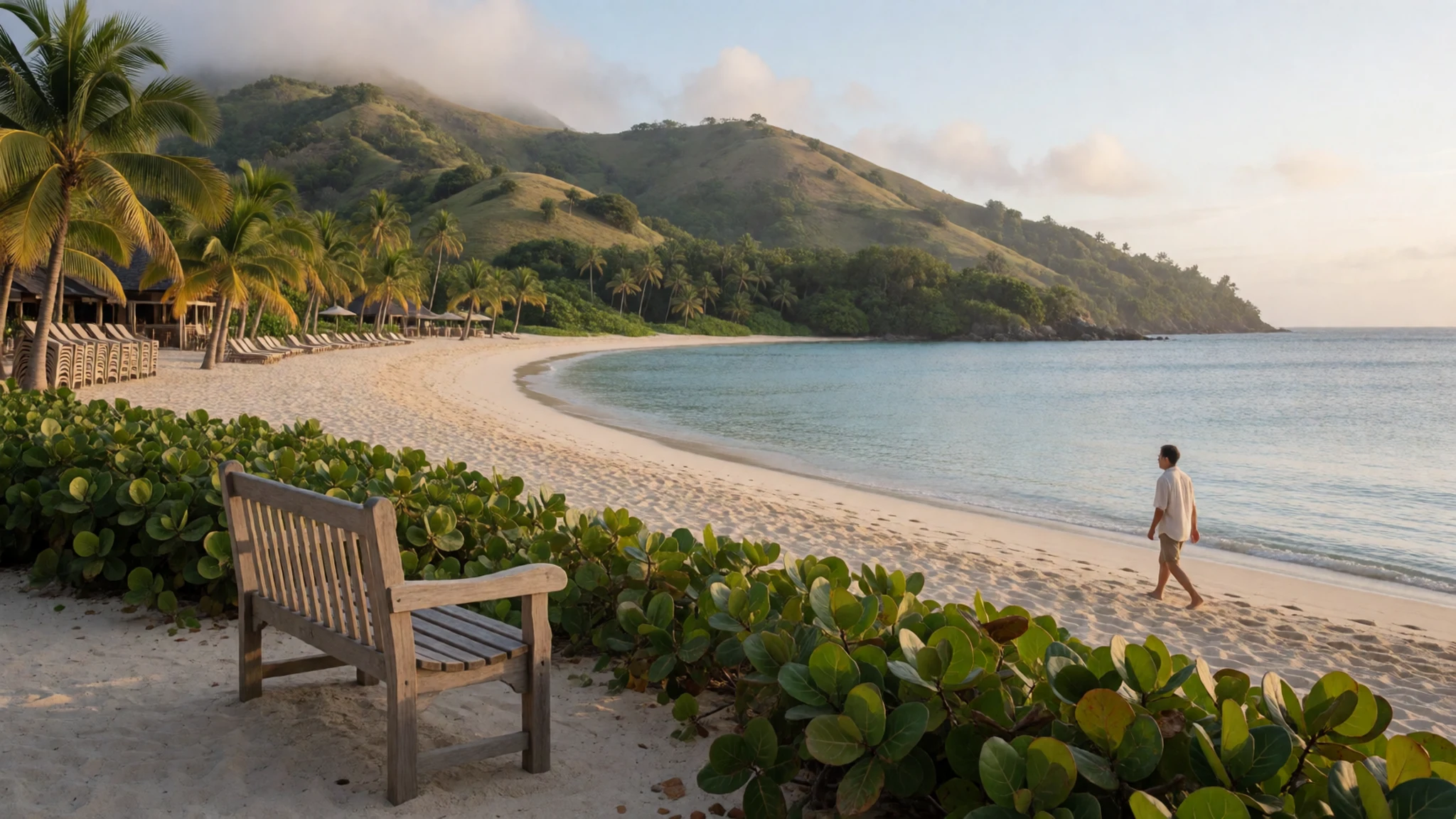
- Apple Bay — North-west coast
Apple Bay, on Tortola's north-west coast, is where the Atlantic swell actually breaks. Surfers come for the waves, and the shore is rougher than the sheltered harbour at Road Town. The beach is narrower and the water less predictable, which suits people who would rather watch a sunset than swim. A calm morning is pleasant for a walk; a windy afternoon is better spent off the rocks.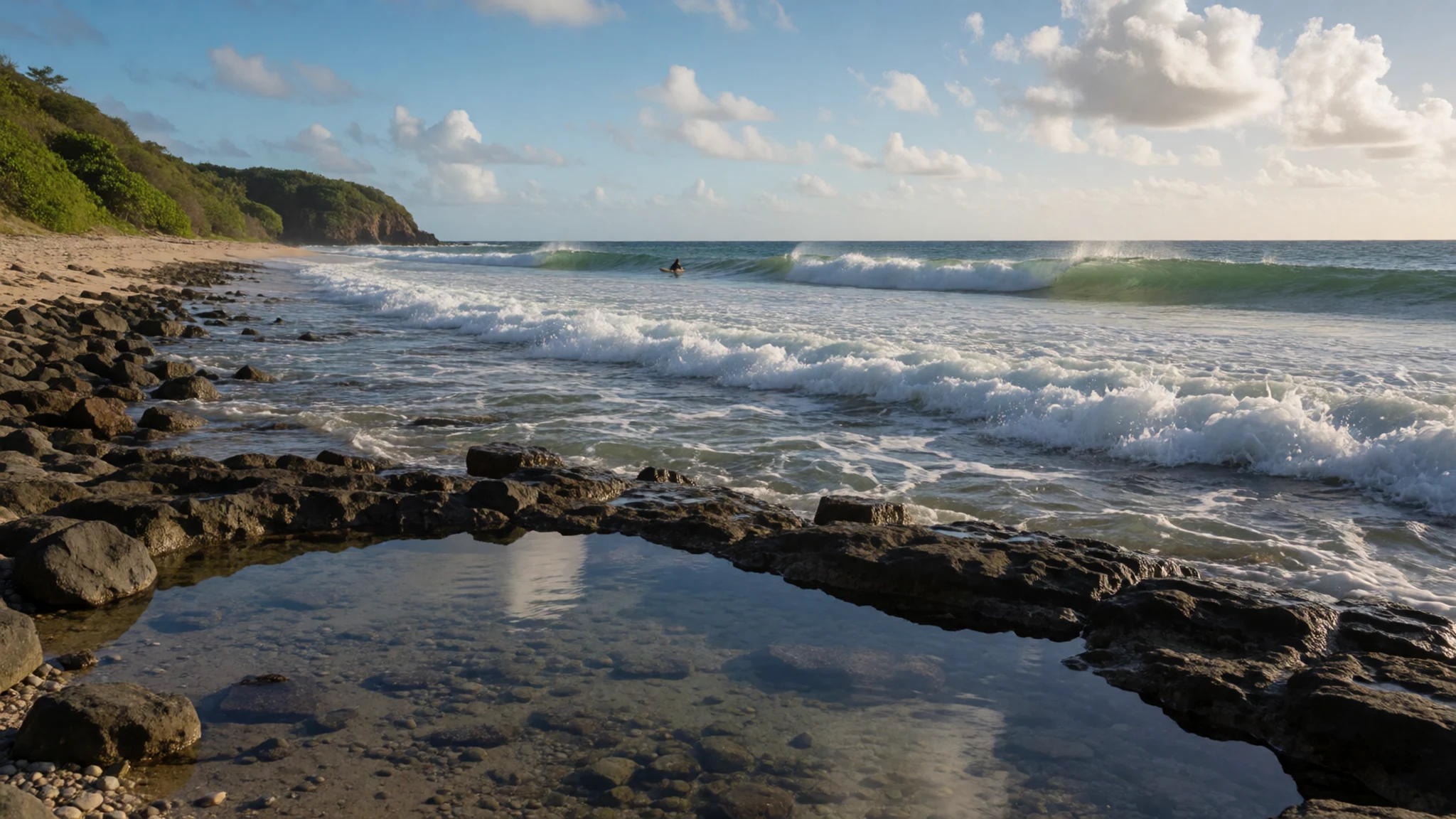
- Lambert Beach — East end
Lambert Beach lies at the eastern end of Tortola, a quieter north-shore strand than the bays nearer the busy anchorages. Vegetation backs the sand, and the water changes colour as the bottom shelves. A slow morning of swimming and walking suits it, with little day-boat bustle. Facilities are thinner than at Cane Garden Bay, so visitors need to bring supplies and take them away.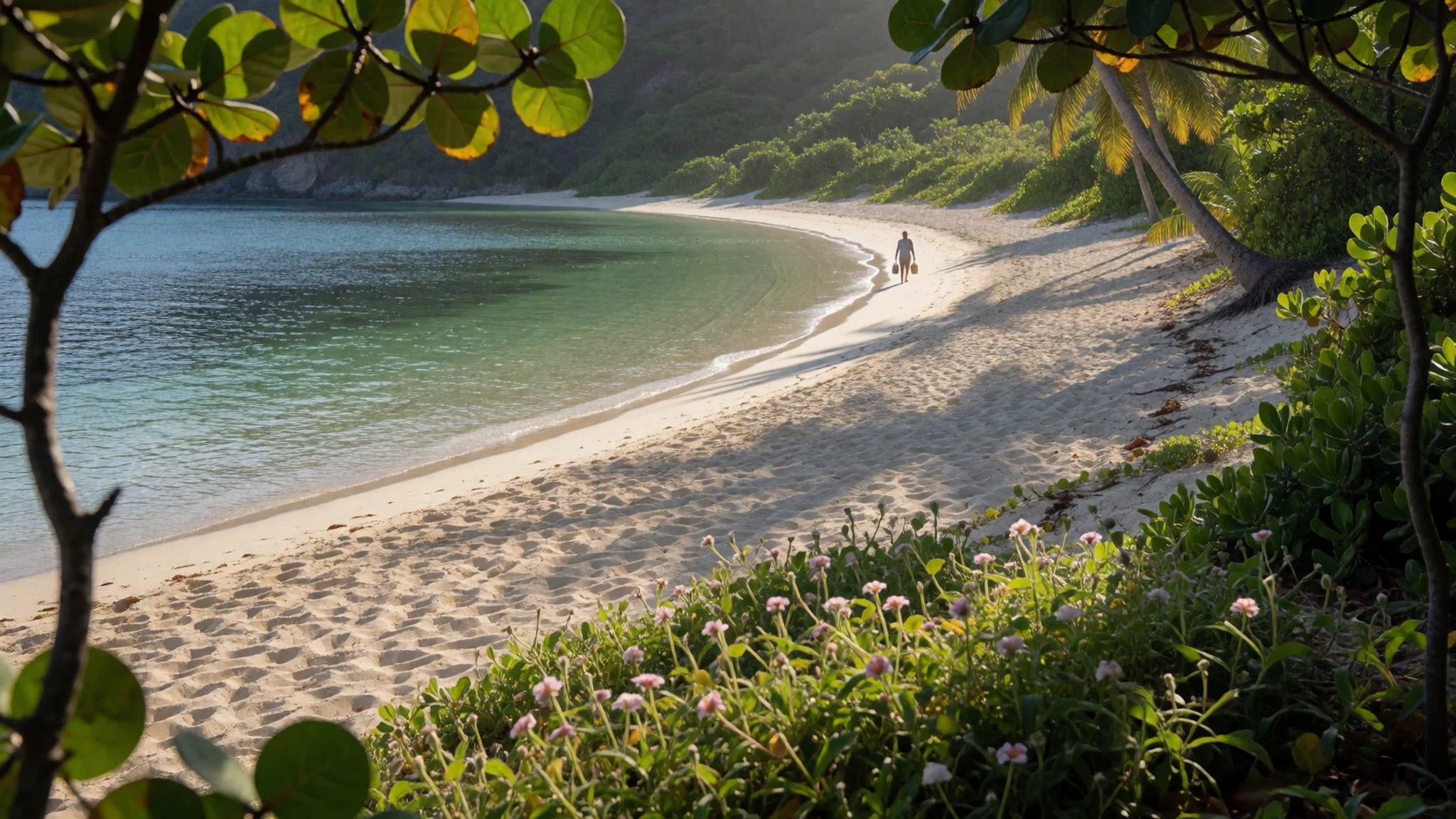
- Road Town — South shore
Road Town is Tortola's capital and working centre, spread around a harbour on the south coast. Ferries, cruise calls and government offices land here, and Main Street is where residents shop, queue and meet. The waterfront is practical rather than ornamental: chandlers, cafes, a cruise berth and the constant movement of small boats. A morning is enough to arrange a ferry, buy provisions and see how the port actually runs.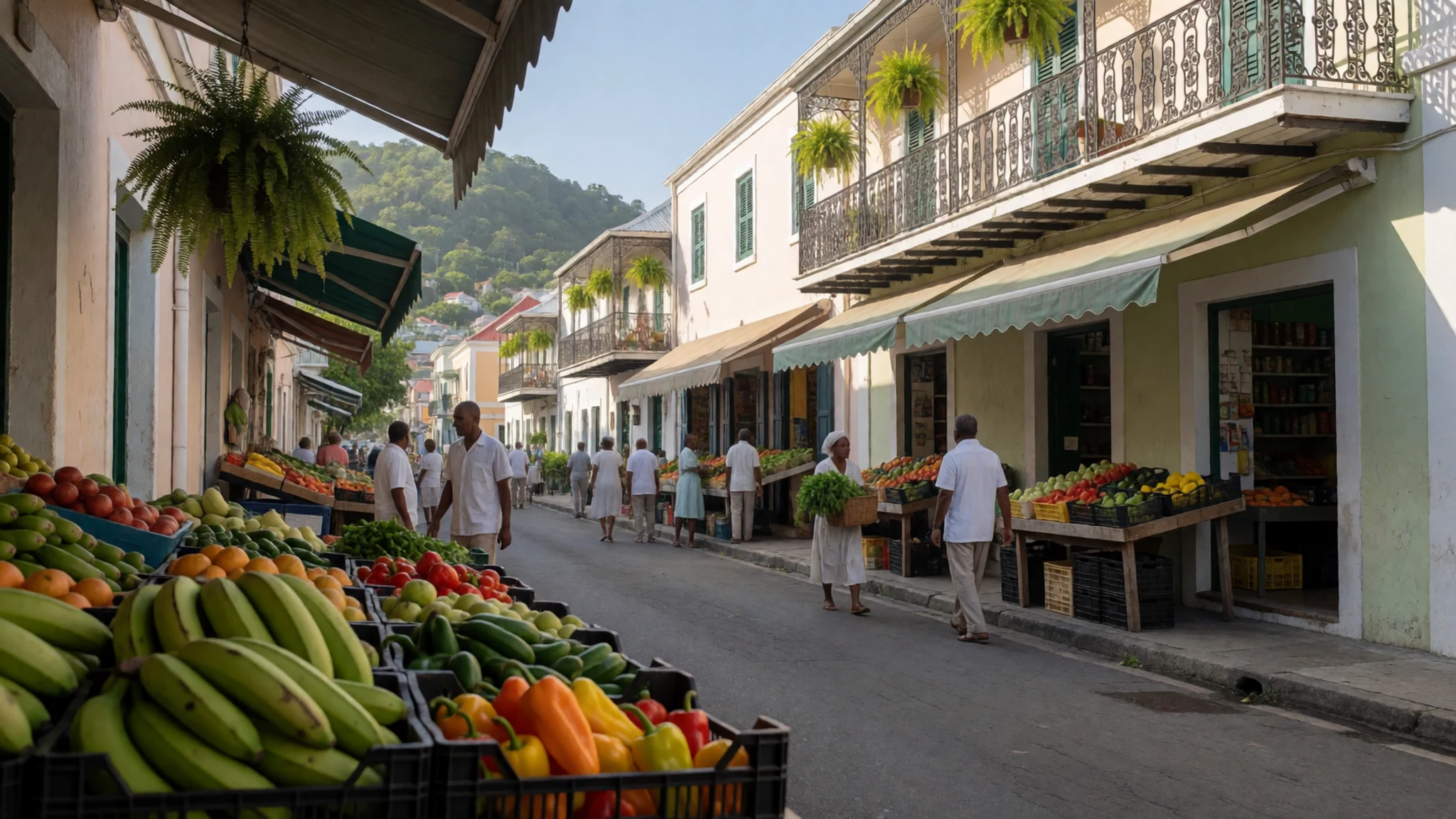
- Nanny Cay — South shore, west of Road Town
Nanny Cay is a marina inlet on Tortola's south shore, west of Road Town, made for yachts rather than swimming. Charter crews provision here, rigs are repaired, and the pontoons stay busy through the sailing season. Storms have marked this waterfront, a reminder that the coast takes hurricanes as well as trade winds. Walkers may follow the pontoons if they give way to carts and crew.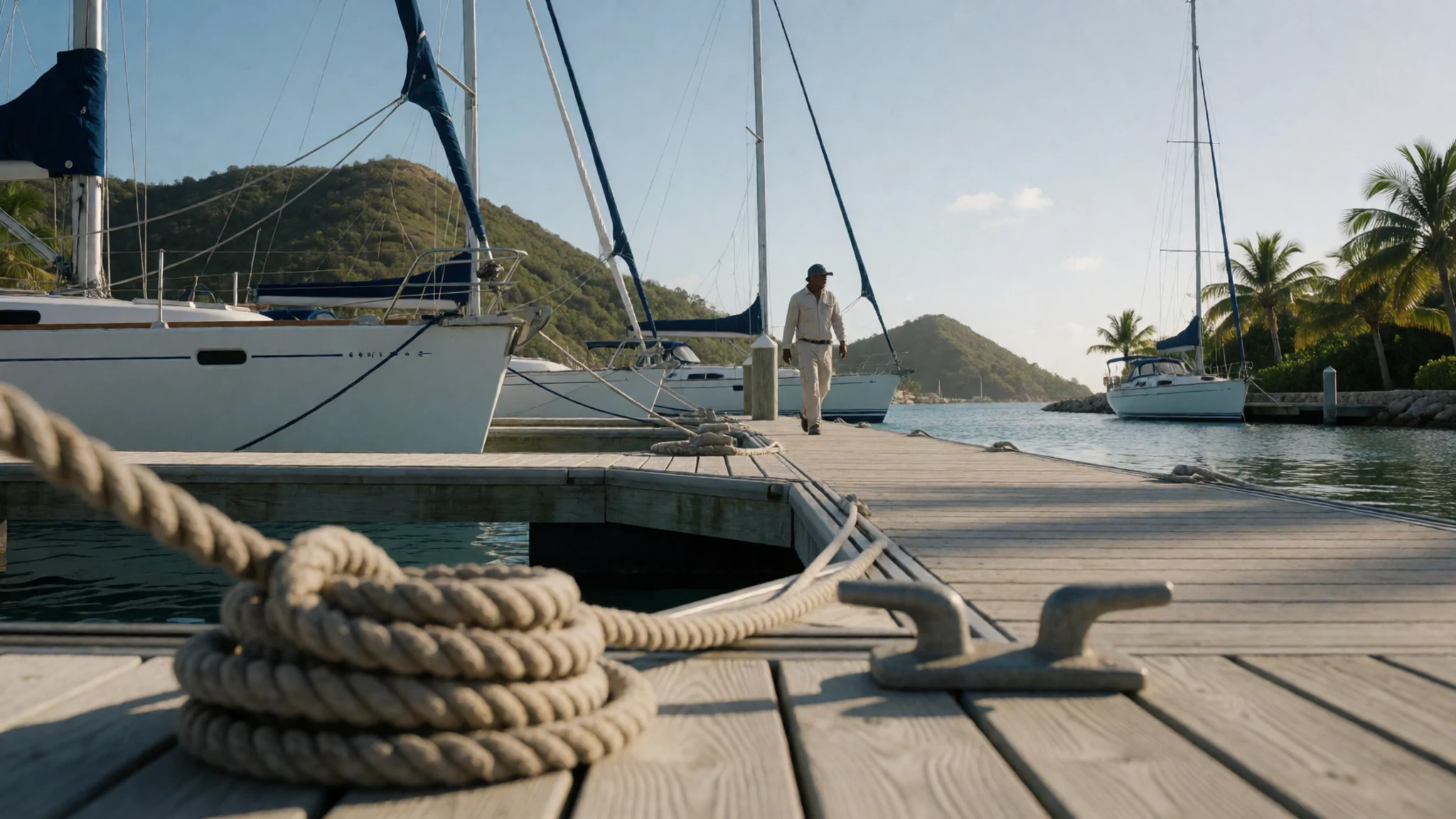
Culture
Tortola's culture is Caribbean first and British in its institutions. English is the language of school, government and the harbour office, spoken with a West Indian cadence and a local vocabulary for weather, food and boats. Churches matter in the weekly round: Sunday mornings are for services, and many shops and offices respect that pause. Music runs from reggae and calypso to fungi, the island string-band style, played at festivals and full-moon parties. Sailing is a culture of its own. Children grow up around docks, regattas mark the calendar, and knowing the wind is as ordinary as knowing the bus route in a larger city. Family ties stretch to neighbouring islands and to communities abroad, so the harbour is also a place of reunions. Emancipation is remembered in public celebration, with parades, queen shows and the kind of dressing-up that turns the whole of Road Town into a stage. Visitors are welcome in that mix when they join it lightly. On Tortola, wear more than swimwear once you leave the beach for town, church or a shop, and ask before you photograph people.
What to wear
Tortola does not keep a single court costume, but it does have a clear sense of occasion. For festivals, church and emancipation parades, people bring out bright cotton prints, hats and polished shoes; the cloth is light, and the colour is the point. Older photographs and family albums show women in full dresses and men in shirts and trousers even on ordinary Sundays, a formality the climate never really cancelled. Day to day, the island now dresses for work and for the marina: polo shirts, linen and cotton shorts, sundresses, practical sandals, and the faded kit of people who spend hours on deck. Road Town on a weekday looks like a small tropical capital, not a resort brochure. Beachwear belongs on the sand. A visitor should copy that split. A visitor's bag should hold light, breathable clothes, a hat and a cover-up for shops, churches and government offices. The ridges are steep and the shore can be rocky, so sandals or shoes need to handle a hot road and a wet step, not only lounge footwear. In the wetter months a light rain layer earns its space in the bag. Evenings stay warm, and a light layer is enough once the sun drops.
What to eat
- Fish and fungi — Beach bars and weekend cookshops around Road Town and the north-shore bays
Fish and fungi is Tortola's everyday plate: local fish, grilled or stewed, beside fungi, a firm cornmeal cooked with okra. Beach bars and weekend cookshops serve it when the pots are on. The cornmeal is mild, and pepper sauce on the table carries the heat.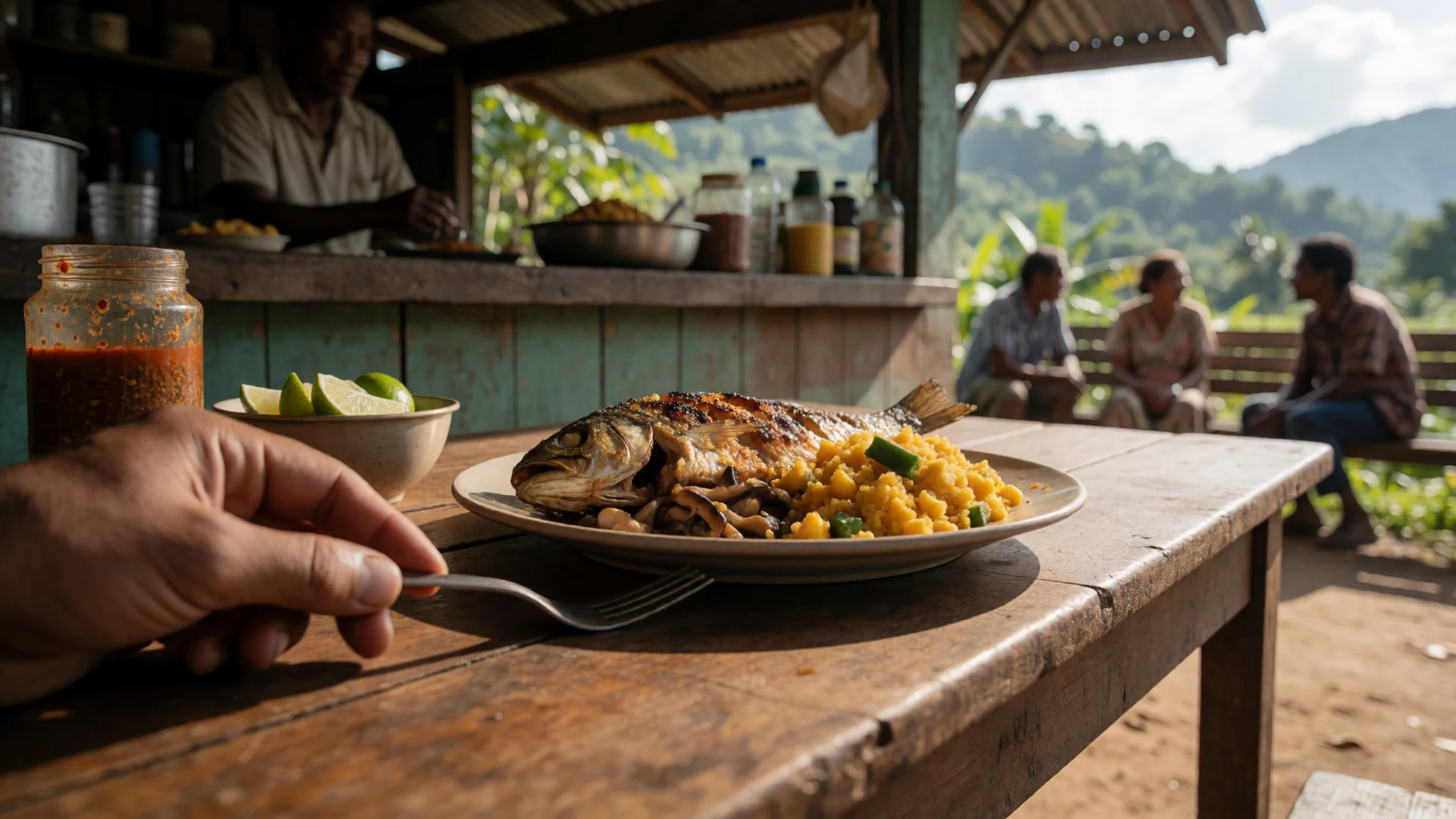
- Cracked conch — Beach bars along Cane Garden Bay and other north-shore sands
Conch turns up as fritters or as cracked conch, tenderised and fried, on Tortola beach menus when the catch allows. The flavour is marine and mild, usually lifted with lime, pepper and a herbal sauce. It eats as a snack or a meal at an open table facing the anchorage.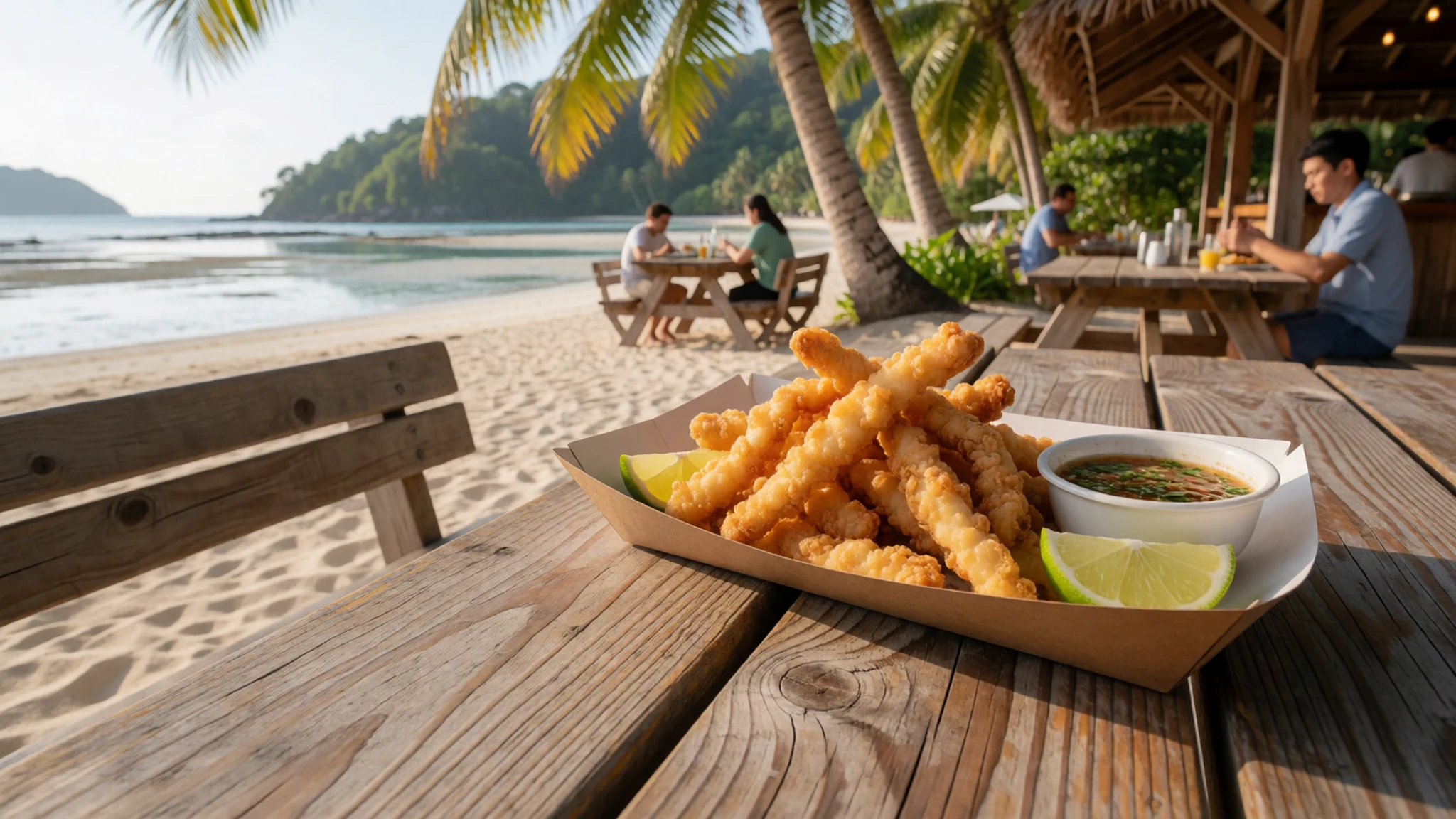
- Pate — Bakeries and roadside stalls in Road Town
A pate on Tortola is a small spiced pastry, not the French meat paste the spelling suggests. Saltfish or seasoned beef goes into dough that is fried or baked until crisp. Bakeries and stalls in Road Town sell them for breakfast and for the ferry queue. - Callaloo — Home-style eateries and weekend cookshops in Road Town
Callaloo on Tortola is a slow-cooked green soup or stew, built on dasheen leaves and often finished with salted meat, crab or dumplings. It is Sunday and celebration food as much as a weekday lunch, the sort of pot a cookshop will have if the morning started early. - Johnny cakes — Bakeries, rum shops and beach stalls
Johnny cakes are Tortola's fried or baked bread rounds, dense and slightly sweet, meant to sit beside fish, saltfish or a cup of bush tea. They travel well, which is why they appear in bakeries, at beach stalls and in the paper bags people carry onto ferries.
Plan it
Best time. December to April on Tortola is the drier stretch, with steadier trade winds and clearer water; from May into November the rain is more frequent and hurricanes are a planning fact, so check the forecast before you lock ferries.
How long. 3-4
Getting there. Tortola is reached via Terrance B. Lettsome International Airport on Beef Island, then the bridge onto the main island, or by ferry to Road Town from neighbouring islands or from St Thomas. Cruise ships dock in the capital. A taxi or hire car covers the last leg over the ridges.
Budget. high
Tips
- In the drier months, reserve a car and any ferry seats before you arrive; supply is limited even though the island is small.
- Drive on the left and give a short horn on blind hills; the roads are narrow and steep.
- Carry cash for beach stalls, small ferries and rum shops, and use a card in Road Town's larger shops and marinas.
- Begin a north-shore beach in the morning if you want an easier swim, before the day boats fill the bay.
- From late spring through autumn, follow the tropical forecast and know how you would leave if a storm forms.
Etiquette
- Cover swimwear before you go into Road Town shops, offices and churches.
- Ask before you photograph residents, fishers and children.
- Do not touch or stand on coral, and carry off the beach anything you brought.
- Offer a greeting when you step into a small shop or a shared taxi.
- Keep music low in residential bays after dark.
Nearby
Sources
- Wikidata (CC0)
- Wikipedia — Tortola (CC BY-SA 4.0)
- Wikivoyage — Tortola (CC BY-SA 4.0)